
Technical Contents
Engineering Guide: Die Cutting Service
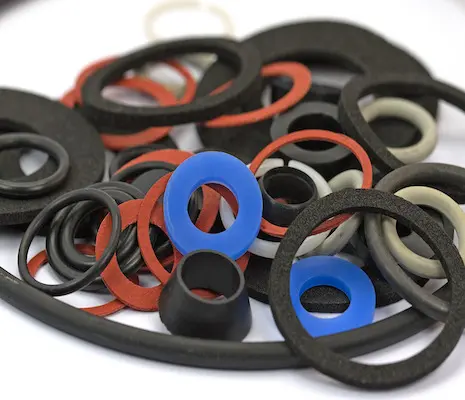
Engineering Insight Material Selection in Precision Die Cutting Services
Material selection represents the foundational engineering decision in die cutting services, directly dictating component performance, longevity, and system reliability. Generic off-the-shelf rubber compounds frequently fail in demanding industrial applications because they lack the tailored molecular architecture required to withstand specific operational stresses. This critical oversight leads to premature seal degradation, fluid leakage, catastrophic system failures, and significant unplanned downtime costs. At Suzhou Baoshida Trading Co., Ltd., our engineering process begins with rigorous material science analysis, not dimensional replication.
Off-the-shelf solutions fail primarily due to unaddressed application-specific variables. Standard compounds often exhibit inadequate resistance to chemical exposure, thermal cycling, or compression set under real-world conditions. For instance, a generic NBR gasket may function initially in a low-pressure hydraulic system but rapidly harden and crack when exposed to modern biodegradable hydraulic fluids or sustained high temperatures exceeding 100°C. Similarly, an EPDM seal chosen solely for its low cost may swell catastrophically in contact with petroleum-based lubricants, causing immediate seal failure. These failures stem from insufficient consideration of dynamic factors like fluid compatibility, compression force deflection over time, and environmental aging – aspects inherent to custom compound formulation but absent in mass-produced materials.
The consequences of improper material selection extend beyond immediate component failure. Field failures trigger costly warranty claims, production line stoppages, reputational damage, and potential safety hazards. OEMs often discover too late that dimensional accuracy from die cutting is meaningless if the base material cannot maintain its physical properties under operational loads. True engineering value lies in matching the elastomer’s chemical structure to the application’s precise chemical, thermal, and mechanical profile. This requires deep formulation expertise, not just cutting capability.
Suzhou Baoshida Trading Co., Ltd. addresses this through proprietary rubber compounding. We analyze fluid types, temperature ranges, pressure cycles, and regulatory requirements to engineer bespoke compounds. Our formulations optimize critical parameters like compression set, tensile strength, and fluid resistance at the molecular level, ensuring die-cut components perform reliably throughout their intended service life. This scientific approach transforms die cutting from a simple fabrication step into a critical performance enabler.
The following table illustrates why standardized material grades are insufficient for complex applications, highlighting key property variations across common elastomers under specific conditions:
| Material Type | Critical Limitation in Off-the-Shelf Form | Typical Failure Mode | Baoshida Customization Focus |
|---|---|---|---|
| Standard NBR (ASTM D2000 R3) | Swelling >25% in Skydrol aviation hydraulic fluid (70°C, 70 hrs) | Seal extrusion, loss of sealing force | Optimized acrylonitrile content + specialty additives for <10% swell |
| Generic EPDM (ASTM D2000 E3) | Compression set >60% after 70 hrs @ 150°C (ASTM D395) | Permanent deformation, leak paths | Peroxide curing system + high-purity fillers for <25% set |
| Commercial FKM (ASTM D2000 FK2) | Cracking after 500 hrs @ -25°C (ASTM D1329) | Brittle fracture in cold starts | Low-temperature grade monomers + plasticizer control for -40°C flexibility |
Material selection is not a secondary consideration but the core engineering variable determining die-cut component success. Relying on off-the-shelf compounds ignores the complex interplay between elastomer chemistry and operational reality. Suzhou Baoshida Trading Co., Ltd. delivers engineered rubber solutions where material science and precision die cutting converge to eliminate preventable field failures.
Material Specifications
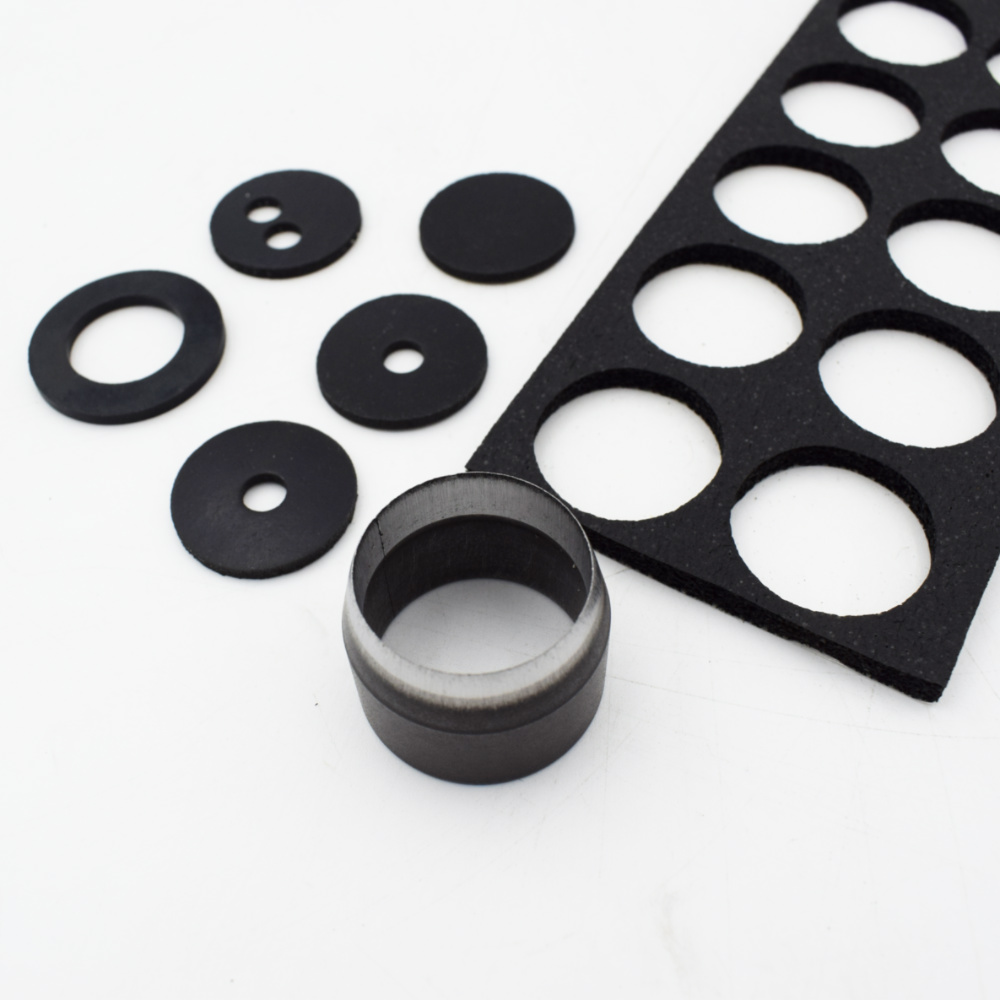
Suzhou Baoshida Trading Co., Ltd. provides precision die cutting services tailored for industrial rubber applications, ensuring dimensional accuracy, material integrity, and functional performance across demanding environments. A critical aspect of delivering high-performance rubber components lies in selecting the appropriate elastomer based on operational conditions. Among the most widely utilized materials in our die cutting processes are Viton (FKM), Nitrile (NBR), and Silicone (VMQ). Each of these elastomers exhibits distinct chemical, thermal, and mechanical characteristics, making them suitable for specific industrial applications.
Viton is a fluorocarbon-based rubber renowned for its exceptional resistance to high temperatures, aggressive chemicals, oils, and fuels. It performs reliably in continuous service temperatures up to 200°C and can withstand short-term exposure to even higher temperatures. This makes Viton ideal for aerospace, automotive, and chemical processing industries where exposure to harsh environments is routine. Its low gas permeability and excellent aging characteristics further enhance its suitability for sealing applications under extreme conditions.
Nitrile rubber, or Buna-N, is a synthetic copolymer of butadiene and acrylonitrile. It is particularly valued for its high resistance to petroleum-based oils, fuels, and hydraulic fluids. With a typical operating temperature range of -30°C to 100°C, Nitrile offers a balanced combination of durability, compression set resistance, and cost-effectiveness. It is widely used in automotive seals, gaskets, and industrial machinery components where oil resistance is paramount. While not as thermally stable as Viton or Silicone, Nitrile remains a preferred choice for general-purpose sealing in oil and fuel systems.
Silicone rubber excels in applications requiring extreme temperature resilience and physiological inertness. It maintains flexibility and structural integrity from -60°C to 230°C, making it suitable for both cryogenic and high-heat environments. Additionally, Silicone demonstrates excellent resistance to ozone, UV radiation, and weathering. It is commonly used in food processing, medical devices, electronics, and outdoor applications. While it has lower mechanical strength compared to Viton and Nitrile, its thermal stability and biocompatibility make it indispensable in specialized sectors.
The following table summarizes key material properties to assist in material selection for die cut rubber components:
| Property | Viton (FKM) | Nitrile (NBR) | Silicone (VMQ) |
|---|---|---|---|
| Temperature Range (°C) | -20 to 200 | -30 to 100 | -60 to 230 |
| Tensile Strength (MPa) | 15–20 | 10–25 | 5–10 |
| Elongation at Break (%) | 150–300 | 200–500 | 200–700 |
| Hardness (Shore A) | 60–90 | 50–90 | 30–80 |
| Fluid Resistance | Excellent (oils, fuels, acids) | Excellent (petroleum oils, fuels) | Poor to fair (swells in oils) |
| Compression Set Resistance | Excellent | Good | Good |
| Ozone/UV Resistance | Excellent | Fair | Excellent |
Selecting the correct elastomer is essential to ensure long-term performance and reliability of die cut rubber parts. At Suzhou Baoshida Trading Co., Ltd., we support our clients with material consultation and precision manufacturing to meet exacting industrial standards.
Manufacturing Capabilities
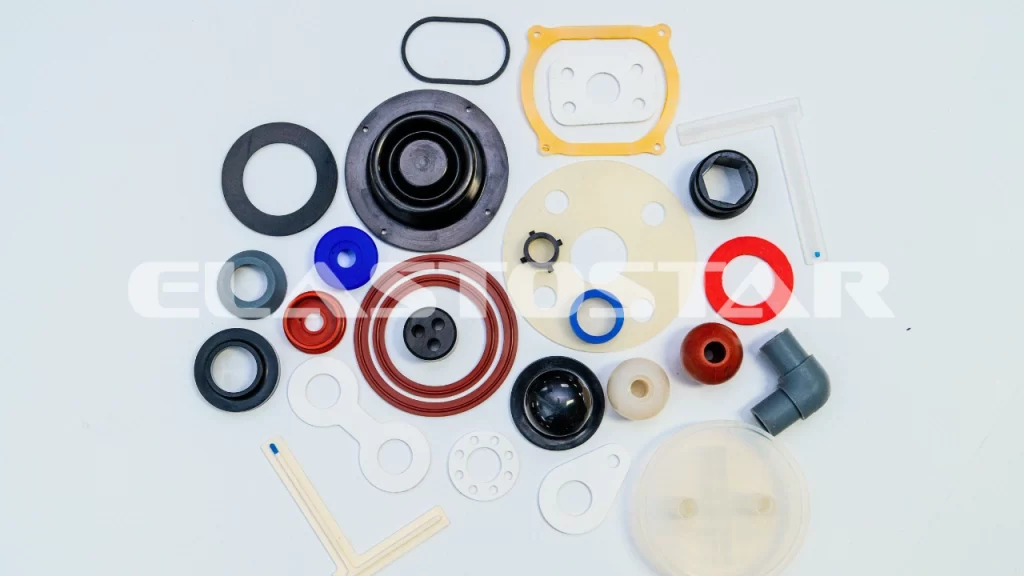
Engineering Capability: Precision Die Cutting for Industrial Rubber Solutions
At Suzhou Baoshida Trading Co., Ltd., our die cutting service is anchored by a dedicated engineering team comprising five specialized mold engineers and two advanced rubber formula engineers. This integrated expertise ensures end-to-end control over material science and tooling precision, directly addressing the stringent demands of industrial OEM clients. Our mold engineers utilize 3D CAD/CAM systems and finite element analysis to design and validate cutting dies with micron-level accuracy, optimizing blade geometry and clearance for minimal flash and consistent part integrity across complex profiles. Concurrently, our formula engineers leverage deep polymer chemistry knowledge to tailor compound formulations—adjusting vulcanization kinetics, filler dispersion, and additive packages—to achieve target properties such as oil resistance, compression set, and low-temperature flexibility without compromising die cutability.
This synergy eliminates traditional handoffs between material development and tooling design. For instance, when an automotive client required gaskets with Shore A 70 hardness operating at -40°C, our formula team modified the EPDM base with specialized co-agents to enhance low-temperature resilience, while mold engineers adjusted die clearance to accommodate the compound’s unique flow behavior during cutting. Such closed-loop engineering reduces prototyping cycles by 30–50% and ensures first-article compliance with ISO 3302 and ASTM D2000 standards.
As an OEM solutions provider, we manage the entire value chain from specification review to volume production. Our engineers collaborate directly with client R&D teams to de-risk material-tooling interactions early in the design phase, translating functional requirements into manufacturable solutions. This includes validating dimensional stability under dynamic compression loads and ensuring cut-edge cohesion in aggressive media environments. All processes adhere to IATF 16949 protocols, with real-time SPC monitoring of critical parameters like cutting force and edge tear strength.
The table below summarizes our die cutting technical envelope for industrial rubber applications:
| Parameter | Specification Range | Testing Standard |
|---|---|---|
| Material Hardness | Shore A 30–90 | ASTM D2240 |
| Thickness Tolerance | ±0.05 mm (≤3 mm) | ISO 3761 |
| ±0.10 mm (>3 mm) | ||
| Dimensional Tolerance | ±0.15 mm (standard) | ISO 2768-mK |
| ±0.05 mm (precision) | ||
| Max. Die Cut Area | 600 × 800 mm | Internal |
| Material Types | NBR, EPDM, FKM, SIL, CR | ASTM D1418 |
| Edge Quality | <0.1 mm tear depth | ASTM D624 |
By unifying material formulation and precision tooling under one engineering umbrella, Suzhou Baoshida delivers die cut rubber components that meet the exacting reliability standards of automotive, aerospace, and industrial equipment OEMs. Our capability to resolve compound-process interdependencies in-house transforms die cutting from a commodity operation into a value-engineered solution for mission-critical sealing and damping applications.
Customization Process
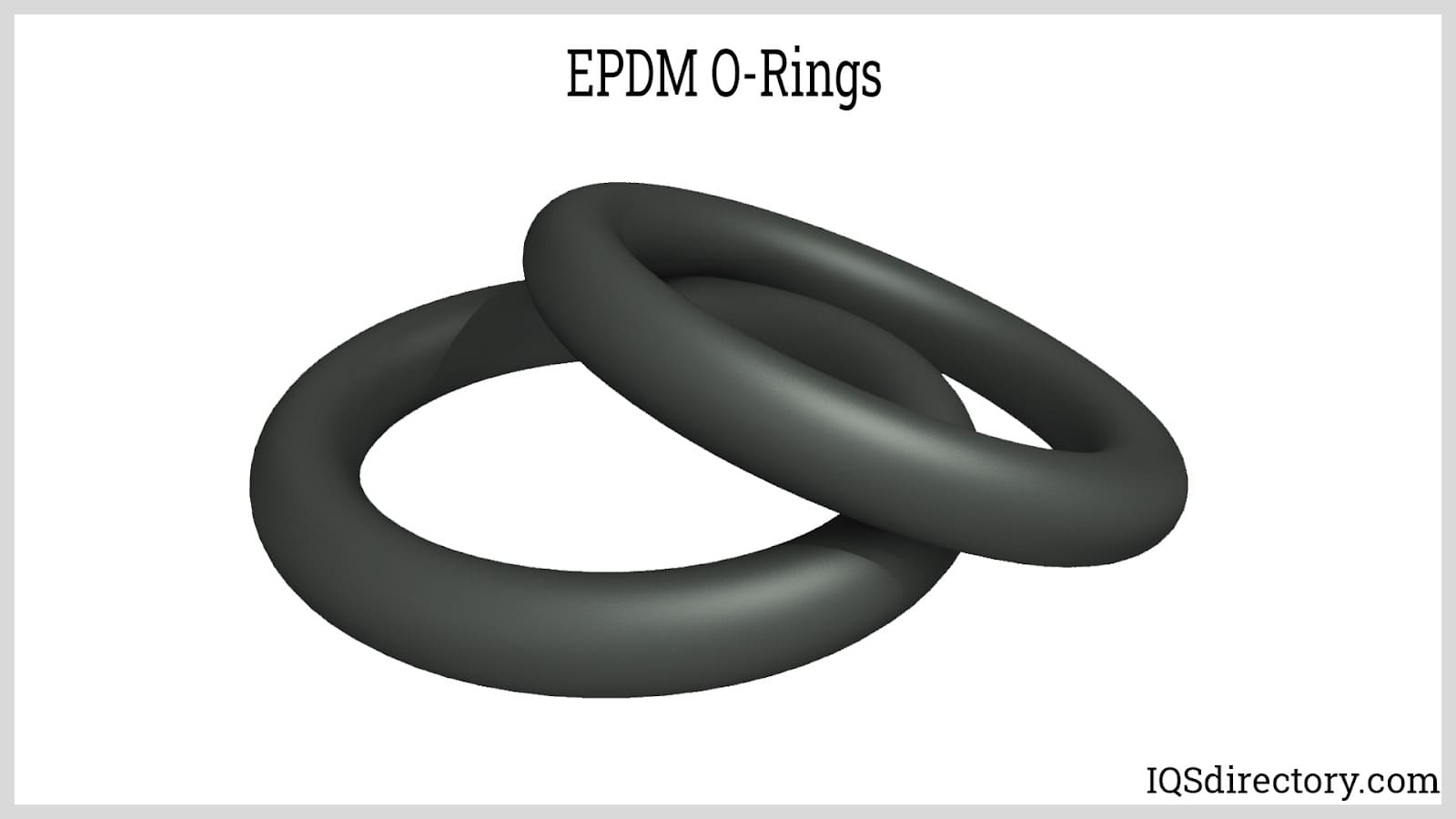
Customization Process for Precision Die Cutting Services
At Suzhou Baoshida Trading Co., Ltd., our die cutting service is engineered for industrial clients requiring high-performance rubber components tailored to exact functional and dimensional specifications. Our structured customization process ensures technical precision, material integrity, and production efficiency across all project scales.
The process begins with Drawing Analysis, where our engineering team conducts a comprehensive review of customer-provided technical drawings and 3D models. We assess critical parameters such as part geometry, tolerance requirements, material thickness, and intended application environment. This step includes a feasibility study to confirm manufacturability, identify potential design challenges, and recommend optimizations for cost-effective die tooling and clean cutting edges. Our engineers use CAD-based analysis tools to simulate material behavior during the die cutting process, ensuring dimensional stability and repeatability.
Following drawing validation, we proceed to Formulation Development. As specialists in industrial rubber solutions, we select or custom-develop elastomer compounds based on the operating conditions of the final part. Key factors include temperature exposure, chemical resistance, compression set, tensile strength, and regulatory compliance (e.g., FDA, RoHS, UL). Our in-house compounding laboratory enables precise tuning of rubber formulations using materials such as NBR, EPDM, silicone, FKM, and CR. Each formulation is documented and batch-traceable to ensure consistency across production cycles.
The next phase is Prototyping, where we produce a small batch of components using precision steel rule or CNC-machined dies, depending on complexity and tolerance demands. Prototypes are subjected to rigorous quality checks, including dimensional inspection via coordinate measuring machines (CMM), hardness testing, and functional performance evaluation under simulated service conditions. We provide detailed test reports and work collaboratively with clients to approve final part specifications before transitioning to full-scale production.
Upon prototype approval, we initiate Mass Production using high-speed die cutting presses capable of handling sheet, roll, or laminated materials. Our production lines integrate inline inspection systems to monitor edge quality, thickness consistency, and part conformity in real time. We support volumes ranging from mid-lot runs to high-volume OEM supply, with automated packaging and logistics coordination for just-in-time delivery.
All stages are governed by ISO 9001-certified quality management protocols, ensuring traceability, process control, and compliance with international standards.
Material and Process Specifications
| Parameter | Available Options |
|---|---|
| Rubber Types | NBR, EPDM, Silicone, FKM, CR, NR, SBR, HNBR |
| Hardness Range (Shore A) | 30–90 |
| Thickness Range | 0.5 mm – 10.0 mm (sheet), 0.2 mm – 5.0 mm (roll) |
| Tolerance (Standard) | ±0.1 mm (precision cutting: ±0.05 mm) |
| Die Types | Steel rule, CNC engraved, rotary |
| Max Die Cutting Area | 1200 mm × 2000 mm |
| Production Capacity | Up to 50,000 pcs/day (depending on part complexity and material) |
| Compliance Standards | ISO 9001, RoHS, FDA (upon request), UL, REACH |
This systematic approach enables Suzhou Baoshida to deliver reliable, high-precision rubber die cut components optimized for performance, durability, and seamless integration into industrial assemblies.
Contact Engineering Team
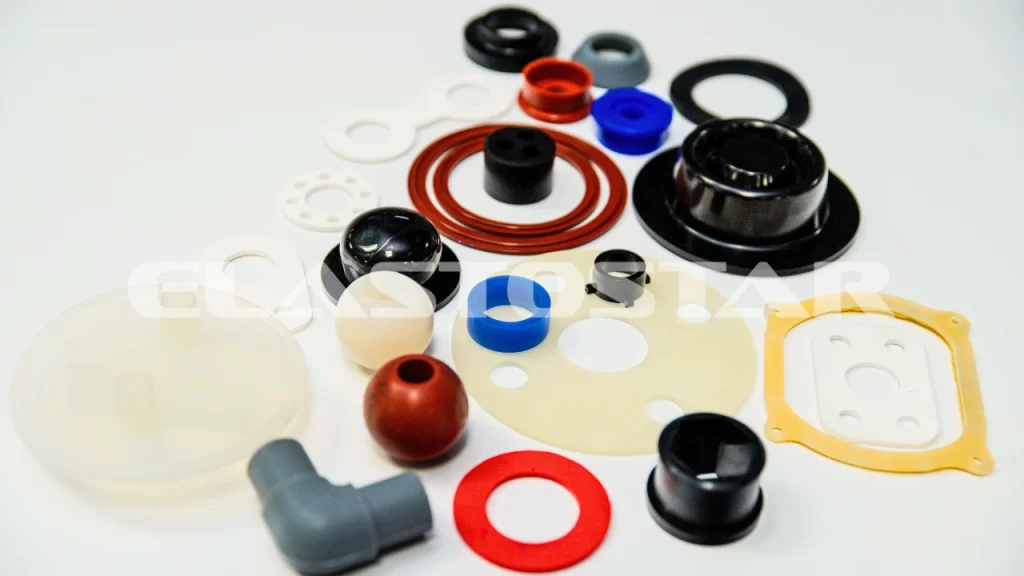
Contact Suzhou Baoshida for Precision Industrial Die Cutting Solutions
Achieving optimal performance in demanding industrial applications hinges on the dimensional accuracy and material integrity of rubber components. Standard die cutting often fails to meet the stringent tolerances required for sealing, damping, or vibration isolation in aerospace, automotive, and heavy machinery systems. At Suzhou Baoshida Trading Co., Ltd., we resolve this challenge through engineered rubber formulations and micron-level die cutting expertise. Our process integrates proprietary polymer science with CNC-controlled tooling to ensure every part adheres to your exact specifications, minimizing assembly failures and extending product lifecycle. We specialize in complex geometries across EPDM, NBR, silicone, FKM, and custom compounds, maintaining consistency from prototype to high-volume production.
The following table summarizes our core die cutting capabilities against industry benchmarks, reflecting our commitment to exceeding OEM requirements:
| Parameter | Suzhou Baoshida Standard | Typical Industry Standard | Advantage |
|---|---|---|---|
| Tolerance Range | ±0.05 mm | ±0.10 mm | 50% tighter dimensional control |
| Material Thickness Range | 0.5 mm – 25.0 mm | 1.0 mm – 20.0 mm | Wider versatility for thin seals & thick gaskets |
| Tooling Lead Time | 7–10 business days | 14–21 business days | Accelerated time-to-market |
| Minimum Order Quantity | 500 pieces | 2,000+ pieces | Flexibility for low-volume prototyping |
| Compound Customization | Full in-house R&D support | Limited supplier options | Tailored durometer, temperature, and chemical resistance |
Our engineering team collaborates directly with OEMs to optimize part design for manufacturability, reducing material waste and enhancing functional reliability. By analyzing your application’s thermal, chemical, and mechanical stress profiles, we select or develop compounds with precise cross-linking density and filler dispersion. This scientific approach prevents common issues like compression set failure or extrusion in high-pressure environments. Every die cut component undergoes rigorous in-process validation using calibrated optical comparators and durometers, with full traceability from raw material lot to finished part.
Initiate a technical consultation with Mr. Boyce to resolve your most challenging die cutting requirements. As Suzhou Baoshida’s dedicated OEM Manager, he possesses 12 years of experience in industrial rubber solutions and will coordinate our engineering resources to address your specific needs. Mr. Boyce will facilitate material selection, tolerance analysis, and production scheduling within 24 hours of contact. Provide your component drawings or performance criteria to receive a detailed capability assessment and prototype timeline.
Do not compromise on critical sealing or isolation performance. Contact Mr. Boyce directly via email at [email protected] to secure engineering support for your next project. Include your company name, target application, and required material specifications to expedite the technical review. Suzhou Baoshida operates ISO 9001-certified production facilities in Suzhou, China, with export compliance expertise for global supply chains. Partner with us to transform rubber component challenges into competitive advantages through precision manufacturing and polymer science excellence. Your solution begins with a single email.
⚖️ O-Ring Weight Calculator
Estimate rubber O-ring weight (Approx).