
Technical Contents
Engineering Guide: Disposal Rubber Gasket
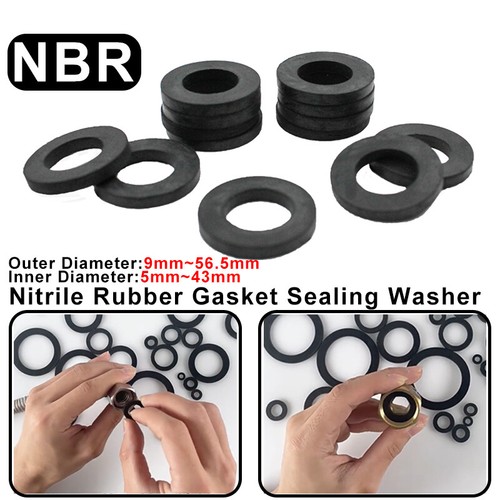
Engineering Insight: The Critical Role of Material Selection in Disposal Rubber Gaskets
In the realm of precision rubber seals, the disposal rubber gasket is often mischaracterized as a commodity component—simple, inexpensive, and easily replaceable. This perception leads many industrial buyers to default to off-the-shelf solutions, assuming functional equivalence across suppliers. However, in demanding environments such as chemical processing, pharmaceutical manufacturing, and high-cycle automation systems, this assumption results in premature failure, unplanned downtime, and compromised system integrity. The root cause frequently lies not in design flaws but in inappropriate material selection.
A disposal rubber gasket is engineered for limited service life, intended to be replaced after a single use or short operational cycle. This disposability does not diminish the importance of material performance; in fact, it heightens it. The gasket must maintain sealing integrity under specific thermal, chemical, and mechanical conditions for the duration of its service, after which it is discarded to prevent contamination or degradation-related risks. Off-the-shelf gaskets, typically molded from generic elastomers like standard nitrile (NBR) or low-grade EPDM, lack the tailored compounding required for such precision applications.
Material selection determines resistance to media exposure, compression set, tensile strength, and temperature stability. For example, a gasket exposed to aggressive solvents such as acetone or toluene requires fluorocarbon (FKM) or perfluoroelastomer (FFKM) composition. Standard NBR gaskets will swell and degrade rapidly under such conditions, leading to leaks and contamination. Similarly, in high-temperature sterilization processes common in biopharma, silicone (VMQ) or FFKM materials are essential to prevent outgassing and loss of elasticity.
Another common failure mode stems from inadequate compression set resistance. Disposal gaskets are often used in clamped or bolted flange systems where consistent sealing force is critical. Low-cost materials exhibit high compression set, meaning they do not recover after load release, resulting in incomplete sealing upon reuse or even during initial service.
At Suzhou Baoshida Trading Co., Ltd., we emphasize application-specific formulation. Our disposal rubber gaskets are engineered with precise polymer blends, filler systems, and cure packages matched to OEM requirements. We reject the one-size-fits-all approach, instead leveraging material science to align performance with operational demands.
Below is a comparison of common elastomers used in disposal gasket applications:
| Material | Temperature Range (°C) | Key Chemical Resistance | Compression Set Resistance | Typical Use Case |
|---|---|---|---|---|
| NBR (Nitrile) | -30 to +100 | Oils, fuels, aliphatic hydrocarbons | Moderate | General industrial use |
| EPDM | -50 to +150 | Water, steam, ketones, alcohols | Good | HVAC, water systems |
| Silicone (VMQ) | -60 to +200 | Ozone, UV, water, weak acids | Fair to Good | Medical, food-grade, high-temp |
| FKM (Viton®) | -20 to +200 | Aromatic hydrocarbons, acids, fuels | Excellent | Chemical, aerospace, pharma |
| FFKM | -15 to +300 | Broad spectrum, including strong acids and bases | Outstanding | Ultra-high purity, semiconductor |
Selecting the correct material is not a cost-saving exercise—it is a risk mitigation strategy. Off-the-shelf gaskets may offer short-term savings, but they compromise long-term reliability. Precision engineering begins with polymer chemistry.
Material Specifications
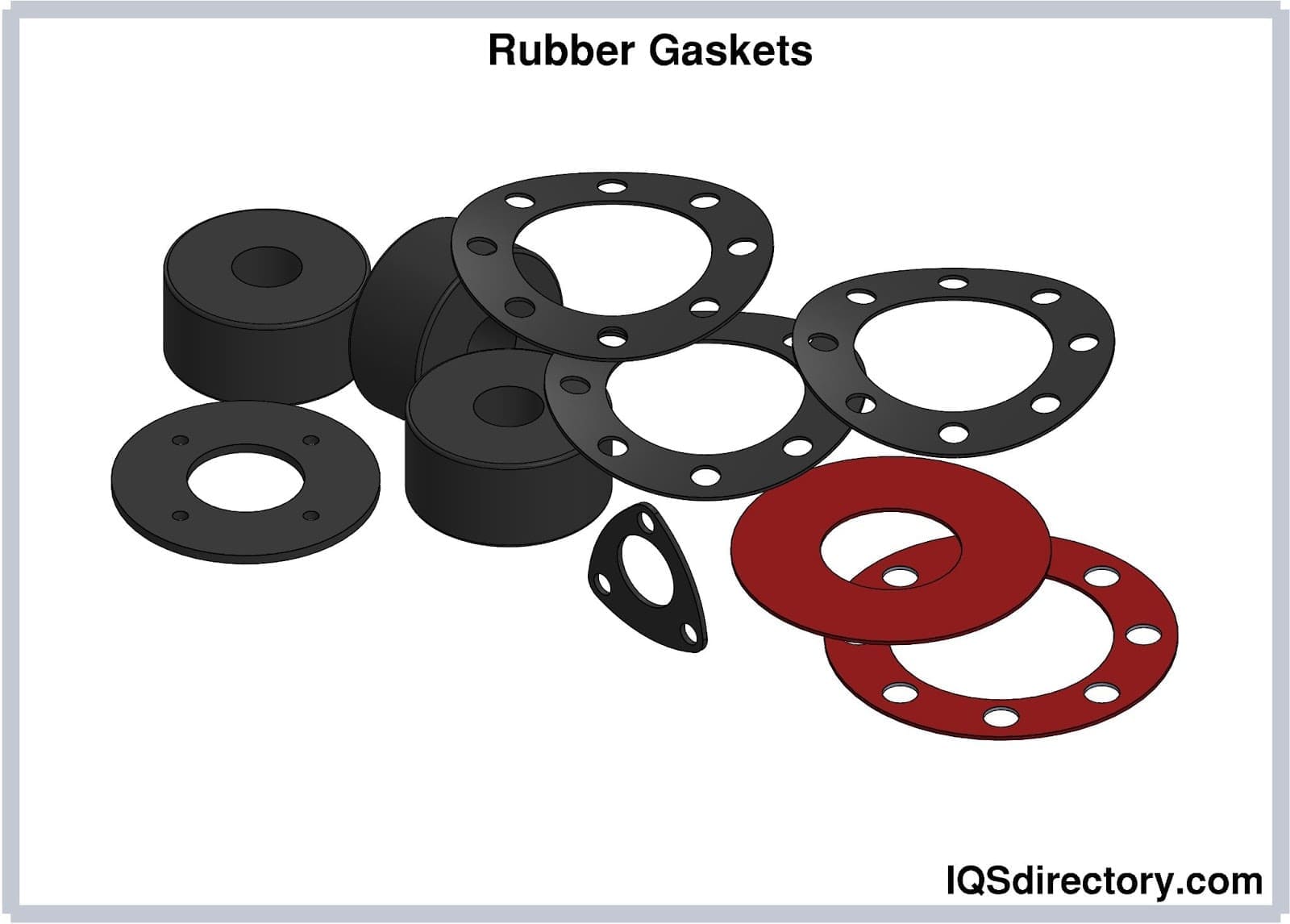
Material Specifications for Disposal Rubber Gaskets
Precision material selection is critical for single-use rubber gaskets in demanding industrial and medical applications. At Suzhou Baoshida Trading Co., Ltd., we engineer disposal gaskets to exacting OEM standards, ensuring zero cross-contamination, consistent sealing performance, and compliance with regulatory frameworks like FDA 21 CFR 177.2600. Our formulations prioritize purity, dimensional stability, and controlled extractables. Viton, Nitrile (NBR), and Silicone represent the core material families for these components, each offering distinct performance profiles tailored to specific operational environments.
Viton fluorocarbon rubber excels in extreme chemical and thermal resistance, making it indispensable for disposal gaskets in semiconductor processing, aggressive chemical handling, and high-temperature sterilization cycles. Its molecular structure resists degradation from acids, bases, fuels, and halogenated solvents up to 230°C. Compression set values below 20% after prolonged heat exposure ensure reliable sealing integrity even in single-cycle high-stress applications. Nitrile butadiene rubber (NBR) provides an optimal balance of oil/fuel resistance and cost efficiency for disposable seals in automotive fluid systems, hydraulic equipment, and general industrial machinery. Operating effectively from -30°C to 120°C, NBR formulations achieve Shore A hardnesses of 50–90, with low compression set (<30%) critical for maintaining seal force during brief but critical usage periods. Silicone rubber dominates biocompatible and high-purity disposal applications, including pharmaceutical bioreactors, medical device tubing, and food-grade packaging. Its inertness, wide temperature resilience (-60°C to 200°C), and exceptional resistance to steam autoclaving prevent leachables that could compromise sensitive processes.
The following comparative analysis details essential material properties for informed OEM selection:
| Material | Temperature Range (°C) | Hardness Range (Shore A) | Key Chemical Resistances | Key Limitations | Typical Disposal Applications |
|---|---|---|---|---|---|
| Viton | -20 to 230 | 60–90 | Acids, bases, fuels, halogenated solvents | Poor ketone/aromatic hydrocarbon resistance | Semiconductor wet benches, chemical transfer |
| Nitrile (NBR) | -30 to 120 | 50–90 | Oils, greases, aliphatic hydrocarbons | Limited ozone/weathering resistance | Automotive fluid connectors, hydraulic seals |
| Silicone | -60 to 200 | 30–80 | Steam, water, alcohols, mild acids/bases | Low tensile strength, solvent swelling | Biopharma single-use systems, medical tubing |
Material selection directly impacts disposal gasket functionality and regulatory compliance. Viton’s premium chemical resistance justifies its use in corrosive environments despite higher costs, while NBR remains the workhorse for cost-sensitive oil-exposed applications. Silicone’s biocompatibility and thermal stability are non-negotiable for life science disposables requiring USP Class VI certification. Suzhou Baoshida implements rigorous lot traceability and ISO 17025-certified testing for durometer, tensile strength, and extractables to guarantee every gasket meets OEM specifications. Understanding these material nuances ensures optimal performance in single-cycle sealing scenarios where failure is not an option.
Manufacturing Capabilities
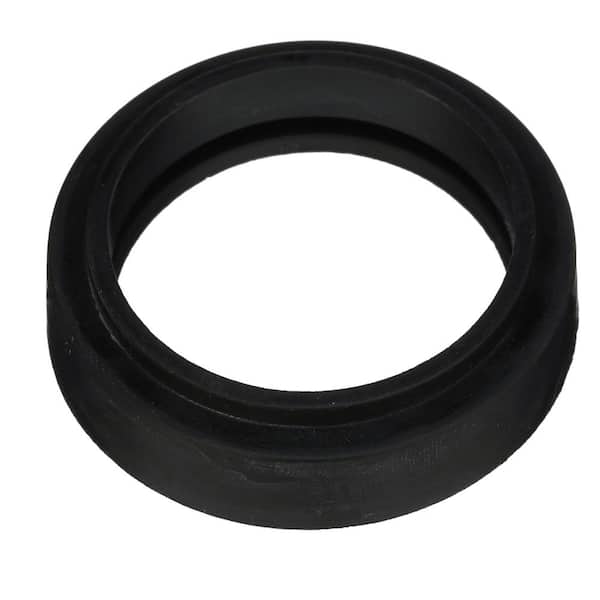
Engineering Capability
At Suzhou Baoshida Trading Co., Ltd., our core strength in precision rubber seal manufacturing lies in our integrated engineering expertise and vertically aligned OEM development process. Our technical team comprises five dedicated mould engineers and two specialized rubber formula engineers, enabling full-cycle control from material science to final tooling optimization. This multidisciplinary structure ensures that every disposal rubber gasket we produce meets exacting performance, durability, and regulatory standards required in demanding industrial and medical applications.
Our formula engineers possess advanced knowledge in polymer chemistry, focusing on compounding elastomers such as NBR, EPDM, silicone, and FKM to achieve precise physical and chemical resistance properties. They develop custom formulations tailored to specific environmental conditions, including temperature extremes, fluid exposure, and compression set requirements. Each compound is rigorously tested in-house for tensile strength, elongation, hardness, and aging characteristics to ensure long-term reliability. This scientific approach to material development allows us to deliver gaskets with consistent sealing performance, even under repeated sterilization or exposure to aggressive media.
Complementing our material expertise, our five mould engineers specialize in precision tool design for high-tolerance rubber components. Utilizing CAD/CAM software and advanced simulation tools, they optimize gate placement, venting, and cooling channels to minimize flash, reduce cycle times, and ensure dimensional stability. All moulds are manufactured to ISO 9001 standards, with strict adherence to tolerance classes per ISO 3302 and surface finishes per ISO 4287. Our engineers routinely collaborate with OEM clients during the design-for-manufacturability (DFM) phase, offering technical feedback to enhance part functionality while reducing production cost and lead time.
We operate a fully integrated OEM service model, supporting clients from prototype development through mass production. Our engineering team conducts comprehensive process validation using statistical process control (SPC) and capability studies (Cp/Cpk ≥ 1.67) to guarantee repeatability. Tooling and process parameters are documented and locked for production continuity, ensuring batch-to-batch consistency across global supply chains.
The following table outlines key engineering specifications and capabilities relevant to our disposal rubber gasket production:
| Parameter | Specification |
|---|---|
| Material Types | NBR, EPDM, Silicone, FKM, CR, SBR, NR |
| Hardness Range (Shore A) | 30–90 |
| Tolerance Class | ISO 3302 Grade M2 to M3 |
| Surface Finish (Ra) | 0.8–3.2 μm (ISO 4287) |
| Operating Temperature Range | -60°C to +300°C (depending on compound) |
| Mould Design Software | AutoCAD, SolidWorks, UG, Moldflow |
| Sample Lead Time | 15–25 days (including compound development) |
| Production Capacity | Up to 500,000 units/month per mould |
| Quality Standards | ISO 9001, RoHS, FDA (upon request), REACH compliant |
This combination of formulation science and precision engineering positions Suzhou Baoshida as a reliable technical partner for OEMs requiring high-integrity, application-specific rubber gaskets.
Customization Process
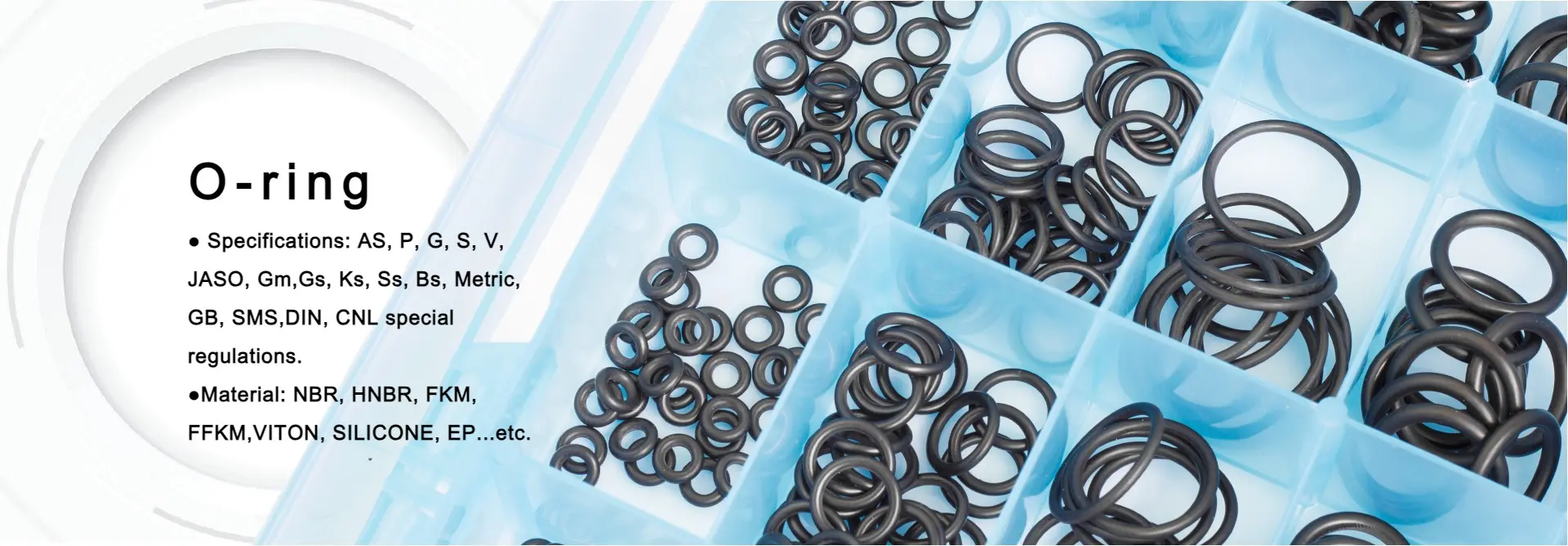
Customization Process for Disposal Rubber Gaskets
Precision gasket performance is non-negotiable in disposal systems, where chemical exposure, temperature extremes, and regulatory compliance dictate seal integrity. At Suzhou Baoshida Trading Co., Ltd., our OEM-driven customization process ensures gaskets withstand aggressive waste streams while meeting exact dimensional and material specifications. We execute this through four rigorously controlled phases.
Drawing Analysis initiates every project. Our engineering team dissects client-provided technical drawings against ASTM D2000 or ISO 3601 standards, verifying critical dimensions, surface finish requirements, and tolerance classes. We cross-reference operating conditions—such as fluid composition, pressure cycles, and temperature profiles—to flag potential failure points. For instance, drawings indicating caustic slurry exposure trigger immediate review of elastomer compatibility matrices, preventing costly mismatches early. Client feedback loops at this stage align expectations and preempt design ambiguities.
Formulation leverages our 15+ years of compound expertise. Based on the analysis, we select base polymers and additives to achieve target properties. Disposal environments demand resistance to acids, solvents, or biological agents, so we prioritize EPDM for oxidizing chemicals, FKM for hydrocarbon solvents, or specialty peroxide-cured systems for steam sterilization. Each formula undergoes computational modeling to predict compression set, tensile strength, and fluid swell. We document full traceability—down to raw material lot numbers—to satisfy FDA 21 CFR or USP Class VI requirements for medical waste applications.
Prototyping transforms validated formulas into physical samples. Utilizing CNC-machined molds, we produce 5–10 prototype gaskets per iteration. These undergo accelerated life testing: 72-hour immersion in simulated waste streams, dynamic compression cycling, and leak-rate validation per SAE AS568. Clients receive detailed test reports with dimensional rechecks; deviations >0.1mm tolerance trigger mold adjustments. This phase typically requires 2–3 iterations to balance performance, cost, and manufacturability.
Mass Production commences only after client sign-off on prototypes. Our ISO 9001-certified facility employs automated mixing lines with real-time viscosity monitoring and electrically heated presses for consistent cure profiles. Every production batch undergoes 100% visual inspection and statistical sampling for hardness, tensile, and fluid resistance. Final gaskets are serialized and packaged in ESD-safe containers, accompanied by full material test reports and RoHS/REACH compliance certificates. Continuous feedback from deployed gaskets informs iterative formula refinements, closing the quality loop.
Material selection directly dictates field reliability. The table below summarizes common disposal gasket formulations:
| Material | Hardness Range (Shore A) | Temperature Range (°C) | Key Resistance Properties | Typical Disposal Application |
|---|---|---|---|---|
| EPDM | 50–90 | -50 to +150 | Acids, alkalis, steam | Chemical waste neutralization tanks |
| FKM | 60–80 | -20 to +250 | Solvents, oils, fuels | Hazardous solvent transfer lines |
| NBR | 40–90 | -30 to +120 | Hydraulic fluids, water | General-purpose liquid waste pumps |
| Silicone | 30–80 | -60 to +230 | Steam, ozone, biocompatibility | Medical waste autoclaves |
This phased approach eliminates guesswork, ensuring gaskets perform reliably in the harshest disposal environments while adhering to global regulatory frameworks. Partner with Baoshida to convert your specifications into failure-proof sealing solutions.
Contact Engineering Team
Contact Suzhou Baoshida for Precision Disposal Rubber Gasket Solutions
At Suzhou Baoshida Trading Co., Ltd., we specialize in the engineering and supply of high-performance rubber gaskets designed for single-use or limited lifecycle applications—commonly referred to as disposal rubber gaskets. These components play a critical role in maintaining leak-free integrity across pharmaceutical, food processing, medical device, and industrial packaging systems where contamination control and regulatory compliance are non-negotiable. Our gaskets are manufactured under strict ISO-compliant processes, ensuring dimensional accuracy, material consistency, and performance reliability batch after batch.
We understand that in high-purity environments, even the smallest failure in sealing can lead to costly downtime, product loss, or compliance violations. That’s why our disposal rubber gaskets are formulated using premium-grade elastomers such as silicone, EPDM, and FKM (Viton®), selected based on chemical resistance, temperature range, and biocompatibility requirements. Each gasket is precision-molded to meet exact OEM specifications, with tight tolerances down to ±0.05 mm, ensuring seamless integration into automated assembly lines and sterile enclosures.
Our engineering team works closely with clients to evaluate application parameters including media exposure, compression set requirements, and sterilization methods (e.g., autoclave, gamma, or ethylene oxide). This collaborative approach allows us to recommend the optimal compound formulation and cross-sectional profile—whether O-ring, custom molded shape, or flange gasket—tailored specifically for short-term service life without compromising on initial performance.
Below are typical material specifications for our standard disposal rubber gasket offerings:
| Material | Hardness (Shore A) | Temperature Range | Key Properties | Common Applications |
|---|---|---|---|---|
| Silicone (VMQ) | 40–80 | -60°C to +230°C | High purity, USP Class VI compliant, flexible at low T | Biopharma, medical devices |
| EPDM | 50–70 | -50°C to +150°C | Resistant to steam, water, alkalis | Food & beverage, steam systems |
| FKM (Viton®) | 60–90 | -20°C to +200°C | Excellent chemical and oil resistance | Industrial fluid handling, diagnostics |
All products are manufactured in a controlled cleanroom environment, double-bagged, and provided with full traceability documentation including lot numbers, certificates of conformance, and material safety data sheets (MSDS).
For technical consultation or custom development of disposal rubber gaskets, contact Mr. Boyce, OEM Account Manager at Suzhou Baoshida Trading Co., Ltd. He brings over 12 years of experience in rubber formulation and precision sealing solutions for regulated industries. Mr. Boyce supports global clients in material selection, prototype development, and scalable production planning with rapid turnaround.
To initiate a project or request a sample kit, email him directly at [email protected]. Include your application details, performance requirements, and preferred material class for a targeted response within 24 business hours. We support English, Mandarin, and technical German correspondence. Partner with Suzhou Baoshida for scientifically grounded, industrially proven sealing solutions engineered for precision and performance.
⚖️ O-Ring Weight Calculator
Estimate rubber O-ring weight (Approx).