
Technical Contents
Engineering Guide: Diving Suit Fabrics
Engineering Insight: The Critical Role of Material Selection in Diving Suit Fabrics
In the demanding environment of underwater operations, the performance of diving suit fabrics is not merely a function of design—it is fundamentally rooted in material science. At Suzhou Baoshida Trading Co., Ltd., our expertise in industrial rubber solutions enables us to address the nuanced challenges faced by manufacturers of high-performance diving suits. Off-the-shelf textile or rubber materials, while cost-effective for general applications, often fail under the extreme conditions encountered in deep-sea or prolonged immersion scenarios. These failures stem from inadequate resistance to hydrostatic pressure, thermal conductivity, chemical exposure, and mechanical abrasion.
Standard elastomeric fabrics may exhibit acceptable flexibility and water resistance in laboratory conditions, but they degrade rapidly when exposed to saltwater, UV radiation, and fluctuating temperatures. More critically, they lack the structural memory and tensile resilience required for repeated compression and expansion cycles during dives. This results in premature cracking, delamination, and compromised thermal insulation—direct threats to diver safety and operational reliability.
Material selection must therefore be guided by application-specific engineering parameters. For instance, neoprene remains a prevalent base material due to its closed-cell structure and inherent buoyancy, but its performance is highly dependent on polymer formulation, foaming process, and lamination technique. Chloroprene rubber with enhanced cross-linking density offers superior ozone and oil resistance, while carboxylated variants improve adhesion to reinforcing fabrics such as nylon or aramid scrim. The integration of fluorinated elastomers in critical zones can further elevate resistance to aggressive marine contaminants.
Another often-overlooked factor is interfacial durability between the rubber matrix and fabric substrate. Poor bonding leads to blistering under pressure differentials, especially beyond 30 meters depth. Our engineered solutions employ plasma surface treatment and proprietary primers to ensure covalent bonding between layers, maintaining integrity across thousands of flex cycles.
Below is a comparative analysis of key material properties relevant to high-performance diving suit applications:
| Material | Tensile Strength (MPa) | Elongation at Break (%) | Compression Set (70°C, 22h) | Thermal Conductivity (W/m·K) | Saltwater Resistance (ASTM D471) |
|---|---|---|---|---|---|
| Standard Neoprene | 7.5 | 250 | 28% | 0.08 | Moderate |
| High-Density Chloroprene | 10.2 | 290 | 18% | 0.06 | Excellent |
| Carboxylated Neoprene | 12.0 | 275 | 15% | 0.055 | Excellent |
| Fluoroelastomer-Laminated | 14.5 | 220 | 12% | 0.05 | Outstanding |
The data illustrates that incremental improvements in polymer chemistry yield measurable gains in field performance. However, optimization cannot be achieved through material substitution alone. It requires a systems approach—integrating material selection with manufacturing precision, quality control, and end-use validation.
At Suzhou Baoshida, we collaborate with OEMs to develop customized rubber-fabric composites that meet exact operational profiles, ensuring reliability where standard solutions fall short.
Material Specifications
Material Specifications for Critical Diving Suit Sealing Components
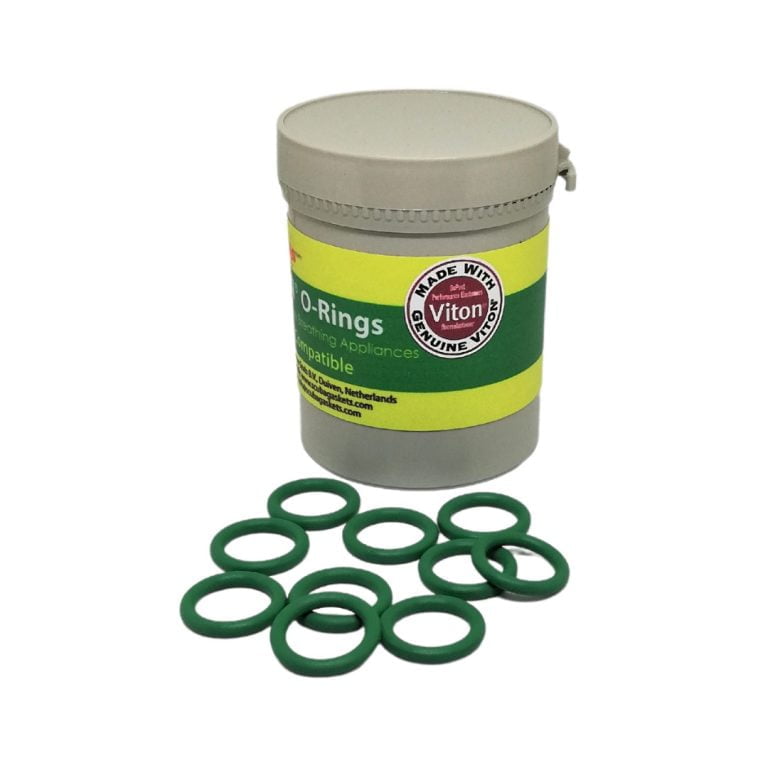
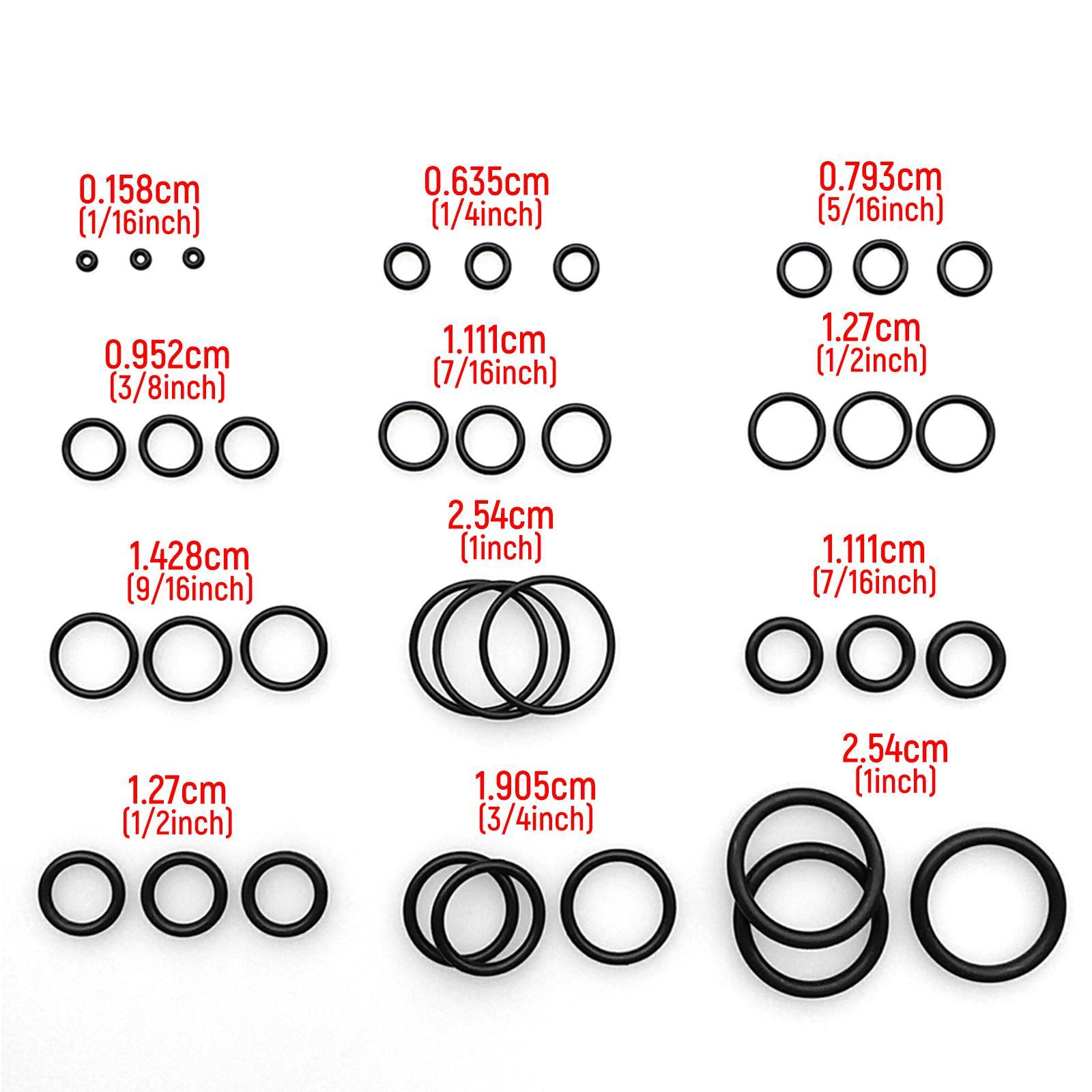
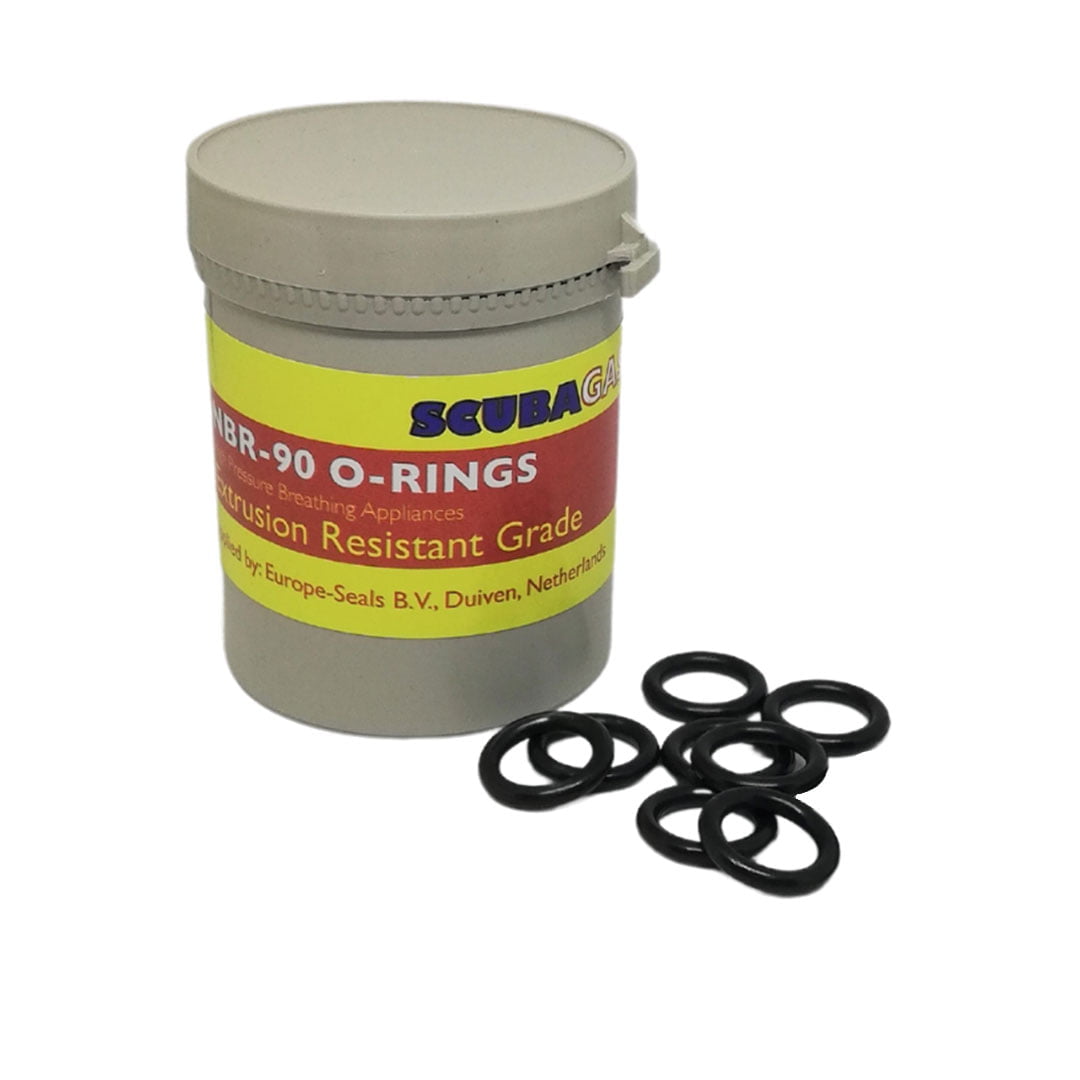
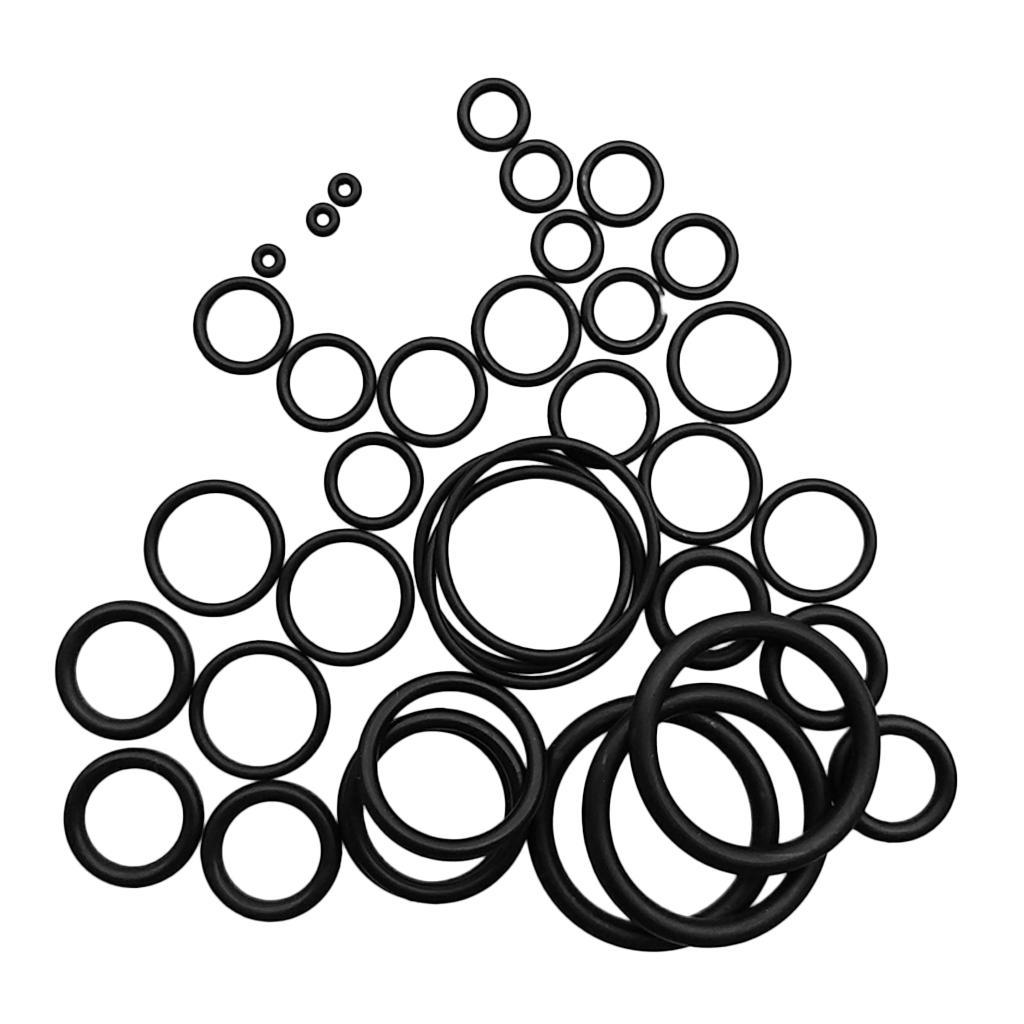
Suzhou Baoshida Trading Co., Ltd. provides engineered rubber solutions for demanding marine applications, including critical sealing components within professional diving suits. While the primary suit fabric involves textile composites, the integrity of wrist seals, neck seals, and zipper gaskets relies entirely on high-performance elastomers. Selecting the optimal material requires rigorous evaluation against operational parameters: extreme pressure differentials, prolonged saltwater immersion, exposure to oxygen under pressure, temperature fluctuations, and mechanical flexing. Viton, Nitrile, and Silicone represent the core elastomer families meeting these stringent requirements, each offering distinct performance profiles validated by our OEM engineering team against ASTM D2000 and ISO 37 standards.
Critical factors include chemical resistance to seawater, oils, and cleaning agents; low-temperature flexibility to prevent cracking during deep dives; resilience to maintain sealing force under compression; and durability against repeated deformation. Viton fluoroelastomers excel in chemical and high-temperature resistance but exhibit higher cost and reduced low-temperature flexibility. Nitrile rubber provides an optimal balance of oil/fuel resistance, cost-effectiveness, and good low-temperature performance, making it a prevalent choice for many marine seals. Silicone offers superior flexibility across the broadest temperature range and excellent biocompatibility but possesses lower tensile strength and requires careful formulation for optimal seawater resistance. Material selection is never generic; it is precisely engineered for the specific seal geometry, pressure regime, and dive profile.
The following comparative analysis details key physical and chemical properties essential for diving suit sealing applications. Data reflects typical cured compound values meeting minimum diving industry performance thresholds.
| Material Property | Viton (FKM) | Nitrile (NBR) | Silicone (VMQ) |
|---|---|---|---|
| Continuous Service Temp | -20°C to +230°C | -40°C to +120°C | -60°C to +200°C |
| Short-Term Peak Temp | +260°C | +150°C | +230°C |
| Saltwater Resistance | Excellent | Very Good | Good (Formulation Dependent) |
| Oil/Fuel Resistance | Excellent | Excellent | Poor |
| Tensile Strength (MPa) | 12-18 | 15-25 | 5-10 |
| Elongation at Break (%) | 150-300 | 200-500 | 300-800 |
| Compression Set (ASTM D395) | 15-25% (24h/150°C) | 20-40% (70h/100°C) | 15-30% (22h/150°C) |
| Hardness Range (Shore A) | 60-90 | 50-90 | 30-80 |
| Key Diving Applications | High-temp exhaust seals, aggressive chemical exposure zones | Primary wrist/neck seals, zipper gaskets (standard diving) | Low-temp seals, sensitive skin contact areas |
Interpretation of this data is paramount. Viton’s exceptional chemical stability is crucial for rebreather components but often excessive for standard drysuit seals, impacting cost. Nitrile’s robust balance makes it the industry workhorse for general-purpose seals where fuel/oil exposure is possible. Silicone’s unmatched low-temperature flexibility and hypoallergenic nature are vital for cold-water expedition suits, though its lower strength necessitates precise design reinforcement. Suzhou Baoshida’s engineering team collaborates with OEM partners to formulate compounds within these base materials, optimizing additives for specific saltwater resistance, tear strength, and compression set performance. We do not supply generic rubber; we deliver application-engineered elastomer solutions ensuring diver safety and equipment longevity through precise material science. Final compound validation always includes accelerated seawater immersion testing per ASTM D471 protocols.
Manufacturing Capabilities
Engineering Capability
At Suzhou Baoshida Trading Co., Ltd., our core strength in industrial rubber solutions is anchored in a robust engineering team dedicated to precision, innovation, and OEM excellence. We employ five specialized mould engineers and two advanced rubber formula engineers, creating a cross-functional technical unit capable of managing complex diving suit fabric production from concept to final product. This integrated team ensures that every material and component meets stringent performance standards required in extreme underwater environments.
Our mould engineers bring extensive experience in designing and optimizing rubber compression and transfer moulds used in fabric reinforcement and sealing applications. They utilize advanced CAD/CAM systems and finite element analysis (FEA) to simulate stress distribution, thermal behavior, and compression set characteristics under operational conditions. This enables us to produce moulds with micron-level accuracy, ensuring consistent part geometry and long-term durability in demanding marine applications. With in-house tooling oversight, we maintain full control over lead times, design iterations, and quality assurance throughout the development cycle.
Complementing our mould design expertise are two dedicated rubber formulation engineers who specialize in elastomer chemistry for high-performance diving applications. These engineers formulate custom rubber compounds based on neoprene, EPDM, and blended synthetic rubbers, tailored to meet specific requirements for flexibility, thermal insulation, saltwater resistance, and compression recovery. Each formula undergoes rigorous testing for tensile strength, elongation at break, ozone resistance, and accelerated aging in simulated deep-sea conditions. Our lab facilities support iterative development, allowing rapid prototyping and validation of new materials for OEM partners.
We offer comprehensive OEM services, including private labeling, custom thickness profiles, fabric reinforcement integration (e.g., nylon tricot or polyester knits), and co-moulded sealing zones. Our engineering team collaborates directly with client design specifications, providing DFM (Design for Manufacturability) feedback and material selection guidance to optimize performance and cost-efficiency. From initial concept sketches to mass production, we ensure full traceability, process validation, and compliance with international quality standards.
The following table outlines key technical capabilities and performance metrics achievable with our engineered rubber fabrics:
| Parameter | Specification |
|---|---|
| Material Types | Neoprene, EPDM, Blended Synthetic Rubbers |
| Thickness Range | 1.5 mm to 10.0 mm (customizable) |
| Fabric Reinforcement | Nylon tricot, Polyester knit, Spandex blends |
| Tensile Strength | ≥ 8.0 MPa (ASTM D412) |
| Elongation at Break | ≥ 300% |
| Compression Set (22h @ 70°C) | ≤ 20% (ASTM D395) |
| Operating Temperature | -40°C to +100°C |
| Saltwater Resistance | Excellent (tested per ISO 1817) |
| Mould Tolerance | ±0.1 mm |
| OEM Customization | Full design, formulation, and branding support |
Through the synergy of advanced mould engineering and specialized rubber formulation, Suzhou Baoshida delivers technically superior diving suit fabrics that meet the exacting demands of professional marine and industrial diving applications.
Customization Process
Customization Process for Diving Suit Fabrics: Engineering Precision from Concept to Volume
At Suzhou Baoshida Trading Co., Ltd., our industrial rubber solutions for diving suit fabrics demand rigorous customization to meet extreme operational demands. Standard formulations fail under prolonged hydrostatic pressure, saltwater immersion, and thermal cycling. Our proprietary four-stage process ensures material integrity aligns precisely with OEM performance requirements, mitigating failure risks inherent in underwater environments. This structured approach transforms conceptual designs into certified, production-ready materials.
Drawing Analysis: Translating Design Intent into Material Science
We initiate with comprehensive technical drawing review, scrutinizing dimensional tolerances, seam specifications, and environmental exposure zones. Critical parameters include minimum wall thickness under compression, flexural fatigue limits at depth, and chemical resistance profiles against seawater, chlorine, and UV radiation. Our engineers identify potential stress concentrations invisible in 2D schematics, applying finite element analysis (FEA) to simulate material behavior under 10-50 meter depth equivalents. This phase defines the non-negotiable baseline for polymer selection and compound development, ensuring the formulation addresses latent design vulnerabilities before resource commitment.
Formulation: Molecular Architecture for Extreme Conditions
Based on drawing analysis, our rubber chemists develop bespoke polymer matrices. Key considerations include optimizing crosslink density for compression set resistance below 15% (ASTM D395) while maintaining elongation >300% (ASTM D412). Chlorobutyl rubber (IIR) may be prioritized for superior gas impermeability in dry suits, whereas neoprene (CR) composites excel in thermal insulation for wetsuits. Critical additives include hydrophobic silica for wet traction retention and hindered amine light stabilizers (HALS) for UV resistance. Each formulation undergoes predictive modeling for hydrolysis kinetics in saline environments, ensuring >10,000-hour service life before prototyping.
Prototyping: Validated Performance Under Simulated Extremes
Prototypes are manufactured using calibrated hydraulic presses (±0.5°C temperature control) and subjected to accelerated aging per ISO 188. Testing protocols include:
Hydrostatic pressure testing to 1.5x operational depth (ISO 13006)
Salt spray corrosion assessment (ASTM B117)
Dynamic flexing at -20°C (ISO 132)
Permeation testing for helium/oxygen mixtures (ASTM D1434)
Data from three iterative prototype batches validates formulation stability. Only materials achieving zero delamination, <5% tensile loss, and maintained elongation qualify for production release.
Mass Production: Consistency Through Controlled Systems
Volume manufacturing employs IoT-monitored Banbury mixers with real-time viscosity tracking (Mooney ML 1+4 @ 100°C). Every batch undergoes inline spectrometry for polymer composition verification and automated thickness gauging (±0.1mm tolerance). Final inspection includes 100% visual scanning for voids/inclusions and statistical sampling for physical properties. Our ISO 9001-certified process ensures lot-to-lot consistency with CpK >1.67 for critical dimensions, delivering OEMs predictable performance at scale.
Key Material Property Comparison for Diving Applications
| Property | EPDM Composite | Chloroprene (CR) | Bromobutyl (BIIR) | Test Standard |
|---|---|---|---|---|
| Tensile Strength (MPa) | 18.5 | 22.0 | 16.8 | ASTM D412 |
| Elongation at Break (%) | 450 | 580 | 520 | ASTM D412 |
| Compression Set (%) | 12 | 28 | 9 | ASTM D395 |
| Seawater Resistance | Excellent | Good | Excellent | ISO 1817 |
| Chlorine Resistance | Superior | Moderate | Superior | ASTM D1148 |
| Thermal Conductivity (W/m·K) | 0.18 | 0.09 | 0.11 | ISO 22007-2 |
This systematic engineering workflow guarantees diving suit fabrics exceed industry safety thresholds while optimizing lifecycle costs for OEM partners. Suzhou Baoshida delivers not just materials, but validated performance assurance for the world’s most demanding underwater operations.
Contact Engineering Team
For manufacturers and OEMs seeking high-performance diving suit fabrics engineered for extreme underwater conditions, Suzhou Baoshida Trading Co., Ltd. delivers precision-crafted industrial rubber solutions tailored to technical diving, commercial marine operations, and defense applications. Our expertise lies in the formulation and supply of advanced neoprene composites, chloroprene blends, and laminated rubber textiles designed for thermal insulation, compressive resilience, and long-term durability in saline and high-pressure environments.
Our diving suit materials are developed through rigorous polymer science, integrating closed-cell foam structures with high-tensile knit or tricot laminates to ensure optimal buoyancy control, abrasion resistance, and ergonomic flexibility. Each batch undergoes stringent quality control under ISO-compliant protocols, with batch traceability and performance certification provided upon request. Whether you require standard-grade neoprene for recreational diving suits or custom-formulated rubber composites for deep-sea saturation diving applications, our engineering team collaborates directly with clients to meet exact mechanical and environmental specifications.
To support global supply chain integration, we offer scalable production runs, just-in-time delivery logistics, and technical documentation packages including material safety data sheets (MSDS), tensile strength reports, and compression set analyses. Our manufacturing partners utilize state-of-the-art calendaring and vulcanization equipment to maintain uniform thickness, consistent cell structure, and superior bonding between rubber and fabric layers—critical factors in preventing delamination and thermal degradation during prolonged submersion.
Below are representative technical specifications for our most widely adopted diving suit fabric series:
| Property | Test Method | Value (Typical) |
|---|---|---|
| Durometer Hardness (Shore A) | ASTM D2240 | 45 ± 5 |
| Tensile Strength | ASTM D412 | ≥ 8.0 MPa |
| Elongation at Break | ASTM D412 | ≥ 600% |
| Compression Set (22h at 70°C, 25% deflection) | ASTM D395 | ≤ 15% |
| Closed-Cell Structure Density | ISO 1183 | 0.38–0.42 g/cm³ |
| Thermal Conductivity | ASTM C518 | 0.052 W/(m·K) |
| Water Absorption (24h immersion) | ASTM D570 | < 1.5% |
| Lamination Peel Strength (rubber to tricot) | ASTM D903 | ≥ 3.5 kN/m |
All materials are compatible with standard cutting, stitching, and blind-stitch welding processes used in diving suit assembly. Custom thicknesses from 1.5 mm to 7.0 mm are available in black or high-visibility color options, with surface finishes including smooth skin, textured grip, or aerodynamic ribbing.
To initiate a technical consultation or request material samples for qualification testing, contact Mr. Boyce, Rubber Formula Engineer and OEM Manager at Suzhou Baoshida Trading Co., Ltd. Direct correspondence to [email protected] ensures access to formulation data, compliance documentation, and application-specific recommendations. We respond to all inquiries within 12 business hours and support project development from prototype to full-scale production. Partner with us to integrate scientifically optimized rubber fabrics into your next generation of diving suit systems.
⚖️ O-Ring Weight Calculator
Estimate rubber O-ring weight (Approx).