
Technical Contents
Engineering Guide: Door Bottom Weatherstripping Types
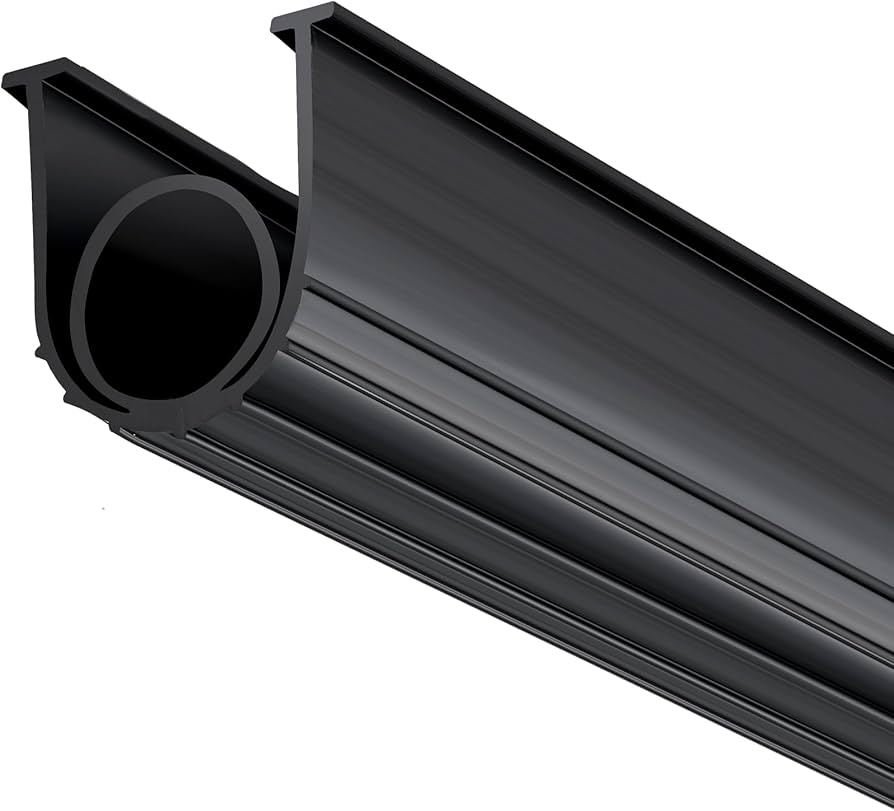
Engineering Insight: Material Selection in Door Bottom Weatherstripping
The performance and longevity of door bottom weatherstripping are fundamentally determined by material selection. In industrial and commercial applications, off-the-shelf weatherstripping solutions often fail prematurely due to inadequate consideration of environmental stressors, mechanical wear, and chemical exposure. These generic products are typically formulated for residential use, where operational demands are significantly lower. As a result, they lack the resilience required in high-traffic facilities, extreme climates, or corrosive environments.
At Suzhou Baoshida Trading Co., Ltd., we emphasize engineered rubber solutions tailored to specific operational conditions. The core failure mechanism in standard weatherstrips is material degradation—whether through ozone cracking, UV exposure, compression set, or abrasion. For instance, EPDM rubber, while excellent for outdoor UV and ozone resistance, may not perform optimally in environments with exposure to oils or solvents. Conversely, silicone offers superior temperature resistance but exhibits poor abrasion resistance, limiting its durability in sliding or high-friction door mechanisms.
Neoprene (CR) presents a balanced profile with moderate resistance to oils, ozone, and weathering, making it suitable for general industrial use. However, in applications involving frequent door cycling or exposure to hydraulic fluids, nitrile rubber (NBR) or thermoplastic polyurethane (TPU) may be more appropriate due to their superior mechanical strength and oil resistance. TPU, in particular, offers exceptional abrasion resistance and maintains flexibility across a wide temperature range, making it ideal for automated or high-cycle door systems.
Compression set is another critical factor. Low-quality materials deform permanently after prolonged compression, leading to gaps and compromised sealing. High-performance compounds such as hydrogenated nitrile (HNBR) or specially formulated EPDM with reinforced cross-linking exhibit minimal compression set, ensuring long-term sealing integrity.
The following table compares key rubber materials used in industrial door bottom weatherstripping:
| Material | Temp Range (°C) | UV/Ozone Resistance | Oil/Chemical Resistance | Abrasion Resistance | Compression Set |
|---|---|---|---|---|---|
| EPDM | -50 to +150 | Excellent | Poor | Good | Low to Moderate |
| Silicone | -60 to +230 | Good | Poor | Fair | Low |
| Neoprene (CR) | -40 to +120 | Good | Moderate | Moderate | Moderate |
| Nitrile (NBR) | -30 to +100 | Poor | Excellent | Good | Moderate to High |
| TPU | -40 to +120 | Moderate | Good | Excellent | Low |
| HNBR | -40 to +170 | Excellent | Excellent | Excellent | Very Low |
Selecting the correct material is not a one-size-fits-all proposition. It requires a detailed understanding of the application environment, including temperature cycles, exposure to chemicals, mechanical stress, and expected service life. Off-the-shelf weatherstrips often neglect these variables, leading to frequent replacements and increased lifecycle costs. At Baoshida, we provide custom-formulated rubber compounds and OEM support to ensure optimal performance, durability, and cost-efficiency in demanding industrial environments.
Material Specifications
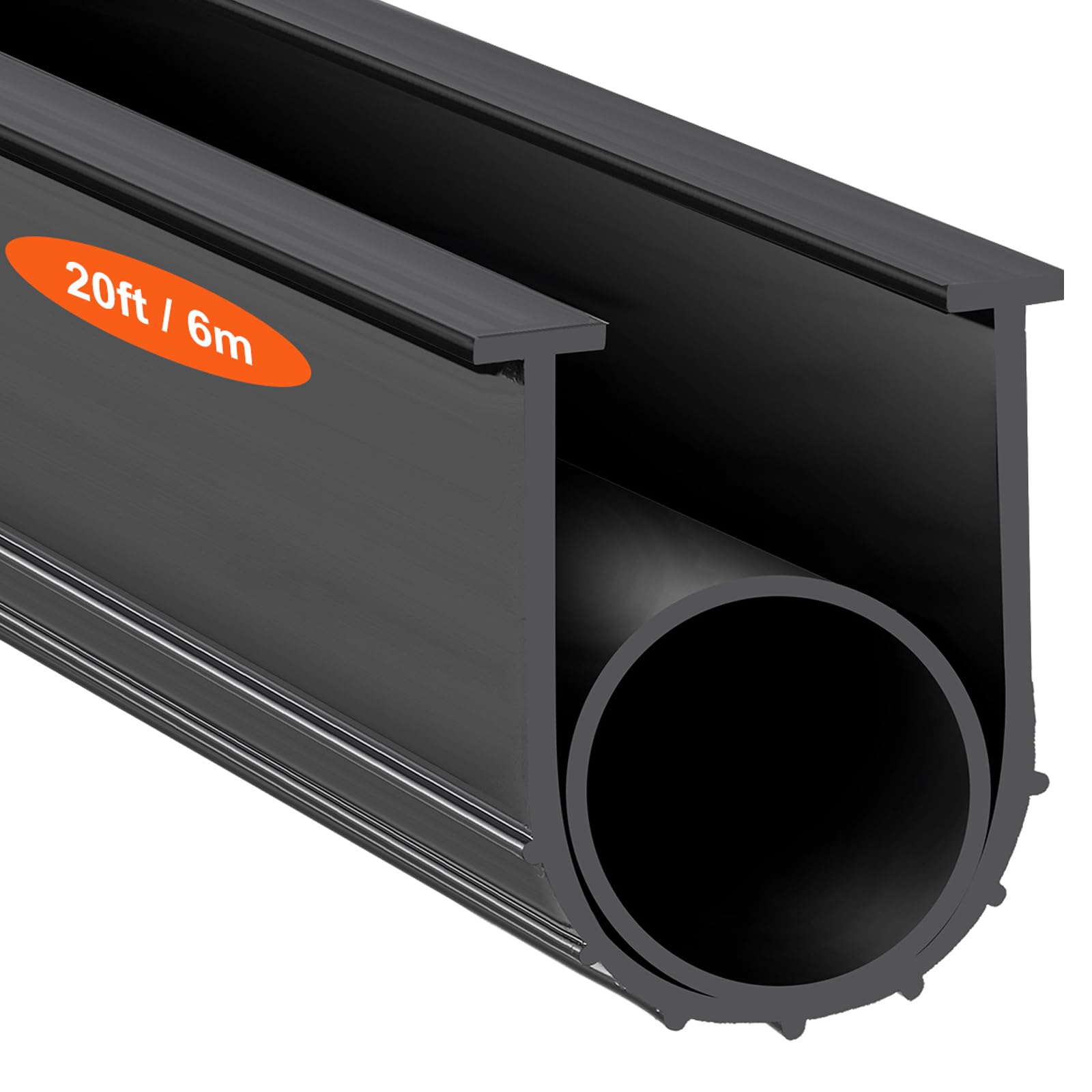
Material Specifications for Door Bottom Weatherstripping
Selecting optimal elastomeric compounds for door bottom weatherstripping is critical for ensuring long-term sealing integrity across diverse environmental and operational conditions. At Suzhou Baoshida Trading Co., Ltd., we prioritize material science precision to address compression set resistance, thermal stability, chemical exposure, and mechanical durability. Below we detail three primary rubber formulations engineered for industrial and commercial door sealing applications: Viton (FKM), Nitrile (NBR), and Silicone (VMQ). Each material undergoes rigorous ASTM D2000 classification and OEM-specific validation to meet stringent performance thresholds.
Viton fluoroelastomers deliver exceptional resistance to extreme temperatures (-20°C to +230°C continuous) and aggressive chemicals including oils, acids, and hydrocarbon derivatives. With a typical hardness range of 70–90 Shore A, Viton maintains structural integrity under prolonged compression, exhibiting a compression set of ≤25% after 70 hours at 150°C. This makes it ideal for high-temperature industrial environments such as autoclaves, paint spray booths, or chemical processing facilities where standard rubbers degrade rapidly.
Nitrile rubber (NBR) offers superior cost-performance balance for general-purpose weatherstripping, particularly in oil and fuel-exposed settings. Its hardness spans 50–90 Shore A, with operational temperatures from -40°C to +120°C. NBR demonstrates outstanding abrasion resistance and tensile strength (15–25 MPa), alongside a compression set of ≤30% at 100°C. This material is frequently specified for automotive garages, marine hatches, and manufacturing plants handling lubricants or hydraulic fluids.
Silicone (VMQ) provides unmatched flexibility across extreme cold and heat (-60°C to +200°C), with hardness values of 40–80 Shore A. Its low compression set (≤20% at 150°C) ensures consistent sealing force retention, while inherent UV and ozone resistance prevent cracking in outdoor applications. Though less resistant to petroleum-based fluids than NBR or Viton, silicone excels in cleanrooms, food processing facilities, and architectural glazing systems requiring wide thermal adaptability and non-toxic compliance.
The following comparative table summarizes key technical parameters per ASTM D2000 guidelines:
| Material | Hardness Range (Shore A) | Temperature Range (°C) | Tensile Strength (MPa) | Compression Set (70h) | Key Advantages |
|---|---|---|---|---|---|
| Viton (FKM) | 70–90 | -20 to +230 | 10–20 | ≤25% @ 150°C | Extreme chemical/heat resistance |
| Nitrile (NBR) | 50–90 | -40 to +120 | 15–25 | ≤30% @ 100°C | Oil/fuel resistance, cost efficiency |
| Silicone (VMQ) | 40–80 | -60 to +200 | 6–12 | ≤20% @ 150°C | Wide temp flexibility, UV stability |
Suzhou Baoshida Trading Co., Ltd. leverages decades of OEM formulation expertise to tailor these base compounds with proprietary additives—enhancing flame retardancy (UL 94), conductivity, or pigment stability per client specifications. Our precision extrusion processes ensure dimensional accuracy within ±0.1mm tolerances, directly impacting seal longevity and energy efficiency. Material selection must align with application-specific stressors; improper specification risks premature failure, energy leakage, and safety non-compliance. Partner with our engineering team to validate compound suitability against your operational profile.
Manufacturing Capabilities
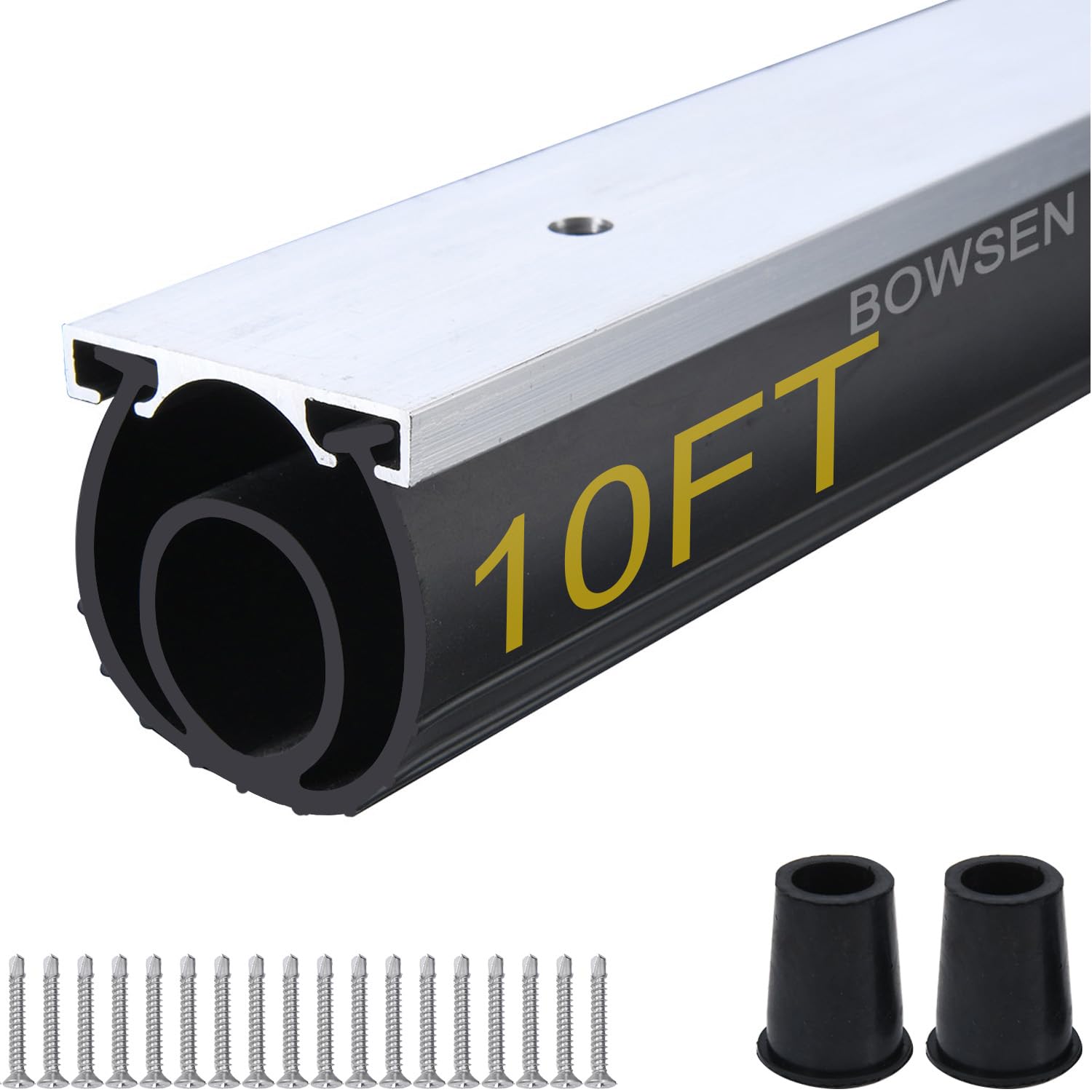
Suzhou Baoshida Trading Co., Ltd. operates at the forefront of industrial rubber engineering, delivering precision-engineered door bottom weatherstripping solutions tailored to global OEM standards. Our Engineering Capability division is anchored by a dedicated team of five experienced mould engineers and two specialized rubber formula engineers, enabling end-to-end development from concept to mass production. This integrated technical team ensures that every weatherstripping product meets exacting performance criteria for sealing efficiency, durability, and environmental resistance.
Our mould engineers utilize advanced CAD/CAM systems and finite element analysis (FEA) to design high-precision steel and aluminum tooling optimized for long production cycles and tight tolerances. Each mould is rigorously tested for flow dynamics, wear resistance, and dimensional stability, ensuring consistent part quality across high-volume runs. The ability to iterate designs rapidly allows for quick validation and prototyping, reducing time-to-market for OEM partners requiring custom profiles or application-specific geometries.
Complementing our mould design expertise, our rubber formula engineers specialize in developing proprietary elastomer compounds tailored to specific operational environments. Whether the requirement is low-temperature flexibility, UV and ozone resistance, or compliance with fire safety standards, our formulations are engineered at the molecular level to deliver targeted performance. We work extensively with EPDM, silicone, TPE, and neoprene base polymers, modifying cross-linking systems, filler dispersion, and plasticizers to achieve optimal compression set, tensile strength, and abrasion resistance.
This synergy between material science and precision tooling enables Suzhou Baoshida to support comprehensive OEM programs. We offer full technical collaboration, including DFMEA reviews, tolerance stack-up analysis, and process capability studies (Cp/Cpk), ensuring manufacturability and reliability. Our manufacturing lines are equipped for continuous vulcanization (CV), injection molding, and splicing, accommodating both standard and custom door bottom profiles.
The table below outlines typical performance specifications achievable with our engineered weatherstripping solutions:
| Property | Test Standard | Typical Value (EPDM) | Typical Value (Silicone) |
|---|---|---|---|
| Hardness (Shore A) | ASTM D2240 | 55 ± 5 | 60 ± 5 |
| Tensile Strength | ASTM D412 | ≥9 MPa | ≥7 MPa |
| Elongation at Break | ASTM D412 | ≥250% | ≥200% |
| Compression Set (22 hrs, 70°C) | ASTM D395 | ≤25% | ≤20% |
| Temperature Range | — | -40°C to +120°C | -60°C to +200°C |
| Ozone Resistance | ASTM D1149 | No cracking (200 pphm, 40°C) | Excellent |
| Flame Resistance | UL 94 | HB | V-0 |
All formulations and tooling are developed in-house, ensuring full intellectual property control and rapid response to engineering change requests. Suzhou Baoshida’s technical team is structured to function as an extension of our clients’ R&D departments, providing scalable engineering support for global supply chain demands.
Customization Process
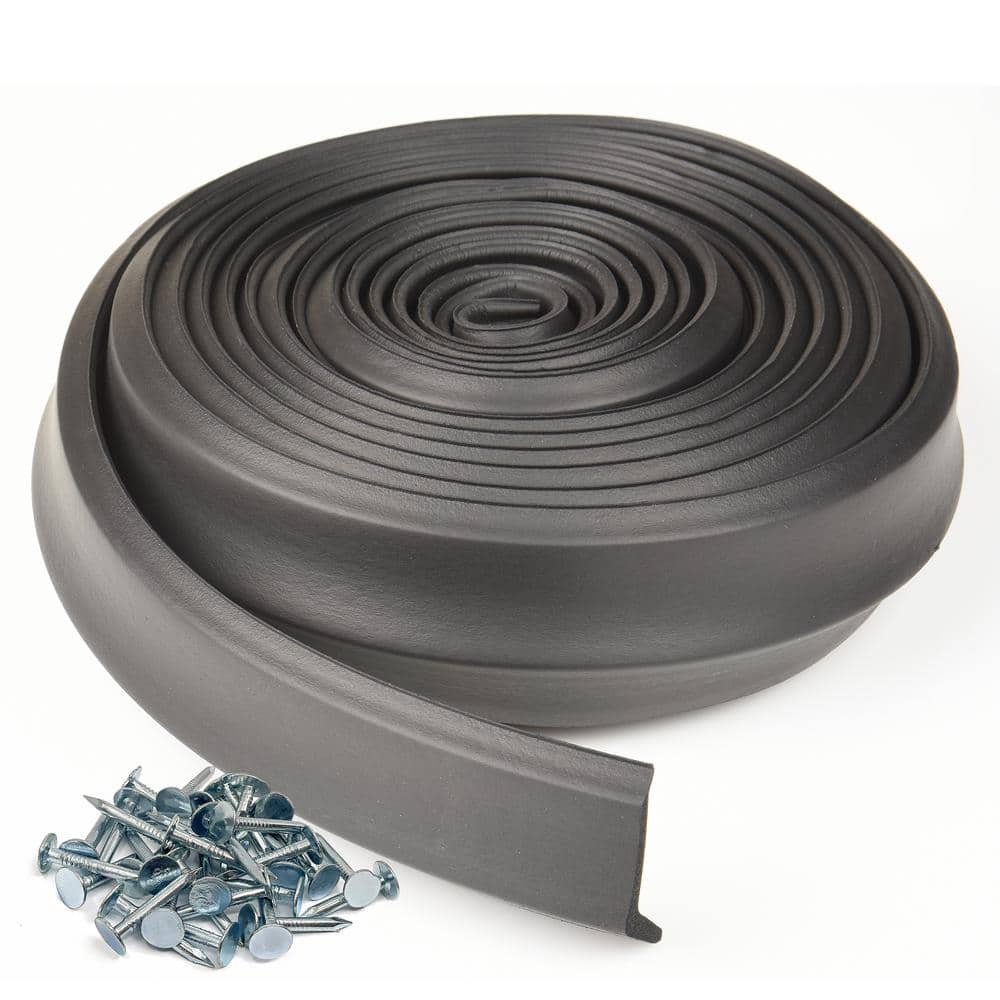
Customization Process for Door Bottom Weatherstripping
Suzhou Baoshida Trading Co., Ltd. executes a rigorous four-stage customization workflow for industrial door bottom weatherstripping, ensuring technical alignment with OEM performance and environmental demands. This process begins with Drawing Analysis, where engineering teams dissect client-provided CAD files or sketches to verify dimensional tolerances, sealing interface geometry, and installation mechanics. Critical parameters such as compression deflection force, cross-sectional symmetry, and substrate adhesion zones are validated against ISO 1817 and ASTM D2000 standards. Any deviations in draft angles or material clearance gaps are flagged for collaborative redesign, preventing tooling inefficiencies early in development.
Subsequent Formulation leverages Suzhou Baoshida’s proprietary rubber compounding expertise. Material selection is dictated by operational stressors identified during drawing review, including temperature extremes, chemical exposure, and dynamic compression cycles. For instance, EPDM formulations dominate exterior applications requiring UV/ozone resistance, while thermoplastic elastomers (TPE) suit interior environments demanding rapid recovery. Each compound is engineered to achieve precise Shore A hardness (typically 55–75), controlled compression set (<25% per ASTM D395), and tailored flexural modulus. Spectroscopic analysis confirms polymer-filler dispersion homogeneity before advancing to prototyping.
Prototyping utilizes CNC-machined aluminum molds to produce 50–100 test units under simulated production conditions. Physical validation includes:
Compression load testing via Instron machines to verify force-deflection curves
Accelerated aging in QUV chambers (1,000+ hours per ASTM G154)
Dynamic cycling tests (50,000+ cycles) measuring seal integrity loss
Client feedback on fit, noise reduction, and installation torque directly informs final compound adjustments. Only prototypes passing all metrics proceed to mass production.
Mass Production integrates statistical process control (SPC) with real-time monitoring of 15+ critical variables. Vulcanization parameters—time, temperature, pressure—are auto-adjusted via IoT sensors to maintain ±3 Shore A hardness consistency. Every production run undergoes 100% visual inspection for surface defects and batch-level validation of tensile strength (ASTM D412), elongation, and low-temperature flexibility (ASTM D1329). Traceability is enforced through laser-etched batch codes linked to raw material certificates and process logs.
Material performance specifications for common door bottom weatherstripping compounds are summarized below:
| Material Type | Hardness Range (Shore A) | Temperature Range (°C) | Compression Set @70°C (22h) | Abrasion Resistance (DIN 53516, mm³) |
|---|---|---|---|---|
| EPDM | 60–75 | -50 to +150 | ≤22% | 85–110 |
| TPE | 55–70 | -40 to +130 | ≤18% | 70–95 |
| Silicone | 65–80 | -60 to +200 | ≤15% | 120–150 |
This structured methodology ensures Suzhou Baoshida delivers weatherstripping solutions with zero field failures in sealing performance. Continuous data feedback from production to R&D enables iterative refinement, maintaining compliance with global automotive and architectural standards while optimizing lifecycle costs for OEM partners.
Contact Engineering Team
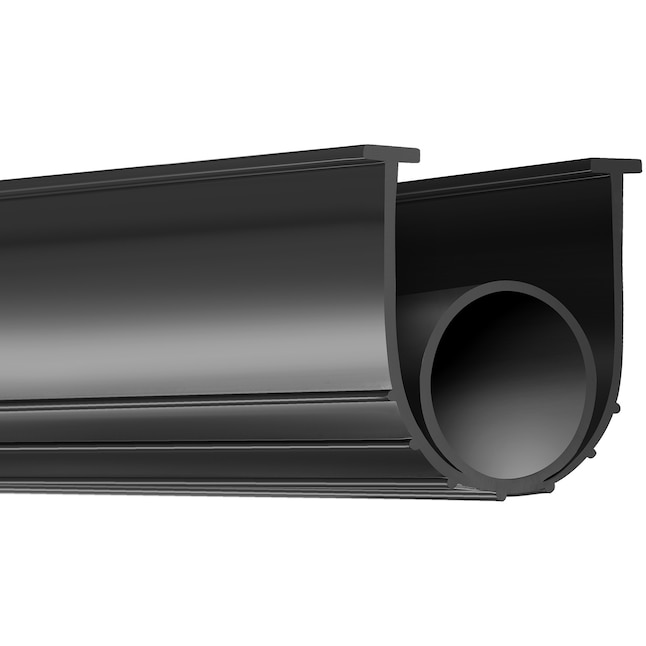
Contact Suzhou Baoshida for Advanced Door Bottom Weatherstripping Solutions
At Suzhou Baoshida Trading Co., Ltd., we specialize in delivering high-performance industrial rubber solutions tailored to the exacting demands of modern manufacturing. As a trusted OEM manager and rubber formula engineer, we understand that effective door bottom weatherstripping is not merely a component—it is a critical interface between energy efficiency, acoustic insulation, and structural integrity. Our engineered weatherstripping systems are designed to meet rigorous international standards while offering long-term durability across diverse environmental conditions.
We invite technical buyers, product designers, and engineering teams to contact Mr. Boyce, our dedicated technical liaison, to discuss your specific application requirements. Whether you are developing commercial entry systems, industrial enclosures, or high-efficiency residential units, our team provides material science expertise and custom formulation services to ensure optimal sealing performance. From EPDM to silicone and thermoplastic vulcanizates (TPV), our compound development process is rooted in precision testing and lifecycle analysis.
Our manufacturing capabilities support low-compression-force profiles, dual-durometer extrusions, and co-continuous sealing geometries—features essential for minimizing air infiltration while maintaining smooth door operation. We work closely with clients to validate dimensional tolerances, adhesion performance, and UV/ozone resistance, ensuring compliance with ASTM D412, ASTM D2000, and ISO 1817 standards.
For rapid prototyping and volume production, Suzhou Baoshida offers full technical documentation, including material certifications, aging reports, and extrusion die design support. Our quality management system is aligned with ISO 9001:2015, and we maintain traceability across all production batches.
To initiate a technical consultation or request sample submissions, please contact Mr. Boyce directly at [email protected]. Include your project specifications, performance targets, and any relevant drawings or test requirements. Our team responds to all inquiries within 24 business hours.
Below is a comparative overview of our standard door bottom weatherstripping materials:
| Material | Hardness (Shore A) | Temperature Range (°C) | Tensile Strength (MPa) | Key Applications |
|---|---|---|---|---|
| EPDM | 60–75 | -50 to +135 | 8.5–11.0 | Exterior doors, high UV exposure |
| Silicone | 45–65 | -60 to +200 | 6.0–8.5 | Fire-rated doors, extreme temps |
| TPV | 55–70 | -40 to +130 | 9.0–10.5 | Energy-efficient residential units |
| PVC | 70–85 | -20 to +80 | 10.0–13.0 | Interior applications, low cost |
Partner with Suzhou Baoshida to integrate scientifically validated rubber solutions into your next generation of door systems. Reach out today to optimize sealing performance, reduce field failures, and enhance product longevity.
⚖️ O-Ring Weight Calculator
Estimate rubber O-ring weight (Approx).