
Technical Contents
Engineering Guide: Door Gasket Car

Engineering Insight: The Critical Role of Material Selection in Door Gasket Car Applications
In the precision-driven domain of automotive sealing systems, the door gasket serves as a vital interface between the vehicle’s interior and external environment. Its primary function extends beyond mere closure—it ensures acoustic insulation, prevents water and dust ingress, maintains cabin pressure, and contributes to overall structural rigidity. Despite its seemingly simple form, the performance longevity of a door gasket is fundamentally governed by material selection. Off-the-shelf rubber solutions, while cost-attractive in initial procurement, frequently fail to meet the dynamic demands of automotive environments due to inadequate material engineering.
Standardized gaskets often employ generic elastomers such as conventional EPDM or low-grade silicone, selected for processability rather than performance fidelity. These materials may exhibit acceptable compression set resistance or weatherability under mild conditions. However, they lack tailored formulation for specific thermal cycles, UV exposure, chemical resistance, or mechanical stress profiles inherent in modern vehicle platforms. For instance, prolonged exposure to ozone in urban environments can initiate micro-cracking in improperly stabilized EPDM, leading to premature seal degradation. Similarly, fluctuating temperature ranges from -40°C to +120°C demand precise glass transition temperature (Tg) control, which commodity compounds rarely achieve.
At Suzhou Baoshida Trading Co., Ltd., our approach to door gasket development begins with OEM-level environmental mapping. We analyze regional usage patterns, climatic stressors, door assembly tolerances, and closure force dynamics to formulate application-specific rubber compounds. Our engineered EPDM blends incorporate high saturation levels, advanced antioxidant packages, and controlled crosslink density to deliver superior ozone resistance and long-term elastic recovery. For premium or electric vehicle applications requiring enhanced NVH (Noise, Vibration, Harshness) performance, we deploy specialty thermoplastic vulcanizates (TPVs) with tuned Shore hardness and hysteresis characteristics.
The failure of generic gaskets is not merely a functional concern—it carries downstream implications for brand reputation, warranty costs, and customer satisfaction. A gasket that sags over time due to poor compression set performance compromises door alignment and increases wind noise. One that hardens under UV exposure fails to achieve proper sealing force, resulting in water leakage complaints. These issues are preventable through material science rigor.
Below is a comparative specification table highlighting performance differentiators between standard and engineered rubber compounds used in door gasket applications.
| Property | Standard EPDM | Engineered EPDM (Baoshida) | Test Method |
|---|---|---|---|
| Hardness (Shore A) | 65 ± 5 | 60, 65, 70 ± 2 | ASTM D2240 |
| Tensile Strength | ≥ 7 MPa | ≥ 10 MPa | ASTM D412 |
| Elongation at Break | ≥ 250% | ≥ 350% | ASTM D412 |
| Compression Set (22 hrs, 100°C) | ≤ 35% | ≤ 20% | ASTM D395 |
| Heat Aging (7 days, 120°C) | Retains ~70% strength | Retains ≥ 90% strength | ASTM D573 |
| Ozone Resistance (100 pphm, 40°C) | Cracking observed | No cracking (Grade 4) | ASTM D1149 |
| Operating Temperature Range | -30°C to +110°C | -40°C to +130°C | Internal |
Material selection is not a commodity decision—it is an engineering imperative. At Suzhou Baoshida, we align compound design with OEM performance mandates, ensuring every door gasket delivers precision sealing for the life of the vehicle.
Material Specifications

Material Specifications for Automotive Door Gasket Applications
Suzhou Baoshida Trading Co., Ltd. delivers precision-engineered rubber seals meeting stringent automotive OEM requirements. Material selection for door gaskets directly impacts sealing integrity, durability, and lifecycle performance under dynamic environmental stress. Our formulations prioritize consistent compression set resistance, thermal stability, and fluid compatibility. Viton (FKM), Nitrile (NBR), and Silicone (VMQ) represent industry-standard elastomers for this application, each offering distinct performance profiles validated through ASTM D2000 line callout protocols.
Viton (FKM) excels in extreme environments requiring resistance to automotive fluids, ozone, and high temperatures. Its fluorocarbon structure maintains integrity between -20°C and +230°C continuous service, with short-term peaks to 300°C. This material is ideal for gaskets exposed to engine bay proximity, fuel vapors, or aggressive cleaning agents. However, its higher cost and reduced low-temperature flexibility necessitate targeted application engineering. Suzhou Baoshida optimizes FKM compounds with tailored filler systems to balance cost without compromising chemical resistance.
Nitrile (NBR) remains the dominant choice for standard door gaskets due to its exceptional balance of oil/fuel resistance, abrasion tolerance, and cost efficiency. Our high-acrylonitrile NBR formulations operate reliably from -40°C to +125°C, with specialized grades extending to +150°C. NBR demonstrates superior compression set below 25% at 100°C after 70 hours (ASTM D395), critical for maintaining door seal pressure over 100,000+ cycles. Limitations include moderate ozone resistance and stiffening below -40°C, addressed through proprietary antioxidant packages in our OEM-grade compounds.
Silicone (VMQ) provides unmatched low-temperature flexibility down to -60°C and thermal stability up to +200°C. Its inert composition ensures compatibility with brake fluids and cosmetics, making it suitable for interior trim seals. VMQ’s hydrophobic nature prevents moisture absorption-induced swelling. Key constraints involve lower tensile strength and susceptibility to撕裂 under high shear loads. Suzhou Baoshida employs reinforced peroxide-cured VMQ compounds to enhance mechanical properties while retaining elasticity across thermal extremes.
The following comparative analysis details critical specifications for automotive door gasket implementation:
| Material | Temperature Range (°C) | Key Resistances | Primary Limitations | Typical Automotive Use Case |
|---|---|---|---|---|
| Viton (FKM) | -20 to +230 | Fuels, oils, acids, ozone, plasma | High cost, poor low-temp flexibility below -20°C | Engine compartment-adjacent seals, high-performance vehicle gaskets |
| Nitrile (NBR) | -40 to +125 (+150 special) | Petroleum oils, fuels, abrasion | Moderate ozone resistance, swells in polar solvents | Standard exterior door perimeter seals, weatherstripping |
| Silicone (VMQ) | -60 to +200 | Extreme temps, water, ozone, UV | Low tear strength, susceptible to compression set under load | Interior glass run channels, secondary seals in climate-controlled zones |
Suzhou Baoshida’s material science team collaborates with OEMs to select and customize compounds based on specific vehicle architecture, regional climate exposure, and lifecycle targets. Our ISO/TS 16949-certified processes ensure batch-to-batch consistency in critical parameters including durometer (55-75 Shore A), elongation (>250%), and compression set (<30% per ASTM D395). Precise formulation control mitigates common failure modes such as extrusion, hardening, or adhesion loss, guaranteeing 15-year+ service life under OEM validation protocols. Partner with us to translate material specifications into engineered sealing solutions that exceed automotive durability benchmarks.
Manufacturing Capabilities
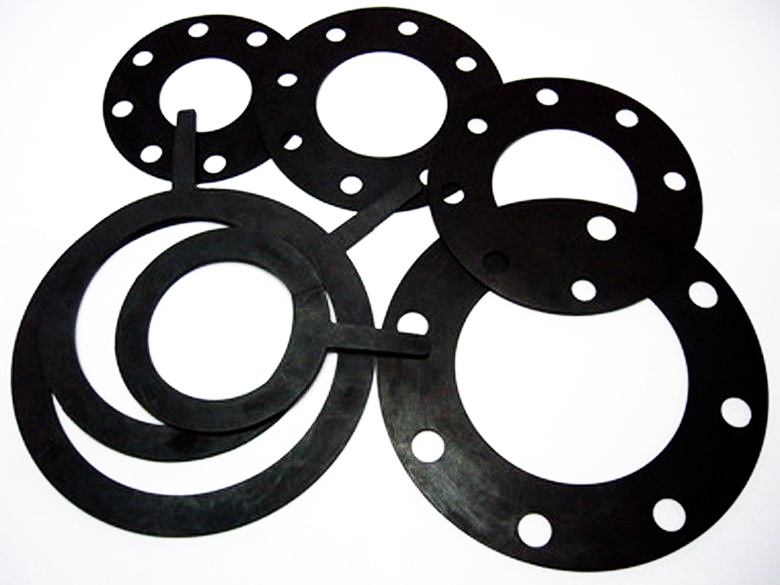
Engineering Capability
At Suzhou Baoshida Trading Co., Ltd., our engineering division is built around precision, innovation, and deep technical expertise in rubber formulation and mold design. Our team comprises five dedicated mold engineers and two specialized rubber formula engineers, enabling us to deliver fully integrated OEM solutions for automotive door gasket systems. This dual-engineering capability ensures that both material science and mechanical design are optimized in parallel, resulting in gaskets that meet exacting performance, durability, and sealing requirements.
Our mold engineers bring over 15 years of cumulative experience in precision tooling for EPDM, TPE, and silicone-based gaskets. They utilize advanced CAD/CAM software, including SolidWorks and UG NX, to develop high-tolerance molds with optimized flow dynamics and minimal flash formation. Finite Element Analysis (FEA) is routinely applied to simulate compression set, stress distribution, and long-term deformation under real-world automotive conditions. This predictive modeling allows us to refine mold geometry and venting design before prototyping, reducing time-to-market and enhancing first-pass yield rates.
Complementing our mold engineering team are two full-time rubber formula engineers with advanced degrees in polymer chemistry. Their focus lies in custom compounding for door gaskets that must perform under extreme temperature fluctuations, UV exposure, ozone degradation, and repeated compression cycles. By tailoring filler systems, crosslinking agents, and plasticizers, we achieve formulations that balance Shore A hardness, elongation at break, and low-temperature flexibility. All formulations are developed in-house and validated through accelerated aging tests per ASTM and ISO standards, ensuring compliance with OEM specifications.
Our OEM capabilities extend from concept to mass production. We support clients with complete technical documentation, including DFMEA, process flow diagrams, and PPAP submissions. Prototypes are produced on production-intent tooling, enabling accurate performance validation. Once approved, we transition seamlessly to high-volume manufacturing with automated extrusion lines and multi-cavity molds, all maintained under strict IATF 16949 quality protocols.
The integration of formulation science and precision mold engineering allows us to solve complex sealing challenges—such as multi-durometer profiles, co-extruded sponge/solid sections, and conductive EMI shielding gaskets—while maintaining dimensional stability and long service life.
Typical Door Gasket Material Specifications
| Property | Test Method | EPDM Standard | EPDM Custom (Low-Temp) | TPE Hybrid |
|---|---|---|---|---|
| Shore A Hardness | ASTM D2240 | 60 ± 5 | 55 ± 5 | 58 ± 4 |
| Tensile Strength | ASTM D412 | ≥ 9 MPa | ≥ 8.5 MPa | ≥ 7.0 MPa |
| Elongation at Break | ASTM D412 | ≥ 250% | ≥ 300% | ≥ 350% |
| Compression Set (22h, 70°C) | ASTM D395 | ≤ 25% | ≤ 20% | ≤ 18% |
| Low Temp Brittleness | ASTM D746 | -40°C | -50°C | -45°C |
| Heat Aging (7 days, 100°C) | ASTM D573 | Retains > 80% | Retains > 85% | Retains > 75% |
This technical foundation enables Suzhou Baoshida to deliver door gasket solutions that exceed OEM performance expectations, with full traceability, rapid iteration, and scalable manufacturing.
Customization Process
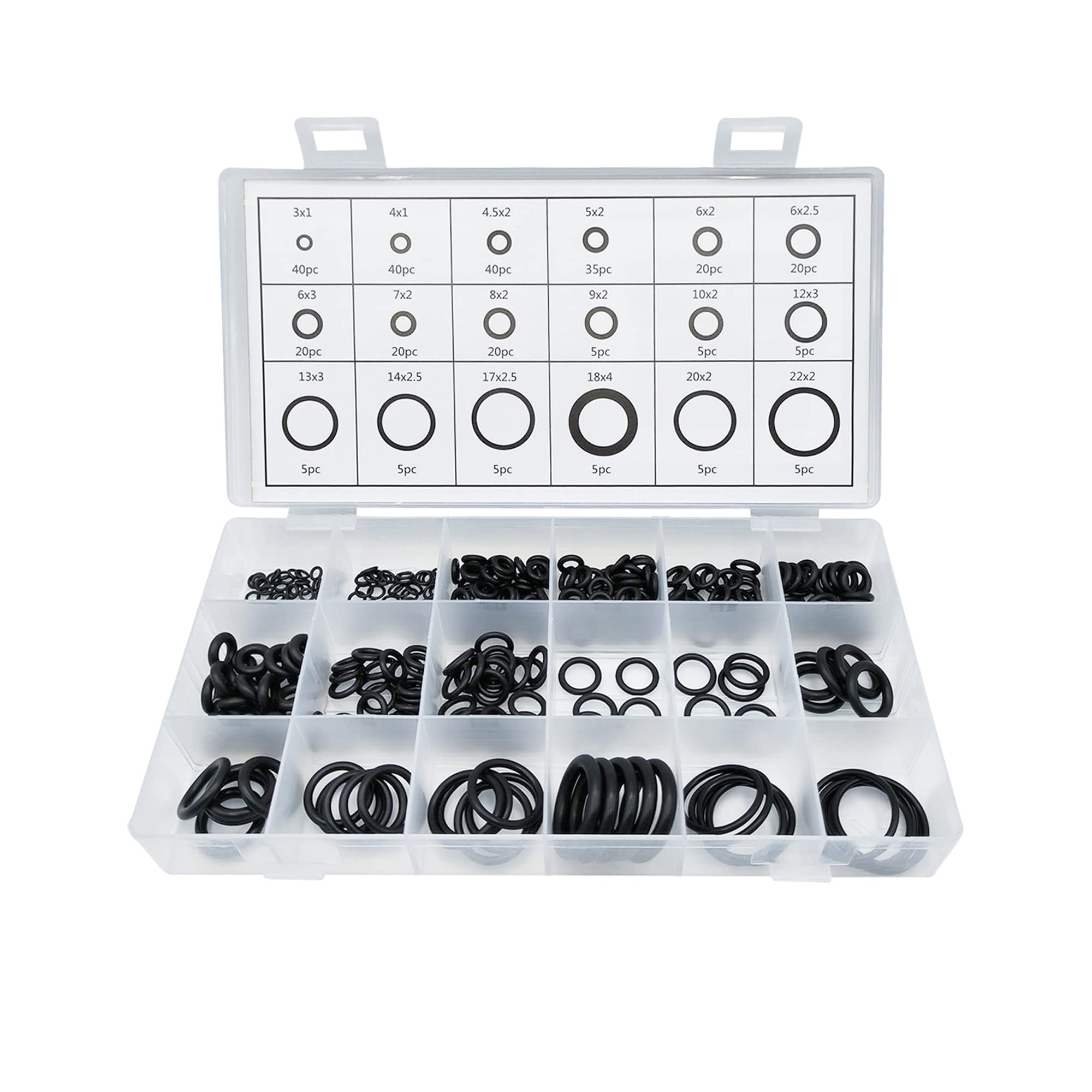
Customization Process for Automotive Door Gasket Manufacturing
Suzhou Baoshida Trading Co., Ltd. delivers precision rubber seals through a rigorously controlled customization pathway, ensuring optimal performance and reliability for automotive door gasket applications. Our engineering-driven approach transforms client specifications into high-integrity sealing solutions, adhering strictly to automotive industry demands for durability, environmental resistance, and dimensional accuracy. The process initiates with comprehensive Drawing Analysis, where our technical team meticulously reviews client CAD files and engineering drawings against OEM standards. We assess critical parameters including cross-sectional geometry, tolerance bands (typically ±0.1mm for critical sealing surfaces), installation groove compatibility, and functional movement requirements. This phase identifies potential design conflicts early, such as insufficient compression allowance or material stress points, preventing costly revisions later. Client collaboration is essential here to confirm performance expectations under operational conditions like door slam cycles and thermal cycling.
Subsequent to design validation, the Formulation stage commences. Our Rubber Formula Engineers develop bespoke compound recipes targeting the specific environmental and mechanical challenges of the vehicle platform. Key considerations include resistance to ozone, UV degradation, automotive fluids (fuel, brake fluid, wiper fluid), and extreme temperature fluctuations inherent in global markets. Material selection balances critical properties: low-temperature flexibility for cold climates, compression set resistance to maintain seal force over the vehicle’s lifespan, and surface finish quality to prevent paint adhesion issues during assembly. Formulations strictly comply with ASTM D2000 material classification standards and address OEM-specific material specifications, such as Ford WSK-M4D100-B or GM 6297M.
Prototyping follows compound finalization, utilizing precision extrusion tooling and molding techniques to produce functional samples. These prototypes undergo rigorous in-house validation per defined test protocols, including dimensional inspection against the approved drawing, compression deflection testing, and simulated environmental exposure. Client feedback on prototype fit, function, and aesthetics within the door assembly process is integrated before tooling sign-off. Only upon mutual agreement on prototype performance does the project advance to Mass Production. Our ISO/TS 16949 certified production lines implement integrated quality control protocols, including statistical process control (SPC) on extrusion parameters, 100% visual inspection, and periodic batch testing for critical physical properties. Full traceability from raw material lot to finished gasket batch is maintained, ensuring compliance with automotive PPAP requirements and enabling rapid root cause analysis if required.
Material performance specifications are critical for automotive door gaskets. The following table outlines key comparative properties for common elastomer types used in our formulations:
| Material Type | Temperature Range (°C) | Compression Set (70h @ 70°C) % | Key Fluid Resistance | Typical Shore A Hardness |
|---|---|---|---|---|
| EPDM | -50 to +150 | ≤ 25 | Excellent (Water, Steam, Brakes) | 60 – 75 |
| TPE (Thermoplastic) | -40 to +135 | ≤ 30 | Good (Water, Oils) | 55 – 80 |
| Silicone | -60 to +200 | ≤ 20 | Excellent (Oils, Fuels) | 40 – 70 |
This structured methodology, combining deep materials science expertise with disciplined production execution, guarantees that every Suzhou Baoshida door gasket meets the uncompromising demands of modern automotive assembly and long-term vehicle performance.
Contact Engineering Team

Contact Suzhou Baoshida for Precision Door Gasket Solutions in Automotive Applications
At Suzhou Baoshida Trading Co., Ltd., we specialize in the development and supply of high-performance rubber seals tailored for the automotive industry. Our expertise in door gasket manufacturing ensures optimal sealing, durability, and noise reduction for vehicle doors under diverse environmental and mechanical conditions. As a trusted OEM partner, we deliver engineered elastomer solutions that meet stringent international standards, including ISO/TS 16949, RoHS, and REACH compliance. Whether you are designing for passenger vehicles, commercial fleets, or specialty automotive applications, our technical team is equipped to support your sealing requirements from concept to mass production.
Our door gasket systems are formulated using advanced rubber compounds such as EPDM, silicone (VMQ), and thermoplastic vulcanizates (TPV), selected for their resistance to UV exposure, ozone, temperature extremes, and compression set. Each gasket is precision-molded or extruded to ensure dimensional accuracy and consistent sealing force across the entire door perimeter. We integrate multi-durometer profiles, sponge-to-solid transitions, and co-extruded conductive strips for EMI shielding or antenna integration, depending on application needs. Surface finishes include smooth, textured, and low-friction coatings to enhance aesthetics and ease of door closure.
For automotive OEMs and Tier-1 suppliers, partnering with Suzhou Baoshida means access to full technical support, rapid prototyping, DFM analysis, and scalable production capacity. We operate state-of-the-art molding and extrusion lines with in-house rubber compounding, enabling tight control over material properties and batch consistency. Our quality assurance protocols include dynamic compression testing, weathering cycles, and leak testing under simulated real-world conditions.
Below are key technical specifications for our standard automotive door gasket offerings:
| Parameter | Typical Value/Range | Test Standard |
|---|---|---|
| Hardness (Shore A) | 40–80 | ASTM D2240 |
| Tensile Strength | ≥8 MPa | ASTM D412 |
| Elongation at Break | ≥250% | ASTM D412 |
| Compression Set (24h, 70°C) | ≤25% | ASTM D395 |
| Temperature Range | -50°C to +150°C (EPDM) | ISO 1817 |
| Aging Resistance (7 days, 100°C) | Hardness change ≤ ±10 Shore A | ASTM D573 |
| Specific Gravity | 1.15–1.35 g/cm³ | ASTM D297 |
| Flame Resistance | UL 94 HB or V-0 (optional) | UL 94 |
To discuss your next door gasket project or to request material samples, technical data sheets, or custom quotations, contact Mr. Boyce, OEM Account Manager at Suzhou Baoshida Trading Co., Ltd. We respond to all technical inquiries within 24 hours and offer virtual design reviews for global clients. For fastest service, email directly to [email protected] with subject line: “Automotive Door Gasket Inquiry – [Your Company Name].” Include details such as application type, annual volume, material preferences, and performance requirements. Let us help you achieve superior sealing performance with engineered precision.
⚖️ O-Ring Weight Calculator
Estimate rubber O-ring weight (Approx).