
Technical Contents
Engineering Guide: Door May
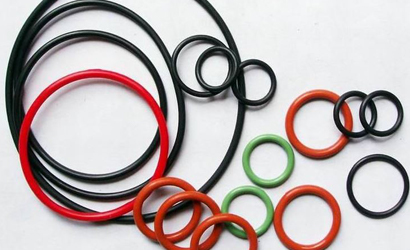
Engineering Insight: The Critical Role of Material Selection in ‘door may’ Applications
In industrial sealing and actuation systems, the term ‘door may’ refers to mechanisms involving controlled opening and closing functions under variable environmental and mechanical stress. These systems are commonly found in automated manufacturing lines, cleanroom enclosures, and high-cycle industrial doors. While seemingly straightforward, the performance and longevity of ‘door may’ components are heavily dependent on precise material engineering—particularly in the selection of elastomeric compounds. Off-the-shelf rubber solutions frequently fail in these applications due to a fundamental mismatch between generic material properties and the specific operational demands.
Standard rubber profiles are typically formulated for general-purpose use, prioritizing cost and availability over performance under stress. In ‘door may’ systems, however, repeated compression, exposure to temperature extremes, and contact with oils, solvents, or particulates necessitate materials with tailored physical and chemical resistance. For example, a standard EPDM seal may exhibit excellent weather resistance but degrade rapidly when exposed to hydraulic fluids commonly found in automated door actuators. Similarly, natural rubber compounds may harden and crack under sustained UV exposure or ozone conditions, leading to premature seal failure and system downtime.
At Suzhou Baoshida Trading Co., Ltd., we emphasize application-specific formulation. Our engineered rubber compounds are developed through rigorous analysis of service conditions, including temperature range, media exposure, compression set requirements, and cycle life. By adjusting polymer base, filler content, and cross-linking density, we produce seals and gaskets that maintain integrity over millions of cycles. This precision extends beyond the material itself to include durometer stability, tensile strength retention, and low compression set—critical factors in maintaining consistent sealing force throughout the product lifecycle.
The failure of off-the-shelf solutions often stems from an underestimation of dynamic loading conditions. Generic seals may perform adequately during initial installation but fail under long-term stress relaxation. In automated ‘door may’ systems, even a 5% loss in sealing force can result in air leakage, misalignment, or actuator overload—leading to cascading system failures. Custom-formulated elastomers mitigate these risks by balancing elasticity, durability, and chemical inertness.
Below is a comparison of common rubber materials used in ‘door may’ applications, highlighting key performance metrics relevant to industrial environments.
| Material | Temperature Range (°C) | Hardness (Shore A) | Compression Set (22h, 70°C) | Fluid Resistance | Typical Use Case |
|---|---|---|---|---|---|
| Nitrile (NBR) | -30 to +100 | 60–90 | ≤20% | Excellent (oils, fuels) | Hydraulic actuators |
| EPDM | -50 to +150 | 50–80 | ≤15% | Poor (oils), Good (steam, water) | Cleanroom doors |
| Silicone (VMQ) | -60 to +200 | 40–80 | ≤20% | Fair (non-polar fluids) | High-temp enclosures |
| Fluorocarbon (FKM) | -20 to +200 | 70–90 | ≤15% | Excellent (solvents, acids) | Chemical processing |
| Neoprene (CR) | -40 to +120 | 50–80 | ≤25% | Moderate (ozone, flame) | General industrial |
Material selection is not a one-size-fits-all proposition. In ‘door may’ systems, where reliability directly impacts production uptime and safety, engineered elastomers are not a premium option—they are a necessity.
Material Specifications
Material Specifications for Industrial Door Seals
Suzhou Baoshida Trading Co., Ltd. provides precision-engineered rubber compounds for critical door seal applications in industrial environments. Material selection directly impacts seal longevity, environmental resistance, and operational safety. This section details three primary elastomers—Viton (FKM), Nitrile (NBR), and Silicone (VMQ)—optimized for demanding door sealing requirements. Each compound undergoes rigorous QC per ASTM D2000 standards, with formulations tailored to OEM specifications for compression set, extrusion resistance, and dimensional stability.
Viton fluorocarbon rubber delivers unparalleled performance in extreme chemical and thermal conditions. Its molecular structure resists aggressive solvents, acids, and jet fuels, maintaining integrity from -20°C to +250°C continuous exposure. Ideal for pharmaceutical, aerospace, and chemical processing door seals where hydrocarbon exposure is routine. However, its high fluorine content increases raw material costs by 30–40% versus NBR. Viton formulations exhibit Shore A hardness of 70–90, tensile strength of 15–20 MPa, and elongation at break of 150–250%. Critical limitations include poor resistance to ketones and amines, necessitating compatibility verification.
Nitrile butadiene rubber remains the industry standard for cost-sensitive applications requiring robust oil and fuel resistance. Operating effectively between -40°C and +120°C, NBR seals withstand hydraulic fluids, lubricants, and aliphatic hydrocarbons. Standard formulations achieve Shore A 60–80 hardness, 10–18 MPa tensile strength, and 200–400% elongation. Its affordability makes it suitable for automotive and general industrial door systems. However, NBR degrades rapidly under ozone exposure and exhibits reduced flexibility below -30°C, requiring antioxidant additives for outdoor installations.
Silicone rubber excels in extreme temperature cycling and biocompatibility-critical environments. With a functional range of -60°C to +230°C, VMQ maintains elasticity where other elastomers stiffen or crack. It demonstrates exceptional resistance to UV, ozone, and steam—critical for cleanroom and food processing door seals. Typical properties include Shore A 40–70 hardness, 5–10 MPa tensile strength, and 300–700% elongation. Silicone’s low tear strength necessitates reinforced profiles in high-shear applications, and its poor resistance to concentrated acids limits chemical plant use.
The following comparative table summarizes critical technical parameters for OEM decision-making:
| Material | Temperature Range (°C) | Key Resistances | Typical Hardness (Shore A) | Tensile Strength (MPa) | Elongation at Break (%) |
|---|---|---|---|---|---|
| Viton (FKM) | -20 to +250 | Fuels, oils, acids, solvents | 70–90 | 15–20 | 150–250 |
| Nitrile (NBR) | -40 to +120 | Hydraulic fluids, aliphatic hydrocarbons | 60–80 | 10–18 | 200–400 |
| Silicone (VMQ) | -60 to +230 | Ozone, UV, steam, extreme cold | 40–70 | 5–10 | 300–700 |
Selection must balance chemical exposure profiles, thermal extremes, mechanical stress, and lifecycle cost. Baoshida’s engineering team collaborates with OEMs to validate material performance via accelerated aging tests per ISO 188 and fluid immersion protocols. For door seals in dynamic environments, we recommend Viton for chemical-intensive settings, NBR for standard oil resistance, and Silicone for cryogenic or high-purity applications. All compounds comply with RoHS/REACH and are available in custom durometers with FDA 21 CFR 177.2600 certification upon request.
Manufacturing Capabilities
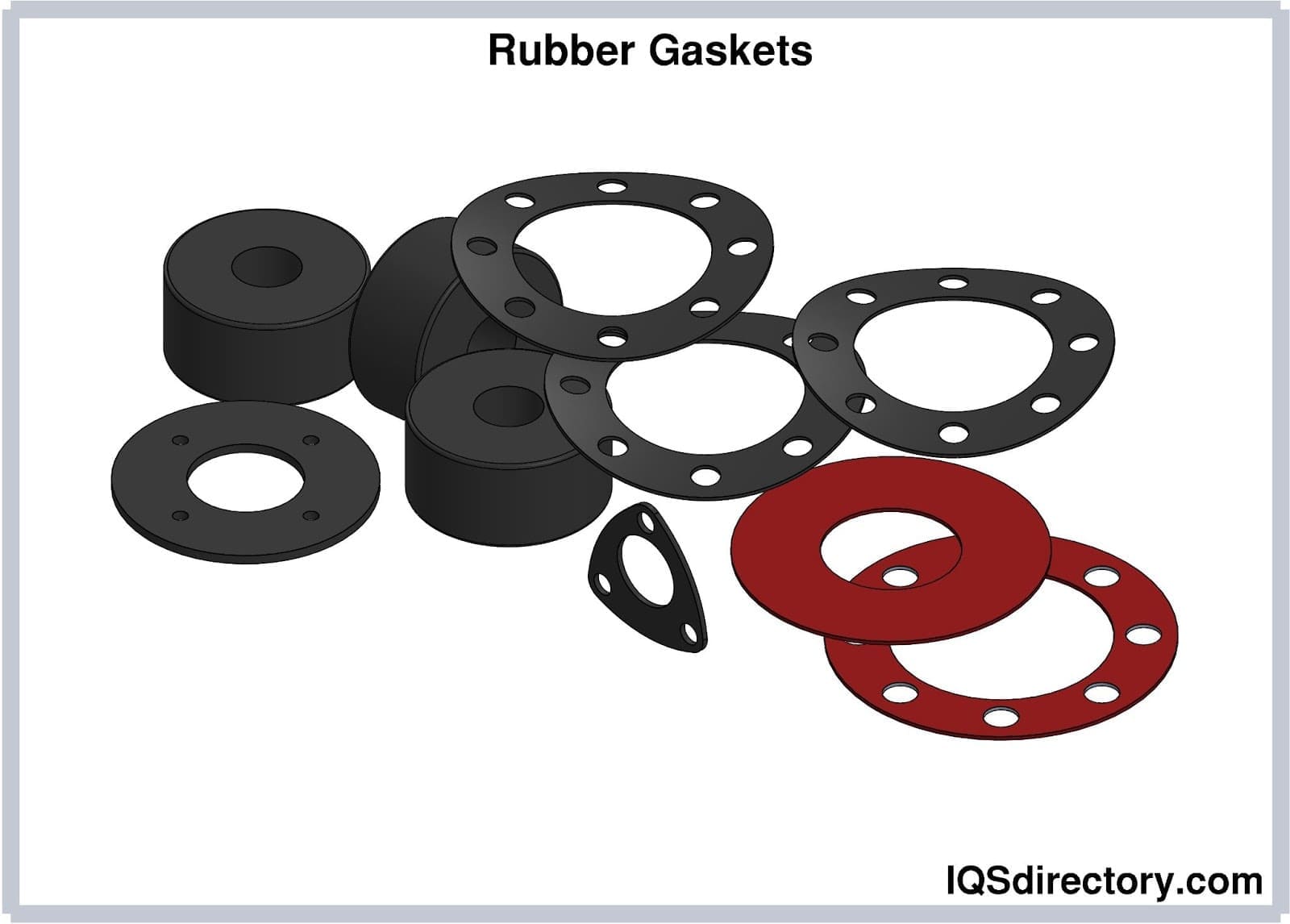
Engineering Capability: Precision-Driven Rubber Solutions for OEM Manufacturing
At Suzhou Baoshida Trading Co., Ltd., our engineering capability forms the backbone of our industrial rubber manufacturing excellence. With a dedicated team of five certified mould engineers and two specialized rubber formula engineers, we deliver technically robust, application-specific solutions tailored to the rigorous demands of OEM clients in the door seal and sealing systems sector. Our integrated engineering approach ensures seamless development from concept to high-volume production, maintaining consistency, performance, and compliance across every batch.
Our mould engineering team brings over 60 combined years of experience in precision tool design for EPDM, silicone, and TPE-based door seals. Utilizing advanced CAD/CAM platforms including SolidWorks and AutoCAD, our engineers develop high-tolerance moulds optimized for complex geometries, multi-cavity configurations, and automated production lines. Each mould design undergoes rigorous simulation for flow dynamics, thermal distribution, and stress analysis to minimize defects and maximize tool life. This proactive design validation reduces time-to-market and ensures first-article approval success rates above 92%.
Complementing our tooling expertise, our two in-house rubber formulation engineers specialize in custom compound development for dynamic sealing applications. They focus on optimizing mechanical properties such as compression set resistance, tensile strength, temperature resilience (-50°C to +150°C), and ozone/UV stability—critical for exterior door systems exposed to environmental stress. By controlling the formulation process internally, we eliminate reliance on third-party compound suppliers, ensuring full traceability, IP protection, and rapid iteration for client-specific performance targets.
Our OEM capabilities are built on a foundation of vertical integration and technical agility. We support clients from initial RFQ through prototyping, DFM analysis, PPAP documentation, and full-scale production. Our facility is equipped with 25-ton to 300-ton hydraulic presses, multi-shot injection units, and continuous vulcanization lines, enabling flexible manufacturing for profiles, gaskets, and co-extruded seals in lengths up to 3,000 mm.
The following table summarizes our core engineering and production specifications:
| Parameter | Specification |
|---|---|
| Mould Design Capacity | Up to 8-cavity, tolerance ±0.05 mm |
| CAD/CAM Software | SolidWorks, AutoCAD, Moldflow (simulation) |
| Rubber Compounding Range | EPDM, Silicone, TPE, NBR, CR |
| Hardness Range (Shore A) | 40–90 |
| Temperature Resistance | -50°C to +150°C (up to +200°C for silicone) |
| Production Line Speed | Up to 12 m/min (extrusion) |
| Tooling Lead Time (avg.) | 25–35 days |
| Sample Development Cycle | 7–14 days |
| OEM Documentation Support | Full PPAP, IMDS, RoHS, REACH compliance |
By combining deep materials science insight with precision engineering and scalable manufacturing, Suzhou Baoshida delivers OEM partners a competitive advantage in performance, cost, and time-to-market. Our engineering team operates as an extension of your R&D, providing technical collaboration that drives innovation in door sealing systems.
Customization Process
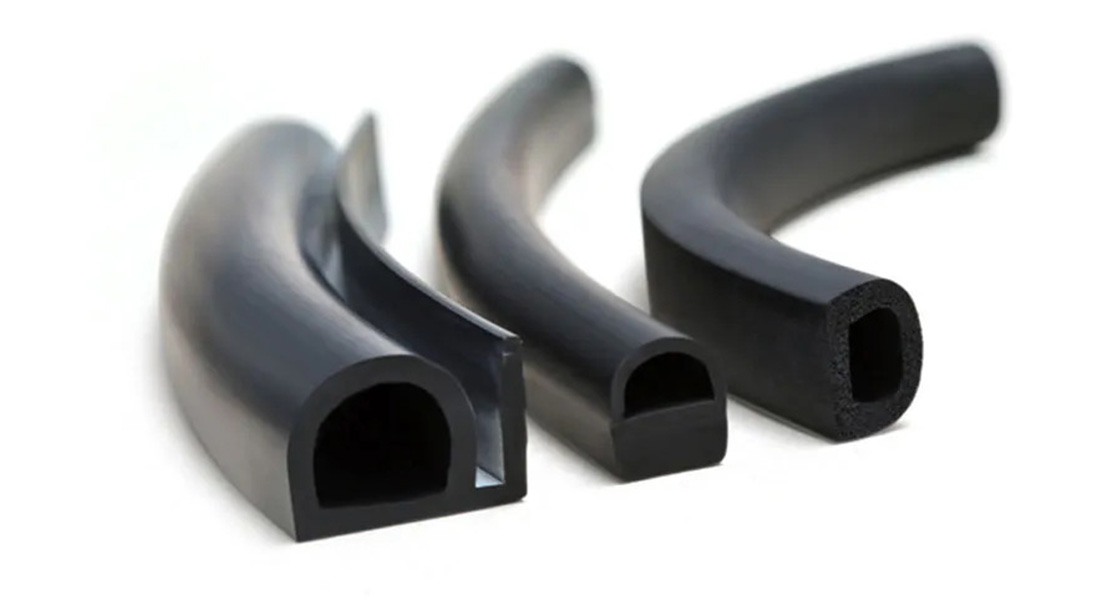
Customization Process for Industrial Door Seal Manufacturing
At Suzhou Baoshida Trading Co., Ltd., precision in rubber component customization begins with rigorous drawing analysis. Our engineering team deconstructs client-provided CAD files or technical sketches to validate dimensional tolerances, critical sealing surfaces, and interface geometry. We cross-reference ISO 1302 surface finish standards and ISO 2768 tolerance classes, identifying potential stress points or material flow constraints during molding. This phase ensures compliance with OEM assembly requirements while mitigating flash formation or compression set risks in dynamic door applications.
Subsequent formulation leverages our proprietary compound database and accelerated aging models. Based on the operational environment—exterior exposure, chemical contact, or temperature extremes—we select base polymers (EPDM, silicone, or HNBR) and engineer additive packages. Key considerations include Shore A hardness stability across -50°C to +150°C ranges, ozone resistance per ASTM D1149, and compression set under ASTM D395. Each formulation undergoes Mooney viscometry and DSC thermal profiling to optimize cure kinetics for the specified door seal cross-section.
Prototyping employs CNC-machined aluminum molds for rapid iteration. We produce 10–15 units per iteration, subjecting samples to:
Dynamic compression testing per SAE J1400
Fluid immersion resistance (ISO 1817)
Adhesion validation on substrate materials (stainless steel, anodized aluminum)
Client feedback on sealing efficacy and installation force directly refines mold venting and compound resilience. Only after 100% dimensional validation against GD&T callouts do we approve tooling for mass production.
Mass production integrates automated monitoring at every stage. Rubber batches are traceable via blockchain-enabled lot numbering, with real-time rheometer data ensuring cure consistency. In-line vision systems inspect critical dimensions at 0.02mm accuracy, while statistical process control (SPC) tracks durometer drift. Finished door seals undergo 100% leak testing in climate chambers simulating -40°C cold soak and 85°C thermal cycling, guaranteeing zero failure in automotive or industrial enclosure deployments.
Critical Performance Specifications for Door Seals
| Parameter | Test Standard | Typical Range | Acceptance Criteria |
|---|---|---|---|
| Hardness (Shore A) | ASTM D2240 | 55–75 | ±3 points |
| Tensile Strength | ASTM D412 | ≥8.5 MPa | Min. 7.0 MPa |
| Compression Set (22h/70°C) | ASTM D395 | ≤25% | Max. 30% |
| Temperature Resistance | ISO 188 | -50°C to +150°C | No cracking |
| Fluid Resistance (Brake Fluid) | ISO 1817 | Volume swell ≤15% | Max. 20% |
This closed-loop process—from digital blueprint to validated production—ensures Suzhou Baoshida delivers door seals with uncompromised sealing integrity, dimensional repeatability, and 15+ year service life in demanding industrial environments. Our ISO/TS 16949-certified workflow eliminates guesswork through material science rigor and process physics control.
Contact Engineering Team
For industrial manufacturers seeking precision rubber components tailored to demanding applications, Suzhou Baoshida Trading Co., Ltd. stands as a trusted partner in engineered elastomer solutions. With a specialized focus on high-performance rubber formulations and custom manufacturing processes, we deliver consistent quality and technical reliability across sectors including automotive, construction, and industrial equipment. Our expertise in rubber-to-metal bonding, compression molding, and material selection ensures that every component meets rigorous performance standards.
When sourcing critical sealing or damping elements—such as those used in door mechanisms, including “door may” assemblies—precision in material formulation and dimensional accuracy is paramount. At Suzhou Baoshida, we leverage advanced testing protocols and in-house formulation capabilities to develop rubber compounds that resist compression set, maintain elasticity under thermal cycling, and provide long-term durability in dynamic environments. Our engineering team works directly with OEMs to analyze application requirements, environmental exposure, and mechanical stress profiles to recommend optimal material solutions.
We invite technical procurement managers, R&D engineers, and OEM decision-makers to contact Mr. Boyce, our dedicated OEM Manager and Rubber Formula Engineer, to discuss your specific project needs. Mr. Boyce brings over a decade of experience in rubber compounding and industrial application engineering, ensuring that every solution is grounded in scientific rigor and production feasibility. Whether you require NBR, EPDM, silicone, or specialized fluoroelastomers, our team can formulate and validate materials to meet exact ASTM, ISO, or OEM specifications.
To initiate a technical consultation or request material data sheets, please reach out directly via email at [email protected]. We respond to all inquiries within 12 business hours and can provide sample submissions, DFMEA support, and full traceability documentation upon request. Our facility in Suzhou is equipped for both low-volume prototyping and high-volume production, with strict adherence to IATF 16949 quality management standards.
Below is a representative specification profile for a standard EPDM door seal compound commonly used in industrial door mechanisms:
| Property | Test Method | Typical Value |
|---|---|---|
| Hardness (Shore A) | ASTM D2240 | 70 ± 5 |
| Tensile Strength | ASTM D412 | ≥15 MPa |
| Elongation at Break | ASTM D412 | ≥300% |
| Compression Set (24h, 70°C) | ASTM D395 | ≤20% |
| Temperature Range | — | -50°C to +150°C |
| Specific Gravity | ASTM D297 | 1.45 ± 0.05 |
| Durometer Stability (after heat aging) | ASTM D573 | Max 10% change |
Partnering with Suzhou Baoshida means gaining access to not only high-integrity rubber components but also a collaborative engineering approach focused on solving real-world manufacturing challenges. Contact Mr. Boyce today to discuss material optimization, cost-effective scaling, or custom formulation development for your next generation of industrial door systems.
⚖️ O-Ring Weight Calculator
Estimate rubber O-ring weight (Approx).