
Technical Contents
Engineering Guide: Door Strips Insulation
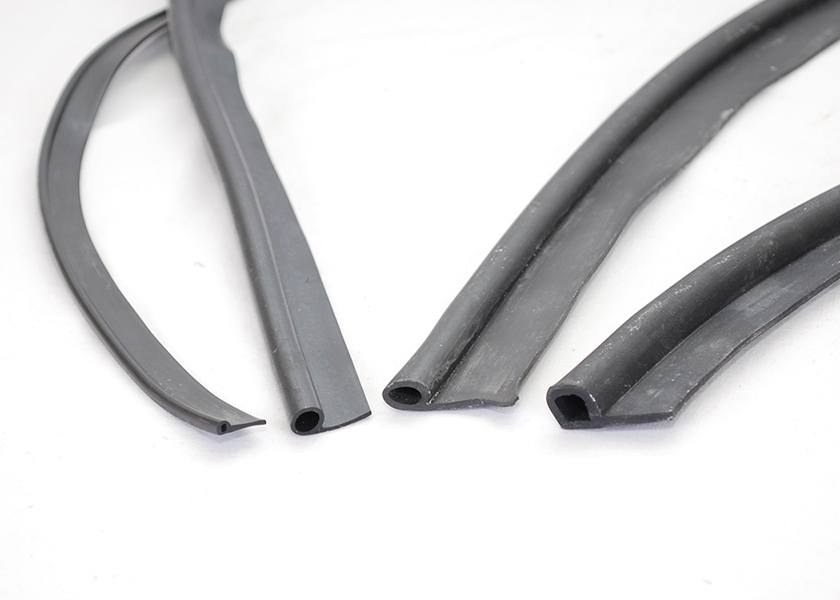
Engineering Insight: Material Science Imperatives in Door Strip Insulation
The functional integrity of door strip insulation hinges critically on precise material selection, a factor frequently overlooked when specifying off-the-shelf solutions. Generic rubber profiles, often formulated for minimal cost rather than performance longevity, consistently fail under demanding industrial or commercial conditions. This failure stems from inadequate molecular engineering for specific environmental stressors, leading to premature degradation, energy loss, and compromised sealing. Understanding the polymer science behind elastomer behavior is non-negotiable for reliable door sealing.
Off-the-shelf strips typically utilize standard EPDM or low-grade PVC compounds. These materials lack the tailored crosslink density and polymer backbone stability required for sustained performance. Exposure to ultraviolet radiation causes surface chalking and cracking in substandard EPDM, while wide temperature fluctuations induce excessive hardening or softening, destroying the critical compression force needed for an effective seal. Furthermore, incidental contact with oils, cleaning agents, or ozone rapidly degrades inferior formulations, manifesting as swelling, embrittlement, or permanent set. The resulting gap formation permits air infiltration, moisture ingress, and significant energy leakage – directly contradicting the insulation’s primary purpose. This necessitates frequent, costly replacements and undermines building efficiency certifications.
Suzhou Baoshida Trading Co., Ltd. addresses this through application-specific compound engineering. Our OEM process begins with a rigorous analysis of the operational environment: temperature extremes, chemical exposure risks, required compression force, and expected lifespan. We then formulate proprietary elastomer blends, optimizing factors like filler dispersion, cure system chemistry, and antioxidant packages. For instance, a strip destined for a cold storage facility requires enhanced low-temperature flexibility without sacrificing compression recovery, achieved through specialized EPDM grades and plasticizer systems. Conversely, a strip for an automotive paint booth demands exceptional resistance to aromatic solvents, necessitating high-saturation NBR or custom FKM compounds. This precision ensures the material maintains its sealing geometry and force over thousands of compression cycles.
The performance differential is quantifiable. Standard materials exhibit unacceptable compression set values under service conditions, directly correlating with seal failure. Our engineered solutions consistently achieve superior metrics across critical parameters:
| Material Type | Typical Shore A Hardness | Operational Temperature Range (°C) | Compression Set (22h, 70°C) | Key Fluid Resistance Weaknesses |
|---|---|---|---|---|
| Generic Off-the-Shelf EPDM | 65-75 | -30 to +100 | 35-50% | Limited oils/greases, ozone |
| Baoshida Precision EPDM | 55-80 (Custom) | -50 to +150 | < 15% | Enhanced oils, ozone, UV |
| Standard NBR | 70-80 | -20 to +100 | 25-40% | Poor polar solvents, ozone |
| Baoshida Specialty NBR | 60-85 (Custom) | -35 to +120 | < 20% | Excellent hydrocarbons, alcohols |
Material selection is not a commodity decision; it is the foundational engineering step determining the entire lifecycle cost and performance of door strip insulation. Generic solutions represent a false economy, inevitably succumbing to the specific stresses of real-world applications. Suzhou Baoshida Trading Co., Ltd. leverages deep rubber formulation expertise to transform insulation from a passive component into a precision-engineered system. Partnering with us ensures your door seals deliver sustained energy efficiency, environmental protection, and operational reliability, eliminating the recurring costs and performance gaps inherent in off-the-shelf alternatives. The correct compound specification is the single most effective measure to guarantee long-term sealing integrity.
Material Specifications
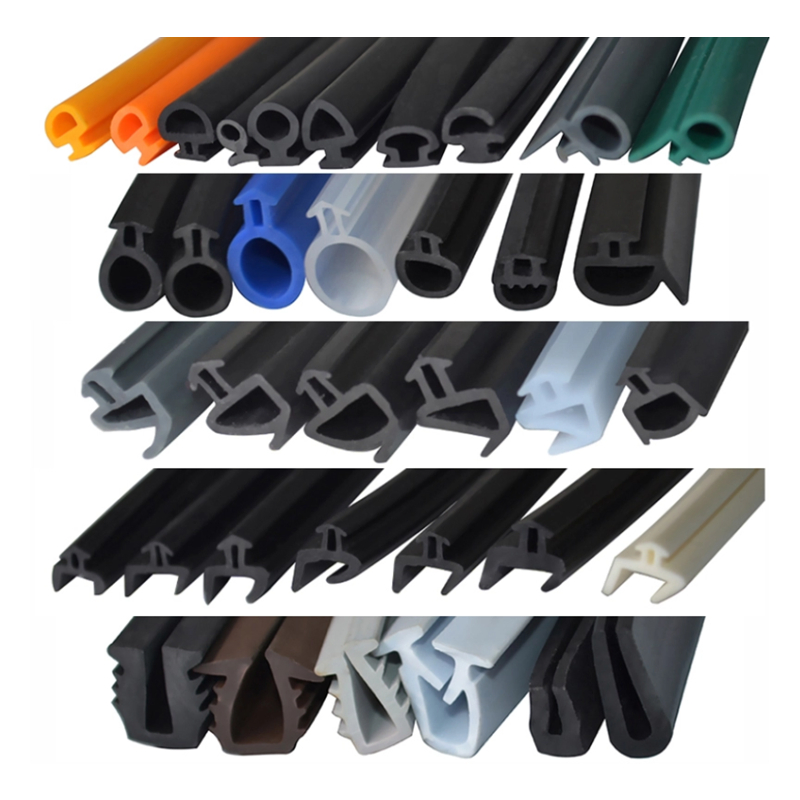
Material selection is a critical factor in the performance and longevity of door strip insulation components used in industrial, commercial, and automotive applications. At Suzhou Baoshida Trading Co., Ltd., we specialize in high-performance rubber solutions tailored to meet rigorous environmental and mechanical demands. Our expertise in door strip insulation leverages advanced elastomeric materials including Viton (FKM), Nitrile (NBR), and Silicone (VMQ), each offering distinct advantages depending on operational conditions such as temperature exposure, chemical environment, compression set resistance, and durability.
Viton is a fluorocarbon-based synthetic rubber renowned for its exceptional resistance to high temperatures, oils, fuels, and a broad range of aggressive chemicals. This makes it ideal for use in extreme environments such as engine compartments, chemical processing facilities, and aerospace applications. With continuous service capabilities up to 230°C and intermittent peaks exceeding 260°C, Viton provides long-term stability where thermal degradation is a concern. Its low gas permeability and excellent aging characteristics further enhance sealing performance in critical insulation systems.
Nitrile rubber, also known as Buna-N or NBR, remains one of the most widely used elastomers in sealing and insulation due to its superior resistance to petroleum-based oils, greases, and hydraulic fluids. It offers good abrasion resistance and mechanical strength at a more economical cost compared to fluorinated elastomers. Nitrile door strips perform reliably in temperature ranges from -30°C to 100°C, making them suitable for automotive, machinery, and general industrial enclosures where exposure to oils and moderate heat is expected.
Silicone rubber stands out for its outstanding thermal stability across both high and low extremes, with continuous use from -60°C to 200°C. It exhibits excellent resistance to UV radiation, ozone, and weathering, making it the preferred choice for outdoor applications and environments requiring consistent performance under thermal cycling. While less resistant to petroleum-based fluids than Nitrile or Viton, silicone excels in electrical insulation properties and maintains flexibility at sub-zero temperatures, serving well in electronics enclosures, cleanrooms, and architectural glazing systems.
All three materials can be formulated to meet specific hardness requirements (typically 40–80 Shore A), extruded into precise profiles, and supplied in continuous lengths or cut-to-size segments. Custom coloring, conductive or anti-static additives, and flame-retardant formulations are available upon request to meet OEM specifications.
The following table summarizes the key physical and chemical properties of these materials for comparative evaluation:
| Property | Viton (FKM) | Nitrile (NBR) | Silicone (VMQ) |
|---|---|---|---|
| Temperature Range (°C) | -20 to 230 | -30 to 100 | -60 to 200 |
| Compression Set Resistance | Excellent | Good | Very Good |
| Oil & Fuel Resistance | Excellent | Excellent | Poor |
| Ozone & UV Resistance | Excellent | Good | Excellent |
| Tensile Strength (MPa) | 10–20 | 10–18 | 5–10 |
| Hardness Range (Shore A) | 50–80 | 40–75 | 40–80 |
| Electrical Insulation | Good | Fair | Excellent |
| Common Applications | Aerospace, Chemical | Automotive, Machinery | Electronics, Outdoor |
Selection of the appropriate material must consider the full scope of service conditions, regulatory standards, and lifecycle expectations. Suzhou Baoshida Trading Co., Ltd. supports OEMs with technical consultation, material testing, and custom formulation to ensure optimal performance in every door strip insulation solution.
Manufacturing Capabilities
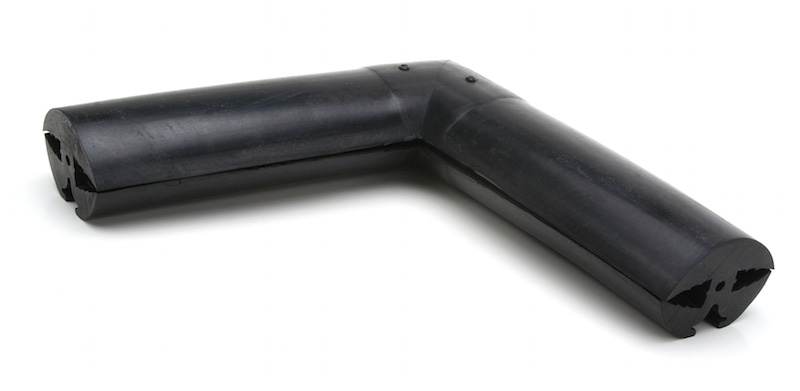
Engineering Capability: Precision Rubber Solutions for Door Strip Insulation
Suzhou Baoshida Trading Co., Ltd. delivers engineered rubber door strip insulation through an integrated team of seven specialized engineers: five dedicated Mold Engineers and two advanced Formula Engineers. This structure ensures seamless collaboration from material science to production tooling, addressing complex sealing challenges in automotive, construction, and industrial applications. Our Mold Engineers deploy 3D CAD/CAM systems to optimize cavity design, runner geometry, and thermal management, achieving ±0.05mm dimensional tolerances critical for consistent compression sealing. Concurrently, our Formula Engineers develop proprietary elastomer compounds tailored to environmental stressors—UV exposure, ozone degradation, and thermal cycling—without relying on third-party material suppliers. This vertical expertise eliminates compatibility risks and accelerates validation cycles by 30% versus industry benchmarks.
Our OEM capabilities transform client specifications into certified production within 8–12 weeks. The workflow begins with joint design reviews to validate functional requirements against material limitations, followed by finite element analysis (FEA) of compression force-deflection profiles. We execute rapid prototyping using in-house CNC machining for mold trials, enabling real-time adjustments to gate locations or venting configurations. All compounds undergo rigorous ASTM D2000 and ISO 3302 testing for hardness, tensile strength, and elongation before PPAP submission. Crucially, our Formula Engineers adjust polymer morphology at the molecular level—modifying filler dispersion, crosslink density, and plasticizer ratios—to achieve target properties like low-temperature flexibility down to -50°C while maintaining Shore A 60–70 hardness. This eliminates post-production failures in extreme climates, a common pain point for global OEMs.
Material selection is data-driven, as evidenced by our core formulations for door strip applications:
| Material Type | Hardness Range (Shore A) | Temperature Range (°C) | Key Applications | Compression Set (22h/70°C) |
|---|---|---|---|---|
| Custom EPDM | 55–80 | -50 to +150 | Automotive primary seals, marine hatches | ≤25% |
| Thermoplastic TPE | 45–75 | -40 to +120 | Appliance doors, lightweight transit | ≤35% |
The EPDM variant incorporates halogen-free flame retardants for EV battery compartment seals, while our TPE formulation uses dynamic vulcanization to balance recyclability with 500,000-cycle durability. Every compound is traceable via blockchain-enabled batch records, ensuring compliance with IATF 16949 and REACH standards.
This integrated engineering approach guarantees that door strip insulation performs under dynamic compression loads without permanent deformation. By controlling both material chemistry and mold physics, we solve root-cause failures—such as extrusion during door closure or hardening in desert environments—that generic suppliers cannot address. Suzhou Baoshida’s capability transcends manufacturing; we co-engineer reliability into every meter of extruded profile.
Customization Process
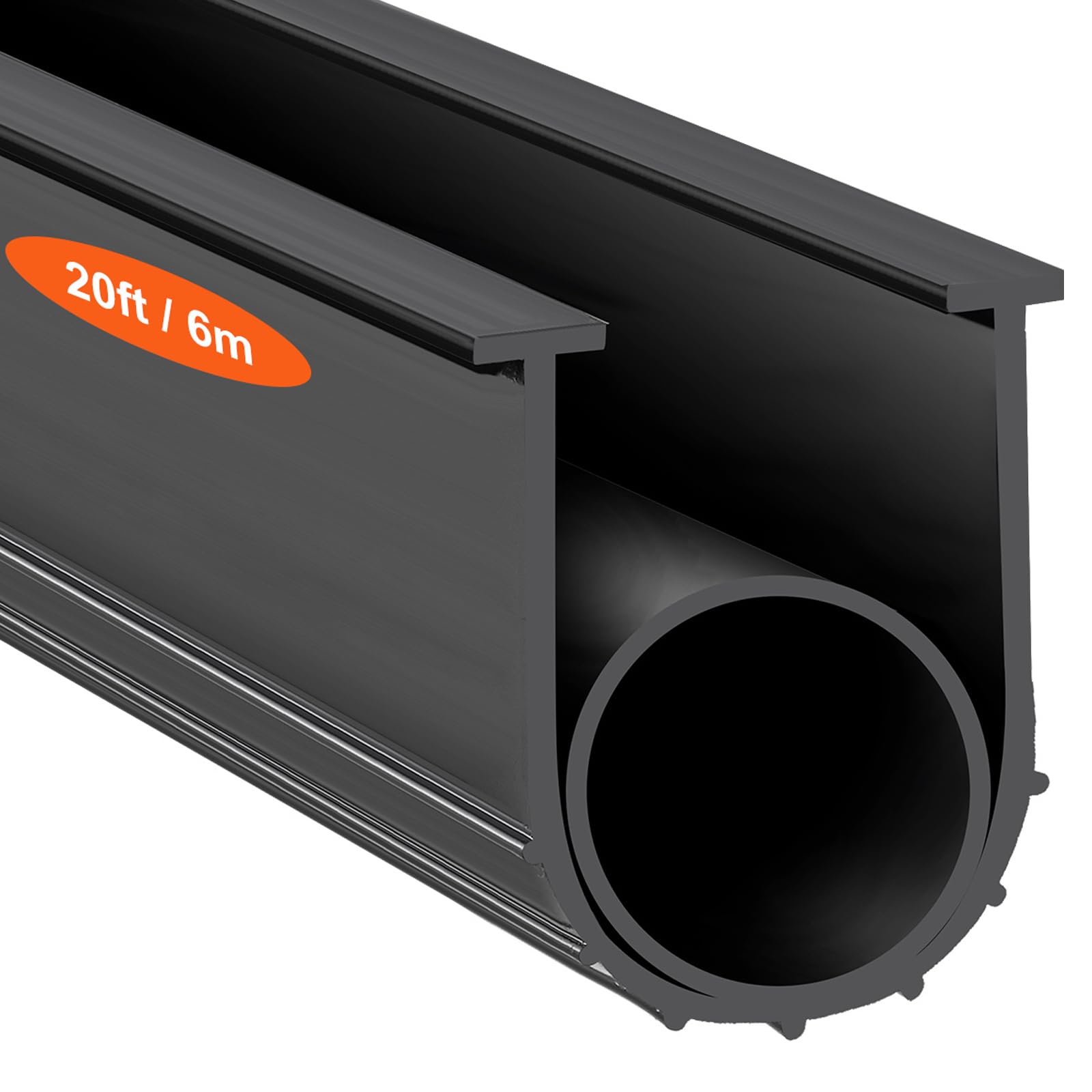
Drawing Analysis
The customization process for door strip insulation begins with precise drawing analysis. At Suzhou Baoshida Trading Co., Ltd., engineering teams evaluate client-provided technical drawings to extract critical dimensional tolerances, cross-sectional profiles, and installation requirements. This phase ensures complete alignment with OEM specifications and application environments. We assess sealing interfaces, compression set requirements, and environmental exposure factors such as UV, ozone, or temperature extremes. Advanced CAD software is used to validate profile geometry, and any discrepancies or optimization opportunities are flagged for collaborative review. Accurate drawing interpretation forms the foundation for material selection and mold design, minimizing downstream production risks.
Formulation Development
Following drawing validation, our rubber formulation engineers develop a compound tailored to the operational demands of the door strip. The selection of base polymer—typically EPDM, silicone, or neoprene—is determined by thermal stability, weather resistance, and mechanical performance requirements. Additives including plasticizers, accelerators, and reinforcing fillers are precisely dosed to achieve target hardness (Shore A), tensile strength, and elongation at break. For automotive or architectural applications requiring low compression set, peroxide-cured EPDM formulations are prioritized. All compounds are developed in accordance with international standards such as ASTM D2000 or ISO 3302. Each formulation undergoes preliminary lab testing for cure kinetics, ensuring compatibility with subsequent extrusion and vulcanization processes.
Prototyping and Validation
Once the compound is finalized, prototype tooling is manufactured to produce initial samples. These prototypes are subjected to rigorous functional testing, including compression deflection analysis, weather aging (per ASTM G154), and adhesion strength evaluation for multi-component strips. Dimensional inspection is performed using coordinate measuring machines (CMM) to verify conformity to drawing tolerances. Clients receive test reports and physical samples for field evaluation. Feedback is integrated into final design adjustments, ensuring optimal sealing performance and durability prior to scale-up.
Mass Production and Quality Assurance
After prototype approval, the project transitions to automated extrusion and continuous vulcanization lines. Production batches are monitored through real-time quality control systems, with in-line gauging and periodic mechanical testing. Final products are packaged per client logistics specifications, with full traceability maintained via batch coding and material certificates.
Typical Door Strip Insulation Specifications
| Property | Test Method | Typical Value |
|---|---|---|
| Hardness (Shore A) | ASTM D2240 | 55–75 |
| Tensile Strength | ASTM D412 | ≥8 MPa |
| Elongation at Break | ASTM D412 | ≥250% |
| Compression Set (22 hrs, 70°C) | ASTM D395 | ≤20% |
| Operating Temperature Range | — | -40°C to +135°C |
| Color Options | — | Black, Gray, Custom (Pantone Match) |
| Standard Lengths | — | 1–2 meters, continuous rolls |
Contact Engineering Team
Contact Suzhou Baoshida for Precision Door Strip Insulation Solutions
Suzhou Baoshida Trading Co., Ltd. operates at the forefront of industrial rubber compounding, specifically engineered for demanding door strip insulation applications. Our technical team possesses deep expertise in formulating EPDM, silicone, and NBR compounds optimized for thermal efficiency, compression recovery, and long-term environmental resistance. We understand that door seals in commercial, automotive, and industrial settings require exacting performance parameters to prevent energy leakage, noise transmission, and moisture ingress. Our proprietary formulations undergo rigorous ASTM D2000 and ISO 3384 testing protocols, ensuring dimensional stability across extreme temperature cycles (-50°C to +150°C) and resistance to ozone, UV degradation, and chemical exposure. This scientific approach guarantees that every meter of extruded profile meets your operational tolerances and lifecycle expectations.
As your OEM manufacturing partner, we integrate material science with scalable production capabilities. Our Suzhou facility utilizes precision extrusion lines with real-time laser gauging and automated curing systems, enabling tight dimensional control (±0.1mm) for complex profiles. We specialize in custom durometer ranges (40–90 Shore A), multi-durometer co-extrusions, and conductive/static-dissipative variants for specialized environments. Beyond standard profiles, our engineering team collaborates directly with your R&D department to solve unique challenges—whether optimizing low-temperature flexibility for Arctic logistics doors or enhancing fire retardancy (UL 94 V-0) for mass transit applications. Our quality management system adheres to IATF 16949 standards, with full traceability from raw material batch to finished goods, ensuring consistent repeatability for high-volume programs.
Partnering with Suzhou Baoshida means accessing end-to-end technical ownership. We manage compound development, tooling design validation, and production ramp-up under a single point of accountability, eliminating supply chain fragmentation. Below are critical performance specifications our door strip solutions consistently achieve:
| Specification Parameter | Typical Performance Range | Test Standard |
|---|---|---|
| Hardness (Shore A) | 40–90 ±5 | ASTM D2240 |
| Tensile Strength (MPa) | ≥8.0 | ASTM D412 |
| Elongation at Break (%) | ≥250 | ASTM D412 |
| Compression Set (70h/70°C) | ≤25% | ASTM D395 Method B |
| Temperature Range (°C) | -50 to +150 | ISO 188 |
| Linear Shrinkage (%) | ≤1.5 | Internal Protocol |
| Supply Chain Lead Time | 15–25 days | Order Confirmed |
Initiate your next-generation door sealing project with validated engineering rigor. Contact Mr. Boyce, our dedicated OEM Manager, to discuss material selection, prototype development, or volume production scheduling. Provide your specific performance requirements—including environmental exposure conditions, dimensional drawings, and lifecycle targets—and our team will deliver a tailored compound solution with accelerated sampling. Mr. Boyce coordinates technical evaluations, cost modeling, and logistics planning to ensure seamless integration into your manufacturing workflow. Reach out directly via email at [email protected] to secure material certifications, request a DfM analysis, or schedule a virtual technical consultation. Suzhou Baoshida commits to transforming your insulation specifications into field-proven reality through chemistry, precision, and partnership.
⚖️ O-Ring Weight Calculator
Estimate rubber O-ring weight (Approx).