
Technical Contents
Engineering Guide: Door Weather Trim
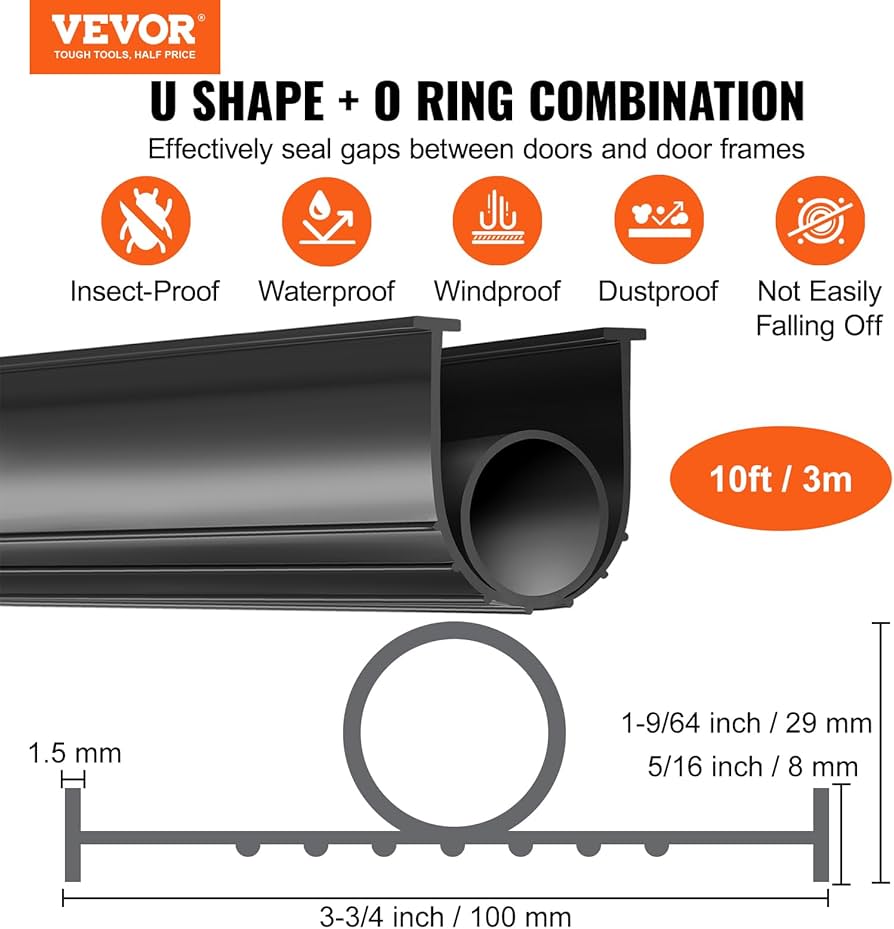
Engineering Insight: Material Selection Criticality in Door Weather Trim Performance
Generic door weather trim solutions frequently underperform in demanding automotive and industrial applications due to fundamental mismatches between standardized material formulations and specific operational environments. Off-the-shelf elastomers often fail prematurely under cyclic compression, extreme temperature fluctuations, chemical exposure, and prolonged UV radiation, leading to compromised sealing integrity, increased noise, vibration, harshness (NVH), and ultimately, costly field failures. This stems from a critical oversight: material selection is not a one-size-fits-all proposition but a precise engineering exercise requiring deep understanding of polymer chemistry and application physics.
The core failure mechanism in substandard weather trim is accelerated compression set. When an elastomer seal is compressed over time, molecular chains rearrange. Inferior formulations lack the crosslink density and polymer backbone stability to fully recover upon decompression. This permanent deformation creates gaps, allowing water ingress, air leakage, and dust penetration. Standard thermoplastic elastomers (TPEs) marketed as universal solutions typically exhibit poor high-temperature resilience and rapid compression set degradation above 85°C, common near engine compartments or in sun-loaded vehicle cabins. Furthermore, inadequate UV stabilizers lead to surface cracking and chalking, while insufficient ozone resistance causes catastrophic cracking in dynamic seals exposed to atmospheric pollutants. Cost-driven formulations often sacrifice critical additives like high-performance antioxidants or specialized fillers, directly impacting long-term durability.
Suzhou Baoshida Trading Co., Ltd. addresses these challenges through application-specific compound engineering. We collaborate with OEMs during the design phase to define exact environmental stressors, load profiles, and lifecycle requirements. This enables the development of custom EPDM, silicone, or specialty TPE formulations with optimized cure systems, reinforcing fillers, and proprietary additive packages. Critical parameters such as compression set, thermal stability, and fluid resistance are rigorously validated against the target use case, not generic industry benchmarks. The table below illustrates why material choice is non-negotiable:
| Material Type | Compression Set (70°C/22h) | Continuous Temp Range (°C) | UV/Ozone Resistance | Typical Automotive Use Case |
|---|---|---|---|---|
| Standard TPE (Off-the-Shelf) | 35-45% | -30 to 90 | Poor | Interior trim, low-stress static seals |
| Custom High-Performance EPDM | 15-22% | -50 to 135 | Excellent | Exterior door/window seals, underhood |
| Custom Fluorosilicone | 12-18% | -60 to 200 | Good | Extreme temp zones, fuel exposure |
Selecting the correct base polymer and additive system is paramount. For instance, high-acrylonitrile NBR offers fuel resistance but poor low-temperature flexibility, while standard silicone lacks the necessary tensile strength for dynamic door seals without reinforcement. Our engineered compounds achieve the precise balance of elasticity, recovery force, and environmental resistance required for 100,000+ mile durability. Partnering with a specialist rubber formulator ensures the weather trim is not merely a component, but a reliable system enabler, directly reducing warranty costs and enhancing end-user satisfaction through uncompromised performance in the real world. Material science is the foundation of sealing integrity; generic solutions compromise that foundation.
Material Specifications
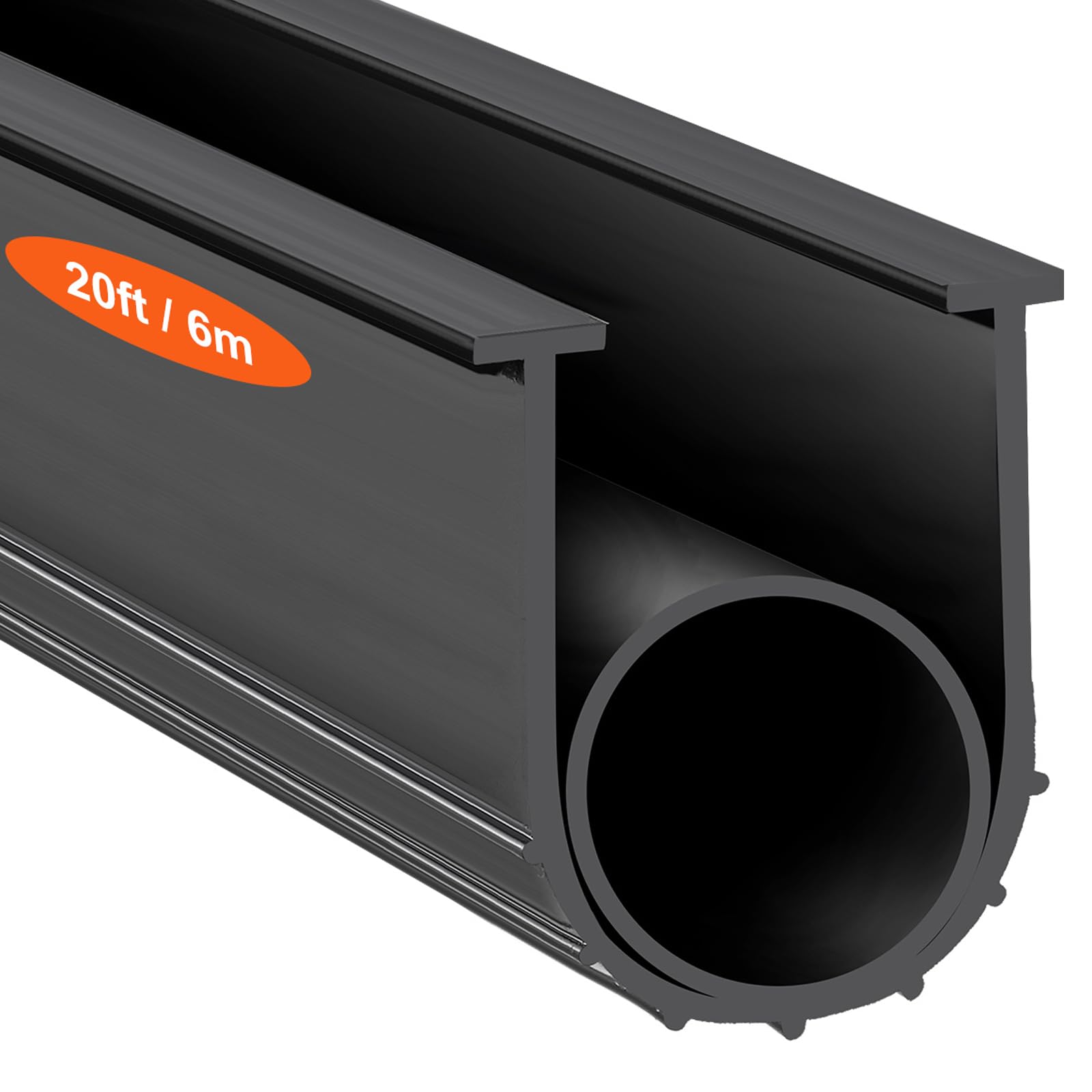
The selection of appropriate elastomeric materials for door weather trim is critical in ensuring long-term sealing performance, environmental resistance, and durability under dynamic mechanical stress. At Suzhou Baoshida Trading Co., Ltd., we specialize in industrial rubber solutions engineered to meet stringent OEM requirements for automotive, construction, and transportation applications. Our technical expertise in formulating and manufacturing high-performance door weather seals enables us to deliver products that maintain integrity across extreme temperatures, chemical exposure, and prolonged UV radiation. The three primary elastomers utilized in this application—Viton (FKM), Nitrile (NBR), and Silicone (VMQ)—each offer distinct performance profiles tailored to specific operational environments.
Viton, a fluorocarbon-based rubber, exhibits exceptional resistance to high temperatures, oils, fuels, and a broad range of aggressive chemicals. This makes it ideal for door weather trim used in automotive engine compartments or industrial enclosures where exposure to hydrocarbons and elevated thermal loads is common. With a continuous service temperature range up to 230°C and excellent ozone and weather resistance, Viton ensures long-term sealing integrity in harsh conditions. However, its higher cost and lower elasticity compared to other elastomers necessitate careful evaluation of application-specific needs.
Nitrile rubber, a copolymer of acrylonitrile and butadiene, is widely employed for its outstanding resistance to petroleum-based fluids and moderate weathering. It offers good mechanical strength and compression set resistance, making it suitable for general-purpose door seals in automotive and machinery applications. While Nitrile performs well in temperature ranges from -30°C to 100°C, its performance degrades under prolonged UV exposure and at elevated temperatures, limiting its use in exterior applications with intense solar loading.
Silicone rubber provides superior flexibility and thermal stability across a wide temperature spectrum, typically from -60°C to 200°C. Its inherent resistance to UV radiation, ozone, and oxidation makes it an optimal choice for exterior door seals exposed to direct sunlight and climatic cycling. Additionally, silicone demonstrates excellent electrical insulation properties, which can be advantageous in electronic enclosures. However, it has relatively poor resistance to hydrocarbon fuels and oils, and lower tensile strength compared to Viton and Nitrile.
The following table summarizes key physical and chemical properties of these materials for comparative analysis:
| Property | Viton (FKM) | Nitrile (NBR) | Silicone (VMQ) |
|---|---|---|---|
| Temperature Range (°C) | -20 to 230 | -30 to 100 | -60 to 200 |
| Tensile Strength (MPa) | 15–20 | 10–20 | 5–8 |
| Elongation at Break (%) | 200–300 | 250–500 | 200–600 |
| Compression Set (22h, 150°C) | 15–25% | 20–35% | 10–20% |
| Resistance to Oils/Fuels | Excellent | Good to Excellent | Poor |
| Resistance to UV/Ozone | Excellent | Fair | Excellent |
| Hardness Range (Shore A) | 60–90 | 50–90 | 30–80 |
Material selection must be guided by a comprehensive understanding of the operational environment, including thermal exposure, chemical contact, mechanical loading, and lifecycle expectations. At Suzhou Baoshida Trading Co., Ltd., we support OEMs with customized compound development and rigorous testing protocols to ensure optimal performance and compliance with international standards.
Manufacturing Capabilities
Engineering Capability: Precision Rubber Solutions for Automotive Door Weather Trim
Suzhou Baoshida Trading Co., Ltd. delivers advanced engineering expertise specifically for demanding automotive door weather trim applications. Our integrated team of seven specialized engineers—five dedicated Mold Engineers and two资深 Rubber Formula Engineers—forms the core of our value proposition, ensuring solutions meet stringent OEM performance, durability, and sealing requirements. This technical depth enables us to address complex challenges inherent in modern vehicle sealing systems, from managing intricate door contours and dynamic compression forces to ensuring long-term resistance against environmental degradation.
Our Mold Engineers possess extensive experience in designing and optimizing precision steel molds for high-volume EPDM and TPE weather seals. They utilize advanced CAD/CAM software and mold flow simulation to predict material behavior, minimize flash, optimize gate placement for uniform curing, and eliminate knit lines critical for leak-proof performance. This proactive approach significantly reduces tooling iterations and accelerates time-to-market. Concurrently, our Formula Engineers focus on the molecular architecture of the rubber compound itself. They meticulously develop and refine formulations to achieve the precise balance of properties required: optimal Shore A hardness for sealing force and recovery, exceptional resistance to ozone, UV exposure, and automotive fluids, low-temperature flexibility down to -50°C, and minimal compression set to maintain sealing integrity over the vehicle’s lifespan. This dual focus on mold design and material science ensures the final product performs reliably under real-world stress cycles.
As a certified OEM partner, Baoshida implements rigorous Design for Manufacturability (DFM) protocols from the earliest design stages. We collaborate closely with client engineering teams, providing actionable feedback on part geometry, draft angles, and material selection feasibility. Our OEM workflow includes rapid prototyping using production-equivalent materials and processes, accelerated validation testing against OEM-specific standards (including SAE J2236, ASTM D2000), and robust statistical process control (SPC) implementation for zero-defect production. This integrated engineering and manufacturing capability guarantees seamless transition from concept to high-volume, consistent output meeting Tier 1 and OEM quality gate requirements.
Critical material performance specifications for our standard door weather trim compounds are summarized below:
| Material Type | Hardness Range (Shore A) | Temperature Range (°C) | Compression Set (ASTM D395, 22h/70°C) | Key Applications |
|---|---|---|---|---|
| Standard EPDM | 55 – 75 | -50 to +135 | ≤ 25% | Primary door seals, fixed glass channels |
| High-Performance EPDM | 60 – 80 | -55 to +150 | ≤ 18% | Premium vehicles, extreme climate zones |
| TPE Blends | 45 – 65 | -40 to +120 | ≤ 30% | Secondary seals, aesthetic trim elements |
This engineering-led approach, combining deep material science knowledge with precision tooling expertise and certified OEM processes, positions Suzhou Baoshida as a strategic partner for automotive manufacturers seeking reliable, high-performance door weather trim solutions. We translate complex sealing requirements into manufacturable reality, ensuring superior fit, finish, and long-term functional integrity for every vehicle. Partner with us for accelerated time-to-market and uncompromised sealing performance.
Customization Process
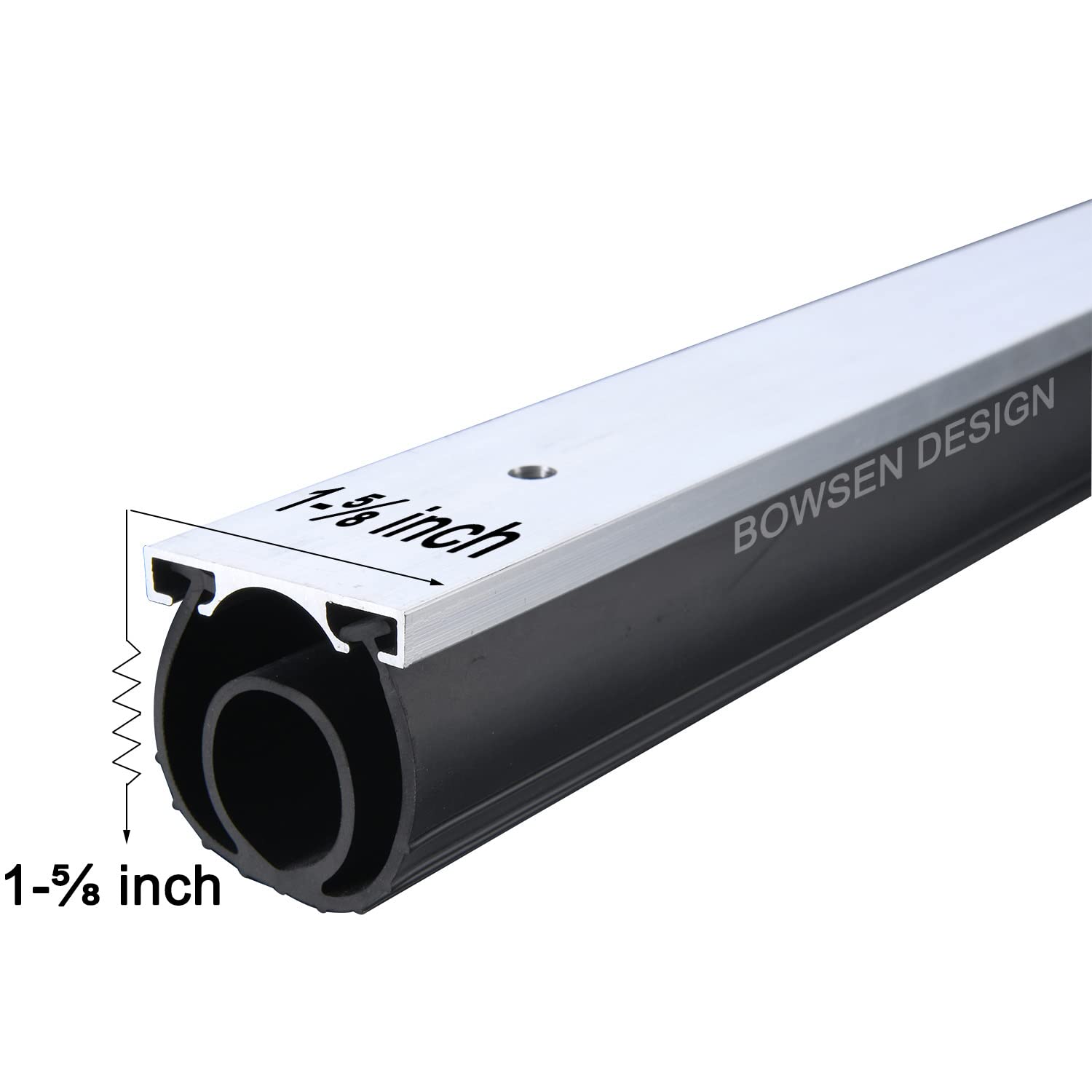
Customization Process for Door Weather Trim: From Design to Production
At Suzhou Baoshida Trading Co., Ltd., our industrial rubber solutions are engineered for precision, durability, and seamless integration into automotive and architectural applications. The customization of door weather trim follows a rigorous four-phase process: Drawing Analysis, Formulation Development, Prototyping, and Mass Production. Each stage is executed with technical discipline to ensure performance under real-world environmental stress.
The process begins with Drawing Analysis, where client-provided technical drawings are reviewed for dimensional accuracy, sealing requirements, and installation constraints. Our engineering team evaluates cross-sectional profiles, tolerance bands, compression set targets, and mating surface geometries. Critical features such as lip design, bulb geometry, and attachment mechanisms are assessed for functional integrity. This phase ensures that the final product will meet both mechanical and environmental performance criteria.
Following drawing validation, we proceed to Formulation Development. Based on application-specific demands—such as exposure to UV radiation, ozone, extreme temperatures, or chemical contaminants—our rubber chemists tailor a compound formulation. We primarily utilize EPDM, silicone (VMQ), or thermoplastic elastomers (TPE), selected for their balance of flexibility, aging resistance, and cost efficiency. Hardness is optimized between 50 and 80 Shore A, while compression set is maintained below 25% after 22 hours at 70°C, ensuring long-term sealing capability. Additives are incorporated to enhance weatherability, reduce friction, or improve surface finish, depending on the use case.
Once the compound is finalized, Prototyping commences. Using precision steel molds and hydraulic curing presses, we produce small-batch samples for client evaluation. These prototypes undergo preliminary testing for dimensional conformity, tensile strength, elongation at break, and low-temperature flexibility (down to -40°C). Clients receive physical samples along with material test reports for verification. Feedback is integrated rapidly, and design or material adjustments are made if necessary.
Upon approval, the project transitions to Mass Production. High-efficiency extrusion lines, coupled with automated cutting and splicing systems, ensure consistent output. Every production batch is subject to in-line dimensional checks and final quality inspection. Our facility supports annual volumes from 50,000 to over 2 million units, with strict adherence to ISO 9001 protocols.
Key performance specifications for our standard door weather trim are summarized below:
| Property | Test Standard | Typical Value |
|---|---|---|
| Hardness (Shore A) | ASTM D2240 | 60–75 |
| Tensile Strength | ASTM D412 | ≥9 MPa |
| Elongation at Break | ASTM D412 | ≥300% |
| Compression Set (22h, 70°C) | ASTM D395 | ≤25% |
| Operating Temperature Range | — | -40°C to +130°C |
| Material Options | — | EPDM, VMQ, TPE |
This structured approach ensures that every custom door weather trim solution delivers reliable sealing performance, extended service life, and full compliance with OEM requirements.
Contact Engineering Team
Contact Suzhou Baoshida for Precision Door Weather Trim Solutions
Automotive sealing failures often originate from suboptimal material selection or inconsistent manufacturing processes, directly impacting vehicle NVH performance, water intrusion resistance, and long-term durability. At Suzhou Baoshida Trading Co., Ltd., we resolve these challenges through scientifically engineered EPDM and TPE formulations specifically validated for door weather trim applications. Our ISO 9001-certified production facilities integrate advanced compounding expertise with rigorous OEM protocol adherence, ensuring every profile meets dimensional tolerances within ±0.15mm and exceeds automotive environmental exposure requirements. Partnering with us eliminates supply chain volatility while guaranteeing material consistency across high-volume production runs.
Critical performance parameters for door weather trim demand precise formulation control. Our proprietary compounds deliver measurable advantages over standard industry benchmarks, as demonstrated below:
| Specification Parameter | Suzhou Baoshida Standard | Typical Industry Baseline | Test Method |
|---|---|---|---|
| Compression Set (70h, 100°C) | ≤15% | ≤25% | ASTM D395 Method B |
| Tensile Strength (MPa) | ≥10.5 | ≥8.0 | ASTM D412 |
| Shore A Hardness Range | 60–70 | 55–75 | ASTM D2240 |
| Low-Temperature Flexibility | -50°C (no cracking) | -40°C | ISO 188 |
| Specific Gravity | 1.25 ± 0.02 | 1.30 ± 0.05 | ASTM D297 |
| Fluid Resistance (ASTM IRM 903) | Volume Swell ≤15% | Volume Swell ≤25% | ASTM D471 |
These specifications are not theoretical targets but production-relevant outcomes validated through our in-house testing laboratory and field trials with Tier 1 automotive suppliers. Our compounds maintain sealing integrity across 15,000+ door closure cycles under accelerated aging conditions, directly addressing OEM fatigue failure modes. Material traceability is maintained via blockchain-enabled batch tracking, providing full compliance with IATF 16949 documentation requirements for every shipment.
Suzhou Baoshida operates as a true engineering extension of your R&D and procurement teams. We provide comprehensive technical support including finite element analysis (FEA) validation data, mold flow simulation collaboration, and rapid prototyping using your CAD specifications. Our JIT logistics network ensures 99.8% on-time delivery to global assembly plants, with dedicated inventory hubs in Shanghai, Rotterdam, and Detroit. Material certifications, PPAP documentation, and DFMEA support are standard for all engagements.
Initiate technical validation for your next door weather trim program by contacting Mr. Boyce, our dedicated OEM Technical Account Manager. He will coordinate material sampling, conduct joint formulation optimization sessions, and establish a tailored supply agreement aligned with your production schedule. Direct all technical inquiries and RFQ submissions to [email protected]. Specify your target application (e.g., liftgate, side door, sunroof) and annual volume requirements to receive a precision-engineered solution within 72 hours. Suzhou Baoshida delivers not just rubber profiles, but engineered sealing integrity for the world’s most demanding automotive platforms.
⚖️ O-Ring Weight Calculator
Estimate rubber O-ring weight (Approx).