
Technical Contents
Engineering Guide: Doormats For Dogs
Engineering Insight: Material Science as the Foundation of Performance Dog Doormats
The operational environment of a dog doormat presents unique and severe material challenges often underestimated in commodity manufacturing. Standard off-the-shelf rubber mats, typically formulated with basic thermoplastic rubber (TPR) or low-grade recycled compounds, consistently fail under the specific demands of canine use. This failure is not a design flaw but a fundamental consequence of inadequate polymer science and insufficient performance specification. Dogs introduce concentrated mechanical abrasion from claws, biological degradation from saliva and organic matter, cyclic flexing during cleaning, and exposure to cleaning agents and outdoor elements. Commodity materials lack the tailored molecular architecture to withstand this multi-stress regime, leading to premature degradation that compromises functionality and safety.
Field analysis reveals the primary failure modes of generic mats: surface fibrillation and rapid wear from claw contact, catastrophic tearing at stress points during routine handling, permanent deformation under load causing tripping hazards, and accelerated degradation from enzymatic breakdown of organic residues within the polymer matrix. These failures stem from critical material deficiencies. Low tear strength allows micro-tears from claws to propagate rapidly. Inadequate resilience results in permanent set, creating puddles and harboring bacteria. Poor hydrolysis resistance permits moisture ingress, accelerating internal breakdown and fostering malodorous microbial growth. Crucially, insufficient UV stabilizers in outdoor mats lead to surface embrittlement via photo-oxidative chain scission, manifesting as cracking and crumbling within months. These are not random occurrences but predictable outcomes of selecting materials based solely on initial cost, ignoring total lifecycle performance in a demanding application.
Suzhou Baoshida Trading Co., Ltd. addresses these challenges through precision rubber compounding. Our engineered solutions utilize high-purity synthetic elastomers like hydrogenated nitrile butadiene rubber (HNBR) or specialty styrenic block copolymers (SBCs), reinforced with controlled particle-size silica and carbon black. Critical additives include high-load hindered amine light stabilizers (HALS) for UV resistance, non-migrating plasticizers for long-term flexibility, and advanced biocidal packages integrated at the molecular level to resist organic degradation without surface leaching. The result is a mat that maintains structural integrity, surface texture, and hygiene properties throughout its intended service life, even under heavy commercial use. Material selection is not a cost center; it is the primary determinant of product reliability, user safety, and ultimately, brand reputation for the OEM.
The table below quantifies the performance gap between commodity solutions and engineered compounds for critical dog doormat properties:
| Property | Typical Commodity TPR Mat | Baoshida Elite Performance Compound | Critical Failure Consequence in Commodity Mat |
|---|---|---|---|
| Shore A Hardness | 75 ± 5 | 65 ± 3 | Excessive hardness causes rapid surface wear from claws; insufficient rebound |
| Tensile Tear Strength (kN/m) | 45 – 60 | 110 – 135 | Low strength allows easy propagation of claw-initiated tears |
| Compression Set (22h, 70°C) | 35% – 45% | 12% – 18% | High set creates permanent depressions, trapping water and debris |
| Hydrolysis Resistance (ASTM D5510) | Poor (Rapid weight gain) | Excellent (Minimal change) | Moisture ingress accelerates internal degradation and odor |
| UV Resistance (ASTM G154, 1000h) | Severe cracking | <5% surface change | Photo-oxidation causes embrittlement and crumbling |
Material Specifications
Suzhou Baoshida Trading Co., Ltd. specializes in industrial rubber solutions tailored for high-performance applications, including engineered doormats for dogs designed to withstand rigorous use in residential, commercial, and institutional environments. The selection of base elastomer is critical to achieving optimal durability, chemical resistance, and mechanical integrity under dynamic loading conditions. For premium-grade dog doormats, three high-performance rubber materials are commonly utilized: Viton (FKM), Nitrile (NBR), and Silicone (VMQ). Each material offers a distinct profile of physical and chemical properties, making them suitable for specific operational environments.
Viton, a fluorocarbon-based rubber, is preferred in applications requiring resistance to oils, greases, ozone, and elevated temperatures. With a continuous service temperature range up to 230°C, Viton provides exceptional long-term stability in harsh environments. Its molecular structure imparts low gas permeability and high resistance to weathering, making it ideal for outdoor installations where exposure to automotive fluids or industrial pollutants is a concern. However, Viton has higher raw material costs and reduced flexibility at low temperatures compared to alternative elastomers.
Nitrile rubber, a copolymer of butadiene and acrylonitrile, is widely used for its excellent resistance to petroleum-based oils and fuels. It exhibits good abrasion resistance and tensile strength, which are essential for high-traffic doormat applications. Nitrile’s performance is highly dependent on acrylonitrile content—higher levels increase oil resistance but reduce low-temperature flexibility. It operates effectively within a temperature range of -30°C to 105°C, making it suitable for moderate climate zones. Nitrile is also cost-effective, offering a balanced solution for commercial and residential installations where chemical exposure is moderate.
Silicone rubber is selected for its outstanding thermal stability, UV resistance, and biocompatibility. It maintains elasticity across a wide temperature range from -60°C to 200°C and resists degradation from repeated cleaning with disinfectants. While not as abrasion-resistant as Nitrile, Silicone offers superior flexibility and is non-toxic, making it ideal for pet-centric environments where hygiene and safety are paramount. Its hydrophobic nature also inhibits mold and mildew growth in damp conditions.
The following table summarizes key performance characteristics of these materials for application in industrial-grade dog doormats.
| Property | Viton (FKM) | Nitrile (NBR) | Silicone (VMQ) |
|---|---|---|---|
| Temperature Range (°C) | -20 to 230 | -30 to 105 | -60 to 200 |
| Tensile Strength (MPa) | 15–20 | 10–25 | 5–10 |
| Elongation at Break (%) | 200–300 | 250–500 | 200–600 |
| Hardness (Shore A) | 60–90 | 50–90 | 30–80 |
| Oil & Fuel Resistance | Excellent | Good to Excellent | Poor |
| Ozone & Weathering Resistance | Excellent | Good | Excellent |
| Abrasion Resistance | Good | Excellent | Fair |
| Compression Set Resistance | Excellent | Good | Good |
| FDA/USDA Compliance Available | Yes | Limited | Yes |
Material selection must align with the intended service environment, balancing performance requirements with economic feasibility. Suzhou Baoshida Trading Co., Ltd. provides customized compounding and molding services to meet exacting OEM specifications across these elastomer systems.
Manufacturing Capabilities
Engineering Capability: Precision Rubber Solutions for Performance Dog Doormats
Suzhou Baoshida Trading Co., Ltd. delivers advanced engineering expertise specifically tailored for high-performance rubber dog doormats. Our integrated team of 5 dedicated Mould Engineers and 2 specialized Rubber Formula Engineers ensures every product meets stringent industrial and functional requirements. This dual-discipline approach enables us to solve complex material and structural challenges inherent in pet-centric applications, where durability, safety, and environmental resilience are non-negotiable.
Our Mould Engineering team excels in designing precision tooling for intricate surface textures and dimensional stability. Utilizing 3D simulation software, we optimize flow dynamics and cooling channels to eliminate defects like sink marks or warpage—critical for mats subjected to repetitive clawing and moisture exposure. Each mould undergoes rigorous validation for cycle times under 45 seconds, ensuring cost efficiency without compromising part integrity. For OEM partners, this translates to rapid prototyping (within 7 days) and seamless scalability from 10,000 to 500,000 units monthly.
Complementing this, our Rubber Formula Engineers develop proprietary compounds targeting the unique demands of dog doormats. We prioritize abrasion resistance (critical for claw interaction), hydrolytic stability (resisting mud, urine, and cleaning agents), and non-slip performance on wet surfaces. Through iterative lab testing, we balance Shore A hardness, tensile strength, and elongation to prevent cracking in extreme temperatures (-30°C to 80°C). All formulations adhere to REACH and RoHS standards, with optional FDA-compliant variants for pet-safe additives. Crucially, we avoid plasticizers that leach over time—a common failure point in low-cost alternatives.
Our OEM capabilities extend beyond manufacturing to co-engineering solutions. Clients provide performance targets (e.g., “30% faster drying” or “30% lighter weight”), and our team delivers validated material-process pairings. This includes texture optimization for debris-trapping efficiency, edge reinforcement to resist curling, and color-fast pigments resistant to UV degradation. Every custom project undergoes accelerated lifecycle testing: 10,000+ simulated foot strikes, 500-hour salt spray exposure, and dynamic coefficient of friction measurements.
The table below illustrates standard versus custom-engineered specifications achievable through our platform:
| Parameter | Standard Compound | Custom OEM Compound | Test Standard |
|---|---|---|---|
| Hardness (Shore A) | 70 ± 5 | 60–85 (adjustable) | ASTM D2240 |
| Abrasion Loss (mm³) | ≤ 120 | ≤ 85 | ASTM D5963 |
| Tensile Strength (MPa) | ≥ 8.0 | ≥ 10.5 | ASTM D412 |
| Elongation at Break (%) | ≥ 250 | ≥ 300 | ASTM D412 |
| CoF (Wet Surface) | ≥ 0.65 | ≥ 0.80 | ASTM F2913 |
| Cycle Time (Seconds) | 45 | 50 (max) | Internal Protocol |
This engineering rigor ensures dog doormats that outperform commodity alternatives in real-world use—retaining functionality after 2+ years of daily wear. By embedding material science and precision tooling from day one, Suzhou Baoshida transforms OEM concepts into market-ready solutions with documented performance guarantees. Partner with us to leverage rubber engineering expertise where every compound and contour serves a purpose.
Customization Process
Drawing Analysis
The customization process for industrial rubber doormats for dogs begins with precise drawing analysis. At Suzhou Baoshida Trading Co., Ltd., engineering teams evaluate technical drawings provided by OEM partners to ensure dimensional accuracy, surface texture requirements, and structural integrity. This stage involves a detailed review of contour profiles, thickness tolerances (±0.5 mm standard), and functional zones such as raised patterns for effective dirt and moisture removal. Compatibility with installation environments—indoor, outdoor, or high-traffic commercial zones—is assessed to determine edge durability and anti-slip geometry. All geometric data is cross-verified using CAD software to prevent molding defects during production. Any discrepancies or optimization opportunities are communicated to the client prior to material selection.
Formulation Development
Following drawing validation, the rubber formulation is engineered to meet performance criteria. Our proprietary blend leverages SBR (Styrene-Butadiene Rubber) and EPDM compounds, selected based on environmental exposure and mechanical stress requirements. For outdoor dog doormats, UV resistance and ozone stability are enhanced through specialized additives, ensuring long-term resilience under varying climatic conditions. Hardness is calibrated within the 55–70 Shore A range to balance flexibility and wear resistance. Color integration is achieved via masterbatch pigments compatible with rubber matrix dispersion, supporting custom branding or aesthetic integration. All formulations comply with REACH and RoHS standards, with optional FDA-grade compounds available for sensitive applications. Material batches undergo rheometric testing to confirm cure characteristics and flow behavior essential for mold filling efficiency.
Prototyping and Validation
A functional prototype is produced using precision steel molds machined to drawing specifications. The sample is subjected to a battery of performance tests including tear strength (≥9 kN/m), tensile strength (≥12 MPa), and slip resistance (COF ≥0.6 on wet tile). Abrasion resistance is evaluated using DIN 53516 protocols to simulate long-term paw and debris contact. Prototypes are also assessed for edge delamination and cleaning efficiency—critical for pet hygiene. Client feedback is incorporated into iterative adjustments, with revised samples delivered within 7–10 working days. Once approved, the final formulation and mold design are archived for production consistency.
Mass Production and Quality Assurance
Full-scale manufacturing commences using hydraulic vulcanization presses with temperature control accuracy of ±2°C. Each mat is inspected for surface defects, dimensional conformity, and weight consistency (±3%). Batch traceability is maintained through integrated ERP systems, enabling lot-level quality tracking. Packaging is customized per client logistics needs, with options for vacuum-sealing, palletization, or retail-ready wrapping. Typical lead time for 5,000 units is 18–22 days from prototype sign-off.
| Property | Standard Value | Test Method |
|---|---|---|
| Hardness (Shore A) | 55–70 | ASTM D2240 |
| Tensile Strength | ≥12 MPa | ASTM D412 |
| Tear Resistance | ≥9 kN/m | ASTM D624 |
| Slip Resistance (wet) | COF ≥0.6 | ASTM C1028 |
| Abrasion Loss | ≤120 mm³ | DIN 53516 |
Contact Engineering Team
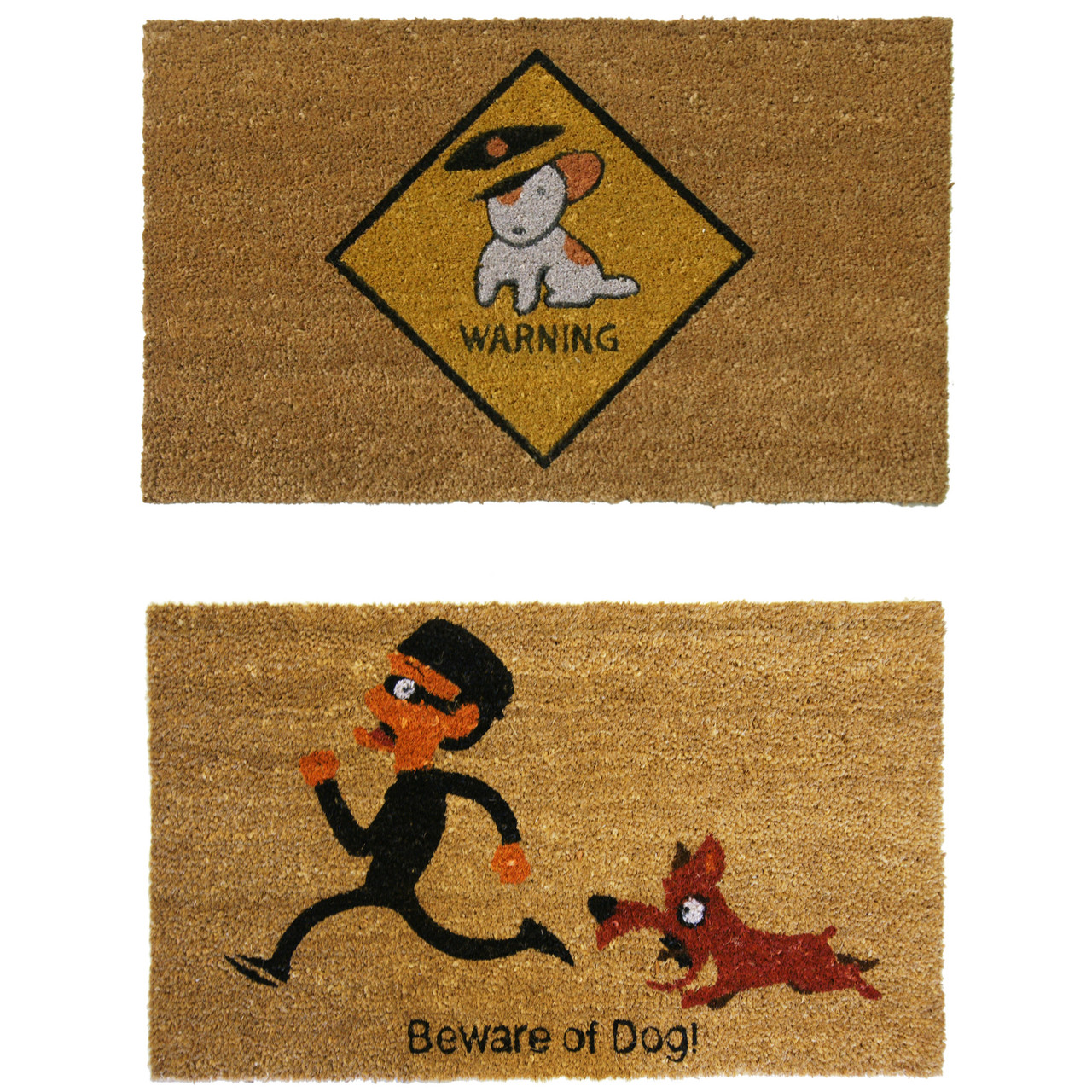
Technical Partnership for Industrial Dog Mat Manufacturing
Suzhou Baoshida Trading Co., Ltd. operates at the intersection of polymer science and precision manufacturing, delivering engineered rubber solutions for demanding commercial applications. Our expertise in vulcanized elastomer systems ensures dog doormats meet rigorous industrial standards for durability, safety, and functional performance. Unlike commodity rubber products, our formulations address specific operational challenges: abrasion from pet claws, exposure to organic contaminants, and cyclic mechanical stress in high-traffic zones. We partner with OEMs to transform material specifications into scalable production, leveraging 15 years of compound development in nitrile butadiene rubber (NBR), ethylene propylene diene monomer (EPDM), and thermoplastic polyurethane (TPU) systems.
The following table details critical performance parameters for our standard dog mat compounds, validated per ASTM D2240 and ISO 37 protocols. These values represent baseline capabilities; all formulations undergo client-specific optimization for density, color stability, and regulatory compliance (REACH, RoHS).
| Property | Test Method | NBR Compound | EPDM Compound | TPU Compound |
|---|---|---|---|---|
| Hardness (Shore A) | ASTM D2240 | 65 ± 3 | 70 ± 3 | 85 ± 3 |
| Tensile Strength (MPa) | ISO 37 | 18.5 | 16.2 | 42.0 |
| Tear Strength (kN/m) | ISO 34-1 | 95 | 88 | 110 |
| Abrasion Loss (mm³) | ASTM D5963 | 85 | 78 | 62 |
| Compression Set (%) | ASTM D395 | 18 | 22 | 12 |
| Operating Temp Range (°C) | — | -30 to +100 | -50 to +130 | -40 to +90 |
These metrics directly impact end-product longevity. For instance, the NBR compound’s superior oil resistance prevents degradation from paw contaminants like motor oil or lotions, while the TPU variant’s high tear strength mitigates damage from claw scratching during entry/exit cycles. Our compounding process integrates mineral fillers and custom curatives to achieve balanced hysteresis—critical for maintaining mat stability under dynamic loads without permanent deformation.
Initiate your technical collaboration by contacting Mr. Boyce, our dedicated OEM Account Manager and Rubber Formulation Specialist. With an MSc in Polymer Engineering and 12 years in industrial elastomer production, Mr. Boyce translates your performance requirements into actionable manufacturing protocols. Provide your target specifications, annual volume projections, and application environment details (e.g., indoor/outdoor use, expected foot traffic density) to receive a tailored compound recommendation within 72 hours. All inquiries undergo rigorous technical vetting to ensure feasibility before quotation, eliminating mismatched expectations common in bulk rubber sourcing.
Direct all engineering discussions and production inquiries to [email protected]. Include subject line: OEM Dog Mat Project – [Your Company Name]. Mr. Boyce coordinates cross-functional support from our Suzhou R&D lab, including mold flow analysis for complex tread patterns and accelerated aging reports for UV resistance validation. We maintain ISO 9001-certified production lines with capacity for 500,000+ units monthly, accommodating both prototyping runs and sustained high-volume contracts.
Suzhou Baoshida does not sell finished goods—we engineer material solutions. Partner with us to resolve persistent manufacturing challenges: inconsistent durometer control, premature edge delamination, or pigment migration in colored compounds. Our technical team will audit your current process parameters and propose modifications to your mixing cycles, vulcanization timing, or post-cure treatments. This precision-driven approach reduces scrap rates by 18–32% in verified client cases. Contact Mr. Boyce today to schedule a compound feasibility assessment and elevate your dog mat product line through industrial-grade rubber science.
⚖️ O-Ring Weight Calculator
Estimate rubber O-ring weight (Approx).