
Technical Contents
Engineering Guide: Double Hinged
Engineering Insight: Double Hinged Rubber Components – The Critical Role of Material Selection
In industrial applications involving dynamic motion, vibration damping, or structural articulation, the double hinged rubber component serves as a pivotal engineering solution. These components are frequently deployed in heavy machinery, transportation systems, and industrial automation where reliability under cyclic stress is non-negotiable. Despite their apparent simplicity, double hinged designs demand rigorous material science considerations. Off-the-shelf rubber solutions often fail in such applications due to an inadequate match between the elastomer’s physical properties and the operational environment.
The core challenge lies in balancing flexibility with durability. A double hinged joint must accommodate angular displacement across two axes while maintaining structural integrity over thousands of cycles. Generic rubber compounds, typically formulated for static sealing or low-dynamic use, lack the fatigue resistance and rebound characteristics required in articulated systems. Common failure modes include crack propagation at stress concentration points, delamination of bonded metal substrates, and permanent set due to compression deformation.
Material selection directly influences performance longevity. Natural rubber (NR) offers excellent resilience and tensile strength but degrades rapidly under ozone or UV exposure. Nitrile (NBR) provides superior oil resistance but suffers in low-temperature flexibility. For double hinged applications exposed to diverse environmental stressors, hydrogenated nitrile (HNBR) or ethylene propylene diene monomer (EPDM) are often preferred due to their balanced performance in heat, weathering, and mechanical fatigue. In high-performance scenarios, fluorocarbon (FKM) may be justified despite cost, given its exceptional chemical and thermal stability.
Equally critical is the compound formulation. Standard commercial grades often utilize high filler content to reduce cost, compromising elasticity and dynamic response. Precision-engineered compounds, tailored for double hinged dynamics, incorporate controlled cross-linking densities, reinforcing fillers like carbon black or silica, and anti-degradant packages to extend service life.
Bonding integrity between rubber and metal hinges is another failure point in generic components. Industrial-grade adhesion relies on chemically active primers and vulcanization bonding techniques that ensure cohesive strength exceeds the tear strength of the rubber itself. Off-the-shelf parts frequently use mechanical interlocks or low-performance adhesives, leading to premature separation under shear stress.
Below is a comparative overview of elastomers commonly evaluated for double hinged industrial applications:
| Material | Temperature Range (°C) | Tensile Strength (MPa) | Elongation at Break (%) | Key Resistance Properties |
|---|---|---|---|---|
| Natural Rubber (NR) | -40 to +80 | 18–25 | 500–700 | High resilience, abrasion |
| Nitrile (NBR) | -30 to +100 | 10–20 | 250–500 | Oil, fuel, hydrocarbons |
| HNBR | -40 to +150 | 20–30 | 300–500 | Heat, ozone, oils, fatigue |
| EPDM | -50 to +150 | 15–25 | 300–600 | Weather, UV, steam, aging |
| FKM | -20 to +200 | 10–18 | 200–300 | Chemicals, high heat, oils |
At Suzhou Baoshida Trading Co., Ltd., we emphasize application-specific formulation and rigorous testing protocols to ensure double hinged components meet the exact demands of the operational environment. Standardized rubber parts may offer short-term cost savings, but in high-cycle, high-stress systems, they compromise reliability, safety, and total cost of ownership. Precision material engineering is not an option—it is a necessity.
Material Specifications
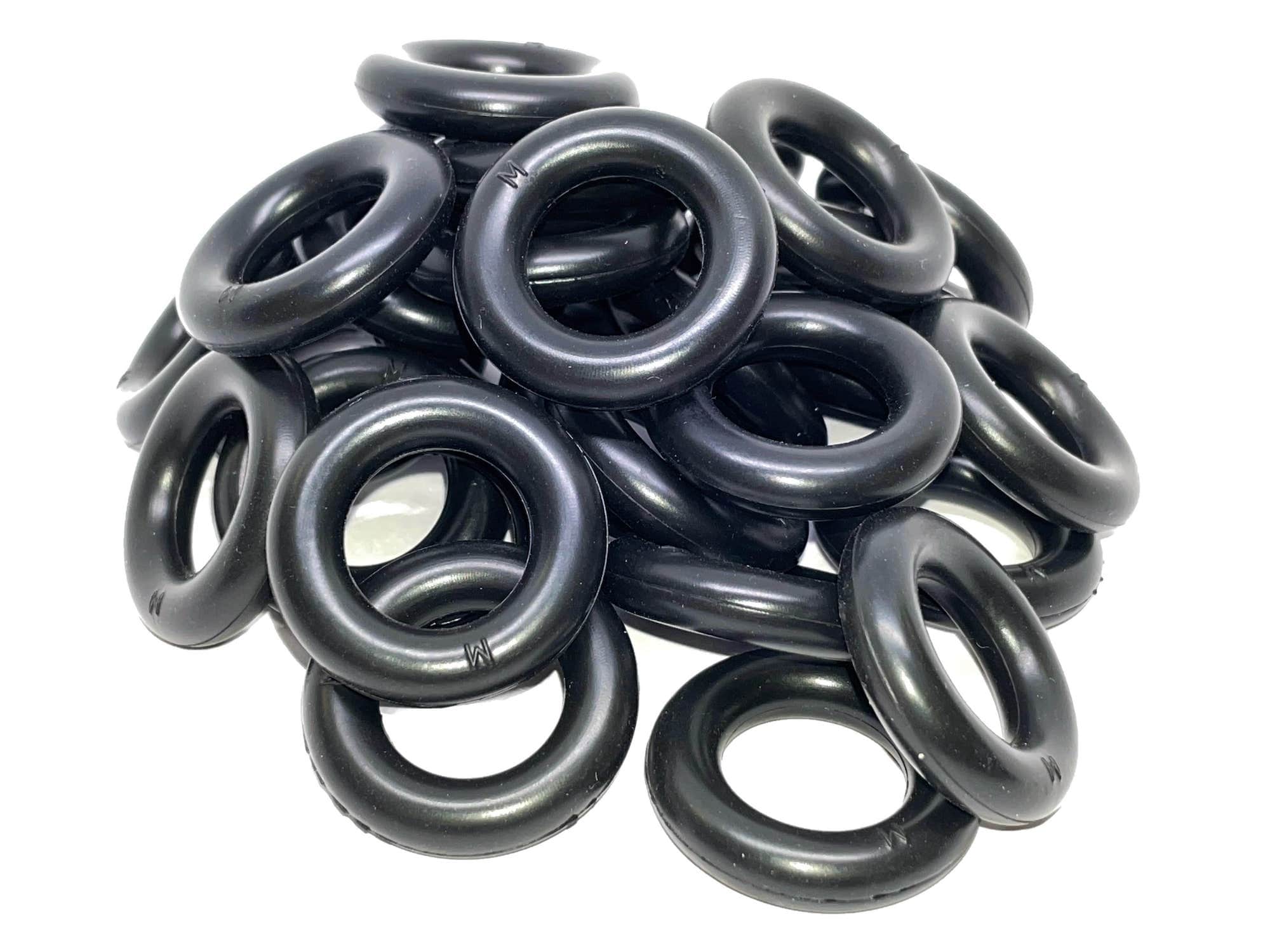
Material Specifications for Double Hinged Industrial Components
Suzhou Baoshida Trading Co., Ltd. provides engineered rubber solutions for double hinged mechanisms, where dual-durometer or multi-material integration demands precise material science. These components require elastomers balancing flexibility, resilience, and chemical stability under dynamic stress. Our formulations prioritize long-term performance in demanding OEM applications, including automotive seals, industrial valves, and hydraulic systems. Material selection directly impacts cycle life, sealing integrity, and resistance to environmental degradation. Below we detail critical specifications for Viton, Nitrile, and Silicone—three polymers optimized for double hinged designs requiring differential hardness zones and interfacial adhesion.
Viton fluorocarbon rubber excels in extreme environments, offering unparalleled resistance to high temperatures, fuels, oils, and aggressive chemicals. Its molecular stability ensures minimal swelling in aromatic hydrocarbons and synthetic lubricants, critical for automotive fuel systems. Operating continuously up to 250°C with intermittent peaks at 300°C, Viton maintains tensile strength and low compression set even after prolonged exposure. This makes it ideal for double hinged seals in turbocharger assemblies or aerospace actuators where thermal cycling and chemical exposure are severe. However, its higher cost necessitates strategic application in critical zones only.
Nitrile butadiene rubber (NBR) delivers optimal cost-performance for general-purpose double hinged components exposed to petroleum derivatives. With excellent abrasion resistance and moderate heat tolerance (up to 120°C continuous), it is the standard for hydraulic piston seals and industrial pump couplings. Our high-acrylonitrile variants achieve superior oil resistance while retaining flexibility at -30°C, essential for cold-climate machinery. Though vulnerable to ozone and ketones, NBR’s compatibility with low-cost fillers and rapid cure kinetics supports high-yield OEM production. Its balanced properties suit hinge pivots requiring consistent torque response across temperature gradients.
Silicone rubber provides unmatched flexibility across extreme temperatures (-60°C to 230°C) and exceptional biocompatibility. Its inertness and resistance to UV/ozone degradation make it indispensable for medical device hinges and food-processing equipment. While tensile strength is lower than Viton or NBR, silicone’s high tear resistance prevents crack propagation in thin-section hinges. Critical for double hinged applications, its low compression set (<20% at 200°C) ensures reliable sealing force retention after repeated flexing. We reinforce silicone with premium fumed silica to enhance durability without sacrificing elasticity.
Material Comparison for Double Hinged Applications
| Property | Viton (FKM) | Nitrile (NBR) | Silicone (VMQ) |
|---|---|---|---|
| Temperature Range (°C) | -20 to +250 | -40 to +120 | -60 to +230 |
| Key Chemical Resistance | Fuels, oils, acids | Petroleum oils, water | Water, steam, ozone |
| Hardness Range (Shore A) | 60–90 | 50–90 | 30–80 |
| Tensile Strength (MPa) | 12–20 | 15–30 | 6–12 |
| Compression Set (ASTM D395) | <20% (22h/200°C) | <30% (70h/100°C) | <20% (70h/200°C) |
Selecting the optimal elastomer requires analyzing fluid exposure, thermal profiles, and mechanical stress cycles. At Suzhou Baoshida, our OEM engineering team validates material pairings through accelerated life testing, ensuring double hinged components meet ISO 3601 and SAE AS568 standards. Partner with us to refine formulations for your specific torque, sealing, and longevity requirements.
Manufacturing Capabilities
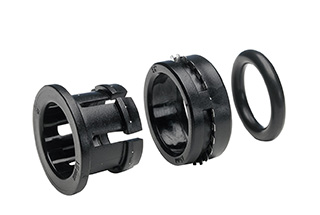
Engineering Capability
At Suzhou Baoshida Trading Co., Ltd., our engineering expertise forms the backbone of our industrial rubber solutions, enabling us to deliver precision-engineered components tailored to the exacting demands of global OEMs. Our in-house technical team comprises five dedicated mould engineers and two specialized rubber formula engineers, ensuring seamless integration between material science and manufacturing design. This multidisciplinary structure allows us to control every phase of product development—from concept and material formulation to mould design, prototyping, and serial production.
Our mould engineers bring over a decade of cumulative experience in precision rubber moulding, specializing in complex geometries such as double hinged seals, multi-cavity systems, and tight-tolerance profiles. Utilizing advanced CAD/CAM software including SolidWorks, AutoCAD, and Moldflow, they perform detailed design simulations to optimize flow, curing behavior, and part ejection. This proactive approach minimizes defects, reduces time-to-market, and ensures repeatability across high-volume production runs. Each mould is rigorously tested for dimensional stability, wear resistance, and cycle life, meeting ISO 9001 standards and customer-specific validation protocols.
Complementing our design capabilities are two in-house rubber formulation engineers who specialize in developing custom elastomer compounds for targeted performance characteristics. Whether the application demands resistance to extreme temperatures, aggressive chemicals, or dynamic mechanical stress, our formula team tailors material compositions using NR, NBR, EPDM, silicone, FKM, and other specialty rubbers. These formulations are validated through accelerated aging tests, compression set analysis, and dynamic mechanical analysis (DMA) to ensure long-term reliability under operational conditions.
Our OEM capabilities are built on a foundation of technical agility and confidentiality. We support co-engineering projects where design input comes directly from client specifications, and we maintain full documentation traceability for every compound and tooling revision. With dedicated project managers and cross-functional alignment between R&D, quality assurance, and production, we ensure that every double hinged component meets both functional requirements and regulatory standards.
The synergy between our mould and formula engineering teams enables us to solve complex sealing challenges that require precise material behavior and exacting dimensional control. This integrated engineering model not only enhances product performance but also reduces total cost of ownership for our partners.
| Parameter | Specification |
|---|---|
| Mould Engineers | 5 (CAD/CAM, Moldflow, SolidWorks certified) |
| Formula Engineers | 2 (Polymer chemistry, compounding, testing) |
| Mould Materials | P20, 718H, H13, S136 (corrosion-resistant steels) |
| Rubber Compounds | NBR, EPDM, NR, Silicone, FKM, CR, ACM |
| Tolerances | ±0.1 mm (standard), down to ±0.05 mm (precision) |
| Tooling Life | 500,000+ cycles (typical) |
| OEM Services | Co-design, IP protection, batch traceability, PPAP support |
This robust engineering infrastructure positions Suzhou Baoshida as a trusted technical partner for OEMs requiring high-integrity rubber components in automotive, industrial machinery, and fluid handling systems.
Customization Process
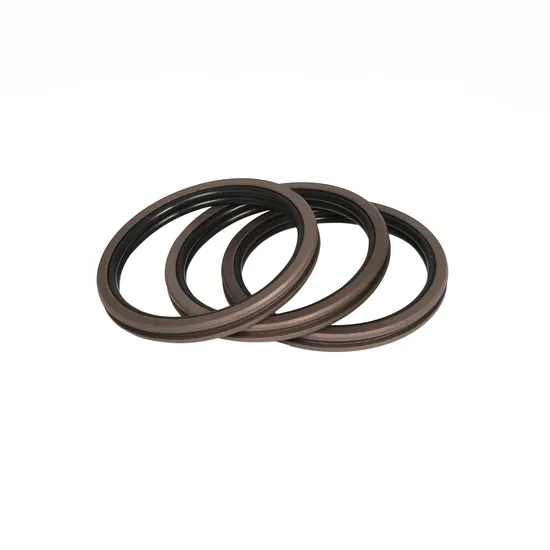
Customization Process for Double Hinged Rubber Components
At Suzhou Baoshida Trading Co., Ltd., our double hinged rubber component customization follows a rigorously defined engineering sequence to ensure optimal performance in demanding industrial applications. This process eliminates design ambiguities and material mismatches, directly translating client specifications into functional, durable products. Each phase integrates material science expertise with precision manufacturing protocols, adhering strictly to ISO 9001 quality management standards.
Drawing Analysis initiates the workflow, where our engineering team deconstructs client-provided CAD models or technical schematics. Critical focus areas include dimensional tolerances, hinge pivot geometry, stress concentration zones, and environmental exposure parameters. We validate compliance with ASTM D3182 standards for rubber material testing setups, ensuring the design accommodates thermal expansion, cyclic fatigue, and load-bearing requirements unique to double hinged mechanisms. Any geometric conflicts or material feasibility gaps are resolved collaboratively before progression.
Formulation leverages Suzhou Baoshida’s proprietary elastomer database to select and compound the optimal rubber matrix. Key considerations include Shore A hardness (typically 50–80 for balanced flexibility and structural integrity), compression set resistance (<25% per ASTM D395), and chemical compatibility with operational media. The table below outlines common material solutions for double hinged applications.
| Material Type | Temperature Range (°C) | Key Resistance Properties | Typical Industrial Use Case |
|---|---|---|---|
| Nitrile (NBR) | -30 to +100 | Oils, fuels, hydraulic fluids | Mobile hydraulic machinery hinges |
| EPDM | -50 to +150 | Ozone, steam, polar solvents | Chemical processing plant access panels |
| Fluorocarbon (FKM) | -20 to +230 | Aggressive chemicals, high-temperature oils | Semiconductor manufacturing equipment |
Prototyping executes validated designs using precision CNC-machined molds or 3D-printed tooling for rapid iteration. Each prototype undergoes accelerated life testing per ISO 188 (heat aging) and ISO 1817 (fluid resistance), with hinge rotation cycles simulated to 50,000+ repetitions. Durometer stability, tensile strength retention, and hinge torque consistency are measured. Client feedback on functional fit and performance triggers micro-adjustments to the compound or geometry before final sign-off.
Mass Production transitions approved prototypes into high-volume output under stringent statistical process control (SPC). Our Suzhou facility employs automated injection molding with real-time cavity pressure monitoring, ensuring ±0.1 mm dimensional repeatability. Every batch undergoes 100% visual inspection and抽样 testing for hardness, density, and critical dimensions per ISO 2818. Traceability is maintained via serialized lot coding, with full material certifications (including RoHS/REACH compliance documentation) provided for OEM integration.
This systematic approach guarantees double hinged components that withstand rigorous operational cycles while minimizing field failure rates. Suzhou Baoshida’s integration of formulation science and precision manufacturing delivers OEM-ready solutions with zero compromise on performance longevity.
Contact Engineering Team
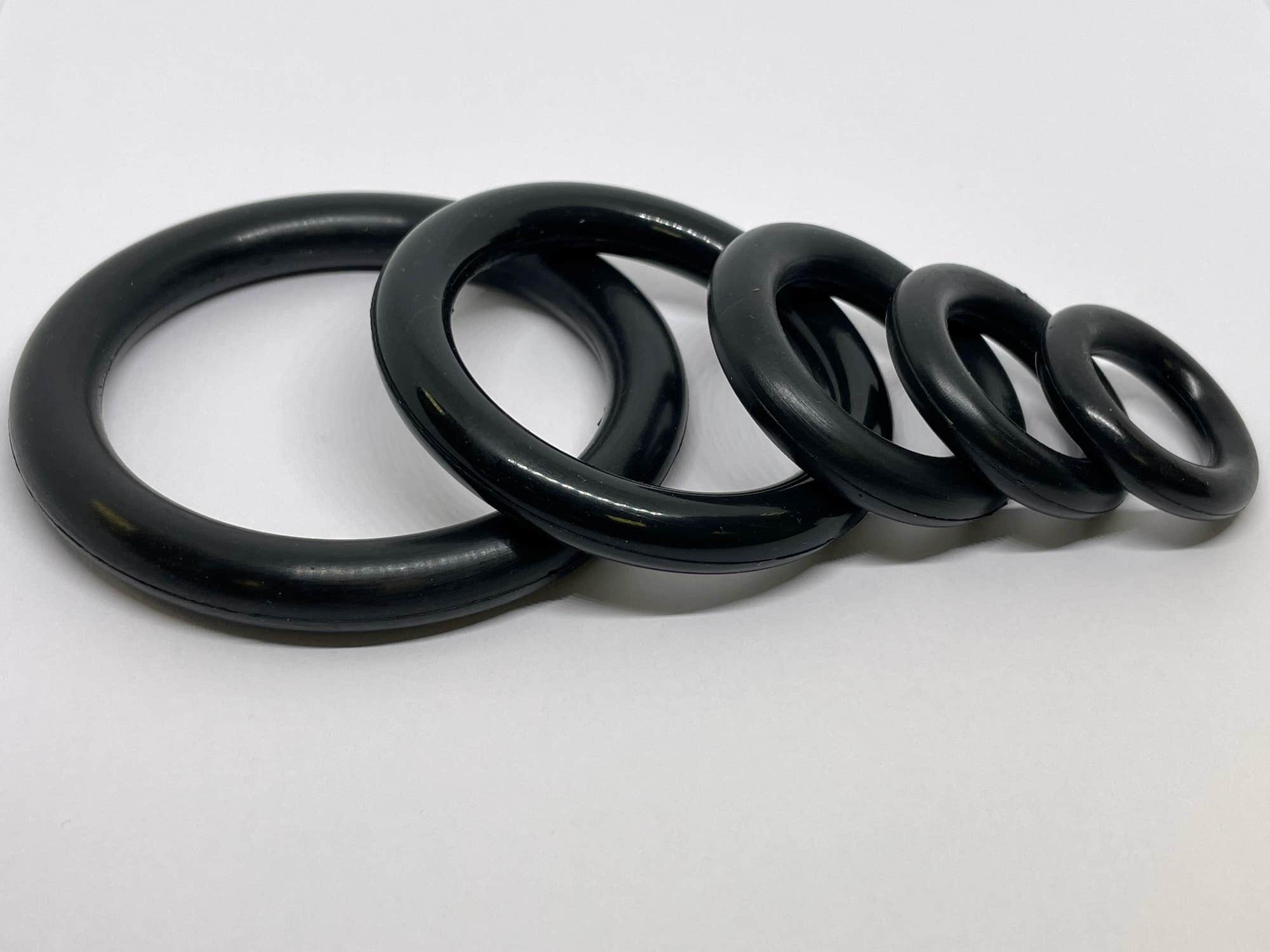
For manufacturers and OEMs operating in high-performance industrial environments, selecting the right rubber components is not merely a matter of material compatibility—it is a critical engineering decision that directly impacts system reliability, longevity, and operational safety. At Suzhou Baoshida Trading Co., Ltd., we specialize in precision-engineered rubber solutions tailored to the exacting demands of modern industrial applications, including the design and production of double hinged rubber components used in sealing, vibration damping, and mechanical coupling systems.
Our double hinged solutions are engineered for dynamic applications where flexibility, torsional stability, and resistance to repeated stress cycles are paramount. These components are commonly deployed in heavy machinery, transportation systems, and industrial automation equipment where misalignment compensation and shock absorption are essential. Through advanced compounding techniques and rigorous quality control, we ensure each product meets international standards for performance under extreme thermal, chemical, and mechanical conditions.
Material selection is central to our engineering approach. We offer formulations based on Nitrile (NBR), Ethylene Propylene Diene Monomer (EPDM), Silicone (VMQ), and Fluorocarbon (FKM) rubbers, each optimized for specific environmental exposures such as oil, ozone, steam, or high-temperature operation. Our in-house testing laboratory validates every batch for tensile strength, elongation at break, compression set, and hardness, ensuring consistency across production runs.
Below are representative technical specifications for a standard double hinged rubber component manufactured to OEM requirements:
| Property | Test Method | Value |
|---|---|---|
| Hardness (Shore A) | ASTM D2240 | 60 ± 5 |
| Tensile Strength | ASTM D412 | ≥12 MPa |
| Elongation at Break | ASTM D412 | ≥250% |
| Compression Set (24h @ 70°C) | ASTM D395 | ≤20% |
| Operating Temperature Range | — | -40°C to +120°C (NBR) |
| Fluid Resistance | ASTM D471 | Excellent in mineral oils, hydraulic fluids |
All components are produced under ISO 9001-certified processes, with full traceability and documentation support for audit and compliance purposes. We work closely with engineering teams to customize geometry, durometer, and bonding methods—whether metal-to-rubber adhesion is required or overmolding to specific substrates.
To integrate our double hinged rubber solutions into your next project, contact Mr. Boyce, OEM Account Manager at Suzhou Baoshida Trading Co., Ltd. With extensive experience in industrial rubber applications and global supply chain coordination, Mr. Boyce provides technical consultation, sample provisioning, and scalable production planning tailored to your timeline and volume requirements. Reach out via email at [email protected] to initiate a technical review, request material data sheets, or discuss custom formulation options. Our team responds to all inquiries within 24 business hours, ensuring rapid progression from concept to qualification. Partner with Suzhou Baoshida for engineered rubber performance you can rely on.
⚖️ O-Ring Weight Calculator
Estimate rubber O-ring weight (Approx).