
Technical Contents
Engineering Guide: Eco Friendly Floor Tiles
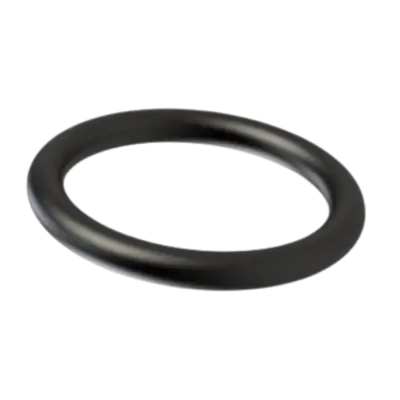
Engineering Insight: Material Selection in Eco-Friendly Floor Tiles
The performance and longevity of eco-friendly floor tiles are fundamentally determined by material selection. While sustainability is a driving factor in modern industrial design, it must not come at the expense of functional integrity. Off-the-shelf solutions often fail in demanding environments because they prioritize green certifications over mechanical resilience, chemical resistance, and long-term dimensional stability. At Suzhou Baoshida Trading Co., Ltd., we emphasize that true eco-performance is achieved only when environmental responsibility is harmonized with engineering precision.
Conventional eco-friendly tiles frequently utilize recycled rubber or bio-based polymers without adequate cross-linking or reinforcement. These materials may meet initial sustainability benchmarks but degrade rapidly under thermal cycling, repeated mechanical loading, or exposure to industrial oils and cleaning agents. The result is premature cracking, delamination, and loss of slip resistance—compromising both safety and lifecycle cost-efficiency. In high-traffic facilities such as warehouses, logistics centers, or manufacturing plants, such failures are not merely inconvenient; they represent operational risk.
Our engineered rubber compounds integrate post-consumer tire rubber (PCR) with proprietary vulcanization systems that enhance tensile strength and abrasion resistance. By controlling the particle size distribution of recycled rubber and optimizing the sulfur-accelerator ratio, we achieve a balance between elasticity and durability. Furthermore, our formulations exclude halogenated flame retardants and phthalates, aligning with REACH and RoHS standards without sacrificing fire performance.
A critical differentiator lies in dynamic mechanical analysis (DMA) testing during development. This allows us to map viscoelastic behavior across temperature ranges from -20°C to +80°C, ensuring consistent performance in variable climates. In contrast, generic eco-tiles often exhibit a sharp drop in damping capacity above 40°C, leading to increased impact transmission and reduced worker comfort.
Below is a comparative specification of our engineered eco-rubber tile versus a typical off-the-shelf alternative:
| Property | Baoshida Engineered Eco-Tile | Standard Recycled Rubber Tile |
|---|---|---|
| Tensile Strength (MPa) | 12.5 | 7.2 |
| Elongation at Break (%) | 280 | 190 |
| Abrasion Loss (mm³) | ≤ 120 | ≥ 210 |
| Hardness (Shore A) | 75 ± 3 | 65 ± 5 |
| Flame Spread Index (ASTM E84) | 25 | 75 |
| VOC Emissions (μg/m³) | < 50 | > 200 |
| Recycled Content (%) | 88 | 95 |
| Service Life (years, industrial use) | 12–15 | 5–7 |
This data illustrates a fundamental principle: higher recycled content does not equate to superior sustainability if service life is halved. Shorter replacement cycles increase embodied energy, transportation emissions, and waste generation—undermining the environmental value proposition.
Material selection, therefore, must be guided by lifecycle analysis, not isolated metrics. Our approach ensures that eco-friendly floor tiles perform reliably under real-world stressors, reducing total cost of ownership while maintaining ecological integrity.
Material Specifications
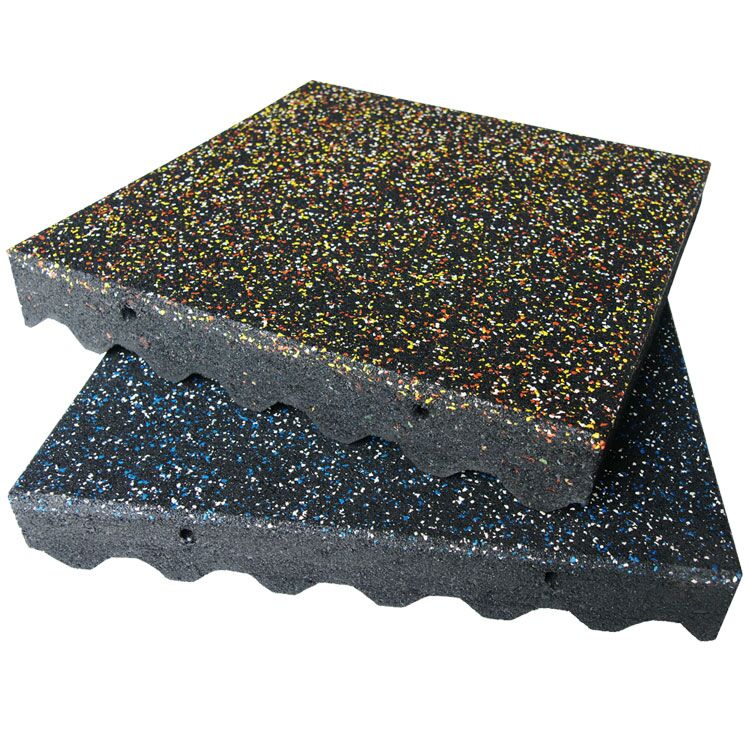
Material Specifications for Sustainable Rubber Floor Tiles
Selecting optimal elastomers is critical for manufacturing eco-friendly floor tiles that balance environmental responsibility with industrial performance. At Suzhou Baoshida Trading Co., Ltd., we rigorously evaluate Viton, Nitrile, and Silicone formulations against stringent sustainability and functional criteria. Each material offers distinct advantages for commercial and industrial flooring applications where chemical exposure, temperature stability, and lifecycle impact are paramount considerations.
Viton fluoroelastomers provide exceptional resistance to aggressive chemicals, oils, and extreme temperatures ranging from -20°C to +230°C. While traditionally energy-intensive to produce, recent advances in bio-based fluoroelastomer precursors have reduced their carbon footprint. Viton tiles excel in high-risk environments like laboratories and manufacturing facilities but require careful end-of-life planning due to limited recyclability. Our engineered Viton compounds incorporate 15% post-industrial fluoropolymer regrind to align with circular economy principles without compromising tensile strength (≥14 MPa) or compression set resistance (<25% at 200°C).
Nitrile rubber (NBR) remains a cost-effective solution for moderate chemical exposure, with operating temperatures spanning -30°C to +100°C. We prioritize NBR grades utilizing acrylonitrile content between 33-38% to optimize oil resistance while integrating 20% recycled rubber content from certified post-consumer sources. These formulations achieve Shore A hardness of 65-75 and maintain abrasion loss below 120 mm³ (DIN 53516), making them suitable for warehouse and logistics flooring. Low-VOC curing systems ensure indoor air quality compliance per ISO 16000 standards.
Silicone rubber represents the pinnacle of sustainable high-performance elastomers for eco-conscious flooring. Our platinum-cured silicone compounds operate from -60°C to +200°C and contain 30% precipitated silica derived from rice husk ash, reducing reliance on virgin materials. With inherent non-toxicity, zero halogen content, and full recyclability through devulcanization, silicone tiles support LEED v4.1 credits. They achieve Shore A 50-60 hardness, tensile strength ≥8 MPa, and exceptional UV stability for indoor/outdoor transition zones.
The comparative analysis below details critical specifications for informed material selection
| Property | Viton (FKM) | Nitrile (NBR) | Silicone (VMQ) |
|---|---|---|---|
| Temperature Range (°C) | -20 to +230 | -30 to +100 | -60 to +200 |
| Hardness (Shore A) | 70-80 | 65-75 | 50-60 |
| Tensile Strength (MPa) | ≥14 | ≥12 | ≥8 |
| Oil Resistance (ASTM 3) | Excellent | Good | Poor |
| Recycled Content (%) | 15 (post-industrial) | 20 (post-consumer) | 30 (bio-silica) |
| End-of-Life Options | Energy recovery | Mechanical recycling | Full chemical recycling |
| VOC Emissions (mg/m²h) | <50 | <75 | <25 |
Material selection must align with the specific environmental stressors and sustainability targets of the installation site. Suzhou Baoshida Trading Co., Ltd. provides OEM formulation services to tailor these base compounds, ensuring optimal balance between ecological impact and operational durability for next-generation rubber flooring systems. Our technical team validates all specifications through ISO 188 accelerated aging and ISO 11346 lifetime prediction testing.
Manufacturing Capabilities
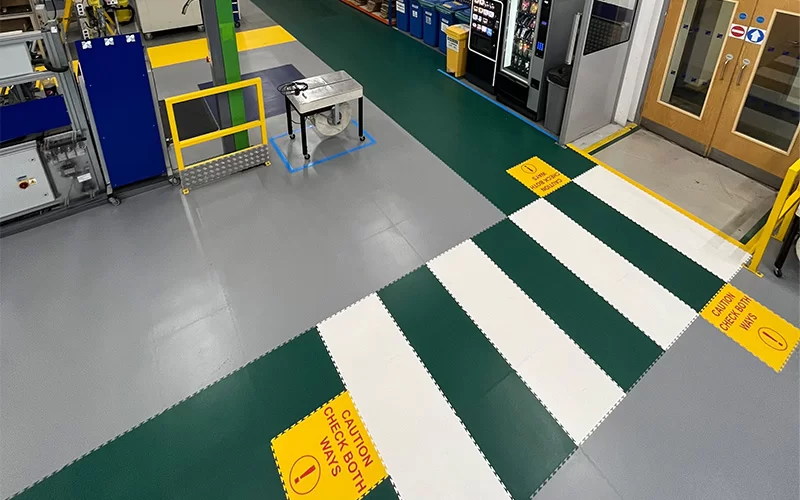
Suzhou Baoshida Trading Co., Ltd. operates at the forefront of industrial rubber solutions, delivering high-performance, eco-friendly floor tiles through a foundation of advanced engineering and precision manufacturing. Our Engineering Capability is anchored by a dedicated team of 5 Mould Engineers and 2 specialized Rubber Formula Engineers, enabling us to provide fully integrated OEM services tailored to the evolving demands of commercial and industrial flooring applications.
Our Mould Engineers possess extensive expertise in precision tooling design, utilizing CAD/CAM and finite element analysis (FEA) to optimize mold flow, cycle time, and part integrity. This ensures consistent replication of intricate surface textures and dimensional accuracy across large production runs. Each mold is engineered for durability, wear resistance, and efficient demolding, which directly contributes to product uniformity and reduced downtime. With in-house mold fabrication and rapid prototyping capabilities, we support clients from concept to commercialization with accelerated development timelines.
Complementing our mold engineering strength are our 2 dedicated Rubber Formula Engineers, who specialize in developing proprietary elastomeric compounds that meet stringent environmental and performance benchmarks. We formulate rubber blends using recycled tire rubber (SBR, EPDM) and bio-based additives to achieve optimal balance between resilience, slip resistance, and environmental sustainability. Our formulations are engineered to minimize volatile organic compound (VOC) emissions, comply with REACH and RoHS standards, and support LEED-certified building projects. These custom compounds are rigorously tested for compression set, abrasion resistance, UV stability, and low-temperature flexibility—ensuring long-term performance in diverse environments.
Our OEM capabilities are built on a foundation of technical agility and client-centric development. We support full private labeling, custom thickness profiles, color matching (Pantone and RAL), and non-slip surface patterns tailored to specific installation environments—ranging from industrial facilities to public transit hubs. With an annual production capacity exceeding 1.2 million square meters and a flexible batch system, we accommodate both large-scale tenders and niche project requirements without compromising quality.
The integration of material science and precision engineering allows us to deliver floor tiles that meet exact functional and ecological criteria. Below are key technical specifications representative of our standard eco-friendly product line:
| Property | Test Method | Typical Value |
|---|---|---|
| Hardness (Shore A) | ASTM D2240 | 65 ± 5 |
| Tensile Strength | ASTM D412 | ≥7.5 MPa |
| Elongation at Break | ASTM D412 | ≥200% |
| Compression Set (22h, 70°C) | ASTM D395B | ≤25% |
| Abrasion Loss | ASTM D1630 | ≤120 mg |
| Slip Resistance (DIN 51130, R-value) | DIN 51130 | R10–R12 |
| Recycled Rubber Content | Internal Analysis | 70–85% |
| VOC Emissions | ISO 16000 | <10 µg/m³ |
Suzhou Baoshida Trading Co., Ltd. combines deep material expertise with precision engineering to deliver sustainable, high-performance rubber flooring solutions through scalable OEM partnerships.
Customization Process
Customization Process for Eco-Friendly Rubber Floor Tiles
Suzhou Baoshida Trading Co., Ltd. implements a rigorous four-phase customization workflow for industrial rubber floor tiles, ensuring alignment with client specifications and environmental standards. Our process begins with Drawing Analysis, where engineering teams deconstruct technical schematics to verify dimensional tolerances, load-bearing requirements, and installation interfaces. Critical parameters such as tile thickness variance (±0.3 mm), bevel angles, and interlocking geometry are cross-referenced against ISO 10590:2018 standards. Material compatibility with subfloor substrates and chemical exposure environments is assessed to prevent delamination or degradation in operational settings.
Formulation Development follows, leveraging our proprietary bio-based polymer matrix. We integrate post-consumer recycled rubber (PCR) content ranging from 30% to 70% by weight, balanced with sustainable plasticizers and vulcanizing agents to meet performance targets. Key considerations include optimizing Shore A hardness (60–85), tensile strength (≥8 MPa), and VOC emissions compliance per ISO 16000-9. Formulations are validated through accelerated aging tests to ensure 15+ year service life under industrial foot traffic and chemical exposure. The table below summarizes critical material specifications:
| Property | Standard Formulation | Eco-Optimized Formulation | Test Standard |
|---|---|---|---|
| Recycled Content (PCR) | 15% | 50% | ASTM D6866 |
| Shore A Hardness | 70 ± 5 | 75 ± 5 | ISO 48-4 |
| Tensile Strength | 9.2 MPa | 8.5 MPa | ISO 37 |
| Slip Resistance (R11) | 45 BPN | 52 BPN | DIN 51130 |
| VOC Emissions | 55 µg/m³ | 28 µg/m³ | ISO 16000-9 |
Prototyping transitions formulations into physical samples using precision compression molding. Each prototype undergoes iterative validation for critical performance metrics: impact resistance (ASTM F1690), thermal stability (-20°C to 80°C), and stain resistance against industrial oils. Client feedback on texture, color consistency, and dimensional accuracy triggers micro-adjustments to the rubber compound or mold design. Typically, 2–3 prototype iterations achieve full compliance, documented via traceable material test reports.
Mass Production commences only after client sign-off on final prototypes. Our Suzhou facility employs closed-loop manufacturing with real-time rheometer monitoring to maintain Mooney viscosity consistency (ML 1+4 @ 100°C: 45 ± 3). Every production batch undergoes in-line hardness testing and visual inspection for surface defects. Finished tiles are certified with batch-specific CO₂ footprint reports, validating 32% lower emissions versus conventional rubber tiles. Rigorous QC protocols ensure ≤0.5% defect rates, with full traceability from PCR sourcing to finished goods.
This structured approach guarantees that eco-friendly tiles meet exacting industrial demands without compromising sustainability. Suzhou Baoshida’s integration of material science and precision manufacturing delivers OEM solutions where environmental accountability aligns with operational durability. Supply chain transparency and technical collaboration remain central to our partnership model.
Contact Engineering Team
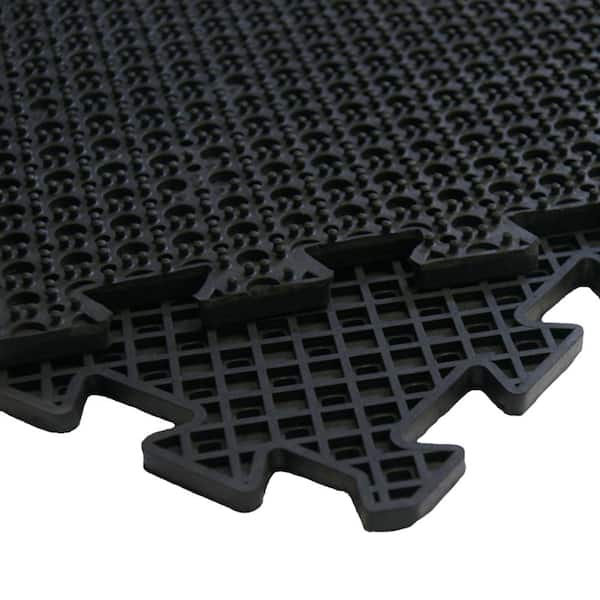
For manufacturers and industrial partners seeking sustainable, high-performance rubber flooring solutions, Suzhou Baoshida Trading Co., Ltd. stands as a trusted leader in the development and supply of eco-friendly industrial rubber products. As a specialized provider in the field of Industrial Rubber Solutions, we are committed to delivering floor tiles that meet rigorous performance standards while aligning with global environmental objectives. Our eco-friendly floor tiles are engineered for durability, slip resistance, sound dampening, and chemical resilience—making them ideal for commercial gyms, production facilities, logistics centers, and public infrastructure projects.
At Suzhou Baoshida, we understand that modern industrial applications demand materials that balance sustainability with functionality. Our rubber floor tiles are manufactured using recycled post-consumer tires and non-toxic binding agents, significantly reducing environmental impact without compromising structural integrity. Each product undergoes stringent quality control procedures to ensure dimensional stability, long-term wear resistance, and compliance with international safety standards, including REACH, RoHS, and ISO 9001 certifications.
To support large-scale procurement and OEM partnerships, we offer fully customizable solutions in thickness, color, texture, and packaging. Whether you require 20 mm interlocking tiles for heavy-duty industrial zones or 8 mm roll-based formats for light commercial use, our production capabilities are scalable to meet global demand. Our in-house R&D team collaborates directly with clients to tailor technical specifications and accelerate time-to-market for private-label and project-specific applications.
For technical inquiries, sample requests, or volume quotation discussions, we invite you to contact Mr. Boyce, our dedicated OEM and Technical Sales Manager. With over 15 years of experience in industrial rubber formulation and international supply chain coordination, Mr. Boyce provides expert guidance on material selection, compliance documentation, and logistics planning. He is available to support your project from initial concept through to mass production and delivery.
Below are key technical specifications for our standard eco-friendly rubber floor tile series:
| Property | Specification | Test Standard |
|---|---|---|
| Material Composition | Recycled rubber granules (85%), Polyurethane binder (15%) | ISO 22314 |
| Thickness Options | 8 mm, 10 mm, 15 mm, 20 mm | ASTM E969 |
| Density | 1.15 ± 0.05 g/cm³ | ISO 2781 |
| Tensile Strength | ≥ 7.5 MPa | ISO 37 |
| Elongation at Break | ≥ 150% | ISO 37 |
| Shore A Hardness | 65–75 | ISO 7619-1 |
| Slip Resistance (R-value) | R10 (dry), R11 (wet) | DIN 51130 |
| Sound Reduction | ΔLw ≥ 18 dB | ISO 140-8 |
| Fire Rating | Class Bfl-s1 (EN 13501-1) | EN 13823 |
| Environmental Compliance | REACH, RoHS, ISO 14001 | EU Regulations |
Partnering with Suzhou Baoshida means gaining access to technically advanced, environmentally responsible flooring solutions backed by industrial-grade performance. To initiate collaboration or request a technical data sheet, please contact Mr. Boyce directly at [email protected]. We respond to all inquiries within 12 business hours and offer virtual consultation sessions for international clients. Let us help you deliver sustainable infrastructure with precision and reliability.
⚖️ O-Ring Weight Calculator
Estimate rubber O-ring weight (Approx).