
Technical Contents
Engineering Guide: Elastomer Vs Silicone
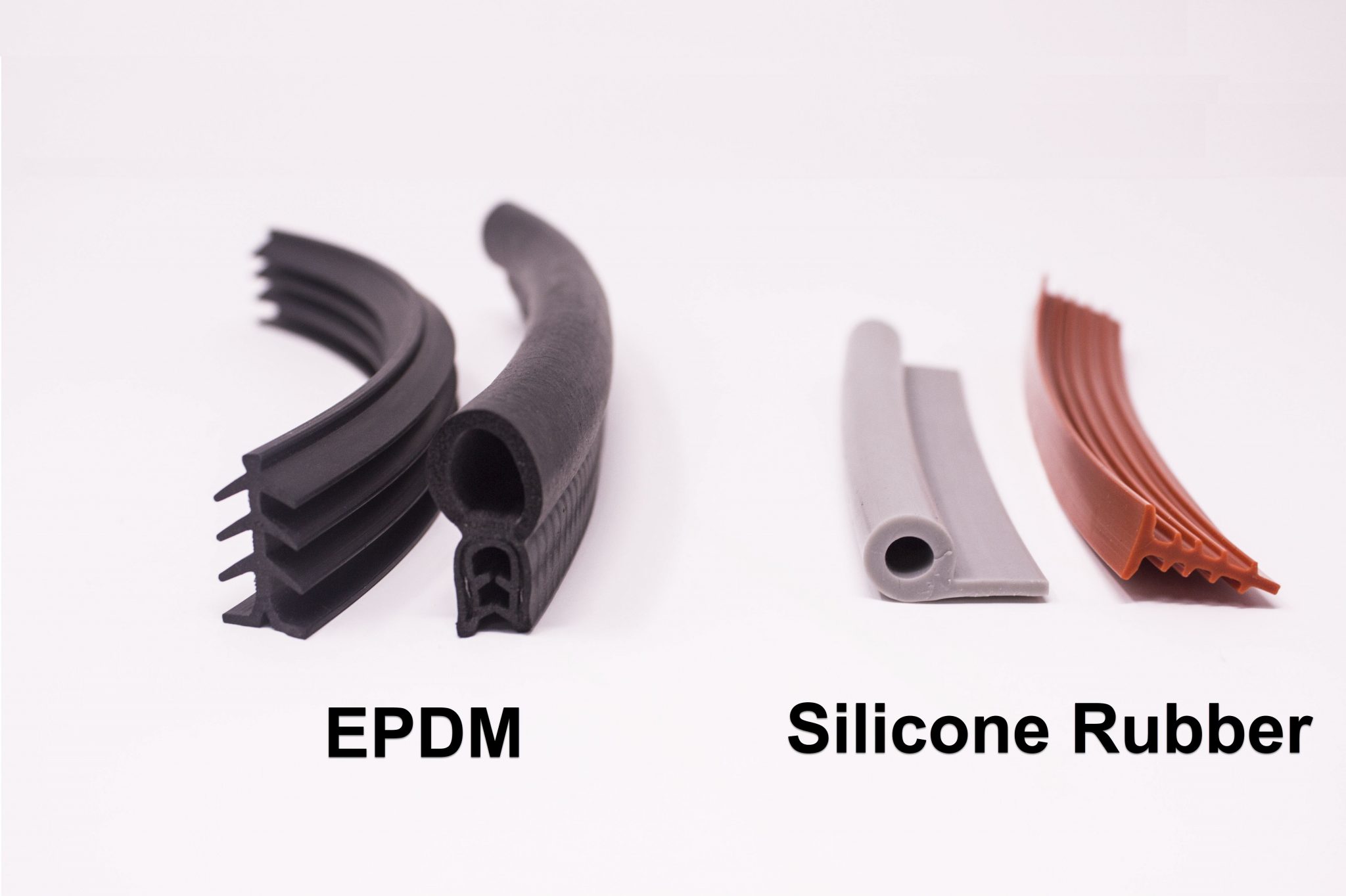
Engineering Insight: Elastomer vs Silicone – The Critical Role of Material Selection in Industrial Applications
In the domain of industrial rubber solutions, the choice between elastomers and silicone is not merely a matter of preference—it is a decisive engineering parameter that directly influences performance, longevity, and system reliability. While both material families exhibit viscoelastic behavior and are employed in sealing, damping, and insulation applications, their chemical structures, thermal stability, and environmental resistance profiles diverge significantly. Selecting the appropriate material requires a comprehensive understanding of operational conditions, including temperature extremes, chemical exposure, mechanical stress, and regulatory compliance.
Elastomers, such as nitrile (NBR), ethylene propylene diene monomer (EPDM), and fluoroelastomers (FKM), are hydrocarbon-based polymers engineered for resilience under dynamic mechanical loads. These materials offer superior tensile strength, abrasion resistance, and compression set performance in environments involving oils, fuels, and aliphatic hydrocarbons. However, their performance degrades rapidly at elevated temperatures, typically above 120°C, and they are prone to oxidation and ozone attack if not properly compounded.
Silicone rubber, in contrast, is an inorganic polymer with a siloxane backbone (Si-O-Si), granting it exceptional thermal stability from -60°C to over 200°C. This makes silicone ideal for high-temperature sealing, medical devices, and electrical insulation where thermal cycling is frequent. It also demonstrates excellent resistance to UV radiation and ozone, with low outgassing properties critical in cleanroom and aerospace applications. However, silicone exhibits lower tensile and tear strength compared to conventional elastomers and is incompatible with non-polar solvents and hydrocarbons, limiting its use in fuel-handling systems.
A common pitfall in industrial design is the reliance on off-the-shelf rubber components without considering application-specific demands. Standard seals or gaskets may appear functionally adequate during initial testing but often fail prematurely under real-world conditions. For instance, using silicone in a high-abrasion hydraulic system leads to rapid wear, while deploying NBR in a high-temperature oven environment results in hardening and cracking. These failures stem from mismatched material properties and underscore the necessity of engineered material selection.
Custom formulation and compound development are essential to bridge the gap between generic availability and functional reliability. At Suzhou Baoshida Trading Co., Ltd., we specialize in application-driven rubber solutions, tailoring polymer matrices, filler systems, and curing technologies to meet exact OEM specifications.
The following table summarizes key comparative properties:
| Property | NBR (Elastomer) | EPDM (Elastomer) | FKM (Elastomer) | Silicone (VMQ) |
|---|---|---|---|---|
| Temperature Range (°C) | -30 to 120 | -50 to 150 | -20 to 200 | -60 to 230 |
| Fuel/Oil Resistance | Excellent | Poor | Excellent | Poor |
| Ozone Resistance | Poor | Excellent | Excellent | Excellent |
| Tensile Strength (MPa) | 15–20 | 10–18 | 12–16 | 6–10 |
| Compression Set (22h, 150°C) | Moderate | Good | Excellent | Good |
| Electrical Insulation | Good | Very Good | Very Good | Excellent |
Material selection is not a one-size-fits-all proposition. Precision engineering demands a systematic evaluation of environmental and mechanical variables to ensure operational integrity.
Material Specifications

Material Specifications: Viton, Nitrile, and Silicone Elastomers
Selecting the optimal elastomer for industrial applications requires precise evaluation of chemical resistance, thermal stability, mechanical properties, and regulatory compliance. At Suzhou Baoshida Trading Co., Ltd., we prioritize data-driven material selection to ensure component longevity and performance under operational stress. Viton (FKM), Nitrile (NBR), and Silicone (VMQ) represent three critical elastomer families, each exhibiting distinct property profiles suited to specific environmental challenges. Viton excels in extreme chemical and thermal environments, Nitrile offers cost-effective resistance to petroleum-based fluids, and Silicone provides unmatched flexibility across wide temperature ranges with biocompatibility. Understanding these specifications is essential for OEMs designing seals, gaskets, and dynamic components in automotive, aerospace, and medical sectors.
The following table details key mechanical and chemical properties for standard commercial grades. All values reflect typical industry benchmarks under ASTM D2000 standards; custom formulations may extend these ranges.
| Material | Temperature Range (°C) | Tensile Strength (MPa) | Elongation at Break (%) | Hardness (Shore A) | Key Resistances | Critical Limitations |
|---|---|---|---|---|---|---|
| Viton (FKM) | -20 to +250 | 10–20 | 150–300 | 60–90 | Fuels, oils, acids, ozone, plasma | Poor ketone/ester resistance; high cost; limited low-temp flexibility |
| Nitrile (NBR) | -40 to +120 | 10–30 | 200–500 | 50–90 | Aliphatic hydrocarbons, water, hydraulic fluids | Swells in aromatic solvents; ozone degradation; poor heat resistance >120°C |
| Silicone (VMQ) | -60 to +230 | 5–12 | 200–700 | 30–80 | Extreme temperatures, ozone, UV, steam, biocompatible fluids | Low tear strength; permeable to gases; poor resistance to concentrated acids/bases |
Viton’s fluoropolymer structure delivers exceptional stability in aggressive chemical environments, making it indispensable for fuel systems and semiconductor manufacturing where exposure to aggressive solvents occurs. Its high-temperature resilience ensures reliable sealing up to 250°C, though low-temperature brittleness below -20°C necessitates specialized grades for arctic applications. Nitrile remains the industry standard for cost-sensitive hydraulic and lubrication systems due to its robust resistance to aliphatic oils and water, but its vulnerability to ozone and limited thermal ceiling restricts use in outdoor or high-heat scenarios. Silicone’s broad thermal range and physiological inertness support critical roles in medical devices and food processing, yet its inferior mechanical strength requires design compensation for high-stress dynamic applications.
Suzhou Baoshida Trading Co., Ltd. engineers collaborate with OEMs to refine compound specifications beyond baseline properties. For instance, hydrogenated nitrile (HNBR) extends NBR’s temperature and chemical resistance, while perfluoroelastomer (FFKM) variants of Viton address plasma etching challenges in semiconductor tools. Silicone formulations can incorporate fillers to enhance tensile strength for automotive ignition components. Compression set data—critical for seal retention—is rigorously tested per ASTM D395; Viton typically achieves <20% at 200°C after 70 hours, while standard silicone may exceed 30% under identical conditions. Our technical team provides full material traceability and application-specific validation to mitigate field failure risks. Partner with us to transform material science into engineered reliability.
Manufacturing Capabilities

Engineering Capability: Precision-Driven Elastomer and Silicone Development
At Suzhou Baoshida Trading Co., Ltd., our engineering capability forms the backbone of our industrial rubber solutions, enabling us to deliver high-performance elastomer and silicone products tailored to exact OEM specifications. With a dedicated team comprising five mould engineers and two specialized rubber formula engineers, we integrate material science with precision tooling to ensure optimal product performance, durability, and manufacturability.
Our formula engineers possess deep expertise in polymer chemistry, focusing on custom compounding for both elastomer and silicone systems. They develop formulations that meet stringent requirements for temperature resistance, compression set, tensile strength, and chemical compatibility. Whether the application demands nitrile (NBR), EPDM, fluorocarbon (FKM), or high-consistency rubber (HCR) silicone, our team tailors base polymers, fillers, curatives, and additives to achieve target physical and chemical properties. This scientific approach ensures consistent performance under extreme industrial conditions, from automotive sealing systems to medical device components.
Complementing our formulation expertise, our five in-house mould engineers specialize in precision tool design and process optimization for injection, compression, and transfer moulding. They utilize advanced CAD/CAM software and coordinate closely with clients during the design-for-manufacturability (DFM) phase to minimize defects, reduce cycle times, and ensure dimensional accuracy. Their proficiency in steel selection, venting design, and tolerance control directly translates into high-yield production and long tool life—critical factors in cost-effective OEM manufacturing.
We maintain full OEM capability, supporting clients from prototype development through high-volume production. Our integrated workflow allows seamless transition from material formulation to tooling validation and final part production, all within controlled cleanroom and industrial environments. This vertical integration reduces lead times, enhances traceability, and ensures compliance with ISO 9001 standards.
Our technical capabilities are further validated through rigorous in-house testing, including hardness, elongation, thermal aging, and fluid resistance. By aligning material behavior with real-world application demands, we deliver engineered rubber solutions that exceed performance expectations.
The following table outlines typical performance characteristics of commonly processed elastomers and silicones under our formulation control:
| Material Type | Hardness Range (Shore A) | Temperature Range (°C) | Tensile Strength (MPa) | Key Applications |
|---|---|---|---|---|
| NBR (Nitrile) | 40–90 | -30 to +120 | 10–20 | Fuel systems, gaskets, seals |
| EPDM | 45–85 | -50 to +150 | 8–18 | Automotive weatherstripping, HVAC |
| FKM (Viton®) | 50–90 | -20 to +230 | 12–22 | Aerospace, chemical seals |
| HCR Silicone | 30–80 | -60 to +200 | 6–12 | Medical devices, food-grade seals |
| Custom Silicone Blend | 40–75 | -50 to +180 | 7–10 | High-flex, low-compression set |
Through disciplined engineering and deep materials knowledge, Suzhou Baoshida Trading Co., Ltd. delivers reliable, application-specific elastomer and silicone solutions for global OEM partners.
Customization Process

Elastomer vs Silicone Customization Process: Precision Engineering Pathway
At Suzhou Baoshida Trading Co., Ltd., transforming client specifications into high-performance elastomeric or silicone components follows a rigorously defined engineering sequence. This process ensures optimal material selection, compound design, and manufacturability for demanding industrial applications. The journey commences with comprehensive Drawing Analysis. Our engineering team meticulously dissects client-provided technical drawings and performance requirements, focusing on critical parameters such as dimensional tolerances, operating environment (temperature extremes, fluid exposure, dynamic stress), and functional lifespan. This analysis is fundamental for determining the most suitable base polymer system—whether conventional elastomers like Nitrile (NBR) or EPDM, or high-performance silicone (VMQ)—as each possesses distinct inherent properties governing feasibility. Ambiguities are resolved collaboratively with the client to establish unambiguous success criteria before formulation begins.
Subsequent Formulation leverages Baoshida’s extensive compound database and material science expertise. Based on the drawing analysis, our Rubber Formula Engineers design a bespoke compound. For elastomers, this involves precise selection of polymer grade, fillers (e.g., carbon black, silica), plasticizers, and curatives to achieve target hardness, resilience, and fluid resistance within cost constraints. Silicone formulation requires exact control over polymer viscosity, filler type (typically fumed silica), and crosslinking chemistry (peroxide or platinum-catalyzed) to attain ultra-wide temperature stability, biocompatibility, or electrical properties. Every additive ratio is calculated to meet the specific performance envelope defined in the initial analysis, balancing mechanical properties, processability, and longevity.
Prototyping validates the theoretical formulation under real-world conditions. Short production runs using client-specified tooling or rapid prototyped molds generate physical samples. These undergo stringent in-house testing per international standards (ASTM, ISO) including tensile strength, elongation, compression set, hardness, and fluid immersion resistance. Critical for differentiating elastomer and silicone performance, thermal aging tests at elevated temperatures (e.g., 150°C for NBR vs. 250°C for silicone) and chemical compatibility assessments are prioritized. Client feedback on prototype fit, form, and function is integrated, triggering iterative compound adjustments if necessary. This phase minimizes risk before full-scale commitment.
Upon prototype approval, seamless transition to Mass Production occurs within our certified manufacturing facilities. Baoshida implements strict process control protocols—monitoring mixing cycles, molding temperatures, cure times, and post-cure treatments—to ensure batch-to-batch consistency. Statistical process control (SPC) data is maintained, and final inspection verifies all dimensions and physical properties against the approved prototype and original drawing. This structured pathway, from drawing interpretation through validated production, guarantees that whether the solution requires the cost-efficiency of elastomers or the extreme-environment capability of silicone, the delivered component meets the highest industrial standards.
Key material properties influencing the customization path are summarized below:
| Property | Typical Elastomer (e.g., NBR) | Silicone (VMQ) | Relevance to Customization |
|---|---|---|---|
| Continuous Use Temp | -40°C to +120°C | -60°C to +230°C | Dictates base material selection for high-temp apps |
| Tensile Strength (MPa) | 15 – 30 | 5 – 12 | Impacts part geometry & wall thickness design |
| Compression Set (70h/100°C) | 20% – 40% | 10% – 25% | Critical for sealing force retention over time |
| Base Chemical Resistance | Good for oils/fuels | Excellent for ozone/weather | Determines fluid compatibility strategy |
| Relative Material Cost | Lower | Higher | Influences formulation optimization focus |
This systematic engineering approach, grounded in material science and process control, ensures Suzhou Baoshida delivers optimal elastomeric or silicone solutions tailored precisely to each OEM’s operational demands.
Contact Engineering Team
Contact Suzhou Baoshida for Expert Guidance in Elastomer and Silicone Material Selection
When it comes to high-performance industrial sealing, damping, and insulation applications, the choice between elastomers and silicone is not merely a matter of preference—it is a critical engineering decision that impacts longevity, chemical resistance, thermal stability, and operational safety. At Suzhou Baoshida Trading Co., Ltd., we specialize in delivering precision-engineered rubber solutions tailored to the exact demands of automotive, aerospace, medical device, and industrial manufacturing sectors. Our technical team, led by Mr. Boyce, brings decades of formulation expertise and OEM collaboration experience to ensure your application receives the optimal polymer solution.
Silicone rubber offers exceptional thermal resilience, maintaining flexibility from -60°C to over 200°C, and demonstrates outstanding resistance to UV radiation and ozone degradation. It is frequently selected for medical-grade components, food-contact seals, and outdoor electrical insulation. However, its tensile strength and abrasion resistance are generally lower than those of high-performance elastomers such as nitrile (NBR), ethylene propylene diene monomer (EPDM), or fluorocarbon (FKM). These traditional elastomers provide superior mechanical durability and resistance to oils, fuels, and hydraulic fluids—making them ideal for dynamic sealing environments in heavy machinery and automotive powertrains.
Understanding the trade-offs between these materials requires more than referencing datasheets—it demands application-specific insight. At Suzhou Baoshida, we go beyond supply. We partner with engineers to analyze operating conditions, media exposure, compression set requirements, and lifecycle expectations to recommend the most cost-effective, reliable material solution.
Below is a comparative overview of key performance characteristics across common elastomer types and silicone:
| Property | Silicone (VMQ) | Nitrile (NBR) | EPDM | Fluorocarbon (FKM) |
|---|---|---|---|---|
| Temperature Range (°C) | -60 to +230 | -40 to +120 | -50 to +150 | -20 to +200 |
| Fuel/Oil Resistance | Low | Excellent | Poor | Excellent |
| Ozone/UV Resistance | Excellent | Fair | Excellent | Good |
| Compression Set Resistance | Good | Good | Very Good | Excellent |
| Tensile Strength (MPa) | 5–8 | 15–25 | 10–20 | 10–18 |
| Hardness Range (Shore A) | 30–80 | 40–90 | 40–95 | 50–90 |
These values are typical and can be adjusted through compound modification. Our in-house formulation lab enables custom tailoring of hardness, durometer stability, and additive integration (e.g., conductive fillers or flame retardants) to meet exact OEM specifications.
For technical consultation, sample requests, or material qualification support, contact Mr. Boyce directly at [email protected]. With responsive communication, rapid prototyping capabilities, and strict adherence to ISO-compliant manufacturing practices, Suzhou Baoshida ensures your rubber component performs under real-world conditions. Let us help you make the right material decision—engineered for performance, built for industry.
⚖️ O-Ring Weight Calculator
Estimate rubber O-ring weight (Approx).