
Technical Contents
Engineering Guide: Elastomer Vs Silicone Roof Coating
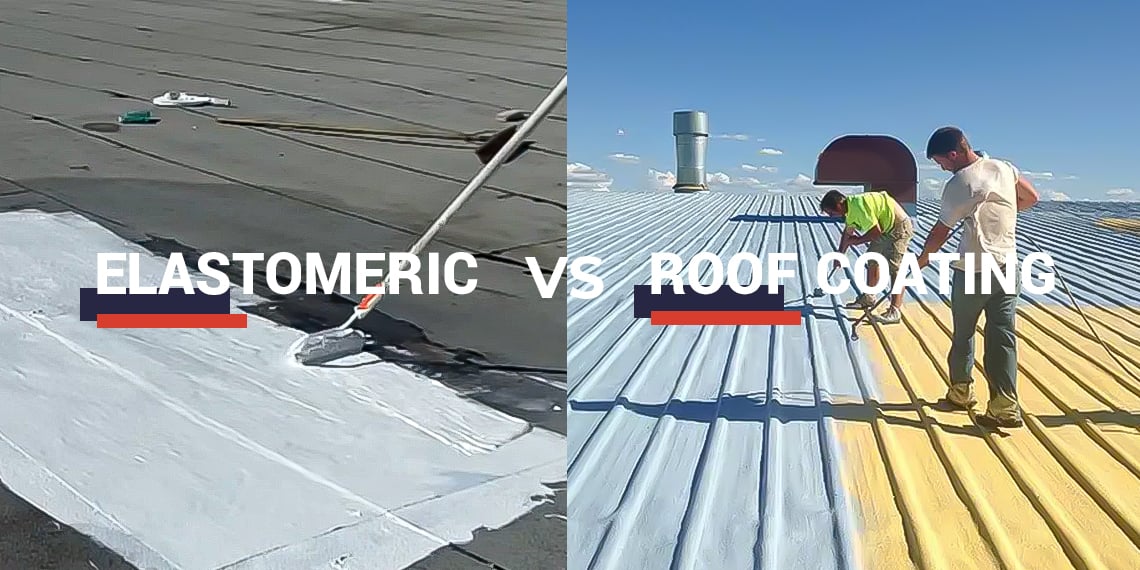
Engineering Insight: Elastomer vs Silicone Roof Coating Material Selection Criticality
Material selection for roof coatings transcends initial cost considerations, directly dictating long-term structural integrity and lifecycle value. Off-the-shelf elastomeric coatings frequently fail due to inadequate formulation for specific environmental stressors, particularly UV exposure, thermal cycling, and substrate adhesion requirements. Generic elastomer formulations—typically acrylic or polyurethane-based—rely on aliphatic or aromatic hydrocarbon chains vulnerable to photo-oxidation. Under sustained UV radiation, chain scission occurs, accelerating chalking, cracking, and loss of elasticity. This degradation is compounded in regions with high thermal amplitude, where repeated expansion-contraction cycles exceed the coating’s elongation capacity, leading to membrane rupture within 3–5 years. Crucially, many commercial elastomers omit sufficient UV stabilizers or adhesion promoters to cut costs, resulting in premature delamination from substrates like metal, EPDM, or aged asphalt.
Silicone-based coatings present a fundamentally different polymer architecture. Their siloxane backbone (Si-O-Si) exhibits exceptional bond dissociation energy (452 kJ/mol vs. C-C’s 347 kJ/mol), conferring inherent UV stability and thermal resilience. Unlike elastomers, silicones maintain elasticity across extreme temperatures without plasticizer migration—a common failure mode in low-cost elastomers. This molecular stability prevents embrittlement, ensuring consistent performance in desert climates (±70°C diurnal swings) or high-UV zones where elastomers rapidly degrade. Furthermore, silicones form covalent bonds with inorganic substrates (e.g., concrete, metal), resisting hydrolytic breakdown in wet environments. Off-the-shelf silicone variants, however, often compromise by reducing active polymer content or using inferior catalysts, sacrificing crosslink density and long-term adhesion.
The OEM perspective underscores why formulation precision matters. At Suzhou Baoshida, we engineer coatings with controlled polymer molecular weight, optimized catalyst ratios, and aerospace-grade fillers to maximize crosslink density. Generic products typically lack rigorous batch testing for critical parameters like tensile recovery after thermal aging (ASTM D412) or accelerated weathering (QUV ASTM G154). Without these, coatings fail under real-world cyclic stress—not due to inherent material limits, but substandard manufacturing.
Key Performance Comparison
| Parameter | Standard Elastomer Coating | Premium Silicone Coating | Test Standard |
|---|---|---|---|
| UV Resistance (Years) | 3–5 | 20+ | ASTM G154 Cycle 4 |
| Temperature Range | -20°C to 80°C | -65°C to 230°C | ASTM D2240 |
| Elongation at Break | 150–300% | 400–600% | ASTM D412 |
| Hydrolytic Stability | Moderate (degrades in 2–4 yrs) | Excellent (no degradation) | ASTM D471 |
| Substrate Adhesion | Variable (requires primers) | Consistent (no primer) | ASTM D429 Method B |
Material selection is a lifecycle cost equation, not a price-per-gallon decision. Generic elastomers fail by underestimating environmental kinetics; premium silicones succeed through molecular resilience. At Baoshida, we validate every formulation against site-specific stressors, ensuring coatings perform as engineered barriers—not temporary fixes. Partner with OEMs who prioritize polymer science over commoditization to eliminate premature roof system failure.
Material Specifications
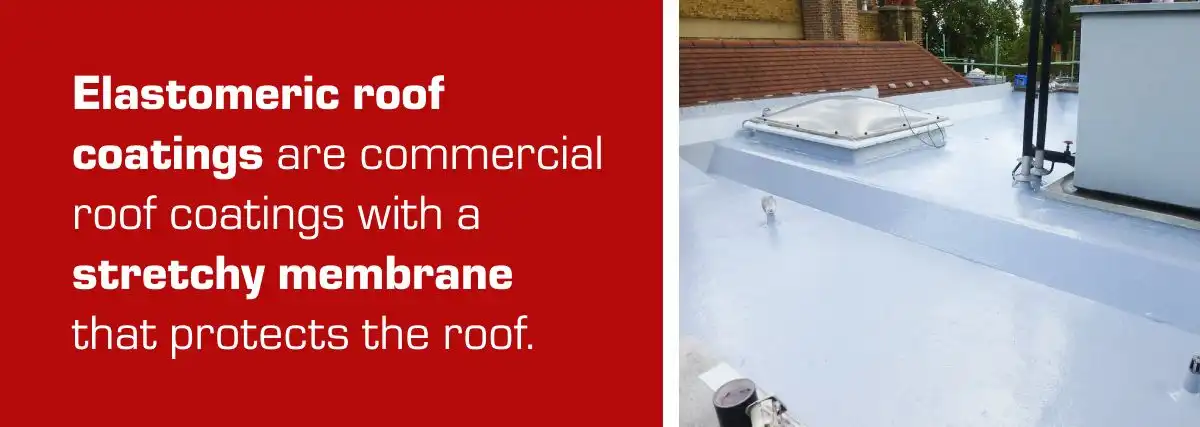
Material Specifications for Elastomeric Roof Coatings: Viton, Nitrile, and Silicone
When selecting an elastomeric roof coating for industrial applications, understanding the material specifications of key polymers—Viton, Nitrile (NBR), and Silicone—is critical to ensuring long-term performance, chemical resistance, and thermal stability. Each material exhibits distinct physical and chemical properties that make it suitable for specific environmental and operational conditions. Suzhou Baoshida Trading Co., Ltd. provides precision-engineered elastomer solutions tailored for demanding industrial environments, with a focus on durability, adhesion, and weather resistance.
Viton, a fluorocarbon-based synthetic rubber, offers exceptional resistance to high temperatures, UV radiation, ozone, and a broad spectrum of chemicals, including hydrocarbons, acids, and solvents. With a continuous service temperature range up to 230°C (446°F), Viton is ideal for extreme environments where thermal stability is paramount. Its low gas permeability and excellent aging characteristics make it a preferred choice for aerospace, petrochemical, and high-performance roofing systems exposed to aggressive media. However, Viton has higher material costs and reduced flexibility at low temperatures compared to other elastomers.
Nitrile rubber, or acrylonitrile butadiene rubber (NBR), is widely used for its superior resistance to oils, fuels, and aliphatic hydrocarbons. It performs reliably in temperature ranges from -30°C to 108°C (-22°F to 226°F), making it suitable for moderate outdoor applications with exposure to petroleum-based substances. Nitrile coatings exhibit good abrasion resistance and mechanical strength, but they are less effective under prolonged UV exposure and ozone conditions unless specially formulated. This limits its use in long-term roofing applications unless combined with protective topcoats.
Silicone rubber stands out for its outstanding thermal stability, operating effectively from -65°C to 200°C (-85°F to 392°F). It demonstrates excellent resistance to UV radiation, ozone, and weathering, making it a top choice for long-life elastomeric roof coatings in commercial and industrial buildings. Silicone coatings remain flexible over wide temperature ranges and exhibit low surface energy, contributing to dirt pickup resistance and self-cleaning properties. While silicone has lower tensile strength than Viton or Nitrile, its durability under cyclic thermal and weather stress ensures extended service life in roofing applications.
The following table compares the key technical specifications of these materials to guide material selection based on application requirements.
| Property | Viton (FKM) | Nitrile (NBR) | Silicone (VMQ) |
|---|---|---|---|
| Temperature Range (°C) | -20 to 230 | -30 to 108 | -65 to 200 |
| Temperature Range (°F) | -4 to 446 | -22 to 226 | -85 to 392 |
| Tensile Strength (MPa) | 15–25 | 10–20 | 5–8 |
| Elongation at Break (%) | 200–300 | 250–500 | 200–600 |
| Hardness (Shore A) | 60–90 | 50–80 | 30–80 |
| UV/Ozone Resistance | Excellent | Poor to Fair | Excellent |
| Chemical Resistance | Excellent (acids, fuels) | Good (oils, fuels) | Fair (limited solvent res.) |
| Water Absorption (24h, %) | < 0.5 | 1.0–1.5 | < 0.2 |
| Electrical Insulation | Good | Fair | Excellent |
| Cost Level | High | Low to Medium | Medium |
Selection of the appropriate elastomer must balance performance requirements, environmental exposure, and lifecycle cost. Suzhou Baoshida Trading Co., Ltd. supports OEMs and industrial partners with data-driven material recommendations and high-purity elastomer formulations for roofing and protective coating systems.
Manufacturing Capabilities
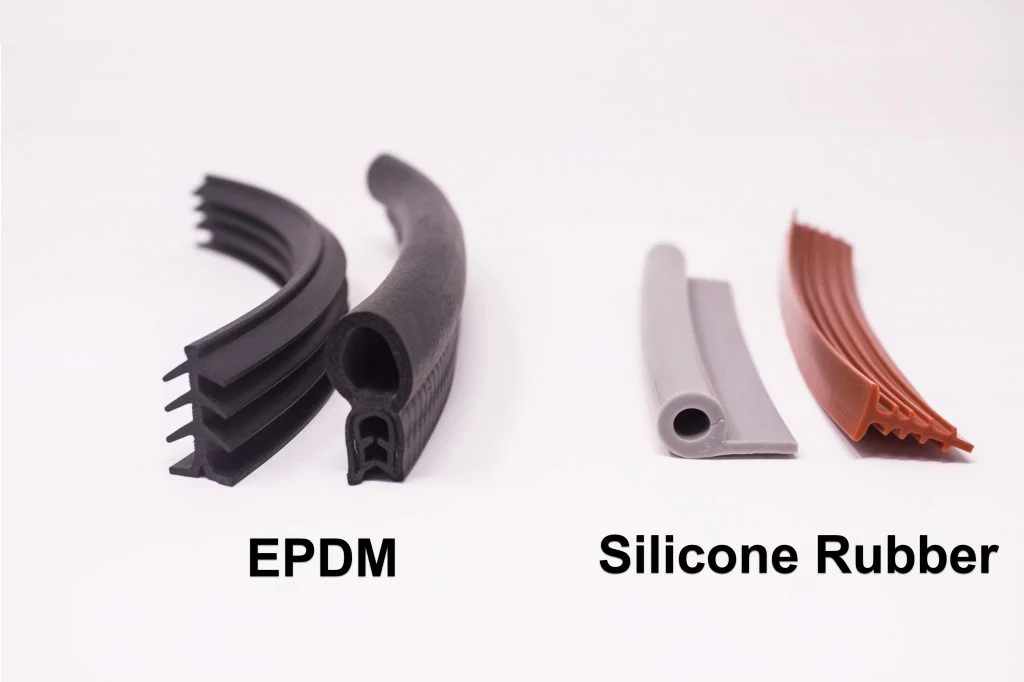
Engineering Capability: Precision Formulation for Roof Coating Excellence
Suzhou Baoshida Trading Co., Ltd. leverages deep expertise in polymer science and industrial manufacturing to deliver engineered elastomeric and silicone roof coatings that redefine performance standards. Our core strength resides in a dedicated technical team comprising five Mold Engineers and two specialized Formula Engineers, uniquely positioned to address complex material challenges in roofing applications. This integrated capability ensures seamless translation from molecular design to scalable production, eliminating the disconnect common in outsourced manufacturing. Our Formula Engineers possess advanced proficiency in tailoring polymer architectures—optimizing cross-link density, filler dispersion, and additive synergies—to achieve target properties such as UV stability, thermal cycling resistance, and substrate adhesion. Concurrently, our Mold Engineers refine application-specific processing parameters, guaranteeing consistent film formation, optimal cure kinetics, and compatibility with diverse application methods including spray, roller, and trowel systems.
The fundamental distinction between elastomeric and silicone roof coatings lies in their chemical backbone and resulting performance envelope. Elastomeric coatings, typically acrylic or polyurethane-based, offer superior initial adhesion to multiple substrates and cost efficiency for moderate-climate applications. Silicone coatings, however, utilize a polysiloxane backbone providing unparalleled long-term hydrophobicity, UV resistance, and thermal stability—critical for extreme environments. Below is a comparative technical specification highlighting key performance metrics under accelerated aging conditions:
| Property | Elastomeric Coating (Typical) | Silicone Coating (Typical) | Test Standard |
|---|---|---|---|
| Tensile Strength | 1.8–2.5 MPa | 1.2–1.8 MPa | ASTM D412 |
| Elongation at Break | 300–450% | 500–700% | ASTM D412 |
| Accelerated UV Resistance (3,000 hrs) | 60–70% gloss retention | 85–95% gloss retention | ASTM G154 |
| Thermal Cycling (-40°C to 90°C) | Moderate cracking risk | Negligible cracking | ASTM D6878 |
| Water Absorption (7 days) | 8–12% | 1–3% | ASTM D570 |
| Service Life (Est.) | 10–15 years | 20–25+ years | Field Data Analysis |
Our OEM partnership model transforms technical specifications into validated production outcomes. We collaborate with clients during the design phase to customize formulations—adjusting rheology for specific application equipment, incorporating proprietary UV stabilizers for extended service life, or modifying pigment packages for solar reflectivity. This is executed within our ISO 9001-certified framework, where every batch undergoes rigorous in-process testing via FTIR spectroscopy, dynamic mechanical analysis (DMA), and accelerated weathering trials. Crucially, our Formula Engineers utilize predictive modeling to anticipate real-world degradation pathways, enabling preemptive formulation adjustments that mitigate field failures. The Mold Engineering team then validates production scalability through pilot-line trials, ensuring viscosity profiles and cure times align with high-volume manufacturing demands without compromising integrity.
Suzhou Baoshida does not merely supply coatings; we engineer material solutions backed by molecular-level control and industrial-scale execution. Our dual-engineer team structure guarantees that every OEM specification is met with scientific precision and manufacturing fidelity, delivering roof coatings where performance metrics are not aspirational targets but quantifiable outcomes.
Customization Process
Drawing Analysis: Precision Engineering for Roof Coating Applications
At Suzhou Baoshida Trading Co., Ltd., the customization process for elastomer and silicone roof coatings begins with rigorous drawing analysis. This initial phase involves a detailed review of architectural and engineering schematics provided by OEM partners. Our technical team evaluates substrate materials, roof geometry, environmental exposure zones, and mechanical stress points. By interpreting dimensional tolerances, joint configurations, and application methods from technical drawings, we determine critical performance parameters such as elongation requirements, adhesion strength, and thermal cycling resistance. This stage ensures that the final coating solution aligns precisely with the structural and operational demands of the roofing system.
Formulation: Tailored Chemistry for Performance Optimization
Based on insights from drawing analysis, our rubber formula engineers develop a customized compound formulation. For elastomer-based coatings—typically derived from styrene-butadiene rubber (SBR), ethylene propylene diene monomer (EPDM), or polyurethane—we focus on high tensile strength, abrasion resistance, and cost-effective durability under moderate UV exposure. Silicone-based formulations, in contrast, are engineered for extreme weather resistance, superior UV stability, and long-term flexibility across a wide temperature range (-50°C to +200°C). Additives such as reinforcing fillers, adhesion promoters, and mildewcides are precisely balanced to meet fire ratings (e.g., UL 790), reflectivity standards (Cool Roof Rating Council compliance), and VOC regulations. Each formulation is documented under strict batch control protocols to ensure repeatability and traceability.
Prototyping: Validating Performance in Real-World Conditions
Once formulated, small-batch prototypes are produced for laboratory and field testing. Coatings are applied to representative substrates—steel, concrete, or modified bitumen—and subjected to accelerated aging in QUV chambers, thermal shock cycles, and water immersion tests. Adhesion is measured via cross-hatch and pull-off tests (ASTM D3359/D4541), while elongation and tensile properties are evaluated per ASTM D412. Silicone prototypes undergo additional scrutiny for hydrophobicity retention and resistance to ponding water. Test data is compiled and compared against OEM performance benchmarks. Any deviations trigger iterative reformulation until all specifications are met.
Mass Production: Scalable Quality Assurance
Upon prototype approval, we transition to mass production using fully controlled industrial processes. Raw materials are sourced from certified suppliers and batch-tested for consistency. Mixing is performed in large-capacity internal mixers with real-time rheological monitoring (Mooney Viscometer, Oscillating Disk Rheometer). Final products are packaged in 20 kg pails or 200 kg drums with nitrogen blanketing to prevent premature curing. Each shipment includes a Certificate of Conformance and Material Safety Data Sheet (MSDS), ensuring compliance with ISO 9001 and REACH standards.
The following table summarizes key performance characteristics of elastomer and silicone roof coatings:
| Property | Elastomer Coating (EPDM-based) | Silicone Coating |
|---|---|---|
| Temperature Range (°C) | -40 to +130 | -50 to +200 |
| Tensile Strength (MPa) | 8–12 | 4–6 |
| Elongation at Break (%) | 300–500 | 300–400 |
| UV Resistance | Moderate | Excellent |
| Water Absorption (24h, %) | 5–8 | 1–2 |
| Service Life (years) | 10–15 | 20–25 |
| VOC Content (g/L) | 150–250 | <50 |
| Adhesion to Concrete (MPa) | 1.2–1.8 | 0.8–1.5 |
Contact Engineering Team
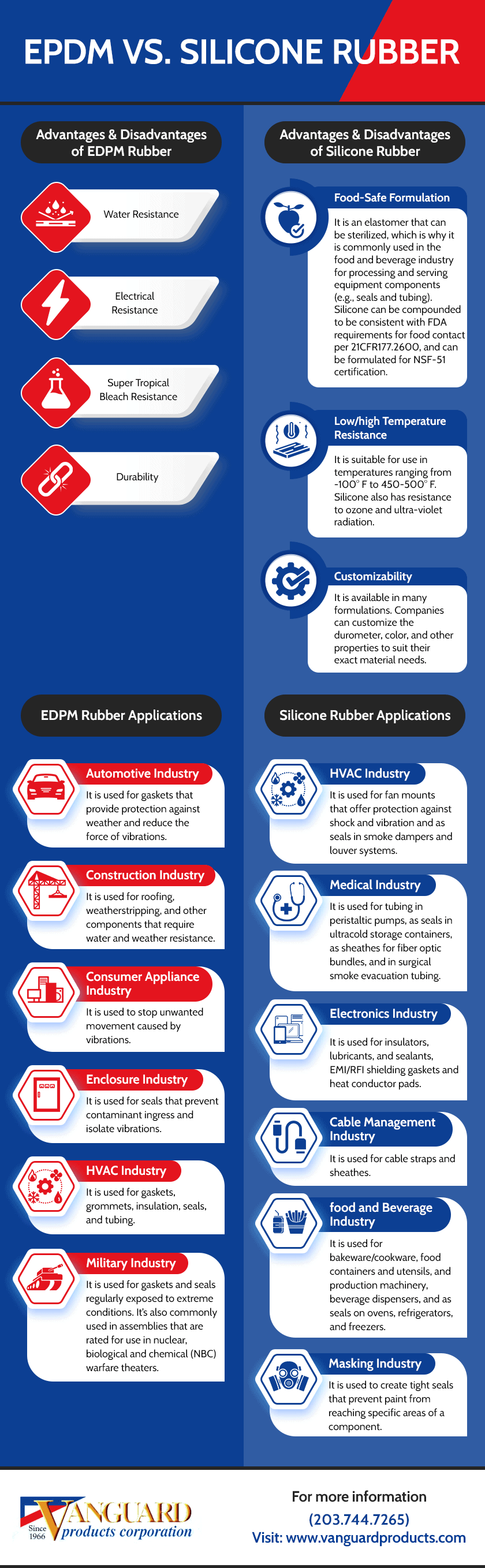
Technical Guidance for Elastomer vs. Silicone Roof Coating Selection
Selecting between elastomeric and silicone roof coatings demands rigorous analysis of environmental exposure, substrate compatibility, and lifecycle cost. While elastomeric coatings offer robust tensile strength and crack-bridging capabilities for moderate climates, silicone formulations excel in extreme UV resistance and hydrophobic surface retention under prolonged thermal cycling. Misalignment between material properties and operational conditions frequently accelerates degradation, leading to premature recoating cycles and structural compromise. Suzhou Baoshida Trading Co., Ltd. provides OEM-grade formulation engineering to eliminate this risk through data-driven material science.
Critical Performance Specification Comparison
| Property | Elastomeric Coatings | Silicone Coatings |
|---|---|---|
| Temperature Range | -40°C to +90°C | -65°C to +230°C |
| UV Resistance (ASTM G154) | Moderate (requires topcoat) | Exceptional (inherent) |
| Water Absorption (24h) | 8-12% | <1.5% |
| Elongation at Break | 400-600% | 300-450% |
| Service Life (Field) | 8-12 years | 15-25+ years |
| VOC Content | 50-150 g/L | <50 g/L |
This comparative framework underscores silicone’s dominance in high-moisture, high-UV environments where elastomers exhibit accelerated chalking and adhesion loss. However, elastomeric systems remain cost-advantageous for short-term industrial applications with controlled thermal exposure. Suzhou Baoshida’s laboratory validates these parameters through accelerated weathering (QUV ASTM G155), tensile testing (ASTM D412), and real-world substrate adhesion profiling per ISO 4624. Our OEM partnerships integrate client-specific variables—such as regional rainfall intensity, rooftop foot traffic frequency, and existing membrane chemistry—into custom formulation protocols.
As Rubber Formula Engineers with 14 years of industrial coating specialization, we reject generic solutions. Each project undergoes substrate porosity mapping, thermal expansion coefficient analysis, and lifecycle cost modeling to determine optimal polymer architecture. Our Suzhou manufacturing facility operates under ISO 9001-certified processes, ensuring batch-to-batch repeatability for coatings deployed across 37 countries. Recent collaborations include developing a hybrid silicone-elastomer system for Middle Eastern solar farm roofing, achieving 22-year projected service life under 2,800 annual UV hours.
Initiate precision-engineered resolution for your roofing challenges by contacting Mr. Boyce, our Lead OEM Manager and Rubber Formulation Specialist. With a Ph.D. in Polymer Science from Tongji University and 11 years directing technical partnerships for global construction brands, Mr. Boyce translates complex material science into actionable manufacturing specifications. He will coordinate immediate technical consultation, including free substrate compatibility testing and ROI analysis for your specific geographic and operational parameters. Provide project details—roof type, climate zone, and performance requirements—to receive a tailored formulation proposal within 72 hours.
Contact Mr. Boyce directly at [email protected] to commence engineering validation. Include your facility location and coating volume requirements to expedite technical assessment. Suzhou Baoshida commits to 24-hour response windows for all OEM inquiries, ensuring zero project timeline disruption. Trust engineered precision—not marketing claims—for roofing systems that perform under industrial stress.
⚖️ O-Ring Weight Calculator
Estimate rubber O-ring weight (Approx).