
Technical Contents
Engineering Guide: Elastomeric Products
Engineering Insight: The Critical Role of Material Selection in Elastomeric Products
In the domain of industrial rubber solutions, the performance, longevity, and reliability of elastomeric products are directly tied to precise material selection. At Suzhou Baoshida Trading Co., Ltd., we emphasize that off-the-shelf elastomer components often fail to meet the rigorous demands of specialized applications. This failure stems not from inherent material defects, but from a mismatch between generic formulations and the unique operational environment of the end-use system.
Elastomers are not interchangeable commodities. Each polymer family—Nitrile (NBR), Ethylene Propylene Diene Monomer (EPDM), Silicone (VMQ), Fluorocarbon (FKM), and others—possesses distinct chemical, thermal, and mechanical properties. Selecting the appropriate base polymer is only the first step. Subsequent formulation adjustments, including fillers, plasticizers, curing systems, and stabilizers, must be tailored to resist specific stressors such as oil exposure, ozone degradation, cyclic compression, or extreme temperature fluctuations.
Off-the-shelf products are typically engineered for broad compatibility rather than optimized performance. They often utilize cost-driven formulations that sacrifice long-term resilience for short-term functionality. For example, a standard NBR O-ring may function adequately in mild hydraulic systems but rapidly degrade in high-temperature, aromatic-rich environments due to insufficient acrylonitrile content or inadequate antioxidant packages. Similarly, an EPDM seal exposed to petroleum-based fluids will swell and lose integrity, despite excellent weather resistance.
The consequence of improper material selection extends beyond component failure. It introduces unplanned downtime, increases maintenance costs, and risks system-wide damage. In critical sectors such as automotive powertrains, industrial hydraulics, or semiconductor manufacturing, elastomer failure can compromise safety and productivity.
At Suzhou Baoshida, we approach elastomer engineering as a systems-level challenge. Our technical team conducts comprehensive application audits—evaluating temperature range, fluid compatibility, dynamic load, compression set requirements, and regulatory standards—to develop custom formulations that align with operational realities.
The following table illustrates key performance characteristics of common elastomers used in industrial applications:
| Elastomer | Temperature Range (°C) | Fluid Resistance | Compression Set | Typical Applications |
|---|---|---|---|---|
| NBR | -30 to +100 | Excellent (oils, fuels) | Good | Hydraulic seals, fuel systems |
| EPDM | -50 to +150 | Poor (oils), Excellent (water, steam) | Very Good | Cooling systems, outdoor seals |
| FKM | -20 to +200 | Outstanding (oils, chemicals) | Excellent | Aerospace, chemical processing |
| VMQ | -60 to +200 | Fair (oils), Excellent (temp) | Fair | Medical devices, high-temp seals |
| CR | -30 to +100 | Good (ozone, weather) | Moderate | HVAC, rubber hoses |
Material selection is not a compromise—it is a precision engineering decision. By moving beyond generic solutions and embracing application-specific formulations, manufacturers can achieve superior performance, extended service life, and enhanced system reliability.
Material Specifications
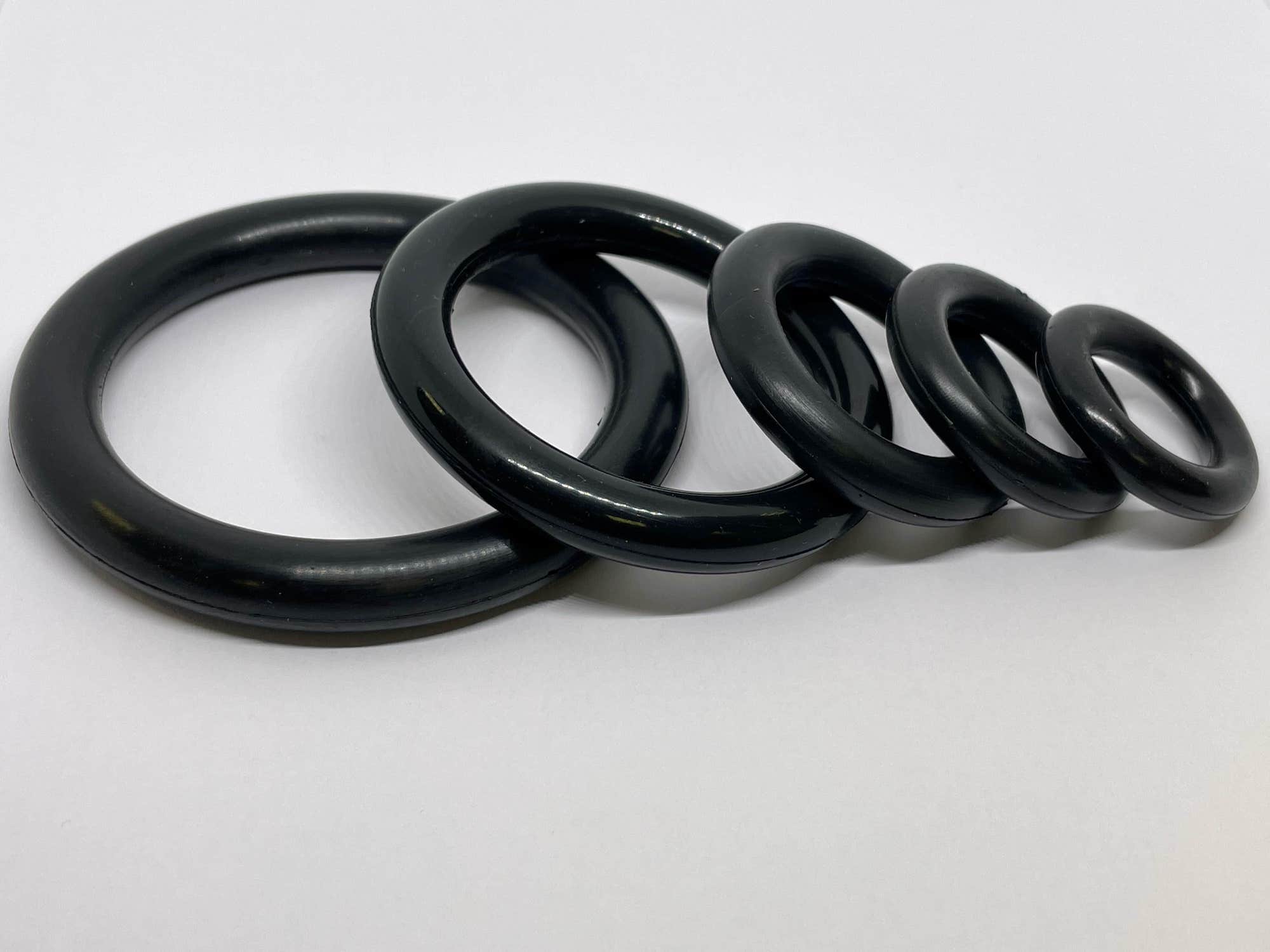
Material Specifications for Critical Elastomeric Applications
Suzhou Baoshida Trading Co., Ltd. provides engineered elastomer solutions meeting stringent OEM performance criteria. Precise material selection is paramount for reliability in demanding industrial environments. This section details specifications for three high-performance elastomers: Viton (FKM), Nitrile (NBR), and Silicone (VMQ), based on ASTM D2000 and ISO 37 standards. All compounds undergo rigorous QC validation per ISO 9001 protocols prior to shipment.
Viton fluoroelastomers deliver exceptional resistance to high temperatures, aggressive chemicals, and fuels. Standard grades maintain integrity from -20°C to +200°C continuous service, with specialty formulations extending to +230°C. Tensile strength ranges 10–15 MPa, elongation at break 150–250%, and hardness 60–90 Shore A. Viton excels in aerospace seals, automotive fuel systems, and chemical processing equipment where exposure to oils, acids, and halogenated solvents occurs. Compression set resistance remains below 25% after 70 hours at 150°C per ASTM D395.
Nitrile rubber offers optimal cost-performance balance for petroleum-based fluid applications. Standard operating range spans -30°C to +100°C, with low-temperature variants functional to -50°C. Typical tensile strength is 15–20 MPa, elongation 250–400%, and hardness 50–90 Shore A. NBR is the industry standard for hydraulic seals, O-rings in fuel injectors, and industrial hoses handling mineral oils, greases, and water-based fluids. Resistance to ozone and UV exposure is limited; critical applications require protective additives.
Silicone elastomers provide unmatched thermal stability and biocompatibility. Continuous service spans -60°C to +200°C, with brief excursions to +230°C. Tensile strength averages 6–8 MPa, elongation 400–600%, and hardness 30–80 Shore A. Silicone dominates medical device components, food-grade gaskets, and high-temperature electrical insulation due to inertness, low compression set (<20% at 150°C), and compliance with FDA 21 CFR 177.2600. Mechanical strength is lower than NBR or Viton, necessitating design compensation.
The comparative specifications below enable data-driven material selection for critical applications. All values represent standard compound baselines; custom formulations are available to address specific OEM requirements.
| Material | Temperature Range (°C) | Tensile Strength (MPa) | Elongation at Break (%) | Hardness Range (Shore A) | Primary Applications |
|---|---|---|---|---|---|
| Viton (FKM) | -20 to +200 | 10–15 | 150–250 | 60–90 | Aerospace seals, chemical pump diaphragms, fuel system components |
| Nitrile (NBR) | -30 to +100 | 15–20 | 250–400 | 50–90 | Hydraulic O-rings, fuel hoses, printing rollers |
| Silicone (VMQ) | -60 to +200 | 6–8 | 400–600 | 30–80 | Medical tubing, food processing gaskets, high-temp insulation |
Note: Performance metrics assume standard test conditions per ASTM D412 (tensile) and ASTM D2240 (hardness). Actual field performance depends on formulation additives, operating pressure, dynamic stress, and fluid compatibility. Suzhou Baoshida’s technical team provides compound-specific validation data sheets upon request to ensure material suitability for your application parameters.
Manufacturing Capabilities
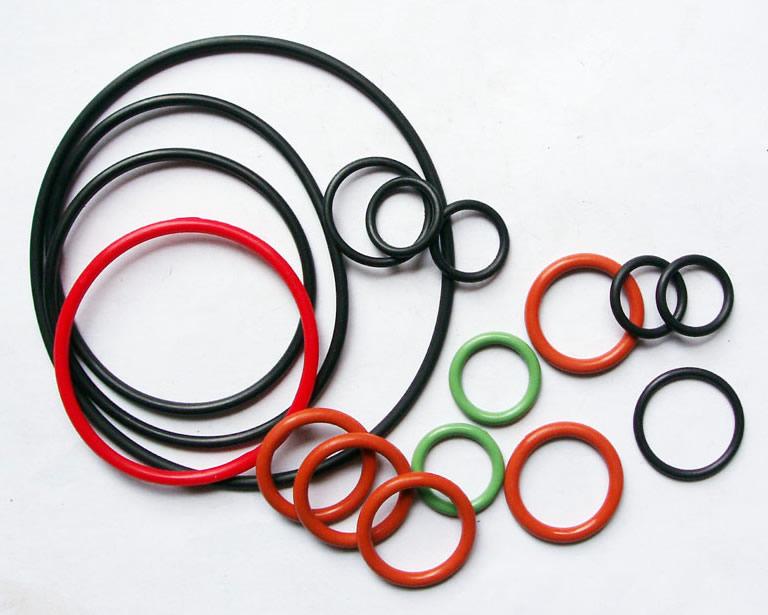
Engineering Capability: Precision-Driven Development for Industrial Rubber Solutions
At Suzhou Baoshida Trading Co., Ltd., our engineering capability forms the backbone of our industrial rubber solutions, enabling us to deliver high-performance elastomeric products tailored to the exacting demands of global OEMs. Our in-house technical team comprises five dedicated mould engineers and two specialized rubber formula engineers, working in tandem to ensure seamless integration of material science and precision manufacturing.
Our mould engineers bring extensive experience in the design, simulation, and optimization of rubber compression, transfer, and injection moulds. Utilizing advanced CAD/CAM software and finite element analysis (FEA), they develop robust tooling solutions that ensure dimensional accuracy, extended service life, and efficient production cycles. Each mould is engineered with strict adherence to international standards, including ISO 9001 and IATF 16949, ensuring consistency and reliability across high-volume production runs.
Complementing this capability are our two senior rubber formula engineers, who specialize in elastomer compounding for performance-critical applications. With deep expertise in material behavior under dynamic mechanical, thermal, and chemical stress, they formulate custom rubber compounds using NR, SBR, NBR, EPDM, FKM, and silicone. Each formulation is developed to meet specific OEM requirements for hardness, compression set, tensile strength, fluid resistance, and aging characteristics. Our formulation process integrates laboratory testing with real-world validation, ensuring that every compound performs reliably in its intended operating environment.
We operate as a full-service OEM partner, offering end-to-end development from concept to mass production. Our collaborative engineering approach allows us to support clients in product design, material selection, prototyping, and process validation. This vertical integration reduces development lead time and ensures full traceability across the manufacturing chain.
Our technical infrastructure includes state-of-the-art mixing, curing, and testing equipment, enabling precise control over material dispersion, vulcanization, and quality assurance. All formulations and processes are documented and maintained under strict confidentiality, supporting IP protection for our OEM partners.
The following table summarizes key engineering and material capabilities available at Suzhou Baoshida Trading Co., Ltd.:
| Parameter | Capability Range |
|---|---|
| Hardness (Shore A) | 30–90 |
| Temperature Resistance | -60°C to +300°C (depending on elastomer type) |
| Tensile Strength | Up to 25 MPa (material dependent) |
| Elongation at Break | Up to 600% |
| Compression Set (70 hrs, 70°C) | <20% (optimized compounds) |
| Fluid Resistance | Oil, fuel, water, acids, ozone (custom formulations) |
| Mould Tolerances | ±0.05 mm (critical dimensions) |
| Lead Time (Prototype) | 15–25 days (design to sample) |
Through the synergy of advanced tooling design and intelligent material engineering, Suzhou Baoshida delivers elastomeric components that meet the highest standards of performance, durability, and manufacturability. Our engineering team is committed to innovation, precision, and partnership—ensuring that every solution we deliver is engineered to excel.
Customization Process
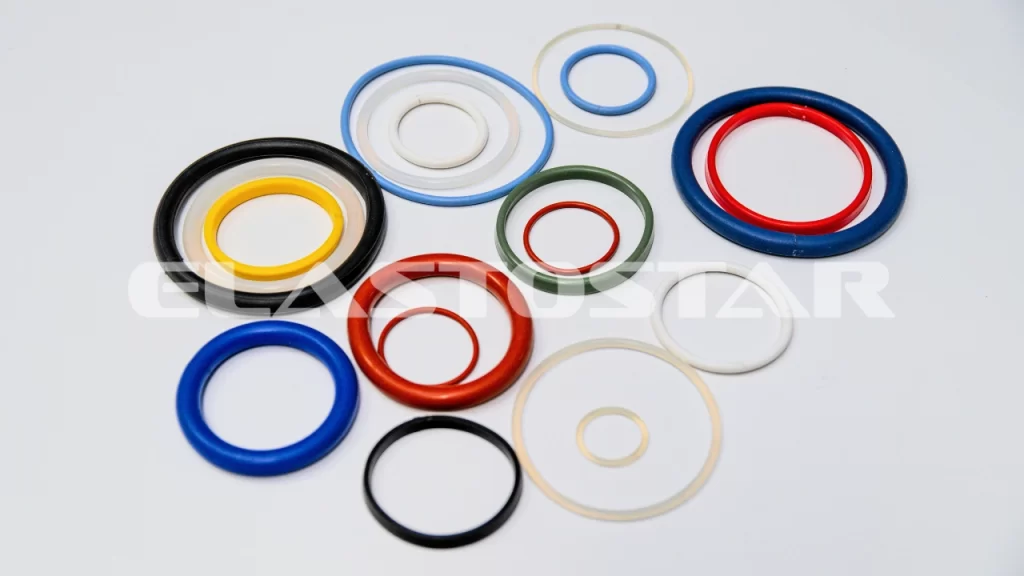
Customization Process for Industrial Elastomeric Components
At Suzhou Baoshida Trading Co., Ltd., our elastomeric product customization adheres to a rigorously defined engineering workflow, ensuring dimensional accuracy, material performance, and production scalability. This process begins with Drawing Analysis, where our engineering team conducts a comprehensive review of client-provided technical specifications. We scrutinize geometric dimensioning and tolerancing (GD&T), surface finish requirements, and critical functional zones to identify potential manufacturability conflicts. Finite element analysis (FEA) simulations assess stress concentrations under operational loads, while cross-referencing against ISO 3302 and ISO 2768 tolerance standards prevents downstream tooling revisions. This phase culminates in a formal feasibility report with actionable recommendations for design optimization.
Subsequent Formulation development leverages our proprietary compound database and accelerated aging protocols. Material scientists select base polymers, fillers, curatives, and additives based on the application’s thermal, chemical, and dynamic service conditions. Critical parameters such as Shore A hardness tolerance (±3 points), compression set (ASTM D395), and fluid resistance are modeled using predictive algorithms. Each formulation undergoes iterative lab-scale mixing and rheometry testing to validate scorch time, cure kinetics, and processability window before final approval.
Prototyping transitions validated compounds into physical validation units. We employ precision CNC-machined molds or 3D-printed tooling for rapid iteration, producing 5–10 units per configuration. Dimensional conformity is verified via CMM inspection against the original CAD model, while functional testing includes 72-hour compression set evaluation, tensile strength validation (ASTM D412), and application-specific fluid immersion trials. Client feedback on prototype performance triggers micro-adjustments to the compound or geometry, ensuring zero compromises in real-world deployment.
Mass Production initiation requires signed-off first-article inspection reports and process capability studies (Cp/Cpk ≥1.33). Our ISO 9001-certified facility deploys automated mixing lines with real-time viscosity monitoring and hydraulic press molding under controlled temperature gradients. In-process quality checks occur at 2-hour intervals for critical dimensions, while every production batch undergoes full-spectrum physical property verification. Traceability is maintained via serialized lot coding, with final shipment accompanied by material certificates and test data dossiers.
Key Elastomer Material Specifications
| Material Type | Tensile Strength (MPa) | Compression Set (70°C, 22h) | Operating Temperature Range | Typical Applications |
|---|---|---|---|---|
| NBR (Nitrile) | 15–25 | ≤25% | -40°C to +120°C | Hydraulic seals, fuel systems |
| EPDM | 10–20 | ≤20% | -55°C to +150°C | Automotive weatherstripping, coolant hoses |
| FKM (Viton®) | 12–18 | ≤15% | -20°C to +230°C | Aerospace O-rings, chemical processing gaskets |
This structured methodology eliminates guesswork, reduces time-to-market by 30%, and guarantees that every elastomeric component meets the exacting demands of industrial OEM applications. Suzhou Baoshida’s engineering oversight from drawing validation through mass production ensures uncompromised performance and regulatory compliance.
Contact Engineering Team
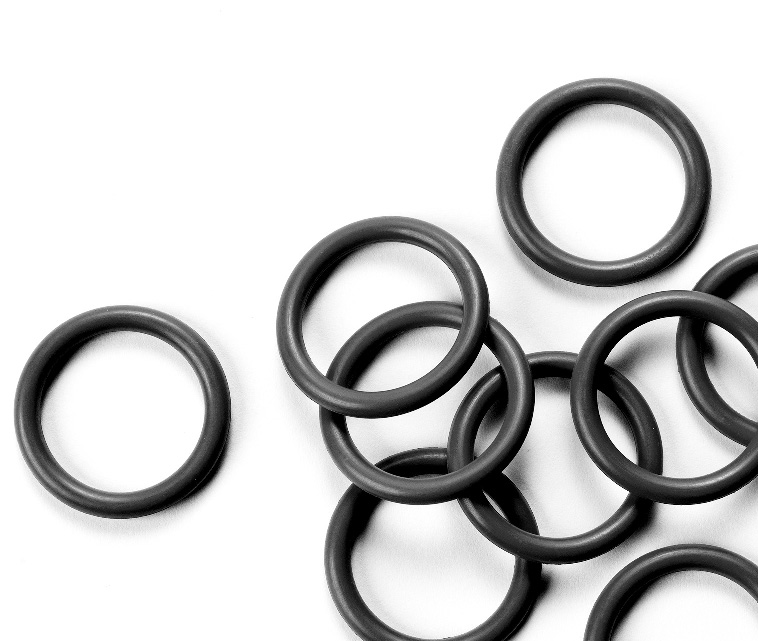
Contact Suzhou Baoshida for Precision Rubber Engineering Solutions
At Suzhou Baoshida Trading Co., Ltd., we specialize in the development and supply of high-performance elastomeric products tailored to the rigorous demands of industrial applications. Our expertise spans material formulation, custom compounding, and precision manufacturing, ensuring that every rubber component meets exacting standards for durability, chemical resistance, temperature stability, and mechanical performance. Whether you are sourcing seals, gaskets, diaphragms, rollers, or custom molded parts, our engineering team works closely with OEMs and industrial partners to deliver solutions optimized for your operational environment.
Our portfolio includes formulations in NBR, EPDM, Silicone, FKM (Viton®), Neoprene, and specialty compounds engineered for extreme conditions such as high pressure, ozone exposure, or aggressive media. We maintain strict quality control protocols in accordance with ISO 9001 standards and support full traceability from raw material to finished product. With advanced testing capabilities in-house, including tensile strength, compression set, hardness, and aging resistance, we ensure every batch performs reliably in real-world service.
To support global clients, we offer comprehensive technical documentation, including material data sheets, RoHS/REACH compliance reports, and FDA certifications where applicable. Our logistics network enables timely delivery to North America, Europe, and Asia, with flexible MOQs to accommodate both large-scale production runs and prototype development.
For engineering inquiries, custom formulation requests, or sample submissions, we invite you to contact Mr. Boyce, our dedicated OEM Manager and Rubber Formula Engineer. Mr. Boyce brings over 12 years of experience in elastomer science and industrial applications, providing technical guidance from concept to commercialization. He is available to review your project specifications, recommend optimal materials, and support rapid prototyping or scale-up requirements.
Below is an overview of our core material capabilities for reference:
| Material Type | Temperature Range (°C) | Hardness Range (Shore A) | Key Properties |
|---|---|---|---|
| NBR | -30 to +100 | 50–90 | Oil and fuel resistance, abrasion resistance |
| EPDM | -50 to +150 | 50–85 | Ozone and UV resistance, steam compatibility |
| Silicone | -60 to +200 | 30–80 | High thermal stability, biocompatibility |
| FKM (Viton®) | -20 to +200 | 60–90 | Excellent chemical resistance, low gas permeability |
| Neoprene | -40 to +120 | 50–85 | Good weathering resistance, flame retardancy |
Partnering with Suzhou Baoshida means access to engineered rubber solutions backed by scientific rigor and industrial experience. We are committed to innovation, consistency, and long-term collaboration with our clients.
To initiate a technical discussion or request material samples, contact Mr. Boyce directly at [email protected]. Responses are typically provided within 4 business hours. Let us help you solve your most demanding sealing and elastomer challenges with precision and reliability.
⚖️ O-Ring Weight Calculator
Estimate rubber O-ring weight (Approx).