
Technical Contents
Engineering Guide: Elastomeric Rubber
Engineering Insight: The Critical Role of Material Selection in Elastomeric Rubber Applications
In the realm of industrial rubber solutions, elastomeric rubber stands as a cornerstone material due to its exceptional resilience, flexibility, and ability to return to its original shape after deformation. However, the performance of elastomeric compounds is not universal. A one-size-fits-all approach to material selection often leads to premature failure, increased maintenance costs, and operational downtime. At Suzhou Baoshida Trading Co., Ltd., we emphasize that successful application engineering begins with precise material selection tailored to the operational environment.
Off-the-shelf rubber components are typically formulated for general-purpose use and lack the specificity required for demanding industrial environments. These standard compounds may perform adequately under controlled conditions but frequently fail when exposed to extreme temperatures, aggressive chemicals, dynamic mechanical stress, or prolonged UV exposure. For instance, a generic nitrile rubber seal may degrade rapidly in an ozone-rich atmosphere, while a standard EPDM gasket can swell and lose compression set resistance when exposed to certain hydrocarbons.
The failure of generic elastomers stems from their inability to balance key performance parameters. Each elastomeric compound possesses a unique set of physical and chemical properties dictated by its polymer base, curing system, and additive package. Selecting the correct elastomer requires a comprehensive understanding of service conditions, including temperature range, media compatibility, pressure loads, and dynamic movement. A misstep in any of these factors can compromise the integrity of the entire system.
At Suzhou Baoshida, we specialize in engineered elastomeric solutions that align with the exact demands of our clients’ applications. Our approach integrates material science with application engineering to deliver compounds optimized for longevity and reliability. Whether it is hydrogenated nitrile (HNBR) for high-temperature oil resistance or fluorocarbon (FKM) for chemical inertness, our formulations are developed to exceed OEM specifications.
The table below outlines key elastomeric materials and their performance characteristics across critical industrial parameters:
| Material | Temperature Range (°C) | Tensile Strength (MPa) | Hardness (Shore A) | Key Resistance Properties |
|---|---|---|---|---|
| NBR (Nitrile) | -30 to +100 | 10–20 | 50–90 | Oil, fuel, water, abrasion |
| HNBR (Hydrogenated Nitrile) | -40 to +150 | 20–30 | 60–90 | Heat, ozone, oil, dynamic stress |
| EPDM (Ethylene Propylene) | -50 to +150 | 7–15 | 50–80 | Steam, UV, polar fluids, weathering |
| FKM (Fluorocarbon) | -20 to +200 | 12–18 | 60–90 | Chemicals, oils, high heat |
| Silicone (VMQ) | -60 to +200 | 5–10 | 30–80 | Extreme temperatures, UV, ozone |
Material selection is not a commodity decision—it is an engineering imperative. By moving beyond off-the-shelf solutions and embracing application-specific elastomer design, manufacturers can achieve superior performance, reduce lifecycle costs, and enhance system reliability. Suzhou Baoshida Trading Co., Ltd. is committed to delivering precision-engineered rubber solutions that meet the evolving challenges of modern industry.
Material Specifications
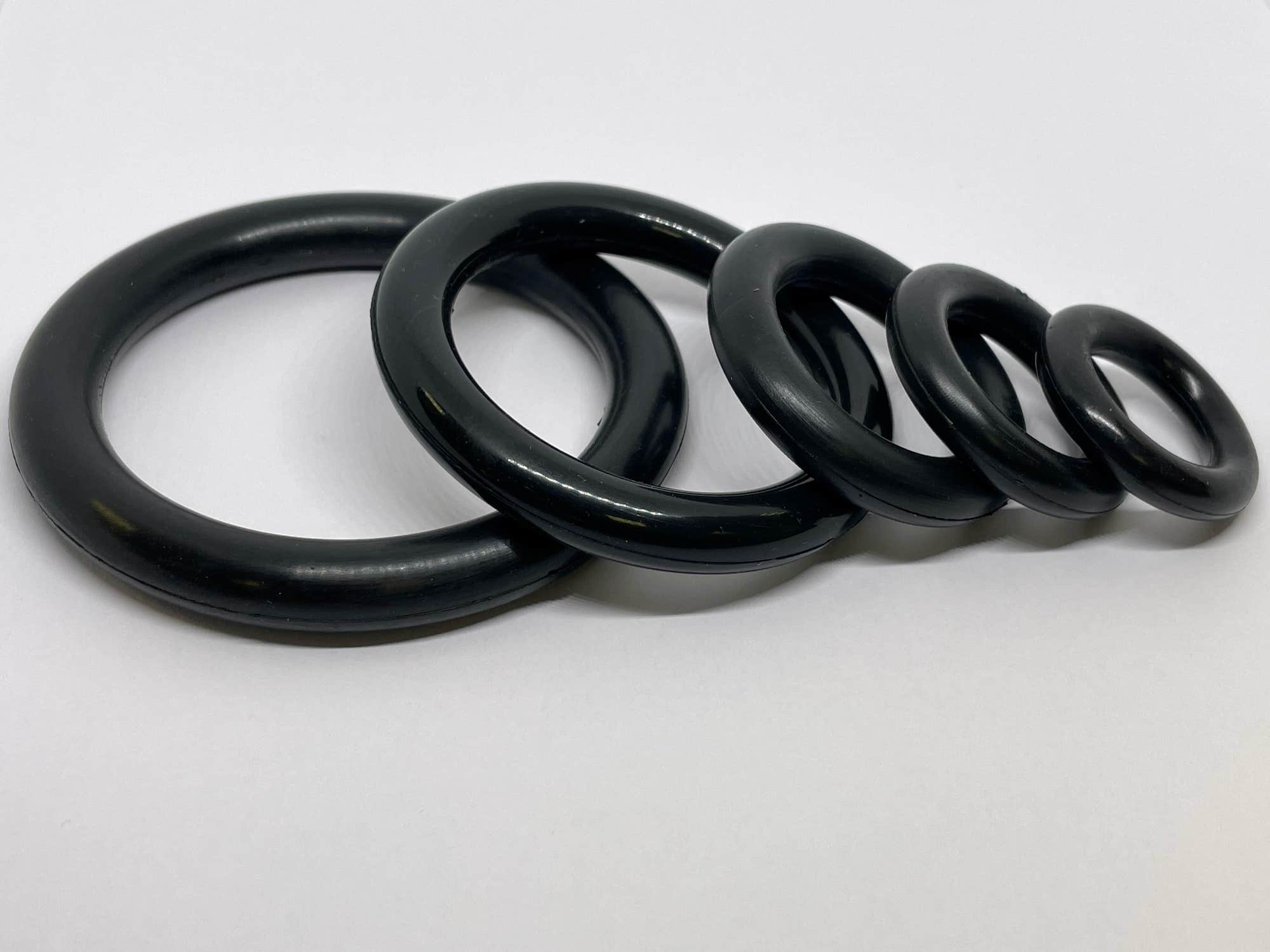
Material Specifications for Industrial Elastomeric Rubber Solutions
Suzhou Baoshida Trading Co., Ltd. delivers precision-engineered elastomeric compounds tailored to rigorous industrial demands. Our formulations prioritize chemical stability, thermal resilience, and mechanical integrity across critical operating environments. This section details key specifications for three premier materials: Viton (FKM), Nitrile (NBR), and Silicone (VMQ), enabling OEMs to optimize component longevity and performance. Each compound undergoes stringent ASTM D2000 and ISO 37 validation to ensure compliance with global manufacturing standards.
Viton fluorocarbon rubber excels in extreme chemical and thermal exposure. Its molecular structure provides exceptional resistance to aromatic hydrocarbons, chlorinated solvents, and jet fuels, maintaining integrity where conventional elastomers fail. Standard grades operate continuously from -20°C to +230°C, with specialty variants extending to +300°C. Tensile strength ranges 10–20 MPa, while compression set remains below 25% after 70 hours at 200°C. Viton is indispensable in aerospace seals, chemical processing gaskets, and semiconductor manufacturing components requiring ultra-pure, non-contaminating materials.
Nitrile butadiene rubber (NBR) remains the industry benchmark for oil and fuel resistance. Engineered with acrylonitrile content from 18% to 50%, higher concentrations enhance resistance to aliphatic hydrocarbons but reduce low-temperature flexibility. Standard NBR functions effectively between -30°C and +100°C (short-term to +125°C), with tensile strength of 15–30 MPa. Its abrasion resistance and cost efficiency make it ideal for automotive fuel hoses, O-rings in hydraulic systems, and industrial printer rollers. Critical applications leverage NBR’s low gas permeability for pneumatic seals in manufacturing equipment.
Silicone rubber (VMQ) dominates high-purity and extreme-temperature applications. With a functional range from -60°C to +200°C (peroxide-cured grades to +230°C), it exhibits unmatched thermal stability and UV/ozone resistance. Tensile strength spans 5–12 MPa, though tear strength is moderate. Silicone’s biocompatibility (USP Class VI, ISO 10993) and inertness suit medical device seals, food-grade diaphragms, and LED encapsulation. Its electrical insulation properties (volume resistivity >10¹⁴ Ω·cm) are critical for high-voltage insulators in renewable energy infrastructure.
The comparative analysis below enables rapid material selection based on operational parameters. All values represent standard compound grades; custom formulations adjust performance envelopes for specialized OEM requirements.
| Material | Tensile Strength Range (MPa) | Continuous Temp Range (°C) | Key Resistance Properties | Primary Industrial Applications |
|---|---|---|---|---|
| Viton (FKM) | 10–20 | -20 to +230 | Aromatic hydrocarbons, acids, jet fuels, steam | Aerospace seals, chemical valves, semiconductor wafer handlers |
| Nitrile (NBR) | 15–30 | -30 to +100 | Aliphatic oils, fuels, hydraulic fluids | Automotive fuel systems, hydraulic O-rings, printing rollers |
| Silicone (VMQ) | 5–12 | -60 to +200 | Ozone, UV, extreme heat, biological fluids | Medical tubing, food processing gaskets, solar panel encapsulants |
Suzhou Baoshida’s technical team collaborates with OEMs to validate material selection against fluid compatibility charts, dynamic stress profiles, and regulatory frameworks. Our compounds undergo accelerated aging per ASTM D573 and fluid immersion testing per ISO 1817, ensuring real-world reliability. For mission-critical applications, we provide lot-specific certificates of conformance and full traceability to raw material batches, supporting lean manufacturing and quality assurance protocols. This data-driven approach minimizes field failures and extends service life in demanding industrial ecosystems.
Manufacturing Capabilities
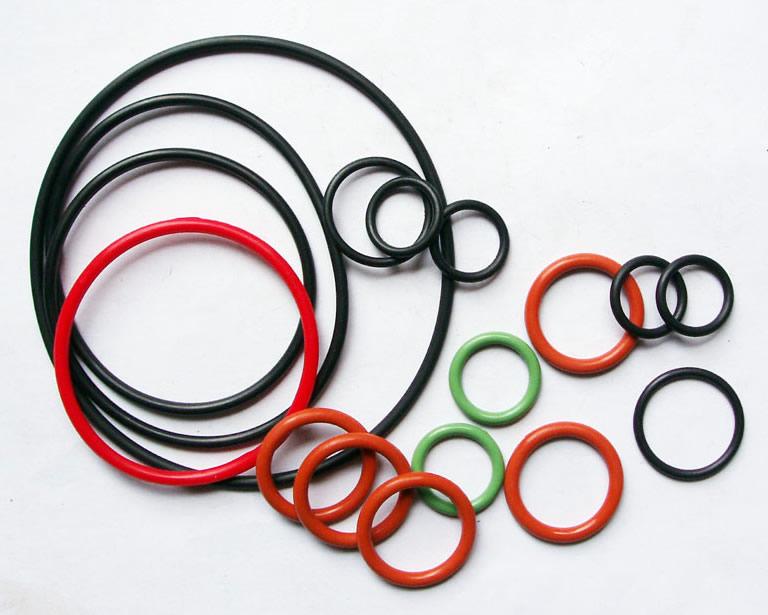
Engineering Capability: Precision-Driven Rubber Solutions
At Suzhou Baoshida Trading Co., Ltd., our engineering capability forms the backbone of our industrial rubber solutions, enabling us to deliver high-performance elastomeric products tailored to exact OEM specifications. With a dedicated team of five certified mould engineers and two advanced formula engineers, we integrate material science with precision manufacturing to solve complex sealing, damping, and structural challenges across automotive, aerospace, industrial equipment, and medical device sectors.
Our formula engineering team specializes in the development and optimization of elastomer compounds, including NBR, EPDM, silicone, FKM, and custom blends. These experts conduct rigorous polymer testing, cure kinetics analysis, and environmental resistance profiling to formulate rubber materials that meet specific performance criteria such as temperature resilience (-60°C to +300°C), chemical exposure, compression set resistance, and durability under dynamic loads. Each compound is engineered in alignment with ASTM, ISO, and OEM-specific material standards, ensuring repeatability and compliance.
Complementing our formulation expertise, our five mould engineers bring extensive experience in precision tooling design, finite element analysis (FEA), and rapid prototyping. Utilizing advanced CAD/CAM software and CNC machining capabilities, they develop high-tolerance moulds optimized for complex geometries, multi-cavity production, and overmoulding applications. Their expertise ensures minimal flash, consistent dimensional accuracy, and accelerated time-to-market for custom rubber components.
We operate as a full-service OEM partner, offering end-to-end development from concept to mass production. Our integrated engineering workflow supports Design for Manufacturability (DFM) reviews, iterative prototyping, and full validation testing—including tensile strength, hardness, elongation, and environmental aging—conducted in-house. This vertical integration allows us to maintain strict control over quality, reduce development cycles, and scale efficiently from pilot batches to high-volume output.
Our manufacturing infrastructure supports compression, transfer, and injection moulding processes, accommodating part weights from 1g to 1,500g and tolerances as tight as ±0.1 mm. All production runs are monitored under ISO 9001-certified quality management protocols, with full traceability and batch documentation provided.
Technical Specifications Overview
| Parameter | Capability Range |
|---|---|
| Elastomer Types | NBR, EPDM, FKM, Silicone, CR, NR, IIR, ACM |
| Hardness Range (Shore A) | 30–90 |
| Temperature Resistance | -60°C to +300°C (material-dependent) |
| Mould Tolerances | ±0.1 mm (standard), ±0.05 mm (precision) |
| Part Weight Range | 1g – 1,500g |
| Production Processes | Compression, Transfer, Injection Moulding |
| Standard Compliance | ASTM D2000, ISO 3601, ISO 22309, OEM specs |
| Testing Capabilities | Tensile, Compression Set, Aging, Hardness, Volume Swell |
Through the synergy of formula innovation and precision engineering, Suzhou Baoshida delivers reliable, high-performance rubber components that meet the exacting demands of global OEMs.
Customization Process
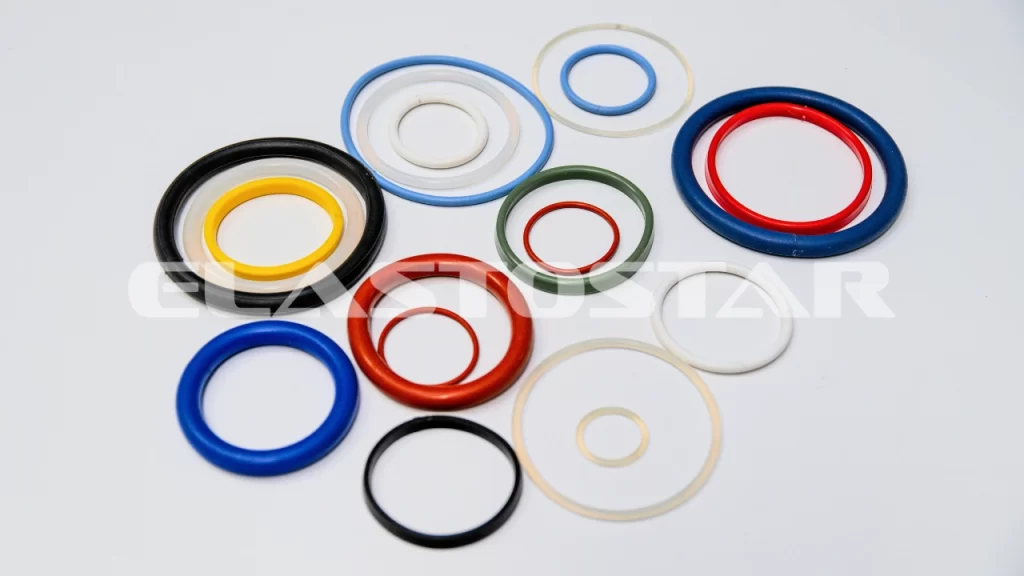
Elastomeric Rubber Customization Process: Precision Engineering for Industrial Applications
At Suzhou Baoshida Trading Co., Ltd., our elastomeric rubber customization process is engineered to transform client specifications into high-performance industrial components. This structured workflow ensures dimensional accuracy, material integrity, and functional reliability across demanding operational environments. The process begins with rigorous Drawing Analysis, where our engineering team dissects technical schematics using GD&T (Geometric Dimensioning and Tolerancing) standards. Critical parameters—including part geometry, sealing interfaces, and load-bearing zones—are evaluated via FEA (Finite Element Analysis) to anticipate stress concentrations and deformation risks. This phase identifies potential manufacturability conflicts early, such as undercuts or non-standard tolerances, enabling collaborative refinement with the client before material selection commences.
Formulation follows, leveraging our proprietary compound database and decades of OEM partnership experience. Material selection is driven by application-specific requirements: temperature extremes, chemical exposure, dynamic fatigue, and regulatory compliance (e.g., FDA, UL, ISO). Our chemists adjust polymer backbone composition, filler ratios, and cure systems to achieve target properties. For instance, nitrile rubber (NBR) may be optimized for oil resistance in hydraulic seals, while fluorocarbon (FKM) formulations address aerospace fuel compatibility. The table below illustrates key elastomer property ranges for reference:
| Elastomer Type | Hardness Range (Shore A) | Continuous Temp Range (°C) | Key Fluid Resistance |
|---|---|---|---|
| EPDM | 40–90 | -50 to +150 | Water, Steam, Ozone |
| NBR | 40–95 | -30 to +120 | Oils, Fuels, Aliphatics |
| FKM | 50–90 | -20 to +250 | Aromatics, Acids, Jet Fuels |
| Silicone | 30–80 | -60 to +230 | Extreme Temp Stability |
Prototyping validates the formulation through iterative physical testing. We produce low-volume samples using client-specified tooling or rapid prototype molds, subjecting parts to accelerated life cycles, compression set analysis, and media immersion per ASTM D2000 standards. Dimensional verification via CMM (Coordinate Measuring Machine) ensures conformity to ±0.05mm tolerances. Client feedback on prototype performance directly informs final compound adjustments—such as modifying crosslink density to reduce permanent set in dynamic seals—before committing to production tooling.
Mass Production integrates stringent process controls to maintain batch-to-batch consistency. Compounding occurs in Banbury mixers with real-time rheometry monitoring, while molding utilizes hydraulic presses with closed-loop temperature and pressure regulation. Every production run undergoes 100% visual inspection and statistical sampling for physical properties. Our ISO 9001-certified facility implements SPC (Statistical Process Control) charts for critical dimensions, ensuring zero-defect delivery. Traceability is maintained via serialized lot coding, linking each component to raw material certificates and process logs. This end-to-end discipline guarantees that Suzhou Baoshida’s elastomeric solutions meet the uncompromising reliability demands of global industrial OEMs.
Contact Engineering Team
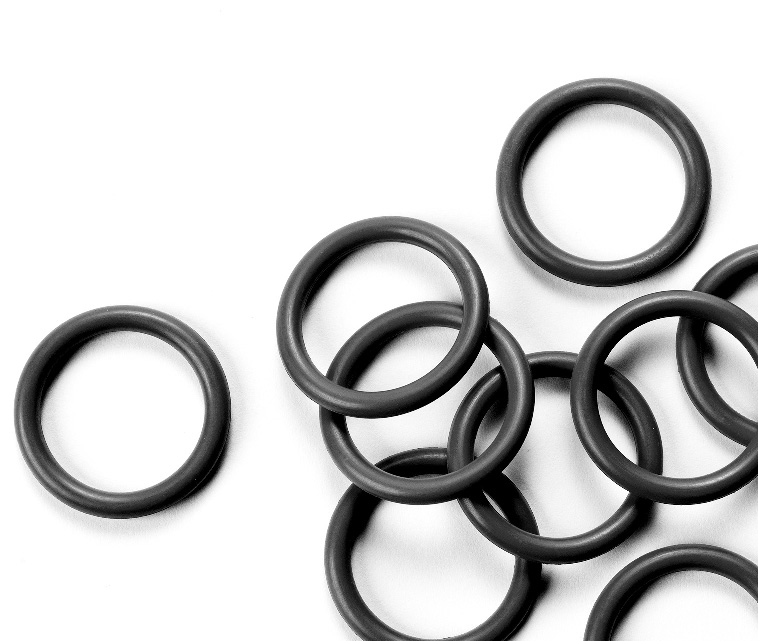
For industrial manufacturers seeking precision-engineered elastomeric rubber solutions, Suzhou Baoshida Trading Co., Ltd. stands as a trusted partner in the global supply chain. With extensive expertise in rubber formulation, compounding, and OEM manufacturing, we deliver high-performance elastomeric materials tailored to the rigorous demands of automotive, aerospace, construction, and heavy machinery sectors. Our commitment to scientific integrity, material consistency, and application-specific engineering ensures that every product meets exacting performance standards.
Elastomeric rubber is not a one-size-fits-all material. Its performance hinges on precise formulation—balancing resilience, compression set resistance, thermal stability, and chemical compatibility. At Suzhou Baoshida, our rubber formula engineers utilize advanced testing protocols and polymer science to develop compounds that perform reliably under dynamic stress, extreme temperatures, and aggressive media exposure. Whether you require nitrile (NBR), ethylene propylene diene monomer (EPDM), silicone (VMQ), fluorocarbon (FKM), or custom blends, our team ensures optimal material selection and process validation.
We understand that industrial clients require more than off-the-shelf rubber products—they demand technical collaboration. From initial concept to full-scale production, Suzhou Baoshida provides end-to-end support, including material certification, batch traceability, and accelerated aging data. Our manufacturing network adheres to ISO 9001 standards, with stringent QC procedures at every stage. This ensures dimensional accuracy, repeatability, and compliance with international industry norms such as ASTM D2000 and ISO 3302.
To facilitate seamless integration into your production workflows, we offer comprehensive technical documentation and on-demand engineering consultations. Our team assists in failure analysis, seal design optimization, and service life prediction—ensuring your components operate efficiently over their intended lifecycle.
Below is a representative specification profile for a commonly requested elastomeric compound, illustrating our technical capabilities:
| Property | Test Method | Value |
|---|---|---|
| Hardness (Shore A) | ASTM D2240 | 70 ± 5 |
| Tensile Strength | ASTM D412 | ≥18 MPa |
| Elongation at Break | ASTM D412 | ≥350% |
| Compression Set (22 hrs, 70°C) | ASTM D395B | ≤20% |
| Operating Temperature Range | — | -30°C to +120°C |
| Fluid Resistance (IRM 903) | ASTM D471 | Volume Swell ≤15% after 70 hrs |
| Specific Gravity | ASTM D297 | 1.15 ± 0.02 |
If your operation requires a reliable source for high-integrity elastomeric rubber components, we invite you to initiate a technical dialogue with Mr. Boyce, our dedicated OEM Manager. Mr. Boyce specializes in translating industrial requirements into robust rubber formulations and scalable manufacturing solutions. He is available to discuss material specifications, prototype development, volume production timelines, and quality assurance protocols.
Contact Mr. Boyce directly at [email protected] to schedule a consultation. Include your application details, performance criteria, and any relevant drawings or test requirements. Suzhou Baoshida Trading Co., Ltd. is prepared to support your next-generation industrial projects with scientifically validated elastomeric solutions—engineered for performance, built for endurance.
⚖️ O-Ring Weight Calculator
Estimate rubber O-ring weight (Approx).