
Technical Contents
Engineering Guide: Elastomeric Seals
Engineering Insight: The Critical Role of Material Selection in Elastomeric Seals
In the realm of precision rubber seals, material selection is not merely a design consideration—it is the foundational determinant of performance, longevity, and system reliability. At Suzhou Baoshida Trading Co., Ltd., we emphasize that elastomeric seals must be engineered to meet exact operational demands, as off-the-shelf solutions frequently fail to address the nuanced challenges of real-world applications. These generic seals are often manufactured from standard compounds optimized for cost and volume, not for resistance to specific chemicals, temperature extremes, or mechanical stress profiles.
The failure of off-the-shelf elastomeric seals typically manifests in premature degradation, compression set, extrusion, or loss of sealing force. These issues arise because standard materials such as generic NBR or EPDM may not withstand the combined effects of aggressive media, dynamic movement, or fluctuating thermal cycles. For instance, an NBR seal exposed to phosphate ester-based hydraulic fluids will rapidly swell and degrade, despite its excellent resistance to mineral oils. Similarly, a silicone seal operating under high mechanical load may exhibit poor tensile strength and tear resistance, leading to extrusion in high-pressure environments.
Precision engineering demands a tailored approach. At Baoshida, we analyze the complete application envelope—fluid type, temperature range, pressure dynamics, surface finish, and cycle frequency—to select or formulate the optimal elastomer. This process often leads to the use of advanced compounds such as FKM for high-temperature fuel resistance, FFKM for extreme chemical inertness, or HNBR for enhanced mechanical durability in dynamic applications.
Furthermore, material consistency and compound traceability are critical in regulated industries such as automotive, aerospace, and medical devices. Off-the-shelf seals rarely offer batch certification or full material disclosure, increasing risk in quality-sensitive environments. Our OEM-grade manufacturing ensures full compliance with ASTM, ISO, and customer-specific material standards, with complete documentation for every production lot.
Below is a comparative overview of common elastomeric materials and their performance characteristics in critical parameters.
| Material | Temperature Range (°C) | Fluid Resistance | Compression Set | Tensile Strength (MPa) | Common Applications |
|---|---|---|---|---|---|
| NBR | -30 to +100 | Good (oils, fuels) | Moderate | 15–20 | Hydraulic systems, automotive gaskets |
| EPDM | -50 to +150 | Excellent (water, steam) | Good | 10–18 | HVAC, water treatment |
| FKM | -20 to +200 | Excellent (fuels, acids) | Excellent | 12–16 | Aerospace, chemical processing |
| Silicone | -60 to +200 | Poor (hydrocarbons) | Good | 6–9 | Medical devices, food processing |
| HNBR | -40 to +150 | Very Good (oils, ozone) | Excellent | 20–30 | Automotive timing seals, oilfield equipment |
In conclusion, the assumption that elastomeric seals are interchangeable commodities underestimates the complexity of sealing technology. Material selection must be application-driven, supported by rigorous testing and engineering insight. At Suzhou Baoshida, we partner with OEMs to transform sealing challenges into reliable, long-term solutions—never settling for off-the-shelf compromises.
Material Specifications
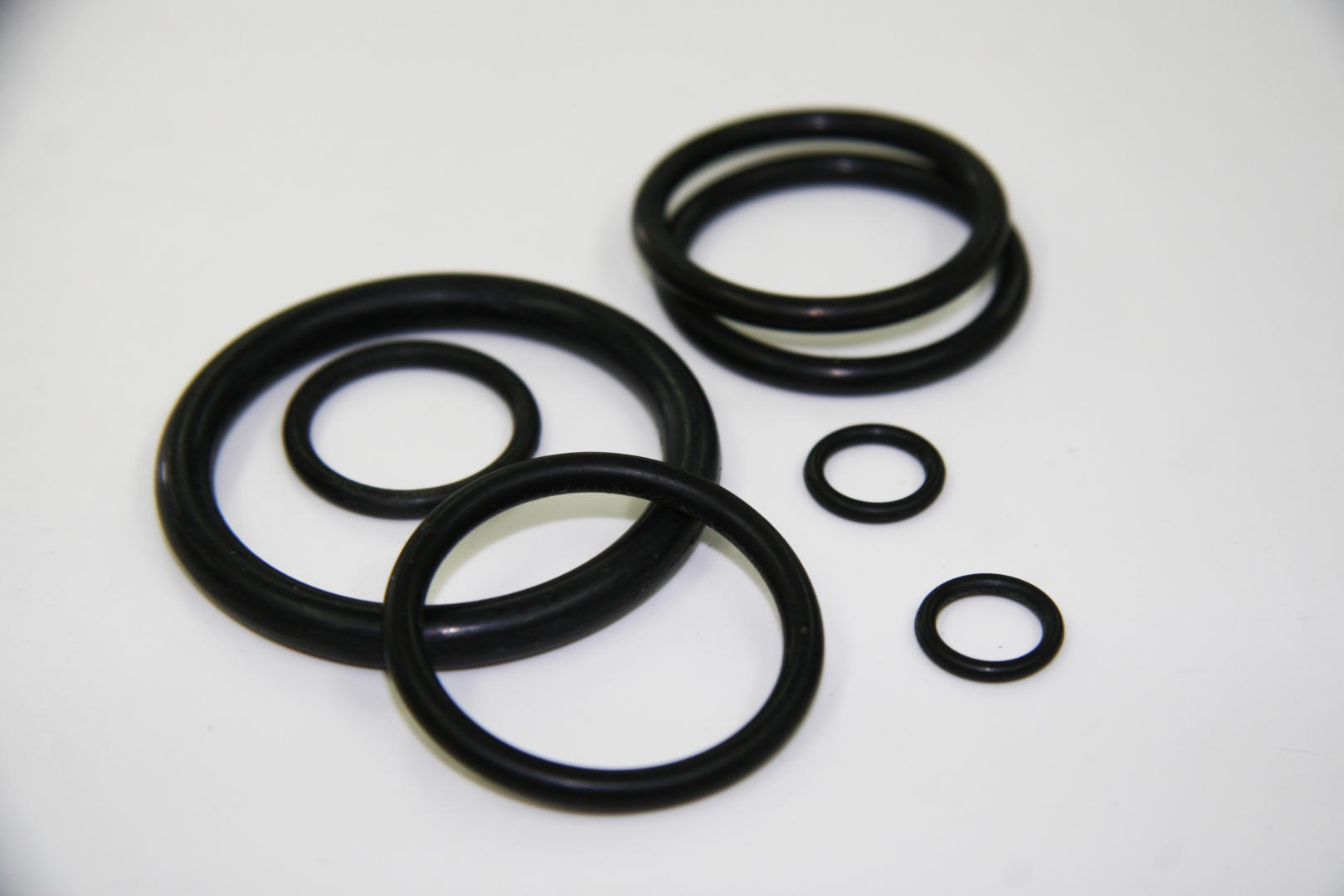
Material Specifications for Precision Elastomeric Seals
Material selection is the cornerstone of elastomeric seal performance, directly impacting service life, chemical compatibility, and operational safety in demanding industrial environments. At Suzhou Baoshida Trading Co., Ltd., we engineer seals using rigorously tested compounds to meet exacting OEM specifications. Viton, Nitrile, and Silicone represent three critical polymer families, each offering distinct advantages based on application parameters such as temperature extremes, fluid exposure, and mechanical stress. Understanding their intrinsic properties ensures optimal seal integrity and system reliability.
Viton (FKM) fluorocarbon rubber delivers exceptional resistance to high temperatures, aggressive chemicals, and hydrocarbons. Its molecular structure provides stability in continuous service up to +230°C and intermittent peaks near +250°C. Viton excels in aerospace fuel systems, automotive transmission seals, and chemical processing equipment where exposure to oils, acids, and halogenated solvents is prevalent. However, its cost premium necessitates careful justification against less demanding alternatives. Low-temperature flexibility remains a constraint, with standard grades limited to -20°C.
Nitrile rubber (NBR) is the industry standard for cost-effective resistance to petroleum-based oils and fuels. Its acrylonitrile content directly correlates with fluid resistance; high-ACN grades withstand biodiesel and hydraulic fluids but exhibit reduced low-temperature performance. NBR seals operate reliably between -40°C and +120°C, making them ideal for automotive O-rings, hydraulic cylinders, and general industrial machinery. Key limitations include poor ozone/weathering resistance and degradation when exposed to ketones, esters, or brake fluids.
Silicone (VMQ) provides unparalleled flexibility across extreme temperatures, functioning from -60°C to +200°C continuously. Its inertness suits critical applications in medical devices, food processing, and high-temperature electrical insulation. While offering excellent resistance to water, steam, and oxygen, silicone demonstrates limited tensile strength and poor resistance to concentrated acids, fuels, and aromatic hydrocarbons. Compression set performance can be a concern under prolonged stress, requiring careful compound formulation.
The comparative analysis below details critical specifications for informed material selection. All values reflect standard commercial compounds per ASTM D2000 classification and represent typical achievable performance under controlled testing.
| Material | Temperature Range (°C) | Key Fluid Resistance | Key Limitations | Typical Applications |
|---|---|---|---|---|
| Viton (FKM) | -20 to +230 | Excellent: Oils, fuels, acids, solvents | Poor: Ketones, ammonia, low-temperature flexibility | Aerospace fuel systems, chemical pumps, semiconductor manufacturing |
| Nitrile (NBR) | -40 to +120 | Excellent: Aliphatic hydrocarbons, water, hydraulic fluids | Poor: Ozone, polar solvents, brake fluids | Automotive fuel systems, hydraulic seals, industrial machinery |
| Silicone (VMQ) | -60 to +200 | Excellent: Water, steam, oxygen, ozone | Poor: Fuels, aromatic hydrocarbons, mechanical strength | Medical devices, food processing, high-temp electrical insulation |
Material performance is highly dependent on specific compound formulation, cure system, and application geometry. Suzhou Baoshida Trading Co., Ltd. leverages decades of OEM partnership experience to optimize polymer selection, filler systems, and curing parameters for your exact operational profile. Consult our engineering team to evaluate chemical exposure data, thermal cycling requirements, and regulatory standards for your critical sealing application. Precision material science ensures functional reliability where failure is not an option.
Manufacturing Capabilities
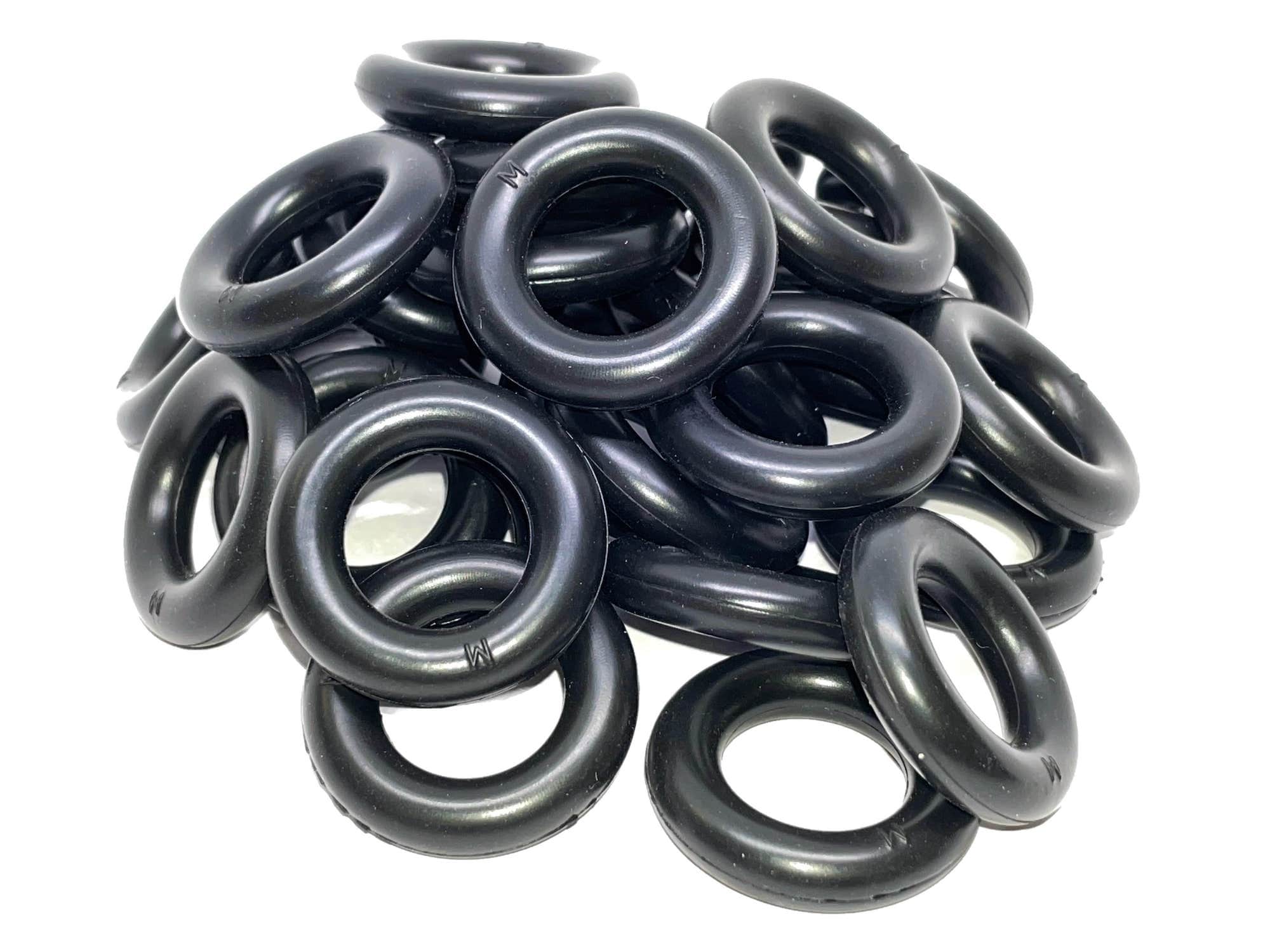
Engineering Excellence in Elastomeric Seal Development
At Suzhou Baoshida Trading Co., Ltd., our engineering capability forms the backbone of our precision rubber seal manufacturing. With a dedicated team comprising five experienced mould engineers and two specialized rubber formula engineers, we deliver technically advanced elastomeric solutions tailored to the exacting demands of global OEMs. Our integrated approach ensures that material science and precision tooling converge to produce seals that meet stringent performance, durability, and dimensional accuracy requirements across automotive, industrial, and fluid control applications.
Our formula engineers possess deep expertise in polymer chemistry and compounding, enabling the development of custom rubber formulations that address specific environmental challenges such as extreme temperatures, chemical exposure, dynamic compression, and long-term aging. By formulating elastomers in-house—including NBR, EPDM, FKM, silicone, and specialty blends—we maintain full control over material consistency and performance. This vertical capability reduces dependency on external suppliers and allows rapid prototyping, iterative testing, and accelerated time-to-market for OEM partners.
Complementing our material science proficiency, our five mould engineers bring precision engineering to every stage of tool creation. Utilizing advanced CAD/CAM software and high-precision CNC machining, we design and manufacture moulds with tolerances as tight as ±0.02 mm. This precision ensures consistent part geometry, optimal flash control, and repeatable production runs—critical for high-volume OEM contracts where reliability and interchangeability are non-negotiable. Our mould development process includes full 3D simulation of flow dynamics and shrinkage behavior, minimizing trial iterations and reducing tooling lead time by up to 30%.
We operate under a full OEM service model, offering end-to-end support from concept validation to mass production. Clients provide performance specifications or application conditions, and our engineering team responds with material selection, seal geometry optimization, tooling design, and validation testing—all under strict confidentiality and compliance with ISO 9001 standards. Our collaborative engineering workflow includes Design Failure Mode and Effects Analysis (DFMEA), mould flow analysis, and first-article inspection reports to ensure design integrity before production launch.
This synergy between formulation science and precision tooling enables us to solve complex sealing challenges, including multi-material co-moulding, low-temperature flexibility, and resistance to aggressive media such as biofuels and refrigerants. Our engineering team routinely supports clients in transitioning from standard off-the-shelf seals to fully customized, performance-optimized solutions that enhance system reliability and reduce total cost of ownership.
Material and Moulding Specifications
| Parameter | Capability Range |
|---|---|
| Material Types | NBR, EPDM, FKM, VMQ, ACM, AEM, CR, NR, HNBR |
| Hardness Range (Shore A) | 30–90 |
| Mould Tolerance | ±0.02 mm (critical dimensions) |
| Part Weight Range | 0.5 g – 500 g |
| Compression Moulding Capacity | Up to 200T press force |
| Injection Moulding | Available for high-volume precision seals |
| Secondary Operations | Flash trimming, bonding, printing, packaging |
Through rigorous engineering discipline and vertical integration, Suzhou Baoshida delivers elastomeric seals that meet the highest standards of performance and manufacturability, reinforcing our role as a trusted OEM partner in precision rubber technology.
Customization Process
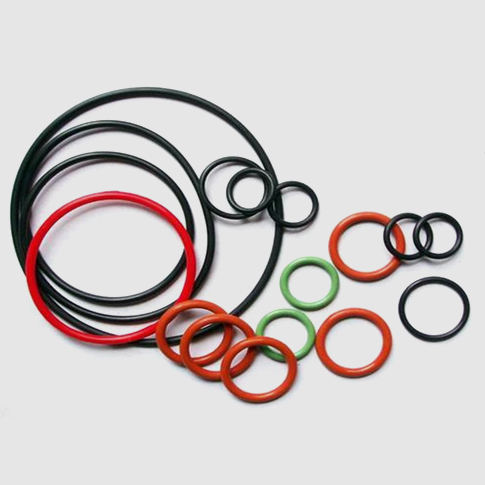
Elastomeric Seal Customization: Precision Engineering Workflow
At Suzhou Baoshida Trading Co., Ltd., our elastomeric seal customization process integrates rigorous material science with advanced manufacturing to deliver components meeting exact OEM specifications. This structured workflow ensures performance reliability under demanding operational conditions, from initial concept to high-volume supply.
Drawing Analysis & Feasibility Assessment
We initiate every project with comprehensive technical drawing review. Our engineering team scrutinizes dimensional tolerances, surface finish requirements, sealing interface geometry, and application environment parameters (temperature range, media exposure, pressure cycles). Critical functional zones are identified, and potential stress concentrations or molding challenges are flagged. Material compatibility with specified fluids and gases is cross-referenced against our extensive polymer database. This phase determines manufacturability and establishes baseline requirements for the formulation stage, preventing downstream redesigns.
Advanced Material Formulation Development
Based on the drawing analysis, our rubber chemists develop a bespoke compound. We select the optimal base polymer (e.g., FKM for high-temperature fuel resistance, EPDM for steam/water applications, HNBR for dynamic oil exposure) and engineer the additive package. Key properties are precisely balanced: durometer (Shore A), tensile strength, elongation, compression set resistance, and volume swell in target media. Cure kinetics are optimized for the client’s molding equipment. Formulation targets are validated against international standards (ASTM D2000, ISO 3601) and client-specific performance criteria. Material specifications are documented for absolute traceability.
Material Property Specifications
| Property | Typical Range (Customizable) | Test Standard |
|————————-|——————————|—————|
| Durometer (Shore A) | 50 – 90 | ASTM D2240 |
| Tensile Strength (MPa) | 8.0 – 22.0 | ASTM D412 |
| Elongation at Break (%) | 150 – 450 | ASTM D412 |
| Compression Set (70h/100°C) | ≤ 25% | ASTM D395 B |
| Volume Swell (Fuel B, 70h/23°C) | ≤ 15% | ASTM D471 |
Prototyping & Validation
Prototypes are manufactured using client-specified tooling or our precision rapid tooling. Each sample undergoes stringent dimensional verification via CMM against the original drawing. Functional testing includes compression stress relaxation, leak rate measurement under simulated service conditions, and accelerated aging per application requirements. Material certificates and full test reports (including FTIR for compound verification) are provided. Client feedback on prototype performance drives iterative refinements until all criteria are met, minimizing risk before production tooling commitment.
Controlled Mass Production
Upon prototype approval, production commences under our ISO 9001-certified quality management system. Raw materials are batch-tracked from approved suppliers. In-process controls monitor key parameters: compound viscosity (Mooney ML1+4), cure characteristics (MDR), and press parameters (time, temperature, pressure). Final inspection employs automated vision systems for critical dimensions and surface defects, alongside抽样 testing per AQL levels. Full traceability from raw material lot to finished seal batch is maintained. We implement continuous process monitoring to ensure long-term dimensional repeatability and performance consistency, supporting JIT delivery schedules for global OEM partners. This end-to-end control guarantees seals perform reliably throughout their service life.
Contact Engineering Team
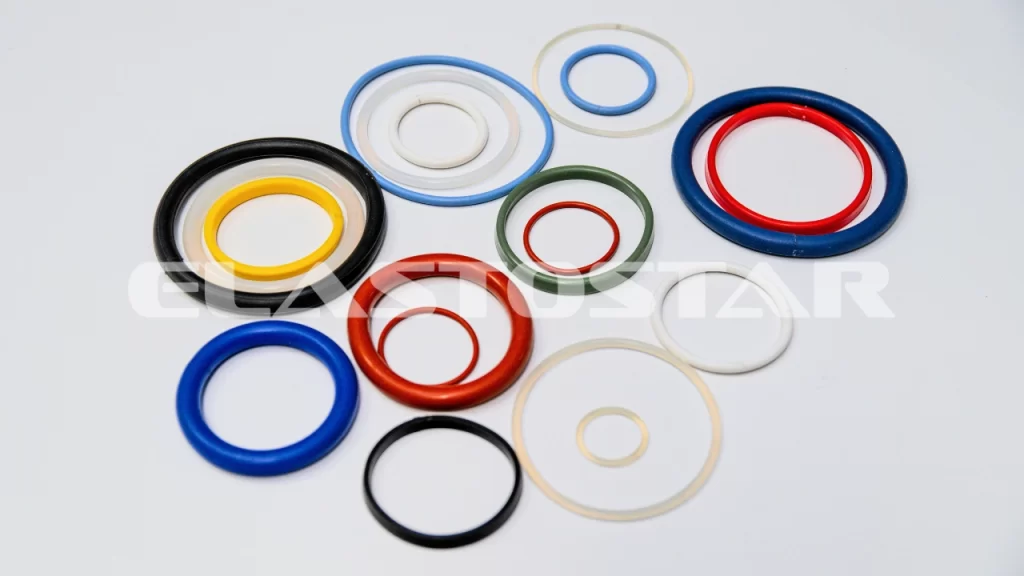
For precision-critical applications in automotive, aerospace, industrial automation, and medical device manufacturing, selecting the right elastomeric seal is not merely a matter of fit—it is a function of material science, dimensional accuracy, and long-term performance under dynamic conditions. At Suzhou Baoshida Trading Co., Ltd., we specialize in engineered rubber seals that meet exacting OEM specifications, delivering consistent sealing performance across temperature extremes, chemical exposure, and mechanical stress.
Our expertise lies in the formulation and production of custom elastomeric components using advanced compounding techniques and precision molding processes. Whether you require low-compression-set seals for high-cycle environments, FDA-compliant materials for sterile applications, or high-temperature resistant formulations for under-hood automotive use, our team ensures every seal meets your technical and regulatory requirements.
We understand that seal failure can lead to cascading system issues—leaks, contamination, downtime, or safety risks. That is why our engineering approach begins with a deep analysis of your operating environment: media compatibility, pressure differentials, thermal profiles, and dynamic movement. From there, we select or develop the optimal elastomer formulation, validate through rigorous testing, and deliver with tight-tolerance consistency.
To support seamless integration into your manufacturing workflow, we offer full technical documentation, material certifications (including ASTM D2000 callouts, RoHS, REACH), and batch traceability. Our production facilities adhere to ISO 9001:2015 standards, and we maintain in-house capabilities for rapid prototyping, tooling development, and volume production.
Below is a representative specification profile for one of our standard high-performance Nitrile Butadiene Rubber (NBR) seals, commonly used in hydraulic and pneumatic systems:
| Property | Test Method | Value |
|---|---|---|
| Hardness (Shore A) | ASTM D2240 | 70 ± 5 |
| Tensile Strength | ASTM D412 | ≥ 15 MPa |
| Elongation at Break | ASTM D412 | ≥ 250% |
| Compression Set (22 hrs @ 70°C) | ASTM D395B | ≤ 20% |
| Operating Temperature Range | — | -30°C to +120°C |
| Fluid Resistance | ASTM D471 (IRM 903 oil, 70°C) | Volume swell ≤ 15% |
This level of control and repeatability is standard across our product lines, which include EPDM, FKM (Viton®), silicone, and custom blends tailored to your application.
If you are seeking a reliable partner for precision rubber seals—whether for new product development, supply chain optimization, or failure mitigation—we invite you to contact Mr. Boyce, OEM Account Manager at Suzhou Baoshida Trading Co., Ltd. Mr. Boyce brings over 12 years of experience in rubber formulation and industrial sealing solutions, and he will work directly with your engineering team to assess requirements, recommend materials, and coordinate sample submissions or audits as needed.
For technical inquiries, quotations, or material reviews, please reach out via email at [email protected]. We respond to all inquiries within 24 business hours and offer virtual or on-site consultation for strategic partners. Let Suzhou Baoshida be your trusted source for high-integrity elastomeric sealing solutions.
⚖️ O-Ring Weight Calculator
Estimate rubber O-ring weight (Approx).