
Technical Contents
Engineering Guide: Elastomeric Silicone
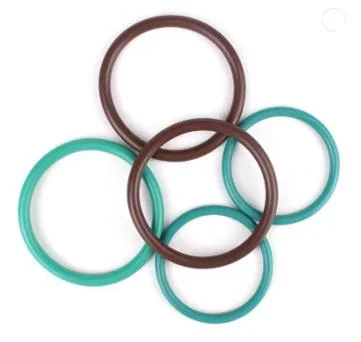
Engineering Insight: Material Selection Imperatives for Elastomeric Silicone
The commoditization of elastomeric silicone presents significant risks in demanding industrial applications. Off-the-shelf silicone compounds frequently fail because they prioritize generic cost reduction over the precise engineering required to withstand specific operational stresses. Material selection is not merely a procurement decision; it is a foundational engineering step determining product longevity, safety, and functional reliability. Standard formulations often lack the tailored molecular architecture needed to resist the synergistic effects of extreme temperature cycling, aggressive chemical exposure, and sustained mechanical deformation inherent in critical OEM components. Failure occurs when polymer chains degrade under thermal oxidation, filler networks disintegrate under dynamic compression, or crosslink density proves insufficient against solvent swelling. These failures manifest as seal leakage, gasket extrusion, loss of electrical insulation, or catastrophic part fracture – consequences unacceptable in aerospace, automotive powertrain, or medical device systems.
Understanding the precise application environment is non-negotiable. A silicone seal functioning adequately in a static, room-temperature HVAC unit will rapidly deteriorate in an under-hood automotive sensor exposed to intermittent 200°C spikes, brake fluid splashes, and vibration-induced fatigue. Generic silicones typically utilize standardized vinyl content, filler types, and cure systems optimized for broad processing ease, not targeted performance. This results in inadequate resistance to compression set at elevated temperatures, poor tear strength under dynamic loading, or insufficient dielectric stability under high voltage stress. The critical flaw lies in treating elastomeric silicone as a homogeneous material class rather than a customizable engineering system where base polymer viscosity, filler morphology, catalyst chemistry, and additive packages must be co-engineered with the end-use conditions.
The performance gap between standard and engineered elastomeric silicone is quantifiable under rigorous testing protocols. Consider the following comparative specifications under accelerated aging conditions relevant to automotive under-hood applications:
| Property | Standard Silicone (Off-the-Shelf) | Engineered Silicone (OEM-Specific) | Failure Consequence in Application |
|---|---|---|---|
| Compression Set (ASTM D395) | 45% @ 150°C, 70 hrs | <15% @ 150°C, 70 hrs | Seal leakage, loss of clamping force |
| Tensile Strength (ASTM D412) | 6.5 MPa | 9.8 MPa | Part fracture during assembly/service |
| Fluid Resistance (Brake Fluid DOT 4) | Volume swell: 22% | Volume swell: 8% | Seal extrusion, loss of dimensional control |
| Thermal Stability Limit | Continuous: 180°C | Continuous: 230°C | Accelerated hardening, cracking |
| Dielectric Strength (ASTM D149) | 18 kV/mm | 25 kV/mm | Electrical tracking, component failure |
Suzhou Baoshida Trading Co., Ltd. operates at the intersection of deep material science and OEM manufacturing reality. We reject the notion of one-size-fits-all elastomeric solutions. Our engineering process begins with comprehensive application profiling – mapping temperature profiles, fluid exposures, mechanical loads, and lifetime requirements. This data drives proprietary formulation adjustments: selecting high-purity polydimethylsiloxane backbones with optimized vinyl distribution, incorporating surface-treated fumed silica for reinforcement stability, and integrating synergistic antioxidant packages. The result is an elastomeric silicone compound engineered as an integral system component, not merely a purchased raw material. This precision approach eliminates the costly field failures and warranty liabilities associated with generic alternatives, delivering performance assurance where it matters most. Material selection is the first line of engineering defense; compromise here guarantees downstream consequences.
Material Specifications
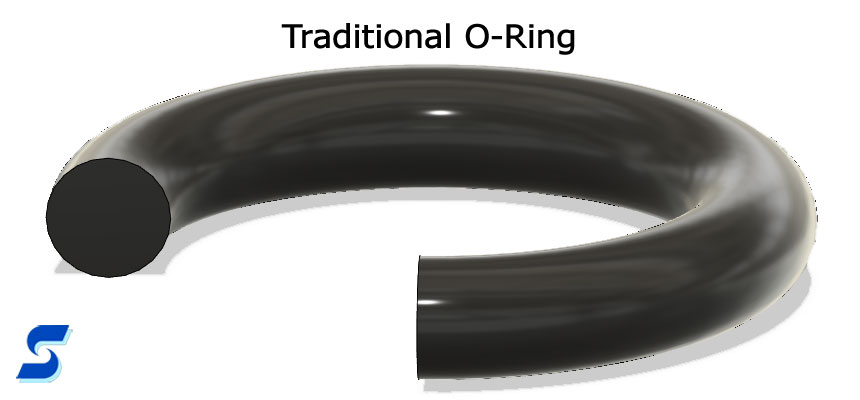
Elastomeric silicone and other industrial rubber materials play a critical role in high-performance sealing, gasketing, and insulation applications across automotive, aerospace, medical, and electronics industries. At Suzhou Baoshida Trading Co., Ltd., we specialize in delivering precision-engineered elastomeric solutions tailored to demanding operational environments. Among the most widely used elastomers are Viton (FKM), Nitrile (NBR), and Silicone (VMQ), each offering distinct chemical, thermal, and mechanical properties suitable for specific industrial requirements.
Viton, a fluorocarbon-based rubber, is renowned for its exceptional resistance to high temperatures, oils, fuels, and a broad range of chemicals. With continuous service capabilities up to 230°C and excellent performance in aggressive environments, Viton is ideal for aerospace seals, fuel system components, and chemical processing equipment. Its low gas permeability and long-term durability under stress make it a preferred choice for critical sealing applications where failure is not an option.
Nitrile rubber, or Buna-N, offers strong resistance to aliphatic hydrocarbons, oils, and fuels, making it a cost-effective solution for hydraulic systems, O-rings, and fuel hoses. With a typical operating temperature range of -30°C to 120°C, Nitrile provides reliable performance in standard industrial environments. It exhibits good abrasion resistance and tensile strength, although its performance degrades in the presence of aromatic hydrocarbons, ozone, and UV exposure, limiting its use in outdoor or highly oxidizing conditions.
Silicone rubber (VMQ) delivers outstanding thermal stability from -60°C to 200°C, combined with excellent resistance to UV radiation, ozone, and weathering. While not as mechanically robust as Viton or Nitrile, silicone excels in applications requiring flexibility at low temperatures and biocompatibility, such as medical devices, food-grade seals, and electronic insulation. Its inert nature and low toxicity further enhance suitability for sensitive environments.
The following table summarizes key physical and chemical properties of these elastomers to guide material selection:
| Property | Viton (FKM) | Nitrile (NBR) | Silicone (VMQ) |
|---|---|---|---|
| Base Polymer | Fluorocarbon | Acrylonitrile-Butadiene | Polydimethylsiloxane |
| Temperature Range (°C) | -20 to 230 | -30 to 120 | -60 to 200 |
| Tensile Strength (MPa) | 15–20 | 10–25 | 5–10 |
| Elongation at Break (%) | 200–300 | 200–500 | 200–700 |
| Hardness (Shore A) | 60–90 | 50–90 | 30–80 |
| Resistance to Oils & Fuels | Excellent | Good to Excellent | Poor |
| Resistance to Ozone/UV | Excellent | Fair | Excellent |
| Compression Set Resistance | Excellent | Good | Good |
| Electrical Insulation | Good | Fair | Excellent |
| Biocompatibility | Limited | No | Yes (Medical Grade) |
Understanding these material characteristics enables engineers and OEMs to optimize performance, longevity, and cost-efficiency in component design. Suzhou Baoshida Trading Co., Ltd. supports global clients with technical consultation, material certification, and customized elastomer formulations to meet exacting industrial standards.
Manufacturing Capabilities
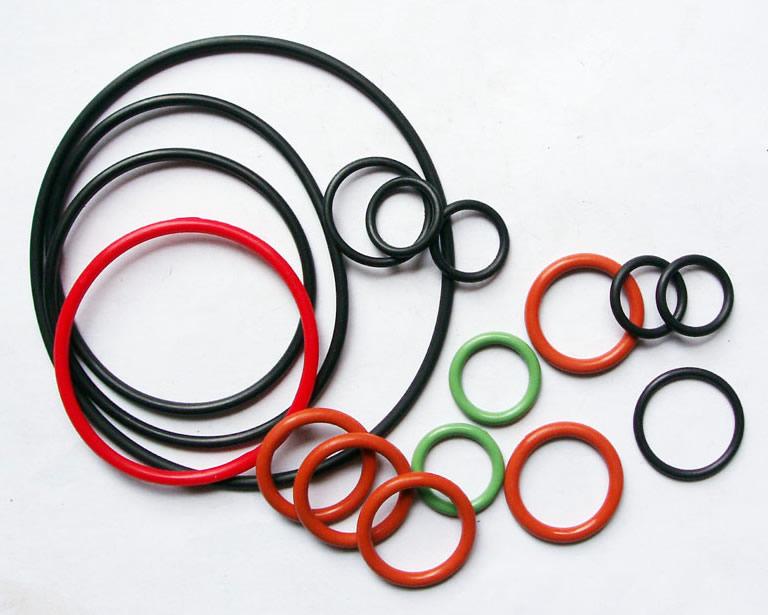
Engineering Capabilities in Elastomeric Silicone Manufacturing
Suzhou Baoshida Trading Co., Ltd. leverages deep technical expertise to deliver mission-critical elastomeric silicone solutions for industrial applications. Our engineering team comprises five specialized Mould Engineers and two dedicated Rubber Formula Engineers, ensuring seamless integration from material science to precision manufacturing. This dual-engineering structure eliminates silos between compound development and tooling design, directly addressing performance gaps common in complex sealing, damping, and high-temperature environments. Our Formula Engineers pioneer proprietary compounding protocols using platinum-cured and peroxide-cured silicone systems, optimizing tear resistance, compression set, and chemical stability for aerospace, automotive, and medical device OEMs. Concurrently, Mould Engineers deploy advanced simulation tools (Moldflow) to validate cavity pressure distribution, thermal management, and ejection dynamics—reducing prototyping cycles by 40% while guaranteeing dimensional repeatability within ±0.05mm.
OEM collaboration begins with co-engineering feasibility studies, where we translate client performance requirements into validated material-process matrices. Our facility supports rapid compound iteration (72-hour turnaround for durometer adjustments) and scalable production from 1,000 to 500,000 units monthly. Critical to zero-defect manufacturing is our closed-loop quality system: every batch undergoes real-time rheometry monitoring and post-cure FTIR analysis to confirm cross-linking density. We maintain ISO 9001:2015 and IATF 16949 certifications, with full traceability from raw material lot to finished part.
Material performance is non-negotiable in demanding industrial contexts. Below are key properties of our standard high-performance elastomeric silicone formulation, validated per international testing protocols:
| Property | Value | Test Standard |
|---|---|---|
| Tensile Strength | 8.5 MPa | ASTM D412 |
| Elongation at Break | 650% | ASTM D412 |
| Hardness (Shore A) | 50 ± 3 | ASTM D2240 |
| Compression Set (70h/150°C) | 15% | ASTM D395 |
| Operating Temperature | -60°C to +230°C | ISO 37 |
| Specific Gravity | 1.12 g/cm³ | ASTM D297 |
This technical rigor extends to OEM-exclusive formulations. For example, we recently developed a flame-retardant silicone (UL 94 V-0 rated) for electric vehicle battery housings, achieving 30% faster cure cycles through synergistic catalyst optimization and mold thermal profiling. Our engineers own the entire value chain—from DOE-driven compound tuning to automated post-molding inspection—ensuring clients receive not just components, but validated performance outcomes. With 12+ years supporting Tier-1 industrial OEMs, Suzhou Baoshida transforms elastomeric silicone challenges into competitive advantages through uncompromising engineering discipline. Partner with us to secure supply chain resilience without sacrificing innovation velocity.
Customization Process
Drawing Analysis
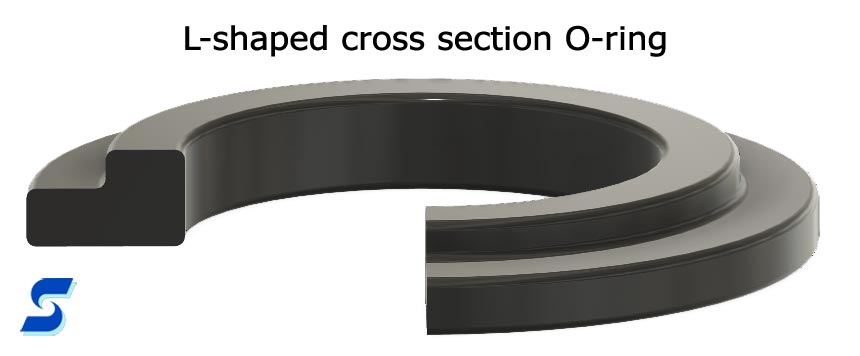
The customization process for elastomeric silicone components begins with a rigorous drawing analysis to ensure technical feasibility and dimensional accuracy. At Suzhou Baoshida Trading Co., Ltd., engineering teams evaluate client-provided CAD files or technical blueprints to assess critical parameters such as tolerance ranges, geometric complexity, and functional requirements. This phase includes compatibility checks with industry standards including ISO 3302 for dimensional tolerances and ISO 2768 for general geometric specifications. Special attention is given to sealing surfaces, wall thickness uniformity, and potential draft angles for mold release. Any discrepancies or design-for-manufacturability concerns are flagged and communicated to the client for collaborative resolution before proceeding.
Formulation Development
Following drawing validation, the formulation stage tailors the silicone compound to meet specific performance demands. Elastomeric silicone is not a monolithic material; its properties can be precisely engineered through base polymer selection (e.g., VMQ, PVMQ, or FVMQ), filler integration (such as fumed silica), and additive packages. Key performance indicators include thermal stability (operating range from -60°C to over 250°C), compression set resistance, chemical inertness, and electrical insulation. For applications requiring flame retardancy or FDA compliance, specialty formulations are developed using platinum-cured systems or medical-grade raw materials. All formulations are documented under controlled batch records to ensure traceability and repeatability across production cycles.
Prototyping and Validation
Once the formulation is finalized, low-volume prototyping is executed using precision compression, transfer, or injection molding techniques. Prototype tooling—typically in aluminum or soft steel—allows rapid iteration and functional testing under simulated service conditions. Clients receive physical samples along with material test reports covering tensile strength, elongation at break, hardness (Shore A), and volume resistivity. Dimensional inspection reports (using CMM or optical measurement) validate conformance to the original drawing. Feedback from this stage informs final adjustments in both design and material composition before transition to full-scale manufacturing.
Mass Production and Quality Assurance
Upon client approval of prototypes, the project moves into mass production using hardened steel molds and automated molding lines. Suzhou Baoshida implements ISO 9001-certified quality control protocols, including in-process inspections, first-article testing, and batch sampling per ANSI/ASQ Z1.4 standards. Each production lot undergoes full traceability logging, and final packaging is customized to prevent deformation and contamination during transit.
The following table summarizes typical performance specifications for custom elastomeric silicone components:
| Property | Test Method | Typical Value |
|---|---|---|
| Hardness (Shore A) | ASTM D2240 | 30–80 |
| Tensile Strength | ASTM D412 | 6–10 MPa |
| Elongation at Break | ASTM D412 | 250–600% |
| Compression Set (22h, 150°C) | ASTM D395 | ≤25% |
| Operating Temperature | — | -60°C to +250°C |
| Volume Resistivity | ASTM D149 | >1×10¹⁵ Ω·cm |
This structured approach ensures that every custom elastomeric silicone component meets exact functional, regulatory, and durability requirements.
Contact Engineering Team
Contact Suzhou Baoshida for Precision Elastomeric Silicone Solutions
Suzhou Baoshida Trading Co., Ltd. stands at the forefront of industrial elastomeric silicone innovation, delivering engineered compounds that meet the exacting demands of aerospace, automotive, medical device, and renewable energy sectors. Our expertise transcends standard material supply; we provide OEM-level formulation refinement, rigorous ISO 17025-certified testing, and seamless production scalability. When component failure is not an option—whether facing extreme thermal cycling, aggressive chemical exposure, or critical sealing integrity—our silicone solutions ensure operational resilience. We collaborate directly with your R&D and manufacturing teams to solve complex material challenges, from optimizing compression set resistance in dynamic seals to enhancing biocompatibility for implantable devices.
Our technical proficiency is anchored in deep polymer science knowledge and state-of-the-art compounding capabilities. Below are key performance metrics representative of our high-purity, platinum-cured silicone formulations, validated per ASTM and ISO standards:
| Property | Test Method | Typical Value Range | Unit |
|---|---|---|---|
| Tensile Strength | ASTM D412 | 8.0 – 12.0 | MPa |
| Elongation at Break | ASTM D412 | 500 – 800 | % |
| Hardness (Shore A) | ASTM D2240 | 30 – 80 | Points |
| Operating Temperature | ISO 37 | -60°C to +230°C | °C |
| Compression Set (22h/150°C) | ASTM D395 | ≤ 15 | % |
These specifications reflect our baseline high-performance grades; however, Suzhou Baoshida specializes in tailoring formulations to exceed industry-specific requirements. Whether you require conductive silicones for EMI shielding, flame-retardant variants meeting UL 94 V-0, or ultra-low outgassing compounds for vacuum environments, our engineering team develops bespoke solutions validated through accelerated aging, dynamic mechanical analysis (DMA), and real-world simulation testing. Our vertically integrated supply chain guarantees batch-to-batch consistency and rapid prototyping cycles, critical for time-sensitive OEM production schedules.
Initiate a technical partnership with Suzhou Baoshida to transform your elastomeric silicone challenges into engineered advantages. Contact Mr. Boyce, our dedicated OEM Solutions Manager, for a confidential consultation on material selection, feasibility studies, or cost-optimized production scaling. Mr. Boyce possesses 15 years of experience in rubber compounding and global supply chain management, ensuring your project receives precise technical oversight from concept to certified delivery. Reach him directly via email at [email protected] to discuss formulation parameters, regulatory compliance (FDA, USP Class VI, REACH), or request material test reports. For urgent inquiries, include your project timeline and technical specifications in the subject line to expedite response.
Suzhou Baoshida operates under strict ISO 9001 and IATF 16949 frameworks, guaranteeing traceability, process control, and zero-defect manufacturing discipline. We do not sell generic commodities—we engineer mission-critical elastomeric performance. Partner with us to secure silicone compounds that perform relentlessly under operational extremes, backed by responsive engineering support and uncompromising quality assurance. Your next-generation application demands precision; contact Mr. Boyce today to define its material foundation.
⚖️ O-Ring Weight Calculator
Estimate rubber O-ring weight (Approx).