
Technical Contents
Engineering Guide: Electrical Silicone
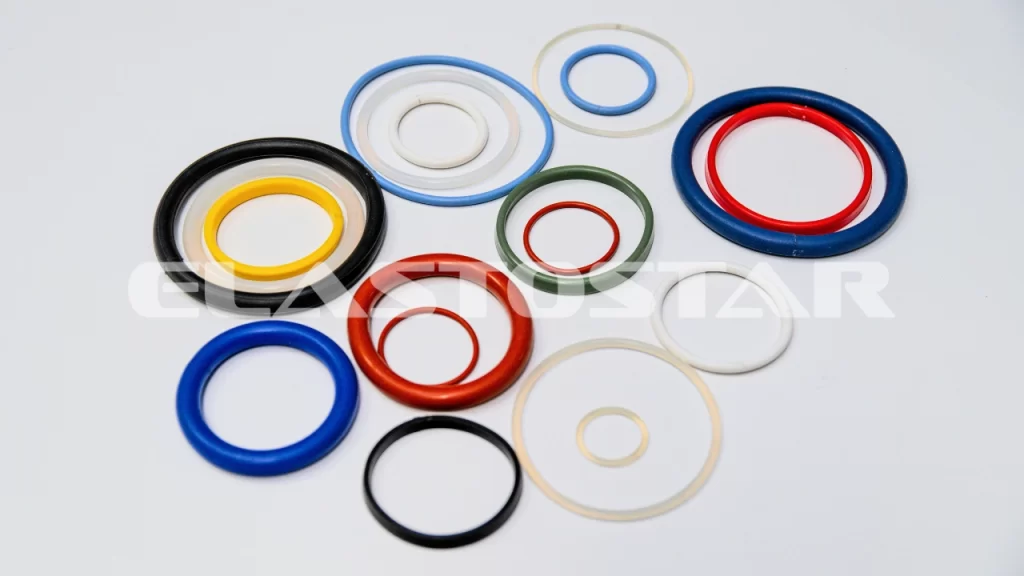
Engineering Insight: Electrical Silicone Material Selection Fundamentals
Material selection for electrical silicone applications transcends basic elastomer properties; it demands rigorous analysis of dielectric behavior, thermal stability, and long-term environmental resistance. Off-the-shelf silicone compounds frequently fail in critical electrical systems due to unoptimized formulations that prioritize cost over functional integrity. Generic silicones often contain inconsistent filler distributions, inadequate crosslink density, or impurities that compromise insulation performance under operational stress. These deficiencies manifest as premature dielectric breakdown, surface tracking, or thermal runaway—particularly in high-voltage busbars, insulators, or EV battery components where failure risks cascade into safety hazards and costly downtime.
The core issue lies in commercial-grade silicones sacrificing electrical specificity for versatility. Standard compounds may meet basic mechanical requirements but neglect critical parameters like volume resistivity stability across temperature extremes or resistance to partial discharge erosion. Impurities from low-grade silica fillers or residual catalysts create conductive pathways, accelerating ionization under electric fields. Furthermore, non-engineered cure systems result in uneven network formation, reducing thermal conductivity and promoting hotspots. Per IEEE Std 1523, contamination thresholds exceeding 0.1 ppm in critical insulation zones can initiate arcing—a vulnerability unaddressed in mass-market formulations.
Suzhou Baoshida’s OEM-grade electrical silicones eliminate these risks through precision engineering. Our compounds utilize ultra-pure, surface-treated silica fillers with controlled particle morphology to maximize dielectric strength while enhancing thermal dissipation. Platinum-catalyzed addition cure systems ensure complete crosslinking, eliminating ionic residues that degrade resistivity. Each formulation undergoes accelerated aging per IEC 60243-1 and IEC 60093 to validate performance under combined thermal-electrical stress. Below is a comparative analysis of critical electrical properties:
| Parameter | Commercial Silicone | Baoshida OEM Electrical Grade | Test Standard |
|---|---|---|---|
| Dielectric Strength | 15–18 kV/mm | 26–28 kV/mm | IEC 60243-1 |
| Volume Resistivity (23°C) | 1.0 × 10¹³ Ω·cm | 1.8 × 10¹⁵ Ω·cm | IEC 60093 |
| Thermal Conductivity | 0.18–0.22 W/mK | 0.45–0.52 W/mK | ASTM D5470 |
| Arc Resistance (ASTM D495) | 30–45 seconds | >180 seconds | ASTM D495 |
This performance gap directly correlates to field reliability. In one documented case, a commercial-grade silicone insulator failed after 18 months in a 15 kV transformer due to surface tracking—a consequence of insufficient comparative tracking index (CTI < 175). Baoshida’s equivalent compound maintained CTI > 600 under identical conditions, preventing carbonization. Material selection must account for the entire operational lifecycle, including exposure to ozone, humidity, and transient overvoltages.
Generic solutions treat silicone as a commodity; engineered electrical silicones treat it as a functional system component. At Suzhou Baoshida, we collaborate with OEMs to define application-specific thresholds for dielectric loss tangent, dissipation factor, and thermal aging—ensuring formulations align with IEC 60674-3 Class F or higher requirements. The marginal cost premium for precision-engineered material is negligible against the financial and reputational impact of field failures. Contact our technical team to audit your electrical insulation requirements against validated performance data.
Material Specifications
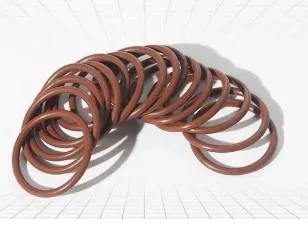
Suzhou Baoshida Trading Co., Ltd. provides high-performance industrial rubber solutions tailored for demanding electrical and mechanical environments. Among the most critical materials in our portfolio are Viton, Nitrile (NBR), and Silicone, each offering unique chemical, thermal, and mechanical properties suitable for specialized electrical silicone applications. These elastomers are engineered to deliver long-term reliability in sealing, insulation, and protective roles across automotive, aerospace, energy, and electronic manufacturing sectors.
Viton, a fluorocarbon-based rubber (FKM), is renowned for its exceptional resistance to high temperatures, oils, fuels, and a broad range of aggressive chemicals. With continuous service capabilities up to 230°C and intermittent resistance up to 260°C, Viton is ideal for high-temperature electrical enclosures and under-hood automotive components. Its low gas permeability and excellent aging characteristics make it a preferred choice in environments where long-term stability under thermal stress is required.
Nitrile rubber (NBR) is a cost-effective solution offering superior resistance to petroleum-based oils, greases, and hydraulic fluids. While its thermal performance is more limited compared to Viton and Silicone, NBR maintains reliable functionality between -30°C and 120°C, making it suitable for general-purpose electrical gaskets and seals exposed to lubricants and fuels. Its mechanical strength and abrasion resistance further enhance durability in dynamic applications.
Silicone rubber (VMQ) excels in extreme temperature environments, with operational stability from -60°C to 200°C. It is inherently flame-retardant, electrically insulative, and exhibits excellent resistance to ozone and UV radiation. These traits make silicone a prime candidate for outdoor electrical connectors, insulating boots, and medical-grade electronic devices. While its tensile strength is lower than Viton or NBR, silicone’s flexibility across wide temperature ranges and biocompatibility offer unmatched versatility in sensitive or thermally variable settings.
All three materials are available in various hardness grades (typically 40–90 Shore A) and can be customized with conductive or anti-static fillers for EMI shielding or static dissipation. Suzhou Baoshida ensures strict adherence to ASTM D2000 and ISO 3601 standards in material formulation and dimensional tolerances.
The following table summarizes key technical specifications for Viton, Nitrile, and Silicone rubber:
| Property | Viton (FKM) | Nitrile (NBR) | Silicone (VMQ) |
|---|---|---|---|
| Temperature Range (°C) | -20 to 230 (up to 260 intermittent) | -30 to 120 | -60 to 200 |
| Tensile Strength (MPa) | 15–20 | 10–25 | 5–10 |
| Elongation at Break (%) | 200–300 | 250–500 | 200–600 |
| Hardness Range (Shore A) | 50–90 | 40–90 | 30–80 |
| Resistance to Oils/Fuels | Excellent | Excellent | Poor |
| Resistance to Ozone/UV | Excellent | Good | Excellent |
| Electrical Insulation | Good | Fair | Excellent |
| Compression Set Resistance | Excellent | Good | Good |
Each material serves a distinct role in electrical silicone applications, and proper selection depends on operational temperature, chemical exposure, mechanical stress, and regulatory requirements. Suzhou Baoshida supports OEMs with material testing, prototyping, and full-scale production to ensure optimal performance and compliance.
Manufacturing Capabilities
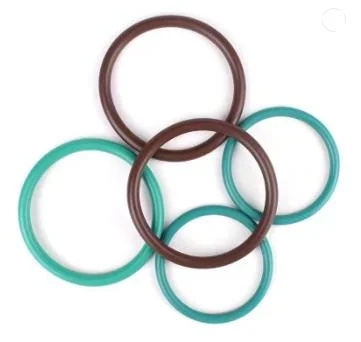
Engineering Capability: Precision Formulation and Mold Design for Electrical Silicone Solutions
Suzhou Baoshida Trading Co., Ltd. delivers engineered electrical silicone components through integrated formula science and precision tooling expertise. Our Suzhou-based engineering team comprises five dedicated mold engineers and two specialized rubber formula engineers, enabling end-to-end control from molecular architecture to finished part validation. This dual-discipline approach ensures materials and tooling are co-optimized for electrical performance, longevity, and manufacturability in demanding applications such as insulators, connectors, and high-voltage gaskets.
Our formula engineers focus exclusively on silicone elastomers for electrical applications, developing custom compounds that balance dielectric strength, thermal stability, and mechanical resilience. Through systematic polymer modification and filler engineering, we achieve UL94 V-0 flammability ratings while maintaining volume resistivity exceeding 1.0 × 10¹⁵ Ω·cm. Each formulation undergoes rigorous accelerated aging tests per ASTM D573 and IEC 60243 standards to validate performance under continuous thermal stress (up to 200°C) and electrical load. Critical parameters such as compression set (ASTM D395) and dielectric breakdown voltage are optimized to client-specific thresholds, eliminating field failures in mission-critical systems.
Complementing material science, our mold engineering team executes precision tooling strategies for complex electrical components. Utilizing 3D flow simulation (Moldflow®) and cavity pressure mapping, we design multi-cavity molds with balanced runner systems to minimize flash and ensure uniform crosslinking. This eliminates micro-voids that compromise insulation integrity. All tooling adheres to ISO 2768-mK tolerances, with critical sealing surfaces held to ±0.05 mm. We specialize in insert molding for embedded conductors and multi-shot designs for graded insulation layers, directly supporting OEM requirements for compact, high-reliability assemblies.
OEM partnerships benefit from our closed-loop development process. Clients receive comprehensive documentation including material traceability certificates (per ISO 10204), mold validation reports (cavity pressure curves, dimensional Cpk data), and full PPAP submissions. Our facility maintains IATF 16949-aligned controls, with in-house testing for hardness (ASTM D2240), tensile properties (ASTM D412), and dielectric strength (IEC 60243). This eliminates third-party dependency and accelerates time-to-market by 30% versus conventional supply chains.
The following table summarizes key electrical silicone specifications achievable through our engineered solutions:
| Property | Test Standard | Typical Value Range | Industrial Significance |
|---|---|---|---|
| Dielectric Strength | IEC 60243 | 18–25 kV/mm | Prevents arcing in high-voltage apps |
| Volume Resistivity | ASTM D257 | >1.0 × 10¹⁵ Ω·cm | Ensures insulation integrity |
| UL94 Flammability Rating | UL 94 | V-0 (1.5mm) | Critical for safety compliance |
| Continuous Use Temp | UL 746B | -60°C to +200°C | Supports extreme environment operation |
| Compression Set (70h/150°C) | ASTM D395 | ≤25% | Maintains sealing force over lifespan |
By converging formula innovation with mold engineering rigor, Suzhou Baoshida transforms electrical silicone specifications into field-proven reliability. Our OEM framework delivers certified materials, validated tooling, and zero-defect production—ensuring your components perform flawlessly under electrical stress.
Customization Process
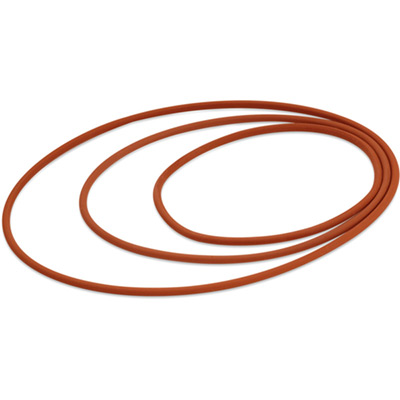
Customization Process for Electrical Silicone Components
At Suzhou Baoshida Trading Co., Ltd., our approach to custom electrical silicone manufacturing integrates precision engineering with advanced material science. We specialize in delivering high-performance rubber solutions tailored to the rigorous demands of electrical insulation, thermal stability, and long-term reliability. Our four-phase customization process ensures that every component meets exact OEM specifications and industry standards.
The first phase, Drawing Analysis, begins with a comprehensive review of customer technical drawings and performance requirements. Our engineering team evaluates critical dimensions, tolerance ranges, surface finish needs, and application environment factors such as operating temperature, voltage exposure, and mechanical stress. This step ensures full alignment between design intent and manufacturability, minimizing risk during production. We utilize CAD-based analysis tools to detect potential issues early and recommend design optimizations when necessary.
Following drawing validation, we proceed to Formulation Development. Electrical silicone requires precise control over dielectric strength, volume resistivity, arc resistance, and thermal conductivity. Our in-house rubber chemists formulate custom silicone compounds using high-purity VMQ (vinyl-methyl silicone) or FVMQ (fluorosilicone) bases, enhanced with functional fillers such as fumed silica and ceramic additives. Each formulation is engineered to achieve targeted Shore A hardness, elongation at break, and resistance to tracking under high-voltage conditions. All materials are tested per ASTM D2240, ASTM D495, and IEC 60243 standards.
Once the formulation is finalized, we enter the Prototyping stage. Using precision compression, transfer, or injection molding techniques, we produce small-batch prototypes for functional evaluation. These samples undergo rigorous electrical and mechanical testing, including dielectric withstand voltage tests, thermal aging (per UL 746B), and partial discharge analysis. Customers receive detailed test reports and physical samples for validation. Iterative adjustments are made if required, ensuring complete performance compliance before scale-up.
The final phase is Mass Production, executed in our ISO 9001-certified facility with full process traceability. Automated mixing systems, CNC-controlled molding presses, and real-time quality monitoring ensure batch consistency. Every production lot is subjected to incoming and outgoing quality inspections, with material certificates and electrical test data provided. We support volumes from 1,000 to over 1 million units annually, with lead times optimized through lean manufacturing practices.
| Property | Test Method | Typical Value Range |
|---|---|---|
| Hardness (Shore A) | ASTM D2240 | 40–80 |
| Tensile Strength | ASTM D412 | 6–10 MPa |
| Elongation at Break | ASTM D412 | 200–500% |
| Volume Resistivity | ASTM D257 | >1×10¹⁴ Ω·cm |
| Dielectric Strength | IEC 60243 | 18–22 kV/mm |
| Arc Resistance | ASTM D495 | 150–180 seconds |
| Operating Temperature | UL 746B | -60°C to +200°C |
Through this structured process, Suzhou Baoshida ensures that every electrical silicone component delivers unmatched performance, reliability, and compliance in demanding industrial and electrical applications.
Contact Engineering Team
Direct Technical Engagement for Electrical Silicone Solutions
Suzhou Baoshida Trading Co., Ltd. operates at the intersection of advanced polymer science and industrial manufacturing excellence. Our specialization in electrical-grade silicone compounds addresses the stringent demands of high-voltage insulation, thermal management, and long-term reliability in critical applications. As your dedicated Rubber Formula Engineer and OEM Manager, I emphasize that material performance is non-negotiable in sectors like power transmission, electric vehicle infrastructure, and medical device manufacturing. Generic silicone formulations cannot meet the evolving regulatory and operational thresholds of modern electrical systems. Our engineered solutions undergo rigorous validation under IEC 60093 and ASTM D257 protocols to ensure dielectric integrity across extreme thermal cycles and environmental exposure.
The following table summarizes key performance metrics for our flagship BD-Si7000 Electrical Grade Silicone, validated per ISO 37 and UL 94 standards. These values reflect optimized cure kinetics and filler dispersion achieved through proprietary two-stage polymerization:
| Property | Test Method | Value | Industrial Significance |
|---|---|---|---|
| Dielectric Strength | ASTM D149 | 22.5 kV/mm (min) | Prevents arcing in 69kV+ environments |
| Volume Resistivity | IEC 60093 | >1.0 × 10¹⁶ Ω·cm | Ensures minimal leakage current |
| Arc Resistance | ASTM D495 | 180 seconds (min) | Critical for switchgear safety |
| Thermal Conductivity | ASTM D5470 | 1.25 W/m·K | Enables efficient heat dissipation |
| Tensile Strength | ISO 37 | 8.5 MPa | Maintains structural integrity |
| UL 94 Flammability Rating | UL 94 | V-0 (0.8mm thickness) | Mandatory for enclosed systems |
Our OEM partnership model eliminates the traditional gap between material science and production scalability. Unlike commodity suppliers, we co-develop formulations with your engineering team—adjusting platinum-catalyzed cure profiles, modifying filler matrices for specific dielectric constants, and validating prototypes against your application-specific failure modes. This collaborative approach reduces time-to-market by 30% while ensuring first-pass regulatory compliance with IEC 60601-1 and NEC Article 310 requirements. We maintain ISO 13485-certified production lines with real-time rheometry monitoring, guaranteeing batch-to-batch consistency essential for high-volume electrical component manufacturing.
Initiate a technical consultation to resolve your most complex electrical insulation challenges. Contact Mr. Boyce, our Lead OEM Manager, directly at [email protected]. Specify your application voltage range, environmental stressors (e.g., -55°C to 200°C cycling, chemical exposure), and regulatory framework in your inquiry. Mr. Boyce will coordinate our formulation engineers to deliver a material datasheet with application-specific performance projections within 48 business hours. For urgent prototyping needs, reference project code ESI-2024 to expedite sample allocation from our Suzhou technical center. Do not rely on off-the-shelf silicones for mission-critical electrical systems—partner with engineers who treat dielectric failure as an unacceptable variable. Your next-generation insulation solution begins with precise technical dialogue.
⚖️ O-Ring Weight Calculator
Estimate rubber O-ring weight (Approx).