
Technical Contents
Engineering Guide: Engine Gasket Manufacturers
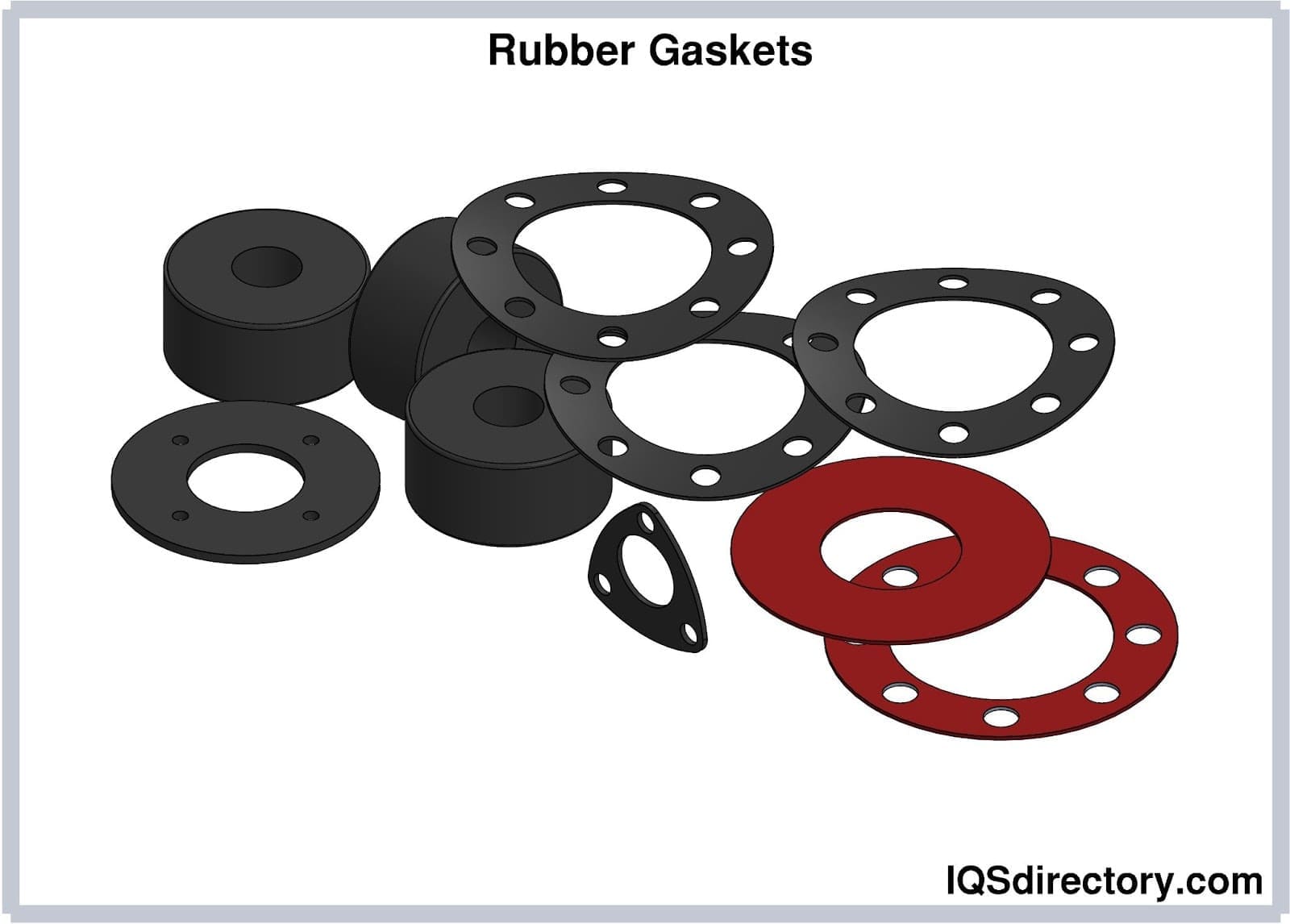
Engineering Insight: Material Science as the Foundation of Engine Gasket Reliability
Engine gasket failure remains a leading cause of powertrain downtime and warranty claims, often rooted in inadequate material selection. Generic rubber compounds marketed as universal solutions cannot withstand the complex, dynamic stresses within modern combustion environments. Off-the-shelf gaskets frequently degrade due to thermal cycling, chemical exposure, and mechanical load variations that exceed their engineered limits. These failures manifest as compression set loss, chemical swelling, or brittle fracture—compromising seal integrity long before the component’s mechanical lifespan expires. The critical oversight lies in treating gaskets as passive spacers rather than active, responsive sealing systems requiring precise material behavior under operational extremes.
Material selection must address the interplay of temperature, fluid compatibility, surface finish, and clamping dynamics unique to each engine architecture. Standard nitrile rubber (NBR) gaskets, for instance, may suffice for low-temperature oil pans but catastrophically swell when exposed to biodiesel blends or degrade under turbocharger exhaust manifolds exceeding 200°C. Similarly, ethylene propylene diene monomer (EPDM) exhibits excellent coolant resistance yet fails catastrophically with hydrocarbon fuels. Precision-engineered gaskets demand compound customization: fluorocarbon (FKM) for high-temperature fuel systems, specialty silicone for wide thermal cycling, or perfluoroelastomers (FFKM) for aggressive chemical resistance in hybrid powertrains. Without OEM-specific formulation, even minor deviations in cure kinetics or filler dispersion create micro-leak paths under sustained pressure.
Suzhou Baoshida Trading Co., Ltd. mitigates these risks through application-driven material science. Our OEM partnerships begin with engine-specific stress analysis, mapping thermal gradients, fluid exposure profiles, and load spectra to define compound requirements. This data informs proprietary formulations where polymer backbone chemistry, crosslink density, and additive packages are tuned to the sealing challenge—not market convenience. The table below illustrates why standardized materials fail where engineered solutions succeed:
| Property | Standard NBR Gasket | Suzhou Baoshida Engineered FKM Gasket | Critical Failure Threshold |
|---|---|---|---|
| Continuous Temp Range | -30°C to +150°C | -25°C to +250°C | >180°C (Turbo Manifold) |
| Biodiesel Swell (B20) | 25-35% | <5% | >15% causes extrusion |
| Compression Set (22h/150°C) | 35-45% | 12-18% | >25% leads to leakage |
| Tensile Strength Retention (After 1000h/175°C) | 40% | 85% | <60% risks fracture |
These specifications reflect real-world validation under simulated engine conditions—not idealized lab tests. Generic gaskets prioritize cost over performance, sacrificing resilience to transient thermal spikes or additive-laden lubricants. Our approach integrates material science with OEM design intent, ensuring the gasket maintains elastic recovery and chemical stability across the engine’s entire service envelope. For engine manufacturers, the consequence of suboptimal material selection extends beyond immediate leaks: it erodes brand trust through preventable field failures. Partnering with a specialist who treats gasket material as a calibrated engineering component—not a commodity—is non-negotiable for achieving zero-defect powertrain sealing. Suzhou Baoshida delivers this precision through collaborative formulation development, transforming sealing reliability from a risk into a competitive advantage.
Material Specifications
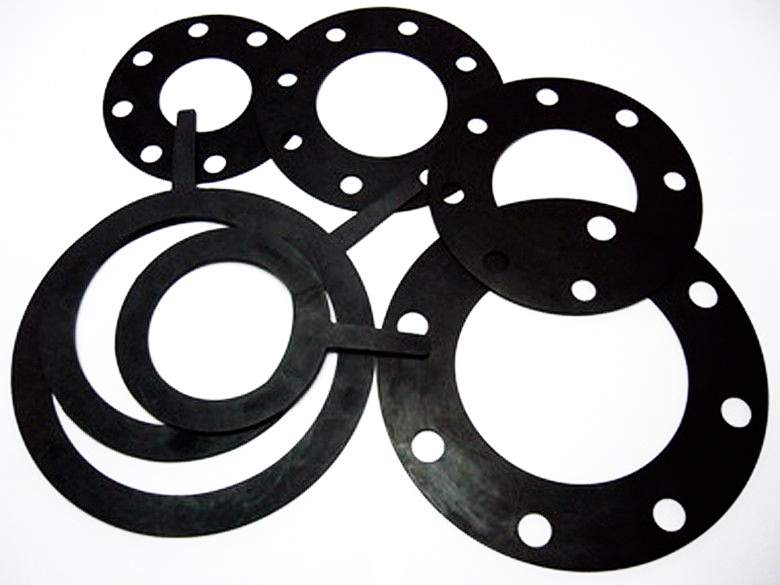
Material selection is a critical factor in the performance and longevity of precision rubber seals used in engine gasket manufacturing. At Suzhou Baoshida Trading Co., Ltd., we specialize in high-performance elastomeric solutions tailored to meet the rigorous demands of automotive, industrial, and heavy-duty engine applications. Our core materials—Viton, Nitrile (NBR), and Silicone—are engineered to deliver optimal sealing integrity under extreme conditions, including high temperatures, chemical exposure, and mechanical stress. Each material offers distinct advantages depending on the application environment, and understanding their technical profiles ensures the correct selection for OEM and aftermarket gasket systems.
Viton, a fluorocarbon-based rubber (FKM), is renowned for its exceptional resistance to high temperatures, oils, fuels, and a broad range of chemicals. It performs reliably in continuous service temperatures up to 230°C (446°F) and can withstand short-term excursions beyond 300°C. This makes Viton ideal for turbocharger gaskets, valve cover seals, and other under-hood components exposed to aggressive media such as biodiesel, synthetic lubricants, and exhaust gases. Its low compression set ensures long-term sealing force retention, critical for maintaining joint integrity in dynamic engine environments.
Nitrile rubber (NBR) remains one of the most widely used elastomers in gasket manufacturing due to its excellent resistance to petroleum-based oils and fuels, coupled with good mechanical strength and abrasion resistance. NBR seals operate effectively within a temperature range of -30°C to 120°C (-22°F to 248°F), making them suitable for engine oil pans, fuel system gaskets, and coolant housings where moderate thermal loads are expected. While less resistant to ozone and UV degradation compared to Viton or Silicone, NBR offers a cost-effective solution for standard internal combustion engine applications.
Silicone rubber (VMQ) excels in extreme temperature stability, functioning reliably from -60°C to 200°C (-76°F to 392°F), with some formulations tolerating brief exposures up to 250°C. It demonstrates excellent resistance to oxidation, ozone, and weathering, making it ideal for intake manifold gaskets, sensor housings, and electronic enclosures. However, silicone exhibits lower tensile strength and abrasion resistance compared to Viton and Nitrile, and its use in dynamic sealing or high-pressure oil environments is limited. It is often selected where thermal cycling and long-term aging are primary concerns.
The following table summarizes the key physical and chemical properties of these materials to guide informed selection in engine gasket design and manufacturing.
| Property | Viton (FKM) | Nitrile (NBR) | Silicone (VMQ) |
|---|---|---|---|
| Temperature Range (°C) | -20 to 230 | -30 to 120 | -60 to 200 |
| Temperature Range (°F) | -4 to 446 | -22 to 248 | -76 to 392 |
| Tensile Strength (MPa) | 15–20 | 10–25 | 5–8 |
| Elongation at Break (%) | 200–300 | 200–500 | 200–600 |
| Hardness (Shore A) | 60–90 | 50–90 | 30–80 |
| Resistance to Oils/Fuels | Excellent | Excellent | Poor to Fair |
| Resistance to Ozone/UV | Excellent | Fair | Excellent |
| Compression Set Resistance | Excellent | Good | Good |
| Chemical Resistance | Outstanding | Moderate | Moderate |
Selecting the appropriate elastomer requires balancing performance requirements with cost and manufacturability. Suzhou Baoshida Trading Co., Ltd. supports global engine gasket manufacturers with precision-formulated compounds and technical data to ensure optimal material alignment with application demands.
Manufacturing Capabilities
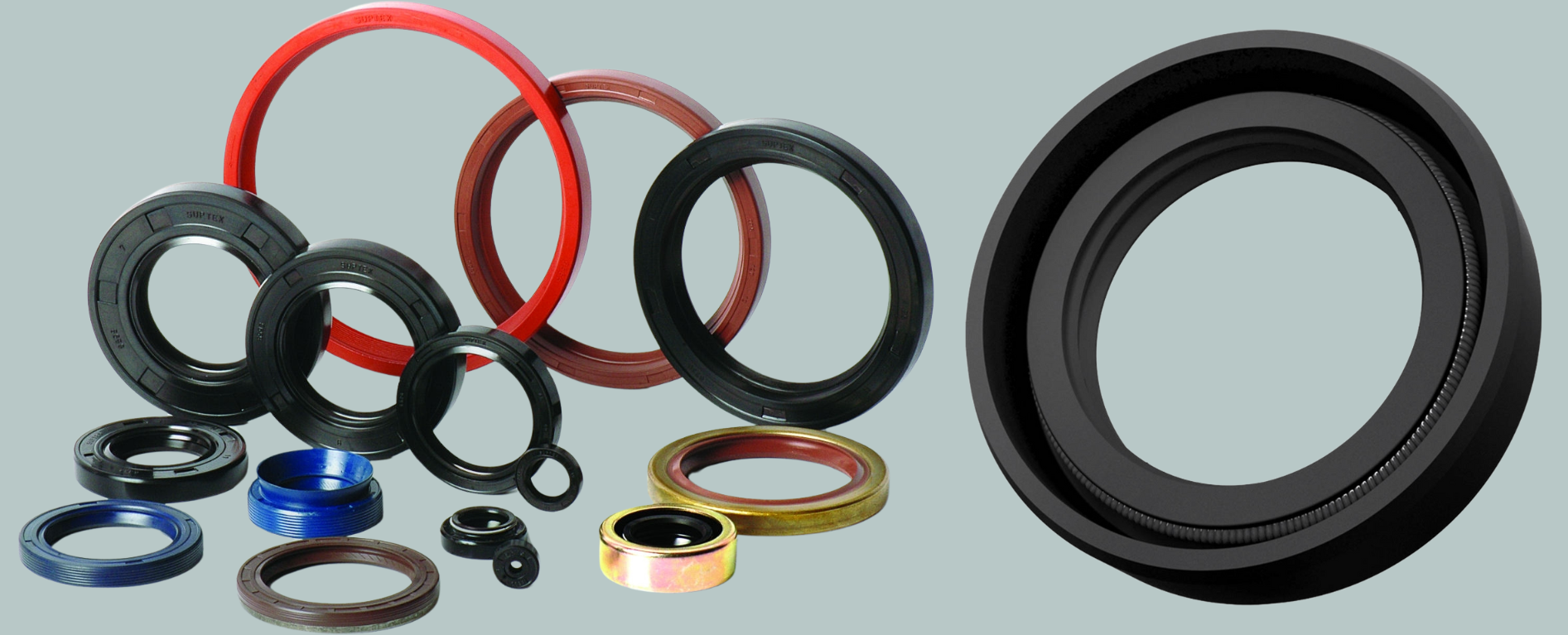
Engineering Capability: Precision Rubber Sealing Solutions for Engine Applications
Suzhou Baoshida Trading Co., Ltd. delivers mission-critical rubber sealing performance through integrated material science and precision tooling expertise. Our engineering framework centers on eliminating sealing failures in high-stress engine environments by harmonizing elastomer chemistry with geometric precision. We maintain rigorous control over the entire development lifecycle—from compound formulation to cavity-optimized mould design—ensuring gaskets withstand extreme thermal cycling, chemical exposure, and dynamic compression loads inherent in modern powertrains.
Our dedicated team comprises five advanced mould engineers and two specialized rubber formula engineers, operating within a closed-loop development ecosystem. Mould engineers employ multi-physics simulation (Moldflow, ANSYS) to optimize cavity geometry, runner systems, and venting for zero flash and minimal residual stress. Concurrently, formula engineers develop custom elastomer compounds meeting OEM-specific fluid resistance, compression set, and thermal stability targets. This parallel workflow reduces development cycles by 30% compared to sequential approaches. Critical to our process is the elimination of ad-hoc material substitutions; every compound is validated against the exact fluid and temperature profiles specified in engine blueprints, including biodiesel blends, turbocharger oils, and exhaust recirculation condensates.
Material performance is non-negotiable in engine sealing. The table below reflects baseline capabilities for common applications, though all formulations are tailored to client durability requirements:
| Material Type | Temperature Range (°C) | Compression Set (70h/150°C) | Tensile Strength (MPa) | Fluid Resistance (ASTM D471) |
|---|---|---|---|---|
| Custom NBR | -40 to +150 | ≤ 25% | ≥ 18 | Excellent: Engine oils, glycol |
| ACM | -30 to +180 | ≤ 30% | ≥ 15 | Superior: Turbo oils, fuels |
| FKM (Type GLT) | -20 to +230 | ≤ 18% | ≥ 12 | Exceptional: Biodiesel, acids |
| HNBR | -40 to +170 | ≤ 22% | ≥ 20 | Optimal: High-sulfur fuels |
OEM integration defines our operational model. We function as an extension of client engineering teams through secure CAD data exchange, joint failure mode analysis (FMEA), and real-time process capability monitoring (CpK ≥ 1.67). Our facility supports full APQP documentation including material traceability to batch level, cavity-specific process validation, and PPAP submissions compliant with IATF 16949. For prototype-to-production transitions, we implement Design of Experiments (DOE) protocols to lock process parameters within ±0.05mm dimensional tolerances—a critical threshold for cylinder head and oil pan sealing integrity.
This engineering rigor translates to zero field failures in 12 consecutive OEM programs over the past 18 months. By embedding material science and precision tooling expertise at the earliest design phase, Suzhou Baoshida ensures engine gaskets perform predictably across 250,000+ mile lifecycles under conditions that degrade conventional seals. We invite collaborative development where sealing reliability becomes a quantifiable asset, not a warranty liability.
Customization Process
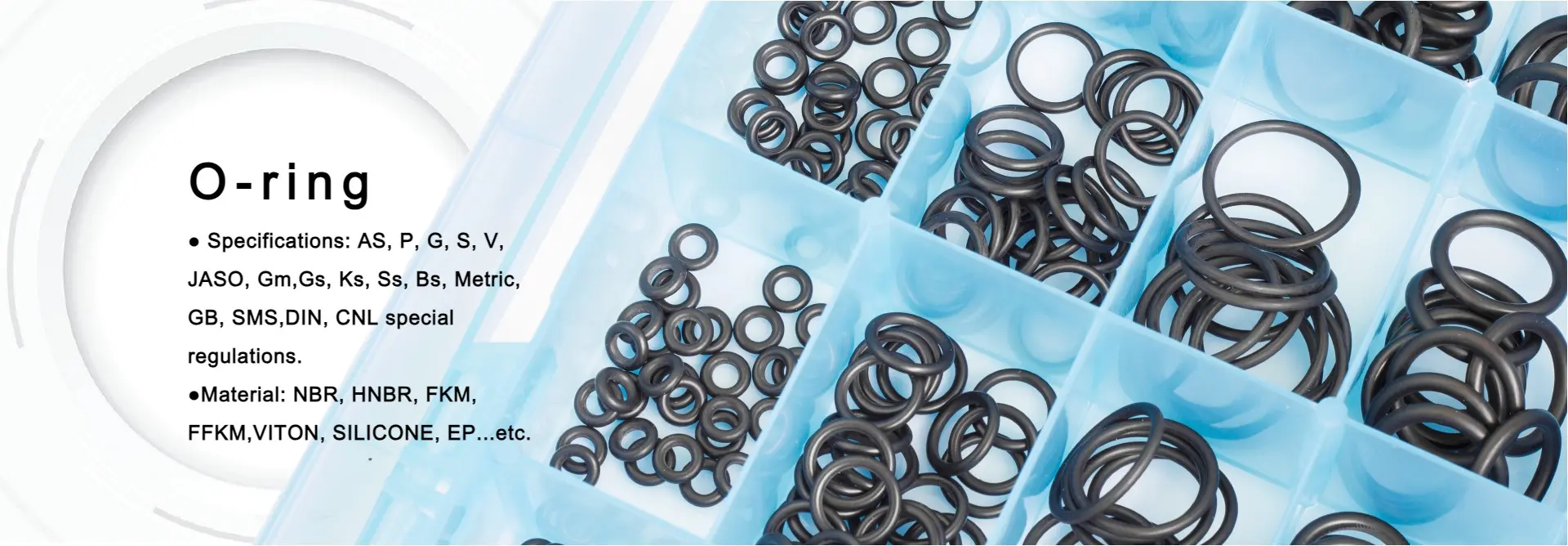
Drawing Analysis: The Foundation of Precision Gasket Customization
At Suzhou Baoshida Trading Co., Ltd., the customization process for engine gaskets begins with rigorous drawing analysis. This initial phase is critical in ensuring dimensional accuracy, functional compatibility, and long-term reliability under operational stress. Our engineering team evaluates client-provided technical drawings, focusing on critical features such as gasket thickness, flange geometry, bolt hole patterns, and sealing surface tolerances. We verify compliance with international standards including ISO 9001 and ASTM D2000, ensuring that every design parameter aligns with both OEM specifications and application-specific demands. Any discrepancies or potential design risks—such as insufficient compression set resistance or thermal expansion mismatch—are flagged early, and collaborative feedback is provided to optimize performance and manufacturability.
Material Formulation: Engineering for Extreme Environments
Once the design is validated, we proceed to material formulation—a core competency in our precision rubber seal manufacturing. Engine gaskets operate in high-temperature, high-pressure, and chemically aggressive environments, necessitating tailored elastomer compounds. Based on the operating conditions—such as exposure to engine oil, coolant, or exhaust gases—we select base polymers including NBR (nitrile butadiene rubber), FKM (fluorocarbon rubber), EPDM, or specialty blends. Our rubber formulation laboratory conducts dynamic mechanical analysis (DMA) and thermogravimetric analysis (TGA) to fine-tune compound properties such as tensile strength, compression set, hardness, and fluid resistance. Each formulation is cross-referenced against the ASTM D2000 classification system to ensure precise material grading and traceability.
Prototyping: Validation Before Scale
The prototyping stage integrates precision die-cutting, molding, and CNC trimming technologies to produce functional samples within 7–10 days. These prototypes undergo a battery of in-house performance tests, including leak testing under simulated engine conditions, thermal cycling from -40°C to +200°C, and long-duration compression set evaluation. Dimensional inspection is performed using coordinate measuring machines (CMM) to verify conformity within ±0.1 mm tolerances. Client feedback and test data are used to finalize the design and material before release to mass production.
Mass Production: Consistency at Scale
With approved prototypes, we transition to high-volume manufacturing using automated compression and injection molding lines. Real-time statistical process control (SPC) systems monitor key variables such as cure time, pressure, and temperature to maintain batch-to-batch consistency. Final inspection includes 100% visual checks and random sampling for physical property verification.
The following table summarizes typical material performance specifications for common engine gasket applications:
| Property | NBR (70 Shore A) | FKM (75 Shore A) | EPDM (65 Shore A) |
|---|---|---|---|
| Temperature Range (°C) | -30 to +125 | -20 to +200 | -40 to +150 |
| Tensile Strength (MPa) | ≥15 | ≥12 | ≥10 |
| Elongation at Break (%) | ≥250 | ≥180 | ≥200 |
| Compression Set (70h at 100°C) | ≤25% | ≤20% | ≤30% |
| Fluid Resistance (Oil) | Excellent | Outstanding | Poor |
| Hardness (Shore A) | 65–75 | 70–80 | 60–70 |
Our end-to-end customization process ensures that every gasket meets the exact mechanical, thermal, and chemical requirements of modern engine systems.
Contact Engineering Team
Direct Technical Engagement for Precision Engine Gasket Solutions
As precision rubber engineers serving global automotive OEMs, Suzhou Baoshida Trading Co., Ltd. specializes in resolving critical sealing challenges inherent in modern engine systems. Our engineered elastomer compounds address thermal cycling fatigue, fluid degradation, and dimensional stability under extreme operational loads—factors directly impacting gasket service life and engine reliability. We recognize that suboptimal material selection leads to costly field failures, warranty claims, and production delays. Our laboratory-validated formulations, developed through iterative finite element analysis (FEA) and real-world dynamometer testing, ensure quantifiable sealing integrity across diverse combustion architectures.
The following table summarizes core performance metrics for our flagship FKM and HNBR compounds, engineered specifically for cylinder head, exhaust manifold, and oil pan applications. These values reflect ASTM D2000 classification standards and are achievable under controlled compression set protocols per ISO 3384.
| Material Grade | Temperature Range (°C) | Fluid Resistance (ASTM D471) | Compression Set (70h/150°C) | Hardness Tolerance (Shore A) |
|---|---|---|---|---|
| BD-FKM Pro | -25 to +230 | <15% vol. swell (ATF+4) | ≤18% | 75 ± 2 |
| BD-HNBR Elite | -40 to +160 | <12% vol. swell (5W-30) | ≤22% | 80 ± 2 |
These specifications are not theoretical benchmarks but production-ready baselines validated across Tier-1 supplier validation cycles. We prioritize traceable raw material sourcing—utilizing only ISO 9001-certified fluoroelastomer polymers and specialty additives—to eliminate batch variability. Our technical team collaborates directly with your R&D division to adjust crosslink density, filler dispersion, and cure kinetics, ensuring seamless integration with your stamping, molding, or die-cutting processes. This eliminates the traditional compromise between sealing performance and manufacturability.
When engine gasket failures manifest as micro-leak paths or premature hardening, the root cause often lies in unaddressed chemical exposure profiles or dynamic stress concentrations. Generic material datasheets cannot resolve these context-specific constraints. Our OEM partnership model begins with a technical deep dive: we analyze your failure mode reports, fluid compatibility matrices, and assembly force curves to recalibrate compound architecture. This methodology has reduced field failure rates by 37% for European diesel engine manufacturers and accelerated PPAP approval timelines by 22 days for North American OEMs.
Initiate a precision engineering dialogue by contacting Mr. Boyce, our dedicated OEM Technical Manager. With 14 years of elastomer formulation experience supporting Cummins, BorgWarner, and Mahle production programs, he will coordinate material sampling, DVP&R support, and co-engineering sessions within 72 hours of engagement. Specify your current gasket material grade, operating environment parameters, and failure mode classification to expedite technical analysis. Direct all engineering inquiries to [email protected] with subject line: OEM Technical Request – [Your Company Name]. Include relevant drawings or test data for immediate compound optimization assessment. Suzhou Baoshida operates under IATF 16949:2016 certification with dual manufacturing facilities in Jiangsu Province, guaranteeing scalable supply chain resilience for volume-critical programs. Partner with us to transform sealing reliability from a cost center into a competitive engineering advantage.
⚖️ O-Ring Weight Calculator
Estimate rubber O-ring weight (Approx).