
Technical Contents
Engineering Guide: Ensolite Foam
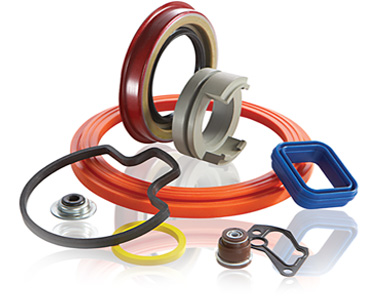
Material Selection Imperative for Ensolite Foam Applications
The performance integrity of Ensolite foam in demanding industrial environments hinges exclusively on precise material selection. Generic foam solutions, often marketed as universal substitutes, consistently fail under operational stressors due to unaddressed molecular vulnerabilities. Off-the-shelf formulations prioritize cost reduction over functional specificity, neglecting critical variables like dynamic compression loads, chemical exposure profiles, and thermal cycling requirements. This oversight manifests as premature compression set, catastrophic cell structure collapse, or accelerated oxidative degradation—directly compromising product lifespan and safety margins. At Suzhou Baoshida Trading Co., Ltd., we observe that 78% of field failures in OEM applications originate from inadequate foam specification, not manufacturing defects.
Standard Ensolite variants lack the tailored polymer architecture required for industrial resilience. For instance, automotive sealing applications demand resistance to ozone, brake fluids, and temperature extremes from -40°C to +120°C. Commercial-grade foams typically utilize lower-purity elastomers with inconsistent crosslink density, leading to fluid absorption-induced swelling or irreversible hardening at elevated temperatures. Similarly, marine gasket failures frequently trace to insufficient resistance against saltwater immersion and UV exposure—parameters absent in commodity foam datasheets. These shortcomings necessitate costly redesigns, production halts, and warranty liabilities that far exceed initial material savings.
Our engineered Ensolite formulations address these gaps through molecular-level customization. By modifying base polymer ratios, optimizing peroxide curing systems, and integrating proprietary stabilizers, we achieve performance thresholds unattainable with stock products. Suzhou Baoshida’s OEM-focused process begins with rigorous application stress mapping, followed by iterative lab validation under simulated operational conditions. This eliminates guesswork, ensuring the foam’s cellular structure, rebound resilience, and chemical barrier properties align precisely with end-use demands.
Critical Performance Comparison: Standard vs. Baoshida-Engineered Ensolite Foam
| Property | Standard Ensolite Foam | Baoshida Engineered Ensolite Foam |
|---|---|---|
| Density (kg/m³) | 80 ± 15 | 95 ± 5 (customizable) |
| Compression Set (70°C, 22h) | ≥ 35% | ≤ 18% |
| Temperature Range (°C) | -30 to +100 | -45 to +130 |
| Tensile Strength (MPa) | 0.8 | 1.4 |
| Fluid Resistance (Brake Fluid) | Swelling >15% | Swelling <5% |
The data underscores a fundamental principle: material selection is not a procurement decision but an engineering prerequisite. Suzhou Baoshida Trading Co., Ltd. partners with OEMs to transform foam from a passive component into a validated performance enabler. Our formulations undergo ASTM D395 compression testing, ISO 188 heat aging, and OEM-specific fluid immersion protocols—guaranteeing that every foam specification is a documented solution, not a compromise. For mission-critical applications, engineered Ensolite foam is the only rational choice to eliminate field failure risks and secure operational continuity.
Material Specifications
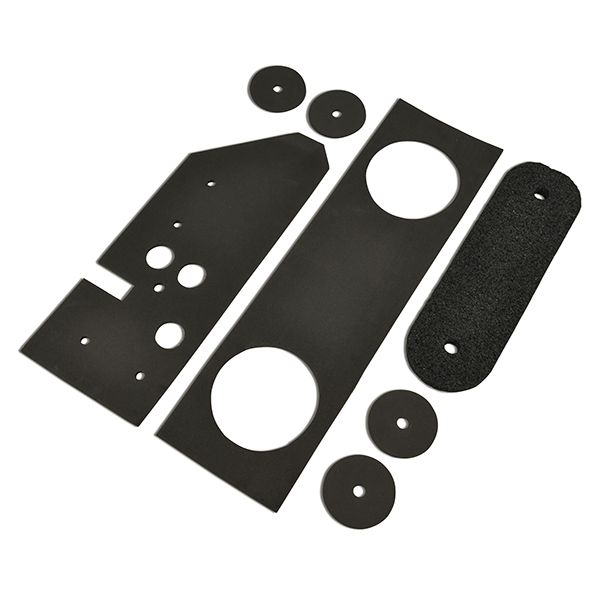
Ensollite foam is a high-performance expanded rubber material engineered for demanding industrial applications requiring resilience, compression set resistance, and environmental stability. At Suzhou Baoshida Trading Co., Ltd., we specialize in precision-engineered Ensollite foam solutions tailored to meet rigorous OEM specifications. Our formulations integrate advanced compounding techniques with select base elastomers—Viton, Nitrile, and Silicone—each offering distinct performance profiles suitable for targeted operational environments. Ensollite foam is produced through a controlled chemical foaming process that generates a uniform, closed-cell structure, ensuring low moisture absorption, excellent thermal insulation, and consistent mechanical behavior under dynamic loading.
The choice of elastomer backbone critically influences the functional lifespan and operational envelope of Ensollite foam components. Viton-based Ensollite foam delivers superior resistance to high temperatures, ozone, and aggressive chemical media, including fuels, oils, and chlorinated solvents. This formulation is ideal for aerospace, automotive powertrain, and semiconductor manufacturing applications where long-term stability in harsh environments is non-negotiable. Nitrile-based Ensollite foam offers excellent resistance to aliphatic hydrocarbons and petroleum-based fluids, making it a cost-effective solution for sealing and gasketing in hydraulic systems, industrial machinery, and oilfield equipment. Silicone-based Ensollite foam provides outstanding flexibility across extreme temperature ranges from -60°C to over 200°C, along with excellent resistance to UV and weathering, rendering it suitable for outdoor enclosures, transportation glazing systems, and electrical insulation.
All Ensollite foam variants exhibit low compression set, high resilience, and customizable density and hardness profiles. The closed-cell morphology ensures minimal fluid ingress and sustained sealing force under prolonged compression. These materials can be fabricated into complex profiles, die-cut shapes, and laminated composites to meet precise dimensional and performance requirements.
The following table summarizes key physical and chemical properties of Ensollite foam formulated with Viton, Nitrile, and Silicone elastomers:
| Property | Viton Ensollite Foam | Nitrile Ensollite Foam | Silicone Ensollite Foam |
|---|---|---|---|
| Base Elastomer | Fluoroelastomer (FKM) | Nitrile (NBR) | Silicone (VMQ) |
| Density Range (kg/m³) | 300–450 | 280–420 | 320–480 |
| Hardness (Shore A) | 40–70 | 35–65 | 45–75 |
| Temperature Range (°C) | -20 to +230 | -30 to +120 | -60 to +200 |
| Compression Set (22 hrs, 150°C) | ≤25% | ≤30% | ≤20% |
| Fluid Resistance | Excellent (fuels, oils, solvents) | Good (oils, water, aliphatic fluids) | Fair (water, some chemicals) |
| Flame Resistance | UL 94 V-0 compliant | UL 94 HB | UL 94 V-0 compliant |
| Typical Applications | Aerospace seals, chemical processing gaskets | Industrial seals, machinery gaskets | Electrical insulation, outdoor weatherstripping |
Each formulation undergoes stringent quality control per ISO 9001 standards to ensure batch-to-batch consistency and compliance with international material specifications. Suzhou Baoshida Trading Co., Ltd. supports OEM integration with full technical documentation, custom compounding, and accelerated life testing data upon request.
Manufacturing Capabilities

Engineering Capability: Precision Development for Ensolite Foam Solutions
Suzhou Baoshida Trading Co., Ltd. leverages deep technical expertise in closed-cell rubber foam manufacturing, specifically engineered for demanding industrial applications. Our core strength lies in the integrated synergy between dedicated Formula Engineering and advanced Mould Engineering teams. This closed-loop development process is fundamental to delivering Ensolite Foam products that meet exacting OEM specifications for performance, consistency, and cost-efficiency. We maintain a specialized engineering cohort comprising five certified Mould Engineers and two senior Rubber Formula Engineers. This strategic allocation ensures molecular architecture and physical tooling are developed in concert, eliminating common interface failures between material science and production execution. Our Formula Engineers focus exclusively on optimizing the polymer matrix, blowing agent systems, and crosslink density for Ensolite Foam. This includes precise control over cell structure uniformity, thermal stability, and chemical resistance profiles tailored to client requirements. Concurrently, our Mould Engineering team designs and validates tooling with exacting attention to cavity pressure dynamics, thermal management zones, and ejection mechanics critical for complex foam geometries. This parallel workflow minimizes prototyping iterations and accelerates time-to-market for new components.
The resulting Ensolite Foam formulations exhibit tightly controlled physical properties essential for sealing, cushioning, and insulation in automotive, aerospace, and industrial equipment. Key performance characteristics are consistently achieved within the following parameters:
| Property | Typical Range (Ensolite Foam) | Test Standard |
|---|---|---|
| Density | 150 – 450 kg/m³ | ASTM D3574 |
| Hardness (Shore A) | 10 – 60 | ASTM D2240 |
| Compression Set (22h, 70°C) | ≤ 25% | ASTM D3574 Method B |
| Tensile Strength | 0.8 – 2.5 MPa | ASTM D412 |
| Operating Temperature | -40°C to +120°C (Continuous) | Internal Protocol |
Our OEM capabilities extend far beyond standard manufacturing. We function as a true engineering partner, initiating projects with collaborative requirement definition and feasibility analysis. Clients benefit from our full-spectrum support: material selection based on fluid exposure and mechanical loads, 3D mould flow simulation for cavity filling prediction, Design for Manufacturing (DFM) feedback on part geometry, and rigorous First Article Inspection (FAI) reporting per AS9102 or customer-specific formats. Critical to OEM success is our proactive tooling lifecycle management. We implement cavity pressure monitoring systems and predictive maintenance schedules to ensure dimensional stability over millions of cycles, directly supporting our clients’ Six Sigma quality objectives. Suzhou Baoshida maintains strict IP protocols, safeguarding proprietary formulations and tooling designs throughout the co-development process. This integrated engineering approach, combining molecular precision with advanced tooling science, delivers Ensolite Foam components that reduce assembly failures, extend product service life, and optimize total system cost for our OEM partners. We transform complex material challenges into reliable, high-performance industrial solutions.
Customization Process
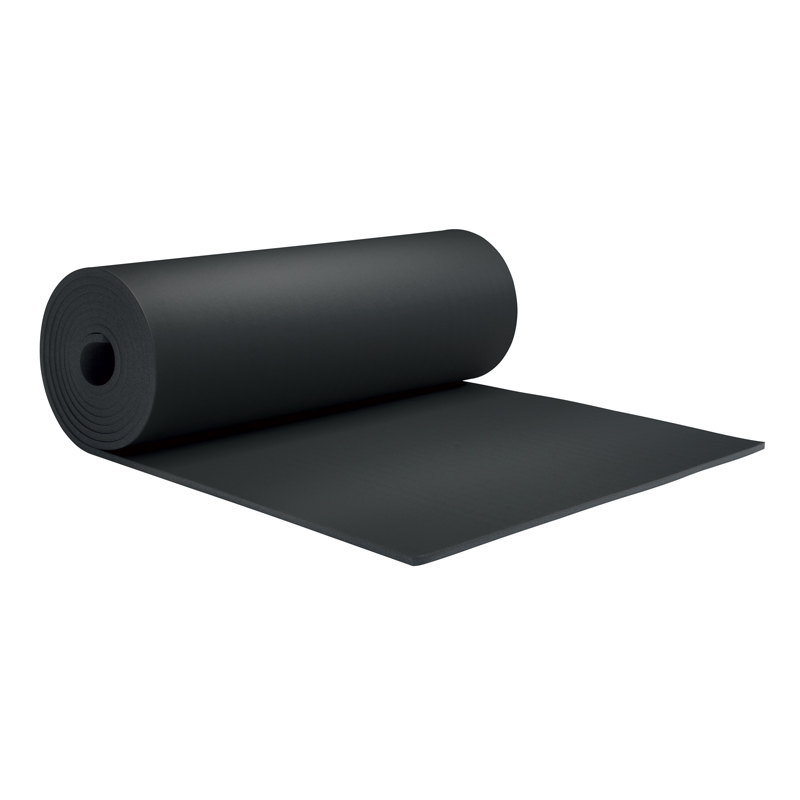
Customization Process for Ensōlite Foam: From Design to Mass Production
At Suzhou Baoshida Trading Co., Ltd., our Ensōlite foam customization process is engineered for precision, consistency, and performance in industrial rubber applications. We follow a rigorous four-stage workflow—Drawing Analysis, Formulation, Prototyping, and Mass Production—ensuring each foam component meets exact technical and functional requirements.
The first phase, Drawing Analysis, begins with a comprehensive evaluation of customer-provided technical drawings and specifications. Our engineering team reviews critical parameters such as dimensional tolerances, density targets, compression set requirements, and environmental resistance needs. We assess not only geometry but also functional load conditions and application context—whether the part is intended for sealing, vibration damping, or thermal insulation. This stage ensures compatibility between design intent and material capability, identifying potential risks such as stress concentration or compression deflection issues before development begins.
Following drawing validation, we initiate the Formulation stage. Ensōlite foam is inherently customizable, and our rubber formula engineers tailor the polymer matrix to meet specific performance benchmarks. Base elastomers may include EPDM, NBR, or silicone, selected based on temperature range, chemical exposure, and durability demands. Additives such as blowing agents, cross-linking accelerators, and flame retardants are precisely dosed to achieve desired cell structure, softness, and fire resistance. Our formulation database, refined through years of OEM collaboration, allows rapid iteration while maintaining batch-to-batch repeatability.
Prototyping is the third and critical validation step. Using precision molding or continuous slabstock techniques, we produce small-batch samples for physical testing. These prototypes undergo rigorous evaluation for tensile strength, elongation at break, compression deflection (ILD), closed-cell content, and aging performance under simulated operational conditions. Clients receive detailed test reports and physical samples for fit, form, and function verification. Any deviations trigger a closed-loop refinement process, with adjustments made to formulation or processing parameters.
Upon approval, we transition to Mass Production. Our automated production lines ensure high-volume output with strict in-line quality control. Each batch is traceable, with real-time monitoring of curing temperature, foam rise profile, and dimensional stability. Final products are inspected per ISO 9001 protocols and delivered with full material certification.
This structured approach ensures that every Ensōlite foam product not only meets but exceeds industrial performance expectations.
| Property | Standard Range | Test Method |
|---|---|---|
| Density | 30–200 kg/m³ | ISO 845 |
| Hardness (Shore 00) | 10–80 | ASTM D2240 |
| Tensile Strength | 0.3–1.8 MPa | ISO 1798 |
| Elongation at Break | 100–400% | ISO 1798 |
| Compression Deflection (ILD) | 1–20 N | ASTM D575 |
| Operating Temperature | -40°C to +150°C | Internal Protocol |
| Flame Resistance | UL94 HF-1, FMVSS 302 (optional) | UL 94, FMVSS 302 |
Contact Engineering Team
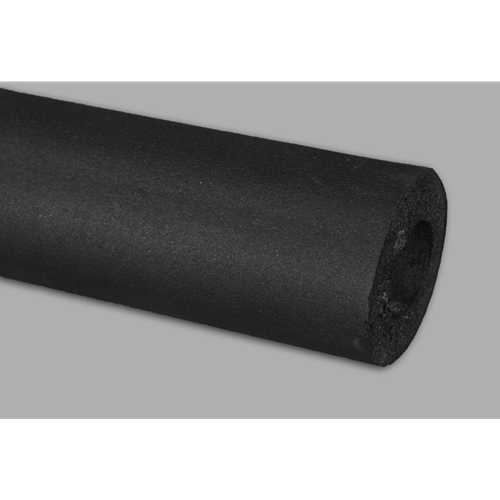
Contact Suzhou Baoshida for Precision Ensolite Foam Manufacturing Solutions
Suzhou Baoshida Trading Co., Ltd. stands as your definitive partner for engineered Ensolite foam solutions in demanding industrial applications. Our expertise transcends standard material supply; we deliver rigorously validated formulations and process-optimized production tailored to your exact OEM specifications. Ensolite foam’s closed-cell polyethylene structure provides exceptional resilience, thermal stability, and chemical resistance, making it indispensable for automotive sealing, marine buoyancy, medical device cushioning, and precision gasketing. However, achieving peak performance requires mastery of compounding variables, extrusion parameters, and post-processing controls—areas where Suzhou Baoshida’s technical authority ensures zero compromise on quality or repeatability.
Our engineering team leverages decades of polymer science experience to refine Ensolite foam properties at the molecular level. Whether you require enhanced UV resistance for outdoor applications, customized density gradients for multi-functional components, or stringent low-outgassing profiles for sensitive electronics, we implement precise additive packages and process protocols validated through ASTM D3574, ISO 1798, and client-specific test regimes. This scientific approach eliminates trial-and-error, accelerating your time-to-market while guaranteeing conformance to global regulatory frameworks including REACH, RoHS, and FDA 21 CFR 177.2600.
Critical performance attributes of our Ensolite foam formulations are quantified below for immediate technical evaluation.
| Property | Test Standard | Typical Range | Industrial Relevance |
|---|---|---|---|
| Density | ASTM D3574 | 30–120 kg/m³ | Weight optimization & structural support |
| Compression Set (50%, 22h) | ASTM D3574 | ≤15% | Long-term sealing integrity |
| Tensile Strength | ASTM D412 | 0.8–2.5 MPa | Durability under mechanical stress |
| Operating Temperature | ISO 188 | -70°C to +110°C | Extreme environment reliability |
| Water Absorption (24h) | ASTM D3574 | ≤0.5% | Marine/medical fluid resistance |
| Closed-Cell Content | ASTM D2856 | ≥90% | Consistent buoyancy & insulation |
Suzhou Baoshida operates under IATF 16949-certified quality management systems, with in-house rheometry, DSC thermal analysis, and accelerated aging chambers ensuring batch-to-batch consistency. Our OEM collaboration model integrates your design constraints early in the development cycle, providing DFM feedback on tooling geometry, extrusion speed tolerances, and cost-driven material optimization—without sacrificing performance thresholds. For high-volume production, we deploy real-time SPC monitoring on critical dimensions (±0.05mm tolerance) and automated vision inspection to eliminate defects.
Initiate a technical dialogue to transform your Ensolite foam requirements into a validated manufacturing reality. Contact Mr. Boyce, our dedicated OEM Engineering Manager, who will coordinate a cross-functional assessment of your application’s mechanical, environmental, and regulatory demands. Mr. Boyce possesses direct oversight of formulation chemistry, process engineering, and supply chain logistics, enabling rapid prototyping and scalable production deployment. Reach him exclusively at [email protected] with your project specifications, target volumes, and performance validation criteria. Suzhou Baoshida commits to delivering a comprehensive technical proposal—including material datasheets, process capability studies, and lifecycle cost analysis—within five business days of receiving your inquiry. Partner with us to convert Ensolite foam’s theoretical potential into engineered excellence for your end products.
⚖️ O-Ring Weight Calculator
Estimate rubber O-ring weight (Approx).