
Technical Contents
Engineering Guide: Epdm Folie
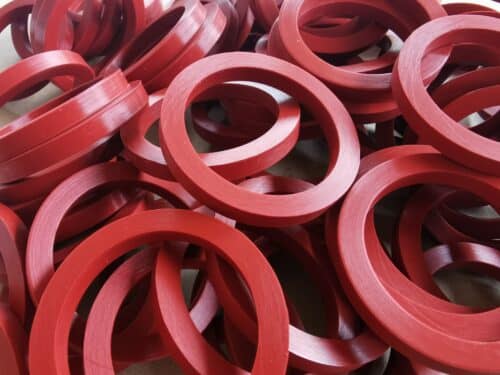
Engineering Insight: The Critical Role of Material Selection in EPDM Folie Applications
In industrial environments where durability, chemical resistance, and long-term performance are non-negotiable, the selection of elastomeric materials such as EPDM folie is not a matter of convenience—it is a precision engineering decision. While off-the-shelf rubber sheets may appear cost-effective upfront, they frequently fail to meet the rigorous demands of specialized applications in construction, automotive sealing, HVAC systems, and water management infrastructure. These failures stem from inadequate formulation, inconsistent cross-linking, or improper reinforcement—issues directly tied to generic material selection.
EPDM (Ethylene Propylene Diene Monomer) is inherently valued for its exceptional resistance to ozone, UV radiation, and extreme temperatures ranging from -50°C to +150°C. However, not all EPDM formulations deliver these properties uniformly. Commercial-grade sheets often utilize high-filler content, recycled polymers, or suboptimal curing systems to reduce costs, which compromises tensile strength, elongation at break, and compression set performance. In critical sealing applications, such deficiencies lead to premature cracking, loss of elasticity, and system leakage.
At Suzhou Baoshida Trading Co., Ltd., we emphasize engineered material solutions tailored to operational parameters. For instance, an EPDM folie used in a solar panel encapsulation application requires superior UV stability and low water absorption, whereas a gasket in a wastewater treatment plant demands resistance to dilute acids and prolonged immersion. Off-the-shelf products rarely account for these nuanced requirements, resulting in field failures that outweigh initial savings.
Material homogeneity, cure kinetics, and reinforcement strategy are equally vital. Industrial-grade EPDM folie must exhibit uniform dispersion of curatives and fillers to ensure consistent cross-link density. Non-uniform curing leads to weak zones prone to extrusion or compression stress relaxation. Moreover, the inclusion of reinforcing agents such as carbon black or silica must be optimized—not only for mechanical strength but also for maintaining flexibility under dynamic loads.
The following table outlines key performance specifications differentiating industrial-grade EPDM folie from standard commercial equivalents:
| Property | Industrial-Grade EPDM Folie | Commercial-Grade EPDM Sheet |
|---|---|---|
| Tensile Strength (MPa) | ≥18 | 8–12 |
| Elongation at Break (%) | ≥450 | 250–350 |
| Hardness (Shore A) | 50–80 (customizable) | 60–70 (fixed range) |
| Compression Set (22 hrs, 100°C) | ≤20% | ≤40% |
| Operating Temperature Range | -50°C to +150°C | -40°C to +120°C |
| Ozone Resistance | Excellent (ASTM D1149, no cracking) | Moderate (surface microcracking observed) |
| Water Absorption (24 hrs) | ≤0.5% | ≤1.5% |
These specifications reflect the engineered advantage: reliability under sustained stress, environmental exposure, and thermal cycling. At Baoshida, we collaborate with OEMs to define material architecture based on application stressors—ensuring that every meter of EPDM folie performs as intended, for as long as required. In industrial rubber solutions, precision in material selection is not optional—it is foundational.
Material Specifications
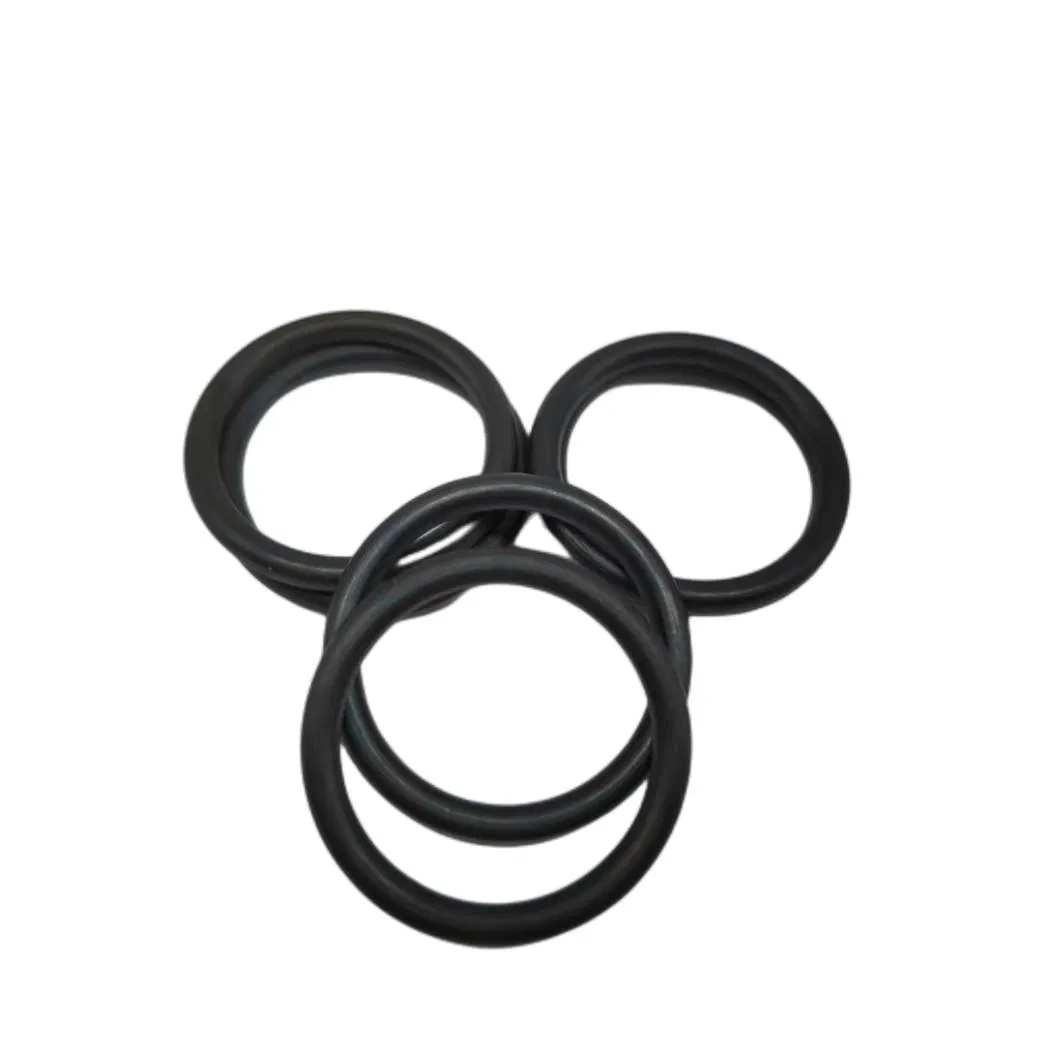
EPDM Folie Material Specifications: Critical Performance Parameters for Industrial Applications
Suzhou Baoshida Trading Co., Ltd. provides engineered EPDM folie solutions optimized for demanding industrial sealing, gasketing, and protective barrier applications. EPDM (Ethylene Propylene Diene Monomer) excels in environments requiring exceptional resistance to ozone, weathering, steam, and polar fluids, with continuous service temperatures up to 150°C. Its saturated hydrocarbon backbone delivers superior stability against degradation compared to unsaturated rubbers. However, EPDM exhibits limited compatibility with petroleum-based oils and fuels, necessitating careful material selection against application-specific chemical exposure. To facilitate informed decision-making, we present a comparative analysis of EPDM against Viton (FKM), Nitrile (NBR), and Silicone (VMQ) across core performance metrics.
The following table details essential properties for standardized industrial-grade compounds at typical durometer ranges (60–80 Shore A). All data reflects ASTM/ISO test methodologies under controlled laboratory conditions; actual field performance may vary based on formulation additives, part geometry, and dynamic stress factors.
| Property | EPDM | Viton (FKM) | Nitrile (NBR) | Silicone (VMQ) |
|---|---|---|---|---|
| Temperature Range (°C) | -50 to +150 | -20 to +230 | -30 to +120 | -60 to +200 |
| Tensile Strength (MPa) | 15–25 | 10–20 | 10–25 | 5–12 |
| Elongation at Break (%) | 250–450 | 150–300 | 200–500 | 200–800 |
| Hardness Range (Shore A) | 40–90 | 50–90 | 40–95 | 30–80 |
| Compression Set (22h/150°C) % | 20–40 | 15–30 | 30–60 | 10–25 |
| Ozone Resistance | Excellent | Excellent | Poor | Good |
| Water/Steam Resistance | Excellent | Good | Fair | Excellent |
| Aliphatic Hydrocarbon Res. | Poor | Excellent | Good | Poor |
| Aromatic Hydrocarbon Res. | Very Poor | Excellent | Fair | Very Poor |
| Cost Factor (Relative) | Low | Very High | Medium | High |
EPDM folie demonstrates unmatched value for cost-sensitive applications involving hot water, steam, brake fluids, and outdoor exposure, such as HVAC systems, automotive cooling circuits, and construction weatherstripping. Its low compression set at elevated temperatures ensures long-term sealing integrity in static joints. Viton remains indispensable for extreme chemical resistance in aerospace fuel systems and chemical processing, despite its premium cost. Nitrile offers the optimal balance for hydraulic and lubrication systems encountering mineral oils, leveraging its tunable acrylonitrile content for tailored oil/fuel resistance. Silicone provides critical flexibility and biocompatibility for medical devices and extreme-temperature electrical insulation but requires reinforcement for high-stress mechanical applications.
Suzhou Baoshida formulates EPDM folie with precise peroxide or sulfur cure systems to meet ISO 3601 or SAE AS568 dimensional standards, ensuring compatibility with global OEM tooling. We recommend validating chemical resistance via immersion testing per ASTM D471 using actual service fluids, as additive packages significantly influence real-world performance. Contact our technical team for application-specific compound certifications and accelerated aging protocols.
Manufacturing Capabilities
Engineering Capability
At Suzhou Baoshida Trading Co., Ltd., our engineering capability forms the backbone of our industrial rubber solutions, particularly in the development and production of high-performance EPDM folie for demanding OEM applications. Our technical team comprises five dedicated mould engineers and two specialized rubber formula engineers, enabling us to deliver fully integrated product development from concept to mass production. This cross-functional expertise ensures precision in both material formulation and tooling design, critical for achieving consistent performance, dimensional accuracy, and long-term durability in complex sealing and insulation systems.
Our formula engineers possess deep expertise in polymer chemistry, with a focused specialization in EPDM (Ethylene Propylene Diene Monomer) compounding. They design custom formulations tailored to specific environmental challenges, including extreme temperature resistance (-50°C to +150°C), UV and ozone stability, water and steam resistance, and low compression set. By adjusting the polymer base, filler systems, vulcanization agents, and additive packages, we engineer EPDM folie that meets exacting performance criteria across automotive, construction, HVAC, and industrial equipment sectors. Each formulation undergoes rigorous laboratory testing for tensile strength, elongation at break, hardness, and aging characteristics before validation.
Complementing our material science capability, our five mould engineers bring extensive experience in precision rubber mould design and process optimization. They utilize advanced CAD/CAM software to develop efficient, high-tolerance moulds for compression, transfer, and injection moulding processes. Their designs incorporate features such as optimized venting, balanced runner systems, and thermal management to minimize defects and ensure repeatable part quality. Through close collaboration with our formula team, they ensure that the mould geometry and processing parameters are fully aligned with the rheological behavior of the formulated compound.
Our OEM capabilities are structured to support clients throughout the entire product lifecycle. We offer full technical consultation during the design phase, including DFM (Design for Manufacturability) analysis, prototyping, and iterative testing. This collaborative approach reduces time-to-market and mitigates risks associated with material or tooling failures. With in-house tooling fabrication and rubber compounding, we maintain tight control over quality, lead times, and intellectual property, making us a trusted partner for global OEMs requiring reliable, scalable, and technically advanced rubber solutions.
The following table outlines the standard technical specifications achievable with our engineered EPDM folie:
| Property | Test Method | Typical Value |
|---|---|---|
| Hardness (Shore A) | ASTM D2240 | 40–90 ±5 |
| Tensile Strength | ASTM D412 | ≥10 MPa |
| Elongation at Break | ASTM D412 | ≥250% |
| Compression Set (22h at 100°C) | ASTM D395 | ≤30% |
| Temperature Range | — | -50°C to +150°C |
| Specific Gravity | ASTM D297 | 1.25–1.45 g/cm³ |
| Durometer Tolerance | ISO 48-4 | ±5 Shore A |
Through the synergy of advanced material science and precision engineering, Suzhou Baoshida delivers EPDM folie solutions that meet the highest industrial standards.
Customization Process
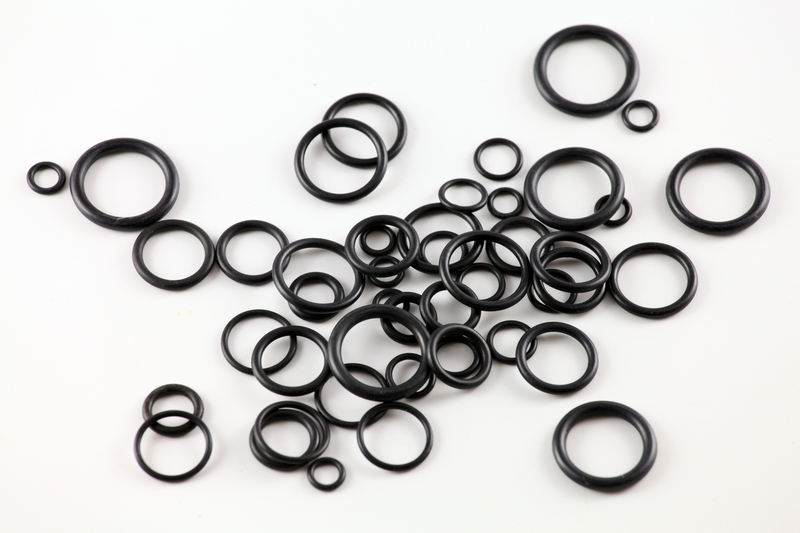
EPDM Folie Customization Process: Precision Engineering from Concept to Volume
At Suzhou Baoshida Trading Co., Ltd., our EPDM folie customization follows a rigorously defined sequence to ensure technical compliance and operational efficiency. The process initiates with Drawing Analysis, where engineering teams dissect client-provided technical schematics. We validate critical parameters including dimensional tolerances, edge definitions, and surface finish requirements against EPDM’s inherent material behavior during vulcanization. Minimum thickness feasibility, draft angles for extrusion, and potential stress concentration zones are assessed using CAD cross-referencing. This phase identifies manufacturability constraints early, preventing downstream rework and aligning expectations on achievable specifications.
Subsequent Formulation Development leverages our 15+ years of compound expertise. Based on the drawing analysis and client performance requirements (e.g., ozone resistance, temperature range, fluid compatibility), our lab engineers select optimal EPDM polymer grades (e.g., 5960Q, 4770) and tailor the additive package. Key variables include:
Filler type (N330 carbon black vs. silica) and loading for tensile strength
Peroxide vs. sulfur curing systems for compression set control
Plasticizer selection (e.g., TOTM) for low-temperature flexibility
Antioxidant blends for extended outdoor service life
Each formulation undergoes computational modeling to predict flow behavior during extrusion and final crosslink density, ensuring the compound meets the target Shore A hardness and elongation at break.
Prototyping commences only after formulation approval. We produce 3-5 sample batches using client-specified tooling or our precision-machined pilot dies. Samples undergo full ASTM D2000 validation:
Dimensional verification via CMM
Physical property testing (tensile, tear, hardness)
Accelerated aging (70°C x 72h, ozone resistance per ASTM D1149)
Fluid immersion tests per client media
Client feedback on prototype performance triggers iterative refinements, typically within 7-10 days. This phase mitigates risk by confirming real-world behavior before tooling commitment.
Mass Production deployment integrates statistical process control at every stage. Raw material lots are certified via FTIR and Mooney viscosity checks. During extrusion, laser micrometers monitor thickness in real-time (±0.05mm tolerance), while inline rheometers track cure state. Every batch undergoes final inspection against the approved drawing and material datasheet, with full traceability from polymer lot to finished roll. Our Suzhou facility maintains ISO 9001-certified workflows, enabling seamless scale-up from 500kg pilot runs to 50MT monthly volumes with consistent Cpk >1.33.
Typical EPDM Folie Technical Specifications
| Parameter | Standard Range | Test Method | Customizable |
|---|---|---|---|
| Hardness (Shore A) | 40 – 80 | ASTM D2240 | Yes |
| Thickness Tolerance | ±0.05mm to ±0.2mm | ISO 3768 | Yes |
| Tensile Strength | ≥10 MPa | ASTM D412 | Up to 18 MPa |
| Elongation at Break | ≥250% | ASTM D412 | Up to 500% |
| Compression Set (22h/70°C) | ≤25% | ASTM D395 | ≤15% |
| Ozone Resistance (50pphm) | No cracks (40h) | ASTM D1149 | 100+ hours |
| Operating Temperature | -50°C to +150°C | ISO 188 | Up to +180°C |
This structured approach ensures Suzhou Baoshida delivers EPDM folie solutions that meet exact technical demands while optimizing time-to-market for global OEM partners.
Contact Engineering Team
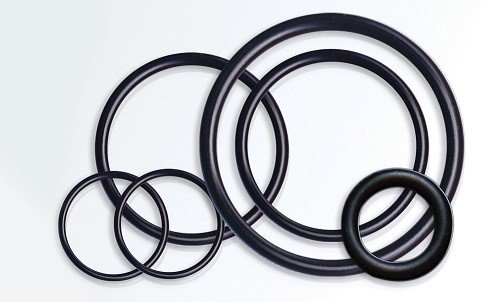
For industrial manufacturers seeking high-performance EPDM folie solutions, Suzhou Baoshida Trading Co., Ltd. stands as a trusted partner in the global rubber supply chain. Specializing in engineered elastomeric materials, we deliver precision-crafted EPDM (Ethylene Propylene Diene Monomer) folie products tailored to meet the stringent demands of construction, automotive, HVAC, and industrial sealing applications. Our technical expertise, combined with rigorous quality control and international compliance standards, ensures that every roll, sheet, or custom-cut component performs reliably under extreme thermal, UV, and weathering conditions.
EPDM folie is renowned for its exceptional resistance to ozone, UV radiation, and a wide temperature range from -50°C to +150°C. At Suzhou Baoshida, we offer a full range of standardized and custom-formulated EPDM sheets with controlled thickness, density, hardness, and tensile strength to align with project-specific requirements. Whether you require black or colored folie, smooth or textured surface finishes, or specific roll widths and lengths, our production network supports flexible manufacturing with consistent repeatability and traceability.
We understand that material performance is only as good as the technical support behind it. Our engineering team provides comprehensive consultation—from material selection and specification validation to application testing and long-term durability assessment. This client-centric approach ensures optimal integration of our EPDM folie into your production process, minimizing waste, reducing downtime, and enhancing product lifecycle performance.
For OEMs and industrial buyers, Suzhou Baoshida offers volume-based pricing, just-in-time delivery logistics, and full documentation including material test reports (MTRs), certificates of conformance (CoC), and RoHS/REACH compliance data. Our supply chain is optimized for stability, with inventory hubs in East Asia and Europe to support rapid fulfillment for both sample requests and bulk orders.
To initiate a technical discussion or request a material specification package, contact Mr. Boyce, OEM Account Manager and Rubber Formula Engineer at Suzhou Baoshida Trading Co., Ltd. Direct correspondence to [email protected] ensures immediate access to formulation data, performance benchmarks, and application engineering support. Mr. Boyce leads technical client engagement with over 12 years of experience in rubber compounding and industrial elastomer solutions, ensuring your project receives scientifically grounded, application-specific guidance.
Below is a representative specification table for our standard black EPDM folie product line:
| Property | Test Method | Value |
|---|---|---|
| Material Type | — | EPDM (Ethylene Propylene Diene Monomer) |
| Color | — | Black (custom colors available) |
| Hardness (Shore A) | ASTM D2240 | 50 ±5 |
| Tensile Strength | ASTM D412 | ≥10 MPa |
| Elongation at Break | ASTM D412 | ≥300% |
| Thickness Range | — | 0.5 mm to 5.0 mm |
| Width Range (Roll) | — | Up to 1500 mm |
| Temperature Resistance | — | -50°C to +150°C |
| Density | ASTM D297 | 1.25 ±0.05 g/cm³ |
| Ozone Resistance | ASTM D1149 | Excellent (No cracking after 100 hrs) |
| Surface Finish | — | Smooth, matte, or textured |
Contact Mr. Boyce today at [email protected] to discuss your technical requirements, request samples, or receive a formal quotation. Suzhou Baoshida Trading Co., Ltd. is committed to advancing industrial rubber solutions through precision engineering and responsive partnership.
⚖️ O-Ring Weight Calculator
Estimate rubber O-ring weight (Approx).