
Technical Contents
Engineering Guide: Epdm Nsf 61
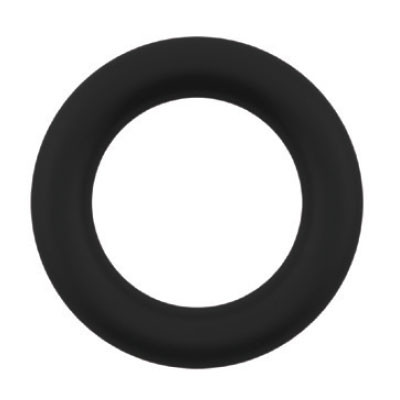
Engineering Insight: The Critical Imperative of Material Selection for NSF/ANSI 61-Compliant EPDM
Material selection is not merely a specification checkbox in fluid-handling applications; it is the foundational determinant of system integrity, regulatory compliance, and long-term operational safety. This is especially critical for elastomers exposed to potable water, where NSF/ANSI 61 certification is non-negotiable. Off-the-shelf EPDM compounds, while structurally similar to certified grades, frequently fail in demanding water infrastructure due to fundamental compositional and process deviations. Generic formulations prioritize cost and basic physical properties over the stringent chemical stability and purity mandated by NSF/ANSI 61. The consequences manifest as premature seal degradation, leaching of harmful contaminants, and catastrophic system failures, directly impacting public health and incurring significant remediation costs. Understanding the precise engineering behind true NSF 61 EPDM is essential for OEMs and specifiers.
The core failure mechanism of non-compliant EPDM lies in uncontrolled extractables. Standard industrial EPDM often utilizes plasticizers, accelerators, or fillers containing volatile organic compounds (VOCs), heavy metals, or other regulated substances. Under continuous water exposure, these components migrate into the fluid stream, violating NSF 61 limits for contaminants like phthalates, bisphenol A, or specific metals. Furthermore, inadequate cure systems in generic compounds lead to poor hydrolytic stability. Peroxide-cured networks, essential for NSF 61 resistance, are frequently substituted with less expensive sulfur systems in off-the-shelf grades. Sulfur-cured EPDM exhibits significantly higher compression set in hot water and is prone to reversion or excessive swelling, causing seal leakage and shortened service life. Inconsistent raw material sourcing and lax process controls in non-specialized production further exacerbate variability, making reliable performance impossible to guarantee.
True NSF/ANSI 61 compliance requires meticulous formulation science, not superficial labeling. Certified compounds utilize highly purified, NSF-listed raw materials exclusively. Plasticizers are eliminated or replaced with NSF-permissible alternatives like specific polyesters. Cure systems are exclusively peroxide-based with carefully selected co-agents to ensure dense, stable crosslink networks resistant to hydrolysis and thermal aging. Fillers are food-grade silica or calcium carbonate, rigorously tested for impurities. Every batch undergoes exhaustive extractable testing per Annex G protocols, simulating years of service in aggressive water conditions. This level of precision engineering ensures the compound maintains its physical properties while leaching contaminants far below regulatory thresholds.
The following table highlights critical differentiators between generic and NSF 61-compliant EPDM formulations:
| Parameter | Generic Industrial EPDM | NSF/ANSI 61-Compliant EPDM |
|---|---|---|
| Compound Composition | May contain regulated plasticizers (e.g., phthalates), impure fillers, sulfur-based accelerators | NSF-listed raw materials only; no regulated plasticizers; purified fillers; peroxide cure system |
| Curing System | Primarily sulfur-based | Exclusively peroxide-based with NSF-approved co-agents |
| Extractables Profile | High levels of VOCs, metals, organics likely; not validated per NSF protocols | Rigorously tested per NSF Annex G; contaminants consistently below action limits |
Selecting EPDM based solely on generic physical properties like hardness or tensile strength is a high-risk strategy for potable water applications. The hidden chemistry dictates real-world performance and safety. Suzhou Baoshida Trading Co., Ltd. engineers NSF 61 EPDM compounds to the exacting molecular level required, ensuring your seals and gaskets deliver decades of safe, reliable service without compromising water quality. Partnering with a specialist focused on regulatory-grade elastomer science is not an option—it is an operational necessity.
Material Specifications
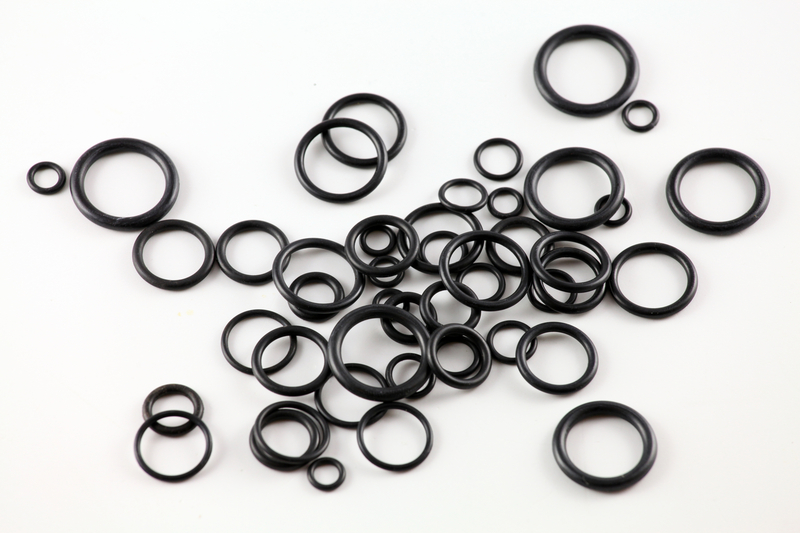
EPDM NSF 61-compliant rubber materials are essential for applications involving potable water systems, where safety, durability, and chemical resistance are critical. At Suzhou Baoshida Trading Co., Ltd., we specialize in high-performance industrial rubber solutions engineered to meet stringent regulatory standards, including NSF/ANSI 61 certification for safe contact with drinking water. While EPDM remains the primary material for such applications due to its excellent heat and steam resistance, combined with low extractables and compliance with health regulations, it is often necessary to compare its performance against other elastomers such as Viton, Nitrile, and Silicone. This comparison enables OEMs and system designers to make informed material decisions based on environmental exposure, mechanical demands, and regulatory requirements.
Viton, a fluorocarbon-based elastomer, offers superior resistance to high temperatures, oils, fuels, and aggressive chemicals. It performs reliably in extreme environments up to 200°C and maintains integrity under prolonged exposure to hydrocarbons. However, Viton is not typically NSF 61 certified for potable water applications due to formulation constraints and higher extractable levels, limiting its use in water distribution systems. Its primary applications remain in aerospace, automotive, and chemical processing industries.
Nitrile rubber, also known as Buna-N, is widely used for its excellent resistance to oils, greases, and aliphatic hydrocarbons. It offers good mechanical properties and compression set resistance at a lower cost than Viton. While certain formulations can be adapted for water contact, standard Nitrile compounds generally do not meet NSF 61 requirements due to potential leaching of plasticizers and accelerators. Therefore, its use in drinking water systems is restricted unless specifically certified.
Silicone rubber provides outstanding thermal stability from -60°C to 200°C and exhibits excellent resistance to ozone and UV radiation. It is inherently more biocompatible and is commonly used in food, medical, and pharmaceutical applications. Some high-purity, platinum-cured silicone formulations are available with NSF 61 certification, making them suitable for specific potable water seals and gaskets. However, silicone has relatively poor resistance to steam and water under pressure compared to EPDM, which limits its use in high-humidity or continuously immersed environments.
EPDM stands out in this group as the optimal choice for NSF 61-compliant applications. It demonstrates excellent resistance to hot water, steam, oxygenated solvents, and weathering. Our EPDM compounds are formulated to minimize extractables, ensuring compliance with health-based water quality standards. Additionally, EPDM offers good electrical insulation properties and long-term durability in outdoor environments.
Below is a comparative overview of key performance characteristics:
| Property | EPDM (NSF 61) | Viton | Nitrile | Silicone |
|---|---|---|---|---|
| Temperature Range (°C) | -50 to 150 | -20 to 200 | -30 to 120 | -60 to 200 |
| Steam Resistance | Excellent | Good | Poor | Fair |
| Water/Steam Compliance | NSF/ANSI 61 Certified | Not Certified | Limited Certification | Some Grades Certified |
| Oil/Fuel Resistance | Poor | Excellent | Excellent | Poor |
| Ozone/UV Resistance | Excellent | Good | Fair | Excellent |
| Compression Set Resistance | Good | Excellent | Good | Fair |
| Typical Applications | Potable water seals, HVAC, sanitary systems | Seals in fuel systems, chemical pumps | Fuel hoses, O-rings, gaskets | Medical devices, food processing, insulation |
At Suzhou Baoshida Trading Co., Ltd., we ensure all NSF 61-compliant EPDM products undergo rigorous testing and certification processes to meet international safety standards. Material selection must always consider the full scope of operational conditions, regulatory compliance, and lifecycle performance.
Manufacturing Capabilities
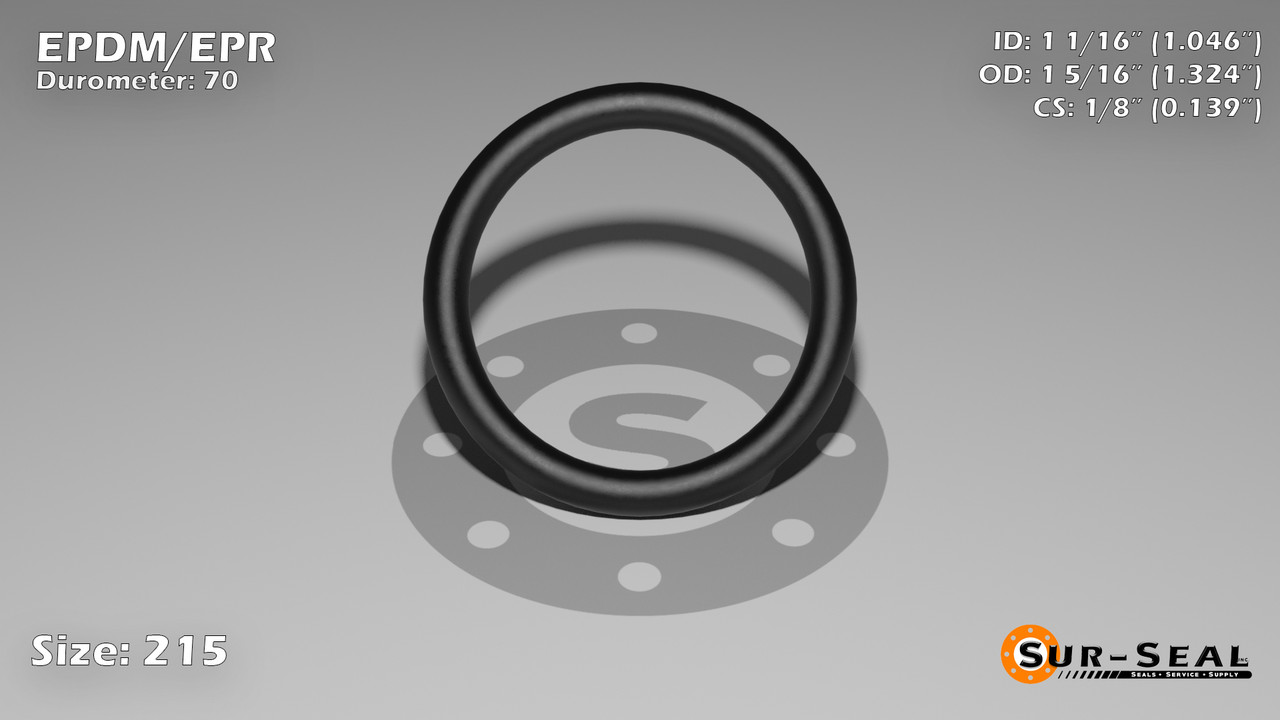
Engineering Capability: Precision Formulation and OEM Execution for NSF 61 Certified EPDM
Suzhou Baoshida Trading Co., Ltd. delivers certified potable water safety through rigorous engineering integration, specifically for NSF/ANSI 61 compliant EPDM compounds. Our core strength lies in the seamless collaboration between dedicated Formula Engineering and Mould Engineering disciplines, ensuring material integrity from molecular design to final manufactured component. This integrated approach is fundamental to meeting the stringent health effects requirements for products contacting drinking water.
Our Formula Engineering team, comprising two specialized experts, possesses deep expertise in polymer science and regulatory chemistry. They meticulously design EPDM formulations utilizing high-purity, NSF-listed raw materials. Critical focus areas include optimizing polymer chain architecture, controlling crosslink density via peroxide curing systems, and precisely dosing NSF-approved additives to eliminate extractable contaminants. Every compound undergoes exhaustive pre-qualification testing against NSF 61 Annex G requirements before client validation, significantly de-risking the certification process. This proactive formulation strategy ensures inherent compliance, not just post-hoc testing.
Complementing this, our team of five experienced Mould Engineers guarantees the flawless translation of design intent into physical reality. They apply advanced mold flow analysis and thermal modeling to optimize cavity design, gating systems, and cooling channels specifically for the rheological behavior of NSF 61 EPDM. This precision engineering minimizes internal stresses, prevents flash, and ensures uniform crosslinking throughout the part – critical factors for long-term compression set performance and dimensional stability in potable water environments. Their expertise directly mitigates common failure modes like seal leakage or premature degradation under continuous water exposure.
Our OEM capabilities are engineered for reliability and partnership. We manage the entire lifecycle: from initial co-development of material specifications aligned with your application’s pressure, temperature, and chemical resistance needs, through rigorous in-house validation per ASTM D2000 and NSF protocols, to full-scale production under ISO 9001 controls. Suzhou Baoshida provides comprehensive documentation, including full material lot traceability and certified test reports for every shipment, ensuring your audit readiness and supply chain transparency. We prioritize robust process validation to guarantee batch-to-batch consistency, a non-negotiable requirement for critical water infrastructure components.
The table below outlines key performance characteristics of our standard NSF 61 EPDM formulation, validated per relevant test methods:
| Parameter | Test Method | Target Value | NSF/ANSI 61 Requirement |
|---|---|---|---|
| Water Extractables | ASTM D1287 | < 0.50% | Pass/Fail (Specified) |
| Compression Set, Method B | ASTM D395 | ≤ 25% @ 100°C/70h | ≤ 30% |
| Tensile Strength | ASTM D412 | ≥ 10.0 MPa | Pass/Fail (Specified) |
| Elongation at Break | ASTM D412 | ≥ 250% | Pass/Fail (Specified) |
This engineering synergy – where formula science meets precision manufacturing – enables Suzhou Baoshida to reliably produce NSF 61 EPDM components that consistently exceed the demanding safety and performance standards of the global water infrastructure market. We partner with OEMs to transform regulatory requirements into robust, field-proven solutions.
Customization Process
Drawing Analysis: Precision in Interpretation
The customization process for EPDM NSF 61-compliant rubber components begins with meticulous drawing analysis. At Suzhou Baoshida Trading Co., Ltd., engineering teams conduct a comprehensive review of client-provided technical drawings, focusing on dimensional accuracy, tolerances, surface finish requirements, and application-specific conditions. This phase ensures full alignment with NSF/ANSI 61 standards for drinking water system safety. Critical parameters such as sealing interfaces, compression set requirements, and environmental exposure (e.g., temperature, pH, and fluid type) are evaluated to determine material suitability. Cross-functional validation between design, quality assurance, and production departments guarantees that every geometric and functional specification is interpreted correctly before proceeding.
Formulation: Tailoring Material Performance
Following drawing validation, the formulation stage develops an EPDM compound that meets both mechanical and regulatory demands. Our rubber formula engineers design custom blends using high-purity, NSF 61-certified raw materials, ensuring no leaching of harmful substances into potable water. The formulation process adjusts polymer molecular weight, filler type and loading, curing system (typically peroxide or sulfur-based), and antioxidant packages to achieve target properties such as compression resistance, ozone stability, and long-term aging performance. All ingredients are traceable and documented to meet audit requirements for water infrastructure projects. The final compound is subjected to preliminary testing for durometer, tensile strength, and elongation to verify baseline compliance.
Prototyping: Functional Validation Under Real Conditions
Once the formulation is approved, precision prototyping is conducted using CNC-machined molds or direct molding techniques to produce sample components. These prototypes undergo rigorous performance testing, including compression set at 100°C for 70 hours, water immersion at elevated temperatures (70°C for 168 hours), and extractable analysis per NSF 61 Annex G. Dimensional inspection is performed using coordinate measuring machines (CMM) to confirm conformity with drawing specifications. Client feedback and test results are integrated for design or material refinement, ensuring optimal function in the intended application. This iterative process minimizes risk prior to full-scale production.
Mass Production: Consistency at Scale
Upon prototype approval, the project transitions to mass production. Our manufacturing facilities employ statistical process control (SPC) and batch traceability systems to maintain consistency across large volumes. Each production lot is tested for hardness, cure properties, and visual defects, with full certification packages available upon request. Automated mixing and molding lines ensure repeatability, while third-party audit support is provided for project certification.
Typical Physical Properties of Custom EPDM NSF 61 Compound
| Property | Test Method | Typical Value |
|---|---|---|
| Hardness (Shore A) | ASTM D2240 | 50–90 ±5 |
| Tensile Strength | ASTM D412 | ≥10 MPa |
| Elongation at Break | ASTM D412 | ≥200% |
| Compression Set (22h, 100°C) | ASTM D395 | ≤25% |
| Specific Gravity | ASTM D297 | 1.35–1.55 |
| Water Extractables (70°C, 168h) | NSF 61 Annex G | Compliant |
| Operating Temperature Range | — | -50°C to +150°C |
Contact Engineering Team
Contact Suzhou Baoshida for Precision EPDM NSF/ANSI 61 Solutions
Suzhou Baoshida Trading Co., Ltd. operates at the forefront of industrial rubber formulation and OEM manufacturing, specializing in NSF/ANSI 61-certified EPDM compounds for critical potable water infrastructure. Our engineering team leverages 15+ years of compound development expertise to deliver materials that meet stringent global health and safety regulations, ensuring zero leaching of harmful substances into water systems. As your dedicated OEM partner, we provide full traceability from raw material sourcing to finished product validation, adhering to ISO 9001 and IATF 16949 quality management systems. Our facility maintains rigorous in-house testing protocols for every production batch, guaranteeing compliance with NSF/ANSI 61 Section 6 requirements for elastomeric components.
The integrity of water delivery systems hinges on material compatibility with prolonged aqueous exposure. Standard EPDM formulations often fail under continuous immersion, exhibiting swelling, extractables, or compression set degradation that compromises seal integrity. Our NSF 61-specific EPDM compounds are engineered with proprietary antioxidant packages and peroxide-cure systems to resist hydrolysis, ozone, and chloramine attack—critical for valves, gaskets, and seals in municipal water treatment and distribution networks. We validate performance through accelerated aging tests simulating 50+ years of service life, ensuring dimensional stability and functional reliability under dynamic pressure conditions. Partnering with us mitigates regulatory risk while optimizing total cost of ownership through extended service intervals.
Key technical specifications for our standard NSF 61-compliant EPDM formulation are summarized below. All values represent minimum guaranteed properties per ASTM D2000 classification M2BA714 and NSF P156 testing protocols. Custom formulations for extreme pH, temperature, or chemical exposure are available upon technical consultation.
| Property | Test Method | Value |
|---|---|---|
| Tensile Strength (MPa) | ASTM D412 | ≥ 15.0 |
| Elongation at Break (%) | ASTM D412 | ≥ 350 |
| Compression Set (70h, 70°C) | ASTM D395 | ≤ 25 |
| Water Absorption (7d, 23°C) | ASTM D2240 | ≤ 5.0% |
| NSF/ANSI 61 Certification | NSF P156 | Certified |
Initiate a technical consultation with Mr. Boyce, our OEM Manager, to resolve your specific NSF 61 material challenges. Mr. Boyce oversees all custom compound development and regulatory compliance projects, bringing direct expertise in navigating global potable water standards including NSF 61, WRAS, and KTW-BWGL. He will coordinate material validation testing, provide traceable certification documentation, and facilitate seamless integration of our compounds into your manufacturing process. Contact him exclusively at [email protected] with your application parameters, volume requirements, and target compliance deadlines. Include reference code EPDM-NSF61-2024 in your initial correspondence to expedite technical review. Suzhou Baoshida commits to delivering engineered rubber solutions that exceed regulatory thresholds—not merely meet them—ensuring your products achieve market authorization with zero compliance delays. For mission-critical water infrastructure components, precision in material science is non-negotiable; trust our engineering rigor to secure your project’s success.
⚖️ O-Ring Weight Calculator
Estimate rubber O-ring weight (Approx).