
Technical Contents
Engineering Guide: Epdm Or Tpo Roof
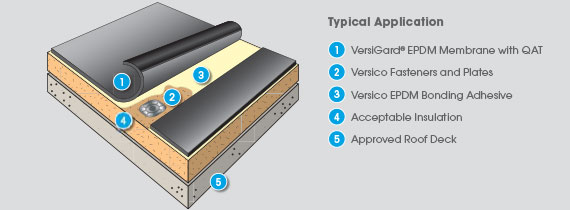
Engineering Insight: Material Selection in EPDM vs. TPO Roofing Systems
In industrial roofing applications, the selection between EPDM (Ethylene Propylene Diene Monomer) and TPO (Thermoplastic Polyolefin) is not merely a matter of cost or availability—it is a critical engineering decision that directly impacts system longevity, thermal performance, and maintenance cycles. At Suzhou Baoshida Trading Co., Ltd., our experience in industrial rubber solutions reveals a consistent trend: off-the-shelf roofing membranes often fail prematurely due to mismatched material properties and inadequate site-specific engineering.
EPDM, a synthetic rubber membrane, exhibits exceptional resistance to UV radiation, ozone, and extreme temperature fluctuations. Its elastomeric nature allows for high elongation and recovery, making it ideal for structures subject to thermal expansion and contraction. However, its performance is contingent upon proper installation and seam integrity. Field-fabricated splices using adhesive bonding are prone to degradation if surface preparation or environmental conditions during installation are suboptimal. Furthermore, black EPDM absorbs significant solar radiation, increasing cooling loads in warm climates unless paired with reflective coatings.
TPO, by contrast, is a thermoplastic membrane that offers superior reflectivity and heat-welded seams, which, when executed correctly, form a homogenous, durable bond. Its white surface maintains high solar reflectance over time, contributing to energy efficiency in commercial and industrial buildings. Yet TPO is sensitive to formulation variances; lower-grade resins or inadequate UV stabilizers can lead to surface chalking, brittleness, and seam failure within five to seven years. This inconsistency is particularly evident in non-engineered, mass-market products.
The root cause of premature roof failure often lies in the application of generic, one-size-fits-all membranes to complex industrial environments. Factors such as chemical exposure, mechanical stress from rooftop equipment, wind uplift requirements, and local climate cycles demand customized material formulations. Off-the-shelf solutions rarely account for these variables, resulting in compromised performance and escalated lifecycle costs.
Suzhou Baoshida Trading Co., Ltd. emphasizes engineered material selection—leveraging precise polymer formulations, reinforcement layers, and adhesion systems tailored to operational demands. Our technical partnerships with leading polymer manufacturers enable access to high-purity base resins and advanced additive packages, ensuring consistency and durability beyond commodity-grade products.
Below is a comparative analysis of key performance metrics for premium-grade EPDM and TPO membranes under industrial conditions.
| Property | EPDM (Premium Grade) | TPO (Premium Grade) |
|---|---|---|
| Tensile Strength (ASTM D412) | ≥ 2.8 MPa | ≥ 3.0 MPa |
| Elongation at Break | ≥ 450% | ≥ 300% |
| Heat Aging Resistance (116°C, 672h) | Retains >80% tensile | Retains >85% tensile |
| Low-Temperature Flexibility | -40°C (No cracking) | -30°C (No cracking) |
| UV Resistance (3000h QUV) | No significant degradation | Minimal chalking, no splits |
| Seam Strength | 80–90% of parent material | 100% of parent material (welded) |
| Solar Reflectance (Initial) | 0.12–0.15 (black) | ≥ 0.75 |
Material selection must be driven by application-specific engineering, not procurement convenience. At Suzhou Baoshida, we deliver industrial rubber solutions where performance, precision, and reliability are non-negotiable.
Material Specifications
Material Specifications for Roofing System Elastomeric Components
The performance and longevity of EPDM or TPO roofing systems critically depend on the elastomeric materials used in seals, gaskets, and flashing components. While EPDM and TPO form the primary membrane, accessory materials must withstand extreme environmental stressors, chemical exposure, and thermal cycling. Suzhou Baoshida Trading Co., Ltd. prioritizes precision-engineered elastomers that maintain integrity under operational duress. Viton, Nitrile, and Silicone represent industry-standard solutions for specialized roofing applications, each offering distinct molecular advantages. Material selection must align with site-specific variables including temperature extremes, fluid exposure, and mechanical load requirements.
Viton fluoroelastomers deliver unparalleled resistance to high-temperature degradation and aggressive chemicals. With continuous service capability up to 230°C and intermittent tolerance to 260°C, Viton excels in environments near industrial exhaust vents or chemical processing units. Its molecular stability against ozone, acids, and hydrocarbon fuels prevents swelling or embrittlement, making it ideal for critical seal points in harsh industrial roofing zones. However, Viton’s formulation complexity necessitates stringent quality control during compounding to avoid sulfur-based cure system incompatibilities with certain TPO membranes.
Nitrile rubber (NBR) provides optimal cost-performance balance for general-purpose roofing seals exposed to petroleum derivatives. Its acrylonitrile content directly correlates with oil and fuel resistance, with high-ACN grades enduring prolonged contact with hydraulic fluids or lubricants common in mechanical rooftop equipment. NBR maintains flexibility down to -30°C but exhibits limited UV resistance; thus, it requires protective topcoats or strategic placement away from direct sunlight in EPDM systems. Tensile strength typically ranges 15–25 MPa, ensuring reliable compression set recovery in dynamic joint applications.
Silicone elastomers dominate scenarios demanding extreme weatherability and wide thermal stability. With operational ranges spanning -60°C to 200°C, silicone resists thermal shock during rapid temperature fluctuations. Its inorganic backbone grants exceptional UV and ozone resistance without protective additives, making it suitable for exposed flashing details on TPO roofs. While tensile strength is moderate (6–12 MPa), superior elongation (>400%) accommodates structural movement. Silicone’s hydrophobic nature prevents moisture absorption but requires surface priming for adhesion to non-silicone substrates.
The following comparative analysis details critical specifications for informed OEM material selection:
| Material | Key Properties | Temperature Range (°C) | Chemical Resistance Profile | Tensile Strength (MPa) | Typical Roofing Applications |
|---|---|---|---|---|---|
| Viton | High fluorine content, low gas permeability | -20 to 230 (260 intermittent) | Excellent: Acids, fuels, solvents, ozone | 10–15 | Vent pipe seals, chemical plant roof joints |
| Nitrile (NBR) | Tunable ACN content (18–50%) | -30 to 100 | Excellent: Oils, fuels; Poor: Ozone, ketones | 15–25 | HVAC unit gaskets, mechanical equipment seals |
| Silicone | Inorganic Si-O backbone, hydrophobic | -60 to 200 | Excellent: Ozone, UV, water; Poor: Acids, fuels | 6–12 | Perimeter flashing, expansion joint seals |
Suzhou Baoshida Trading Co., Ltd. validates all elastomer formulations against ASTM D2000 and ISO 37 standards, ensuring dimensional stability and compression set compliance under simulated 25-year service conditions. OEM partners must consider cross-material compatibility during installation, particularly regarding plasticizer migration and cure chemistry interactions between membranes and accessories. Our technical team provides application-specific compound recommendations to mitigate field failure risks.
Manufacturing Capabilities
Engineering Capability
At Suzhou Baoshida Trading Co., Ltd., our engineering division is built on a foundation of technical depth and manufacturing precision, specifically tailored to meet the rigorous demands of industrial rubber applications in roofing systems such as EPDM and TPO. Our team comprises five dedicated mould engineers and two specialized rubber formula engineers, enabling a fully integrated development process from material formulation to final product realization. This cross-functional expertise ensures that every component we produce meets exacting performance, durability, and compliance standards required in modern roofing solutions.
Our mould engineers bring extensive experience in designing high-tolerance, long-cycle tooling optimized for EPDM and TPO extrusion and compression molding. Utilizing advanced CAD/CAM software and precision CNC machining, they develop robust mould systems that ensure dimensional accuracy, surface consistency, and repeatable production efficiency. Each design undergoes rigorous simulation and thermal analysis to predict material flow, minimize stress points, and extend tool life—critical factors in large-format roofing profiles and accessories.
Complementing this is our in-house rubber formulation capability. Our two formula engineers specialize in polymer science with a focus on ethylene propylene diene monomer (EPDM) and thermoplastic polyolefin (TPO) compounds. They develop custom formulations that enhance UV resistance, thermal stability, low-temperature flexibility, and weather aging—key performance indicators for roofing membranes and seals. By controlling the formulation process internally, we eliminate dependency on external compound suppliers, allowing faster iteration, cost optimization, and full traceability of raw materials.
This synergy between mould design and material science empowers our OEM service model. We support original equipment manufacturers through every stage of product development, from concept validation and prototyping to full-scale production. Our engineering team collaborates directly with clients to interpret technical specifications, conduct feasibility studies, and deliver application-specific solutions compliant with ASTM, ISO, and CE standards. Whether modifying existing profiles or creating new sealing systems, we maintain strict control over process parameters, ensuring batch-to-batch consistency and long-term field reliability.
Our manufacturing infrastructure is aligned with lean production principles, supporting low-volume custom runs as well as high-volume OEM contracts. All products undergo comprehensive quality verification, including tensile strength, elongation, hardness, and accelerated weathering tests, to validate performance under real-world conditions.
The following table summarizes key technical capabilities and material performance metrics supported by our engineering team:
| Parameter | Specification |
|---|---|
| Material Types | EPDM, TPO, Custom Blends |
| Mould Design Capacity | Up to 6,000 mm Profile Length |
| Formulation Development | UV Resistance, Ozone Stability, Low-Temp Flexibility (down to -50°C) |
| Hardness Range (Shore A) | 40–90 |
| Tensile Strength (EPDM) | ≥10 MPa (ASTM D412) |
| Elongation at Break | ≥300% |
| Accelerated Aging Test | 720 hrs at 100°C, no cracking |
| OEM Support | Full Design, Prototyping, Testing, and Serial Production |
Through integrated engineering and vertical control over materials and tooling, Suzhou Baoshida delivers technically advanced, reliable rubber solutions for the roofing industry.
Customization Process
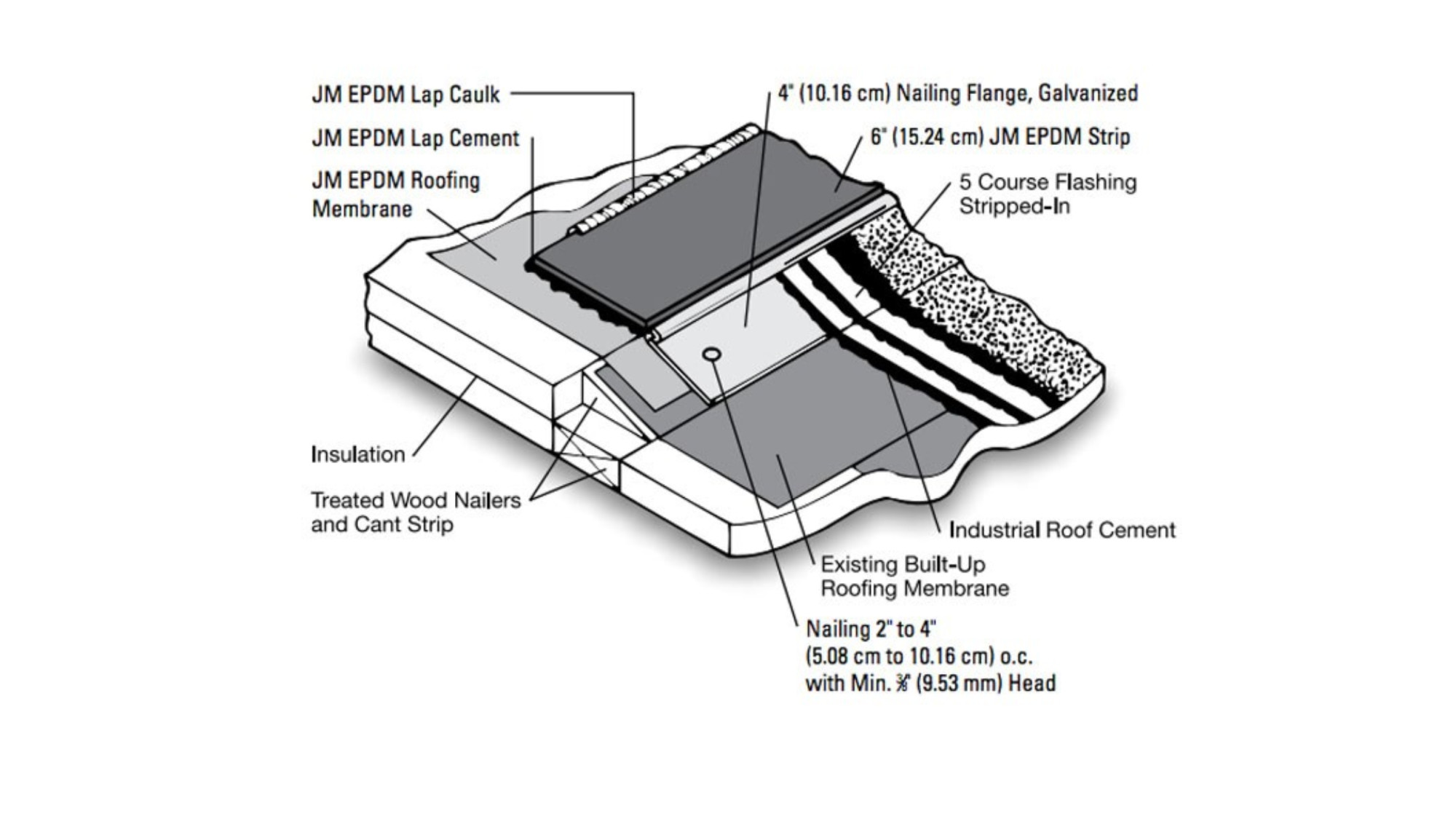
Customization Process for EPDM and TPO Roofing Membranes
Suzhou Baoshida Trading Co., Ltd. executes a rigorous four-phase customization protocol for industrial EPDM and TPO roofing solutions, ensuring technical alignment with client specifications and environmental demands. Our process begins with Drawing Analysis, where engineering teams dissect architectural blueprints to validate dimensional tolerances, substrate compatibility, and regional climatic stressors. Critical parameters include roof slope, penetration density, and anticipated thermal cycling. This phase identifies material thickness requirements (1.2mm–2.0mm) and seam configuration needs, preventing field installation failures through preemptive geometric validation.
Formulation Development follows, leveraging Suzhou Baoshida’s proprietary polymer databases to tailor compound chemistry. For EPDM membranes, we adjust ethylene-propylene-diene monomer ratios and carbon black dispersion to enhance ozone resistance in urban environments. TPO formulations undergo precise polypropylene/elastomer blending to optimize weld seam integrity and low-temperature flexibility. All compounds are engineered to exceed ASTM D4637 standards, with additives calibrated for specific UV exposure levels (e.g., 15–20 phr HALS stabilizers for desert installations). This phase includes accelerated aging simulations to predict 30+ year service life under client-specified conditions.
Prototyping transitions validated formulations into physical samples. Membranes are produced on pilot extrusion lines with strict control over vulcanization (EPDM) or cooling rates (TPO). Each prototype undergoes third-party testing for tensile strength, puncture resistance, and thermal expansion coefficients. Clients receive detailed performance dossiers, including peel strength data for seam welds and freeze-thaw cycle results. Iterations are completed within 15 business days to address any deviations from target specifications.
Mass Production commences only after client sign-off on prototypes. Suzhou Baoshida implements ISO 9001-certified controls across 8,000m² manufacturing facilities, with real-time monitoring of extrusion temperature gradients (±2°C tolerance) and thickness uniformity (laser gauged to ±0.05mm). Every batch undergoes destructive testing per ASTM D5019, with traceability to raw material lot numbers. OEM-managed logistics ensure climate-controlled shipping to project sites, accompanied by full material compliance documentation.
Critical Performance Specifications Comparison
| Property | EPDM Membrane | TPO Membrane |
|————————-|————————|————————|
| Temperature Range | -45°C to +135°C | -40°C to +120°C |
| UV Resistance (ASTM G154)| 5,000+ hours (no cracking) | 3,000+ hours (enhanced stabilizers required) |
| Tensile Strength (ASTM D412) | 10.3 MPa min | 12.4 MPa min |
| Installation Method | Adhesive/ ballasted | Heat-welded seams |
| Expected Service Life | 35–50 years | 25–35 years |
This structured approach eliminates guesswork in roofing membrane selection, delivering engineered solutions where material science meets architectural intent. Suzhou Baoshida’s closed-loop process ensures every square meter deployed meets the exacting demands of industrial and commercial infrastructure.
Contact Engineering Team
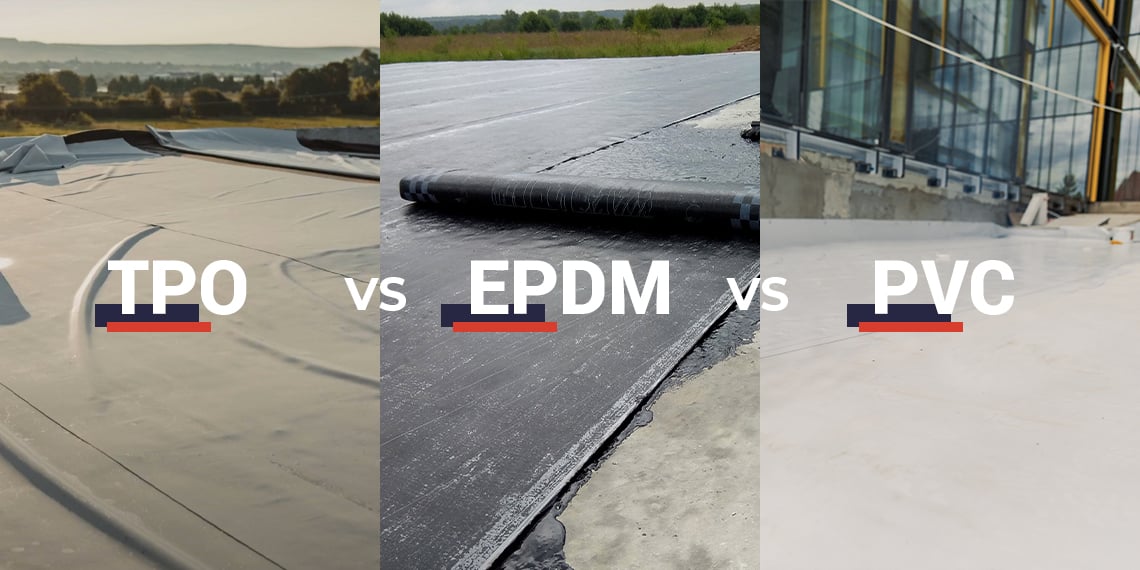
For industrial manufacturers and construction professionals seeking high-performance roofing solutions, Suzhou Baoshida Trading Co., Ltd. stands at the forefront of engineered rubber materials, specializing in EPDM and TPO roof systems. As a trusted OEM manager and rubber formula engineer, we deliver precision-crafted products designed for durability, weather resistance, and long-term structural integrity. Our technical expertise ensures that every roofing component meets rigorous industrial standards while aligning with the specific demands of modern commercial and industrial buildings.
EPDM (Ethylene Propylene Diene Monomer) and TPO (Thermoplastic Polyolefin) represent two of the most advanced single-ply roofing membranes available today. Each offers distinct advantages depending on environmental exposure, building load requirements, and service life expectations. At Suzhou Baoshida, we do not merely supply materials—we engineer solutions. Our formulations are optimized for UV resistance, thermal cycling, and puncture strength, ensuring that every roll or prefabricated component performs under real-world conditions. Whether your project demands the exceptional elasticity and ozone resistance of EPDM or the reflective surface and heat-weldable seams of TPO, our team provides tailored material specifications backed by comprehensive technical support.
We understand that reliability in roofing begins with consistency in raw materials and manufacturing precision. That is why our production processes adhere to ISO-certified quality controls, and our rubber compounds are subjected to accelerated aging tests, tensile strength verification, and low-temperature flexibility assessments. Our direct collaboration with OEM partners enables rapid prototyping, scalable production runs, and just-in-time delivery logistics—critical advantages for large-scale construction timelines.
Below is a comparative overview of key technical specifications for standard EPDM and TPO roofing membranes supplied by Suzhou Baoshida:
| Property | EPDM Roof Membrane | TPO Roof Membrane |
|---|---|---|
| Material Type | Synthetic Rubber (Elastomer) | Thermoplastic Polymer Blend |
| Thickness Range | 1.2 mm – 2.0 mm | 1.0 mm – 1.8 mm |
| Tensile Strength (ASTM D412) | ≥ 7.5 MPa | ≥ 12.0 MPa |
| Elongation at Break | ≥ 400% | ≥ 300% |
| Heat Aging Resistance | Excellent (150°C, 168h) | Good (115°C, 672h) |
| UV and Ozone Resistance | Outstanding | Very Good |
| Seam Method | Adhesive Bonding | Heat Welding |
| Service Temperature Range | -45°C to +120°C | -40°C to +115°C |
| Typical Service Life | 30+ years | 25+ years |
Partnering with Suzhou Baoshida means access to not only premium materials but also technical consultation from engineers who understand the complexities of roofing system integration. From initial formula selection to on-site performance validation, we support every phase of your project lifecycle.
For detailed product data sheets, sample requests, or engineering consultations, contact Mr. Boyce, OEM Manager and Rubber Formula Engineer, directly at [email protected]. Let us help you specify the optimal roofing solution with scientific precision and industrial reliability.
⚖️ O-Ring Weight Calculator
Estimate rubber O-ring weight (Approx).