
Technical Contents
Engineering Guide: Epdm Rubber Roofing Material
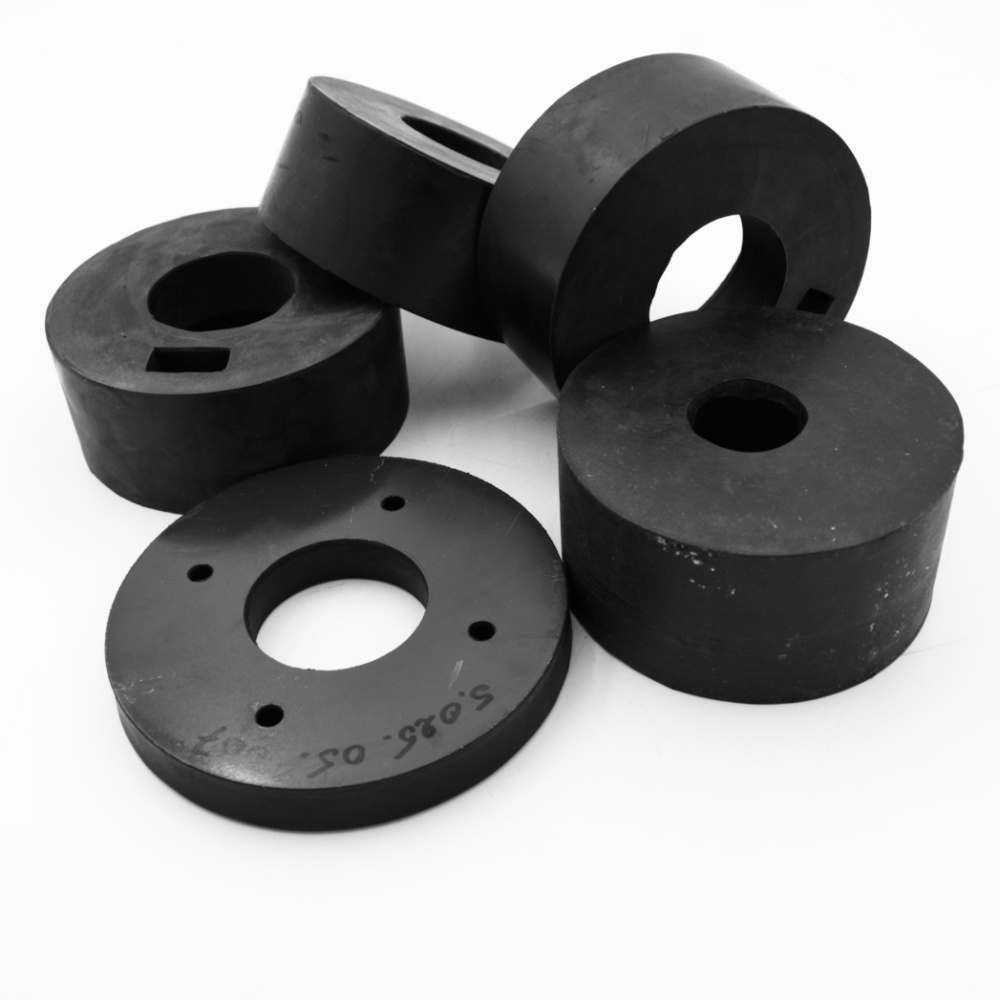
Engineering Insight: EPDM Rubber Roofing Material Selection Criticality
Material selection for EPDM rubber roofing is not a commodity exercise; it is a precision engineering decision directly governing long-term system integrity and lifecycle cost. Off-the-shelf EPDM membranes frequently fail prematurely because standardized formulations ignore critical site-specific variables. Generic solutions prioritize lowest initial cost over performance durability, leading to catastrophic degradation under real-world operational stresses. The core failure mechanism lies in the mismatch between the polymer’s inherent properties and the localized environmental assault profile. Standard commercial grades often utilize lower molecular weight polymers, suboptimal filler systems, and inadequate stabilizer packages. These compromises manifest as accelerated polymer chain scission under intense UV radiation, insufficient resistance to thermal cycling-induced fatigue, and vulnerability to ozone attack – particularly in regions with high solar insolation or industrial atmospheric conditions. Crucially, off-the-shelf products rarely account for substrate compatibility or installation climate, resulting in poor adhesion, seam failure, or excessive stress cracking during thermal expansion/contraction cycles. The consequence is not merely aesthetic damage but functional failure: leaks, structural compromise, and exponentially higher remediation costs versus initial material savings.
The performance delta between generic and engineered EPDM is quantifiable. Key specification parameters must be rigorously tailored:
| Critical Property | Standard Commercial EPDM | Engineered OEM EPDM (Baoshida) | Test Standard |
|---|---|---|---|
| Tensile Strength (MPa) | 7.5 – 9.0 | 10.5 – 12.5 | ASTM D412 |
| Ultimate Elongation (%) | 250 – 350 | 450 – 550 | ASTM D412 |
| Ozone Resistance (200 pphm) | Cracking @ 20% strain | No cracking @ 50% strain | ASTM D1149 |
| Low Temp Flexibility (°C) | -35 | -50 | ASTM D2137 |
| Thermal Stability (150°C) | Significant hardening | Minimal property change | ASTM D573 |
Suzhou Baoshida Trading Co., Ltd. operates at the OEM engineering level, rejecting the off-the-shelf paradigm. Our approach begins with comprehensive environmental analysis – solar UV index, temperature extremes, precipitation chemistry, and wind load profiles for the specific project location. We then co-engineer the EPDM compound: selecting high molecular weight terpolymers for superior tear resistance, incorporating synergistic UV absorber/hindered amine light stabilizer (HALS) packages calibrated to local irradiance, and utilizing specialized fillers that enhance thermal stability without sacrificing flexibility. Crucially, we optimize the formulation for seamless integration with specified adhesives and substrates, preventing interfacial failure. This precision engineering mitigates the primary failure modes observed in generic products: surface chalking from inadequate UV protection, brittle fracture at sub-zero temperatures due to poor low-temp flexibility, and seam separation from incompatible compound chemistry. The result is a roofing membrane engineered for predictable 30+ year service life under defined operational parameters, not merely meeting minimum industry standards but exceeding the actual demands of the installed environment. Material selection is the foundational engineering control; compromise here guarantees premature system failure.
Material Specifications
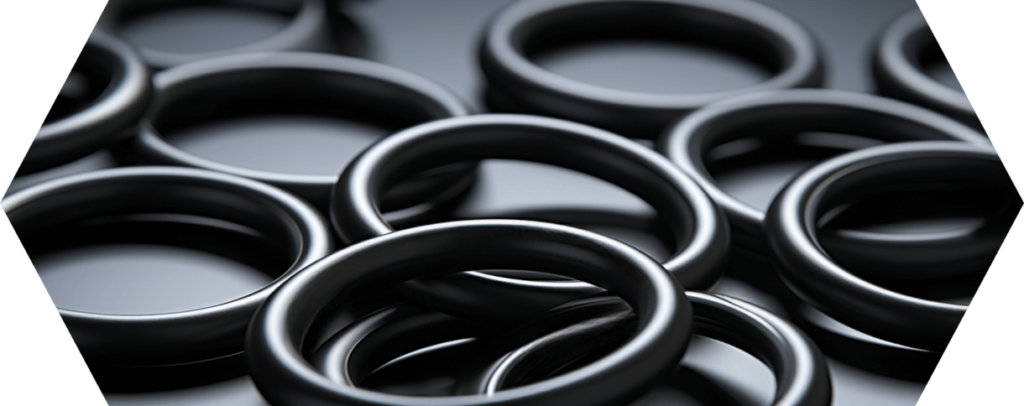
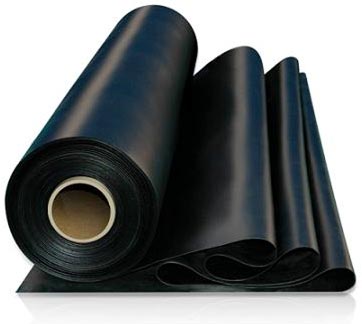
EPDM rubber roofing material is a widely specified elastomeric membrane in industrial and commercial roofing applications due to its exceptional weather resistance, thermal stability, and long-term durability. At Suzhou Baoshida Trading Co., Ltd., we engineer high-performance rubber solutions tailored for extreme environmental exposure, including roofing systems that demand resistance to UV radiation, ozone, temperature cycling, and moisture. While EPDM serves as the base material for roofing membranes, complementary sealing and accessory components often require advanced elastomers such as Viton, Nitrile, and Silicone to ensure system integrity under diverse operational conditions. These materials are selected based on chemical exposure, temperature range, mechanical stress, and compatibility with adjoining substrates.
Viton (FKM) is a fluorocarbon-based rubber known for its superior resistance to high temperatures, oils, fuels, and a broad range of chemicals. It performs reliably in environments up to 250°C (482°F) continuously, making it ideal for specialized roofing applications near industrial exhausts or chemical processing units. Its low gas permeability and excellent aging characteristics further enhance long-term sealing performance, though it carries a higher material cost compared to alternatives.
Nitrile rubber (NBR) is a copolymer of acrylonitrile and butadiene, engineered for outstanding resistance to petroleum-based oils, greases, and hydraulic fluids. With an operational temperature range of -30°C to 120°C (-22°F to 248°F), NBR is frequently used in roofing accessory gaskets, sealants, and vibration dampers where exposure to automotive or industrial fluids is expected. Its mechanical strength and abrasion resistance make it a cost-effective solution for dynamic sealing applications, although it exhibits limited ozone and UV resistance without protective coatings.
Silicone rubber (VMQ) offers exceptional thermal stability from -60°C to 230°C (-76°F to 446°F) and maintains flexibility across extreme temperature cycles. It is inherently resistant to UV radiation and ozone, making it suitable for exposed roofing components such as expansion joint seals and flashing gaskets. Silicone also demonstrates good electrical insulation properties and low toxicity, supporting use in sensitive environments. However, it has lower tensile strength and abrasion resistance compared to Nitrile or Viton, necessitating careful design consideration in high-wear zones.
The following table compares key technical specifications of these elastomers relevant to roofing system integration:
| Property | EPDM | Viton (FKM) | Nitrile (NBR) | Silicone (VMQ) |
|---|---|---|---|---|
| Temperature Range (°C) | -50 to 150 | -20 to 250 | -30 to 120 | -60 to 230 |
| UV/Ozone Resistance | Excellent | Excellent | Poor | Excellent |
| Oil/Fuel Resistance | Poor | Excellent | Excellent | Good |
| Tensile Strength (MPa) | 7–15 | 10–20 | 10–25 | 5–10 |
| Water Resistance | Excellent | Excellent | Good | Excellent |
| Compression Set Resistance | Good | Excellent | Good | Fair |
| Typical Roofing Use | Membrane Sheets | Seals near exhausts | Gaskets, dampers | Expansion joints, seals |
At Suzhou Baoshida Trading Co., Ltd., we ensure material selection aligns with OEM performance requirements, environmental exposure, and lifecycle expectations. Our technical team supports clients in matching elastomer properties to application demands, ensuring optimal functionality and service longevity in industrial roofing systems.
Manufacturing Capabilities
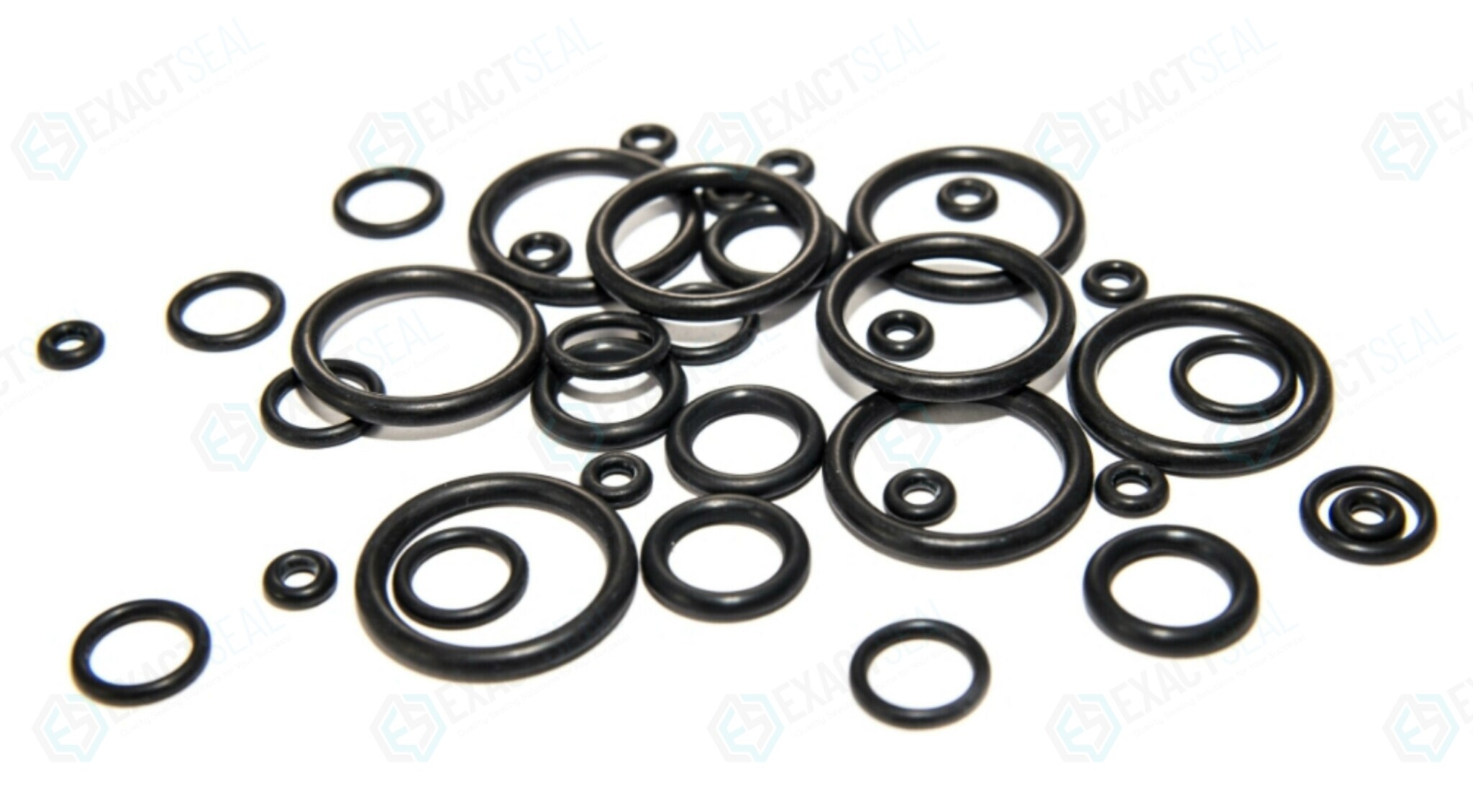
Engineering Capability: Precision Formulation and OEM Execution for EPDM Roofing Systems
Suzhou Baoshida Trading Co., Ltd. transcends conventional trading by integrating deep, in-house engineering expertise directly into our EPDM rubber roofing material supply chain. Our dedicated team of seven specialized engineers—comprising five Mould Engineers and two Rubber Formula Engineers—operates at the core of our value proposition, ensuring material performance, manufacturing precision, and seamless OEM integration meet the most stringent industrial roofing demands. This structure eliminates critical knowledge gaps common in outsourced manufacturing, providing clients with direct access to the technical authority governing material science and production.
Our Formula Engineering team focuses exclusively on optimizing EPDM compound performance for roofing applications. We meticulously balance polymer selection, filler systems, curing agents, and protective additives to achieve exceptional long-term weathering resistance, ozone stability, and thermal cycling endurance. Rigorous laboratory validation includes accelerated aging protocols per ASTM D1149 and D1239, alongside precise control of vulcanization kinetics to ensure consistent crosslink density. This scientific approach guarantees roofing membranes maintain critical properties—such as low-temperature flexibility down to -45°C and resistance to ponding water—through decades of service life, directly addressing the primary failure modes in roofing systems.
Complementing formulation mastery, our Mould Engineering division ensures dimensional accuracy and structural integrity during production. We design and validate mould tooling for complex roofing profiles, flashings, and accessories, utilizing advanced CAD/CAM simulation to eliminate flow lines, knit lines, and internal stresses. Critical parameters like cavity pressure distribution, cooling channel efficiency, and part ejection dynamics are optimized to achieve tight tolerances (±0.2mm) and surface finishes meeting ASTM D3182 standards. This precision engineering minimizes scrap rates, ensures seamless field installation compatibility, and guarantees consistent physical properties across every production run.
Our OEM capabilities are fundamentally enabled by this integrated engineering resource. We manage the entire technical workflow from client specification to certified delivery: interpreting performance requirements, developing proprietary formulations under strict confidentiality, designing production tooling, establishing QC protocols, and generating comprehensive compliance documentation (including ISO 9001 traceability records and material test reports). Clients receive not just a product, but a fully validated manufacturing solution with dedicated engineering support for continuous improvement and rapid issue resolution.
The following table summarizes key EPDM roofing material properties controlled through our engineering process:
| Property | Standard Value Range | Measurement Method |
|---|---|---|
| Tensile Strength (MPa) | ≥ 7.5 (Type B, Grade 1) | ASTM D412 |
| Elongation at Break (%) | ≥ 300 | ASTM D412 |
| Hardness (Shore A) | 50 – 70 | ASTM D2240 |
| Ozone Resistance (200 pphm) | No Cracks (100 hrs) | ASTM D1149 |
| Heat Aging (150°C x 72h) | Tensile Retention ≥ 80% | ASTM D573 |
| Low Temp Flexibility | Pass @ -45°C | ASTM D2137 |
| Water Absorption (7d) | ≤ 3% | ASTM D471 |
This engineering-centric model ensures Suzhou Baoshida delivers EPDM roofing materials where scientific formulation rigor, precision manufacturing execution, and responsive OEM partnership converge to mitigate project risk and guarantee long-term roofing system integrity. We engineer reliability into every square meter.
Customization Process
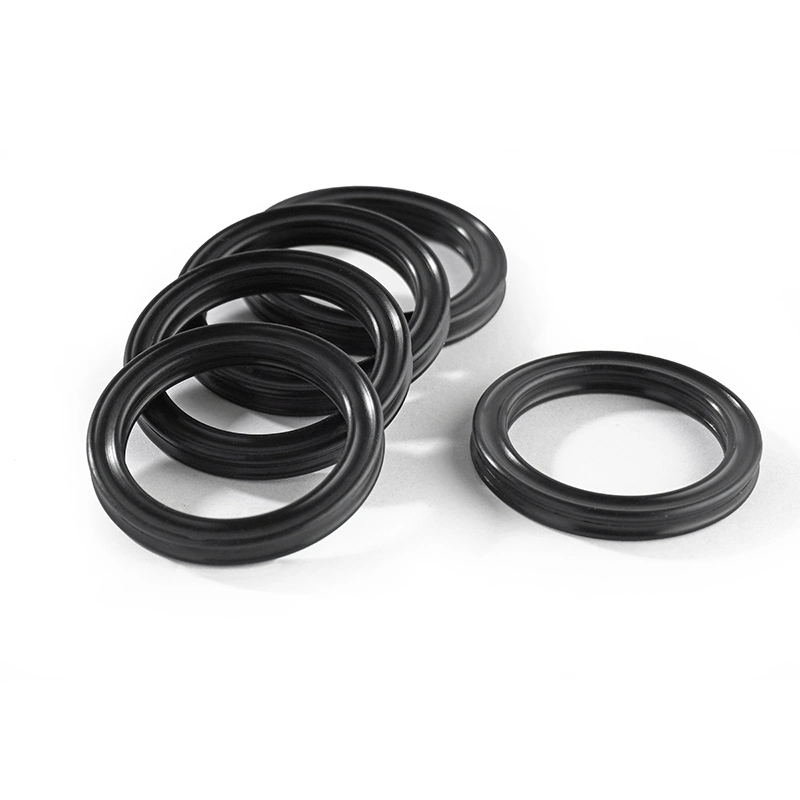
Customization Process for EPDM Rubber Roofing Material
At Suzhou Baoshida Trading Co., Ltd., our customization process for EPDM rubber roofing material is engineered to meet precise industrial and architectural requirements. We follow a structured workflow that ensures material performance, dimensional accuracy, and long-term durability under diverse environmental conditions. The process begins with Drawing Analysis, where technical blueprints and project specifications are evaluated by our engineering team. This step includes assessing thickness tolerances, joint configurations, reinforcement needs, and installation methods. Our engineers collaborate directly with clients to interpret CAD files, structural drawings, and performance expectations, ensuring alignment with ASTM D4637, ISO 12947, and other relevant standards for roofing membranes.
Following drawing validation, we proceed to Formulation Development. Our Rubber Formula Engineers design custom EPDM compounds based on UV resistance, thermal stability, tensile strength, and flexibility at low temperatures. Additives such as carbon black, sulfur-based curatives, antioxidants, and processing oils are precisely balanced to achieve target physical properties. Specialized formulations can include flame-retardant modifiers, enhanced ozone resistance, or increased puncture strength for high-stress applications. Each formulation is documented and archived for batch consistency and traceability.
The next phase is Prototyping, where small-batch production runs generate sample sheets or profiled components for client evaluation. Prototypes are manufactured using the same calendaring and vulcanization processes intended for full-scale production, ensuring accurate representation of final product behavior. Clients receive physical samples along with full material test reports, including tensile strength, elongation at break, hardness (Shore A), and low-temperature flexibility. Feedback from this stage informs any necessary adjustments before release to mass production.
Once approved, the project transitions into Mass Production. Our production lines operate under strict ISO 9001-certified quality control protocols, with real-time monitoring of mixing, calendaring, curing, and finishing parameters. We support roll lengths up to 50 meters, thicknesses from 1.2 mm to 3.0 mm, and widths up to 15 meters, depending on application needs. All batches undergo final inspection for visual defects, dimensional accuracy, and mechanical performance.
The following table outlines typical technical specifications for customized EPDM roofing material:
| Property | Test Method | Typical Value |
|---|---|---|
| Thickness | ASTM D3767 | 1.2 – 3.0 mm |
| Tensile Strength | ASTM D412 | ≥7.5 MPa |
| Elongation at Break | ASTM D412 | ≥450% |
| Hardness (Shore A) | ASTM D2240 | 50 – 70 |
| Low Temperature Flexibility | ASTM D2136 | Pass at -40°C |
| Ozone Resistance | ASTM D1149 | No cracking after 100 hrs |
| Water Absorption | ASTM D471 | ≤3% after 7 days |
Through this systematic approach—Drawing Analysis, Formulation, Prototyping, and Mass Production—Suzhou Baoshida ensures that every EPDM roofing solution is tailored to perform reliably in demanding architectural environments.
Contact Engineering Team
Contact Suzhou Baoshida for Precision EPDM Roofing Solutions
Suzhou Baoshida Trading Co., Ltd. stands as your dedicated partner in advancing industrial rubber applications, specifically engineered for the demanding requirements of modern EPDM rubber roofing systems. Our technical expertise spans material formulation, performance validation, and scalable manufacturing, ensuring your roofing products meet stringent global standards for durability, weather resistance, and longevity. We recognize that roofing material failures stem from suboptimal polymer architecture or inadequate processing parameters—issues our team resolves through data-driven compound development and rigorous quality control protocols. Partnering with us minimizes production risks while maximizing product lifecycle performance in extreme environmental conditions.
Critical performance attributes define EPDM roofing material efficacy. Below are baseline specifications for our standard commercial-grade compound, fully customizable to align with your project-specific thermal, mechanical, and regulatory demands. All values reflect ASTM D2000-22 compliance and undergo third-party validation.
| Property | Test Method | Typical Value | Units |
|---|---|---|---|
| Tensile Strength | ASTM D412 | ≥ 12.0 | MPa |
| Elongation at Break | ASTM D412 | ≥ 450 | % |
| Hardness (Shore A) | ASTM D2240 | 50 ± 5 | Points |
| Compression Set (22h/70°C) | ASTM D395 | ≤ 20 | % |
| Low-Temperature Flexibility | ASTM D2137 | -40 | °C |
| Heat Aging (168h/120°C) | ASTM D573 | ΔTensile ≤ 20% | % Change |
| Ozone Resistance | ASTM D1149 | No Cracking | 200 pphm |
These specifications represent our entry-tier formulation. Suzhou Baoshida’s OEM engineering team collaborates directly with your R&D department to refine polymer ratios, filler systems, and curing kinetics—addressing challenges like UV degradation in tropical climates or thermal cycling fatigue in temperate zones. We provide comprehensive technical documentation, including batch-specific certificates of analysis, material safety data sheets (MSDS), and processing guidelines for extrusion or calendering lines. Our Suzhou-based manufacturing facility operates under ISO 9001:2015 protocols, guaranteeing lot-to-lot consistency and traceability from raw material sourcing to finished compound delivery.
Initiate your project optimization with Mr. Boyce, our Lead Technical Account Manager, who specializes in roofing material science and global supply chain integration. With over 15 years of experience in elastomer formulation for architectural membranes, Mr. Boyce will conduct a confidential assessment of your current material challenges, production constraints, and performance targets. He will coordinate Suzhou Baoshida’s laboratory resources—including dynamic mechanical analysis (DMA) and accelerated weathering testing—to deliver a tailored compound solution within 10 business days of sample submission. Contact him directly to schedule a technical consultation or request prototype material for qualification trials.
Elevate your roofing product’s market competitiveness through scientifically validated material engineering. Reach Mr. Boyce at [email protected] to commence a precision-focused partnership. Include your current material specification sheet and target application environment for immediate technical feedback. Suzhou Baoshida commits to responding within 24 business hours, providing actionable insights to enhance your manufacturing efficiency and product reliability. Your next-generation EPDM roofing solution begins with a single email.
⚖️ O-Ring Weight Calculator
Estimate rubber O-ring weight (Approx).