
Technical Contents
Engineering Guide: Epdm Strap
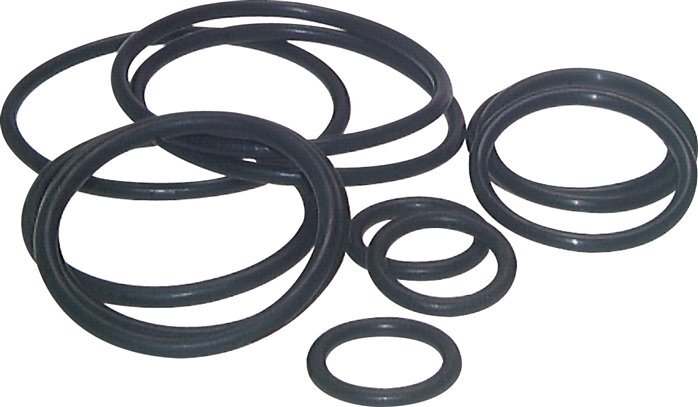
Engineering Insight: Material Selection Criticality in EPDM Strap Performance
Material selection is the cornerstone of functional EPDM strap reliability in demanding industrial applications. While ethylene propylene diene monomer rubber offers inherent advantages—superior ozone resistance, thermal stability up to 150°C, and excellent weatherability—generic off-the-shelf straps frequently fail due to unoptimized formulations. These failures manifest as premature cracking, loss of sealing integrity, or catastrophic compression set in critical environments like automotive under-hood assemblies, solar panel mounting systems, or HVAC ductwork. The root cause lies in standardized compounding practices that prioritize cost reduction over application-specific stressors. Generic straps often utilize low-purity carbon black fillers, insufficient antioxidant packages, or unmodified polymer chains, rendering them incapable of withstanding synergistic challenges such as simultaneous UV exposure, dynamic flexing, and chemical immersion.
Consider solar tracker installations: a generic strap may meet basic ASTM D2000 hardness requirements but lacks tailored polymer branching for long-term elastic recovery. After 18 months of thermal cycling and UV exposure, compression set exceeds 40%, causing seal leakage and system corrosion. Similarly, in automotive coolant hose clamps, generic EPDM straps exposed to glycol-based fluids exhibit swelling and tensile strength loss due to inadequate saturation of the polymer backbone. These failures incur significant downstream costs—equipment downtime, warranty claims, and reputational damage—far exceeding the marginal savings of non-engineered solutions.
Suzhou Baoshida Trading Co., Ltd. addresses this through application-driven molecular engineering. We modify EPDM’s terpolymer structure via controlled diene content (ENB vs. DCPD) and incorporate high-structure silica-carbon black hybrids to enhance tear resistance without sacrificing flexibility. Critical additives include hindered amine light stabilizers (HALS) for UV resilience and proprietary peroxide curing systems to minimize compression set. The table below contrasts generic versus engineered EPDM strap specifications under identical test protocols:
| Property | Generic EPDM Strap | Baoshida Engineered EPDM Strap | Test Standard |
|---|---|---|---|
| Tensile Strength (MPa) | 12.5 | 18.2 | ASTM D412 |
| Elongation at Break (%) | 350 | 480 | ASTM D412 |
| Compression Set (70h/100°C) | 40% | 15% | ASTM D395 |
| Ozone Resistance (50pphm) | Cracking at 20h | No cracks at 100h | ASTM D1149 |
| Fluid Resistance (50% EG) | Swelling: 18% | Swelling: 5% | ASTM D471 |
Our OEM process begins with stressor mapping: quantifying temperature ranges, dynamic loads, and chemical exposures unique to the client’s application. We then adjust polymer viscosity, crosslink density, and additive synergies to achieve target performance windows. For instance, marine-grade straps integrate hydrophobic nano-fillers to resist saltwater permeation, while semiconductor handling straps utilize ultra-low particulate formulations meeting ISO Class 5 cleanroom standards. This precision engineering ensures straps maintain dimensional stability and sealing force over 15+ years of service—transforming a commodity component into a mission-critical asset. Partnering with Suzhou Baoshida eliminates the gamble of off-the-shelf solutions through data-led material science.
Material Specifications
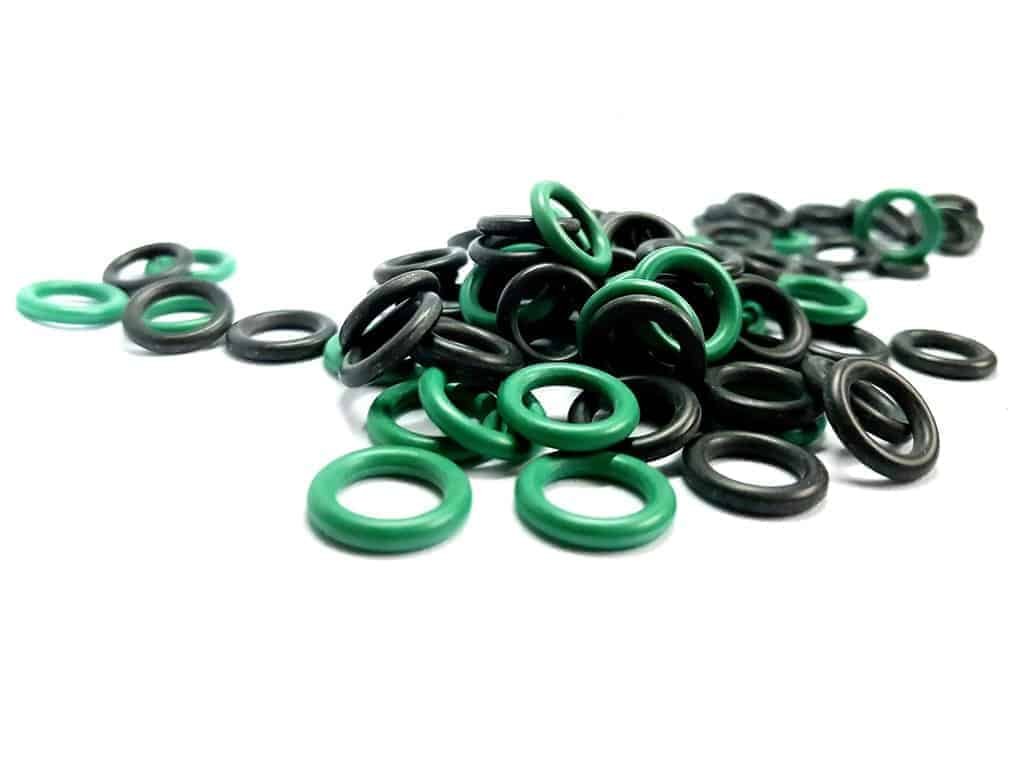
Material Specifications for EPDM Straps: Performance-Driven Selection in Industrial Applications
In the design and manufacturing of industrial EPDM straps, material compatibility and environmental resilience are paramount. While the base polymer is ethylene propylene diene monomer (EPDM), reinforcement often involves integration with high-performance elastomers such as Viton (FKM), Nitrile (NBR), and Silicone (VMQ) to meet specific operational demands. These materials are selected based on their response to temperature extremes, chemical exposure, compression set, and mechanical stress. Understanding their distinct characteristics enables optimal performance in sealing, vibration damping, and structural support applications across automotive, aerospace, HVAC, and heavy machinery sectors.
Viton, a fluorocarbon-based rubber, delivers exceptional resistance to high temperatures and aggressive chemicals, including oils, fuels, and aromatic hydrocarbons. With a continuous service temperature range up to 230°C, Viton-reinforced EPDM straps are ideal for engine compartments and industrial systems exposed to harsh chemical environments. However, its higher cost and lower flexibility at sub-ambient temperatures require careful evaluation against application needs.
Nitrile rubber, known for its excellent resistance to petroleum-based fluids and moderate heat, offers a cost-effective solution for hydraulic and fuel-handling systems. It maintains reliable tensile strength and abrasion resistance under dynamic loading conditions. While its upper temperature limit is lower than Viton—typically 120°C—NBR is widely used where oil resistance is critical but extreme heat is not a factor.
Silicone rubber provides superior performance in extreme temperature ranges, functioning effectively from -60°C to 200°C. It exhibits excellent UV and ozone resistance, making it suitable for outdoor and aerospace applications. Though it lacks the tensile strength and abrasion resistance of NBR or EPDM, silicone’s stability under thermal cycling and low toxicity profile make it a preferred choice for sensitive environments, including medical and food-grade installations.
The integration of these materials with EPDM enhances composite strap functionality. EPDM itself provides strong ozone and weather resistance, complementing the weaknesses of NBR and Viton in outdoor exposure. Strategic lamination or co-extrusion techniques allow the strap to leverage the chemical resistance of Viton, the oil resistance of Nitrile, or the thermal stability of Silicone while maintaining the durability and weatherability of EPDM.
Below is a comparative overview of key performance attributes:
| Material | Temperature Range (°C) | Chemical Resistance | Oil/Fuel Resistance | Ozone/UV Resistance | Tensile Strength (MPa) | Compression Set Resistance |
|---|---|---|---|---|---|---|
| EPDM | -50 to 150 | Moderate | Poor | Excellent | 7–15 | Good |
| Viton (FKM) | -20 to 230 | Excellent | Excellent | Good | 10–18 | Excellent |
| Nitrile (NBR) | -30 to 120 | Moderate | Excellent | Poor | 10–20 | Moderate |
| Silicone (VMQ) | -60 to 200 | Good | Poor | Excellent | 5–8 | Fair |
Selection of the appropriate elastomer combination must align with the operational environment, lifecycle expectations, and regulatory standards. At Suzhou Baoshida Trading Co., Ltd., we engineer EPDM straps with precision material integration to ensure reliability, longevity, and compliance in demanding industrial applications.
Manufacturing Capabilities
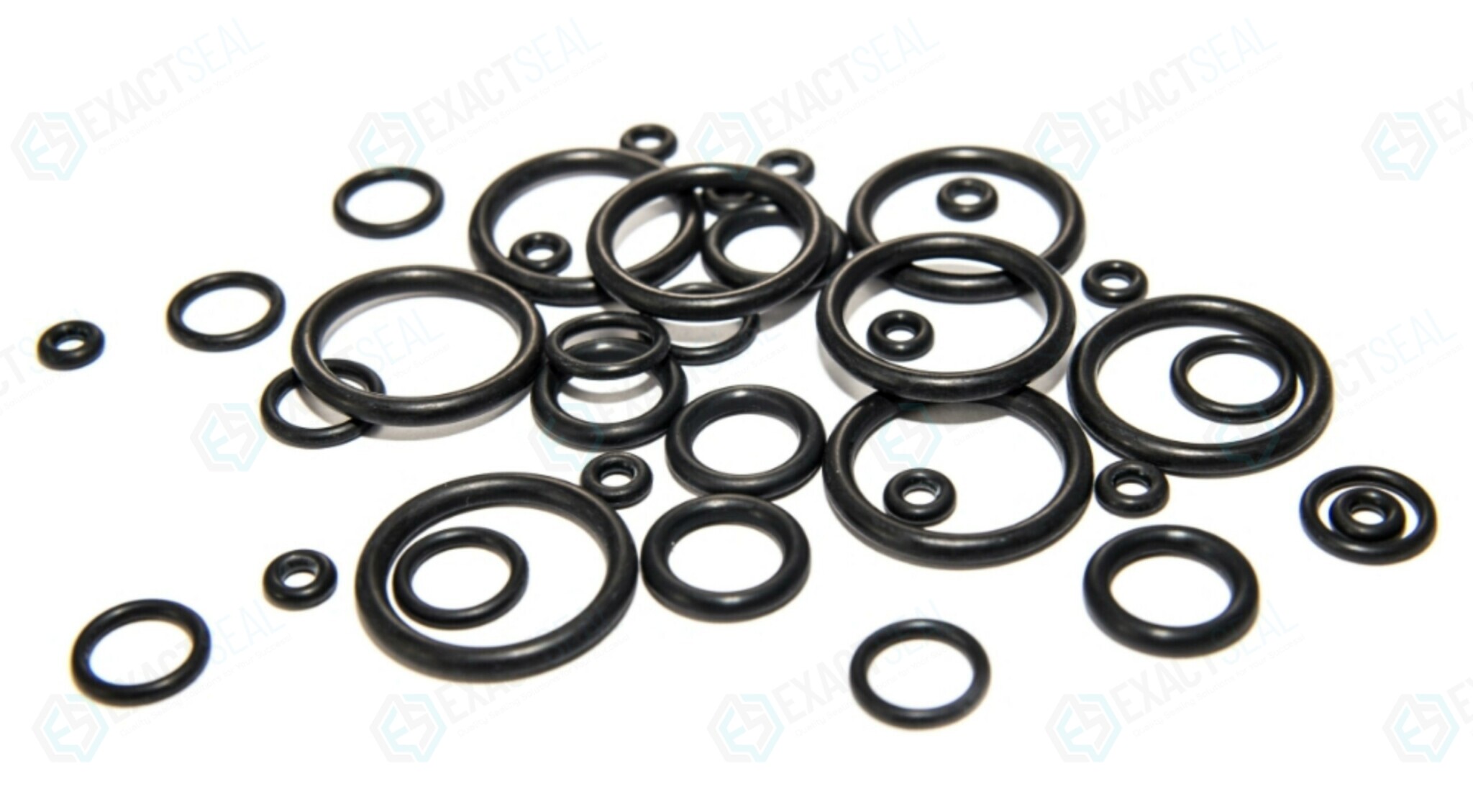
Engineering Capability: Precision EPDM Strap Development
Suzhou Baoshida Trading Co., Ltd. delivers engineered EPDM strap solutions grounded in rigorous material science and advanced manufacturing expertise. Our core strength resides in the integrated capabilities of our dedicated engineering team, comprising five specialized mould engineers and two certified rubber formula engineers. This multidisciplinary structure ensures seamless translation of client specifications into high-performance, production-ready components, addressing the demanding requirements of industrial sealing, vibration damping, and environmental protection applications.
Our formula engineers possess deep expertise in EPDM polymer chemistry, compounding, and performance optimization. They systematically develop and refine formulations to achieve precise balances of critical properties: exceptional ozone and weather resistance, thermal stability across extreme ranges, consistent compression set performance, and tailored mechanical strength. Each formulation undergoes stringent laboratory validation against ASTM and ISO standards before progression to prototyping. This scientific approach mitigates material-related failure risks inherent in harsh operational environments, ensuring long-term functional reliability for the end-user. The close collaboration between formula and mould engineering teams is pivotal. Mould engineers leverage advanced CAD/CAM software and decades of practical die design experience to translate complex geometric requirements into efficient, high-precision tooling. They meticulously analyze part geometry, material flow characteristics, and curing dynamics to eliminate defects such as flash, voids, or inconsistent crosslinking, directly impacting strap dimensional accuracy and sealing integrity.
This integrated engineering workflow forms the backbone of our OEM service model. We partner with clients from initial concept through volume production, providing comprehensive support including DFM analysis, material selection guidance, rapid prototyping, and full-scale manufacturing validation. Our facility operates under strict ISO 9001 quality protocols, with in-process testing at critical control points ensuring batch-to-batch consistency. Suzhou Baoshida excels in producing custom EPDM straps with exacting tolerances, specialized surface finishes, and co-extruded or multi-material configurations, meeting the unique demands of automotive, HVAC, construction, and industrial machinery sectors. The synergy between our formula development rigor and precision mould engineering guarantees that every EPDM strap component delivered exceeds functional expectations and adheres to the highest industrial standards.
Typical EPDM Strap Material Specifications
| Property | Test Method | Typical Value | Units |
|---|---|---|---|
| Hardness (Shore A) | ASTM D2240 | 40 – 80 | pts |
| Tensile Strength | ASTM D412 | ≥ 10.0 | MPa |
| Elongation at Break | ASTM D412 | ≥ 250 | % |
| Compression Set (22h/70°C) | ASTM D395 Method B | ≤ 25 | % |
| Temperature Range | – | -50 to +150 | °C |
| Ozone Resistance | ASTM D1149 | Excellent | (Grade A) |
| Specific Gravity | ASTM D297 | 1.15 – 1.25 | g/cm³ |
Customization Process
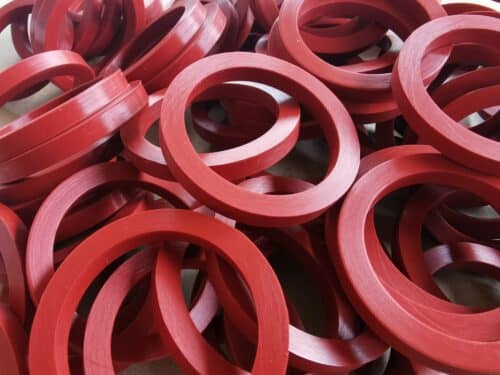
Customization Process for EPDM Straps at Suzhou Baoshida Trading Co., Ltd.
At Suzhou Baoshida Trading Co., Ltd., our EPDM strap customization process is engineered for precision, performance, and industrial reliability. We follow a structured four-phase workflow—Drawing Analysis, Formulation, Prototyping, and Mass Production—ensuring every product meets exact OEM specifications and environmental demands.
The process begins with Drawing Analysis, where our engineering team evaluates technical blueprints provided by the client. This includes assessing dimensional tolerances, cross-sectional profiles, mounting features, and application conditions such as temperature range, compression set requirements, and exposure to UV, ozone, or water. Our engineers verify compliance with international standards such as ASTM D2000 or ISO 3302, ensuring the design is manufacturable and functionally optimized.
Following drawing validation, we proceed to Formulation Development. Our rubber chemists design a proprietary EPDM compound tailored to the operational environment. Key variables include ethylene content, diene type (typically ENB), filler loading (such as carbon black or silica), and cure system (peroxide or sulfur-based). Additives are precisely dosed to enhance UV resistance, low-temperature flexibility (down to -50°C), and long-term compression set performance. Each formulation is documented under our internal quality control system for full traceability.
Once the compound is finalized, we initiate Prototyping. Using precision extrusion and vulcanization techniques, we produce sample straps in controlled batches. These prototypes undergo rigorous in-house testing, including tensile strength, elongation at break, hardness (Shore A), and accelerated aging per ASTM standards. Dimensional accuracy is verified using digital calipers and optical comparators. Clients receive physical samples along with material test reports (MTRs) for approval.
Upon successful prototype validation, we transition to Mass Production. Our automated extrusion lines and continuous curing ovens ensure consistent output across large volumes. Real-time process monitoring and batch sampling maintain compliance with the approved formulation and dimensional specs. All finished EPDM straps are packaged per client requirements, with labeling for batch number, date code, and material designation.
Throughout the entire process, Suzhou Baoshida maintains open communication with OEM partners, providing technical documentation, process updates, and compliance certifications. Our integrated approach ensures that every EPDM strap delivers durable sealing performance in demanding industrial applications.
Typical Physical Properties of Custom EPDM Straps
| Property | Test Method | Typical Value |
|---|---|---|
| Hardness (Shore A) | ASTM D2240 | 50–80 ±5 |
| Tensile Strength | ASTM D412 | ≥10 MPa |
| Elongation at Break | ASTM D412 | ≥250% |
| Compression Set (22 hrs, 100°C) | ASTM D395 | ≤25% |
| Temperature Range | — | -50°C to +150°C |
| Specific Gravity | ASTM D297 | 1.15–1.35 |
| Durometer Tolerance | ISO 3302 | ±5 Shore A |
| Linear Dimensional Tolerance | ISO 3302 | ±0.3 mm (standard grade) |
Contact Engineering Team
Technical Engagement for Precision EPDM Strap Manufacturing
Suzhou Baoshida Trading Co., Ltd. operates at the forefront of industrial rubber compound engineering, specializing in EPDM straps engineered for extreme environmental resilience and mechanical consistency. Our formulations leverage proprietary sulfur and peroxide curing systems to optimize crosslink density, ensuring superior ozone resistance, thermal stability, and compression set performance critical for automotive, construction, and HVAC applications. Unlike generic suppliers, we prioritize molecular-level customization—adjusting polymer grades, filler dispersion, and additive packages to meet exact operational demands. This scientific approach eliminates field failures caused by inadequate material selection, directly enhancing your product lifecycle and reducing total cost of ownership.
Our EPDM straps undergo rigorous validation per ASTM D2000 and ISO 37 standards, with traceable batch documentation for full supply chain transparency. Below are key performance metrics for our standard high-performance formulation, which serves as a baseline for client-specific adaptation:
| Specification | Test Method | Value Range | Industrial Significance |
|---|---|---|---|
| Temperature Range | ASTM D1329 | -50°C to +150°C | Sustained elasticity in Arctic cold or desert heat |
| Tensile Strength | ISO 37 | 18–24 MPa | Resistance to mechanical stress during installation |
| Elongation at Break | ISO 37 | 450–600% | Flexibility for complex sealing profiles |
| Hardness (Shore A) | ASTM D2240 | 65±5 | Balanced sealing force without extrusion |
| Compression Set (22h/125°C) | ASTM D395 | ≤25% | Long-term seal integrity under compression |
These values represent our entry-tier industrial grade; however, Suzhou Baoshida’s core competency lies in iterative material refinement. We collaborate with OEMs to modify formulations for specialized requirements—such as enhanced flame retardancy (UL 94 V-0), FDA 21 CFR compliance for food-contact surfaces, or reduced outgassing for semiconductor cleanrooms. Our in-house lab conducts accelerated aging protocols (heat, UV, fluid immersion) to predict 15+ year service life, eliminating guesswork in material selection.
As your OEM manufacturing partner, we integrate seamlessly into your production ecosystem. Our lean manufacturing facility in Suzhou features automated extrusion lines with real-time rheometry monitoring, ensuring dimensional tolerances within ±0.1mm. We maintain ISO 9001 and IATF 16949 certifications, with dedicated project managers overseeing tooling validation, PPAP submissions, and JIT delivery coordination. This operational precision minimizes your inventory risk while guaranteeing batch-to-batch repeatability.
Initiate your precision rubber solution pathway by contacting Mr. Boyce, our OEM Technical Manager, who possesses 14 years of compound development experience across European and Asian automotive supply chains. Mr. Boyce will lead a technical deep dive into your application’s failure modes, environmental stressors, and regulatory constraints to architect an EPDM strap specification exceeding industry benchmarks. Provide your engineering team’s performance thresholds, and we will deliver a validated material proposal within 72 hours—including Durometer gradient analysis and cost-optimized compounding options.
Do not compromise on elastomer performance when mission-critical sealing is at stake. Contact Mr. Boyce directly at [email protected] with your project specifications, target volumes, and testing requirements. Suzhou Baoshida commits to transforming your material challenges into engineered advantages through data-driven rubber science. Your next-generation EPDM strap solution begins with this technical dialogue.
⚖️ O-Ring Weight Calculator
Estimate rubber O-ring weight (Approx).