
Technical Contents
Engineering Guide: Epoxy In Tube
Engineering Insight: Material Selection Criticality in Epoxy-in-Tube Systems
The functional integrity of epoxy-in-tube assemblies hinges on precise material science, not generic rubber solutions. Off-the-shelf elastomers frequently fail in these demanding applications due to inadequate consideration of the complex chemical and physical interactions between the uncured epoxy resin, the curing process, and the rubber substrate. Standard compounds, formulated for general sealing or cushioning, lack the tailored resistance required to withstand prolonged exposure to aggressive epoxy monomers and hardeners, particularly during the critical pre-cure and gelation phases. This oversight manifests as premature swelling, loss of mechanical properties, interfacial delamination, or catastrophic tube rupture under pressure, leading to field failures and costly downtime for OEMs. Suzhou Baoshida Trading Co., Ltd. emphasizes that successful epoxy-in-tube performance demands engineered rubber formulations where every component is selected for compatibility and stability within this specific chemical environment.
The core failure mechanism stems from the permeation of low-molecular-weight epoxy components into the rubber matrix. Standard nitrile (NBR) or EPDM compounds exhibit significant solvent uptake, causing plasticization and dimensional instability. This swelling compromises the critical interference fit between the tube and its housing, directly impacting sealing integrity and structural support during epoxy cure. Furthermore, standard vulcanization systems often lack stability against amine or anhydride hardeners, leading to reversion or scorch issues that degrade the rubber-epoxy bond. Crucially, the thermal profile of the epoxy cure cycle must align with the rubber’s glass transition temperature (Tg) and thermal stability limits; mismatched expansion coefficients induce destructive internal stresses. Generic materials fail to address these synergistic challenges, resulting in unpredictable service life.
Suzhou Baoshida addresses these vulnerabilities through proprietary rubber compounding. Our engineered solutions utilize highly saturated base polymers with optimized acrylonitrile content or specialty hydrogenated nitriles (HNBR), coupled with epoxy-resistant plasticizers and custom cure systems designed for hardener compatibility. Reinforcement and filler packages are selected to minimize permeability while maintaining flexibility. The table below contrasts critical performance parameters between standard and engineered compounds for epoxy-in-tube applications.
| Critical Property | Standard NBR Compound | Suzhou Baoshida Engineered Compound |
|---|---|---|
| Epoxy Resistance (24h @ 80°C) | Severe Swelling (>25%) | Minimal Swelling (<5%) |
| Adhesion Strength to Cured Epoxy | Low (Prone to Delam) | High (>1.5 MPa Peel Strength) |
| Thermal Stability (Peak Cure) | Limited (Degrades >120°C) | Stable (Withstands 150°C+) |
| Permeation Rate (Epoxy Monomer) | High | Significantly Reduced |
| Service Life in Application | Unpredictable (<6 mos) | Validated (>5 Years) |
Material selection is not a cost-driven commodity decision but a fundamental engineering requirement for epoxy-in-tube reliability. The chemical aggression of uncured resins, the dynamics of the cure reaction, and the resulting thermal-mechanical stresses necessitate elastomers specifically formulated for this interface. Suzhou Baoshida Trading Co., Ltd. leverages deep compounding expertise to eliminate the root causes of field failure inherent in off-the-shelf solutions, ensuring robust, long-term performance for demanding industrial and automotive OEM applications. Partnering on material specification from the design phase is essential to mitigate risk and achieve optimal system functionality.
Material Specifications
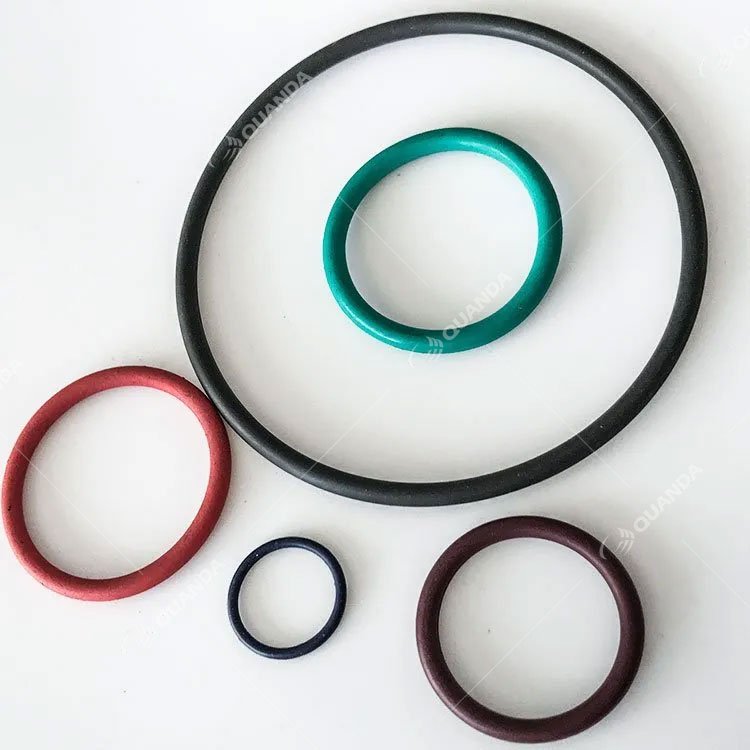
Epoxy in tube formulations are critical components in industrial sealing and encapsulation systems, particularly where chemical resistance, thermal stability, and long-term durability are required. At Suzhou Baoshida Trading Co., Ltd., we specialize in advanced rubber solutions tailored for high-performance environments. Our epoxy in tube products integrate seamlessly with elastomeric materials such as Viton, Nitrile, and Silicone, each selected based on operational demands. These materials serve as protective barriers or structural supports in applications ranging from automotive fuel systems to semiconductor manufacturing equipment. Understanding the material properties is essential for optimal performance and longevity.
Viton, a fluorocarbon-based elastomer, offers superior resistance to high temperatures, aggressive chemicals, and hydrocarbon fuels. It maintains integrity in continuous service up to 200°C and excels in environments exposed to oils, acids, and halogenated solvents. This makes Viton the preferred choice for aerospace, oil & gas, and chemical processing applications where failure is not an option. Its compatibility with epoxy in tube systems ensures minimal degradation over time, even under extreme thermal cycling.
Nitrile rubber, also known as Buna-N, provides excellent resistance to aliphatic hydrocarbons, water, and hydraulic fluids. With a continuous operating temperature range of -30°C to 100°C, it is widely used in automotive, hydraulics, and general industrial sealing. While not as thermally stable as Viton, Nitrile offers a cost-effective solution for moderate environments and demonstrates strong adhesion to epoxy-based encapsulants. Its mechanical strength and abrasion resistance further enhance reliability in dynamic sealing applications.
Silicone rubber stands out for its exceptional thermal flexibility, operating effectively from -60°C to 150°C, with short-term tolerance up to 200°C. It exhibits good resistance to ozone and UV radiation, making it ideal for outdoor and medical applications. Although less resistant to petroleum-based fluids, silicone offers outstanding electrical insulation properties and biocompatibility. When integrated with epoxy in tube systems, it provides reliable performance in sensitive electronics and healthcare devices where purity and stability are paramount.
The selection of the appropriate elastomer depends on the specific service conditions, including temperature profile, chemical exposure, and mechanical stress. Our engineering team at Suzhou Baoshida Trading Co., Ltd. supports OEMs in material qualification and formulation optimization to ensure system compatibility and regulatory compliance.
Below is a comparative overview of the key physical and chemical properties of these elastomers in the context of epoxy in tube applications.
| Property | Viton | Nitrile | Silicone |
|---|---|---|---|
| Base Polymer | Fluorocarbon | Nitrile (Buna-N) | Polysiloxane |
| Temperature Range (°C) | -20 to 200 | -30 to 100 | -60 to 150 (up to 200 short-term) |
| Tensile Strength (MPa) | 12–18 | 10–20 | 5–8 |
| Elongation at Break (%) | 150–300 | 200–500 | 200–700 |
| Hardness (Shore A) | 60–90 | 50–90 | 30–80 |
| Resistance to Oils & Fuels | Excellent | Good to Excellent | Poor |
| Resistance to Acids & Chemicals | Excellent | Moderate | Moderate |
| Ozone & UV Resistance | Excellent | Good | Excellent |
| Electrical Insulation | Good | Fair | Excellent |
| Biocompatibility | Moderate | Low | High |
Manufacturing Capabilities
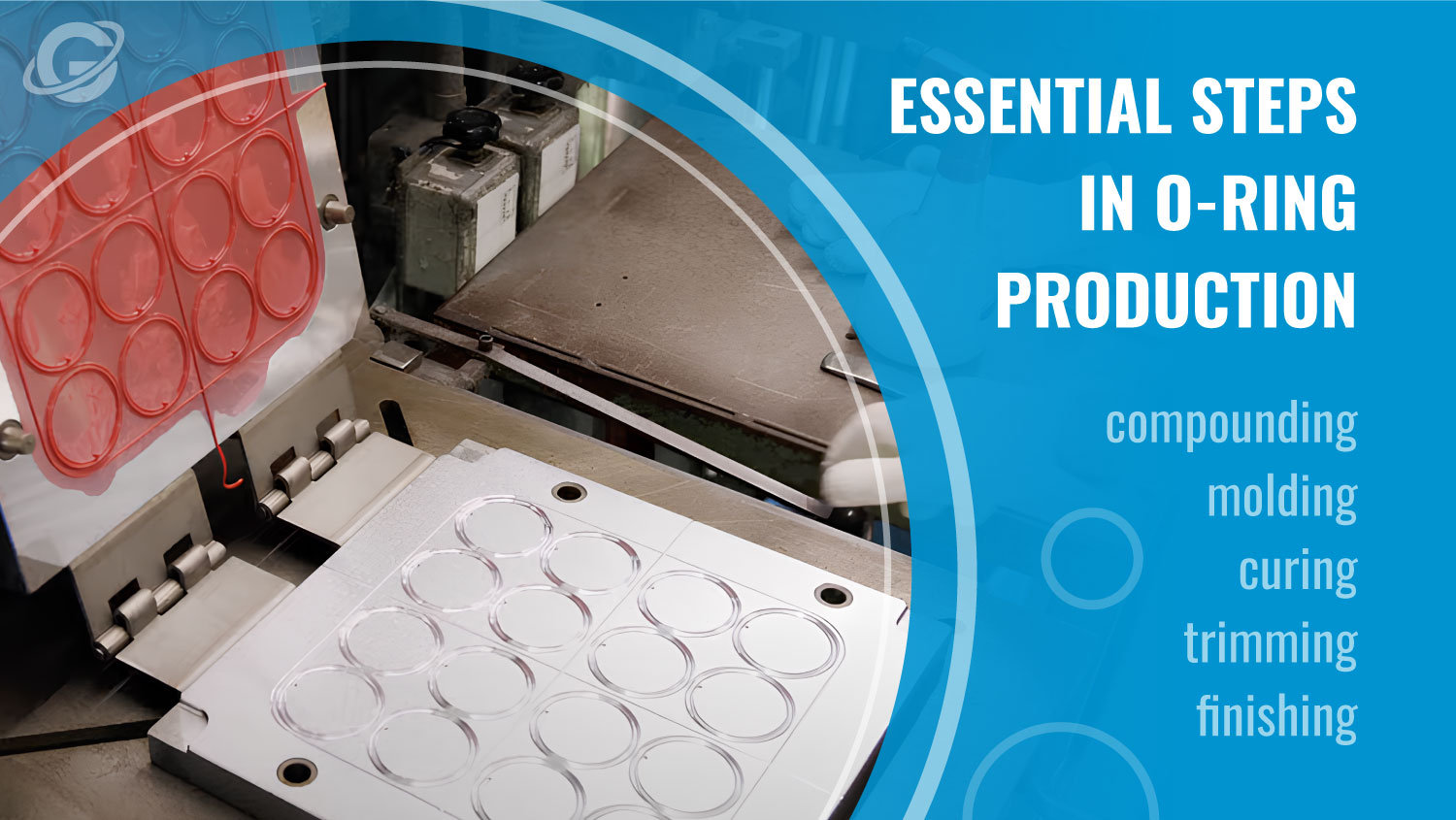
Engineering Capability: Precision Epoxy-in-Tube Manufacturing
Suzhou Baoshida Trading Co., Ltd. leverages integrated material science and precision tooling expertise to deliver mission-critical epoxy-in-tube solutions for industrial applications. Our core strength resides in the seamless collaboration between dedicated Formula Engineering and Mold Engineering teams. Five specialized Mold Engineers optimize cavity geometry, gating systems, and thermal management to ensure uniform epoxy flow and zero void formation during encapsulation. Concurrently, two Rubber Formula Engineers develop custom elastomer compounds that withstand epoxy exothermic reactions while maintaining dimensional stability and adhesion integrity. This dual-engineering approach eliminates interfacial failures common in high-stress environments, such as automotive sensor housings or power electronics insulation.
Our OEM framework is engineered for scalability and technical agility. We initiate projects with joint Design for Manufacturing (DFM) analysis, translating client specifications into optimized material formulations and mold architectures. Typical lead times for custom tooling are 30 days, supported by in-house CNC machining and cavity pressure mapping validation. All compounds undergo rigorous compatibility testing against common epoxy resins (e.g., bisphenol-A, novolac) to prevent swelling, delamination, or cure inhibition. Clients receive full material traceability, including batch-specific rheology curves and Shore A hardness validation at 23°C and 100°C.
Critical performance metrics for our epoxy-in-tube solutions are validated against industry benchmarks, as demonstrated below:
| Parameter | Our Specification | Industry Standard | Test Method |
|---|---|---|---|
| Shore A Hardness | 65 ± 3 | 70 ± 5 | ASTM D2240 |
| Tensile Strength | ≥12.5 MPa | ≥10.0 MPa | ASTM D412 |
| Epoxy Compatibility | Zero Swelling | <5% Swelling | ISO 188 (168h/80°C) |
| Thermal Resistance | -55°C to +150°C | -40°C to +120°C | UL 746B |
| Compression Set (22h) | ≤20% | ≤30% | ASTM D395 |
This data reflects our commitment to exceeding baseline requirements for epoxy encapsulation systems. The lower Shore A tolerance range ensures consistent sealing force without compromising flow dynamics during injection, while the expanded thermal envelope accommodates aggressive epoxy cure cycles. Our formula engineers adjust polymer backbone saturation and filler dispersion to achieve these targets, directly addressing client pain points like post-cure shrinkage or thermal shock cracking.
OEM partnerships benefit from our closed-loop quality system, where mold sensor data (e.g., melt temperature, injection velocity) is correlated with final part metrology. We provide clients with digital twin reports showing predicted vs. actual dimensional drift across 10,000-cycle simulations. For high-volume programs, our team implements real-time viscosity monitoring at the nozzle to maintain ±0.5% consistency in wall thickness. This level of process control is non-negotiable for applications demanding hermetic seals in high-voltage or corrosive environments. Suzhou Baoshida transforms complex material challenges into reliable,量产-ready epoxy-in-tube components through engineered precision at every interface.
Customization Process
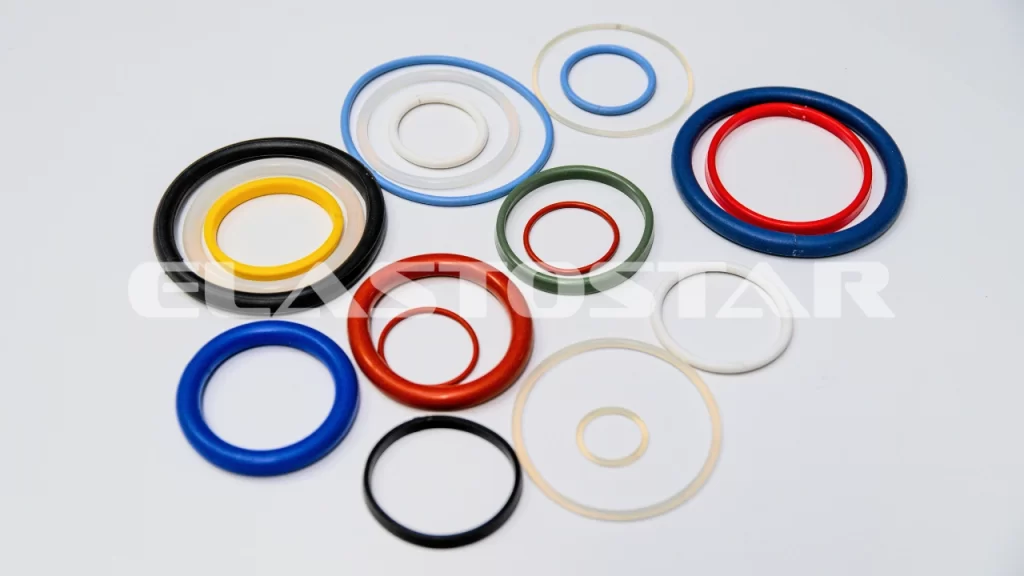
Customization Process for Epoxy-in-Tube Solutions at Suzhou Baoshida Trading Co., Ltd.
At Suzhou Baoshida Trading Co., Ltd., our industrial rubber solutions are engineered for precision, durability, and performance under demanding conditions. The customization of epoxy-in-tube systems follows a structured, four-phase process that ensures compliance with OEM specifications and operational requirements. This process begins with drawing analysis and culminates in mass production, with rigorous validation at each stage.
The first phase, drawing analysis, involves a detailed technical review of customer-provided engineering schematics. Our engineering team evaluates dimensional tolerances, substrate compatibility, thermal expansion coefficients, and environmental exposure parameters. This stage ensures that the epoxy-in-tube design aligns with mechanical assembly constraints and functional performance expectations. Any discrepancies or optimization opportunities are flagged for joint evaluation with the client, ensuring alignment before material development begins.
Following approval of the design, we proceed to formulation. Our rubber formula engineers develop a proprietary epoxy-resin compound tailored to the application’s thermal, chemical, and mechanical demands. Key variables such as cure kinetics, adhesion strength, glass transition temperature (Tg), and coefficient of thermal expansion (CTE) are calibrated using accelerated aging models and rheological profiling. The formulation is adjusted iteratively to achieve optimal flow characteristics during the in-tube encapsulation process, ensuring void-free filling and long-term reliability.
Once the formulation is finalized, prototyping is initiated. Small-batch production runs are conducted under simulated mass production conditions. Prototype samples undergo a battery of tests, including thermal cycling (-40°C to +150°C), humidity resistance (85% RH at 85°C), dielectric strength verification, and pull-out force measurement. Dimensional inspection is performed using coordinate measuring machines (CMM) to validate conformity with geometric dimensioning and tolerancing (GD&T) specifications. Client feedback at this stage is incorporated for final refinements.
Upon successful prototype validation, the project transitions to mass production. Our manufacturing lines operate under ISO 9001-certified quality management protocols, with real-time process monitoring and statistical process control (SPC) to maintain consistency. Each batch is traceable, and material certifications (including RoHS and REACH compliance) are provided. Production throughput is scalable, supporting both mid-volume OEM builds and high-volume automotive or industrial electronics applications.
The following table outlines key technical specifications commonly achieved in our epoxy-in-tube systems:
| Parameter | Typical Value | Test Standard |
|---|---|---|
| Tensile Strength | 25–35 MPa | ISO 527 |
| Dielectric Strength | ≥18 kV/mm | IEC 60243 |
| Glass Transition Temperature | 110–140°C | ASTM E1640 |
| Coefficient of Thermal Expansion | 50–70 ppm/°C (below Tg) | ASTM E831 |
| Volume Resistivity | >1×10¹⁵ Ω·cm | IEC 62631-3-1 |
| Operating Temperature Range | -40°C to +150°C (continuous) | Internal qualification |
This systematic approach enables Suzhou Baoshida to deliver epoxy-in-tube solutions that meet exacting industrial standards, ensuring reliability in critical applications across automotive, energy, and industrial automation sectors.
Contact Engineering Team
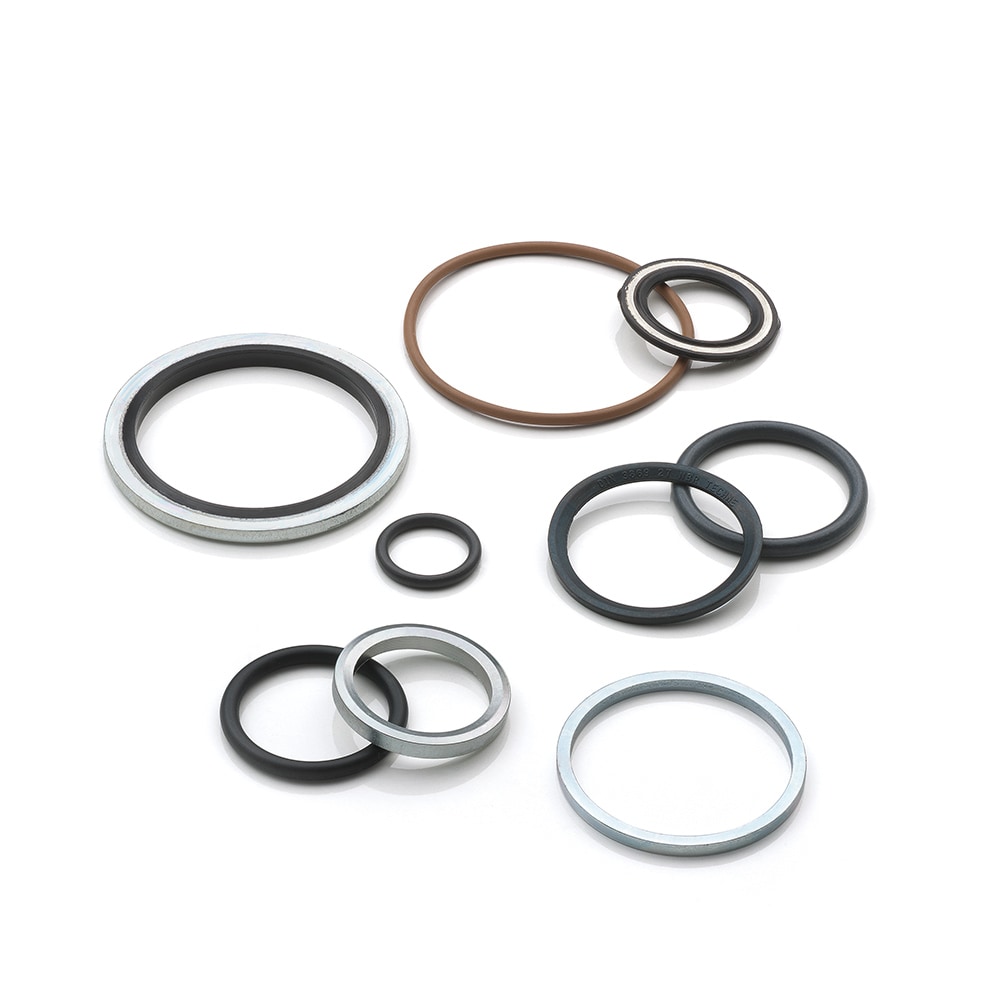
Technical Engagement: Precision Epoxy-in-Tube Solutions for Industrial Rubber Manufacturing
Suzhou Baoshida Trading Co., Ltd. stands at the forefront of advanced rubber compound formulation and industrial material supply, specializing in epoxy-in-tube technologies critical for high-integrity sealing, bonding, and structural applications. Our engineered solutions address the exacting demands of automotive, aerospace, and heavy machinery OEMs, where thermal stability, chemical resistance, and dimensional precision are non-negotiable. Unlike generic adhesives, our epoxy-in-tube systems are meticulously calibrated for seamless integration into rubber manufacturing workflows, ensuring optimal flow characteristics, controlled cure kinetics, and zero contamination risk during dispensing. This precision directly translates to reduced scrap rates, accelerated production cycles, and extended component service life under extreme operational stresses.
Central to our value proposition is the molecular-level customization of epoxy formulations. We optimize viscosity profiles, pot life, and thermal transition temperatures to align with your specific curing protocols and substrate requirements. The table below illustrates key performance differentiators of our flagship epoxy-in-tube compounds versus industry standards:
| Parameter | Industry Standard | Suzhou Baoshida Optimized Epoxy | Test Method |
|---|---|---|---|
| Viscosity (25°C) | 8,000–12,000 mPa·s | 4,500–6,200 mPa·s | ASTM D2196 |
| Pot Life (25°C) | 30–45 minutes | 60–90 minutes | ISO 11937-2 |
| Tg (Glass Transition) | 85–95°C | 115–125°C | ASTM E1640 |
| Lap Shear Strength (Al) | 18–22 MPa | 28–32 MPa | ASTM D1002 |
| Thermal Stability Limit | 150°C | 180°C | ISO 11358 |
These metrics reflect our commitment to material science rigor. Our formulations undergo rigorous validation in simulated production environments, including dynamic vulcanization compatibility testing and long-term aging studies per ISO 188 and ASTM D573 protocols. This ensures consistent performance when interfacing with silicone, EPDM, or fluororubber substrates under cyclic thermal loading.
As your OEM partner, Suzhou Baoshida provides end-to-end technical stewardship. Our engineering team collaborates directly with your R&D and production units to co-develop application-specific epoxy systems, validate dispensing equipment parameters, and establish in-line quality control checkpoints. We maintain ISO 9001-certified supply chains with batch traceability to raw material lots, guaranteeing repeatability across multi-year production runs. Our global logistics network ensures on-time delivery of temperature-controlled epoxy cartridges in volumes ranging from prototype batches to million-unit annual contracts.
Initiate a technical consultation to resolve your most complex bonding challenges. Contact Mr. Boyce, our dedicated OEM Solutions Manager, who possesses 14 years of expertise in rubber-adhesive interface engineering. He will coordinate a comprehensive material assessment, including free sample dispensing trials and compatibility reports tailored to your manufacturing process. Specify your substrate materials, cure profile constraints, and performance targets to receive a data-driven formulation proposal within 72 hours.
Elevate your production yield and product reliability through scientifically validated epoxy-in-tube technology. Reach Mr. Boyce directly at [email protected] to schedule a confidential technical review. Include your company name, target application, and critical performance thresholds to expedite solution development. Suzhou Baoshida delivers not just materials—but engineered certainty for mission-critical rubber assemblies.
⚖️ O-Ring Weight Calculator
Estimate rubber O-ring weight (Approx).