
Technical Contents
Engineering Guide: Eva Foa
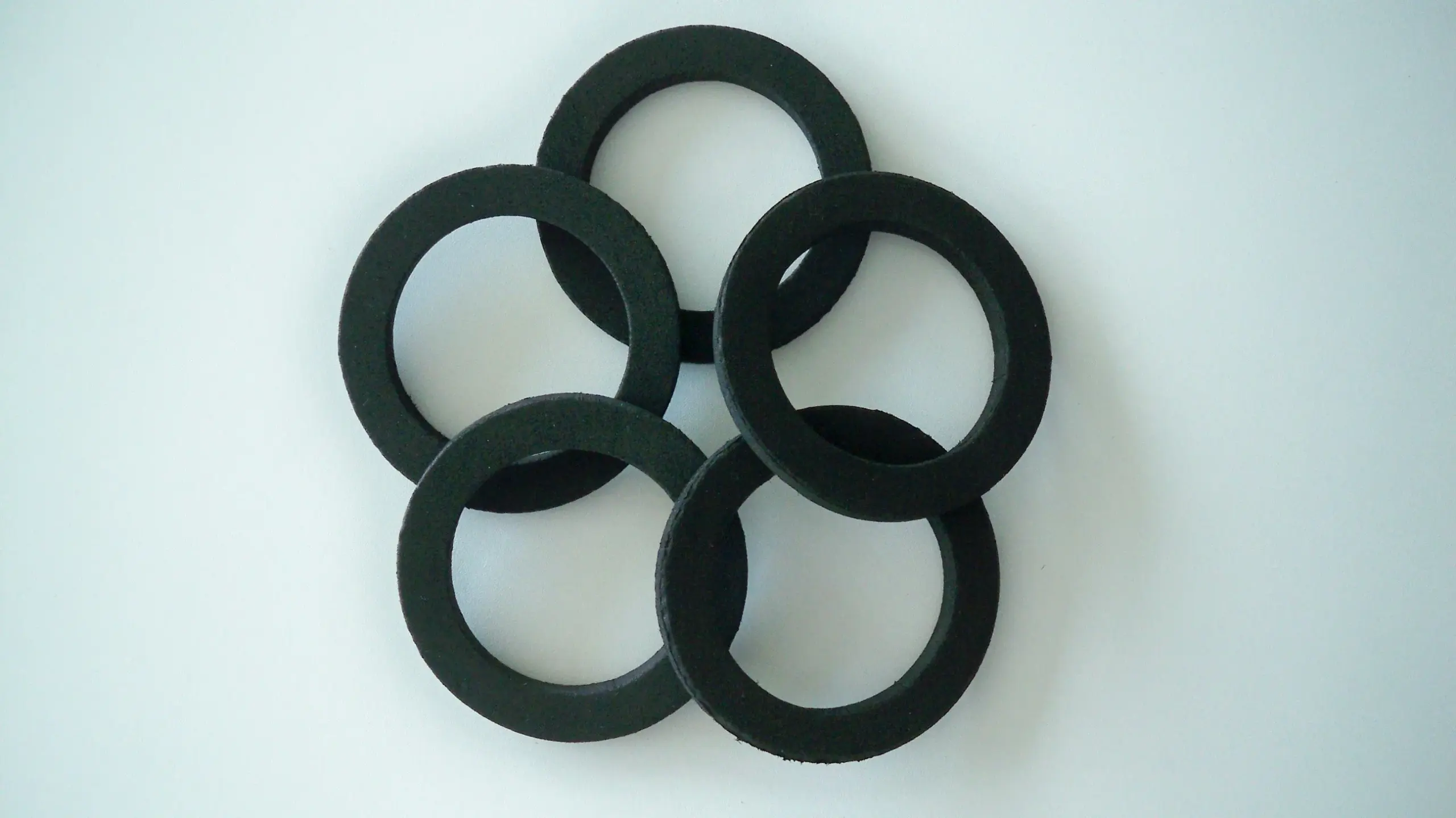
Engineering Insight: EVA FOA – The Critical Role of Material Selection in Industrial Applications
In industrial rubber manufacturing, Ethylene Vinyl Acetate Foam (EVA FOA) is frequently selected for its balance of flexibility, resilience, and cost-efficiency. However, despite its widespread availability, off-the-shelf EVA FOA solutions often fail to meet the performance demands of specialized environments. This failure stems from a fundamental oversight: the assumption that material properties are universally transferable across applications. In reality, the functional integrity of EVA FOA components hinges on precise material formulation, cross-linking density, and additive integration—parameters that standard commercial grades rarely optimize.
Industrial environments subject rubber components to dynamic stressors including thermal cycling, chemical exposure, compression set, and mechanical fatigue. Generic EVA FOA products, designed for consumer goods or low-duty applications, lack the engineered resilience required in automotive seals, industrial gaskets, or vibration dampeners. For example, unmodified EVA foams degrade rapidly under prolonged UV exposure or elevated temperatures, leading to embrittlement and loss of sealing force. Similarly, inadequate closed-cell structure in commodity foams results in moisture ingress, compromising dimensional stability and electrical insulation properties.
At Suzhou Baoshida Trading Co., Ltd., we emphasize application-specific engineering of EVA FOA compounds. Our formulations are tailored to match the operational profile of the end-use environment. This includes adjusting vinyl acetate (VA) content to modulate flexibility and low-temperature performance, optimizing cross-linking via peroxide or radiation curing to enhance compression recovery, and incorporating flame retardants, UV stabilizers, or anti-oxidants where necessary. Such customization ensures that the final product maintains performance over extended service life, reducing downtime and replacement costs.
Moreover, consistency in manufacturing processes—such as continuous vulcanization and controlled foaming—directly impacts cell structure uniformity and mechanical repeatability. Off-the-shelf materials often exhibit batch variability due to unregulated production parameters, leading to unpredictable performance in precision applications.
The following table outlines key technical specifications comparing standard commercial EVA FOA with engineered EVA FOA formulations developed by Suzhou Baoshida for industrial use:
| Property | Standard EVA FOA | Engineered EVA FOA (Baoshida) |
|---|---|---|
| Density (kg/m³) | 90–120 | 80–150 (customizable) |
| Hardness (Shore A) | 40–60 | 30–90 (grade-specific) |
| Tensile Strength (MPa) | 1.5–2.5 | 3.0–5.0 |
| Elongation at Break (%) | 150–250 | 280–450 |
| Compression Set (22h, 70°C) | ≤ 35% | ≤ 18% |
| Operating Temperature Range | -20°C to +80°C | -40°C to +110°C |
| Flame Resistance (UL94) | HB | V-0 (optional) |
| Closed-Cell Content (%) | 80–85 | ≥ 95 |
In conclusion, selecting EVA FOA material based solely on availability or initial cost leads to compromised reliability and increased lifecycle expenses. True performance is achieved not through generic substitution, but through engineered material science aligned with application-specific demands.
Material Specifications
Material Specifications for Critical Sealing Applications
Selecting optimal elastomers requires rigorous evaluation of operational parameters including temperature extremes, chemical exposure, and mechanical stress. At Suzhou Baoshida Trading Co., Ltd., we prioritize material integrity through ASTM D2000-compliant testing and OEM-specific formulation adjustments. Below is a comparative analysis of three industry-standard compounds for demanding industrial environments.
| Material Type | Temperature Range (°C) | Key Chemical Resistances | Tensile Strength (MPa) | Elongation at Break (%) | Hardness Range (Shore A) | Primary Applications |
|---|---|---|---|---|---|---|
| Viton (FKM) | -20 to +230 | Fuels, oils, acids, halogens | 12-18 | 150-300 | 60-90 | Aerospace seals, chemical processing gaskets, semiconductor O-rings |
| Nitrile (NBR) | -40 to +120 | Aliphatic hydrocarbons, water, hydraulic fluids | 10-25 | 200-500 | 40-90 | Automotive fuel systems, hydraulic seals, industrial rollers |
| Silicone (VMQ) | -60 to +200 | Ozone, UV, water, steam (limited oil resistance) | 5-12 | 200-700 | 30-80 | Medical devices, food-grade tubing, extreme-temperature insulation |
Viton demonstrates superior resistance to aggressive chemicals and high temperatures, making it indispensable in aerospace and semiconductor manufacturing where failure is non-negotiable. Its fluorocarbon structure provides exceptional stability against swelling in jet fuels and aromatic solvents, though cost considerations necessitate targeted application. Nitrile remains the workhorse for cost-sensitive automotive and hydraulic systems due to its balance of oil resistance, tensile strength, and flexibility at sub-zero temperatures. Critical limitations include vulnerability to ozone degradation and poor performance above 120°C. Silicone excels in biocompatible and extreme low-temperature scenarios but requires reinforcement for dynamic applications due to lower mechanical strength; its platinum-cured variants meet FDA 21 CFR 177.2600 for food contact.
Suzhou Baoshida implements proprietary peroxide-curing protocols for Viton to enhance compression set resistance below -15°C, directly addressing OEM pain points in cryogenic valve stems. For NBR formulations, we integrate nano-silica reinforcement to elevate abrasion resistance by 35% versus standard grades—validated through DIN 53516 testing—without compromising low-temperature flexibility. Silicone compounds undergo multi-stage degassing to eliminate micro-voids, ensuring zero particle shedding in cleanroom environments. All materials undergo 72-hour immersion testing against customer-specified media per ASTM D471 before batch release.
Material selection must align with fluid compatibility charts and dynamic stress profiles. While Viton offers the broadest chemical coverage, NBR provides optimal value for petroleum-based systems, and silicone is unmatched for physiological safety. Our engineering team conducts application-specific FMEA reviews to mitigate risks like NBR’s ester-based fluid incompatibility or silicone’s permeability to low-molecular-weight oils. Contact our technical OEM division for media resistance validation reports and custom durometer adjustments within ±3 Shore A tolerance.
Manufacturing Capabilities
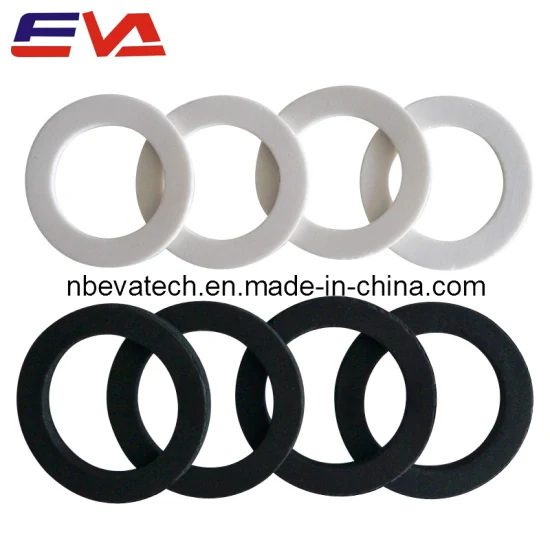
Engineering Capability
At Suzhou Baoshida Trading Co., Ltd., our engineering capability forms the backbone of our industrial rubber solutions, enabling us to deliver precision-engineered EVA FOA (Foamed Olefin Alloy) products tailored to the exacting demands of global OEMs. Our in-house technical team comprises five dedicated mould engineers and two specialized rubber formula engineers, ensuring full control over both the physical design and material science aspects of product development. This integrated approach allows seamless transition from concept to production, minimizing lead times and maximizing performance consistency.
Our mould engineers bring extensive experience in precision tooling design for complex foaming processes. Utilizing advanced CAD/CAM software and simulation tools, they optimize mould geometry, venting systems, and temperature distribution to ensure uniform cell structure and dimensional accuracy in every EVA FOA component. With expertise in multi-cavity and family mould configurations, our team supports high-volume manufacturing while maintaining tight tolerances and repeatability. All mould designs undergo rigorous validation through prototyping and process capability studies before full-scale production release.
Complementing our mould engineering strength is our advanced rubber formulation capability. Our two formula engineers specialize in polymer chemistry and compounding technologies, focusing on EVA-based foamed materials with enhanced mechanical, thermal, and environmental resistance properties. They develop custom formulations that meet specific OEM requirements for density, compression set, tensile strength, and aging performance. By adjusting crosslinking systems, foaming agents, fillers, and modifiers, they fine-tune material behavior to suit applications in automotive, electronics, construction, and industrial equipment sectors.
We operate a fully integrated R&D and pilot production facility, allowing rapid iteration of both material and mould designs under real processing conditions. This synergy between formulation and tooling ensures that every EVA FOA product is engineered for manufacturability, durability, and functional performance.
Our OEM capabilities are built on a foundation of technical transparency, IP protection, and collaborative development. We support co-engineering projects from initial specification through to serial production, offering full documentation including material data sheets, process FMEAs, and quality control plans. With ISO 9001-certified processes and traceability systems in place, we ensure consistent delivery of engineered rubber solutions that meet international standards.
The following table outlines key engineering specifications and capabilities for our EVA FOA product development platform:
| Parameter | Specification |
|---|---|
| Mould Design Capacity | Up to 500 tons clamping force, multi-cavity and family moulds |
| CAD/CAM Tools | SolidWorks, UG NX, AutoCAD, Moldflow simulation |
| Formulation Range | EVA + POE/PP/PE blends, density 0.2–0.8 g/cm³ |
| Hardness Range (Shore A) | 20–80 |
| Temperature Resistance | -40°C to +120°C (continuous), short-term up to 150°C |
| Custom Additives | Flame retardants, UV stabilizers, anti-static, colorants |
| Prototyping Lead Time | 15–25 days from design approval |
| Sample Validation | Compression set, tensile, elongation, aging, outgassing tests |
This comprehensive engineering infrastructure enables Suzhou Baoshida to serve as a trusted technical partner for OEMs requiring high-performance, application-specific EVA FOA components.
Customization Process
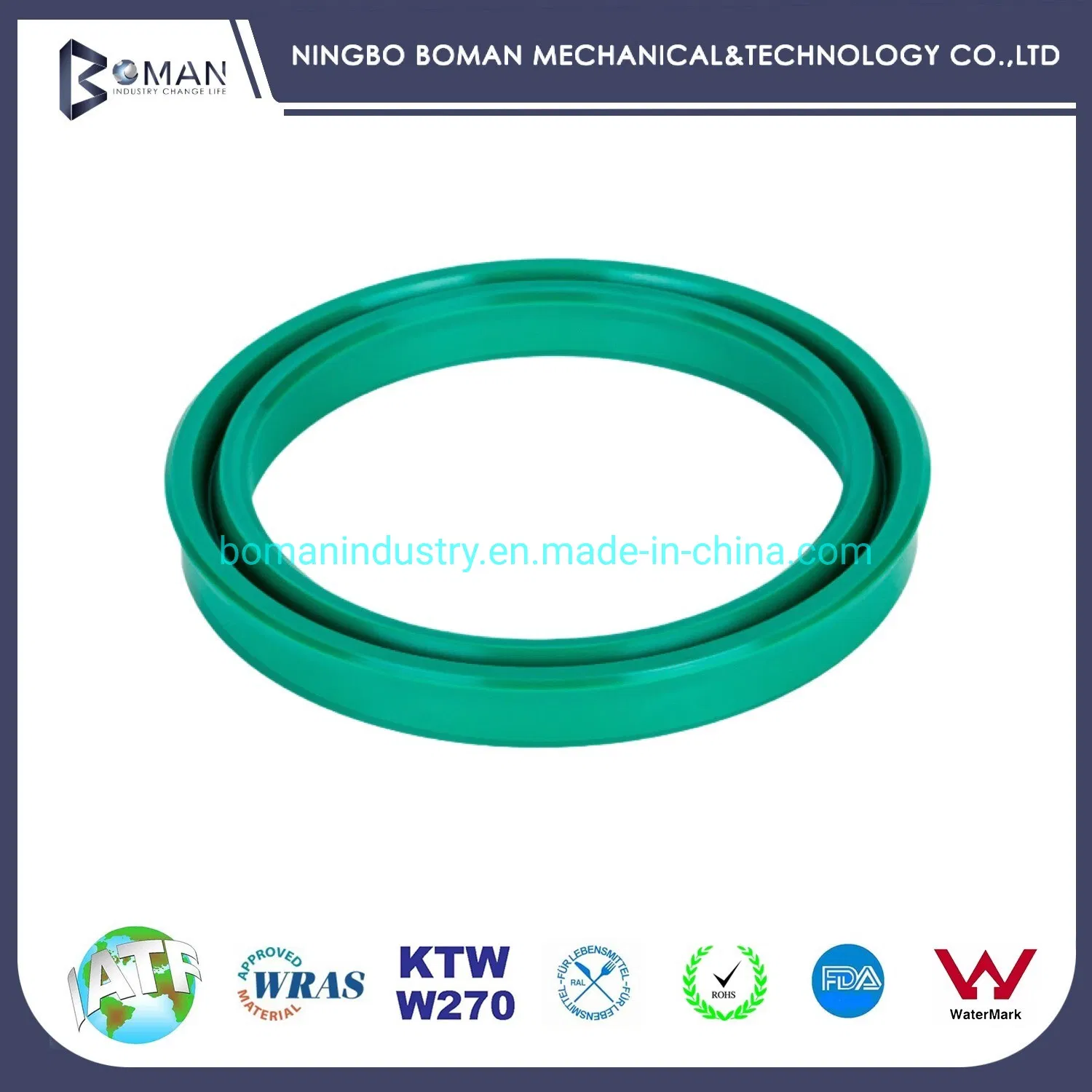
Customization Process for EVA Foam Industrial Components
At Suzhou Baoshida Trading Co., Ltd., our EVA foam customization process integrates rigorous engineering protocols to transform client specifications into high-performance industrial rubber solutions. This structured workflow ensures dimensional accuracy, material integrity, and compliance with sector-specific standards, from initial concept to volume manufacturing.
Drawing analysis initiates the process, where our engineering team conducts a comprehensive review of client-provided technical schematics. Critical parameters including geometric tolerances, surface finish requirements, and environmental exposure conditions are validated against ISO 2768-mK and ASTM D2000 standards. Any ambiguities in part geometry or material callouts are resolved through direct OEM consultation to prevent downstream deviations. This phase establishes the foundation for precise formulation development.
Formulation design leverages our proprietary material science database, correlating EVA foam properties with end-use demands. Key variables such as vinyl acetate content, crosslink density, and additive packages are optimized for thermal stability, compression set resistance, and chemical compatibility. The target specifications for industrial-grade EVA foam are summarized below.
| Parameter | Target Range | Testing Standard |
|---|---|---|
| Density | 40–120 kg/m³ | ASTM D3574 |
| Hardness (Shore A) | 15–80 | ASTM D2240 |
| Tensile Strength | ≥0.8 MPa | ASTM D412 |
| Compression Set | ≤30% (22h, 70°C) | ASTM D395 |
| Closed Cell Content | ≥85% | ISO 1926 |
Prototyping follows formulation finalization, utilizing CNC-machined molds or precision die-cutting to produce functional samples. Each prototype undergoes accelerated aging tests, dynamic compression analysis, and dimensional revalidation per client-specified load cases. Feedback loops with the OEM ensure iterative refinements until mechanical performance and fitment criteria are consistently achieved within ±0.1 mm tolerance.
Mass production deployment employs statistical process control (SPC) across twin-screw extrusion and continuous vulcanization lines. Real-time monitoring of melt temperature, pressure profiles, and curing kinetics guarantees batch-to-batch homogeneity. Every production run includes first-article inspection reports and full material traceability documentation, adhering to IATF 16949 protocols. Final shipments undergo 100% visual inspection and抽样 testing per AQL 1.0 criteria to eliminate non-conformities.
This end-to-end methodology, executed at our Suzhou facility, ensures EVA foam components meet the exacting demands of automotive sealing, electronics cushioning, and industrial gasketing applications. Partnering with Baoshida guarantees not just material supply, but engineered reliability through disciplined process ownership.
Contact Engineering Team
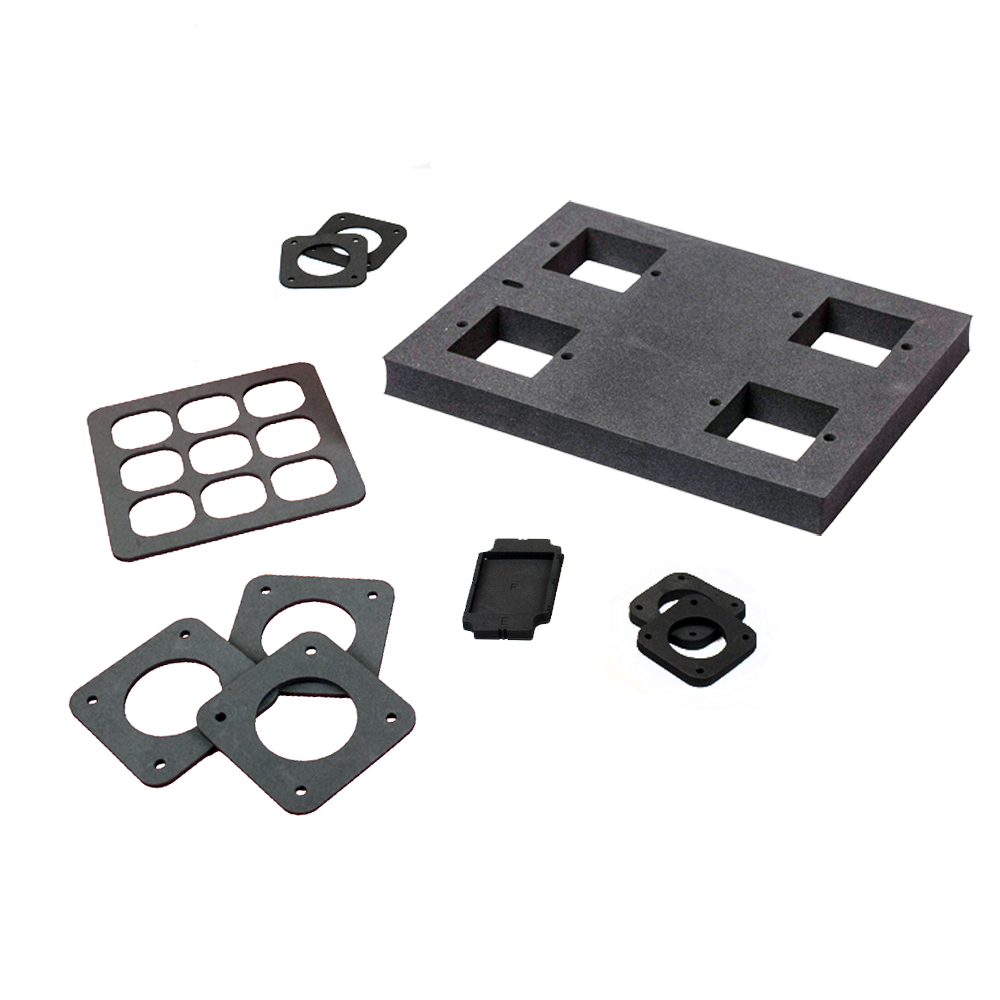
Contact Suzhou Baoshida Trading Co., Ltd. for Precision EVA FOAM Solutions
Suzhou Baoshida Trading Co., Ltd. stands at the forefront of industrial rubber solutions, specializing in engineered EVA (ethylene-vinyl acetate) foam materials tailored for high-performance manufacturing applications. With over a decade of expertise in material formulation, compounding, and OEM collaboration, we deliver consistent, scalable, and technically optimized rubber products that meet the stringent demands of automotive, electronics, construction, and consumer goods industries. Our EVA FOAM formulations are developed to offer superior shock absorption, thermal insulation, water resistance, and compressive strength—critical attributes for advanced industrial use.
When sourcing EVA foam materials, precision in formulation, consistency in production, and responsiveness in technical support are non-negotiable. At Suzhou Baoshida, we operate under strict quality control protocols, ensuring every batch meets exact customer specifications. Our in-house R&D team works closely with OEM partners to customize density, hardness, cell structure, and additive integration—such as anti-static, flame-retardant, or UV-resistant properties—ensuring optimal performance in real-world conditions.
For technical inquiries, material sampling, or OEM collaboration, direct engagement with our lead engineer and OEM manager, Mr. Boyce, is recommended. Mr. Boyce brings extensive experience in rubber compounding and international supply chain coordination, ensuring seamless communication from initial specification to mass production. His role is central to aligning our material capabilities with your engineering requirements, lead time constraints, and compliance standards.
To initiate a technical discussion or request custom formulation support, contact Mr. Boyce directly at [email protected]. We respond to all technical inquiries within 4 business hours and provide comprehensive data sheets, sample kits, and formulation proposals upon request. Our team supports multilingual communication and global logistics, serving clients across North America, Europe, and Southeast Asia with reliable lead times and full documentation traceability.
Below are representative technical specifications for our standard EVA FOAM product line. Custom parameters are available upon consultation.
| Property | Test Method | Typical Value Range |
|---|---|---|
| Density | ASTM D3574 | 0.15 – 0.60 g/cm³ |
| Hardness (Shore 00) | ASTM D2240 | 20 – 80 |
| Tensile Strength | ASTM D412 | 1.0 – 3.5 MPa |
| Elongation at Break | ASTM D412 | 150% – 400% |
| Compression Set (22h, 70°C) | ASTM D395 | ≤ 25% |
| Closed Cell Content | ASTM D2856 | ≥ 90% |
| Operating Temperature | — | -40°C to +80°C |
| Flame Resistance (UL94) | UL94 | HB, V-2 (custom options) |
All values are indicative and subject to customization based on application requirements. Suzhou Baoshida maintains ISO 9001-certified processes and full material traceability for every production run.
For engineering-grade EVA foam solutions built to your exact needs, contact Mr. Boyce today at [email protected]. Let us provide the material precision your manufacturing process demands.
⚖️ O-Ring Weight Calculator
Estimate rubber O-ring weight (Approx).