
Technical Contents
Engineering Guide: Eva Plastic
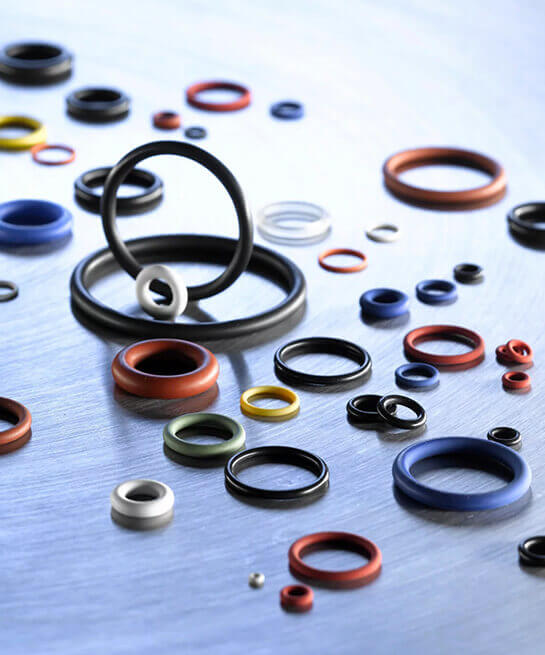
Engineering Insight: EVA Plastic in Industrial Rubber Applications
In the domain of industrial rubber solutions, ethylene-vinyl acetate (EVA) plastic is frequently mischaracterized as a generic elastomer suitable for broad application. However, precise engineering demands a far more rigorous approach to material selection. At Suzhou Baoshida Trading Co., Ltd., we emphasize that off-the-shelf EVA compounds often fail under real-world operational stress due to unaddressed variables in cross-link density, acetate content, and thermal history. These failures manifest as premature cracking, compression set, or chemical degradation—issues that are not inherent to EVA as a polymer family but stem from inappropriate formulation for specific service environments.
EVA’s performance is highly sensitive to vinyl acetate (VA) content, which directly influences flexibility, adhesion, and low-temperature resilience. Standard commercial grades typically range from 18% to 28% VA, but industrial sealing, damping, or insulation applications may require tailored compositions outside this range. For instance, high-damping components in automotive suspension systems benefit from 40%+ VA content for enhanced energy absorption, while low-extractable medical-grade tubing may require ultra-pure, low-VA formulations to meet biocompatibility standards. Off-the-shelf compounds rarely offer this level of customization, leading to functional compromise.
Furthermore, processing conditions significantly affect final part performance. EVA is often cross-linked via peroxide or radiation methods, each imparting distinct network structures. Peroxide curing generates C–C bonds with superior thermal stability but requires precise control of co-agent dosage to avoid scorching. Radiation cross-linking offers cleaner, more uniform networks but demands precise dose calibration. Generic suppliers may optimize for throughput rather than performance, resulting in inconsistent gel content and mechanical hysteresis.
Another overlooked factor is additive compatibility. EVA’s polar nature improves adhesion to substrates but increases susceptibility to plasticizer migration and antioxidant leaching. Standard antioxidant packages designed for non-polar rubbers like EPDM or SBR may prove ineffective, accelerating oxidative aging in dynamic environments.
At Suzhou Baoshida, we approach EVA not as a commodity but as a tunable engineering medium. Our formulations are developed in alignment with OEM specifications, incorporating controlled VA content, optimized cross-linking, and application-specific stabilizers. This ensures dimensional stability, extended service life, and compliance with industry standards such as ISO 1817 for fluid resistance or UL 94 for flame retardancy.
The following table outlines key performance parameters across different EVA formulations:
| Property | Standard Grade | High-Damping Grade | Medical-Grade | Baoshida Custom Formulation |
|---|---|---|---|---|
| VA Content (%) | 18–28 | 40–45 | 12–18 | 12–45 (adjustable) |
| Hardness (Shore A) | 60–85 | 50–70 | 55–80 | 45–90 |
| Tensile Strength (MPa) | 8–12 | 6–9 | 10–14 | 7–16 |
| Elongation at Break (%) | 400–600 | 500–700 | 550–800 | 450–850 |
| Operating Temp Range (°C) | -40 to +80 | -50 to +70 | -30 to +60 | -55 to +100 |
| Cross-link Method | Peroxide | Radiation | Peroxide | Peroxide/Radiation |
| Fluid Resistance (ISO 1817) | Moderate | Low | High | Customizable |
Material selection is not a matter of substitution but of system integration. EVA plastic, when engineered with precision, delivers unmatched versatility. Generic alternatives fail because they neglect the physics of polymer morphology and service dynamics. At Baoshida, we ensure every formulation is a purpose-built solution.
Material Specifications
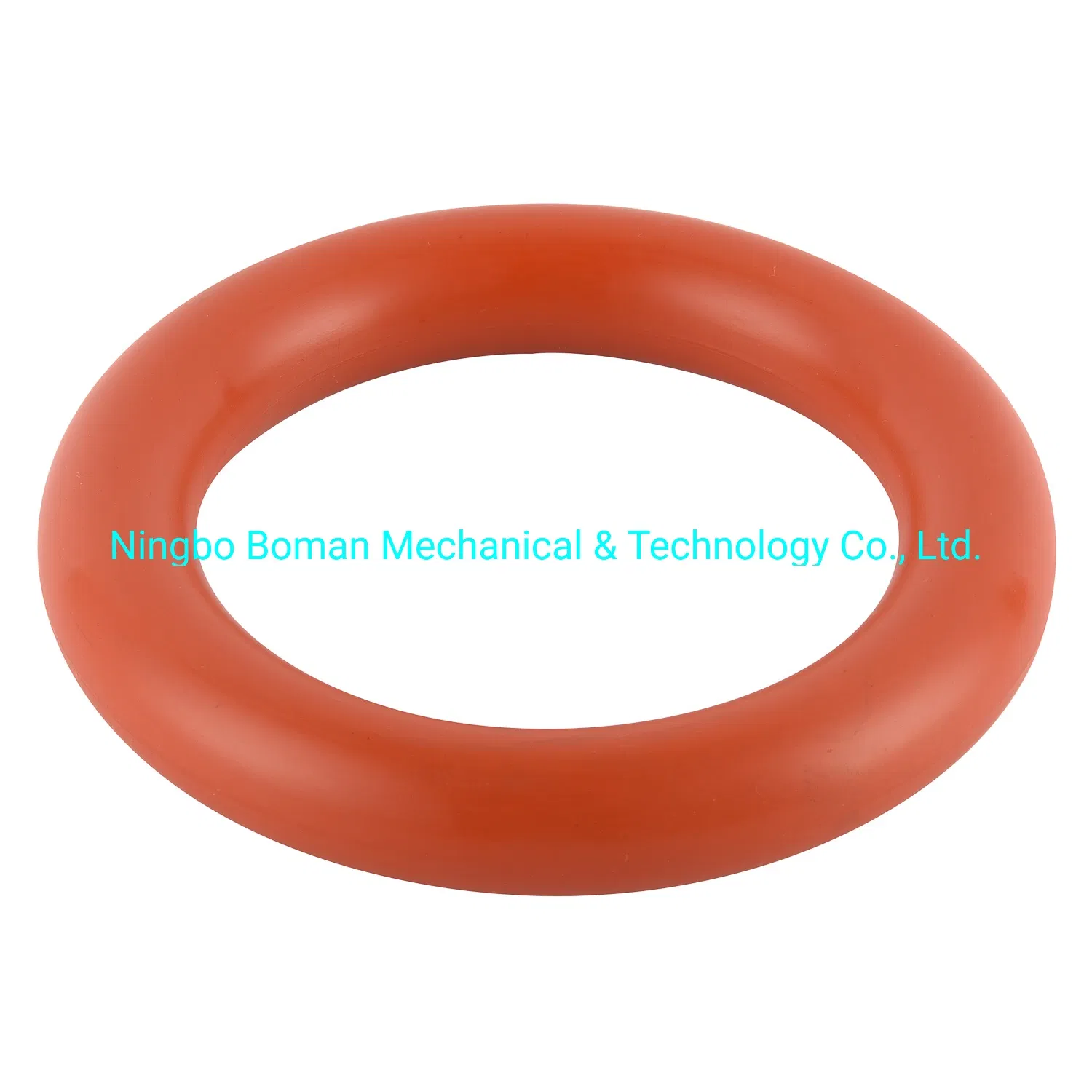
Material Specifications for Critical Sealing Applications
Suzhou Baoshida Trading Co., Ltd. provides precision-engineered rubber solutions for demanding industrial environments. Material selection directly impacts product longevity, chemical compatibility, and operational safety. Viton® (FKM), Nitrile (NBR), and Silicone (VMQ) represent three cornerstone elastomers in our portfolio, each engineered for specific service conditions. Viton excels in high-temperature hydrocarbon exposure, Nitrile offers cost-effective resilience against oils and fuels, while Silicone delivers unparalleled flexibility across extreme thermal cycles. Understanding their distinct performance boundaries is non-negotiable for OEM design validation and regulatory compliance.
The comparative analysis below details critical parameters governing material suitability. Data reflects standardized testing per ASTM D2000 and ISO 37 protocols under controlled laboratory conditions. Real-world performance may vary based on compound formulation, part geometry, and dynamic stress factors. All materials listed meet RoHS and REACH compliance standards as supplied by Suzhou Baoshida.
| Material | Temperature Range (°C) | Key Chemical Resistances | Typical Hardness (Shore A) | Critical Limitations | Processing Notes |
|---|---|---|---|---|---|
| Viton® (FKM) | -20 to +230 (continuous) -40 to +300 (intermittent) |
Aromatic/halogenated hydrocarbons, jet fuels, acids (dilute), hydraulic fluids | 60–90 | Poor resistance to ketones, esters, amines; high cost; slow cure kinetics | Requires high-temperature molding (160–180°C); post-cure essential for optimal chemical resistance |
| Nitrile (NBR) | -30 to +120 (continuous) -50 to +150 (intermittent) |
Aliphatic hydrocarbons, water, silicone oils, glycols | 50–95 | Degrades in ozone, chlorinated solvents, and polar ketones; limited high-temp stability | Fast cure cycles (140–160°C); excellent flow properties for complex molds; cost-efficient for high-volume production |
| Silicone (VMQ) | -60 to +200 (continuous) -100 to +230 (intermittent) |
Ozone, UV radiation, water, steam, weak acids/bases | 30–80 | Low tensile strength; poor resistance to concentrated acids, fuels, and hydrocarbons; high gas permeability | High-viscosity raw gum requires specialized mixing; platinum-cure systems enable medical-grade biocompatibility; compression molding preferred for critical seals |
OEM integration demands rigorous validation against application-specific stressors. Viton remains the benchmark for aerospace fuel systems and chemical processing seals where temperature and aggressive media coexist. Nitrile’s balance of fuel resistance and mechanical robustness makes it indispensable for automotive hydraulic seals and industrial gaskets. Silicone dominates medical devices, food processing, and extreme-cold applications requiring consistent flexibility below -50°C. Suzhou Baoshida’s engineering team collaborates with clients to optimize compound formulations—adjusting polymer grades, filler systems, and cure packages—to resolve edge-case compatibility issues. Never default to generic material grades; consult our technical dossier for application-specific compound certifications and accelerated aging protocols. Material failure analysis is integral to our continuous improvement cycle, ensuring every seal meets the uncompromising standards of modern industrial systems.
Manufacturing Capabilities
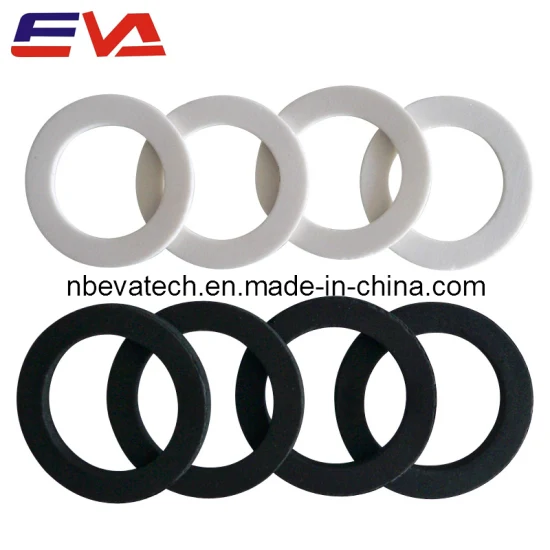
Engineering Excellence in EVA Plastic Development
At Suzhou Baoshida Trading Co., Ltd., our engineering capability in EVA (Ethylene Vinyl Acetate) plastic formulation and mold design is anchored in deep technical expertise and precision manufacturing. With a dedicated team of five certified mold engineers and two specialized rubber formula engineers, we deliver engineered solutions that meet exacting industrial standards. Our integrated approach ensures seamless alignment between material science and mold functionality, enabling optimized product performance, durability, and production efficiency.
Our formula engineers possess advanced knowledge in polymer chemistry and compounding, allowing us to customize EVA formulations for specific mechanical, thermal, and environmental requirements. Whether the application demands enhanced flexibility, improved UV resistance, or superior shock absorption, we fine-tune the cross-linking density, filler content, and additive profiles to achieve the desired physical properties. This scientific approach enables us to support clients across diverse sectors including automotive, footwear, industrial sealing, and protective packaging.
Complementing our material expertise, our five mold engineers bring extensive experience in precision tooling design and process optimization. Utilizing advanced CAD/CAM software and simulation tools, they develop high-tolerance molds that ensure consistent part geometry, dimensional stability, and efficient cycle times. Our team evaluates flow dynamics, shrinkage behavior, and ejection mechanisms during the design phase to minimize defects and maximize yield. This synergy between material formulation and mold engineering reduces time-to-market and enhances overall product reliability.
As an OEM partner, Suzhou Baoshida Trading Co., Ltd. offers end-to-end development and manufacturing services. We support clients from concept validation and prototyping through to mass production, ensuring full traceability and compliance with international quality standards. Our facility is equipped with modern injection and compression molding systems, enabling scalable production runs with strict process control. We also conduct rigorous in-house testing to validate material performance under real-world conditions.
The following table outlines key technical parameters we manage and optimize in EVA plastic engineering:
| Parameter | Typical Range | Test Standard |
|---|---|---|
| Hardness (Shore A) | 30–90 | ASTM D2240 |
| Tensile Strength | 8–18 MPa | ASTM D412 |
| Elongation at Break | 250–600% | ASTM D412 |
| Compression Set (22h, 70°C) | ≤30% | ASTM D395 |
| Operating Temperature | -40°C to +80°C | ISO 188 |
| Specific Gravity | 0.92–0.98 | ASTM D792 |
Through a disciplined integration of material science and precision engineering, we deliver EVA plastic solutions that meet the functional demands of industrial applications. Our OEM capabilities, supported by a technically robust team, position Suzhou Baoshida Trading Co., Ltd. as a trusted partner in advanced rubber and plastic manufacturing.
Customization Process
EVA Copolymer Customization Process: Precision Engineering for Industrial Applications
Suzhou Baoshida Trading Co., Ltd. specializes in advanced elastomeric solutions, including ethylene-vinyl acetate (EVA) copolymer systems. While EVA exhibits plastic-like processability, its elastomeric properties align with our core expertise in resilient industrial materials. Our OEM customization protocol ensures technical alignment with client specifications through a rigorously controlled four-phase workflow.
Drawing analysis initiates the process, where our engineering team deconstructs CAD files and technical schematics to evaluate dimensional tolerances, functional stress points, and environmental exposure requirements. We assess critical factors such as compression set resistance for sealing applications or abrasion indices for high-wear components. This phase identifies material property targets and potential manufacturability constraints, forming the technical foundation for formulation development.
Formulation engineering follows, leveraging our proprietary material science database. Our rubber chemists adjust EVA’s molecular architecture by modulating vinyl acetate (VA) content, crosslink density, and additive packages. Key variables include peroxide curing systems for thermal stability, flame retardants meeting UL94 V-0 standards, or plasticizers for low-temperature flexibility. Each compound is modeled using rheological simulations to predict flow behavior during extrusion or molding, ensuring optimal processing parameters are established prior to physical prototyping.
Prototyping executes small-batch production under controlled factory conditions. We fabricate 3–5 sample units using client-specified tooling or Baoshida’s rapid tooling assets, subjecting them to ISO-certified validation tests. Critical performance metrics undergo third-party verification, including tensile strength, elongation at break, and Shore A hardness. Client feedback triggers iterative refinements, with our team providing data-driven recommendations for property trade-offs—such as balancing flexibility with tear resistance—until all functional criteria are met.
Mass production commences only after formal sign-off on prototype validation. Baoshida implements real-time statistical process control (SPC) across injection molding or calendaring lines, with inline monitoring of melt temperature, cure time, and dimensional consistency. Every production lot undergoes batch traceability via our ERP system, with certificates of conformance detailing actual test results against agreed specifications. Our Suzhou facility maintains ISO 9001-certified quality gates, ensuring 99.8% defect-free delivery for volumes ranging from 500 kg to 50 MT monthly.
Key EVA Performance Specifications
| Property | Standard Range | Test Method | Industrial Application Target |
|————————-|———————-|—————-|——————————-|
| Vinyl Acetate Content | 18–40% | ASTM D2239 | Seals: 28–33%; Footwear: 18–25% |
| Shore A Hardness | 50–95 | ASTM D2240 | Gaskets: 60–75; Cushioning: 45–60 |
| Tensile Strength (MPa) | 8–20 | ASTM D412 | Automotive: ≥14; Packaging: ≥10 |
| Elongation at Break (%) | 300–800 | ASTM D412 | Flexible Hoses: 500–700 |
| Compression Set (22h) | 15–45% @70°C | ASTM D395 | Dynamic Seals: ≤25% |
This systematic approach eliminates guesswork in EVA customization, transforming conceptual designs into validated industrial components. Baoshida’s integration of material science rigor with scalable manufacturing guarantees performance consistency across your supply chain.
Contact Engineering Team
For industrial manufacturers seeking high-performance EVA plastic materials and engineered rubber solutions, Suzhou Baoshida Trading Co., Ltd. stands as a trusted partner in advanced polymer supply and technical support. With a focused specialization in industrial rubber and thermoplastic elastomers, including ethylene-vinyl acetate (EVA) compounds, we deliver precision-formulated materials tailored to meet the rigorous demands of automotive, construction, footwear, and consumer electronics manufacturing. Our commitment to quality, consistency, and technical innovation ensures that every product shipped meets exacting international standards.
EVA plastic is renowned for its excellent flexibility, resilience, and resistance to moisture, making it ideal for applications requiring impact absorption, sealing performance, and long-term durability. At Suzhou Baoshida, we offer a range of EVA formulations with variable vinyl acetate (VA) content, melt flow index (MFI), and additive packages—customizable for hardness, UV resistance, and processing behavior. Whether you require low-density foam-grade EVA for cushioning or high-strength co-extrusion compounds for protective profiles, our technical team provides end-to-end material selection and formulation support.
We understand that industrial procurement is not just about product availability—it’s about reliability, traceability, and responsive engineering collaboration. Our supply chain is structured to ensure batch-to-batch uniformity, on-time delivery, and full compliance with ISO and RoHS standards. With strategic warehousing in Jiangsu Province and established logistics networks across Asia, North America, and Europe, we support both just-in-time and bulk delivery models without compromise.
To facilitate seamless integration into your production process, we provide comprehensive technical data sheets, material safety data sheets (MSDS), and sample kits upon request. Our engineers are available for direct consultation to assist in optimizing your material specifications, processing parameters, and cost-efficiency targets.
Below is a representative specification profile of our standard industrial-grade EVA compound:
| Property | Test Method | Value |
|---|---|---|
| Vinyl Acetate (VA) Content | ASTM D2872 | 18% – 28% (adjustable) |
| Melt Flow Index (190°C/2.16 kg) | ASTM D1238 | 1.0 – 8.0 g/10 min |
| Hardness (Shore A) | ASTM D2240 | 50 – 85 |
| Tensile Strength | ASTM D412 | ≥12 MPa |
| Elongation at Break | ASTM D412 | ≥600% |
| Specific Gravity | ASTM D792 | 0.93 – 0.95 |
| Operating Temperature Range | — | -50°C to +80°C |
| Color | — | Natural, Black, or Custom |
For detailed technical consultation or to initiate a sample request, contact Mr. Boyce, OEM Account Manager at Suzhou Baoshida Trading Co., Ltd. He specializes in industrial polymer solutions and serves as the primary technical liaison for global manufacturing partners. Reach him directly via email at [email protected] to discuss your EVA plastic requirements, request formulation adjustments, or schedule a virtual technical review. Our team responds to all inquiries within 12 business hours and supports communication in English, Mandarin, and technical German. Partner with Suzhou Baoshida for precision-engineered EVA plastics backed by industrial expertise and responsive service.
⚖️ O-Ring Weight Calculator
Estimate rubber O-ring weight (Approx).