
Technical Contents
Engineering Guide: Extruded Seals
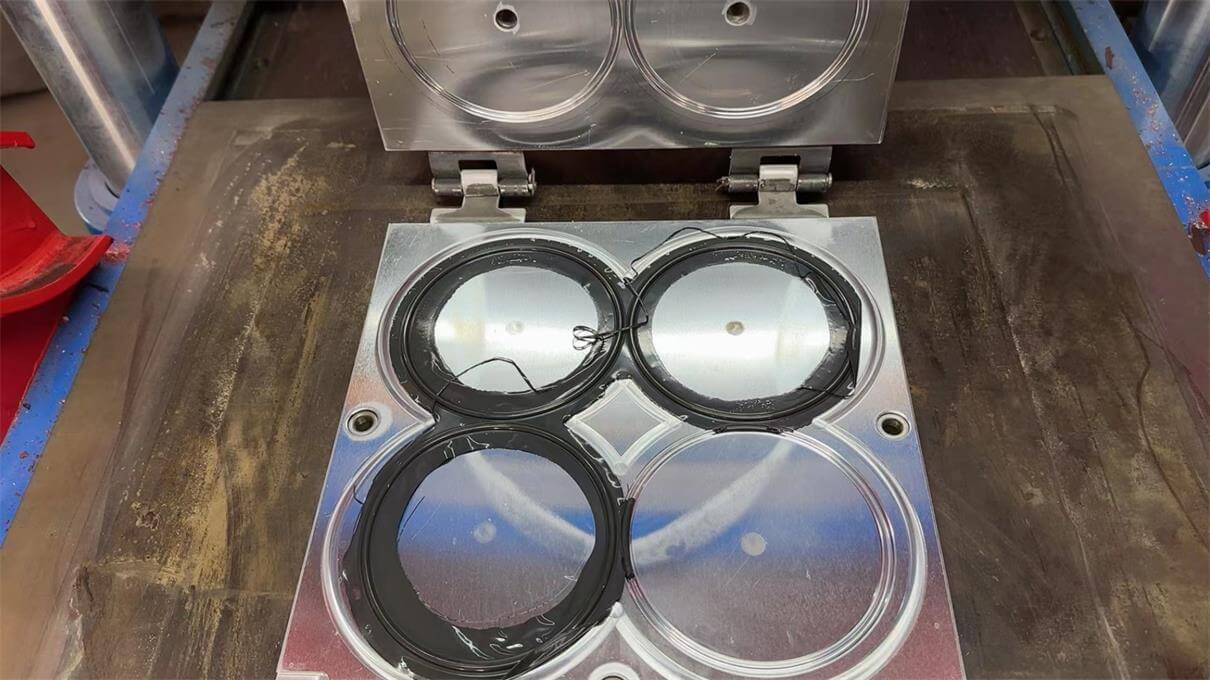
Engineering Insight: Material Selection in Extruded Seals
The performance and longevity of extruded rubber seals are fundamentally determined by material selection. While off-the-shelf solutions are often marketed as cost-effective and readily available, they frequently fail to meet the rigorous demands of industrial applications. This failure stems from a mismatch between generic material properties and the specific environmental, mechanical, and chemical conditions present in real-world sealing environments. At Suzhou Baoshida Trading Co., Ltd., we emphasize engineered material selection as a core principle in delivering precision rubber seals that perform reliably under stress.
Extruded seals are continuously formed profiles designed to maintain a consistent cross-section along their length. This manufacturing method allows for high-volume production and seamless integration into dynamic or static sealing applications. However, the extrusion process itself imposes constraints on material behavior, including flow characteristics, cure kinetics, and dimensional stability. Selecting a rubber compound without considering these processing dynamics can lead to defects such as surface roughness, die swell variation, or post-extrusion shrinkage—compromising both fit and function.
More critically, the operational environment dictates the chemical and physical resistance required of the seal. Standard elastomers like natural rubber or basic SBR may suffice in benign indoor settings but degrade rapidly when exposed to ozone, UV radiation, oils, or extreme temperatures. For instance, automotive under-hood seals must resist engine oils and temperature swings from -40°C to +150°C, necessitating materials such as NBR or fluorocarbon (FKM). Similarly, seals used in chemical processing equipment must withstand aggressive solvents, mandating the use of highly inert compounds like EPDM or perfluoroelastomers.
Another common failure point arises from dynamic stress. Off-the-shelf seals often use fillers and plasticizers that reduce raw material costs but compromise long-term resilience. These additives can migrate over time, leading to hardening, cracking, or loss of compression set resistance—especially in reciprocating or vibrating applications. Precision-engineered seals, by contrast, utilize high-purity polymers, optimized crosslinking systems, and reinforcing fillers tailored to the service life requirements.
Custom material formulation allows for fine-tuning of key performance indicators such as tensile strength, elongation at break, hardness, and compression set. This level of control is rarely achievable with mass-produced alternatives.
Below is a comparison of common elastomers used in extruded seals and their performance characteristics:
| Material | Temperature Range (°C) | Fluid Resistance | Compression Set | Typical Applications |
|---|---|---|---|---|
| NBR (Nitrile) | -40 to +120 | Excellent (oils, fuels) | Good | Automotive, hydraulics |
| EPDM | -50 to +150 | Excellent (water, steam, ozone) | Very Good | HVAC, water systems |
| FKM (Fluorocarbon) | -20 to +200 | Outstanding (solvents, acids) | Excellent | Aerospace, chemical |
| Silicone | -60 to +200 | Fair (water, oils) | Good | Medical, food-grade |
| CR (Neoprene) | -40 to +100 | Good (ozone, weather) | Moderate | Construction, marine |
Material selection is not a one-size-fits-all decision. It requires a deep understanding of application parameters and material science. At Suzhou Baoshida, we partner with OEMs to develop extruded seals engineered for performance, not just price.
Material Specifications
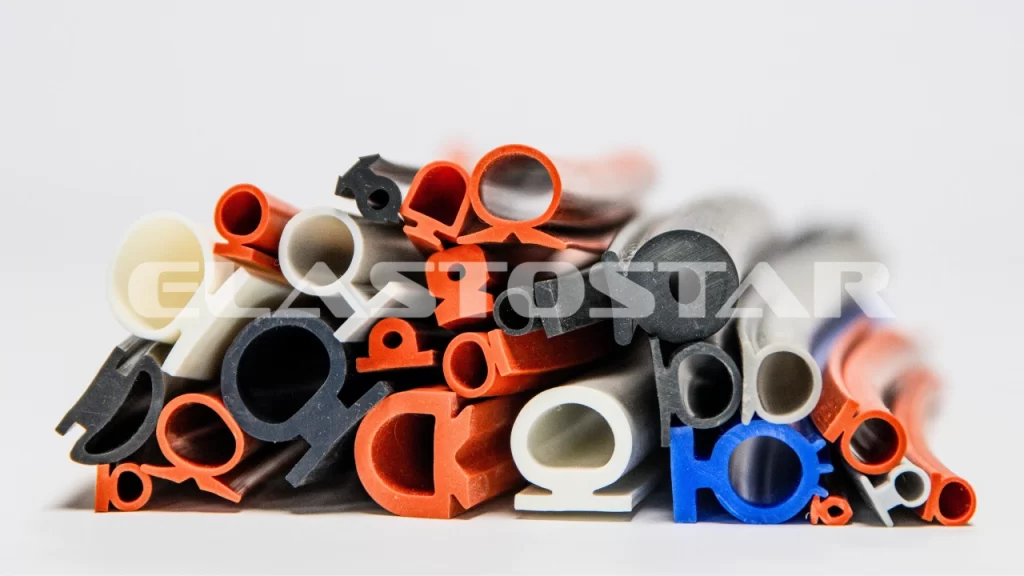
Material Specifications for Precision Extruded Seals
Material selection fundamentally determines extruded seal performance in demanding industrial applications. At Suzhou Baoshida Trading Co., Ltd., we engineer compounds to exacting ASTM D2000 and ISO 3601 standards, ensuring dimensional stability, resilience, and longevity. Our core formulations—Viton® (FKM), Nitrile (NBR), and Silicone (VMQ)—address distinct operational challenges through tailored polymer chemistry and additive systems.
Viton® fluorocarbon rubber delivers exceptional resistance to high temperatures, aggressive chemicals, and oxidation. Standard grades withstand continuous service from -20°C to 230°C, with specialty perfluoroelastomer (FFKM) variants exceeding 300°C. Its molecular structure provides superior stability against jet fuels, hydraulic fluids, acids, and aromatic hydrocarbons, making it indispensable for aerospace, semiconductor, and chemical processing seals. Compression set resistance remains critical below 20% after 70 hours at 200°C per ASTM D395.
Nitrile rubber (NBR) remains the industry benchmark for cost-effective oil and fuel resistance. Optimized acrylonitrile content (34% typical) balances low-temperature flexibility (-40°C) with resistance to petroleum derivatives, aliphatic hydrocarbons, and water. Standard compounds achieve 15-25 MPa tensile strength (ASTM D412) and 50-90 Shore A hardness. Enhanced formulations incorporate carboxylated NBR (XNBR) for superior abrasion resistance in automotive transmission seals and hydraulic systems operating up to 120°C.
Silicone rubber (VMQ) excels in extreme temperature applications requiring biocompatibility and electrical insulation. Standard grades function reliably from -60°C to 200°C, with phenyl-modified variants extending low-end performance to -100°C. While exhibiting excellent resistance to ozone, UV, and steam, silicone demonstrates limited resistance to concentrated acids and hydrocarbon fuels. Its low compression set (<20% at 150°C) and physiological inertness drive adoption in medical devices, food processing, and high-temperature gaskets. Tear strength remains a consideration, typically 10-20 kN/m.
The comparative specifications below guide optimal material selection based on application parameters. All values reflect standard cured compounds per ASTM test methods.
| Material | Temperature Range (°C) | Key Resistances | Tensile Strength (MPa) | Hardness Range (Shore A) | Primary Applications |
|---|---|---|---|---|---|
| Viton® (FKM) | -20 to 230 | Fuels, oils, acids, solvents, steam | 10-18 | 60-90 | Aerospace seals, chemical valves, semiconductor tooling |
| Nitrile (NBR) | -40 to 120 | Petroleum oils, fuels, water, aliphatic hydrocarbons | 15-25 | 50-90 | Automotive O-rings, hydraulic cylinders, fuel systems |
| Silicone (VMQ) | -60 to 200 | Ozone, UV, steam, water, oxygen | 5-10 | 30-80 | Medical tubing, food-grade seals, high-temp gaskets |
Suzhou Baoshida Trading Co., Ltd. rigorously validates all extruded profiles through in-house testing for compression set, fluid immersion, and thermal aging. Material recommendations must account for simultaneous exposure to multiple stressors—such as heat cycling under chemical immersion—where synergistic degradation can occur. Consult our engineering team to specify custom compounds with optimized filler systems, cure chemistry, and FDA/USP Class VI compliance for mission-critical sealing solutions. Precise material selection directly correlates with extended service life and reduced total cost of ownership in OEM assemblies.
Manufacturing Capabilities
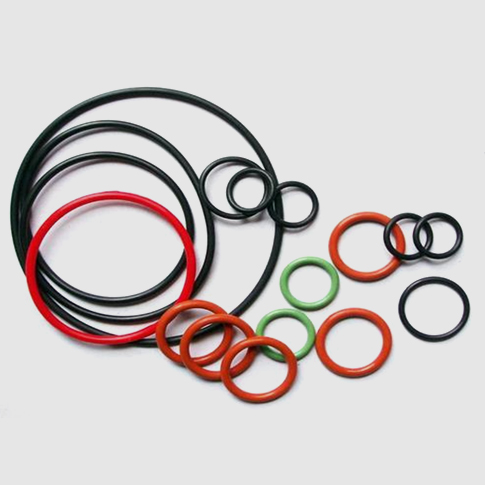
Engineering Capability: Precision Development for Extruded Rubber Seals
At Suzhou Baoshida Trading Co., Ltd., our engineering capability forms the backbone of our reputation in precision rubber extrusion. With a dedicated team comprising five specialized mould engineers and two advanced rubber formula engineers, we deliver technically robust, application-specific extruded seals tailored to stringent OEM requirements. Our integrated engineering approach ensures seamless development from concept to production, maintaining tight tolerances, material integrity, and long-term performance under dynamic operating conditions.
Our mould engineers possess extensive experience in die design for complex rubber profiles, including single-lip, multi-lip, bulb, D-shaped, P-shaped, and custom geometries. Utilizing precision CAD/CAM software and CNC machining protocols, they optimize flow dynamics and dimensional stability during extrusion. Finite element analysis (FEA) is routinely applied to predict material behavior and prevent defects such as warping, voids, or inconsistent cross-sections. This proactive design methodology reduces prototyping cycles and accelerates time-to-market for client projects.
Complementing our tooling expertise, our two in-house rubber formulation engineers specialize in developing proprietary elastomer compounds tailored to specific environmental and mechanical demands. Whether the application requires resistance to extreme temperatures, ozone, UV exposure, hydraulic fluids, or compressed gases, our formula development process ensures optimal performance. We work extensively with EPDM, NBR, silicone, FKM, CR, and specialty blends, adjusting hardness (Shore A 40–90), elongation at break, compression set, and durometer consistency to meet exact OEM specifications.
Our OEM capabilities are built on a foundation of collaborative engineering. We engage with clients at the design stage to review functional requirements, mating surfaces, sealing pressures, and installation methods. This co-engineering model enables us to propose design-for-manufacturability improvements, reduce material waste, and enhance long-term reliability. All extrusion tooling and rubber formulations are documented and retained under controlled revision management, ensuring full traceability and repeatability across production batches.
We maintain strict process control throughout extrusion, vulcanization, splicing, and finishing. Continuous inline monitoring systems verify dimensional accuracy, while laboratory testing validates physical and chemical properties against international standards (ASTM, ISO). Our engineering team also supports secondary operations such as automated cutting, mitre splicing, adhesive application, and 3D forming for complex installation paths.
The following table summarizes key technical parameters within our extruded seal manufacturing envelope:
| Parameter | Capability Range |
|---|---|
| Cross-Section Size | 1.5 mm to 50 mm |
| Linear Length | Up to 6,000 mm (continuous) |
| Tolerance (Standard) | ±0.1 mm to ±0.3 mm (based on size) |
| Shore A Hardness Range | 40 to 90 ±5 |
| Materials | EPDM, NBR, Silicone, FKM, CR, HNBR, ACM |
| Operating Temperature Range | -60°C to +250°C (material-dependent) |
| Splicing Options | Miter, butt, and form-in-place joints |
| Tooling Lead Time | 15–25 days (from approved design) |
This comprehensive engineering infrastructure enables Suzhou Baoshida to serve demanding sectors including automotive, rail transit, medical equipment, and industrial automation with reliable, high-performance extruded seals.
Customization Process
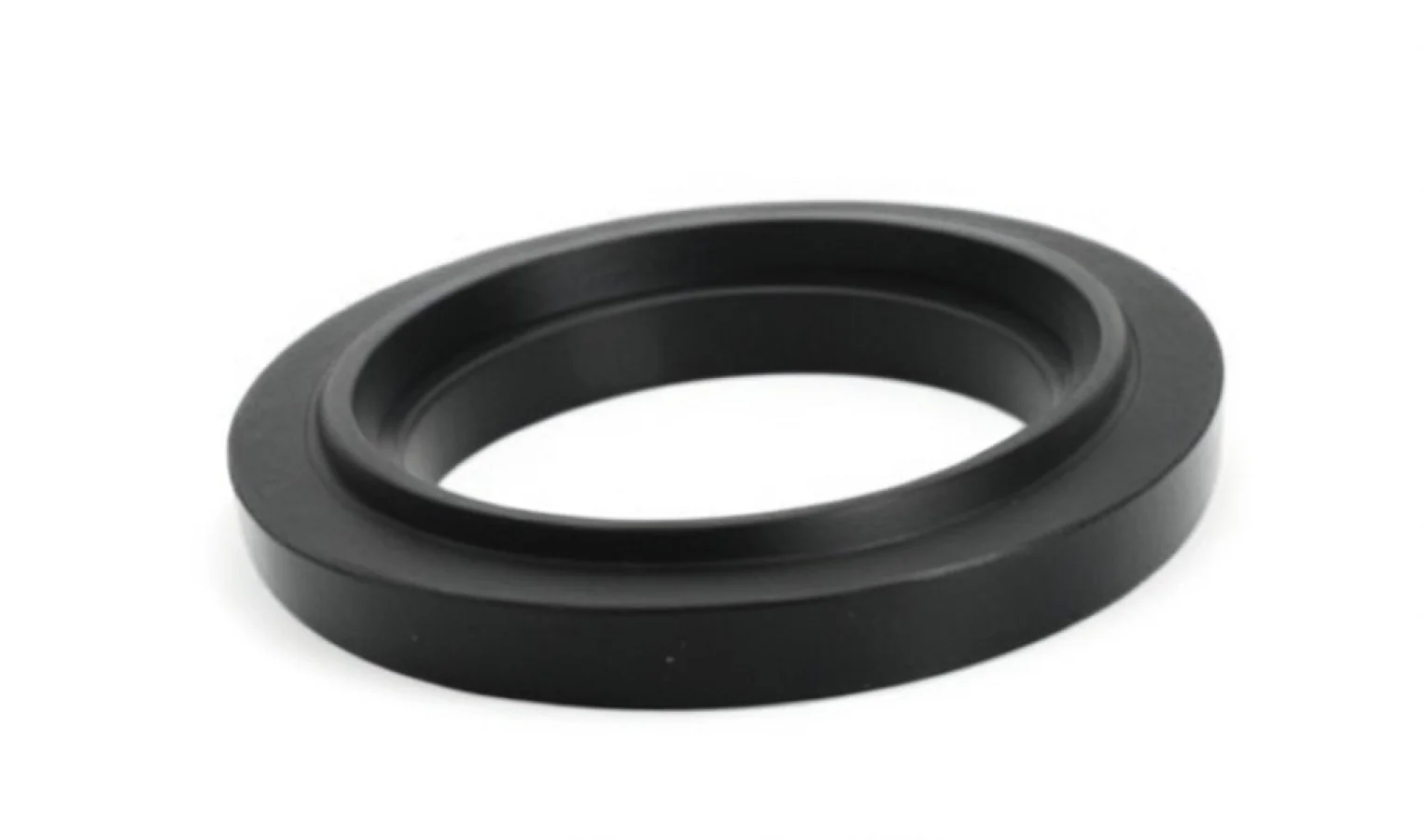
Customization Process for Precision Extruded Seals
At Suzhou Baoshida Trading Co., Ltd., our extruded seal customization follows a rigorously defined engineering pathway to ensure absolute conformance to OEM specifications and performance requirements. This systematic approach guarantees material integrity, dimensional accuracy, and functional reliability in demanding industrial applications. The process initiates with comprehensive Drawing Analysis. Our engineering team meticulously reviews customer-provided technical drawings against ISO 2768 and ASME Y14.5 standards, focusing on critical dimensions, geometric tolerances (GD&T), surface finish requirements, and application-specific constraints. We identify potential manufacturability challenges early, such as complex cross-section geometries or tight tolerance zones, and proactively engage the client for clarification or design optimization suggestions to prevent downstream issues. This stage establishes the foundational blueprint for all subsequent phases.
Material Formulation is the next critical step, driven by the seal’s operational environment. Our rubber chemists select the optimal elastomer base—NBR, EPDM, FKM, or specialty compounds—based on fluid exposure, temperature extremes, compression set resistance, and regulatory needs (e.g., FDA, NSF). We precisely engineer the compound formulation, adjusting polymer ratios, filler types, curatives, and additives to achieve the exact balance of hardness, tensile strength, elongation, and chemical resistance required. Each formulation undergoes preliminary laboratory testing per ASTM D2000 standards to validate baseline properties before prototyping.
Prototyping translates the validated design and material into physical samples. Utilizing precision-machined extrusion dies and calibrated processing parameters (temperature profiles, line speed, vulcanization time), we produce short-run prototypes. These samples undergo rigorous dimensional verification via CMM and optical comparators, alongside application-specific functional testing such as compression deflection, fluid immersion resistance, and low-temperature flexibility. Client feedback on prototype performance is integrated for final adjustments to the compound or process parameters.
Mass Production commences only after formal client approval of prototypes. We implement strict process control using Statistical Process Control (SPC) methodologies, with real-time monitoring of extrusion line parameters and automated inline vision inspection for 100% dimensional verification. Every production batch undergoes full material certification testing, including hardness, tensile properties, and compression set per ASTM standards. Traceability is maintained through serialized lot coding, ensuring full accountability from raw material sourcing through final shipment. Continuous process optimization occurs via data analytics on production metrics, guaranteeing sustained quality and efficiency at scale.
Key Elastomer Selection Guide for Extruded Seals
| Property | NBR (Nitrile) | EPDM | FKM (Viton®) |
|---|---|---|---|
| Temperature Range | -30°C to +120°C | -50°C to +150°C | -20°C to +230°C |
| Fluid Resistance | Excellent oils/fuels | Poor oils; Excellent water/steam | Excellent oils, fuels, acids |
| Hardness Range (ShA) | 40-90 | 40-90 | 50-90 |
| Key Applications | Hydraulic seals, fuel systems | Automotive cooling, weatherstripping | Aerospace, chemical processing |
Contact Engineering Team
Contact Suzhou Baoshida for Precision Extruded Rubber Seals
Suzhou Baoshida Trading Co., Ltd. stands at the forefront of precision rubber seal manufacturing, delivering engineered extruded seals tailored to the exacting demands of industrial, automotive, and aerospace applications. With a focus on material science, dimensional accuracy, and long-term performance under dynamic conditions, our extruded seals are developed to ensure leak-free integrity across a wide range of operational environments. Whether you require custom profiles, high-volume production runs, or material formulations resistant to extreme temperatures, oils, or ozone, our team is equipped to deliver solutions that meet and exceed OEM specifications.
Our extrusion process leverages advanced tooling design, continuous vulcanization, and in-line dimensional monitoring to produce seals with consistent cross-sectional geometry and mechanical properties. We work with a broad spectrum of elastomers, including EPDM, NBR, silicone, FKM (Viton), and CR (neoprene), allowing us to match the optimal compound to your application’s chemical, thermal, and physical requirements. Each extruded profile is manufactured under ISO 9001-certified quality systems, ensuring traceability, repeatability, and compliance with international standards.
For engineering teams seeking a reliable partner in seal development, Suzhou Baoshida offers full technical collaboration—from initial design review and material selection to prototyping and production scaling. Our engineers specialize in resolving common sealing challenges such as compression set, extrusion gap failure, and thermal degradation, ensuring that every extruded component performs reliably over its intended service life.
To initiate a technical discussion or request a quotation for custom extruded seals, please contact Mr. Boyce, OEM Account Manager, directly. Mr. Boyce brings over 15 years of experience in rubber component engineering and international supply chain coordination, providing clients with responsive, data-driven support from concept to delivery. He is available to review drawings, discuss volume requirements, and recommend material formulations based on your environmental and regulatory needs.
Below are key technical parameters for our standard extruded seal capabilities:
| Parameter | Specification |
|---|---|
| Cross-Sectional Dimensions | 1.5 mm to 25 mm (custom profiles available) |
| Length Tolerance | ±1.0 mm per meter |
| Durometer Range (Shore A) | 40 to 90 |
| Material Types | EPDM, NBR, Silicone, FKM, CR, SBR, ACM |
| Temperature Resistance | -60°C to +250°C (depending on compound) |
| Production Process | Hot or cold feed extrusion with continuous vulcanization |
| Standard Lengths | Cut-to-length, coiled, or spooled (custom packaging options) |
| Certifications | ISO 9001:2015, RoHS, REACH compliance available |
Partnering with Suzhou Baoshida means gaining access to precision manufacturing, technical depth, and responsive OEM service. For immediate assistance, contact Mr. Boyce at [email protected]. Include your technical specifications, volume expectations, and application environment to receive a detailed engineering response within 24 business hours.
⚖️ O-Ring Weight Calculator
Estimate rubber O-ring weight (Approx).