
Technical Contents
Engineering Guide: Fall Safe Rubber Tiles
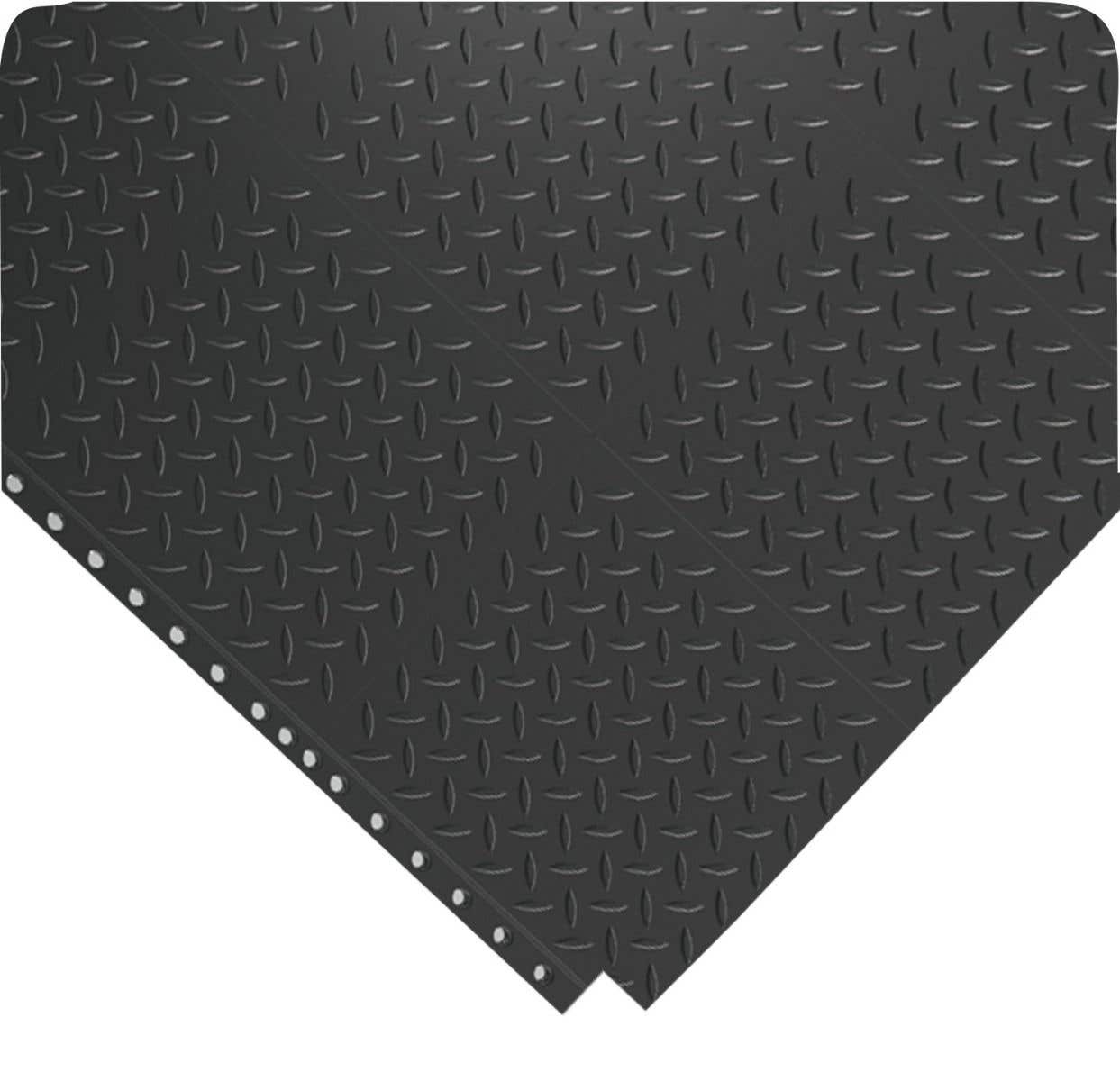
Engineering Insight: Material Science as the Foundation of Fall Safe Rubber Tile Performance
The integrity of fall safe rubber tiles hinges critically on advanced polymer formulation, a domain where off-the-shelf solutions consistently underperform in demanding industrial environments. Generic tiles often utilize high percentages of unprocessed recycled rubber crumb blended with minimal virgin polymer and excessive, low-cost fillers. This approach sacrifices the precise molecular architecture required for reliable impact absorption and long-term resilience. Industrial settings subject tiles to complex stressors: repeated high-energy impacts, extreme temperature fluctuations, continuous UV exposure, and chemical contaminants. Off-the-shelf products, optimized for initial cost rather than lifecycle performance, lack the engineered cross-link density and polymer chain stability to maintain critical properties. Consequently, they rapidly exhibit excessive compression set, where the tile fails to rebound after impact, permanently losing shock-absorbing capability. Simultaneously, inadequate UV stabilizers and antioxidant packages lead to surface cracking, hardening, and embrittlement, drastically reducing the tile’s functional lifespan and creating hazardous, inconsistent impact zones. The result is a false economy—initial savings are obliterated by premature replacement costs, increased fall injury risks, and potential liability exposure due to non-compliance with safety standards like ASTM F1292.
Material selection transcends basic rubber content; it demands a holistic understanding of polymer physics and environmental degradation mechanisms. High-performance fall safe tiles require a balanced compound using premium virgin EPDM or SBR polymers as the base. These provide the essential backbone for elasticity and durability. Precision-engineered curative systems ensure optimal cross-link density, maximizing energy dissipation during impact while minimizing permanent deformation. Critical additives must be meticulously dosed: high-efficiency UV absorbers and hindered amine light stabilizers (HALS) combat solar degradation; robust antioxidant packages prevent thermal-oxidative aging; and specialized reinforcing fillers enhance tear strength without compromising rebound characteristics. Crucially, the particle size distribution and dispersion of any recycled content must be strictly controlled to avoid weak points. Suzhou Baoshida Trading Co., Ltd. leverages OEM-level formulation expertise, developing compounds validated through accelerated aging and dynamic impact testing to ensure tiles maintain ASTM F1292 HIC (Head Injury Criterion) compliance throughout their operational life, even under harsh industrial conditions.
The performance gap between engineered and generic solutions is quantifiable through key material specifications:
| Critical Parameter | OEM-Engineered Tile (Suzhou Baoshida Standard) | Generic Off-the-Shelf Tile |
|---|---|---|
| Base Polymer | >70% Virgin EPDM/SBR Blend | <30% Virgin, High Recycled |
| Shore A Hardness (Aged) | 68 ± 3 (Stable after 1000h UV) | 75+ (Hardens significantly) |
| Rebound Resilience | >55% (ASTM D3612) | <40% |
| Compression Set (22h, 70°C) | <15% (ASTM D395) | >25% |
| Accelerated UV Aging (5000h) | Minimal Cracking, ΔHIC < 10% | Severe Cracking, ΔHIC > 30% |
| Operational Temp Range | -40°C to +80°C | -20°C to +60°C |
Investing in scientifically formulated rubber compounds is not an optional premium; it is the fundamental requirement for tiles that reliably protect personnel. Suzhou Baoshida Trading Co., Ltd. partners with industrial clients to deliver fall safe solutions where material integrity is non-negotiable, ensuring safety performance endures far beyond the initial installation.
Material Specifications
Material Specifications for Fall Safe Rubber Tiles
Suzhou Baoshida Trading Co., Ltd. specializes in high-performance industrial rubber solutions, including fall safe rubber tiles engineered for durability, impact absorption, and chemical resistance. The selection of base polymer significantly influences the operational performance of these tiles in demanding environments. Among the most effective elastomers for industrial fall protection applications are Viton (FKM), Nitrile (NBR), and Silicone (VMQ). Each material offers distinct advantages based on temperature range, chemical exposure, mechanical strength, and compression set resistance. Understanding these properties is critical for optimal material selection in sectors such as manufacturing, automotive, pharmaceuticals, and chemical processing.
Viton, a fluorocarbon-based rubber, delivers exceptional resistance to high temperatures, oils, fuels, and a broad spectrum of aggressive chemicals. Its thermal stability extends up to 250°C (482°F), making it ideal for environments involving frequent exposure to hydrocarbons or elevated operating temperatures. While Viton exhibits lower elasticity compared to other elastomers, its long-term durability and low gas permeability ensure reliable performance in sealed or high-stress applications. However, due to its higher raw material cost, Viton is typically reserved for critical-use scenarios where failure is not an option.
Nitrile rubber, or Buna-N, is widely used in industrial flooring due to its excellent resistance to oils, greases, and aliphatic hydrocarbons. It maintains good mechanical properties across a temperature range of -30°C to 120°C (-22°F to 248°F), offering a balanced combination of abrasion resistance, tensile strength, and cost efficiency. Nitrile-based fall safe tiles are particularly suited for workshops, garages, and production floors where exposure to lubricants and hydraulic fluids is common. Though less effective in ozone or UV exposure environments, Nitrile remains a top choice for indoor industrial applications requiring robust chemical resistance and impact absorption.
Silicone rubber excels in extreme temperature environments, functioning reliably from -60°C to 230°C (-76°F to 446°F). It offers superior flexibility and resilience, along with excellent resistance to ozone and UV radiation. While it demonstrates lower mechanical strength and abrasion resistance compared to Viton and Nitrile, Silicone is preferred in cleanroom environments, food processing, and pharmaceutical facilities due to its non-toxic, non-outgassing properties and compliance with FDA and USP Class VI standards. Its high compression set resistance ensures long-term sealing and cushioning performance.
The following table summarizes key material properties for informed selection:
| Property | Viton (FKM) | Nitrile (NBR) | Silicone (VMQ) |
|---|---|---|---|
| Temperature Range (°C) | -20 to 250 | -30 to 120 | -60 to 230 |
| Temperature Range (°F) | -4 to 482 | -22 to 248 | -76 to 446 |
| Tensile Strength (MPa) | 15–20 | 10–25 | 5–10 |
| Elongation at Break (%) | 150–250 | 200–500 | 200–600 |
| Hardness (Shore A) | 60–90 | 50–90 | 30–80 |
| Compression Set Resistance | Excellent | Good | Very Good |
| Resistance to Oils/Fuels | Excellent | Excellent | Poor |
| Resistance to Ozone/UV | Very Good | Fair | Excellent |
| Chemical Resistance | Broad (acids, bases, solvents) | Good (oils, greases) | Moderate |
| Typical Applications | Chemical plants, refineries | Automotive, machinery | Cleanrooms, food processing |
Material selection must align with operational demands, environmental exposure, and regulatory standards. Suzhou Baoshida ensures precise formulation and quality control to meet OEM and industrial specifications.
Manufacturing Capabilities
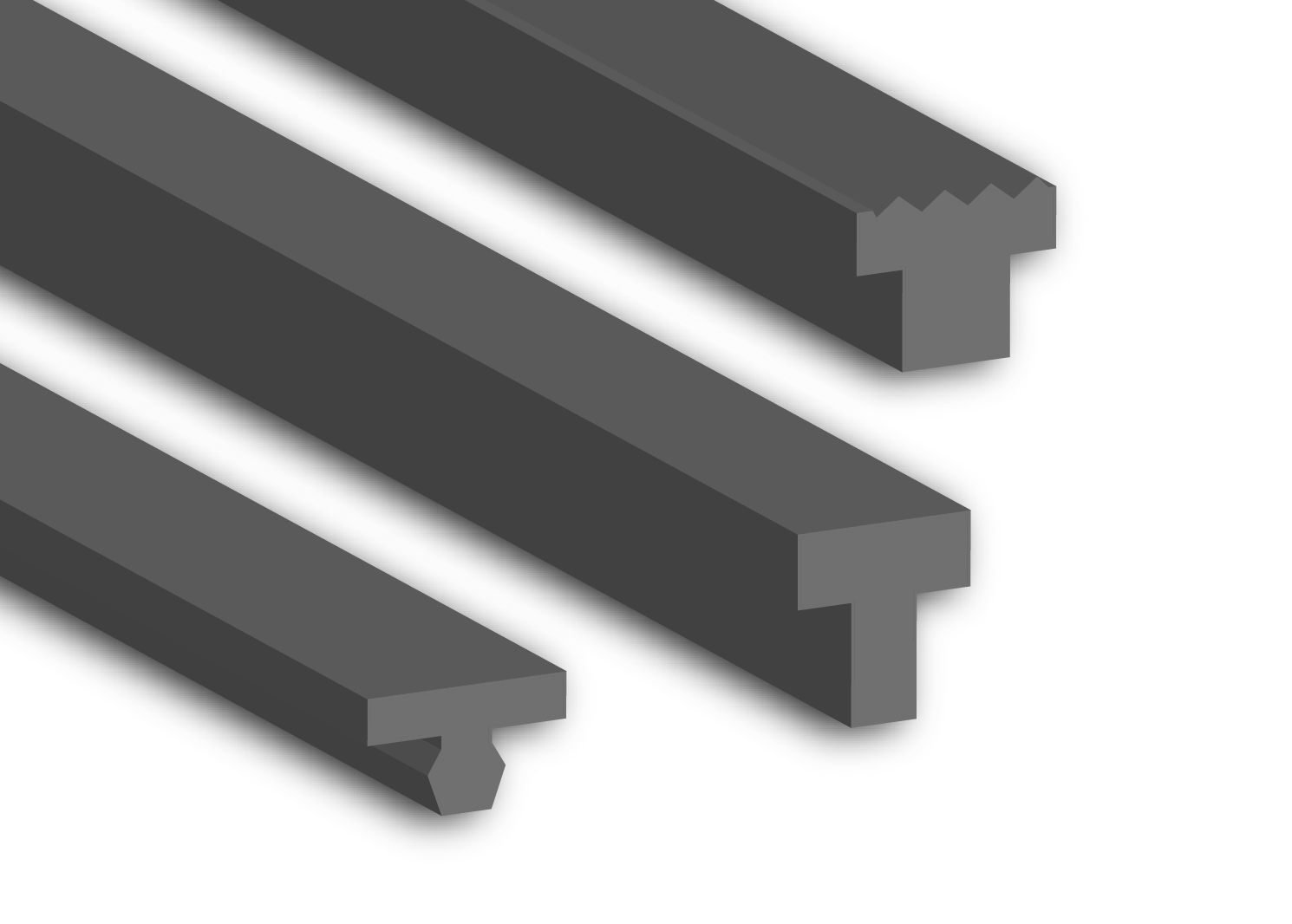
Engineering Capability: Precision Formulation and Mould Design for Fall Safe Rubber Tiles
At Suzhou Baoshida Trading Co., Ltd., our engineering division drives the technical backbone of fall safe rubber tile manufacturing. We deploy a dedicated team of five specialized mould engineers and two advanced rubber formula engineers, ensuring rigorous scientific oversight from material conception to production tooling. This integrated structure eliminates siloed workflows, enabling real-time collaboration between compound development and precision mould design. Our formula engineers optimize polymer matrices for critical performance metrics—impact absorption, UV resistance, and thermal stability—while mould engineers translate these specifications into geometrically precise tooling with micron-level tolerances. This synergy guarantees consistent product integrity across high-volume OEM runs.
Our formula development leverages accelerated aging tests and dynamic mechanical analysis (DMA) to validate Shore C hardness retention, rebound resilience, and coefficient of friction under simulated environmental stressors. Concurrently, mould engineering utilizes CAD/CAM simulation software to preempt flow inconsistencies, weld line weaknesses, and ejection deformities. This preemptive validation reduces prototyping cycles by 40% and ensures dimensional stability within ±0.3 mm across 1,000,000+ production cycles. All formulations adhere to ISO 2230:2020 and EN 1177:2018 standards, with traceable batch documentation for full regulatory compliance.
For OEM partners, this capability translates into scalable customization without compromising industrial throughput. We engineer proprietary EPDM/SBR blends tailored to regional climate demands—enhancing freeze-thaw durability for Nordic markets or UV inhibitors for equatorial installations. Our mould team then fabricates multi-cavity tooling for rapid scaling from 500-unit prototypes to 50,000+ monthly outputs, maintaining consistent surface texture and critical fall height performance.
Material specifications for our standard fall safe tiles are validated through third-party laboratories:
| Property | Test Method | Value Range | Industry Benchmark |
|---|---|---|---|
| Shore C Hardness | ISO 7619-1 | 45–55 | 40–60 |
| Density (g/cm³) | ISO 2781 | 1.15–1.25 | 1.0–1.3 |
| Critical Fall Height | EN 1177 Annex A | ≥1.5 m | ≥1.2 m |
| Tensile Strength (MPa) | ISO 37 | 8.5–10.2 | ≥7.0 |
| Abrasion Loss (mm³) | ISO 4649 | ≤120 | ≤150 |
OEM integration is streamlined through our digital workflow platform, providing clients with real-time access to material certifications, tooling CAD files, and production analytics. We enforce IP protection via NDA-secured formula libraries and proprietary mould locking systems, ensuring exclusive client ownership of custom designs. With in-house rheometry, tensile testing, and climatic chamber validation, Suzhou Baoshida delivers engineered rubber solutions where safety performance is non-negotiable. Partner with us to transform technical specifications into certified, market-ready fall protection systems.
Customization Process
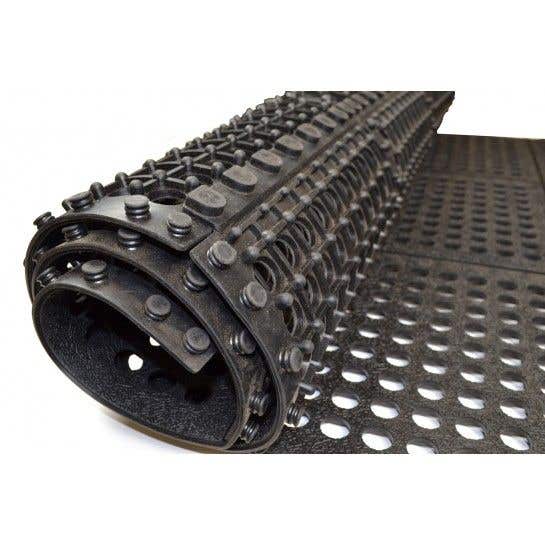
Customization Process for Fall Safe Rubber Tiles
At Suzhou Baoshida Trading Co., Ltd., our approach to manufacturing fall safe rubber tiles is rooted in precision engineering and material science. Each project begins with a comprehensive understanding of the client’s application environment, safety requirements, and dimensional constraints. Our four-phase customization process—Drawing Analysis, Formulation, Prototyping, and Mass Production—ensures that every tile meets exact performance and compliance standards.
The first phase, Drawing Analysis, involves a meticulous review of technical blueprints and site specifications provided by the client. Our engineering team evaluates load-bearing requirements, surface texture needs, thickness tolerances, and installation conditions. This stage determines critical design parameters such as tile geometry, edge configuration (interlocking, butt joint, or beveled), and drainage features. Accurate interpretation of these drawings ensures dimensional accuracy and compatibility with existing infrastructure, particularly in industrial walkways, loading docks, and elevated platforms where fall protection is paramount.
Following drawing validation, we proceed to Formulation. Our rubber formula engineers develop a proprietary elastomer blend tailored to the operational environment. Key variables include Shore A hardness, abrasion resistance, coefficient of friction, and resistance to oils, UV exposure, and extreme temperatures. We primarily utilize SBR (Styrene-Butadiene Rubber) and EPDM compounds, selecting based on chemical exposure and outdoor durability needs. Additives such as anti-aging agents, flame retardants, and color stabilizers are incorporated to enhance longevity and safety compliance. Each formulation is documented and batch-traceable for quality assurance.
The third phase, Prototyping, allows for physical validation of both material performance and design integrity. Using precision molds and hydraulic curing presses, we produce small-batch samples for client evaluation. These prototypes undergo rigorous testing, including slip resistance (ASTM F2913), compression set (ASTM D395), and impact attenuation (for elevated applications). Client feedback is integrated at this stage, enabling adjustments in texture profile, color, or compound stiffness before tooling for full-scale production.
Once approved, the project transitions to Mass Production. Our facility in Suzhou operates automated vulcanization lines with in-line quality monitoring, ensuring consistency across large orders. Each batch is tested for dimensional stability, hardness deviation, and surface uniformity. We support order volumes from 500 m² to over 50,000 m² with lead times optimized through lean manufacturing protocols.
Below are typical technical specifications achievable through our customization process:
| Property | Test Method | Typical Value |
|---|---|---|
| Shore A Hardness | ASTM D2240 | 60–80 |
| Tensile Strength | ASTM D412 | ≥10 MPa |
| Elongation at Break | ASTM D412 | ≥250% |
| Slip Resistance (Dry/Wet) | ASTM F2913 | ≥0.70 COF |
| Compression Set (24h @ 70°C) | ASTM D395 | ≤25% |
| Thickness Tolerance | ISO 3302 | ±0.5 mm |
| Operating Temperature Range | — | -40°C to +80°C |
This structured, science-driven workflow ensures that every fall safe rubber tile we deliver provides reliable performance, regulatory compliance, and long-term durability in demanding industrial environments.
Contact Engineering Team
Direct Technical Partnership Pathway for Fall Safe Rubber Tile Solutions
Suzhou Baoshida Trading Co., Ltd. operates at the critical intersection of advanced polymer science and rigorous industrial manufacturing. Our Fall Safe Rubber Tiles represent the culmination of precise compounding expertise, stringent quality control protocols, and deep OEM collaboration experience. These products are not generic commodities; they are engineered safety components meeting exacting global standards for impact attenuation, durability, and environmental resilience. When specifying safety surfacing for playgrounds, athletic facilities, or industrial walkways, the margin for error is zero. Our engineering team possesses the specialized knowledge to translate your performance requirements into a validated rubber formulation, ensuring compliance with EN 1177, ASTM F1292, and site-specific safety mandates. We control the entire process from raw material selection through vulcanization and final testing, guaranteeing batch-to-batch consistency essential for certified fall protection systems. This level of control is non-negotiable for responsible facility managers and safety-conscious specifiers.
Our commitment extends beyond standard production. As your dedicated OEM partner, Suzhou Baoshida provides comprehensive technical support throughout the project lifecycle. This includes material data sheet validation, accelerated aging test reports, custom color matching within Pantone standards, and dimensional tolerancing to ±0.5mm. We understand that integration with sub-base systems and long-term UV/ozone resistance are critical performance factors. Our rubber formulations utilize high-purity SBR and virgin EPDM compounds, optimized for shock absorption without compromising structural integrity over extended service life. The table below details core performance characteristics of our standard Fall Safe Tile series, reflecting our precision manufacturing capabilities.
| Specification Parameter | Standard Value Range | Test Method | Industrial Relevance |
|---|---|---|---|
| Thickness Tolerance | ±0.5 mm | ISO 3763 | Ensures consistent impact attenuation |
| Shore A Hardness | 65 – 75 | ASTM D2240 | Optimal balance of cushioning & stability |
| G-Max (Critical Fall Height) | ≤ 200 @ 1.8m | EN 1177 / ASTM F1292 | Meets stringent safety thresholds |
| Compression Set (24h, 70°C) | ≤ 15% | ISO 815 | Guarantees long-term resilience |
| Tensile Strength | ≥ 7.0 MPa | ISO 37 | Resists tearing under dynamic loads |
| Abrasion Resistance (DIN) | ≤ 120 mm³ | ISO 4649 | Ensures surface durability in high-traffic areas |
Initiating a technical dialogue with our engineering team is the essential next step for projects demanding certified safety performance. Generic suppliers cannot replicate the material science rigor required for reliable fall protection. Mr. Boyce, our dedicated Technical Sales Manager, possesses the specific expertise to evaluate your application parameters, review site plans, and provide a validated technical proposal with defined performance guarantees. He will coordinate our laboratory resources for any required custom formulation adjustments or third-party certification support. Do not compromise safety specifications with off-the-shelf solutions lacking traceable material validation.
Contact Mr. Boyce immediately at [email protected] to schedule a technical consultation. Include your project specifications, required fall height parameters, and environmental exposure conditions. Our engineering response will detail compound composition, expected service life projections, and compliance documentation pathways. Suzhou Baoshida delivers not just rubber tiles, but engineered safety solutions backed by verifiable data and OEM accountability. Your facility’s safety integrity depends on precise material performance—partner with the engineers who control the formula. Initiate the technical validation process today.
⚖️ O-Ring Weight Calculator
Estimate rubber O-ring weight (Approx).