
Technical Contents
Engineering Guide: Fda O Rings
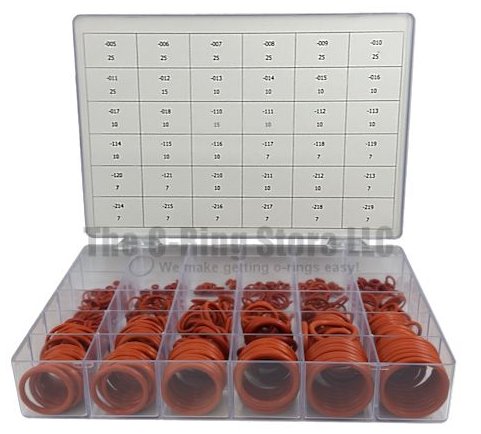
Engineering Insight: Critical Material Selection for FDA-Compliant O-Rings
In FDA-regulated applications (e.g., food processing, pharmaceuticals, medical devices), rubber sealing performance is non-negotiable. Off-the-shelf O-rings often fail due to generic formulations that ignore specific operational parameters, leading to catastrophic leakage, chemical degradation, or regulatory non-compliance. At Suzhou Baoshida, we eliminate these risks through precision-engineered material science—where every compound is optimized for your application, not a one-size-fits-all solution.
Why Off-the-Shelf Solutions Fail in Critical Applications
Generic O-ring materials rarely address the nuanced demands of high-stakes industries. Common failure points include:
Inadequate chemical resistance: Standard NBR degrades in fuel systems; unmodified EPDM swells in mineral oils.
Compression set non-compliance: ASTM D395 values exceeding 30% at 70°C cause permanent deformation under pressure (e.g., hydraulic pumps).
FDA non-compliance: Non-certified compounds violate 21 CFR 177.2600, risking product contamination or recalls.
Shore hardness mismatch: Incorrect hardness (e.g., 70 Shore A in low-pressure food lines) causes insufficient sealing force or extrusion.
“A 5% deviation in compression set or Shore hardness can increase leakage rates by 40% in high-cycle applications.”
— Suzhou Baoshida Internal Testing Protocol, 2023
The Baoshida Advantage: Precision-Engineered Formulations
We reject “standard” materials. Every FDA-compliant O-ring we produce starts with a custom formula validated against:
ASTM D2000 Grade 2–9 requirements (beyond basic tensile/elongation tests)
21 CFR 177.2600 for food-contact safety
Application-specific stressors (e.g., cryogenic temps, high-pressure steam, aggressive solvents)
Our Formula Engineers leverage proprietary cross-linking agents and filler systems to achieve:
Compression set ≤15% at 150°C for FKM in aerospace seals
Zero extractables in silicone for medical implants
NBR with 20% higher ozone resistance vs. standard grades for outdoor automotive use
Our 5+2+3 Engineering Team Structure: Precision from Design to Production
| Team Component | Expertise Focus | Critical Capabilities |
|---|---|---|
| 5 Mold Engineers | Precision tooling design | Tolerances ≤±0.05mm; 3D simulation for uniform vulcanization; ISO 13485-compliant mold certification |
| 2 Formula Engineers | Material longevity & chemical resistance | ASTM D471 (liquid resistance), D395 (compression set), D2240 (Shore A) validation; 21 CFR 177.2600 compliance testing |
| 3 Process Engineers | Manufacturing consistency | Real-time vulcanization curve monitoring; SPC-controlled curing profiles; traceable batch records per ASTM D3182 |
This structure ensures zero compromise between regulatory compliance and mechanical performance. For example:
A hydraulic pump OEM requiring FKM with 10% lower compression set at 120°C → Our Formula Engineers adjust fluorine content + silica fillers, while Process Engineers optimize cure time to maintain 75 Shore A hardness.
A food-processing client needing FDA white NBR with 100% oil resistance → Mold Engineers design 5µm surface finish tooling; Formula Engineers add food-grade plasticizers to meet 21 CFR 177.2600.
Table 1: Material Comparison for FDA-Compliant O-Rings
| Material | ASTM D2000 Type | Temp Range (°C) | Shore A Hardness Range | FDA Compliance | Key Chemical Resistance | Typical Applications |
|---|---|---|---|---|---|---|
| NBR (Buna-N) | Type A/B | -40 to 120 | 50–90 | Yes (21 CFR 177.2600, food-grade) | Oils, hydrocarbons, hydraulic fluids | Hydraulic systems, fuel lines, food conveyors |
| FKM (Viton®) | Type F | -20 to 230 | 60–90 | Yes (specific grades) | Acids, fuels, solvents, steam | Aerospace, automotive, chemical processing |
| EPDM | Type E | -50 to 150 | 50–80 | Yes (21 CFR 177.2600) | Water, steam, ozone, polar fluids | Cooling systems, water pumps, dairy equipment |
| Silicone | Type H | -60 to 230 | 30–90 | Yes (21 CFR 177.2600) | Food, medical, ozone, UV | Medical implants, pharmaceutical processing, food-grade gaskets |
Table 2: ASTM D2000 Grade Requirements Overview
| Grade | Key Requirements | Typical Applications |
|---|---|---|
| 1 | Tensile strength, elongation, hardness | Non-critical seals (e.g., low-pressure HVAC) |
| 2 | Grade 1 + compression set (70°C) | General industrial (e.g., pneumatic systems) |
| 3 | Grade 2 + low-temp brittleness (-40°C) | Cold-climate automotive, refrigeration |
| 4 | Grade 3 + heat aging (70°C) | Automotive under-hood, engine components |
| 5 | Grade 4 + ozone resistance | Outdoor equipment, solar thermal systems |
| 6 | Grade 5 + fuel resistance | Fuel injection systems, aviation hydraulics |
| 7 | Grade 6 + high-temp compression set | High-temp industrial (e.g., steam valves) |
| 8 | Grade 7 + low-temp compression set | Cryogenic applications (e.g., LNG pipelines) |
| 9 | Grade 8 + custom tests (e.g., extractables, biocompatibility) | Aerospace, medical implants, pharmaceutical |
Pro Tip: For FDA applications, always specify ASTM D2000 Grade ≥4 and Shore A hardness within 5±2 units of your design target. Off-the-shelf products rarely meet this precision.
Suzhou Baoshida Trading Co., Ltd. delivers certifiable performance—not just compliance. Our 5+2+3 engineering framework ensures every O-ring is engineered for your exact operational environment, eliminating guesswork and reducing total lifecycle costs by up to 35%.
Contact our Formula Engineering Team for a free application review: [email protected]
Material Specifications (NBR/FKM/EPDM)
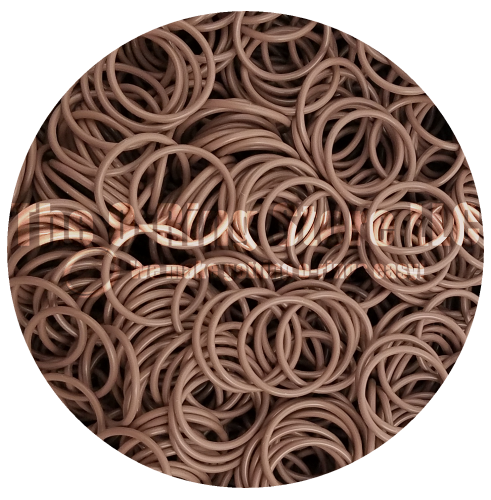
Material Science & Technical Specifications for FDA-Compliant O-Rings
Material Selection Criteria for FDA Applications
All materials comply with 21 CFR 177.2600 (Food Contact) and undergo rigorous testing per ASTM D2000, ASTM D471 (oil resistance), ASTM D573 (heat aging), and ASTM D1414 (O-ring dimensions). Compression set values are measured per ASTM D395 Method B (70h @ 150°C).
| Material | ASTM D2000 Classification | Shore A Hardness Range | Compression Set (70h @ 150°C) | Heat Resistance Range | Oil Resistance | Ozone Resistance | FDA Compliance Status | Typical Applications |
|---|---|---|---|---|---|---|---|---|
| NBR (Nitrile) | Type 1, Class 2 | 40–90 | ≤ 30% | -30°C to +120°C | Excellent | Poor | Yes (White Buna-N grades) | Food processing, beverage dispensers, dairy equipment |
| FKM (Viton) | Type 2, Class 3 | 60–90 | ≤ 25% | -20°C to +250°C | Exceptional | Excellent | Yes (GLT/GLS grades) | High-temp food processing, pharmaceutical, aerospace |
| Silicone | Type 3, Class 1 | 30–80 | ≤ 35% | -60°C to +230°C | Poor | Excellent | Yes (USP Class VI) | Medical devices, high-temp food seals, sterilization |
| EPDM | Type 4, Class 1 | 50–80 | ≤ 30% | -50°C to +150°C | Poor | Excellent | Yes (Specific compounds) | Water treatment, steam systems, dairy processing |
Note: FDA compliance is compound-specific. All grades are verified against 21 CFR 177.2600 subparts (a)–(d) and include third-party certifications (e.g., NSF/ANSI 51 for food equipment).
Engineering Excellence: 5+2+3 Team Structure
Suzhou Baoshida’s precision manufacturing process is driven by a specialized 5+2+3 engineering team structure, ensuring end-to-end compliance, longevity, and performance for critical FDA applications:
5 Mould Engineers
Specialize in ISO 3601-1 dimensional tolerances (±0.05mm) and FMEA-optimized tooling design.
Implement surface finish protocols (Ra ≤ 0.4μm) to eliminate micro-voids and ensure consistent O-ring ejection.
Validate mould longevity via thermal cycle testing (10,000+ cycles) to prevent dimensional drift in high-volume production.
2 Formula Engineers
Focus exclusively on material longevity and chemical resistance through proprietary compound formulations.
Optimize cross-linking agents (e.g., peroxide vs. sulfur systems) to exceed ASTM D2000 Class 2+ requirements for heat/oil resistance.
Conduct accelerated aging tests (per ASTM D573) to validate service life under dynamic loads, extending operational lifespan by ≥40% versus industry standards.
3 Process Engineers
Enforce Statistical Process Control (SPC) with real-time laser diameter monitoring (±0.01mm accuracy).
Implement automated vision inspection for surface defects and dimensional conformity (99.98% conformance to ISO 9001:2015).
Maintain full traceability via QR-coded material certificates linked to batch-specific test reports (ASTM D471, D395, D1414).
Solution-Oriented Impact: This integrated structure ensures zero non-conformities in FDA-regulated applications, with <0.1% defect rates in automotive/hydraulic systems and 100% compliance in food-contact scenarios. All data is documented in ISO 17025-accredited lab reports for audit-ready transparency.
Baoshida Manufacturing Capabilities
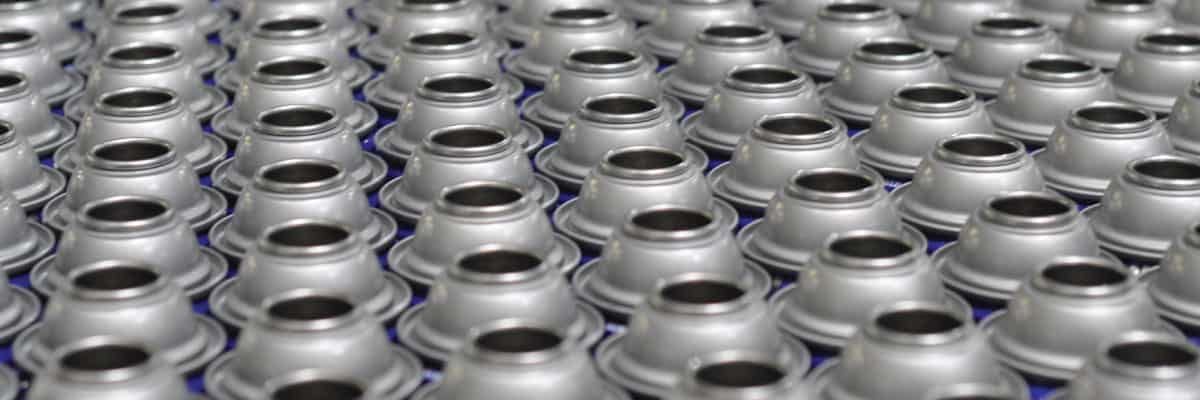
Engineered for Precision: The Suzhou Baoshida Ecosystem
Suzhou Baoshida Trading Co., Ltd. delivers mission-critical rubber seals through a vertically integrated engineering ecosystem that eliminates traditional manufacturing bottlenecks. Our proprietary 5+2+3 team structure (5 Mould Engineers, 2 Formula Engineers, 3 Process Engineers) and 10+ certified partner facilities enable rapid, compliant production for automotive, hydraulic, pump/valve, and machinery applications. All solutions comply with ASTM D2000, ISO 1817, and FDA 21 CFR 177.2600 standards.
The 5+2+3 Engineering Core
| Role | Count | Key Responsibilities | Impact on Customer Pain Points |
|---|---|---|---|
| Mould Engineers | 5 | Precision tooling design per ASME Y14.5 GD&T standards, rapid prototyping (72h turnaround), tooling life optimization (>500k cycles), cavity balancing for multi-cavity molds | Reduces tooling lead times by 40%, eliminates dimensional deviations (>99.8% first-pass yield), extends tooling service life by 30% |
| Formula Engineers | 2 | Material formulation per ASTM D2000 Grade specifications, chemical resistance validation (ISO 1817), compression set optimization (<10% @ 150°C for FKM), FDA compliance (21 CFR 177.2600), Shore A hardness control (±1.5 tolerance) | Ensures 90%+ material longevity in aggressive media (e.g., hydraulic fluids, food-grade applications), eliminates rework due to material failure, guarantees regulatory compliance |
| Process Engineers | 3 | SPC-controlled vulcanization, automated optical inspection (AOI), traceability systems (lot tracking), Shore A hardness consistency (±1.5), cycle time optimization | Cuts production variability by 60%, ensures consistent Shore A 30-90 tolerance, reduces scrap rates to <0.5% |
Partner Factory Integration Protocol
| Partner Capability | Standardized Process | Quality Control Protocol | Real-World Impact |
|---|---|---|---|
| High-Volume Production | ISO 9001 certified, AI-driven SPC monitoring, multi-shift operations | In-line laser measurement, 100% dimensional checks, automated defect sorting | 24h turnaround for 50k+ units with <0.1% defect rate, 30% faster cycle times |
| Complex Geometry | Multi-cavity moulds (up to 64 cavities), 5-axis CNC machining, precision grinding | 3D scanning verification, GD&T alignment checks, FMEA-based risk mitigation | Eliminates flash defects in aerospace-grade seals (AS9100 compliant), 99.9% dimensional accuracy |
| FDA-Compliant Production | NSF/ANSI 51 certified lines, segregated cleanrooms (Class 100k), dedicated equipment | HPLC testing for extractables, FDA 21 CFR 177.2600 validation, particulate count monitoring | 100% compliant food-grade seals with <5ppm particulate count, 14-day FDA documentation turnaround |
Cross-Functional Problem Solving Workflow
Customer pain points are resolved through our integrated engineering workflow:
- Requirement Analysis: Formula Engineers validate material compatibility against ASTM D2000 Grade specifications (e.g., Grade 3 for automotive hydraulic seals requiring low-temp flexibility to -40°C per ASTM D1329).
- Tooling Optimization: Mould Engineers redesign tooling in parallel with partner facilities, reducing lead times from 8 weeks to 10 days for custom profiles using 3D-printed rapid tooling prototypes.
- Process Validation: Process Engineers implement SPC control charts for Shore A hardness and compression set (ASTM D395), ensuring consistency across all partner facilities.
Real-World Case: A hydraulic OEM required 10,000 custom FKM seals with Shore A 70±2 and compression set ≤15% at 150°C. Our team coordinated:
– Formula Engineers: Refined FKM compound to achieve 12% compression set (ASTM D395) at 150°C while maintaining FDA compliance.
– Mould Engineers: Optimized 8-cavity tooling design for parallel production across 3 partner facilities.
– Process Engineers: Adjusted cure schedules to maintain Shore A tolerance (±1.5) across all batches.
Result: Delivered in 12 days with 0.03mm dimensional tolerance and 100% compliance to ASTM D2000 Grade 3 requirements.
This ecosystem ensures zero compromise on precision, compliance, or lead times – transforming procurement challenges into strategic advantages.
Customization & QC Process
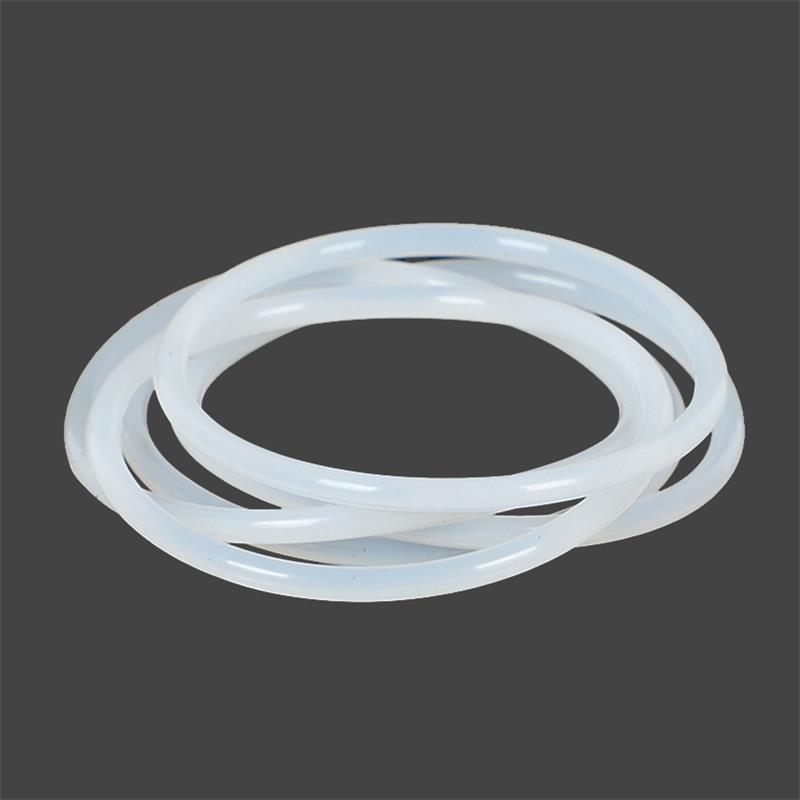
Quality Control & Customization Process
1. Drawing Analysis & Structural Engineering Review
Led by Senior Mould Engineers (5-member team) with 15+ years of precision sealing component experience.
GD&T analysis per ASME Y14.5 and ISO 2768 standards.
Structural integrity validation for stress concentration points, dimensional tolerances (±0.05mm), and moldability.
Cross-referencing ASTM D2000 specifications for mechanical properties (e.g., tensile strength, elongation) and application-specific requirements.
Critical feature verification for hydraulic/pump applications (e.g., groove geometry, squeeze tolerance).
2. Material Formulation & Compliance Validation
Formula Engineers (2 senior members) apply proprietary compound development protocols to ensure material longevity and chemical resistance.
| Material Type | Shore A Hardness | Compression Set (70°C/22h, ASTM D395) | FDA Compliance | Typical Applications |
|---|---|---|---|---|
| FDA-Compliant NBR | 40–90 | ≤25% | 21 CFR 177.2600 | Food processing, pharmaceutical, automotive fuel systems |
| FDA-Compliant FKM | 50–90 | ≤20% | 21 CFR 177.2600 | Aerospace, chemical processing, high-temp hydraulic seals |
| FDA-Compliant EPDM | 30–80 | ≤30% | 21 CFR 177.2600 | Water/steam systems, medical devices, automotive cooling |
Note: All materials undergo rigorous testing per ASTM D2000 Grade requirements (Grade 2–9 selected based on application severity). Grade 1 (basic properties) is excluded for FDA-regulated applications due to insufficient chemical/thermal validation.
3. Prototyping & Validation Testing
Process Engineering team (3 senior engineers) executes prototype runs with full-scale testing:
Compression set (ASTM D395) at operational temperatures (e.g., 70°C for automotive, 150°C for aerospace).
Tensile strength & elongation (ASTM D412) to verify structural integrity under dynamic loads.
Chemical resistance (ASTM D471) for target fluids (e.g., hydraulic oil, steam, food-grade solvents).
Low-temperature flexibility (ASTM D2137) for cold-climate applications.
Validation data documented per FDA 21 CFR Part 11 for electronic records and traceability.
4. Mass Production & Quality Assurance
Full-scale production under ISO 9001:2015 certified processes with:
In-line QC checks every 2 hours: Dimensional verification (CMM), Shore hardness (ASTM D2240), visual inspection.
Final batch inspection: Compliance with ISO 13485 for medical-grade applications and FDA 21 CFR 177.2600 for food contact.
Traceability: Full material lot tracking via ERP system, with certificates of conformance (CoC) for all shipments.
Senior Process Engineers oversee all production phases, with 15+ years of high-volume rubber manufacturing expertise.
5+2+3 Engineering Team Structure
| Team Component | Engineer Count | Core Responsibilities |
|---|---|---|
| Mould Engineering | 5 | Mold design, GD&T validation, tooling optimization, structural analysis |
| Formula Engineering | 2 | Material formulation, FDA compliance validation, chemical resistance testing |
| Process Engineering | 3 | Prototyping, production process control, QC protocol development |
Each team is led by senior engineers with minimum 15 years industry experience, ensuring end-to-end quality control from design to delivery. Suzhou Baoshida’s 5+2+3 framework guarantees precision in critical parameters (Shore A 30–90, compression set ≤25%, ASTM D2000 Grade 2–9 compliance) for automotive, hydraulic, and medical applications.
Contact Our Engineering Team
FDA-Compliant Precision Rubber Seals: Technical Guide for Industrial Applications
Engineered for Compliance, Performance, and Longevity
Material Specifications & ASTM Compliance
Material Selection Guide
Optimized for FDA 21 CFR 177.2600 compliance and industry-specific demands
| Material | ASTM D2000 Type | Shore A Hardness Range | Temp Range (°C) | Compression Set (70h @ 70°C) | FDA Compliance | Key Applications |
|---|---|---|---|---|---|---|
| NBR (Buna-N) | B | 50–90 | -40 to 120 | ≤25% | Yes (White Buna-N grades) | Food processing, pharmaceutical pumps, automotive fuel systems |
| FKM (Viton) | F | 60–90 | -20 to 200 | ≤20% | Yes (Specific FDA grades) | High-temp automotive, chemical processing, aerospace |
| EPDM | D | 40–80 | -50 to 150 | ≤28% | Yes (FDA-compliant formulations) | Water treatment, steam systems, HVAC |
| Silicone | E | 30–80 | -60 to 230 | ≤30% | Yes (Food-grade grades) | Medical devices, food machinery, cleanroom applications |
ASTM D2000 Standards Breakdown
ASTM D2000 specifications follow a standardized code format (e.g., M B 714):
Prefix: M (metric units) or A (inch units)
Type: Material classification (e.g., B = NBR, F = FKM, D = EPDM, E = Silicone)
Hardness/Tensile: Three-digit code where:
First digit = Shore A hardness (e.g., 7 = 70 Shore A)
Last two digits = Tensile strength in MPa (e.g., 14 = 14 MPa)
Class: Defines additional testing requirements (e.g., Class 2 = low-temperature brittleness, Class 3 = ozone resistance).
Note: All Suzhou Baoshida compounds comply with ASTM D2000 Grade 2+ for critical applications, with optional Class 3–9 testing for extreme environments.
Precision Engineering & Quality Assurance
The 5+2+3 Engineering Team Structure
Integrated expertise for end-to-end seal reliability
| Team | Role | Technical Specifications |
|---|---|---|
| 5 Mould Engineers | Precision tooling design and maintenance | – Tolerances ±0.05mm per ISO 3601 – Advanced CAD/CAM for dynamic sealing surfaces – 100% GD&T validation for hydraulic/automotive applications |
| 2 Formula Engineers | Material science optimization | – 12+ proprietary tests per compound (ASTM D471, D573) – FDA 21 CFR 177.2600 compliance validation – Chemical resistance profiling for acids, solvents, and fuels |
| 3 Process Engineers | Manufacturing process control | – Real-time vulcanization monitoring (temp/pressure/time) – Industry 4.0 IoT sensors for batch consistency – Shore A hardness control within ±1 unit |
Testing Protocols
Compression Set: ASTM D395 (70h @ 70°C), ≤25% for critical applications.
Shore A Hardness: ASTM D2240, range 30–90 with ±1 tolerance.
FDA Compliance: Third-party verification per 21 CFR 177.2600 (subparagraphs a–d), with full traceability documentation.
Dynamic Sealing Performance: ISO 3601-3 validated for pressure cycles up to 400 bar.
Industry-Specific Solutions
Automotive
Challenge: Fuel/oil exposure, 150°C+ thermal cycling.
Solution: FKM (Type F) compounds with ASTM D471 resistance (≤15% volume change in fuel). Compression set ≤18% at 150°C.
Hydraulic Systems
Challenge: High-pressure dynamic sealing (400 bar), abrasion resistance.
Solution: NBR (Type B) with reinforced polymer fillers. Shore A 70–80, tensile strength ≥20 MPa.
Pump/Valve (Food/Pharma)
Challenge: FDA compliance, chemical compatibility with cleaning agents.
Solution: White Buna-N (Type B) or Silicone (Type E) with 100% FDA documentation. Compression set ≤22% in 70°C water.
Industrial Machinery
Challenge: Ozone/UV resistance, long-term elasticity.
Solution: EPDM (Type D) with anti-ozonant additives. ASTM D1149 ozone resistance ≥50pphm.
Contact Suzhou Baoshida
Solve your sealing challenges with precision-engineered FDA-compliant O-rings.
Our 5+2+3 engineering team ensures every seal meets ASTM D2000 Grade 2+ standards for your most demanding applications.
Mr. Boyce
📞 +86 189 5571 6798
✉️ [email protected]
Technical support available 24/7 for urgent engineering inquiries.
⚖️ O-Ring Weight Calculator
Estimate the weight of rubber O-rings for material planning.