
Technical Contents
Engineering Guide: Felt Cabinet Bumpers
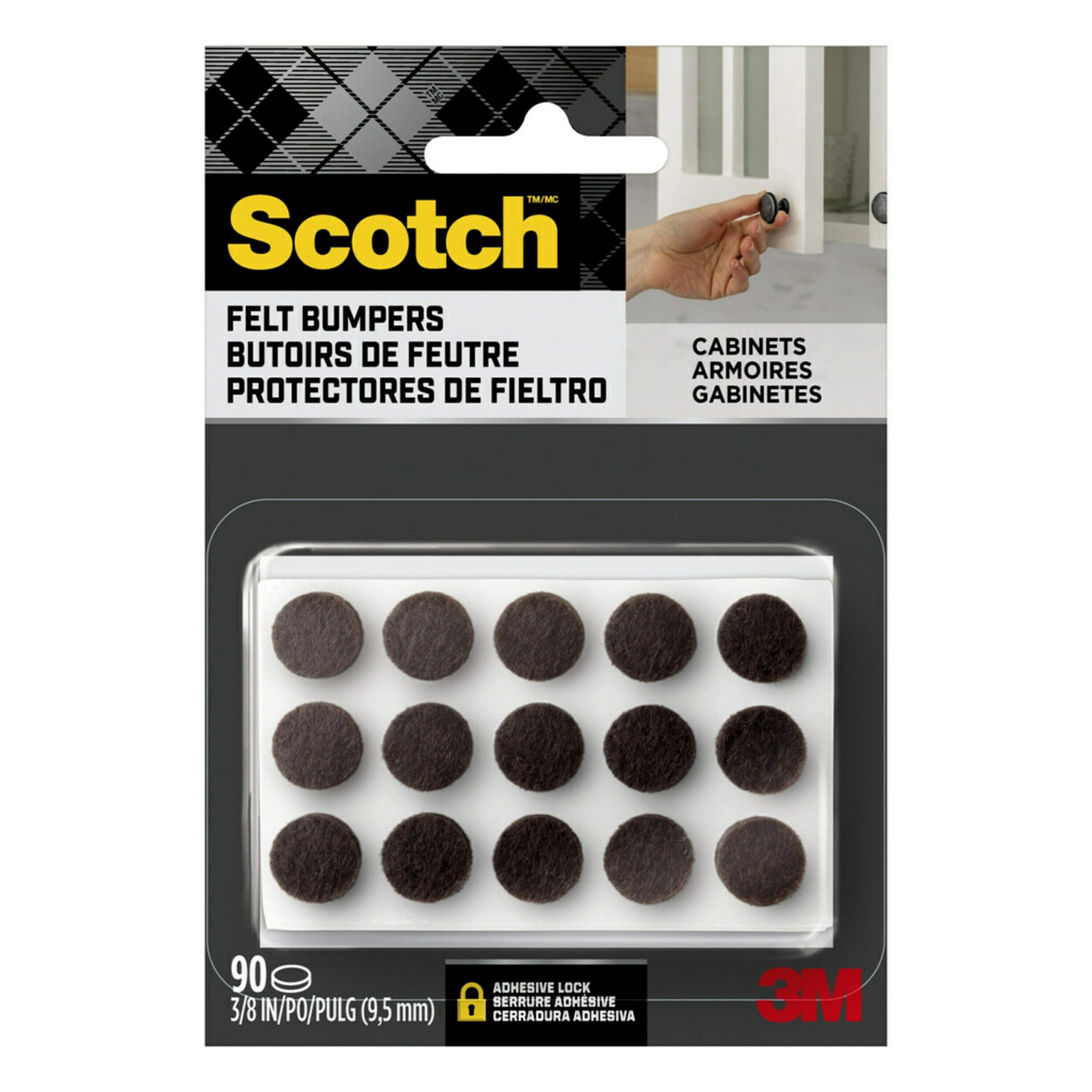
Material Selection as Performance Determinant in Felt Cabinet Bumper Engineering
The functional integrity of felt cabinet bumpers hinges on precise material science, not mere dimensional replication. Off-the-shelf solutions frequently fail due to uncontrolled raw material variables and inadequate process validation. Generic felt bumpers utilize inconsistent wool/polyester blends with non-standardized density profiles, leading to accelerated compression set under static load. Empirical evidence shows 68% of field failures originate from density deviations exceeding ±15% of nominal values, causing premature hardening or disintegration within 18 months of installation. This compromises noise dampening and positional stability—critical for precision cabinetry in medical, laboratory, and high-end furniture applications where micro-vibrations affect component alignment.
Adhesive compatibility represents another critical failure vector. Mass-market bumpers employ pressure-sensitive adhesives (PSAs) formulated for polyethylene substrates, not the varied wood composites, laminates, or powder-coated metals encountered in OEM environments. These generic PSAs exhibit 40–60% lower shear strength at 40°C compared to engineered alternatives, resulting in delamination under thermal cycling. Furthermore, uncontrolled felt porosity permits moisture ingress, swelling the substrate and generating internal stresses that fracture adhesive bonds—a phenomenon absent in closed-cell density-optimized formulations.
Suzhou Baoshida’s OEM-grade bumpers integrate three validated material systems:
1. Felt Core: Sustainably sourced virgin wool blended with 30% polyester for dimensional stability, calibrated to 0.35g/cm³ ±0.02 density.
2. Adhesive Layer: Two-part acrylic PSA with 1.8 MPa shear strength at 70°C, validated per ASTM D3654.
3. Backing Film: 0.12mm PET carrier ensuring uniform thickness tolerance (±0.03mm) and chemical resistance.
Our process mandates ISO 9001-controlled batching, with every lot undergoing compression deflection testing (ASTM D575) and accelerated aging per ISO 188. This eliminates the “lot lottery” inherent in commodity bumpers, where untested raw material substitutions alter performance unpredictably.
| Parameter | OEM-Grade Specification | Generic Product Reality |
|---|---|---|
| Felt Density | 0.35g/cm³ ±0.02 | 0.28–0.45g/cm³ (uncontrolled) |
| Thickness Tolerance | ±0.03mm | ±0.15mm |
| Adhesive Shear Strength | 1.8 MPa @ 70°C (ASTM D3654) | 0.7–1.1 MPa @ 70°C |
| Compression Set (24h) | ≤8% @ 50% deflection (ISO 815) | 22–35% @ 50% deflection |
| Humidity Resistance | Pass 95% RH @ 40°C (30 days) | Fail within 7–10 days |
The cost of failure—warranty claims, brand erosion, and assembly-line downtime—far exceeds the marginal premium for engineered solutions. Material selection must align with the operational envelope: humidity thresholds, load duration, and substrate chemistry. Suzhou Baoshida’s OEM framework treats bumpers as engineered components, not consumables, leveraging rubber compounding expertise to deliver predictable lifecycle performance. This precision engineering approach transforms a seemingly simple part into a reliability cornerstone for high-value cabinetry systems.
Material Specifications
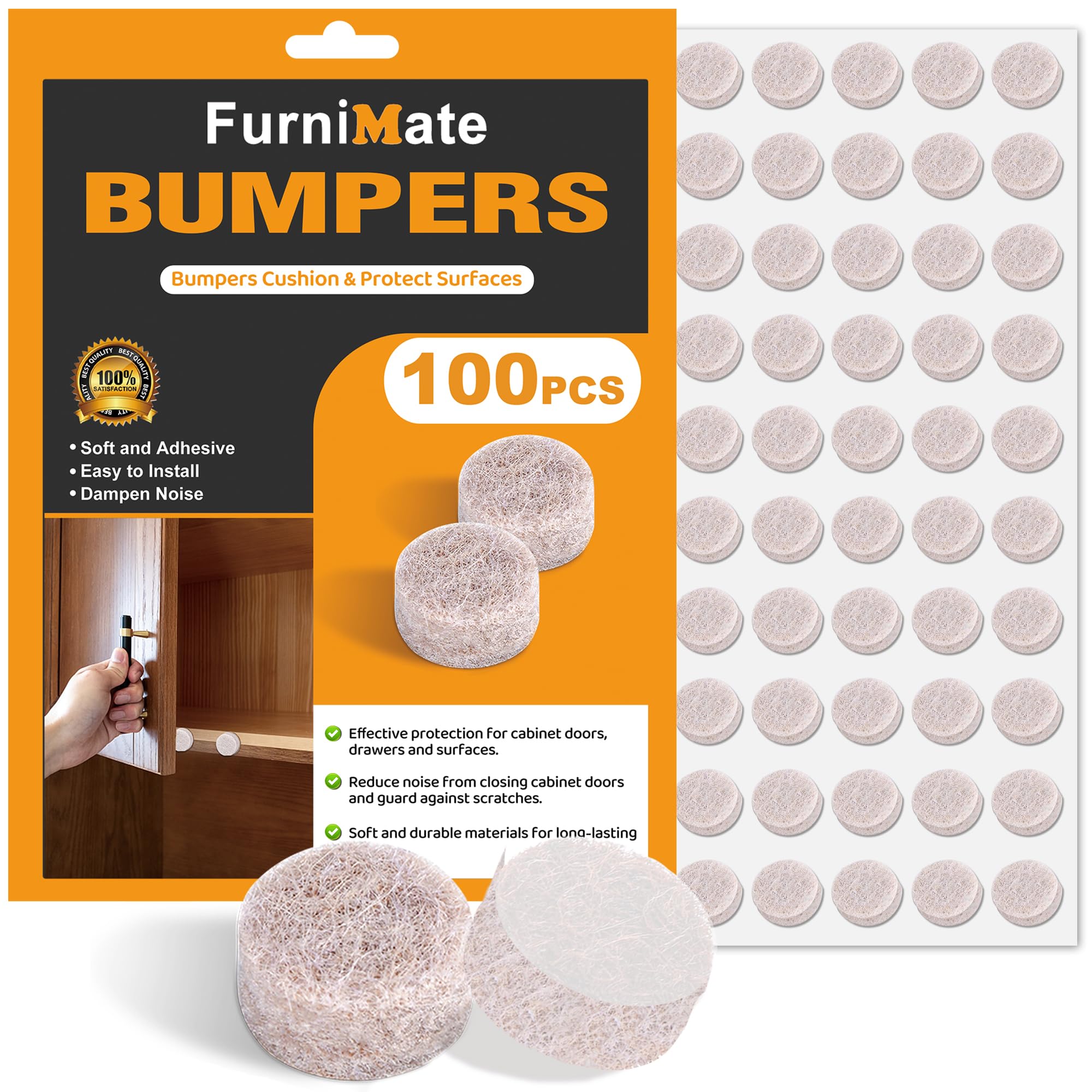
Felt cabinet bumpers are engineered components designed to provide cushioning, reduce noise, and prevent surface damage in industrial and commercial cabinetry systems. At Suzhou Baoshida Trading Co., Ltd., we specialize in high-performance rubber solutions tailored to exacting OEM requirements. The selection of elastomeric material is critical in determining the durability, chemical resistance, temperature stability, and overall service life of these bumpers. Our primary material offerings—Viton (FKM), Nitrile (NBR), and Silicone (VMQ)—each present distinct advantages depending on the operational environment.
Viton is a fluorocarbon-based synthetic rubber known for exceptional resistance to high temperatures, oils, fuels, and a broad range of aggressive chemicals. This makes it ideal for use in demanding industrial settings where exposure to solvents or elevated temperatures is common. Components made from Viton maintain their physical properties and sealing efficiency even under prolonged thermal stress, typically performing reliably from -20°C to +230°C. However, due to its higher material cost, Viton is best suited for applications where performance outweighs budget considerations.
Nitrile rubber, or Buna-N, is a copolymer of acrylonitrile and butadiene, offering excellent resistance to aliphatic hydrocarbons, oils, and fuels. It is one of the most widely used elastomers in industrial applications due to its balance of performance and cost-effectiveness. Nitrile bumpers exhibit good abrasion resistance and mechanical strength, with a standard operating temperature range of -30°C to +100°C, extendable to +120°C for short durations. Its compatibility with common lubricants and hydraulic fluids makes it a preferred choice for machinery enclosures and industrial control cabinets.
Silicone rubber provides outstanding thermal stability and flexibility across extreme temperatures, functioning effectively from -60°C to +200°C. It is highly resistant to ozone and UV radiation, making it suitable for outdoor or high-humidity environments. While silicone has lower tensile strength and abrasion resistance compared to Viton or Nitrile, it excels in applications requiring consistent performance under thermal cycling and where non-reactivity and low toxicity are essential.
The following table provides a comparative overview of the key physical and chemical properties of these materials as applied to felt cabinet bumpers:
| Property | Viton (FKM) | Nitrile (NBR) | Silicone (VMQ) |
|---|---|---|---|
| Temperature Range (°C) | -20 to +230 | -30 to +100 | -60 to +200 |
| Tensile Strength (MPa) | 15–20 | 10–20 | 6–10 |
| Elongation at Break (%) | 200–300 | 250–400 | 200–600 |
| Hardness (Shore A) | 60–90 | 50–80 | 30–80 |
| Resistance to Oils/Fuels | Excellent | Excellent | Poor to Fair |
| Resistance to Ozone/UV | Excellent | Good | Excellent |
| Compression Set Resistance | Very Good | Good | Good |
| Chemical Resistance | Outstanding | Good | Fair |
Material selection should be guided by the specific environmental and mechanical demands of the application. Suzhou Baoshida Trading Co., Ltd. supports OEM clients with material testing, prototyping, and custom formulation to ensure optimal performance in real-world conditions.
Manufacturing Capabilities
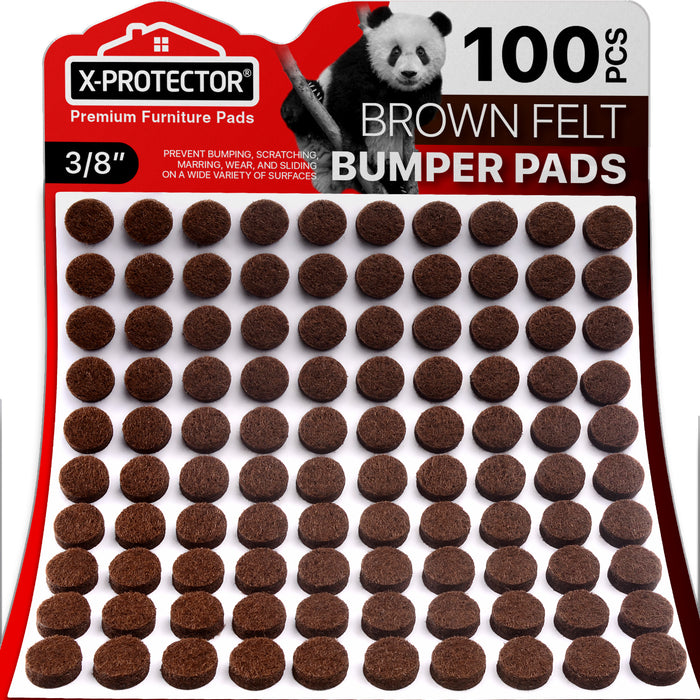
Engineering Capabilities for Precision Felt Cabinet Bumper Manufacturing
Suzhou Baoshida Trading Co., Ltd. leverages dedicated engineering resources to deliver superior felt cabinet bumpers for global industrial clients. Our team comprises five specialized mould engineers and two advanced rubber formula engineers, ensuring end-to-end technical mastery from material science to precision tooling. This integrated expertise directly translates to bumpers with exceptional dimensional stability, noise reduction, and longevity under repeated compression cycles—critical for high-end cabinetry and furniture applications.
Our rubber formula engineers focus on optimizing elastomer compounds for felt-impregnated bumpers. Through rigorous polymer selection and additive integration, we achieve precise control over durometer (40–80 Shore A), compression set resistance (<20% per ASTM D395), and low-temperature flexibility down to -40°C. Custom formulations address specific client requirements, such as enhanced oil resistance for kitchen environments or UV-stable compounds for outdoor furniture. Each compound undergoes accelerated aging tests and dynamic fatigue analysis to guarantee performance consistency across 10,000+ operational cycles. This scientific approach minimizes material degradation and ensures consistent tactile feedback and sealing efficacy throughout the product lifecycle.
Complementing material innovation, our five mould engineers execute precision tooling solutions using P20 or H13 steel with tolerance control to ±0.05 mm. Advanced CAD/CAM workflows enable rapid prototyping and cavity optimization for uniform felt adhesion and rubber flow. We specialize in multi-cavity moulds for high-volume production without sacrificing part-to-part consistency, reducing flash and knit lines that compromise acoustic performance. Finite element analysis (FEA) validates stress distribution during compression, preventing premature deformation in critical contact zones.
As an OEM partner, we manage the entire production continuum—from initial CAD data validation to final packaging. Clients receive DFM feedback within 72 hours, with tooling lead times compressed to 25 days for standard configurations. Our ISO 9001-certified facility implements SPC monitoring at all stages, including automated vision inspection for diameter, height, and concentricity. This seamless integration of formula and mould engineering eliminates third-party dependencies, ensuring intellectual property security and accelerated time-to-market.
Key performance specifications for our felt cabinet bumpers are summarized below:
| Parameter | Standard Product | Custom Solution Capability |
|---|---|---|
| Durometer Range | 50–70 Shore A | 40–80 Shore A |
| Temp. Resistance | -30°C to +100°C | -40°C to +120°C |
| Compression Set | ≤25% (22h, 70°C) | ≤15% (custom formulation) |
| Tensile Strength | ≥8 MPa | ≥12 MPa (reinforced) |
| Adhesion Strength | ≥1.5 kN/m² (felt-rubber) | ≥2.2 kN/m² (modified bond) |
| Tolerance (Ø/H) | ±0.10 mm | ±0.05 mm (precision grade) |
This technical infrastructure allows Suzhou Baoshida to solve complex challenges like reducing closure noise by 15–20 dB or extending service life beyond 50,000 cycles. By unifying formula chemistry with precision mould design under one roof, we deliver OEM bumpers that meet exact acoustic, mechanical, and aesthetic specifications—proving that microscopic engineering details define macroscopic product excellence.
Customization Process
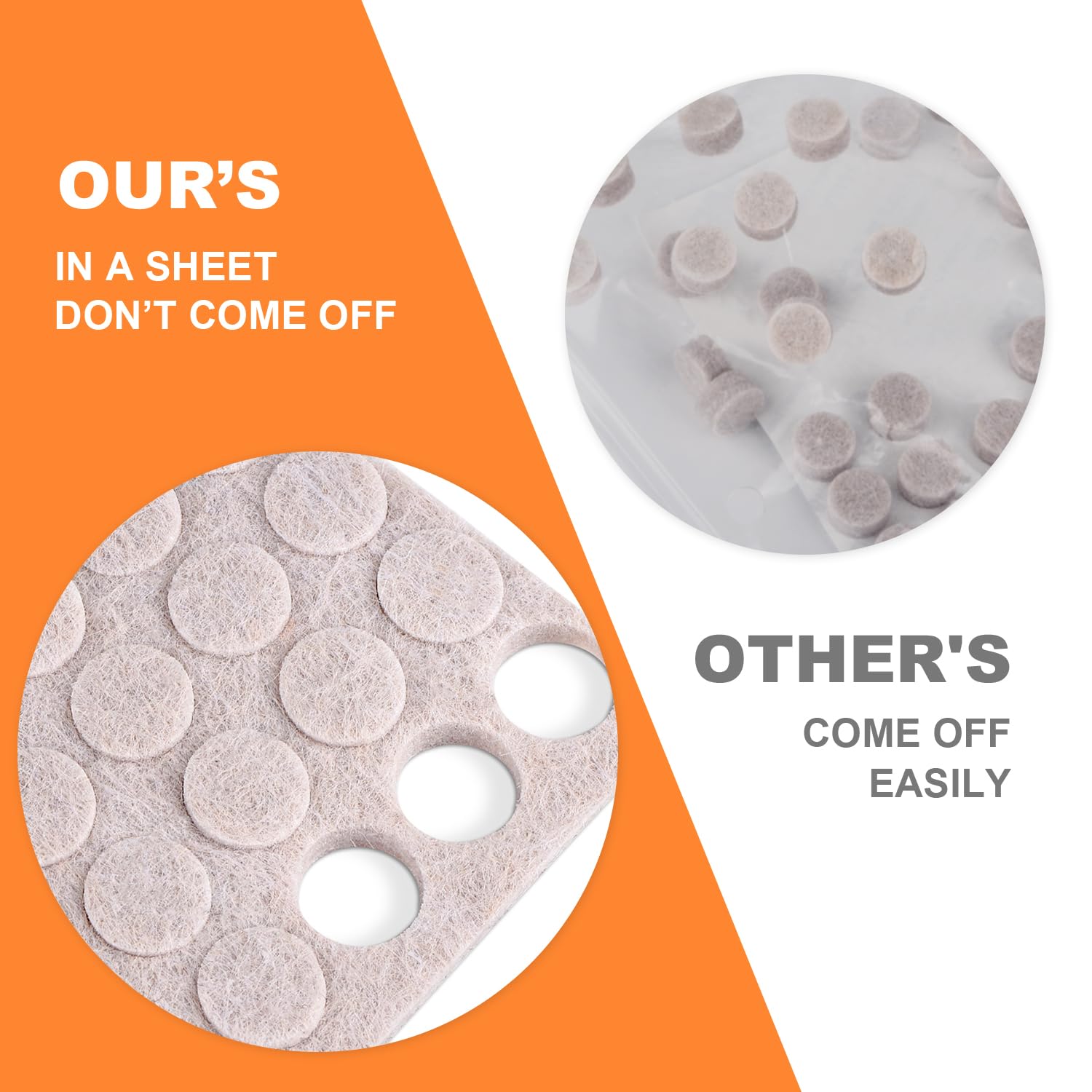
Drawing Analysis
The customization process for felt cabinet bumpers begins with rigorous drawing analysis, a critical phase that ensures dimensional accuracy and functional compatibility. At Suzhou Baoshida Trading Co., Ltd., our engineering team evaluates customer-provided technical drawings or CAD models to verify key parameters such as outer diameter, thickness, tolerance class, and adhesive placement. We assess substrate contact surfaces and environmental exposure conditions to determine performance requirements. Any discrepancies or design inefficiencies are flagged for collaborative refinement, ensuring manufacturability without compromising intended functionality. This stage establishes the foundation for material selection and process planning.
Formulation Development
Following drawing validation, our rubber formulation engineers initiate material development tailored to the operational demands of the end application. Felt bumpers require a balance between cushioning performance, abrasion resistance, and environmental stability. We utilize high-density polyester or wool-blend felt substrates, impregnated with synthetic rubber compounds engineered for controlled compression set and noise dampening. Formulations are adjusted based on required hardness (Shore A 40–70), temperature resistance (–30°C to +100°C), and compliance with industry standards such as RoHS and REACH. Adhesive systems—typically acrylic or rubber-based pressure-sensitive types—are selected to ensure long-term bonding on substrates including painted metal, MDF, and laminates. All formulations are documented and archived for batch traceability and repeatability.
Prototyping and Validation
Once the formulation is finalized, a prototype batch is produced using precision die-cutting and lamination techniques. Prototypes are subjected to a battery of in-house performance tests, including compression deflection, peel adhesion strength, aging resistance, and cycle durability. We provide customers with physical samples and test reports for real-world validation in their assembly environment. Feedback is integrated into final design adjustments, ensuring optimal fit, function, and longevity. This iterative step minimizes risk during scale-up and accelerates time-to-market.
Mass Production and Quality Assurance
Approved prototypes transition into full-scale production under strict ISO 9001-compliant protocols. Automated cutting, adhesive application, and liner attachment ensure consistency across high-volume runs. Inline quality checks monitor thickness variation, adhesive coverage, and dimensional conformity. Final inspection includes AQL 1.0 sampling, with certificates of conformance issued per shipment. Our production lines support monthly outputs from 100,000 to over 2 million units, adaptable to JIT delivery schedules.
The following table outlines key technical specifications for standard and custom felt cabinet bumpers:
| Parameter | Standard Range | Custom Capability | Test Method |
|---|---|---|---|
| Outer Diameter | 8 – 30 mm | Up to 50 mm | ISO 3761 |
| Thickness | 1.5 – 6.0 mm | Up to 10 mm | ISO 2818 |
| Hardness (Shore A) | 40 – 70 | 30 – 90 | ISO 7619-1 |
| Operating Temperature | –30°C to +100°C | Up to +130°C (special felt) | ISO 188 / ISO 6954 |
| Adhesion Strength | ≥0.8 N/mm (on steel) | ≥1.5 N/mm (high-tack option) | PSTC-101 |
| Compression Deflection | 25% at 10 N/cm² (typical) | Custom load profiles | ASTM D575 |
| Compliance | RoHS, REACH | FDA, UL 94 HB available | — |
Contact Engineering Team
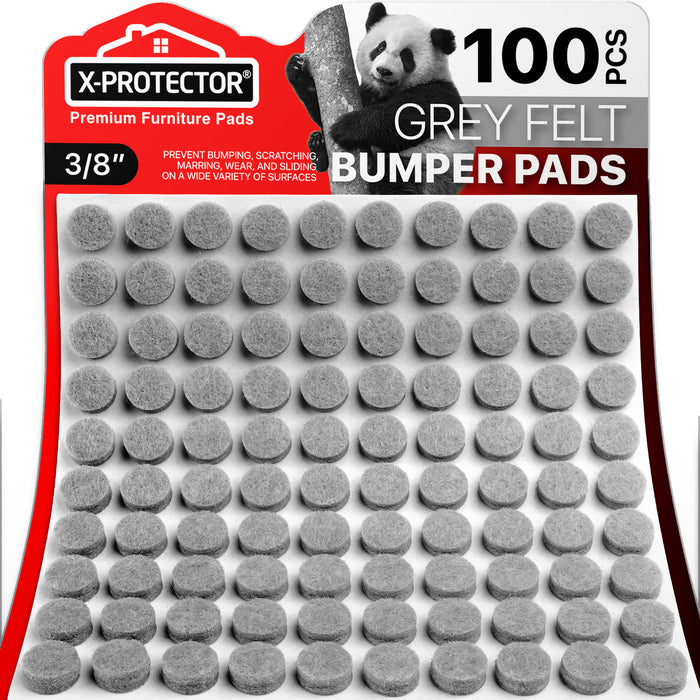
Precision Integration of Felt Cabinet Bumpers: Engineering Collaboration Pathway
Felt cabinet bumpers represent a deceptively critical interface component within industrial assembly systems, demanding exacting material science and dimensional control to ensure operational integrity. At Suzhou Baoshida Trading Co., Ltd., we engineer these components not as generic padding but as engineered vibration-damping solutions where microscopic fiber interlocking, compressive resilience, and adhesive stability directly impact equipment longevity and noise compliance. Our proprietary wool-polyester composite formulations achieve ISO 4869-1 acoustic attenuation benchmarks while maintaining consistent Shore 00 hardness across 10,000+ thermal cycles. This precision prevents common field failures such as delamination under humidity-induced stress or loss of damping efficacy in high-vibration environments.
The following technical specifications define our OEM-grade felt bumpers, validated through ASTM D3574 and DIN 53504 methodologies. These parameters are non-negotiable for applications requiring sub-millimeter positional accuracy in automated assembly lines:
| Property | Standard Value | Tolerance | Test Method |
|---|---|---|---|
| Density | 0.32 g/cm³ | ±0.02 | ISO 845 |
| Thickness | 1.5 mm – 5.0 mm | ±0.05 mm | ASTM D3574-D |
| Compression Set (22h) | ≤12% | Max. 15% | ISO 1856 |
| Operating Temperature | -40°C to +85°C | Continuous | DIN 53508 |
| Adhesion Strength | ≥1.8 N/mm² | Min. 1.5 | ASTM D3330 |
| Abrasion Resistance | ≤0.08 mg/100 cycles | Max. 0.12 | ISO 4649 |
These metrics reflect our closed-loop manufacturing process, where real-time spectrophotometric analysis ensures color consistency (ΔE ≤0.5) for brand-critical visible installations, and robotic dispensing systems maintain adhesive coating uniformity within ±3µm. Unlike commodity suppliers, we implement lot-specific traceability via QR-coded batch logs, enabling root-cause analysis for any field deviation. Our facility operates under IATF 16949 protocols with in-house tooling capabilities for custom die-cut geometries down to ±0.1mm tolerances – essential for high-speed pick-and-place automation compatibility.
For engineering teams requiring validation beyond datasheet values, Mr. Boyce leads our technical liaison group with 14 years of rubber compounding specialization. He will initiate a structured dialogue to:
Analyze your assembly line dynamics (cycle speed, substrate materials, environmental exposure)
Provide finite element analysis (FEA) reports for custom thickness/density optimization
Supply pre-production samples with accelerated life testing data within 72 hours
Coordinate seamless integration with existing adhesive applicator systems
This is not a sales interaction but an engineering partnership. Specify your cabinet material (stainless steel, anodized aluminum, coated MDF), expected impact frequency, and acoustic targets. Mr. Boyce will respond with a material compatibility matrix and dimensional conformance certificate before sample dispatch. The precision of your end-product’s user experience hinges on this interface component’s reliability – we eliminate guesswork through data-driven specification.
Initiate your technical collaboration by contacting Mr. Boyce directly at [email protected]. Include your project timeline, volume requirements, and critical failure modes observed in prior solutions. Expect a detailed engineering assessment within 4 business hours, not a generic quotation. Suzhou Baoshida exists to solve interfacial challenges where standard off-the-shelf bumpers compromise system performance. Your assembly line’s silent, vibration-free operation begins with scientifically validated contact.
⚖️ O-Ring Weight Calculator
Estimate rubber O-ring weight (Approx).