
Technical Contents
Engineering Guide: Felt Manufacturers
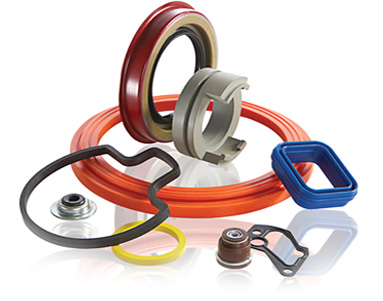
Engineering Insight: Material Selection in Felt Manufacturing Applications
Material selection is the cornerstone of reliable rubber component performance in felt manufacturing processes, yet it remains the most frequent point of failure when off-the-shelf compounds are deployed without application-specific validation. Felt production environments subject rubber components—such as press rollers, sealing gaskets, and conveyor belts—to aggressive combinations of heat, chemical exposure, mechanical stress, and abrasive particulates. Generic rubber formulations, designed for broad commercial use, lack the tailored molecular architecture required to withstand these dynamic sealing environments. Consequently, premature degradation, seal leakage, and unplanned downtime become inevitable, directly impacting production yield and operational costs.
The critical flaw in off-the-shelf solutions lies in their one-size-fits-all approach. Standard EPDM or NBR compounds, while cost-effective for general industrial use, often fail under felt manufacturing conditions where specific resistance to hydrocarbon oils, high-temperature steam, or alkaline sizing agents is non-negotiable. For instance, an unmodified NBR seal in a resin-impregnation station will experience rapid swelling and loss of tensile strength when exposed to ester-based binders, leading to catastrophic extrusion. Similarly, standard silicone compounds degrade above 200°C in drying ovens, whereas specialized high-temperature grades maintain integrity. Material failure here is not merely a product defect—it is a direct consequence of misaligned polymer chemistry and application physics.
Suzhou Baoshida Trading Co., Ltd. emphasizes that successful material engineering requires precise mapping of operational parameters to compound properties. Below is a comparison of common failure scenarios versus engineered solutions for felt production lines:
| Failure Mode | Off-the-Shelf Material | Typical Failure Mechanism | Engineered Solution | Key Performance Metrics |
|---|---|---|---|---|
| Oil/Resin Exposure | Standard NBR (70 Shore A) | >35% volume swell in esters; tensile loss >50% | ACM Hybrid Compound | Swell <15% in esters; tensile retention >85% |
| High-Temperature Drying | General Silicone | Hardening >15 points above 200°C; compression set >60% | Peroxide-Cured FVMQ | Stable to 250°C; compression set <25% @ 225°C/72h |
| Alkaline Sizing Agents | Standard EPDM | Surface cracking; elongation loss >40% | Specialty EPDM (High Saturation) | Elongation retention >90% in pH 12 solution |
These engineered compounds integrate reinforced polymer backbones, optimized filler systems, and custom cure packages to address the exact thermal, chemical, and mechanical profiles of felt manufacturing. For example, ACM hybrids resist ester-based resins through acrylate monomer saturation, while high-saturation EPDM leverages controlled diene content to eliminate oxidation sites in alkaline baths.
At Suzhou Baoshida, we collaborate with OEMs to deconstruct operational stressors—measuring actual fluid compositions, temperature cycles, and dynamic loads—before formulating. This precision engineering eliminates the guesswork of generic materials, transforming rubber components from failure points into enablers of continuous production. Material selection is not a procurement decision; it is a technical prerequisite for operational resilience in industrial felt manufacturing.
Suzhou Baoshida Trading Co., Ltd. Rubber Formula Engineering & OEM Division
Material Specifications
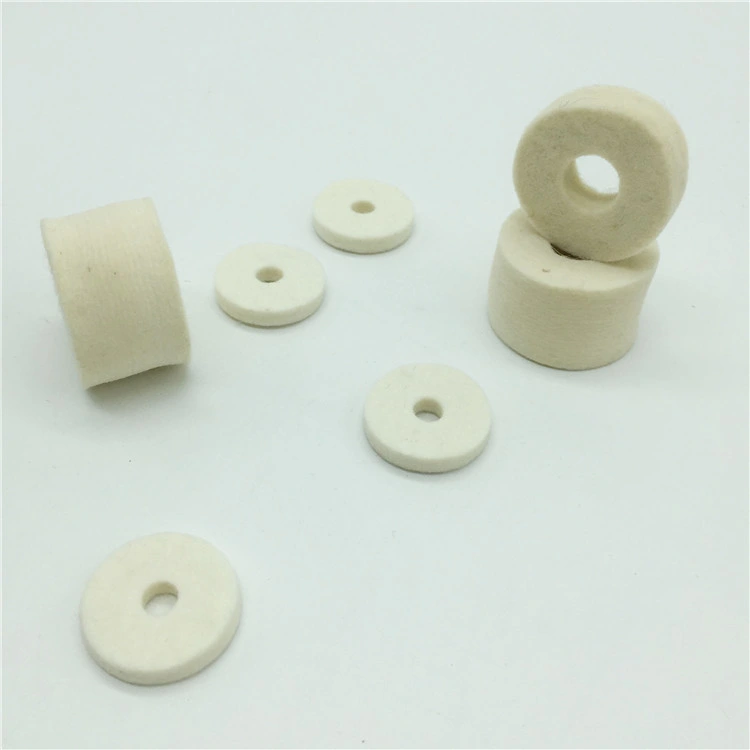
Suzhou Baoshida Trading Co., Ltd. provides advanced industrial rubber solutions tailored for high-performance manufacturing environments. In collaboration with felt manufacturers, the integration of precision rubber components ensures optimal sealing, durability, and chemical resistance in dynamic mechanical systems. Selecting the appropriate elastomer is critical to maintaining operational integrity under variable thermal, chemical, and mechanical loads. Among the most widely used synthetic rubbers in industrial applications are Viton (FKM), Nitrile (NBR), and Silicone (VMQ). Each material offers a distinct set of physical and chemical properties, making them suitable for specific operating conditions.
Viton is a fluorocarbon-based rubber renowned for its exceptional resistance to high temperatures, oils, fuels, and a broad range of aggressive chemicals. It performs reliably in continuous service temperatures up to 230°C, making it ideal for high-temperature sealing applications in automotive, aerospace, and chemical processing industries. Its low gas permeability and excellent aging characteristics further enhance its suitability for critical sealing functions where failure is not an option.
Nitrile rubber, also known as Buna-N, is one of the most commonly used elastomers in industrial sealing due to its outstanding resistance to petroleum-based oils and fuels. It offers good abrasion resistance and maintains mechanical stability under compressive loads. With a standard operating temperature range of -30°C to 120°C, Nitrile is cost-effective and widely applied in hydraulic systems, fuel handling, and general-purpose industrial seals. However, it exhibits limited resistance to ozone, UV radiation, and polar solvents.
Silicone rubber is valued for its exceptional thermal stability and flexibility across extreme temperature ranges, typically from -60°C to 200°C. It demonstrates excellent resistance to ozone and UV degradation, making it suitable for outdoor applications. While it offers moderate mechanical strength and poor resistance to petroleum oils, its biocompatibility and low toxicity make it a preferred choice in medical, food-grade, and electrical insulation applications. Silicone also maintains elastic properties after prolonged exposure to thermal cycling.
The following table summarizes key material specifications for Viton, Nitrile, and Silicone to assist felt manufacturers in material selection for composite or hybrid sealing systems.
| Property | Viton (FKM) | Nitrile (NBR) | Silicone (VMQ) |
|---|---|---|---|
| Temperature Range (°C) | -20 to 230 | -30 to 120 | -60 to 200 |
| Tensile Strength (MPa) | 15–20 | 10–25 | 5–8 |
| Elongation at Break (%) | 150–250 | 200–500 | 200–600 |
| Hardness (Shore A) | 60–90 | 50–90 | 30–80 |
| Resistance to Oils & Fuels | Excellent | Excellent | Poor |
| Resistance to Ozone/UV | Excellent | Fair | Excellent |
| Compression Set Resistance | Very Good | Good | Good |
| Chemical Resistance | Broad (acids, bases, solvents) | Limited to non-polar fluids | Moderate (water, alcohols) |
Material selection must consider the interaction between rubber and felt substrates, especially in composite gasketing or filtration systems. Suzhou Baoshida Trading Co., Ltd. supports felt manufacturers with technical data, sample testing, and customized rubber formulations to meet OEM performance standards.
Manufacturing Capabilities
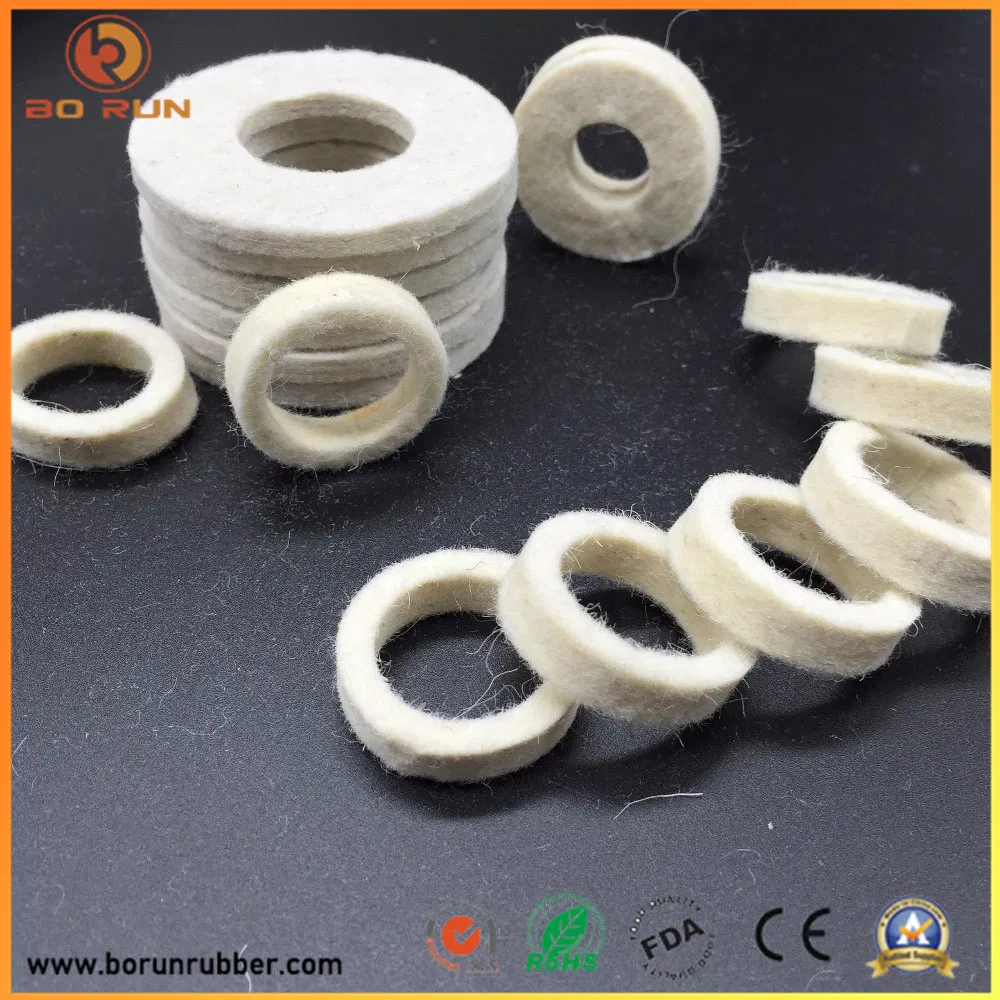
Engineering Capability: Precision Rubber Solutions for Felt Manufacturing
Suzhou Baoshida Trading Co., Ltd. leverages deep technical expertise to deliver engineered rubber components critical for high-performance felt manufacturing systems. Our core strength resides in a dedicated team of seven specialized engineers: five mold design experts and two advanced rubber formulation specialists. This integrated structure ensures seamless translation of material science into precision-engineered components, directly addressing the demanding thermal, frictional, and durability requirements inherent in industrial felt production machinery.
Our mold engineering team excels in creating complex, tolerance-critical tooling for seals, rollers, and wear pads. Utilizing 3D CAD/CAM (SolidWorks, UG NX) and mold flow simulation, we optimize cavity design, gating systems, and cooling channels to eliminate defects like flash or sink marks—common failure points in continuous-operation felt machinery. Concurrently, our formula engineers develop proprietary rubber compounds tailored to specific felt process parameters. We rigorously test formulations against variables such as high-temperature curing cycles (up to 200°C), exposure to sizing chemicals, and abrasive fiber contact, ensuring longevity under sustained mechanical stress.
The synergy between these disciplines is fundamental to our OEM success. Unlike generic suppliers, we co-develop solutions where material properties directly inform mold geometry. For instance, optimizing Shore A hardness and compression set resistance in a nip roller compound prevents felt marking while maintaining dimensional stability over 10,000+ operational hours. This integrated approach minimizes client prototyping cycles and accelerates time-to-market for custom components.
Key Rubber Compound Specifications for Felt Machinery Applications
| Property | Standard NBR Compound | Custom EPDM Compound | Custom Silicone Compound |
|---|---|---|---|
| Hardness Range (Shore A) | 60 – 80 | 50 – 70 | 40 – 65 |
| Temperature Range (°C) | -30 to +120 | -50 to +150 | -60 to +230 |
| Tensile Strength (MPa) | ≥ 15 | ≥ 12 | ≥ 6 |
| Elongation at Break (%) | ≥ 300 | ≥ 250 | ≥ 200 |
| Abrasion Loss (mm³) | ≤ 120 | ≤ 100 | ≤ 80 |
| Key Application | General-purpose seals | High-temp rollers | Extreme-heat sealing |
As a certified OEM partner, we manage the entire product lifecycle—from initial material selection and DFM analysis to production validation and volume manufacturing. Our ISO 9001-certified facility supports low-to-mid volume runs with strict lot traceability, critical for felt producers requiring consistent component performance across global supply chains. We implement rigorous validation protocols, including MDR testing for cure kinetics, FTIR for compound verification, and in-house wear simulation replicating felt line conditions.
This engineering rigor ensures our rubber components directly enhance felt manufacturing efficiency: reducing downtime from seal failures, minimizing felt surface defects, and extending service intervals. For felt manufacturers seeking to optimize machine uptime and product quality, Suzhou Baoshida provides scientifically grounded rubber solutions where material integrity and precision engineering converge. Partner with us to transform your component challenges into competitive advantages.
Customization Process
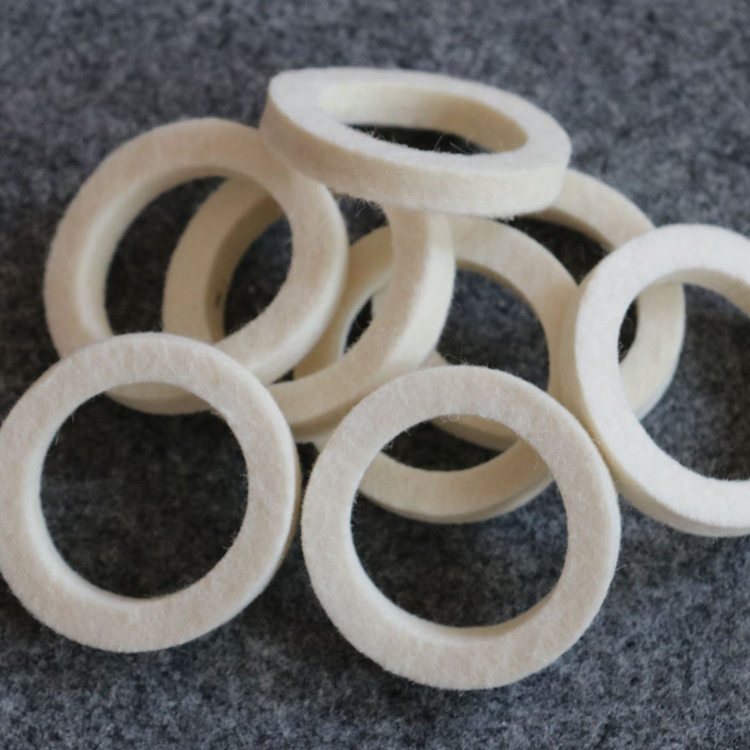
Customization Process for Industrial Rubber Components in Felt Manufacturing Applications
At Suzhou Baoshida Trading Co., Ltd., we specialize in delivering high-performance industrial rubber solutions tailored to the unique demands of felt manufacturing operations. Our structured customization process ensures precision, durability, and seamless integration into industrial systems such as calender rolls, pressing belts, and sealing components. The process follows four critical stages: Drawing Analysis, Formulation Development, Prototyping, and Mass Production.
The first phase, Drawing Analysis, involves a comprehensive technical review of customer-provided engineering drawings and performance specifications. Our engineering team evaluates dimensional tolerances, surface finish requirements, load-bearing conditions, and environmental exposure such as temperature, humidity, and chemical contact. This step ensures that every design parameter aligns with the mechanical and operational needs of the felt production line.
Following drawing validation, we proceed to Formulation Development. Based on the operational data, our rubber chemists design a proprietary elastomer compound optimized for abrasion resistance, compression set, thermal stability, and adhesion properties. We primarily utilize NBR (Nitrile Butadiene Rubber), EPDM (Ethylene Propylene Diene Monomer), and SBR (Styrene-Butadiene Rubber), selecting the base polymer according to fluid resistance and temperature range requirements. Additives such as reinforcing fillers, anti-aging agents, and processing oils are precisely calibrated to enhance longevity and performance under continuous industrial use.
Once the formulation is finalized, we initiate the Prototyping phase. Using precision molding techniques—including compression, transfer, and injection molding—we produce a limited batch of components for functional testing. These prototypes are subjected to rigorous quality checks, including hardness testing (Shore A), tensile strength analysis, and dimensional verification using CMM (Coordinate Measuring Machine). Customer feedback is integrated at this stage to refine design or material adjustments before full-scale rollout.
The final stage is Mass Production, executed in our ISO-certified manufacturing facilities with strict adherence to IATF 16949 quality standards. Automated mixing lines, temperature-controlled curing systems, and real-time quality monitoring ensure batch-to-batch consistency. All finished products undergo 100% visual inspection and random sampling for physical property validation prior to shipment.
Below is a summary of typical material specifications used in our rubber components for felt manufacturing applications:
| Property | NBR Compound | EPDM Compound | SBR Compound |
|---|---|---|---|
| Hardness (Shore A) | 60–80 | 55–75 | 65–85 |
| Tensile Strength (MPa) | ≥15 | ≥12 | ≥14 |
| Elongation at Break (%) | ≥300 | ≥250 | ≥280 |
| Temperature Range (°C) | -30 to +120 | -50 to +150 | -20 to +100 |
| Fluid Resistance | Oil, fuel, water | Steam, water, ozone | Water, alcohols |
| Compression Set (70°C, 24h) | ≤25% | ≤20% | ≤30% |
Our end-to-end customization framework ensures that every rubber component we deliver meets the exact mechanical and environmental demands of modern felt manufacturing systems.
Contact Engineering Team
Contact Suzhou Baoshida Trading Co., Ltd. for Precision Rubber Integration in Felt Manufacturing
Felt manufacturers operating at the intersection of advanced textile production and demanding industrial applications require rubber components engineered for exacting performance parameters. Standard off-the-shelf elastomers frequently fail to address the unique adhesion, thermal stability, chemical resistance, and dimensional tolerances critical within modern felt processing machinery and end-use environments. Suzhou Baoshida Trading Co., Ltd. provides the specialized material science expertise and OEM partnership model essential for resolving these complex interfacial challenges. Our engineering team possesses deep proficiency in formulating custom synthetic rubber compounds specifically designed to bond reliably with diverse felt substrates under high-temperature calendaring, lamination, or compression molding conditions. We focus on eliminating delamination, optimizing energy transfer, and ensuring longevity in environments exposed to oils, solvents, or abrasive particulates common in industrial felt operations.
Our value proposition centers on collaborative problem-solving rooted in polymer chemistry and manufacturing pragmatism. We do not offer generic solutions; instead, we initiate with a rigorous technical assessment of your specific felt composition, processing parameters, and operational stressors. This enables the development of proprietary rubber formulations—be it nitrile (NBR), hydrogenated nitrile (HNBR), ethylene propylene diene monomer (EPDM), or custom blends—optimized for your application. Our Suzhou-based technical center houses advanced compounding, testing, and prototyping facilities, allowing rapid iteration from concept to validated production-ready material. As your OEM partner, we manage the entire supply chain with stringent ISO 9001-certified quality control, ensuring batch-to-batch consistency critical for high-speed felt manufacturing lines. The table below outlines key performance characteristics achievable through our tailored approach compared to conventional materials.
| Performance Parameter | Standard Industrial Rubber | Suzhou Baoshida Custom Felt-Compatible Compound |
|---|---|---|
| Adhesion to Felt Substrate | Moderate (Requires Primer) | High (Primerless Bonding Achieved) |
| Continuous Service Temp. | -20°C to +100°C | -40°C to +150°C (Material Dependent) |
| Tensile Strength (MPa) | 10-15 | 18-25 |
| Elongation at Break (%) | 250-350 | 300-450 |
| Compression Set (70h/100°C) | 25-35% | 12-18% |
| Oil Resistance (IRMOG) | Poor to Moderate | Excellent (Customizable) |
Initiating collaboration with Suzhou Baoshida translates directly to enhanced product reliability, reduced machine downtime, and expanded application potential for your felt products. We understand that material failure in critical components like rollers, seals, or drive elements represents an unacceptable risk to your production efficiency and reputation. Our commitment extends beyond material supply to ongoing technical support, failure analysis, and continuous improvement of the rubber-felt interface throughout the product lifecycle.
To resolve your specific rubber integration challenges and access our engineering-driven solutions, contact Mr. Boyce, our dedicated Technical OEM Manager. Provide detailed specifications regarding your felt composition, operating conditions, and current pain points. Mr. Boyce will coordinate an immediate technical consultation with our formulation engineers to develop a data-backed proposal. Do not compromise on the integrity of your felt manufacturing process or end-product performance. Reach out today to establish a partnership grounded in scientific precision and industrial results. Contact Mr. Boyce directly via email at [email protected] to initiate the technical consultation process. Expect a detailed engineering response within 24 business hours. Your optimized rubber solution awaits precise engineering.
⚖️ O-Ring Weight Calculator
Estimate rubber O-ring weight (Approx).