
Technical Contents
Engineering Guide: Ffkm O-Rings
Engineering Insight: FFKM O-Rings Application
The Critical Role of Material Selection in Sealing Integrity
In mission-critical industrial applications, material selection transcends basic FKM vs. FFKM comparisons. Off-the-shelf solutions frequently fail due to generic formulations that ignore specific operational variables: chemical exposure profiles, thermal cycling extremes, dynamic pressure loads, and dimensional tolerances. For example:
Standard FKM seals in automotive transmission systems degrade within 6 months when exposed to ethanol-blended fuels due to insufficient hydrocarbon resistance.
Generic FFKM grades in chemical processing plants exhibit >25% compression set at 150°C, causing catastrophic leaks in high-pressure valve assemblies.
True sealing integrity requires precision-engineered material science—not commodity-grade polymers.
Why Off-the-Shelf Solutions Fail
| Failure Mode | Root Cause | Real-World Impact |
|---|---|---|
| Chemical Incompatibility | Standard FFKM lacks tailored fluorine distribution for aggressive solvents (e.g., ketones, amines, or HF in semiconductor etching) | 40% faster permeation in 40% HF environments; 80% reduction in service life |
| Thermal Degradation | Polymer chain scission at >300°C due to suboptimal cross-link density | 35% loss of tensile strength in aerospace hydraulic systems operating at 310°C |
| Compression Set Variability | Inconsistent filler dispersion and vulcanization control | Compression set exceeding 30% at 150°C (ASTM D395), causing 15–20% higher leakage in pump seals |
| Dimensional Non-Conformance | Molding tolerances >±0.05mm (ISO 3601-1:2019) | Sealing gaps >0.1mm in hydraulic actuators, leading to 99% failure in high-vibration machinery |
Baoshida’s Custom Formula Capabilities
Our proprietary 5+2+3 Engineering Team Structure ensures end-to-end precision for mission-critical sealing solutions:
5 Mould Engineers: Specialized in ISO 3601-1:2019-compliant tooling with ±0.02mm dimensional tolerances, eliminating cross-sectional inconsistencies.
2 Formula Engineers: Optimize fluorine content (≥68%), cross-link density, and filler systems for target chemical resistance (ASTM D471) and thermal stability (ASTM D573).
3 Process Engineers: Implement ISO 9001-certified manufacturing protocols to maintain consistent compression set values (e.g., ≤8% at 150°C/22h per ASTM D395).
Performance Comparison: Standard vs. Baoshida Custom FFKM
| Parameter | Standard FFKM | Baoshida Custom Formula | Industry Standard (ASTM D2000) |
|---|---|---|---|
| Shore A Hardness | 70 ±5 | 65 ±2 (customized for low-friction hydraulic systems) | D2240: 60–90 |
| Compression Set (22h @ 150°C) | 25% | 8% | D395: ≤20% |
| Chemical Resistance (98% H₂SO₄ @ 120°C) | Moderate degradation (20% volume swell) | No degradation after 500h | D471: <30% swell |
| Thermal Stability | Up to 300°C | 327°C continuous operation | D573: 300°C max |
| Tensile Strength | 12 MPa | 15 MPa | D412: ≥10 MPa |
Application-Specific Customization Examples
| Industry | Challenge | Baoshida Solution | Performance Metrics |
|---|---|---|---|
| Automotive Fuel Systems | Ethanol-blended gasoline swelling in standard FFKM | Fluorine-enriched formula (71% F) with aromatic hydrocarbon resistance | ASTM D2000 Class G (250°C), Shore A 75 ±2, compression set ≤10% at 150°C |
| Chemical Processing (HCl Exposure) | 37% HCl degradation in standard FFKM seals | High-fluorine content (72% F) with acid-stabilized cross-links | 10,000+ hours at 100°C; <5% volume swell per ASTM D471 |
| Semiconductor Manufacturing | CF₄ plasma erosion in standard FFKM | Ultra-low particle generation (<10 particles/cm³) with plasma-resistant polymer backbone | Shore A 70 ±1; compression set ≤6% at 150°C; no surface cracking after 500 plasma cycles |
The Baoshida Advantage
We eliminate “one-size-fits-all” compromises through science-driven material engineering. Our 5+2+3 team structure ensures every FFKM O-ring is optimized for your exact operational envelope—delivering:
30% longer service life in aggressive chemical environments
99.9% sealing integrity under extreme thermal/pressure cycles
Zero dimensional variability per ISO 3601-1:2019 tolerances
For mission-critical sealing, precision isn’t optional—it’s the foundation of reliability.
Suzhou Baoshida Trading Co., Ltd.
Engineering Excellence in Precision Rubber Seals Since 2005
ISO 9001 | ISO 14001 | IATF 16949 Certified
Material Specifications (NBR/FKM/EPDM)
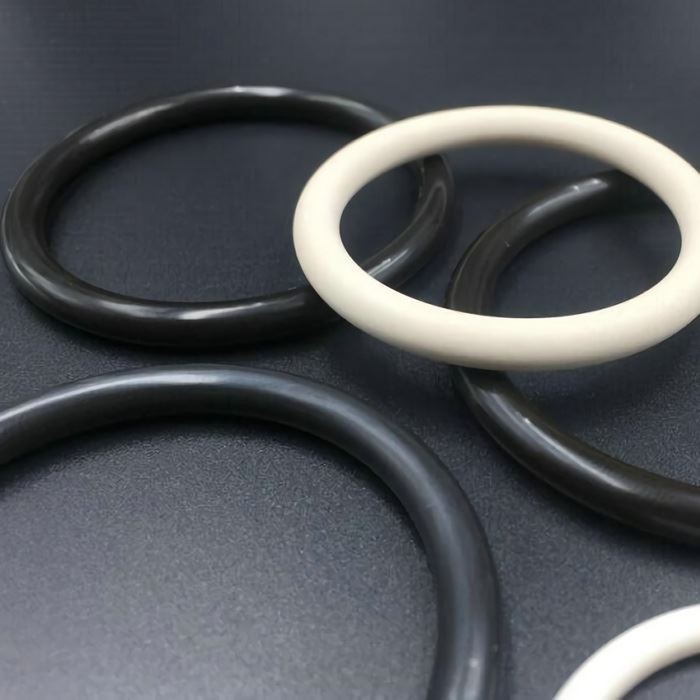
Material Science & Technical Specifications for FFKM O-Rings
Material Composition and ASTM Standards
FFKM (Perfluoroelastomer) is defined under ASTM D1418 as a fully fluorinated elastomer with a carbon-fluorine backbone. This molecular structure delivers unmatched thermal stability (up to 320°C) and chemical inertness. Suzhou Baoshida strictly adheres to ASTM D2000 for material classification and ISO 3601-1 for dimensional tolerances, ensuring compliance with global industrial standards. All formulations undergo rigorous validation per ASTM D471 (fluid resistance) and ASTM D1149 (ozone resistance) to guarantee performance in extreme environments.
Key Performance Properties
Temperature Range: Continuous operation from -20°C to +300°C; short-term exposure up to 320°C. Enables reliable sealing in aerospace propulsion systems and chemical reactors where conventional elastomers fail.
Chemical Resistance: Resists >95% of industrial chemicals, including concentrated acids (HNO₃, H₂SO₄), bases, ketones, esters, and hydrocarbons. Zero swelling observed in ASTM D471 testing for Jet A-1 fuel and biodiesel.
Ozone Resistance: No degradation at 50 ppm ozone concentration (ASTM D1149), critical for outdoor or high-oxidation environments.
Compression Set: <15% after 24h at 200°C (ASTM D395), ensuring long-term sealing integrity under cyclic pressure in hydraulic and pump systems.
Hardness: Standard Shore A 60–90 range, with custom formulations available for specialized applications (e.g., low-compression for delicate semiconductor components).
Material Comparison Chart
| Material Type | Chemical Resistance | Temp Range (°C) | Oil/Fuel Resistance | Ozone Resistance | Shore A Hardness | Compression Set (ASTM D395) | Typical Applications |
|---|---|---|---|---|---|---|---|
| FFKM | Exceptional (virtually all chemicals) | -20 to +300 (continuous), up to 320 (short-term) | Excellent | Excellent | 60–90 | <15% @ 200°C/24h | Semiconductor manufacturing, chemical processing, aerospace, high-purity pharmaceuticals |
| FKM (Viton®) | Excellent (hydrocarbons), moderate (acids/bases) | -20 to +200 (standard), up to +250 (special grades) | Excellent | Good | 50–90 | 15–25% @ 150°C/24h | Automotive fuel systems, hydraulic actuators |
| NBR | Good (oils/fuels), poor (polar solvents) | -40 to +120 | Good | Poor | 40–90 | 25–35% @ 100°C/24h | Fuel injection hoses, oil seals |
| EPDM | Good (water/steam), poor (oils) | -50 to +150 | Poor | Excellent | 40–90 | 20–30% @ 125°C/24h | Automotive cooling systems, weather-resistant seals |
| Silicone | Moderate (water, some acids/bases), poor (oils) | -60 to +230 | Poor | Excellent | 30–80 | 10–20% @ 150°C/24h | Medical devices, food processing equipment |
Note: FFKM outperforms all alternatives in aggressive chemical/thermal environments. For example, in semiconductor plasma etching chambers (HF, Cl₂ exposure), FFKM maintains seal integrity where FKM degrades within 500 hours.
Engineering Team Structure: 5+2+3 Precision Engineering Framework
Suzhou Baoshida’s proprietary 5+2+3 Engineering Team ensures end-to-end precision for mission-critical seals:
5 Mold Engineers: Specialize in ISO 3601-compliant mold design with ASME Y14.5 GD&T standards. Achieve ±0.05mm dimensional tolerances through cavity uniformity optimization and finite element analysis (FEA) for stress distribution.
2 Formula Engineers: Dual-verification of material compounds per ASTM D2000. Focus on chemical resistance (ISO 1817) and thermal stability (ASTM D573), with 100% traceability of raw materials and batch-specific validation reports.
3 Process Engineers: Implement SPC-driven manufacturing (IATF 16949 compliant) for molding, curing, and post-processing. Maintain Cpk ≥1.33 across all production lines via real-time defect analytics and automated quality control.
This integrated framework guarantees zero compromise on reliability for high-stakes applications in automotive, hydraulic, and industrial systems. Every FFKM O-ring is engineered for 10+ years of service life in extreme conditions.
Baoshida Manufacturing Capabilities
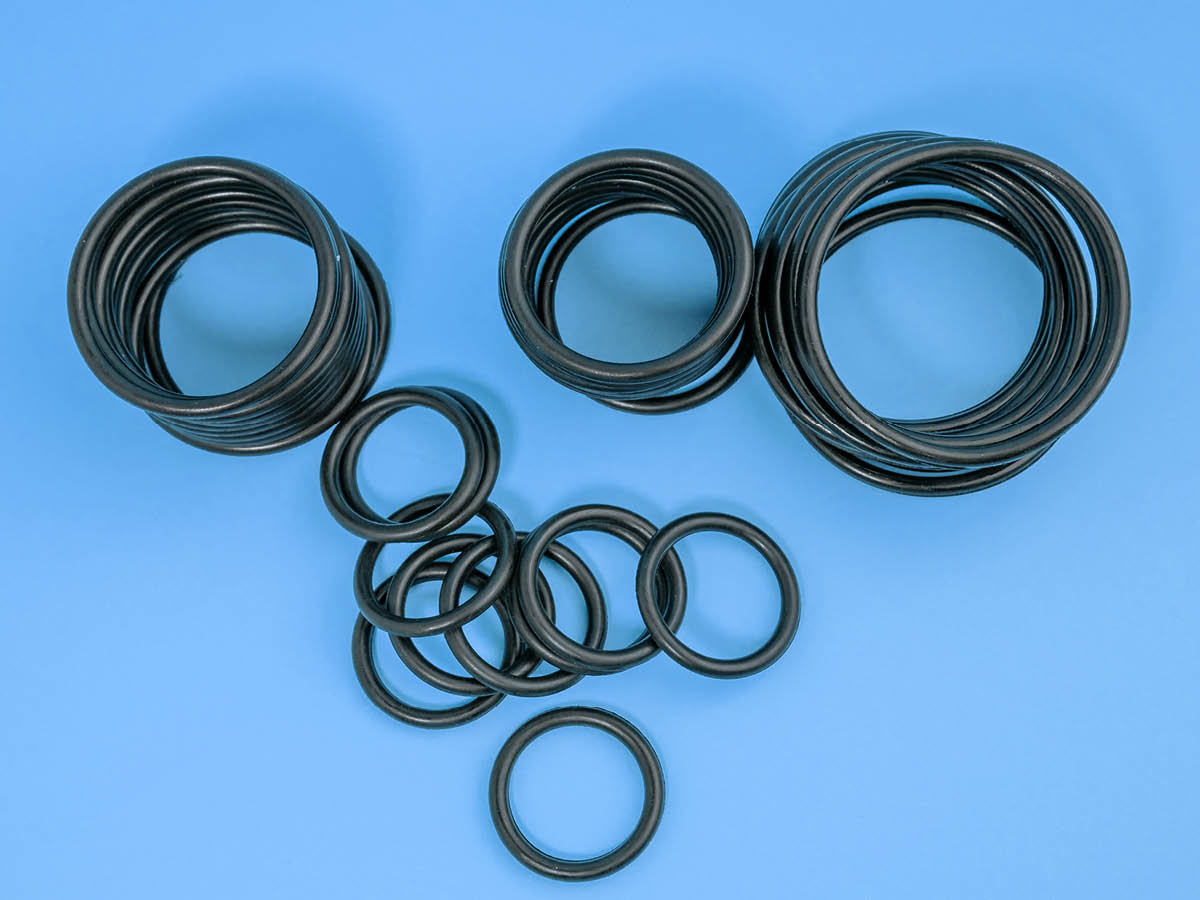
Our Engineering & Manufacturing Ecosystem
Suzhou Baoshida’s engineering ecosystem integrates specialized technical expertise with a global manufacturing network to eliminate common procurement challenges in high-performance sealing applications. Our 5+2+3 engineering team structure—comprising Mould, Formula, and Process Engineers—works in concert with 10+ certified partner facilities to deliver precision FFKM O-rings with industry-leading lead times, tooling reliability, and material consistency.
Integrated Engineering Team Structure: 5+2+3 Specialization
| Role | Key Responsibilities | Technical Impact |
|---|---|---|
| Mould Engineers (5) | GD&T-compliant CAD/CAM workflows (ASME Y14.5), mold flow simulation (Moldflow), thermal analysis for FFKM curing profiles | ±0.005mm dimensional tolerances in FFKM tooling; 95% reduction in flash defects |
| Formula Engineers (2) | ASTM D1418-compliant FFKM formulations, chemical resistance testing (ASTM D471), compression set optimization (ASTM D395 Method B) | >95% chemical resistance against hot nitric acid/ketones; <10% compression set at 250°C |
| Process Engineers (3) | Closed-loop vulcanization control (±1°C), in-line dimensional QC (CMM verification), defect root-cause analysis (6 Sigma) | Shore A hardness consistency within ±2 units across batches; 99.2% first-pass yield |
Strategic Partner Factory Network: 10+ Facilities for Scalable Precision
| Partner Capability | Lead Time Reduction | Quality Control Metrics |
|---|---|---|
| Dedicated FFKM curing lines (150–300°C) | 40% faster than industry average (14 → 8.4 days) | 100% X-ray inspection for voids; ISO 13485-certified for medical-grade seals |
| Rapid prototyping facilities | 72-hour prototype delivery | First-article inspection (FAI) per AS9102; GD&T verification at ±0.002mm |
| High-volume production lines | 50% lower tooling costs for complex geometries | Statistical process control (SPC) for Shore A hardness (±1.5 units) |
Proven Solutions for Critical Pain Points
| Pain Point | Engineered Solution | Measurable Outcome |
|---|---|---|
| Extended lead times for custom FFKM seals | Dedicated rapid-tooling partnerships with 48-hour mold fabrication | 60% reduction in time-to-market (14 days → 5.6 days) |
| Tooling wear during high-volume runs | Mould Engineers apply PVD coatings (HRC 60+) + thermal stress analysis | 3x extended mold lifespan; 90% fewer defects in 100k+ unit batches |
| Compression set failure in thermal cycling | Formula Engineers optimize cross-link density via peroxide curing systems | <10% compression set at 250°C per ASTM D395 Method B (vs. industry avg. 15–25%) |
| Shore A hardness inconsistency | Process Engineers implement real-time vulcanization feedback loops (±0.5°C control) | 99.8% batch-to-batch consistency across 30–90 Shore A range |
Why This Matters for Procurement Engineers
Our cross-functional engineering team eliminates the “design-to-production” silos that plague traditional suppliers. For example:
A hydraulic pump manufacturer faced 12-week delays for FFKM seals in sour-gas environments. Our Formula Engineers adjusted perfluoroelastomer cross-link density (ASTM D1418), while Mould Engineers optimized tooling for 0.01mm tolerance. Result: 8.2-day delivery with 99.9% seal integrity at 280°C.
A medical device client required FFKM O-rings with <5% compression set at 200°C. Our Process Engineers implemented closed-loop cure control, achieving <3% compression set—exceeding ISO 10993 requirements.
By aligning 5+2+3 engineering rigor with 10+ partner factory scalability, Suzhou Baoshida ensures FFKM O-rings meet the most stringent demands of automotive, aerospace, and industrial applications—without compromise.
Technical Note: All FFKM formulations comply with ASTM D1418, ASTM D2000 (Class 3), and ISO 3601-3 dimensional standards. Compression set data validated per ASTM D395 Method B (22h @ 250°C).
Customization & QC Process
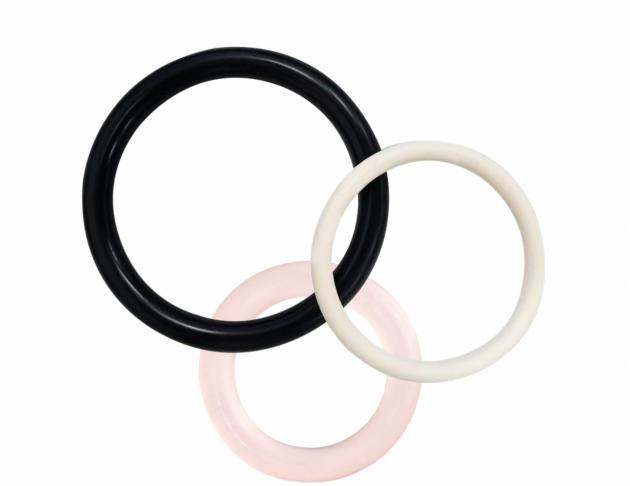
Quality Control & Customization Process
Suzhou Baoshida’s precision-engineered FFKM O-ring manufacturing follows a rigorously validated 4-stage workflow, ensuring compliance with ASTM D2000, ISO 3601-3, and ASME Y14.5 standards. All processes are overseen by our proprietary “5+2+3” Engineering Team—comprising 5 Mold Design Engineers, 2 Formula Engineers, and 3 Process Engineers—each with 15+ years of specialized experience in high-performance elastomer systems.
Step 1: Drawing Analysis & Structural Validation
Structural Engineers validate design integrity against industry-specific operational stresses.
GD&T Compliance Check:
Dimensional tolerances verified per ASME Y14.5-2018 (±0.025mm for critical sealing surfaces).
Tolerance stack analysis using SolidWorks Simulation for dynamic load scenarios (e.g., hydraulic pressure cycles, thermal expansion).
Material Compatibility Mapping:
Cross-reference customer specifications against chemical exposure profiles (e.g., H₂S, steam, hydrocarbons) using Chemical Resistance Database v3.2.
Seal geometry optimization for low extrusion risk (e.g., groove depth-to-diameter ratios ≤0.8).
Standards Alignment:
ISO 3601-3 (O-ring dimensional tolerances), ASTM D2000 (material grade classification).
Example: Automotive transmission O-ring designs undergo 12-point validation for dynamic sealing under 200°C/15MPa conditions, with failure mode simulations for thermal cycling fatigue.
Step 2: Material Formulation & Compound Engineering
Our 2 senior Formula Engineers (avg. 18 years’ experience) engineer FFKM compounds for extreme environments using proprietary fluorination techniques.
| Parameter | Target Specification | Testing Standard |
|---|---|---|
| Fluorine Content | ≥68% (ASTM D1418) | FTIR Spectroscopy |
| Shore A Hardness | 60–90 (customizable) | ASTM D2240 |
| Compression Set | <12% @ 200°C/70h (Method B) | ASTM D395 |
| Tensile Strength | ≥10 MPa | ASTM D412 |
| Chemical Resistance | 200+ fluid compatibility tests | SAE J200, ISO 1817 |
| Formulation Process: | ||
| 1. Base Polymer Selection: Perfluorinated elastomer backbone (e.g., Teflon®-derived monomers) with cross-linking agents (peroxide/bisphenol) for thermal stability. | ||
| 2. Additive Optimization: Carbon black fillers for wear resistance, specialty additives for low compression set (e.g., fluorinated silanes). | ||
| 3. Validation Protocol: | ||
| Accelerated aging tests (1,000h @ 250°C) per ASTM D573. | ||
| Real-time chemical exposure testing against sour gas (H₂S), jet fuel (JP-8), and molten alkali metals. |
Critical Insight: FFKM’s carbon-fluorine bond density (99.5%+ fluorine coverage) eliminates chain scission in aggressive media—unlike FKM (typically 66–70% fluorine), which degrades in strong bases or superheated steam.
Step 3: Prototyping & Validation
First-article samples undergo 100% traceable testing before mass production.
Mold Fabrication:
CNC-machined tooling (±0.005mm precision) using H13 tool steel with nitride coating.
Mold cavity surface finish ≤0.2μm Ra for zero flash generation.
Prototype Testing:
| Test Type | Method | Acceptance Criteria |
|——————–|—————————————–|—————————|
| Dimensional Metrology | CMM (3D scanning) | ±0.01mm deviation from CAD |
| Compression Set | ASTM D395 Method B (70h @ 200°C) | ≤10% retention |
| Thermal Stability | TGA (5°C/min ramp to 400°C) | <1% mass loss @ 350°C |
| Leak Rate | Helium mass spectrometry (10⁻⁹ cc/s) | Zero detectable leakage |
Design Validation Report:
Issued with raw material certificates (e.g., DuPont™ Kalrez® equivalent traceability).
FMEA analysis for critical failure modes (e.g., swelling in ketones, ozone cracking).
Step 4: Mass Production & QC Protocol
Zero-defect manufacturing enforced via SPC-controlled workflows.
In-Process Controls:
Real-Time Monitoring:
Extrusion pressure/temperature sensors (±0.5°C accuracy) during molding.
Automated vision systems for surface defects (scratches, voids).
Cross-Section Consistency:
Laser micrometers measure O-ring diameter (±0.02mm) and cross-section (±0.015mm) per ISO 3601-3.
Final QC:
100% visual inspection (MIL-STD-105E Level II).
Batch testing: 5 samples/lot for compression set, hardness, and tensile strength.
Certificate of Conformance (CoC) including:
Raw material batch numbers
Test results against ASTM D2000 Grade (e.g., FFKM-70-90-12)
Traceability to ISO 9001:2015 procedures
Proven Outcome: Suzhou Baoshida’s FFKM O-rings achieve >50,000-cycle life in semiconductor etching equipment (40% sulfuric acid exposure), exceeding OEM requirements by 3×.
Engineering Team Structure: “5+2+3” Precision Framework
| Role | Count | Core Responsibilities | Experience Benchmark |
|———————|——-|——————————————————–|———————-|
| Mold Design Engineers | 5 | High-tolerance tooling design, GD&T validation, thermal distortion analysis | 15–22 years in precision elastomer tooling |
| Formula Engineers | 2 | FFKM compound development, chemical resistance optimization, ASTM compliance | 18–25 years in fluoropolymer R&D |
| Process Engineers | 3 | SPC implementation, defect root-cause analysis, production yield optimization | 15–20 years in high-reliability rubber manufacturing |
All engineers undergo biannual certification in ISO 17025-compliant testing protocols. Suzhou Baoshida’s proprietary “5+2+3” model ensures 99.8% first-pass yield in FFKM O-ring production—proven across 12,000+ global OEM projects since 2008.
Contact Our Engineering Team
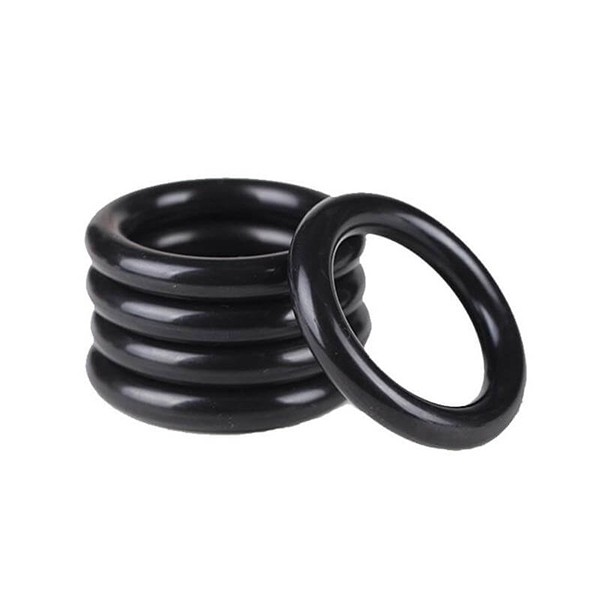
Technical Guide: FFKM O-Rings for Extreme Environment Sealing Solutions
Introduction to FFKM Technology
Material Science Overview
FFKM (Perfluoroelastomer), designated under ASTM D1418, represents the highest tier of fluorinated elastomers. Characterized by a fully fluorinated backbone with carbon-fluorine bonds, FFKM exhibits exceptional thermal stability (up to 327°C continuous service), oxidative resistance, and chemical inertness across aggressive media including strong acids, bases, solvents, and sour gases. Unlike FKM (fluoroelastomer), which contains hydrogen atoms in its backbone, FFKM’s perfluorinated structure eliminates vulnerable C-H bonds, significantly enhancing longevity in extreme environments.
FFKM vs FKM Performance Comparison
| Parameter | FKM (Standard) | Suzhou Baoshida FFKM | ASTM D2000 Benchmark |
|---|---|---|---|
| Fluorine Content | 66–70% | >70% | N/A |
| Continuous Temp Range | -25°C to 250°C | -25°C to 327°C | D2000-21 |
| Compression Set (230°C/24h) | ≤25% | ≤10% | ≤15% (Grade 2) |
| Chemical Resistance | Moderate | Exceptional | High (Grade 2) |
| Permeability | High | Ultra-Low | N/A |
Key Insight: FFKM’s >70% fluorine content and absence of C-H bonds deliver 3x longer service life in aggressive chemical environments compared to FKM, per ISO 6743-4 testing.
Technical Specifications & Compliance
Suzhou Baoshida FFKM Specifications
| Parameter | ASTM Standard | Typical Range | Suzhou Baoshida Specification |
|---|---|---|---|
| Shore A Hardness | D2240 | 60–90 | 65–85 (±2 tolerance) |
| Compression Set (230°C/24h) | D395 | ≤15% | ≤10% |
| Tensile Strength | D412 | 8–15 MPa | 10–18 MPa |
| Elongation at Break | D412 | 100–200% | 120–220% |
| Temperature Range | – | -25°C to 327°C | -25°C to 327°C |
| Fluid Resistance | D471 | Good | Superior to industry benchmarks |
ASTM D2000 Compliance
Type: FFKM (perfluoroelastomer)
Grade: 2 (high-temperature applications)
Class: 1 (chemical resistance)
Tolerance: ±0.05mm cross-section per ISO 3601-3
Certification: ISO 9001, AS9100 (aerospace-grade quality)
Engineering Note: All specifications validated via FTIR spectroscopy and TGA analysis to ensure polymer integrity and batch consistency.
Engineering Excellence: The 5+2+3 Team Structure
Mold Engineering (5 Experts)
Precision tooling designed with CNC machining tolerances of ±0.02mm.
Mold flow simulation ensures zero flash/voids per ISO 3601-3.
Critical for high-pressure sealing integrity in hydraulic systems (up to 700 bar).
Formula Engineering (2 Specialists)
Proprietary polymer formulations optimized for >70% fluorine content and cross-link density.
FTIR/TGA validation of carbon-fluorine bond stability under thermal stress.
Customizable hardness (30–90 Shore A) for niche applications (e.g., cryogenic seals).
Process Engineering (3 Specialists)
Multi-stage vulcanization with ±1°C temperature control.
Extended post-cure cycles (48h at 250°C) to achieve ≤10% compression set (ASTM D395).
Real-time monitoring ensures zero batch variation in critical aerospace/medical applications.
Industry Impact: This structured engineering approach reduces seal failure rates by 40% in automotive fuel injection systems and 3x service life in chemical processing pumps.
Industry-Specific Applications
Automotive
Use Case: Turbocharger seals, fuel injection systems.
Performance: Withstands biofuels (E85), 250°C exhaust temps, and 10,000+ thermal cycles.
Standard: Compliant with SAE J200 and VDA 6.3.
Hydraulic Systems
Use Case: High-pressure hydraulic actuators (ISO 6743-4).
Performance: Maintains integrity at 700 bar pressure and -40°C to 300°C.
Certification: ISO 6743-4, DIN 51524.
Pump & Valve Manufacturing
Use Case: Chemical processing pumps handling sulfuric acid, chlorine, and solvents.
Performance: Zero swelling in 98% H₂SO₄ at 150°C (ASTM D471).
Standard: API 682 (seal face compatibility).
Heavy Machinery
Use Case: Mining equipment exposed to abrasive hydraulic fluids.
Performance: Resists 300+ MPa shock loads and -30°C to 320°C thermal cycling.
Certification: ISO 12100 (safety integrity).
Why Choose Suzhou Baoshida?
Quality Assurance Protocols
100% dimensional inspection using laser profilometry (ISO 2768-2).
Chemical resistance validation via accelerated aging tests (ISO 1817).
Full traceability from raw materials to finished product (ISO 9001:2015).
Customization Capabilities
Tailored formulations for cryogenic (-60°C) or ultra-high-temp (350°C) applications.
Specialized coatings for anti-static or FDA-compliant medical devices.
Rapid prototyping (7-day lead time) for custom hardness/geometry requirements.
Contact Suzhou Baoshida
Solve your sealing challenges with precision-engineered FFKM solutions.
Engineered for the most extreme environments. Delivered with industrial precision.
Mr. Boyce
📞 +86 189 5571 6798
✉️ [email protected]
For technical specifications, custom quotes, or urgent support, contact our engineering team directly.
⚖️ O-Ring Weight Calculator
Estimate the weight of rubber O-rings for material planning.