
Technical Contents
Engineering Guide: Fiber Bushings
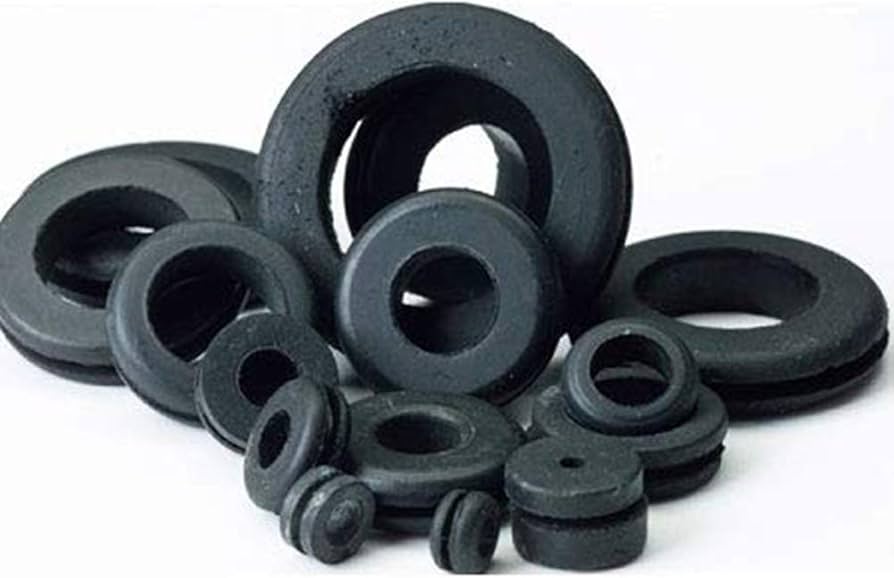
Engineering Insight: Fiber Bushings Material Selection Imperatives
Fiber bushings represent a critical interface in rotating and oscillating machinery, demanding precise material science to balance flexibility, durability, and load distribution. Unlike standard elastomeric bushings, fiber-reinforced variants integrate textile or aramid fibers within a rubber matrix to enhance shear strength and dimensional stability under dynamic stress. Material selection is not merely a cost consideration but a foundational engineering decision. Off-the-shelf rubber compounds frequently fail in these applications due to inadequate molecular architecture for the complex interplay of compression, torsion, and environmental exposure. Generic formulations lack the tailored polymer-fiber adhesion and cure kinetics required to prevent delamination, accelerated wear, or catastrophic fatigue under cyclic loads.
The failure of non-specialized solutions manifests through premature compression set, fiber pull-out, or swelling in aggressive media. Standard nitrile (NBR) or EPDM compounds, while economical, exhibit insufficient tensile strength retention when reinforced with fibers. Their unoptimized crosslink density permits excessive polymer chain slippage at fiber-rubber interfaces during oscillation, leading to internal hysteresis heating and rapid degradation. Furthermore, off-the-shelf variants rarely account for operational variables like intermittent high-temperature spikes or exposure to biodiesel blends, causing irreversible hardening or softening. This results in increased vibration transmission, misalignment, and unplanned downtime—costing OEMs 3–5× the initial part price in secondary damage and lost productivity.
Engineered fiber bushing compounds require synergistic formulation of elastomer grade, fiber type, adhesion promoters, and curatives. Below is a comparative analysis of critical performance parameters:
| Property | Standard NBR Bushing | Engineered Fiber-Reinforced Compound |
|---|---|---|
| Tensile Strength (MPa) | 15–18 | 28–32 |
| Elongation at Break (%) | 250–300 | 180–220 |
| Compression Set (70°C, 22h) | 25–35% | 8–12% |
| Dynamic Fatigue Resistance | Low (≤50k cycles) | High (≥500k cycles) |
| Operating Temperature Range | -30°C to +100°C | -50°C to +140°C |
The engineered compound sacrifices some elongation for vastly superior tensile strength and fatigue life, directly addressing fiber-matrix load transfer efficiency. Lower compression set ensures consistent preload retention in bolted assemblies, while the expanded temperature envelope accommodates thermal cycling in modern powertrains. Crucially, specialized resorcinol-formaldehyde-latex (RFL) dip systems are applied to fibers pre-molding, creating covalent bonds with the rubber matrix that resist hydrolysis in wet environments.
At Suzhou Baoshida, we develop fiber bushing formulations through iterative OEM collaboration, simulating end-use conditions via dynamic mechanical analysis (DMA) and accelerated life testing. Our compounds integrate high-trans polybutadiene for low hysteresis and custom-synthesized silanes for fiber adhesion, eliminating the compromises of generic solutions. Material selection must align with the specific stress profile—not the lowest initial cost—to ensure lifecycle reliability in demanding industrial applications.
Material Specifications
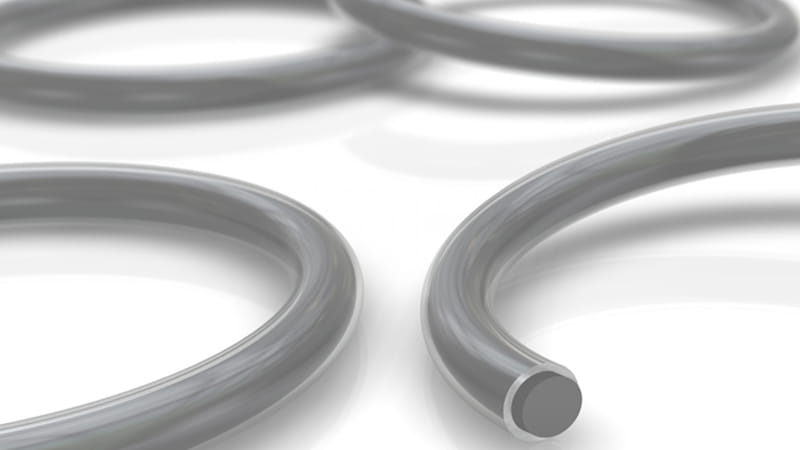
Material selection for fiber bushings is a critical determinant of performance, longevity, and operational reliability in industrial applications. At Suzhou Baoshida Trading Co., Ltd., our engineered rubber solutions are designed to meet the rigorous demands of dynamic sealing environments. Fiber bushings, commonly used in mechanical systems requiring vibration damping, alignment control, and load distribution, must withstand mechanical stress, temperature fluctuations, and exposure to aggressive media. The choice of elastomer directly influences chemical compatibility, thermal stability, compression set resistance, and mechanical durability. Among the most widely specified materials for such components are Viton (FKM), Nitrile (NBR), and Silicone (VMQ), each offering distinct advantages depending on the operating environment.
Viton, a fluorocarbon-based rubber, is renowned for its exceptional resistance to high temperatures, oils, fuels, and a broad range of chemicals. With a continuous service temperature range up to 230°C, Viton fiber bushings are ideal for aerospace, automotive, and chemical processing applications where exposure to aggressive fluids such as aromatic hydrocarbons and chlorinated solvents is common. Its low gas permeability and excellent aging characteristics further enhance reliability in sealed systems. However, Viton exhibits lower flexibility at low temperatures and higher material cost compared to alternatives.
Nitrile rubber, or Buna-N, offers a balanced performance profile suitable for general-purpose and oil-resistant applications. It provides strong resistance to petroleum-based oils, hydraulic fluids, and aliphatic hydrocarbons, making it a preferred choice in hydraulic systems, pumps, and industrial machinery. Nitrile bushings perform reliably within a temperature range of -30°C to 120°C and demonstrate good abrasion resistance and mechanical strength. While not suitable for exposure to ozone, weathering, or polar solvents, NBR remains a cost-effective solution for medium-duty sealing applications.
Silicone rubber excels in extreme temperature environments, with operational capability from -60°C to 200°C. Its outstanding thermal stability, combined with excellent resistance to ozone and UV radiation, makes it ideal for outdoor, medical, and high-temperature electrical applications. Silicone fiber bushings maintain flexibility at low temperatures and exhibit low compression set, ensuring long-term sealing integrity. However, silicone has lower tensile strength and poor resistance to oils and fuels, limiting its use in oil-exposed mechanical systems.
The following table summarizes key material properties for informed selection:
| Property | Viton (FKM) | Nitrile (NBR) | Silicone (VMQ) |
|---|---|---|---|
| Temperature Range (°C) | -20 to 230 | -30 to 120 | -60 to 200 |
| Tensile Strength (MPa) | 15–20 | 10–20 | 5–8 |
| Elongation at Break (%) | 200–300 | 250–400 | 200–600 |
| Compression Set (22h, 150°C) | ≤20% | ≤30% | ≤20% |
| Resistance to Oils/Fuels | Excellent | Good to Excellent | Poor |
| Resistance to Ozone/UV | Excellent | Fair | Excellent |
| Resistance to Water/Steam | Good | Fair | Good |
| Typical Hardness (Shore A) | 70–90 | 60–90 | 40–80 |
Selection must be based on comprehensive evaluation of environmental exposure, mechanical loading, and lifecycle requirements. At Suzhou Baoshida, we support OEMs with material testing, custom compounding, and precision molding to ensure optimal performance in real-world conditions.
Manufacturing Capabilities
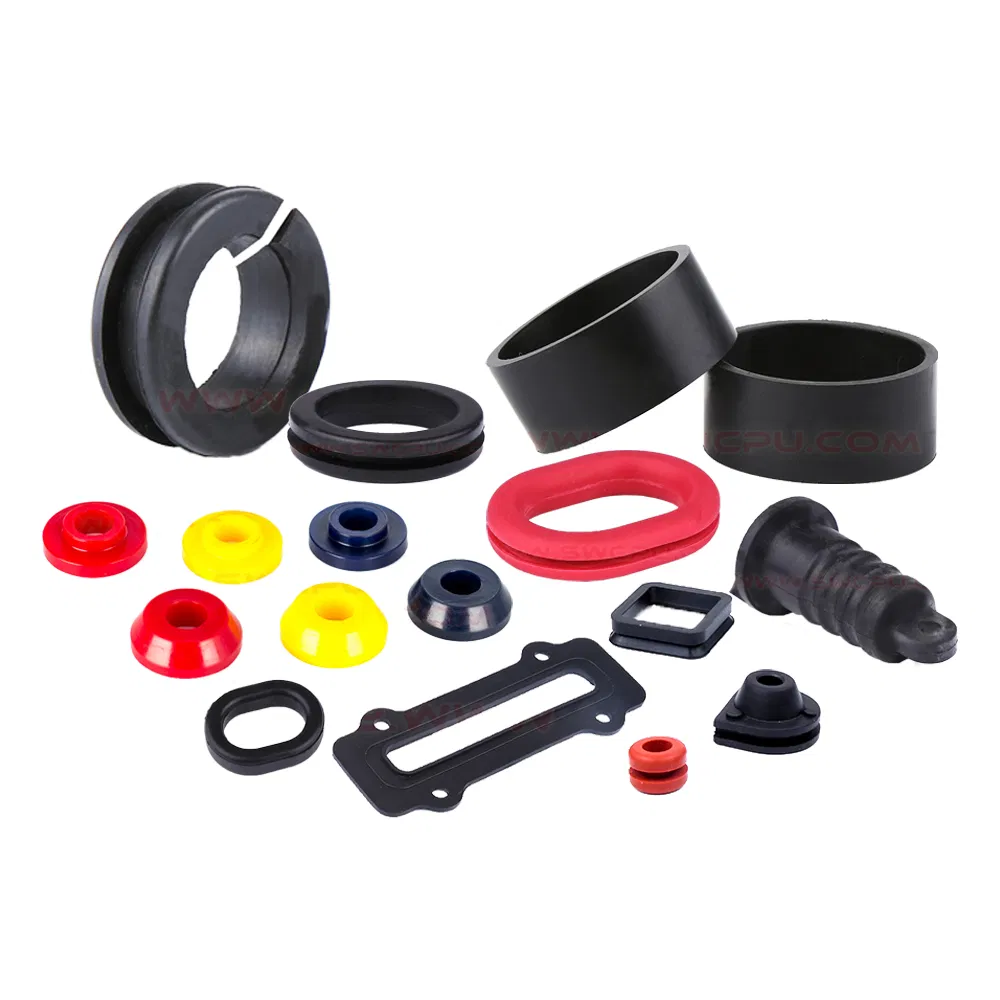
Engineering Capability
Suzhou Baoshida Trading Co., Ltd. leverages deep technical expertise in rubber formulation and precision moulding to deliver high-performance fiber bushings for demanding industrial applications. Our dedicated engineering team comprises five specialized Mould Engineers and two advanced Rubber Formula Engineers, ensuring end-to-end control from material science to final part validation. This integrated structure eliminates siloed development, enabling rapid iteration and robust solutions for complex vibration isolation, load distribution, and noise suppression challenges.
Our Rubber Formula Engineers focus on optimizing elastomer compounds for specific operational environments. Utilizing ASTM D2000 and ISO 37 standards, they tailor formulations to achieve precise Shore A hardness, dynamic modulus, and compression set resistance. Critical parameters such as oil resistance, temperature range (-40°C to +120°C), and fatigue life are systematically engineered through controlled polymer selection, filler reinforcement, and vulcanization kinetics. This scientific approach ensures bushings maintain performance integrity under continuous stress, preventing premature failure in automotive suspension systems, industrial machinery mounts, and heavy equipment linkages.
Complementing material innovation, our Mould Engineers deploy advanced CAD/CAM workflows to translate specifications into dimensionally stable components. Finite Element Analysis (FEA) validates stress distribution and deflection behavior prior to tooling, minimizing prototyping cycles. Precision steel moulds with tight tolerances (±0.05 mm) guarantee consistent geometry critical for interference fits and load-bearing interfaces. In-process monitoring via cavity pressure sensors and post-mould metrology using coordinate measuring machines (CMM) ensure every batch meets stringent GD&T requirements.
As an OEM partner, we implement a structured development protocol aligned with IATF 16949 standards. Client specifications undergo rigorous feasibility analysis, followed by collaborative refinement of material grades, hardness profiles, and dimensional criticals. Our vertical integration enables seamless transition from prototype to volume production, with full traceability of raw materials, process parameters, and inspection records. PPAP documentation, including material certs, dimensional reports, and dynamic test data, is provided for audit readiness. This disciplined OEM framework reduces time-to-market while guaranteeing repeatability across global supply chains.
The following table summarizes key performance attributes achievable through our engineered solutions:
| Property | Test Standard | Typical Range | Significance |
|---|---|---|---|
| Shore A Hardness | ASTM D2240 | 50–90 | Load capacity and deflection control |
| Tensile Strength | ISO 37 | 15–25 MPa | Resistance to tearing under stress |
| Elongation at Break | ISO 37 | 300–600% | Flexibility and impact absorption |
| Compression Set (24h) | ASTM D395 | ≤20% | Long-term shape retention under load |
| Dynamic Modulus (10Hz) | ISO 4664 | 1.5–8.0 MPa | Vibration damping efficiency |
| Oil Resistance (IRM 903) | ASTM D471 | Volume swell ≤25% | Durability in lubricant exposure |
This technical synergy between material science and precision manufacturing establishes Suzhou Baoshida as a strategic partner for mission-critical fiber bushing applications. We prioritize engineering rigor over transactional supply, ensuring every component meets the exact mechanical and environmental demands of your system.
Customization Process
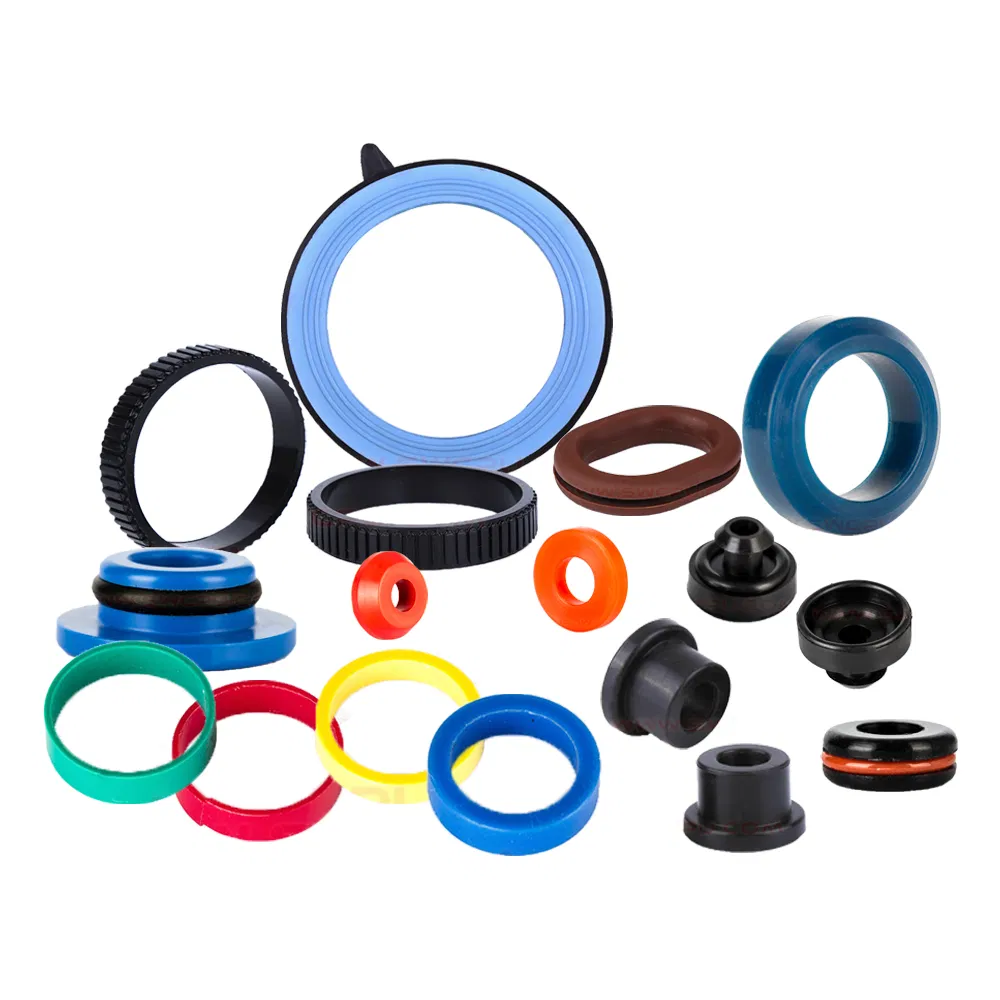
Customization Process for Fiber Bushings at Suzhou Baoshida Trading Co., Ltd.
At Suzhou Baoshida Trading Co., Ltd., the customization of fiber bushings follows a disciplined, engineering-driven approach designed to meet precise OEM and industrial application requirements. Our process integrates material science, mechanical design validation, and scalable manufacturing to deliver high-performance rubber-metal composite components. The workflow is structured into four critical phases: Drawing Analysis, Formulation Development, Prototyping, and Mass Production.
The first phase, Drawing Analysis, begins with a comprehensive technical review of customer-provided engineering drawings and performance specifications. We examine dimensional tolerances, load conditions, operating environment (temperature, media exposure, dynamic stress), and interface geometry. Our engineering team evaluates compliance with ISO 9001 and IATF 16949 standards, ensuring design-for-manufacturability without compromising functional integrity. Any discrepancies or optimization opportunities are communicated through formal engineering feedback reports.
Following drawing validation, we proceed to Formulation Development. This stage leverages our expertise in industrial rubber compounding. Based on the operational demands identified in the drawing analysis, our rubber chemists select the optimal elastomer matrix—commonly NR, NBR, EPDM, or HNBR—and engineer a custom compound. Key properties such as Shore A hardness, compression set, tensile strength, and resistance to oils, ozone, or thermal degradation are precisely tuned. The fiber-reinforced structure is also evaluated for shear strength and damping characteristics, ensuring the rubber-to-metal bonding system achieves long-term durability.
Prototyping is the third phase, where we produce functional samples using production-intent tooling and processes. Each prototype batch undergoes rigorous in-house testing, including dimensional inspection, dynamic fatigue testing, and adhesion strength evaluation via peel and shear tests. Prototypes are submitted to the customer for field or bench testing, with data used to finalize design and material parameters.
Upon customer approval, we transition to Mass Production. Our automated molding lines, equipped with real-time process monitoring and SPC controls, ensure batch consistency. Every production lot is subject to full material traceability and third-party test reporting upon request. We maintain inventory and JIT delivery options to support global supply chains.
The table below outlines typical performance specifications for our custom fiber bushings:
| Property | Test Standard | Typical Value |
|---|---|---|
| Shore A Hardness | ASTM D2240 | 50–80 ±5 |
| Tensile Strength | ASTM D412 | 8–18 MPa |
| Elongation at Break | ASTM D412 | 200–400% |
| Compression Set (24h, 70°C) | ASTM D395 | ≤25% |
| Operating Temperature Range | — | -40°C to +120°C (up to +150°C intermittent) |
| Adhesion Strength (Rubber to Metal) | ASTM D429 | ≥5.0 kN/m |
All specifications are customizable based on application demands. Our integrated approach ensures that every fiber bushing delivers optimal performance, reliability, and service life in demanding industrial environments.
Contact Engineering Team
Technical Engagement for Precision Fiber Bushing Applications
Suzhou Baoshida Trading Co., Ltd. stands at the forefront of industrial rubber compound engineering, specializing in high-performance fiber bushings for demanding OEM environments. As global manufacturing standards escalate, the integrity of vibration damping, alignment stability, and operational longevity in mechanical assemblies hinges on meticulously formulated elastomeric components. Our fiber bushings integrate advanced rubber-to-fiber bonding technologies, engineered to withstand extreme thermal cycling, dynamic loads, and chemical exposure while maintaining dimensional stability. Generic solutions often fail under these conditions, leading to premature system fatigue and unplanned downtime. We address this through proprietary compound architectures tailored to your application’s mechanical and environmental parameters.
Below is a reference table outlining critical performance metrics achievable through our custom formulations. These values represent baseline capabilities; actual specifications are optimized per client requirements during collaborative development phases.
| Parameter | Test Standard | Typical Performance Range |
|---|---|---|
| Shore A Hardness | ASTM D2240 | 50–90 ±3 points |
| Tensile Strength | ASTM D412 | 15–28 MPa |
| Elongation at Break | ASTM D412 | 300–600% |
| Compression Set (22h/100°C) | ASTM D395 | ≤15% |
| Operating Temperature | — | -50°C to +150°C |
| Dynamic Stiffness Tolerance | ISO 1827 | ±5% @ 10Hz |
| Fluid Resistance (ASTM IRM 903) | ASTM D471 | Volume Swell ≤15% |
Our engineering team leverages 18 years of OEM partnership experience to resolve complex challenges in fiber bushing performance. Whether your application requires enhanced resistance to ozone degradation in offshore equipment, reduced hysteresis for high-cycle automation systems, or specialized adhesion to aramid or cellulose-based fiber substrates, we deploy iterative material science protocols. Each formulation undergoes rigorous in-house validation using Mooney viscometry, DMA analysis, and accelerated life testing to ensure compliance with ISO 9001 and IATF 16949 frameworks. Crucially, we prioritize supply chain resilience—maintaining strategic raw material inventories and dual-sourcing critical polymers to mitigate production volatility.
Initiate technical consultation with Mr. Boyce, our dedicated OEM Solutions Manager, to transform your fiber bushing specifications into validated production reality. With a background in polymer chemistry and 12 years of industrial rubber compounding expertise, Mr. Boyce will guide you through material selection, tolerance optimization, and DFM refinement. Contact him directly at [email protected] to submit application data sheets, discuss prototyping timelines, or request third-party test reports. Include your target operating environment parameters, load profiles, and lifecycle expectations to expedite feasibility assessment.
Do not compromise system reliability with off-the-shelf elastomers. Suzhou Baoshida delivers engineered certainty—where molecular precision meets mechanical performance. All technical inquiries receive a structured response within 8 business hours, including preliminary compound recommendations and ROI analysis for performance-driven material upgrades. Connect with Mr. Boyce today to establish a quantifiable path from specification to serial production. Your next-generation assembly demands rubber science, not approximation.
⚖️ O-Ring Weight Calculator
Estimate rubber O-ring weight (Approx).