
Technical Contents
Engineering Guide: Fire Resistant Plastic Sheet
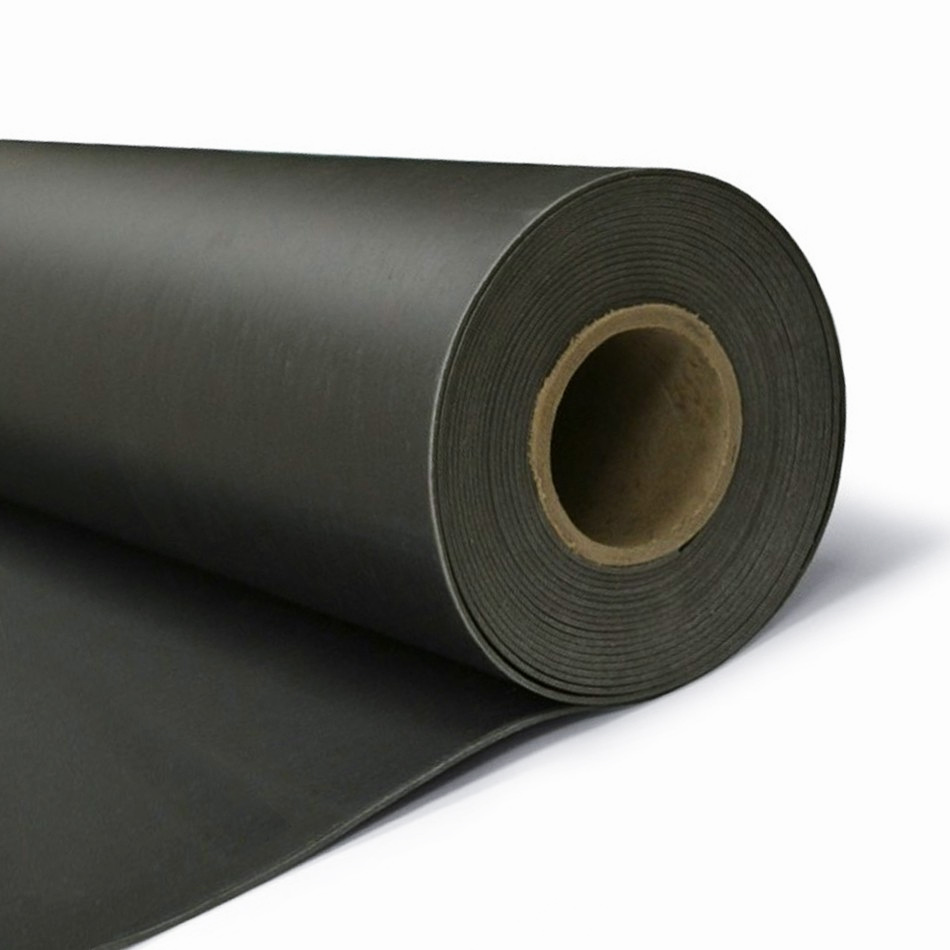
Engineering Insight: Material Selection in Fire Resistant Plastic Sheets
In industrial environments where thermal exposure and flame hazards are persistent concerns, the selection of fire resistant plastic sheets is not merely a compliance exercise—it is a fundamental engineering decision with direct implications for safety, longevity, and system performance. At Suzhou Baoshida Trading Co., Ltd., our expertise in industrial rubber solutions extends into high-performance polymer systems, where we emphasize that off-the-shelf fire resistant plastics often fail to meet the operational demands of real-world applications due to inadequate formulation, inconsistent quality control, and insufficient customization.
Standard commercial-grade fire resistant sheets are typically engineered to pass minimum regulatory benchmarks such as UL94 V-0 or ASTM E84. While these certifications indicate baseline flame retardancy, they do not account for long-term thermal cycling, mechanical stress under load, chemical exposure, or structural integrity at elevated temperatures. In dynamic industrial settings—such as electrical enclosures, transportation components, or oil and gas infrastructure—these factors become critical. Off-the-shelf materials frequently degrade prematurely, leading to embrittlement, delamination, or loss of dielectric strength, ultimately compromising system safety.
The root cause lies in the chemistry and compounding process. Effective fire resistance is not achieved solely through the addition of flame retardant additives like aluminum trihydrate (ATH) or phosphorus-based compounds. It requires a balanced formulation where the base polymer matrix—often polyvinyl chloride (PVC), polyetherimide (PEI), or chlorinated polyethylene (CPE)—is precisely engineered to interact synergistically with the flame retardant system. Poor dispersion, incorrect loading ratios, or incompatible polymer backbones result in inconsistent char formation, excessive smoke generation, or toxic off-gassing during combustion.
Furthermore, mechanical properties must be preserved post-exposure. A material that passes a vertical burn test but loses 60% of its tensile strength after brief flame contact is unsuitable for load-bearing applications. Real-world performance demands a holistic approach to material design, integrating flame resistance with mechanical resilience, dimensional stability, and environmental compatibility.
At Baoshida, we prioritize engineered solutions over generic alternatives. Our fire resistant plastic sheets are developed through rigorous testing protocols and tailored compounding to meet specific OEM requirements, ensuring performance under sustained thermal stress and compliance with international fire safety standards.
The following table outlines key performance parameters of engineered fire resistant plastic sheets compared to typical off-the-shelf alternatives:
| Property | Engineered Fire Resistant Sheet | Off-the-Shelf Fire Resistant Sheet |
|---|---|---|
| Flame Rating (UL94) | V-0, 5VA | V-0 (surface only) |
| Limiting Oxygen Index (LOI) | ≥32% | 24–28% |
| Continuous Use Temperature | Up to 180°C | 80–100°C |
| Tensile Strength Retention (post-heat aging) | >85% | 50–60% |
| Smoke Density (ASTM E662) | <200 at 4 min | >400 at 4 min |
| Chemical Resistance | Broad (oils, acids, solvents) | Limited |
| Customization Capability | Full (thickness, additives, color) | Restricted |
Material selection is the cornerstone of reliable fire protection. Choosing an engineered solution ensures not only regulatory compliance but operational integrity in the most demanding industrial environments.
Material Specifications
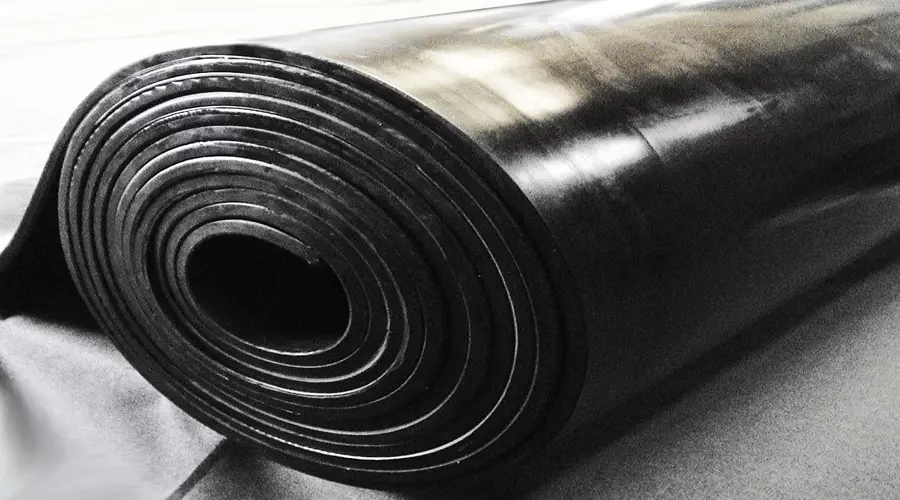
Material Specifications for Fire-Resistant Elastomeric Solutions
Suzhou Baoshida Trading Co., Ltd. clarifies a critical distinction: true fire resistance in industrial sealing and sheeting applications is achieved through specialized elastomers, not conventional plastics. While the term “fire resistant plastic sheet” is occasionally misapplied, our expertise lies in engineering flame-retardant rubber compounds meeting rigorous aerospace, automotive, and industrial safety standards. Viton (FKM), Nitrile (NBR), and Silicone (VMQ) represent our core solutions, each requiring precise formulation to achieve UL94 V-0, FAR 25.853, or equivalent fire safety certifications. Inherent material properties must be augmented with synergistic flame retardants (e.g., metal hydroxides, phosphates) without compromising mechanical integrity. Continuous service temperature, chemical exposure, and flame propagation resistance dictate material selection—never assumed from base polymer alone.
Viton FKM excels in extreme environments demanding simultaneous fire resistance and chemical inertness. Standard grades achieve UL94 V-0 at 1.5mm thickness with continuous operating temperatures from -20°C to 230°C. Its fluorine backbone provides exceptional resistance to jet fuels, hydraulic fluids, and aromatic solvents, critical for aircraft engine seals and chemical processing gaskets. Compression set remains below 25% after 70 hours at 200°C (ASTM D395), ensuring long-term sealing integrity in fire-exposure scenarios. Nitrile rubber (NBR) offers cost-effective flame resistance for less severe applications. Formulated with antimony trioxide and synergists, it achieves UL94 HB to V-1 ratings. Maximum continuous use is limited to 120°C, with strong resistance to aliphatic hydrocarbons and water-based fluids. Typical applications include fuel hose liners and industrial diaphragms where oxygen index >28% (ASTM D2863) is mandated.
Silicone (VMQ) requires specialized platinum-cured, high-consistency formulations to attain fire resistance. Base silicone chars but does not self-extinguish; adding cerium oxide or fumed silica elevates it to UL94 V-0 with continuous service up to 230°C. Its unparalleled flexibility at -60°C and resistance to steam/oxidation make it ideal for fire barrier tapes and electrical insulation in transit systems. However, tensile strength (8-10 MPa per ASTM D412) and tear resistance are lower than FKM, necessitating design compensation. All materials must undergo oxygen index testing and vertical burn validation per client specifications—generic datasheets are insufficient for safety-critical OEM deployments.
Comparative Specifications of Fire-Resistant Elastomers
| Material | Continuous Temp Range (°C) | Flammability Rating (1.5mm) | Key Chemical Resistances | Typical Hardness (Shore A) | Primary OEM Applications |
|---|---|---|---|---|---|
| Viton FKM | -20 to 230 | UL94 V-0 | Jet fuels, acids, aromatics | 60-90 | Aircraft engine seals, chemical valve seats |
| Nitrile NBR | -30 to 120 | UL94 HB-V-1 | Aliphatic oils, water, hydraulic fluids | 50-90 | Fuel system diaphragms, industrial gaskets |
| Silicone VMQ | -60 to 230 | UL94 V-0 (formulation-dependent) | Steam, ozone, dilute acids | 30-80 | Fire barrier tapes, electrical insulation |
Critical note: Achieving fire resistance requires OEM collaboration during formulation. Base polymer properties alone are inadequate; additive packages must balance flame suppression, mechanical retention after burn testing (per ASTM D3014), and regulatory compliance. Suzhou Baoshida provides full material traceability and batch-specific flammability test reports for all safety-critical elastomer sheeting solutions.
Manufacturing Capabilities
Engineering Capability: Precision-Driven Development for Fire Resistant Plastic Sheets
At Suzhou Baoshida Trading Co., Ltd., our engineering capability is anchored in deep technical expertise and a systematic approach to material science and mold design. With a dedicated team comprising five professional mold engineers and two specialized rubber formula engineers, we deliver fully integrated OEM solutions tailored to the demanding requirements of fire resistant plastic sheet applications. Our engineers operate at the intersection of chemistry and mechanics, ensuring that both material composition and structural design meet stringent industrial safety and performance standards.
Our formula engineers focus on developing proprietary elastomeric compounds engineered to resist ignition, limit flame spread, and minimize smoke emission. By leveraging advanced polymer chemistry and flame retardant additives such as aluminum trihydrate (ATH), magnesium hydroxide, and halogen-free阻燃剂 systems, we formulate materials that achieve UL94 V-0, V-1, and V-2 ratings. These formulations are optimized for thermal stability, mechanical integrity at elevated temperatures, and long-term durability under continuous operational stress. Each compound undergoes rigorous testing for oxygen index (LOI), heat release rate (HRR), and smoke density per ASTM E84 and ISO 5659-2 standards.
Complementing our material innovation, our five mold engineers specialize in precision tooling for complex sheet profiles, including corrugated, multi-cavity, and co-extrusion configurations. Utilizing CAD/CAM software and finite element analysis (FEA), we simulate flow dynamics, cooling efficiency, and stress distribution to optimize mold geometry and reduce cycle times. This ensures dimensional accuracy, surface uniformity, and consistent wall thickness across large-format sheets—critical factors in fire barrier applications where performance cannot be compromised.
Our OEM capabilities extend from concept validation to mass production. Clients benefit from a seamless development pipeline: initial technical consultation, material selection, prototype molding, performance testing, and full-scale manufacturing—all executed in-house. We support custom thicknesses, widths, and surface treatments such as anti-static coating or embossing for slip resistance. Additionally, our facility integrates real-time quality monitoring systems to maintain compliance with ISO 9001 standards throughout production.
Suzhou Baoshida Trading Co., Ltd. is committed to delivering fire resistant plastic sheets that exceed industry benchmarks. Our engineering team’s dual mastery of formulation and mold design enables us to solve complex challenges in transportation, electrical enclosures, construction, and industrial safety sectors.
| Property | Test Method | Typical Value |
|---|---|---|
| Tensile Strength | ASTM D412 | 10–15 MPa |
| Elongation at Break | ASTM D412 | ≥200% |
| Flame Rating | UL94 | V-0 (3.0 mm) |
| Limiting Oxygen Index (LOI) | ASTM D2863 | ≥28% |
| Heat Release Rate (Peak) | ASTM E1354 | <150 kW/m² |
| Smoke Density (DSmax) | ASTM E662 | <250 |
| Operating Temperature Range | — | -40°C to +150°C |
Customization Process
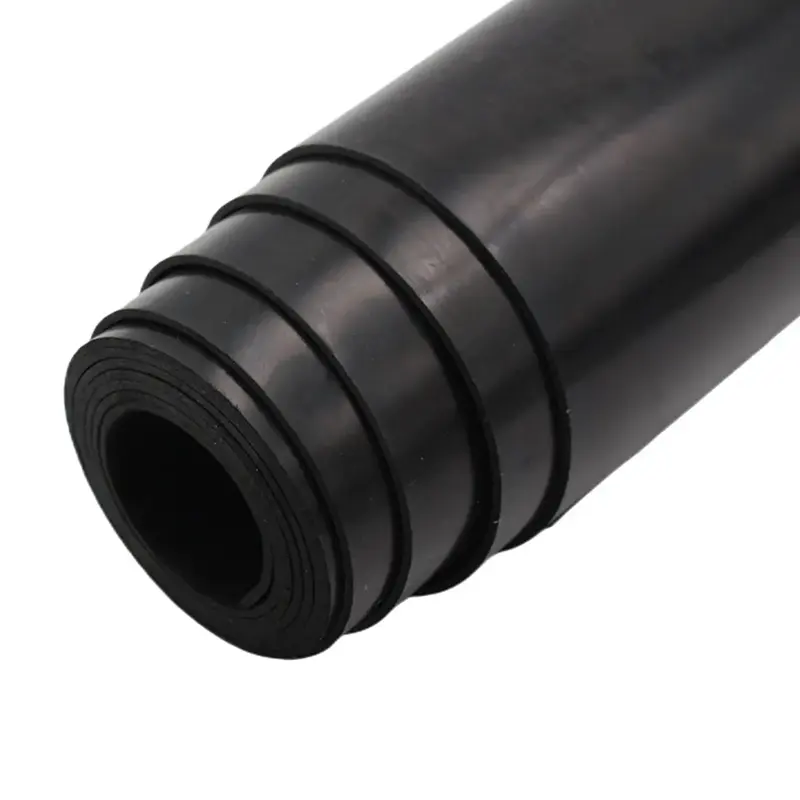
Customization Process for Fire Resistant Plastic Sheet Manufacturing
Suzhou Baoshida Trading Co., Ltd. implements a rigorous, four-stage customization process for fire resistant plastic sheet production, ensuring precise alignment with client engineering specifications and stringent safety standards. This methodology guarantees material performance under extreme thermal conditions while maintaining structural integrity critical for industrial applications. Our OEM framework prioritizes traceability and repeatability from initial concept to final delivery.
The process commences with comprehensive Drawing Analysis. Our engineering team meticulously reviews client-provided technical drawings, CAD files, and performance requirements. We assess critical dimensions, flammability classifications (e.g., UL94, ASTM E84), thermal stability thresholds, mechanical load requirements, and environmental exposure conditions. This phase identifies potential manufacturability constraints and material limitations early, preventing downstream delays. Client collaboration is essential here to clarify tolerances, surface finish specifications, and any specialized testing protocols mandated by end-use regulations.
Subsequently, Formulation Development leverages our proprietary rubber compound database and advanced polymer chemistry expertise. Based on the analyzed requirements, our formula engineers select base polymers (such as chlorinated polyethylene, silicone rubber, or specialized flame-retardant thermoplastics) and integrate synergistic flame retardant systems. These may include metal hydroxides, phosphorus-based compounds, or intumescent additives, carefully balanced to achieve target fire ratings without compromising mechanical properties like tensile strength or elongation. Each formulation undergoes preliminary computational modeling to predict burn rate, smoke density, and toxic gas emission profiles before physical prototyping.
Prototyping & Validation is a non-negotiable phase for fire safety materials. Small-batch sheets are produced using client-specified processing parameters (extrusion or calendering). Prototypes undergo mandatory third-party certified fire testing per agreed standards (e.g., UL94 V-0, FAR 25.853) alongside mechanical and thermal property verification. Suzhou Baoshida provides full material test reports (MTRs) including lot traceability. Client feedback on prototype performance triggers iterative formulation or process adjustments until all criteria are consistently met. This phase typically requires 2-3 validation cycles for complex fire resistance profiles.
Upon successful prototype approval, seamless transition to Mass Production occurs within our ISO 9001-certified facility. Production runs utilize dedicated, calibrated equipment with real-time process monitoring (temperature, pressure, line speed). In-line thickness gauging and continuous fire retardant dispersion verification ensure batch homogeneity. Every production lot undergoes stringent final quality control, including抽样 fire testing per ASTM D3014 or equivalent. Comprehensive documentation, including Certificates of Conformance and full material safety data sheets (MSDS), accompanies shipments, guaranteeing regulatory compliance and supply chain transparency for the end application.
Key Fire Resistant Sheet Specifications & Customization Parameters
| Parameter | Standard Specification | Customization Range | Testing Method |
|---|---|---|---|
| Flammability Rating | UL94 V-0 (1.5mm min) | UL94 V-2 to 5V, FAR 25.853 | ASTM D3801, ISO 9772 |
| Thickness Tolerance | ±0.05mm | ±0.02mm to ±0.15mm | ASTM D374 |
| Continuous Use Temp | -40°C to +150°C | -60°C to +250°C | ASTM D618, ISO 188 |
| Tensile Strength | ≥10 MPa | 5 MPa to 25 MPa | ASTM D412, ISO 37 |
| Limiting Oxygen Index | ≥28% | 24% to 45% | ASTM D2863, ISO 4589-2 |
| Smoke Density (Dsmax) | ≤200 | ≤150 to ≤300 | ASTM E662, ISO 5659-2 |
Contact Engineering Team
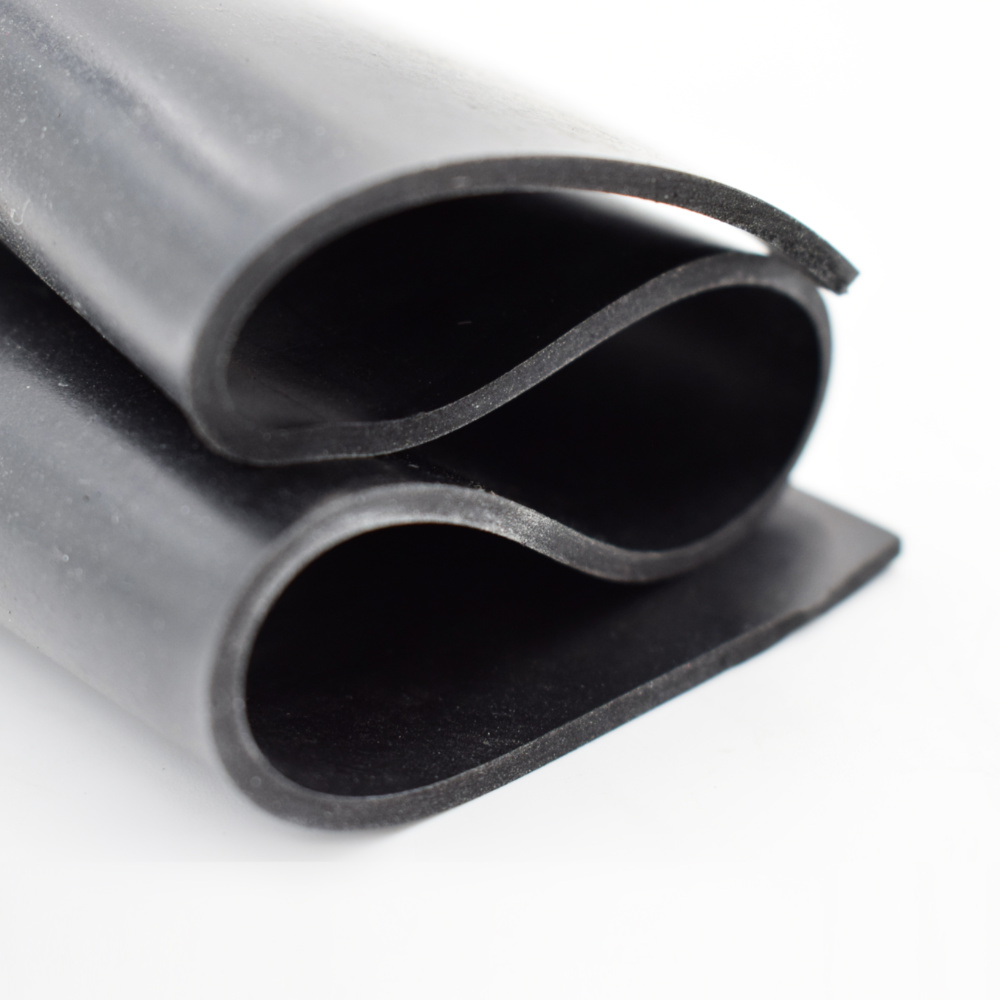
Contact Suzhou Baoshida for Advanced Fire Resistant Plastic Sheet Solutions
At Suzhou Baoshida Trading Co., Ltd., we specialize in delivering high-performance industrial rubber and polymer solutions tailored to the rigorous demands of modern manufacturing, transportation, and infrastructure sectors. As a trusted OEM partner, we provide engineered fire resistant plastic sheets designed to meet international safety standards while maintaining structural integrity under extreme thermal exposure. Our materials are formulated for applications requiring flame retardancy, low smoke emission, and resistance to toxic gas release—critical factors in industries such as rail transit, electrical enclosures, semiconductor manufacturing, and offshore facilities.
Our fire resistant plastic sheets are developed using advanced halogen-free flame retardant (HFFR) compounds and reinforced polymer matrices, ensuring compliance with UL94 V-0, IEC 61034, and ASTM E662 standards. Each product is manufactured under strict quality control protocols, with traceability from raw material sourcing through final inspection. We offer customization in thickness, color, and mechanical properties to align with your engineering specifications and regulatory requirements.
Partnering with Suzhou Baoshida means gaining access to technical expertise backed by decades of experience in industrial polymer formulation and supply chain optimization. Our team supports clients from concept validation through mass production, offering material data sheets, flammability test reports, and sample provisioning for qualification cycles. Whether you are upgrading existing components or developing next-generation safety-critical systems, we provide responsive, precision-focused service.
For detailed technical consultation or to request samples of our fire resistant plastic sheets, contact Mr. Boyce, OEM Manager, directly via email at [email protected]. Mr. Boyce leads client engineering integration and is available to discuss performance parameters, volume procurement, and regulatory documentation needs. We respond to all inquiries within 12 business hours and support global logistics with DDP and FOB shipping terms.
Below are key technical specifications of our standard fire resistant plastic sheet offerings:
| Property | Test Method | Value |
|---|---|---|
| Flame Rating | UL94 | V-0 (3.0 mm) |
| Limiting Oxygen Index (LOI) | ASTM D2863 | ≥32% |
| Smoke Density (NBS, 4 min) | ASTM E662 | ≤250 |
| Toxic Gas Emission | IEC 60695-2-1 | Compliant (Low HCl, No Halogens) |
| Tensile Strength | ISO 527 | ≥45 MPa |
| Flexural Modulus | ISO 178 | ≥1800 MPa |
| Heat Deflection Temperature (HDT) | ISO 75 | ≥120°C @ 1.8 MPa |
| Thickness Range | Custom | 0.8 mm – 10.0 mm |
| Color Options | Standard | Black, Grey, White, Custom |
To initiate technical collaboration or request a formal quotation, email Mr. Boyce at [email protected] with your project requirements, annual volume estimates, and applicable standards. Suzhou Baoshida is committed to enabling safer, more resilient industrial designs through scientifically engineered polymer solutions.
⚖️ O-Ring Weight Calculator
Estimate rubber O-ring weight (Approx).