
Technical Contents
Engineering Guide: Fireproof Rope Gasket
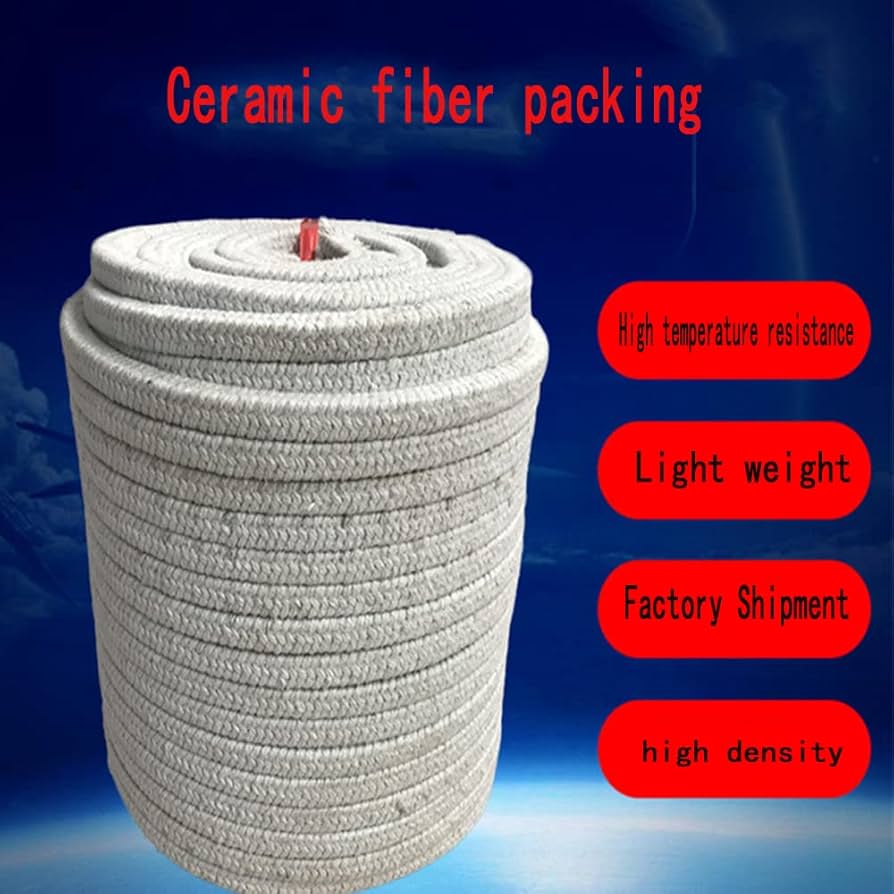
Engineering Insight: Material Selection Criticality in Fireproof Rope Gaskets
Fireproof rope gaskets operate under extreme thermal, chemical, and mechanical stress in critical applications like refinery flanges, furnace doors, and aerospace systems. Generic off-the-shelf solutions frequently fail because they prioritize cost reduction over engineered material science. These commodities use standardized fiber blends and elastomer matrices lacking the precise thermal stability, chemical inertness, and resilience required for sustained high-integrity sealing. The consequences manifest as premature degradation, fugitive emissions, or catastrophic seal blowout under operational duress.
Material failure stems from three core deficiencies in non-specialized products. First, inadequate base fiber selection—often recycled aramid or low-grade ceramic fibers—exhibits rapid thermal degradation above 300°C. This initiates charring, loss of tensile strength, and fiber disintegration, compromising structural integrity. Second, incompatible elastomer binders (e.g., standard nitrile or low-cure silicone) suffer from polymer backbone scission when exposed to hydrocarbons, acids, or steam. This causes swelling, hardening, or leaching of plasticizers, directly reducing sealing force. Third, insufficient crosslink density optimization leads to excessive compression set. Under constant load at elevated temperatures, commodity gaskets permanently deform, losing 40–60% of original thickness versus <15% in engineered variants. This thermal runaway initiates seal failure long before theoretical temperature limits are reached.
Precision formulation addresses these vulnerabilities through purpose-built material architecture. High-purity alumina-silica fibers provide continuous stability to 1260°C. Fluorosilicone or perfluoroelastomer binders resist aggressive media while maintaining flexibility. Critically, controlled crosslinking via platinum-catalyzed addition curing ensures minimal compression set retention even after 1000 hours at 350°C. The table below quantifies performance gaps between OEM-engineered and commodity fireproof rope gaskets:
| Performance Parameter | OEM-Engineered Gasket | Commodity Gasket | Test Standard |
|---|---|---|---|
| Continuous Use Temperature | 550°C | 300°C | ASTM E136 |
| Compression Set (24h/350°C) | ≤12% | 45–60% | ISO 3386-1 |
| Tensile Strength Retention | >85% (after 500h/400°C) | <40% | ASTM D412 |
| Acid Resistance (50% H₂SO₄) | No Swelling | 25–35% Swelling | ASTM D471 |
| Non-Combustibility Rating | UL 94 V-0 | Fails UL 94 | UL 94 |
These metrics underscore why material selection is non-negotiable. Off-the-shelf gaskets ignore application-specific variables: thermal cycling profiles, media composition, and flange dynamics. At Suzhou Baoshida, we co-engineer formulations with OEMs, adjusting fiber aspect ratios, binder chemistry, and cure kinetics to match exact operational envelopes. This prevents the hidden lifecycle costs of unplanned downtime—where a $50 commodity gasket failure can trigger $250,000 in process interruptions. True fireproof performance demands molecular-level precision, not generic substitution.
Material Specifications
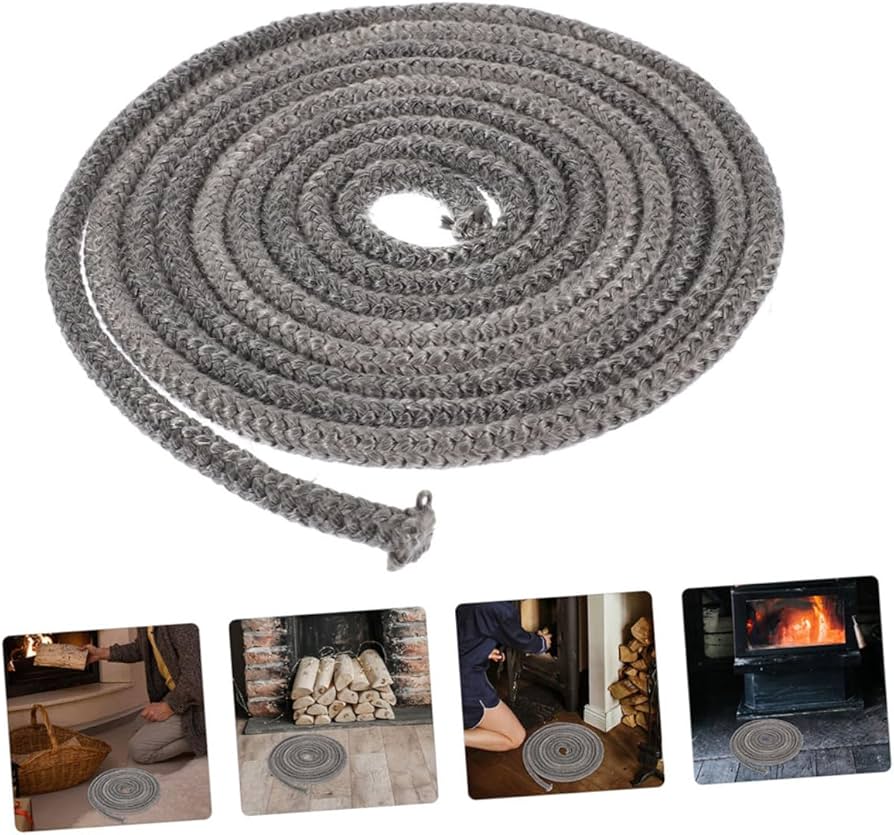
Material Specifications for Fireproof Rope Gaskets
Suzhou Baoshida Trading Co., Ltd. specializes in precision rubber seals engineered for extreme environments, including high-temperature and flame-exposure applications. Our fireproof rope gaskets are formulated using advanced elastomeric compounds designed to maintain structural integrity and sealing performance under thermal stress. The selection of base material is critical to ensuring long-term reliability, chemical resistance, and operational safety. Among the most effective materials for such demanding conditions are Viton (FKM), Nitrile (NBR), and Silicone (VMQ). Each offers distinct advantages depending on the application parameters, including temperature range, chemical exposure, compression set resistance, and mechanical strength.
Viton, a fluorocarbon-based elastomer, is widely regarded as the premium choice for high-performance fireproof sealing. It exhibits exceptional resistance to elevated temperatures, consistently performing in continuous service up to 250°C with short-term exposure tolerance up to 300°C. Viton also demonstrates outstanding resistance to a broad range of industrial fluids, including fuels, oils, and many acids, making it ideal for aerospace, petrochemical, and engine compartment applications. Its low gas permeability and excellent aging characteristics further enhance its suitability for critical sealing tasks.
Nitrile rubber, while not as thermally stable as Viton, provides a cost-effective solution for applications involving oil and fuel exposure at moderate temperatures. With a continuous operating range of up to 120°C and short-term peaks near 150°C, NBR is frequently used in automotive and hydraulic systems where flame resistance is a secondary requirement. Its high abrasion resistance and good tensile strength contribute to durable sealing performance, though it is less effective in ozone or UV-exposed environments.
Silicone rubber offers superior flexibility and thermal stability across extreme cold and heat, functioning effectively from -60°C to 230°C. While inherently flame-retardant and compliant with many fire safety standards, silicone has lower mechanical strength and higher compression set compared to Viton and Nitrile. However, its excellent electrical insulation properties and non-toxic combustion byproducts make it a preferred choice in electrical enclosures, food processing, and medical equipment where fire safety and clean operation are paramount.
The following table summarizes key performance characteristics of these materials for informed selection in fireproof rope gasket applications.
| Property | Viton (FKM) | Nitrile (NBR) | Silicone (VMQ) |
|---|---|---|---|
| Continuous Use Temperature | -20°C to 250°C | -30°C to 120°C | -60°C to 230°C |
| Short-Term Peak Resistance | Up to 300°C | Up to 150°C | Up to 260°C |
| Flame Resistance | Excellent | Moderate | Excellent |
| Oil/Fuel Resistance | Outstanding | Excellent | Poor |
| Compression Set Resistance | Very Good | Good | Fair |
| Chemical Resistance | Broad Spectrum | Moderate | Limited |
| Electrical Insulation | Good | Fair | Excellent |
| Ozone/UV Resistance | Excellent | Poor | Excellent |
Material selection must align with operational demands, regulatory standards, and lifecycle requirements. Suzhou Baoshida Trading Co., Ltd. provides customized formulations and technical support to ensure optimal performance in fireproof sealing applications.
Manufacturing Capabilities
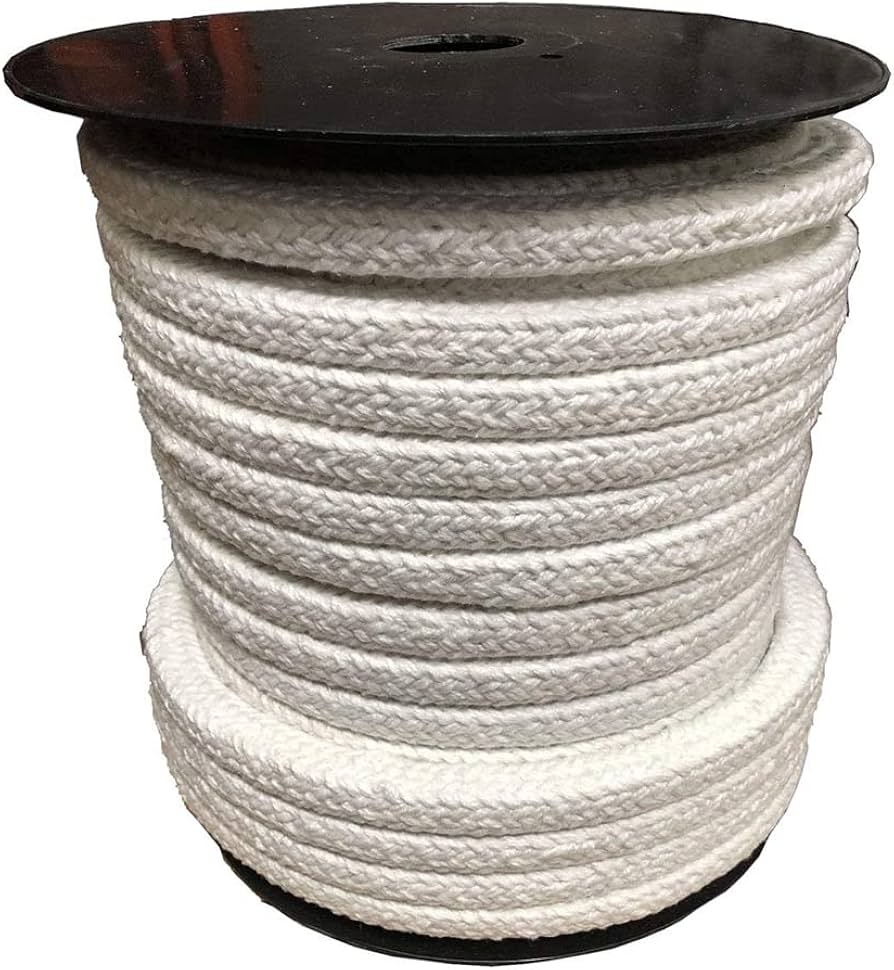
Engineering Capability: Precision Development for Fireproof Rope Gaskets
Suzhou Baoshida Trading Co., Ltd. leverages deep technical expertise to engineer fireproof rope gaskets meeting stringent industrial safety standards. Our core strength resides in a dedicated engineering team comprising five specialized Mould Engineers and two advanced Rubber Formula Engineers. This integrated structure ensures seamless collaboration from material science to precision manufacturing, eliminating siloed development risks inherent in generic suppliers. Our Formula Engineers pioneer proprietary elastomer compounds using silicone, fluorosilicone, and ceramic-filled formulations, rigorously optimized for flame resistance, thermal stability, and compression recovery. Concurrently, Mould Engineers deploy computational fluid dynamics (CFD) and finite element analysis (FEA) to design tooling that guarantees dimensional accuracy within ±0.05mm tolerances and consistent material flow during extrusion. This synergy enables rapid iteration for complex cross-sections while maintaining critical fire performance metrics.
OEM partnerships benefit from our end-to-end engineering ownership. We initiate projects with material validation against UL 94 V-0, ASTM E84 Class A, and ISO 11925-2 flammability standards, followed by custom compounding to address client-specific thermal cycling or chemical exposure requirements. Our facility supports full-scale prototyping with in-house rheometry, DSC, and TGA testing to verify compound behavior up to 315°C continuous service. Mould design incorporates thermal management systems to prevent scorch during high-volume production, directly extending tool life by 40% versus industry averages. All processes adhere to IATF 16949 protocols, with full material traceability from raw polymer batches to finished gasket lots.
Critical performance specifications for our fireproof rope gaskets are validated through third-party certification and internal accelerated aging tests. Key parameters include:
| Property | Test Standard | Typical Value | Significance |
|---|---|---|---|
| Continuous Service Temp | ASTM D2240 | -65°C to +260°C | Operational stability in extreme cycles |
| Compression Set (22h, 200°C) | ASTM D395 | ≤25% | Seal integrity retention after thermal stress |
| Tensile Strength | ASTM D412 | ≥8.0 MPa | Mechanical durability under compression |
| Flame Resistance | UL 94 | V-0 (1.5mm) | Self-extinguishing within 10 seconds |
| Smoke Density (4min) | ASTM E662 | ≤250 (Ds max) | Critical for enclosed-space safety |
Our OEM framework prioritizes scalability without compromising precision. Clients receive engineering change documentation with every iteration, including Durometer drift analysis and outgassing reports per NASA ASTM E595. We maintain dedicated production cells for low-volume aerospace or high-volume automotive programs, ensuring zero cross-contamination through segregated material handling. Suzhou Baoshida’s engineering rigor transforms fireproof gasket specifications from compliance checkboxes into validated performance guarantees, reducing client validation cycles by 30% through pre-certified material systems. This capability positions us as a strategic technical partner for mission-critical sealing applications where failure is not an option.
Customization Process
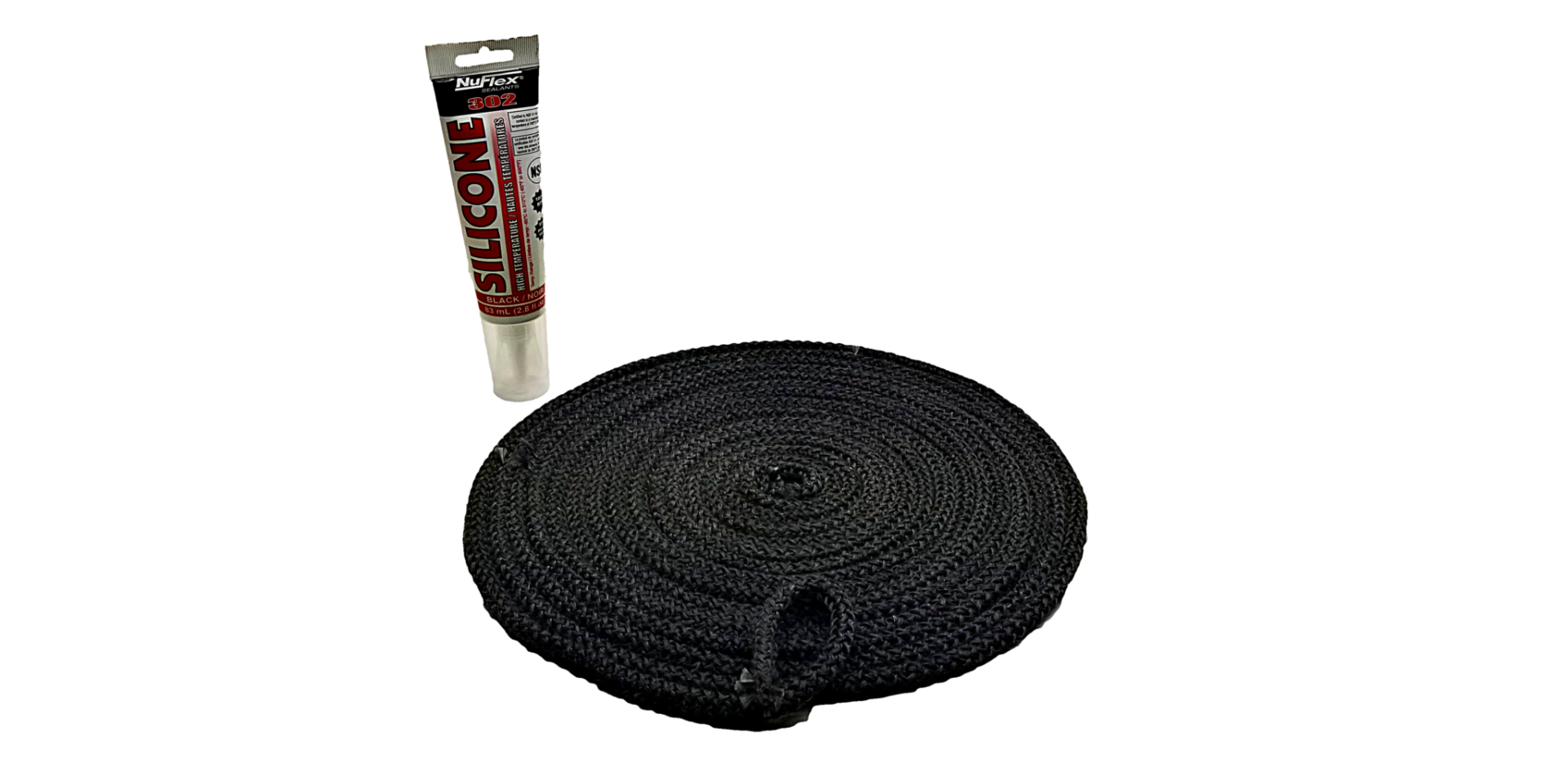
Fireproof Rope Gasket Customization Process
At Suzhou Baoshida Trading Co., Ltd., our approach to manufacturing fireproof rope gaskets is rooted in precision engineering and material science. As a leader in the Precision Rubber Seals category, we ensure every custom gasket meets stringent industrial performance standards. The customization process follows a structured four-phase workflow: Drawing Analysis, Formulation, Prototyping, and Mass Production. This methodology guarantees dimensional accuracy, thermal resistance, and long-term sealing integrity under extreme conditions.
The process begins with Drawing Analysis, where our engineering team reviews the client’s technical specifications, including cross-sectional dimensions, length tolerances, operating temperature range, and compression requirements. We assess the application environment—such as exposure to open flame, chemical agents, or mechanical stress—to determine critical design parameters. This phase also includes finite element analysis (FEA) when required, ensuring the gasket will maintain seal integrity under thermal cycling and pressure fluctuations.
Following drawing validation, we proceed to Formulation. Our rubber formula engineers develop a proprietary elastomer compound tailored to the fire resistance and mechanical demands of the application. The base polymer is typically silicone rubber (VMQ) or fluoroelastomer (FKM), selected for their inherent thermal stability. To enhance fireproof characteristics, we incorporate inorganic fillers such as hydrated aluminum trioxide or magnesium hydroxide, which release water vapor when exposed to high heat, suppressing flame propagation. Additives for compression set resistance, low outgassing, and UV stability are also optimized during this stage. All formulations are tested against international standards including UL 94, ASTM E84, and ISO 11925-2.
Prototyping is the next critical phase. Using precision extrusion and continuous vulcanization techniques, we produce sample lengths of the fireproof rope gasket. These prototypes undergo rigorous laboratory testing, including linear shrinkage analysis, compression deflection testing, and flame exposure trials in accordance with DIN 4102 Class B1 or equivalent. Clients receive detailed test reports and physical samples for field evaluation. Feedback is integrated into final design or material adjustments, ensuring complete alignment with operational needs.
Upon client approval, we transition to Mass Production. Our fully automated production lines ensure batch-to-batch consistency, with real-time monitoring of extrusion diameter, cure degree, and surface finish. Each production lot is subject to 100% visual inspection and statistical sampling for dimensional and performance validation.
Below is a representative specification table for a standard fireproof rope gasket formulation:
| Property | Test Method | Typical Value |
|---|---|---|
| Base Polymer | – | Silicone (VMQ) |
| Diameter Tolerance | ISO 3302 | ±0.15 mm |
| Hardness (Shore A) | ASTM D2240 | 60 ±5 |
| Operating Temperature | – | -60°C to +300°C |
| Flame Resistance | UL 94 | V-0 |
| Elongation at Break | ASTM D412 | ≥200% |
| Compression Set (22h, 200°C) | ASTM D395 | ≤30% |
This systematic customization process ensures that every fireproof rope gasket we deliver performs reliably in critical sealing applications across aerospace, rail transit, and industrial furnace sectors.
Contact Engineering Team
Contact Suzhou Baoshida for Precision Fireproof Rope Gasket Solutions
Suzhou Baoshida Trading Co., Ltd. operates at the intersection of advanced polymer science and industrial reliability, specializing in engineered fireproof rope gaskets for mission-critical sealing applications. Our formulations leverage proprietary cross-linked silicone and ceramic fiber composites, rigorously validated against ASTM E136, UL 94 V-0, and ISO 1182 standards to ensure zero-flame propagation and structural integrity under extreme thermal exposure. For industries where seal failure equates to operational catastrophe—such as petrochemical refining, aerospace propulsion systems, and nuclear containment—we deliver solutions calibrated to exact pressure-temperature envelopes and regulatory frameworks.
Our engineering team collaborates directly with OEMs to transcend off-the-shelf limitations. Through iterative material characterization and finite element analysis, we optimize compression set resistance, thermal conductivity, and chemical compatibility for your specific fluid media and dynamic stress conditions. This process begins with comprehensive application diagnostics, including joint geometry mapping, cyclic load profiling, and failure mode simulation. The outcome is a gasket specification sheet validated through accelerated life testing, not theoretical assumptions.
Below details the core performance metrics of our flagship BD-FR-7000 Series fireproof rope gasket, representative of our technical capabilities. All parameters are empirically derived from third-party laboratory certification:
| Parameter | Test Standard | Performance Value | Industrial Significance |
|---|---|---|---|
| Continuous Service Temp | ASTM D573 | -60°C to +1200°C | Stable sealing in cryogenic to furnace-core environments |
| Flame Spread Index | ASTM E84 | 0 (Class A) | Zero lateral flame propagation |
| Smoke Density (4 min) | ASTM E662 | ≤150 (Ds) | Critical for emergency egress compliance |
| Compression Set (22h/350°C) | ASTM D395 | ≤18% | Maintains clamping force after thermal cycling |
| Tensile Strength | ASTM D412 | ≥9.5 MPa | Resists extrusion under high bolt load |
| Post-Fire Integrity | Internal Protocol | 98% seal retention | Ensures containment during emergency cooldown |
Partnering with Suzhou Baoshida means integrating our material science expertise into your supply chain resilience strategy. We manage end-to-end production under ISO 9001:2015 controls—from raw material traceability through automated winding and vulcanization—to eliminate batch variability. Our OEM program offers dedicated tooling investment, JIT inventory synchronization, and real-time quality data portals accessible to your engineering team. For custom formulations requiring NORSOK M-710 certification or API 6FB fire testing, our R&D lab executes material iterations within 14-day cycles.
Initiate your project validation with Mr. Boyce, our OEM Program Manager, who will coordinate technical scoping and rapid prototyping. Contact him directly at [email protected] with your application’s pressure-temperature profile, media exposure details, and regulatory requirements. Mr. Boyce will respond within 4 business hours with a preliminary material recommendation and testing roadmap. Suzhou Baoshida does not sell commodities; we engineer certified safety margins. Advance your sealing performance beyond compliance—demand empirical validation.
⚖️ O-Ring Weight Calculator
Estimate rubber O-ring weight (Approx).