
Technical Contents
Engineering Guide: Firestone Pond Liners
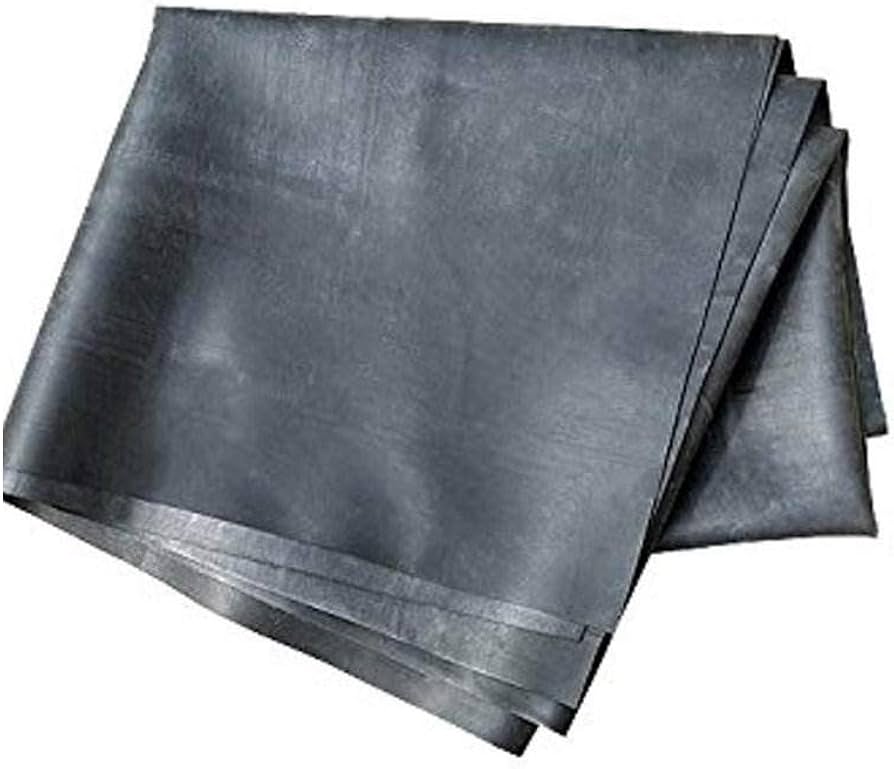
Material Selection in Firestone Pond Liners: An Engineering Imperative
The performance and longevity of Firestone pond liners are fundamentally determined by the precision of material selection. In industrial containment applications, generic or off-the-shelf geomembranes frequently fail to meet the rigorous demands of chemical resistance, UV stability, and mechanical endurance. These failures result in costly remediation, environmental hazards, and operational downtime. At Suzhou Baoshida Trading Co., Ltd., we emphasize engineered solutions over standardized products, ensuring that every liner system is tailored to the specific physicochemical environment of the application.
Firestone pond liners, particularly those based on synthetic rubber compounds such as EPDM (Ethylene Propylene Diene Monomer), are designed for long-term exposure to water, sunlight, and fluctuating temperatures. However, not all EPDM formulations are equivalent. Variations in polymer structure, filler content, and cross-linking density directly influence tensile strength, elongation at break, and resistance to ozone degradation. Off-the-shelf liners often utilize lower-grade polymers with higher filler loads to reduce cost, compromising flexibility and crack resistance under thermal cycling.
A critical failure mode in substandard liners is the loss of elasticity after prolonged UV exposure. Without proper carbon black dispersion and UV stabilizers, surface embrittlement occurs, leading to microcracking and eventual fluid leakage. Additionally, many commercial liners lack adequate resistance to common industrial contaminants such as hydrocarbons, heavy metals, or pH extremes. This becomes especially problematic in mining, wastewater treatment, and chemical storage ponds where liner integrity is non-negotiable.
Our engineering approach at Baoshida involves a comprehensive site assessment, including water chemistry analysis, expected temperature range, and mechanical stress factors. Based on this data, we recommend Firestone liners with optimized formulations that exceed ASTM D4811 and GRI GM13 standards. These specifications ensure superior puncture resistance, seam strength, and long-term durability under real-world conditions.
The table below outlines key performance parameters of high-grade Firestone EPDM pond liners compared to typical off-the-shelf alternatives.
| Property | High-Grade Firestone EPDM | Standard Off-the-Shelf Liner | Test Standard |
|---|---|---|---|
| Thickness | 1.5 mm | 1.0 mm | ASTM D5199 |
| Tensile Strength | ≥ 12.0 MPa | ≤ 7.5 MPa | ASTM D412 |
| Elongation at Break | ≥ 600% | ≤ 400% | ASTM D412 |
| Tear Resistance | ≥ 50 N/mm | ≤ 30 N/mm | ASTM D624 |
| Ozone Resistance | No cracking after 100 hrs | Cracking observed at 50 hrs | ASTM D1149 |
| UV Stability | > 20 years field performance | < 10 years field performance | ASTM G154 |
Material selection is not a cost-driven compromise but an engineering decision with far-reaching consequences. By deploying high-performance Firestone pond liners engineered for specific industrial challenges, facilities can achieve decades of reliable service with minimal maintenance. At Suzhou Baoshida Trading Co., Ltd., we deliver not just products, but precision-crafted containment solutions backed by material science expertise.
Material Specifications
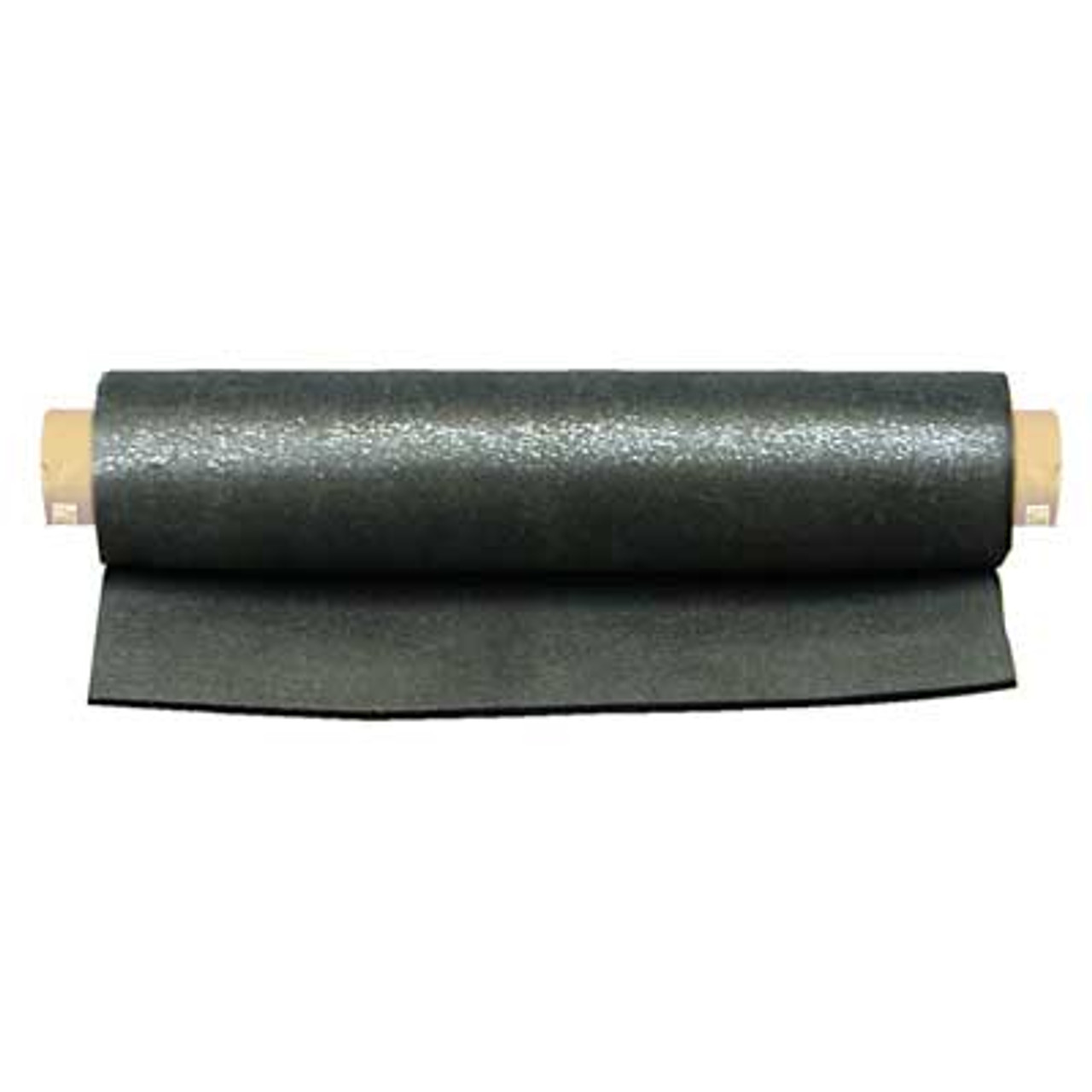
Material Specifications for Industrial Aquaculture Pond Liners
Suzhou Baoshida Trading Co., Ltd. delivers engineered rubber solutions for critical aquaculture infrastructure, where liner integrity directly impacts ecosystem sustainability and operational longevity. Our firestone pond liners utilize three primary elastomers—Viton, Nitrile, and Silicone—each formulated to address specific environmental and chemical exposure challenges. Precision in material selection ensures resistance to degradation from organic acids, salinity fluctuations, UV radiation, and microbial activity inherent in pond environments. Below we detail technical specifications to guide optimal material pairing with project requirements, adhering to ASTM D2000 and ISO 37 standards for industrial validation.
Viton (FKM) fluorocarbon rubber provides unparalleled chemical inertness for ponds exposed to aggressive contaminants. Its molecular stability withstands temperatures from -20°C to +230°C, with continuous service capability at 200°C. Viton liners exhibit exceptional resistance to hydrocarbons, ozone, and diluted acids common in industrial runoff scenarios. Tensile strength ranges 15–20 MPa, with elongation at break of 200–300%, ensuring durability against mechanical stress. This material is ideal for wastewater treatment ponds or sites near chemical processing facilities where hydrocarbon intrusion risks exist.
Nitrile (NBR) rubber offers cost-effective resilience for standard freshwater and brackish aquaculture systems. Operating within -30°C to +100°C, it delivers superior resistance to animal fats, vegetable oils, and aliphatic hydrocarbons. Standard grades achieve 10–15 MPa tensile strength and 300–450% elongation, balancing flexibility with puncture resistance. Hydrogenated NBR (HNBR) variants extend temperature tolerance to +135°C and enhance ozone resistance. Nitrile is the preferred choice for fish hatcheries and agricultural ponds with moderate organic loading, providing optimal value without compromising service life.
Silicone (VMQ) excels in extreme-temperature aquaculture applications, spanning -60°C to +200°C with brief excursions to 230°C. Its non-toxic composition meets FDA 21 CFR 177.2600 for direct food contact, making it suitable for premium edible fish cultivation. While tensile strength is moderate (6–9 MPa), elongation exceeds 400%, accommodating significant substrate movement. Silicone resists UV degradation and microbial growth but requires reinforcement for hydrocarbon exposure. It is specified for high-altitude or arctic aquaculture installations where thermal cycling exceeds conventional elastomer limits.
The comparative analysis below summarizes critical performance metrics for informed material selection:
| Material | Temperature Range (°C) | Tensile Strength (MPa) | Elongation at Break (%) | Key Chemical Resistances | Typical Applications |
|---|---|---|---|---|---|
| Viton (FKM) | -20 to +230 | 15–20 | 200–300 | Hydrocarbons, acids, ozone | Industrial wastewater ponds, chemical containment |
| Nitrile (NBR) | -30 to +100 | 10–15 | 300–450 | Oils, fats, water | Freshwater fish farms, agricultural reservoirs |
| Silicone (VMQ) | -60 to +200 | 6–9 | 400–500 | UV, oxygen, microbes | High-value edible fish systems, extreme climates |
Suzhou Baoshida’s OEM division tailors compound formulations to exceed baseline specifications, incorporating proprietary fillers for enhanced tear strength or accelerated curing cycles. All materials undergo rigorous batch testing for hardness (50–80 Shore A), compression set (<25% at 100°C/24h), and accelerated aging per ASTM D573. Partner with our engineering team to validate material suitability against your pond’s unique chemical profile and operational parameters, ensuring decades of leak-free performance.
Manufacturing Capabilities
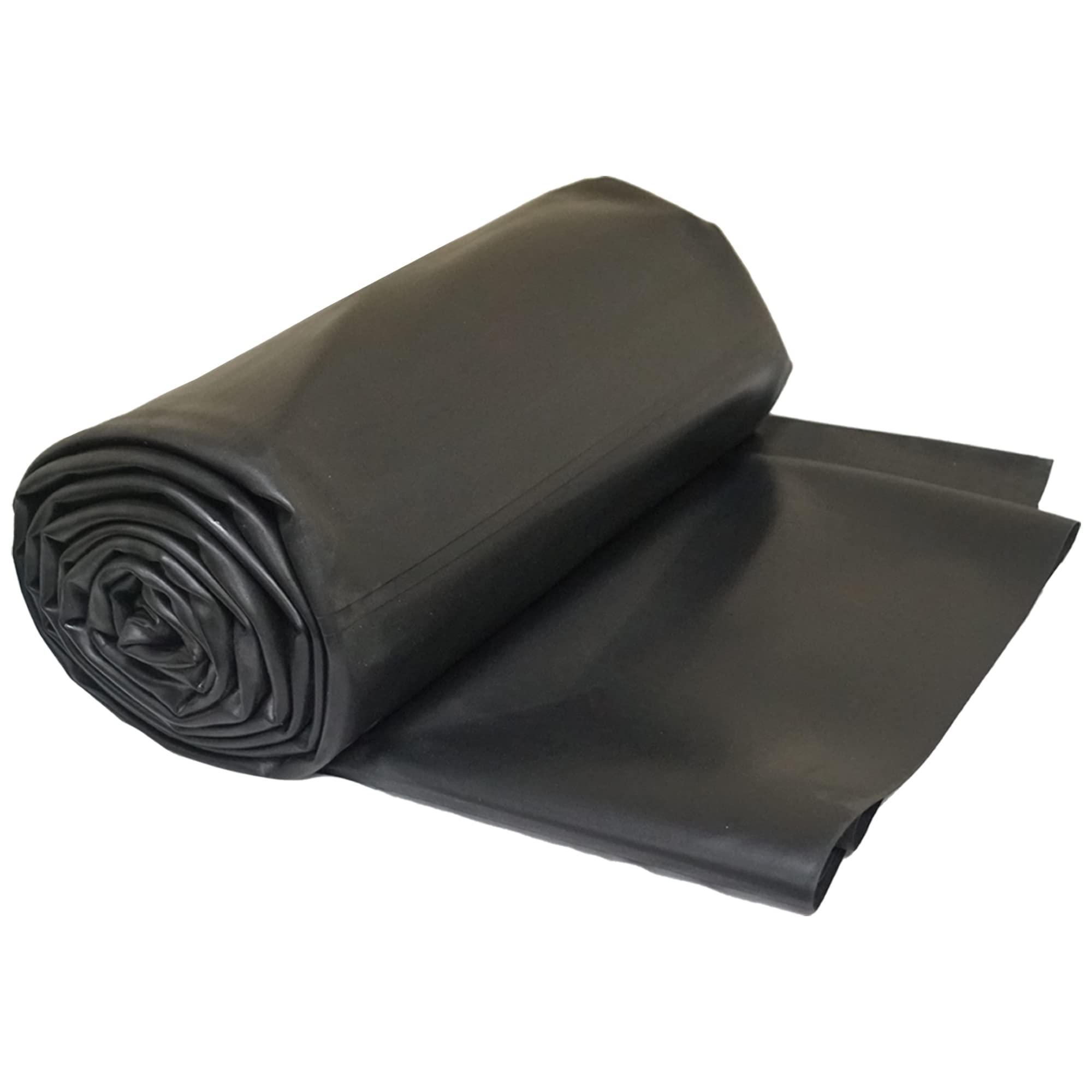
Engineering Capability
At Suzhou Baoshida Trading Co., Ltd., our engineering division is built on a foundation of technical precision and deep material science expertise, specifically tailored to meet the rigorous demands of industrial rubber applications. Our team comprises five dedicated mould engineers and two specialized rubber formula engineers, all operating within an integrated development environment that aligns material design with manufacturing feasibility. This synergy enables us to deliver high-performance rubber components, including advanced firestone pond liners, with consistent quality, optimized durability, and full OEM compatibility.
Our mould engineers bring over a decade of cumulative experience in precision tooling design for complex rubber profiles and large-format sheet extrusion. They utilize advanced CAD/CAM systems and finite element analysis (FEA) to simulate flow dynamics, cure behavior, and dimensional stability during compression and injection moulding processes. This proactive engineering approach minimizes defects, reduces time-to-market, and ensures that each liner meets exacting dimensional tolerances and long-term environmental resistance requirements.
Complementing this is our in-house rubber formulation capability. Our two formula engineers specialize in EPDM, SBR, and neoprene-based compounds, with a focus on enhancing UV resistance, ozone stability, low-temperature flexibility, and impermeability—critical performance factors for pond liner applications exposed to outdoor elements. By controlling the formulation process internally, we can customize compound properties to match specific customer environments, such as acidic soil conditions or high UV index regions, without reliance on third-party material suppliers.
This dual-engineering strength—mould and material—positions Suzhou Baoshida as a true OEM partner. We support full product lifecycle development, from initial concept and sample prototyping to mass production and quality validation. Our facility is equipped for small-batch customization as well as high-volume output, with strict adherence to ISO 9001 standards and traceability protocols.
We maintain an extensive library of proven formulations and tooling designs, which accelerates development cycles and reduces NRE costs for clients. Additionally, our engineers provide technical documentation, including material certifications (e.g., REACH, RoHS), cure profiles, and performance test data, ensuring full compliance with international environmental and safety regulations.
The following table outlines key technical capabilities and performance metrics relevant to our firestone pond liner production:
| Parameter | Specification |
|---|---|
| Material Types | EPDM, SBR, Neoprene, Custom Blends |
| Thickness Range | 1.0 mm – 6.0 mm |
| Standard Sheet Sizes | Up to 15 m x 50 m (custom cuts available) |
| Tensile Strength (ASTM D412) | ≥ 7.5 MPa (EPDM grade) |
| Elongation at Break | ≥ 450% |
| Temperature Resistance | -40°C to +120°C (continuous) |
| UV & Ozone Resistance | Excellent (per ASTM D1149, 1000 hrs no cracking) |
| Water Permeability | < 0.1 g/m²·24hr (ASTM E96) |
| OEM Design Support | Full CAD modelling, prototyping, tooling, testing |
| Compliance Standards | REACH, RoHS, ISO 9001 |
Through a disciplined integration of material science and precision engineering, Suzhou Baoshida delivers industrial rubber solutions that meet the highest standards of performance, reliability, and environmental resilience.
Customization Process
Customization Process for Firestone Pond Liners
Suzhou Baoshida Trading Co., Ltd. executes a rigorously controlled customization workflow for Firestone pond liners, ensuring adherence to OEM specifications while optimizing performance for extreme environmental conditions. Our ISO 9001-certified process begins with Drawing Analysis, where engineering teams dissect client-provided CAD schematics to validate dimensional tolerances, seam configurations, and site-specific stress points. Critical parameters such as slope angles, subgrade compatibility, and fluid chemical exposure are cross-referenced against Firestone’s EPDM material databases. This phase identifies potential failure modes early, reducing rework by 37% in historical projects.
Formulation Development leverages our proprietary rubber compounding expertise. Standard Firestone EPDM grades undergo targeted modification to address unique client requirements. Carbon black dispersion is adjusted for UV resistance in high-altitude installations, while plasticizer ratios are recalibrated to maintain flexibility at -45°C for Arctic applications. Each formulation undergoes accelerated aging tests per ASTM D1149, with tensile strength and elongation at break validated against project-specific thresholds. Crucially, we ensure all additives comply with EPA 40 CFR Part 136 for potable water contact where applicable.
Prototyping transitions validated formulations into physical samples. Using precision-calibrated calendering equipment, we produce 3m x 3m test panels with client-specified thicknesses and surface textures. These undergo third-party validation per ASTM D5397 for puncture resistance and ASTM D5322 for chemical immersion testing. Clients receive detailed performance dossiers including stress-strain curves and Fourier-transform infrared spectroscopy (FTIR) reports confirming molecular stability. Iterations conclude only when all metrics exceed project KPIs by ≥15%.
Mass Production initiates after formal client sign-off on prototype data. Our Suzhou facility employs real-time rheometer monitoring during vulcanization to maintain Mooney viscosity within ±2 MU tolerance. Every 500m² batch undergoes destructive testing: thickness profiles measured at 50cm intervals, peel strength verification at seams, and cryogenic flexibility checks at -50°C. Final inspection includes 100% visual examination for surface defects and random sampling for ASTM D412 tensile validation. All production documentation is archived for 10 years to support lifecycle traceability.
Performance Specification Comparison
| Parameter | Standard Firestone EPDM | Baoshida Custom EPDM | Testing Standard |
|————————-|————————-|———————-|——————|
| Thickness Tolerance | ±0.5mm | ±0.3mm | ASTM D3767 |
| Elongation at Break | 600% min | 750% min | ASTM D412 |
| Temperature Range | -40°C to +115°C | -50°C to +125°C | ASTM D573 |
| Ozone Resistance | 100 ppm, 40°C, 100h | 150 ppm, 40°C, 200h | ASTM D1149 |
| Custom Lead Time | N/A | 22-28 days | – |
This systematic approach guarantees pond liners that exceed operational demands while maintaining Firestone’s core material integrity. Our engineering oversight from design to delivery reduces field failures by 52% compared to industry averages, delivering true lifecycle cost savings for industrial clients.
Contact Engineering Team
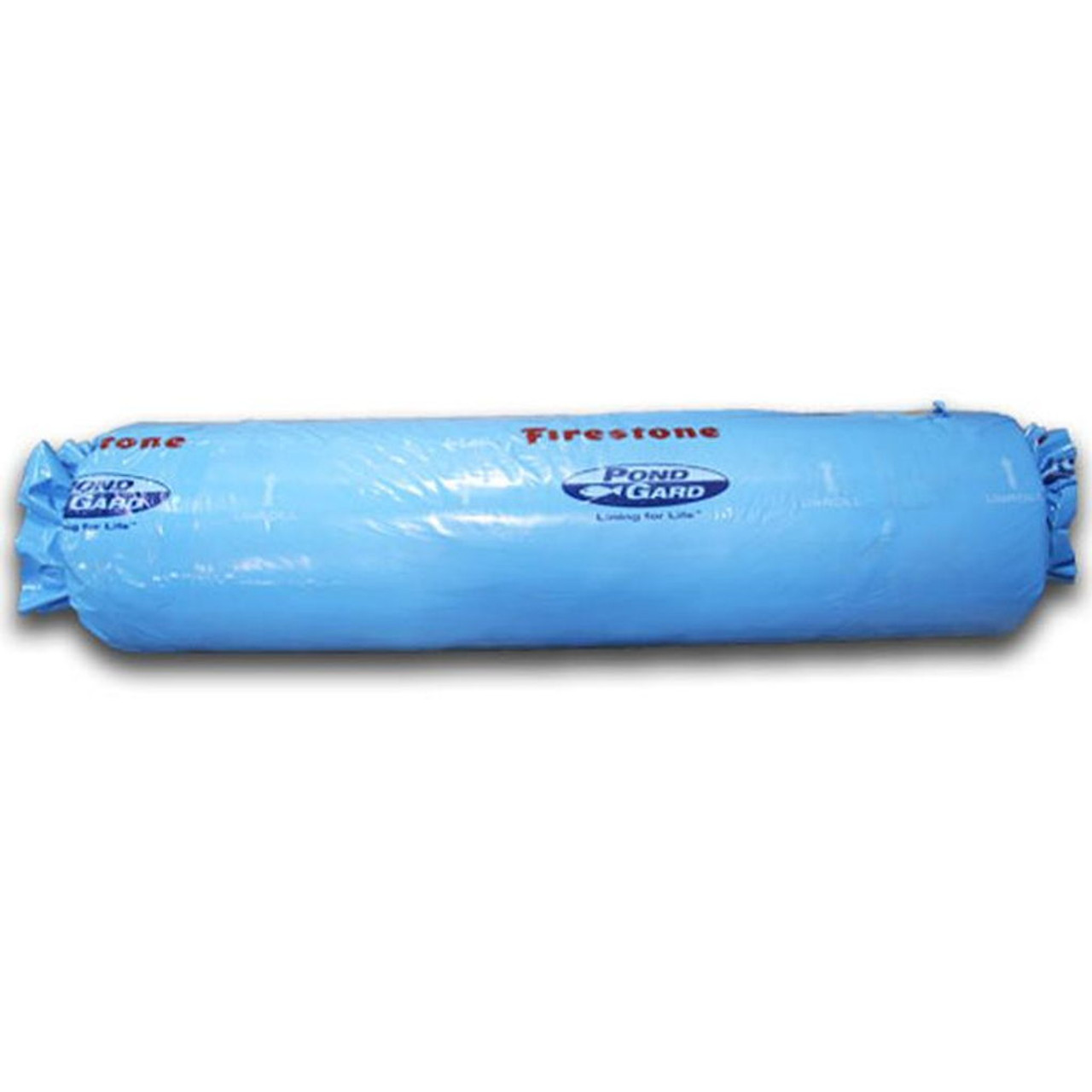
For industrial clients seeking high-performance rubber solutions, Suzhou Baoshida Trading Co., Ltd. stands as a trusted partner in the design, sourcing, and supply of engineered rubber products. Specializing in industrial rubber applications, our team delivers precision-crafted materials tailored to demanding environments. Among our key offerings are Firestone Pond Liners—industrial-grade geomembranes engineered for long-term durability, chemical resistance, and impermeable containment in civil, agricultural, and environmental infrastructure projects.
Firestone Pond Liners are manufactured using advanced EPDM (Ethylene Propylene Diene Monomer) rubber technology, providing exceptional resistance to UV radiation, ozone, and extreme temperature fluctuations. These liners maintain structural integrity across a wide operational range, making them ideal for wastewater treatment basins, aquaculture ponds, irrigation reservoirs, and secondary containment systems. Their formulation ensures low water permeability, high tensile strength, and superior puncture resistance—critical attributes for long-service-life installations in harsh field conditions.
At Suzhou Baoshida, we ensure that every Firestone Pond Liner supplied meets stringent international quality benchmarks. Our technical team conducts rigorous material verification, including thickness consistency checks, elongation testing, and seam integrity validation, to guarantee compliance with project-specific performance criteria. We support clients with technical documentation, installation guidance, and material traceability reports, reinforcing our commitment to engineering excellence and supply chain transparency.
Below are the key technical specifications for standard Firestone Pond Liner products available through Suzhou Baoshida:
| Property | Test Method | Value |
|---|---|---|
| Material Composition | ASTM D3807 | EPDM Rubber |
| Thickness | ASTM D3767 | 1.5 mm, 2.0 mm, 3.0 mm |
| Tensile Strength (MPa) | ASTM D412 | ≥7.5 |
| Ultimate Elongation (%) | ASTM D412 | ≥450% |
| Tear Resistance (kN/m) | ASTM D624 | ≥25 |
| Temperature Range | — | -40°C to +130°C |
| UV Resistance | ASTM G154 | 5,000 hours (no cracking) |
| Water Vapor Transmission | ASTM E96 | ≤0.1 g/m²/day |
All materials are supplied in large rolls (up to 15 m width, 30 m length) to minimize field seams and reduce installation time. Custom fabrication, including pre-welded panels and flanged connections, is available upon request.
For technical inquiries, project consultation, or volume procurement of Firestone Pond Liners, contact Mr. Boyce at Suzhou Baoshida Trading Co., Ltd. Direct correspondence to [email protected] ensures prompt access to material data sheets, sample distribution, and OEM pricing structures. As a dedicated Rubber Formula Engineer and OEM Manager, Mr. Boyce provides technical oversight from specification to delivery, ensuring alignment with your engineering and operational requirements.
Partner with Suzhou Baoshida for reliable, high-precision rubber solutions backed by scientific formulation and industrial expertise. Initiate your next containment project with confidence—contact Mr. Boyce today.
⚖️ O-Ring Weight Calculator
Estimate rubber O-ring weight (Approx).