
Technical Contents
Engineering Guide: Fkm O Rings
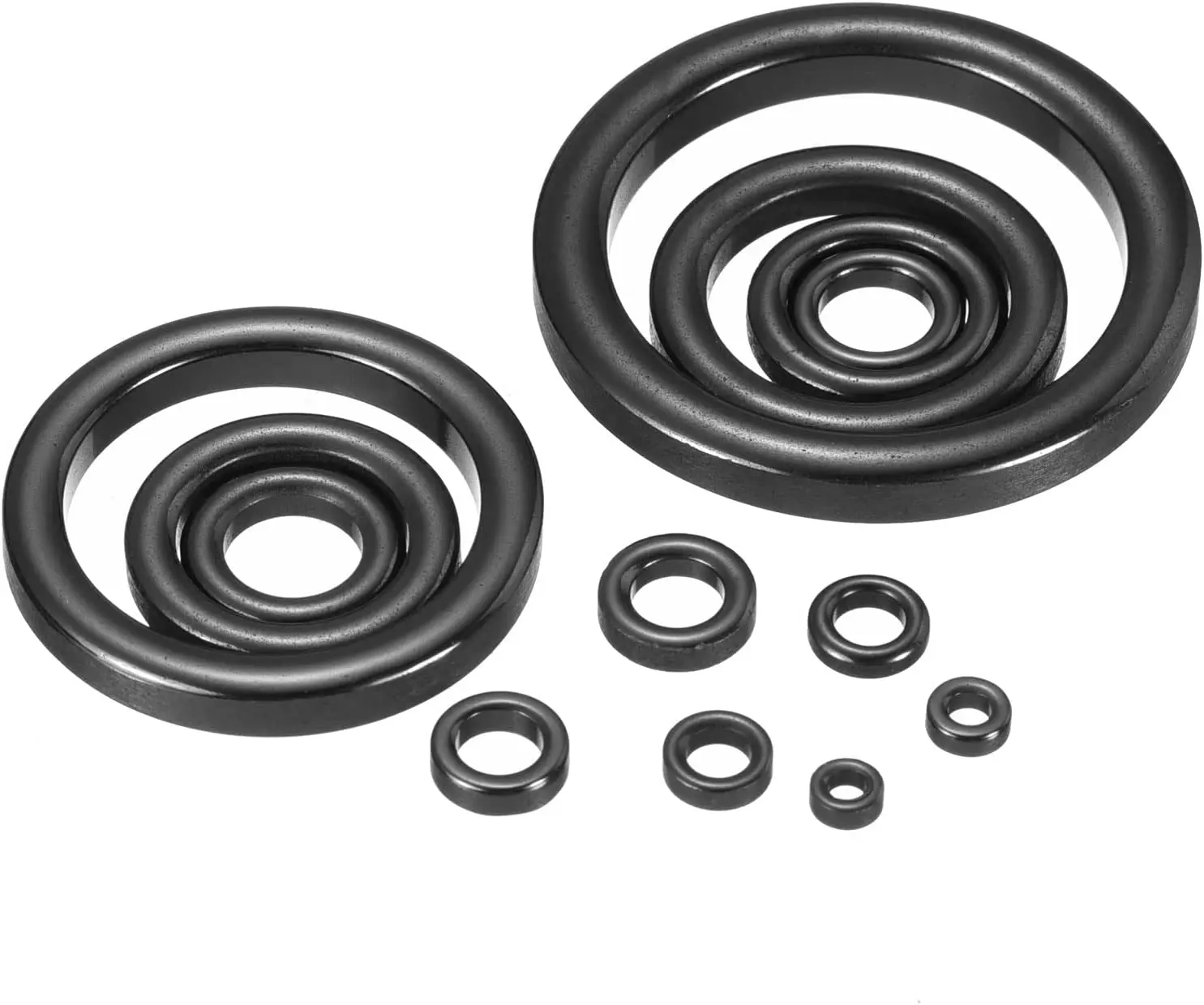
Engineering Insight: The Critical Role of Material Selection in FKM O-Rings
In high-performance sealing applications, fluoroelastomer (FKM) O-rings are often specified for their exceptional resistance to heat, oils, and aggressive chemicals. However, the assumption that all FKM O-rings are functionally interchangeable can lead to premature seal failure, costly downtime, and compromised system integrity. At Suzhou Baoshida Trading Co., Ltd., we emphasize that material selection is not a generic choice but a precision engineering decision that must align with the specific operational environment.
FKM is a family of synthetic rubber compounds, not a single uniform material. Variations in fluorine content, polymer backbone structure, and cure chemistry produce distinct grades—such as Type 1 (66% F), Type 2 (68% F), Type 3 (70% F), and specialty formulations like low-temperature FKM or peroxide-cured variants. Each grade exhibits unique performance characteristics. For example, higher fluorine content improves chemical resistance but can reduce flexibility at low temperatures. Off-the-shelf FKM O-rings often use standard formulations optimized for cost and general use, not for the nuanced demands of aerospace hydraulics, semiconductor processing, or downhole oilfield tools.
Generic solutions fail because they neglect critical parameters such as fluid compatibility, thermal cycling, compression set under prolonged stress, and exposure to trace contaminants. A seal functioning reliably in a hydraulic system using mineral oil may rapidly degrade when exposed to ketones or amines, even if both applications nominally fall under “chemical resistance.” Similarly, standard FKM compounds begin to lose resilience below -15°C, making them unsuitable for cryogenic or arctic environments without formulation adjustments.
Furthermore, the interaction between the elastomer and the mating hardware—surface finish, groove design, and metal compatibility—must be evaluated in context. An improperly selected FKM grade may swell, harden, or extrude under pressure, especially in dynamic applications with reciprocating or rotary motion.
To mitigate these risks, Suzhou Baoshida Trading Co., Ltd. advocates for application-specific material qualification. We support OEMs and system integrators with technical data, compatibility testing, and custom compounding to match FKM properties precisely to service conditions.
The following table outlines key FKM grades and their performance characteristics:
| FKM Type | Fluorine Content | Temp Range (°C) | Chemical Resistance | Low-Temp Flexibility | Recommended Applications |
|---|---|---|---|---|---|
| Type 1 | 66% | -15 to 200 | Good | Moderate | General fuel/oil sealing |
| Type 2 | 68% | -15 to 200 | High | Moderate | Automotive fuel systems |
| Type 3 | 70% | -10 to 205 | Very High | Low | Chemical processing |
| Low-Temp FKM | 65–67% | -30 to 180 | Moderate to High | High | Cold environment seals |
| Peroxide-Cured | 68–70% | -15 to 205 | High | Moderate | High-purity, low extractables (e.g., semiconductor) |
Material selection is not a commodity decision. For FKM O-rings, the right formulation is the difference between years of reliable service and unexpected system failure.
Material Specifications
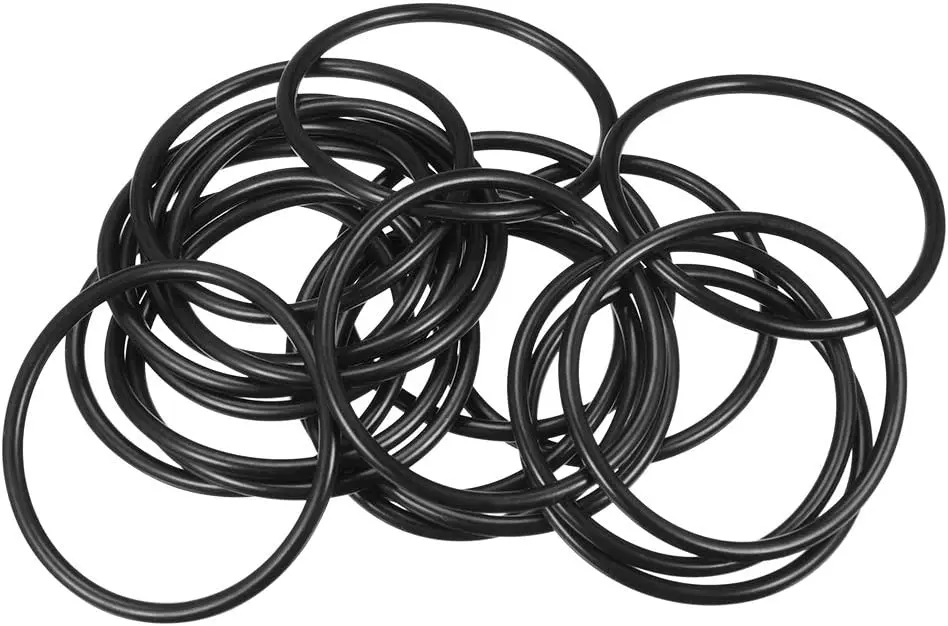
Material Specifications for Precision FKM O-Rings in Industrial Applications
Selecting the optimal elastomer for O-rings is critical for ensuring sealing integrity, longevity, and safety in demanding industrial environments. At Suzhou Baoshida Trading Co., Ltd., we prioritize material science rigor to match elastomer properties with operational parameters. This section details the core specifications of three industry-standard compounds: Fluoroelastomer (FKM/Viton®), Nitrile Butadiene Rubber (NBR), and Silicone (VMQ). Each material exhibits distinct performance boundaries under thermal, chemical, and mechanical stress, directly impacting OEM component reliability.
Viton® (FKM) remains the benchmark for extreme-condition sealing, offering exceptional resistance to high temperatures, aggressive chemicals, and hydrocarbons. Its fluorine content provides stability in aerospace fuels, automotive transmission fluids, and semiconductor process gases. Viton® maintains functionality from -20°C to +230°C continuous use, with short-term peaks near 300°C. Critical for dynamic seals, it demonstrates low compression set (<20% per ASTM D395) and excellent resistance to ozone, acids, and steam. Nitrile (NBR) excels in cost-sensitive applications involving mineral oils, greases, and aliphatic hydrocarbons but suffers in ozone exposure and temperatures exceeding 120°C. Its typical range spans -40°C to +105°C, with moderate compression set (25-35%) and hardness flexibility (50-90 Shore A). Silicone (VMQ) dominates extreme-temperature scenarios from -60°C to +200°C, featuring outstanding flexibility at cryogenic levels and biocompatibility. However, it exhibits poor tear strength, limited fuel resistance, and higher compression set (20-40%), restricting use to non-abrasive, static applications like medical devices or food processing.
The comparative analysis below summarizes key technical parameters essential for OEM material selection. All values reflect standard industry test methods (ASTM/ISO) under controlled conditions.
| Material Property | Viton® (FKM) | Nitrile (NBR) | Silicone (VMQ) |
|---|---|---|---|
| Continuous Temp Range | -20°C to +230°C | -40°C to +105°C | -60°C to +200°C |
| Short-Term Peak Temp | +300°C | +125°C | +230°C |
| Compression Set (22h/150°C) | ≤20% | 25-35% | 20-40% |
| Hardness Range (Shore A) | 60-90 | 50-90 | 30-80 |
| Key Fluid Resistance | Fuels, Acids, Ozone | Mineral Oils, Water | Water, Steam, Oxygen |
| Key Limitations | Ketones, Low Temp Flex | Ozone, Polar Solvents | Fuels, Tear Strength |
OEM engineers must correlate these specifications with application-specific stressors. For instance, Viton® is non-negotiable in turbocharger seals exposed to biodiesel and 200°C exhaust gases, while NBR suffices for hydraulic systems using phosphate-ester fluids below 100°C. Silicone’s low-temperature resilience makes it ideal for cryogenic valve stems but unsuitable for dynamic shaft seals due to abrasion sensitivity. Empirical testing under actual service conditions remains imperative, as additive packages and cure systems significantly influence real-world behavior. Suzhou Baoshida Trading Co., Ltd. provides fully documented material certifications and application engineering support to validate material suitability, ensuring your sealing solutions meet ISO 3601 and SAE AS568 compliance standards without compromise. Material selection is not merely a cost decision—it is a foundational element of system safety and lifecycle cost optimization.
Manufacturing Capabilities
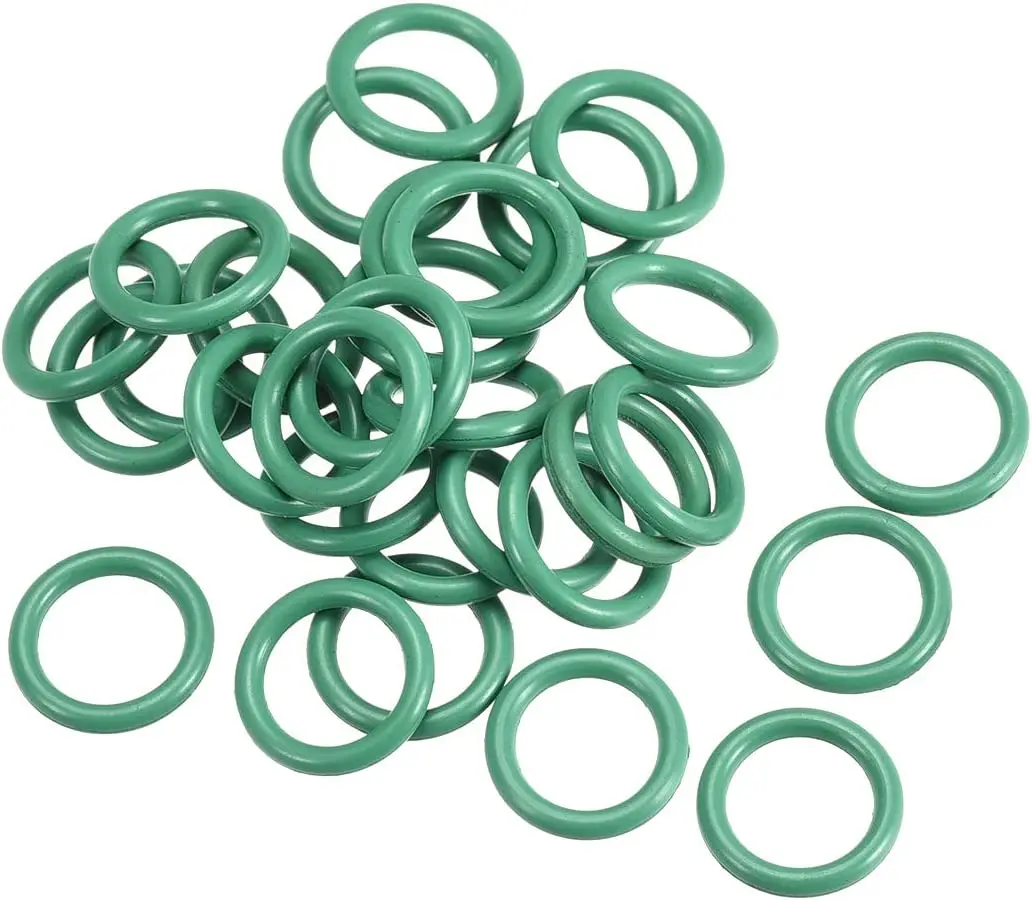
Engineering Capability: Precision-Driven FKM O-Ring Development at Suzhou Baoshida Trading Co., Ltd.
At Suzhou Baoshida Trading Co., Ltd., our engineering capability forms the backbone of our reputation in the precision rubber seals industry. Specializing in FKM (Fluoroelastomer) O-rings, we combine deep material science expertise with advanced mold design to deliver high-performance sealing solutions tailored to the exacting demands of industrial, automotive, and chemical processing applications. Our technical team comprises five dedicated mold engineers and two certified rubber formula engineers, enabling us to control every phase of development—from compound formulation to final product validation.
Our formula engineers hold advanced degrees in polymer science and have over a decade of experience in fluoroelastomer modification. They are responsible for designing and optimizing FKM compounds that meet specific performance criteria such as high-temperature resistance (up to 300°C), chemical compatibility with aggressive media (including acids, fuels, and hydraulic fluids), and long-term compression set stability. By adjusting monomer ratios, cross-linking systems, and filler packages, we produce custom FKM formulations that exceed ASTM D2000 and ISO 3601 standards. This in-house formulation capability ensures rapid prototyping, consistent batch-to-batch quality, and full traceability—critical for OEM partners requiring reliable supply chains.
Complementing our material expertise, our five mold engineers specialize in precision tooling for O-ring production. Utilizing CAD/CAM software and CNC machining centers, they design and manufacture high-tolerance molds with tight dimensional control (±0.05 mm). This precision ensures uniform cross-sections, consistent durometer distribution, and minimal flash—key factors in achieving reliable sealing performance under dynamic and static conditions. Our mold team also conducts mold flow analysis and thermal simulation to optimize curing cycles and prevent defects such as porosity or incomplete vulcanization.
We offer full OEM support, including reverse engineering of legacy seals, GD&T-compliant drawing generation, and co-development of proprietary compounds. Our clients benefit from a streamlined development cycle, with typical turnaround from sample request to production release in under six weeks. All formulations and molds are documented and stored in our secure database, ensuring long-term repeatability for volume orders.
The following table outlines the key technical parameters we achieve with our FKM O-rings:
| Property | Standard FKM | Custom High-Temp FKM | Custom Chemical-Resistant FKM |
|---|---|---|---|
| Hardness (Shore A) | 70–90 ±5 | 75–85 ±3 | 70–90 ±5 |
| Temperature Range | -20°C to +250°C | -10°C to +300°C | -20°C to +250°C |
| Tensile Strength | ≥12 MPa | ≥10 MPa | ≥13 MPa |
| Elongation at Break | ≥150% | ≥120% | ≥160% |
| Compression Set (24h, 200°C) | ≤25% | ≤30% | ≤20% |
| Fluid Resistance | Excellent (Fuel, Oil) | Good | Superior (Acids, Oxidizers) |
With integrated material and mold engineering, Suzhou Baoshida delivers technically superior FKM O-rings that meet the rigorous demands of global OEMs. Our engineering-first approach ensures every seal performs reliably in extreme environments.
Customization Process
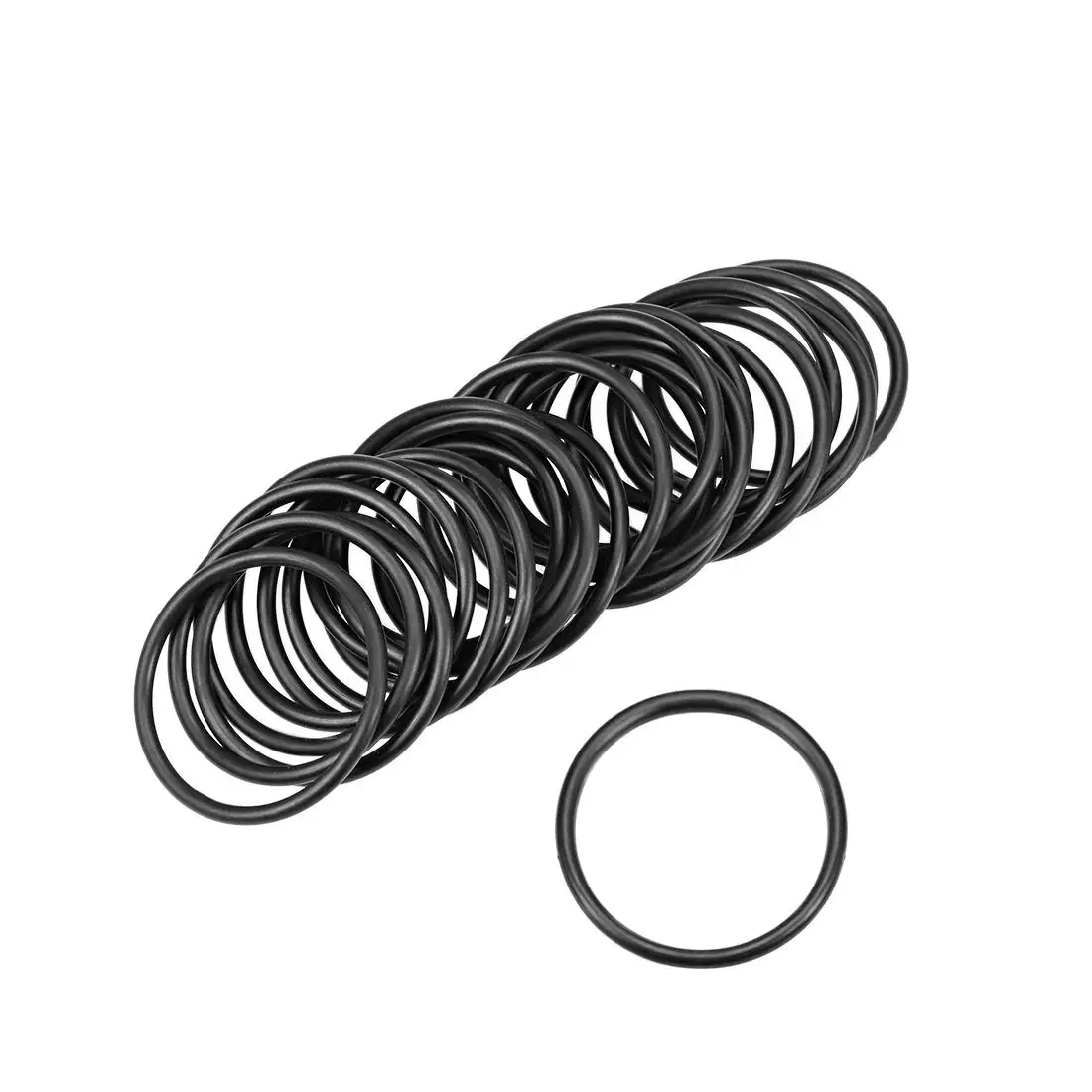
FKM O-Ring Customization: Precision Engineering Workflow
At Suzhou Baoshida Trading Co., Ltd., FKM (fluoroelastomer) O-ring customization follows a rigorously controlled sequence to ensure dimensional accuracy, material integrity, and performance under extreme conditions. This process transforms client specifications into mission-critical seals for aerospace, semiconductor, and chemical processing applications. We prioritize ASTM D2000 and ISO 3601 compliance while addressing unique operational demands through material science expertise.
Drawing Analysis Phase
Initial review focuses on dimensional tolerances, groove geometry, and surface finish requirements per AS568 or custom standards. Our engineering team validates seal compression percentages (typically 15–30%), extrusion gaps, and potential stress concentrations using CAD cross-section modeling. Critical parameters such as radial squeeze, axial clearance, and thermal expansion coefficients are simulated to prevent installation damage or premature failure. Client drawings undergo GD&T verification to eliminate ambiguities before material selection.
Formulation Development
Based on fluid exposure, temperature profiles, and regulatory needs (e.g., FDA 21 CFR 177.2600), our rubber chemists tailor FKM compounds. Standard grades are modified via peroxide or bisphenol curing systems to enhance resistance to specific media like ketones, amines, or superheated steam. Key adjustments include fluorine content optimization (66–70% for chemical resistance vs. 62–68% for low-temperature flexibility) and fillers for compression set reduction. Each formulation undergoes preliminary oil swell testing per ASTM D471.
Prototyping and Validation
Precision-molded prototypes are produced using CNC-machined tool steel molds with ±0.05 mm tolerances. Three critical validation stages occur:
First, dimensional inspection via optical comparators confirms adherence to print specifications.
Second, material testing verifies tensile strength (12–20 MPa), elongation (150–300%), and hardness (70–90 Shore A).
Third, application-specific performance trials assess compression set (ASTM D395) after 70 hours at 200°C and chemical immersion resistance. Client feedback triggers iterative refinements until all criteria are met.
Mass Production Execution
Approved prototypes transition to serial production under IATF 16949 protocols. Automated molding presses with closed-loop temperature control ensure batch consistency, while in-line vision systems monitor critical dimensions. Every lot undergoes traceability tagging and third-party certification for critical applications. Final inspection includes 100% visual checks for flaws and random sampling for physical property validation.
Custom FKM Material Performance Comparison
| Property | Standard FKM (Grade 260) | Custom FKM (Baoshida Enhanced) |
|---|---|---|
| Hardness (Shore A) | 70–90 | 60–95 (client-specified) |
| Continuous Temp Range | -20°C to +230°C | -30°C to +250°C (specialty) |
| Compression Set (200°C/70h) | ≤25% | ≤15% (peroxide-cured) |
| Base Fluid Resistance | Excellent (hydrocarbons) | Optimized for acids/amines |
| FDA Compliance | Optional | Standard in food/pharma grades |
This structured workflow ensures Suzhou Baoshida delivers FKM O-rings that exceed operational lifespans in the most demanding environments. Our engineering-led approach eliminates guesswork through data-driven material science and precision manufacturing. All custom compounds include full material traceability and technical documentation for OEM audit readiness.
Contact Engineering Team
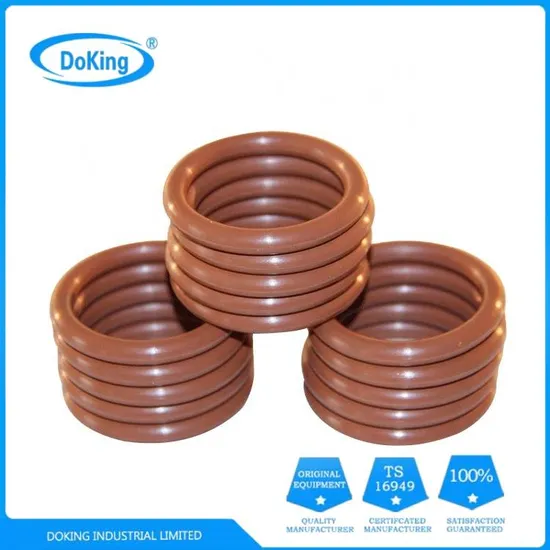
For precision-critical applications in aerospace, automotive, petrochemical, and semiconductor industries, selecting the right FKM O rings is not merely a procurement decision—it is an engineering imperative. At Suzhou Baoshida Trading Co., Ltd., we specialize in high-performance fluoroelastomer (FKM) sealing solutions engineered to withstand extreme temperatures, aggressive chemical exposure, and prolonged operational cycles without degradation. Our FKM O rings are manufactured to exacting international standards, ensuring dimensional accuracy, material consistency, and long-term reliability under demanding service conditions.
Each FKM O ring produced and supplied by Suzhou Baoshida undergoes rigorous quality control, including durometer verification, tensile strength testing, and compression set analysis, to guarantee compliance with ASTM D2000 and ISO 3601 specifications. We offer standard and custom sizes, including AS568A, ISO 3601, and JIS B 2401 configurations, with Shore A hardness values ranging from 70 to 90. Our formulations include standard diphenyl FKM, low-temperature grades (such as GLT and GBLT), and specialty peroxide-cured compounds for enhanced extractive resistance in ultra-high-purity environments.
Below is a representative specification profile for our standard 70 Shore A FKM O ring material:
| Property | Test Method | Value |
|---|---|---|
| Hardness (Shore A) | ASTM D2240 | 70 ±5 |
| Tensile Strength | ASTM D412 | ≥15 MPa |
| Elongation at Break | ASTM D412 | ≥200% |
| Compression Set (22 hrs @ 200°C) | ASTM D395 | ≤25% |
| Specific Gravity | ASTM D297 | 1.82 g/cm³ |
| Temperature Range | — | -20°C to +230°C |
| Fluid Resistance | ASTM D471 (70 hrs @ 150°C) | Volume Swell ≤10% in IRM 903 |
| Color | — | Black, standard (custom colors on request) |
These specifications reflect our commitment to material integrity and functional performance. Whether you are sealing high-pressure hydraulic systems, fuel delivery components, or vacuum chambers in semiconductor fabrication tools, our FKM O rings deliver consistent sealing force and resistance to thermal aging and chemical attack.
To ensure optimal performance, we recommend application-specific material selection based on fluid compatibility, dynamic or static loading, and environmental exposure. Our engineering team provides technical consultation to match your operational requirements with the appropriate FKM compound and dimensional profile.
For inquiries, technical support, or custom sealing solutions, contact Mr. Boyce, OEM Account Manager at Suzhou Baoshida Trading Co., Ltd. Mr. Boyce specializes in industrial rubber formulation and precision seal integration, offering direct access to material data sheets, sample provisioning, and rapid prototyping services. Reach him via email at [email protected] to discuss your application parameters, request test reports, or initiate a qualification process for volume supply. At Suzhou Baoshida, we engineer reliability into every seal—partner with us to secure performance at the highest level.
⚖️ O-Ring Weight Calculator
Estimate rubber O-ring weight (Approx).