
Technical Contents
Engineering Guide: Fkm O Rings
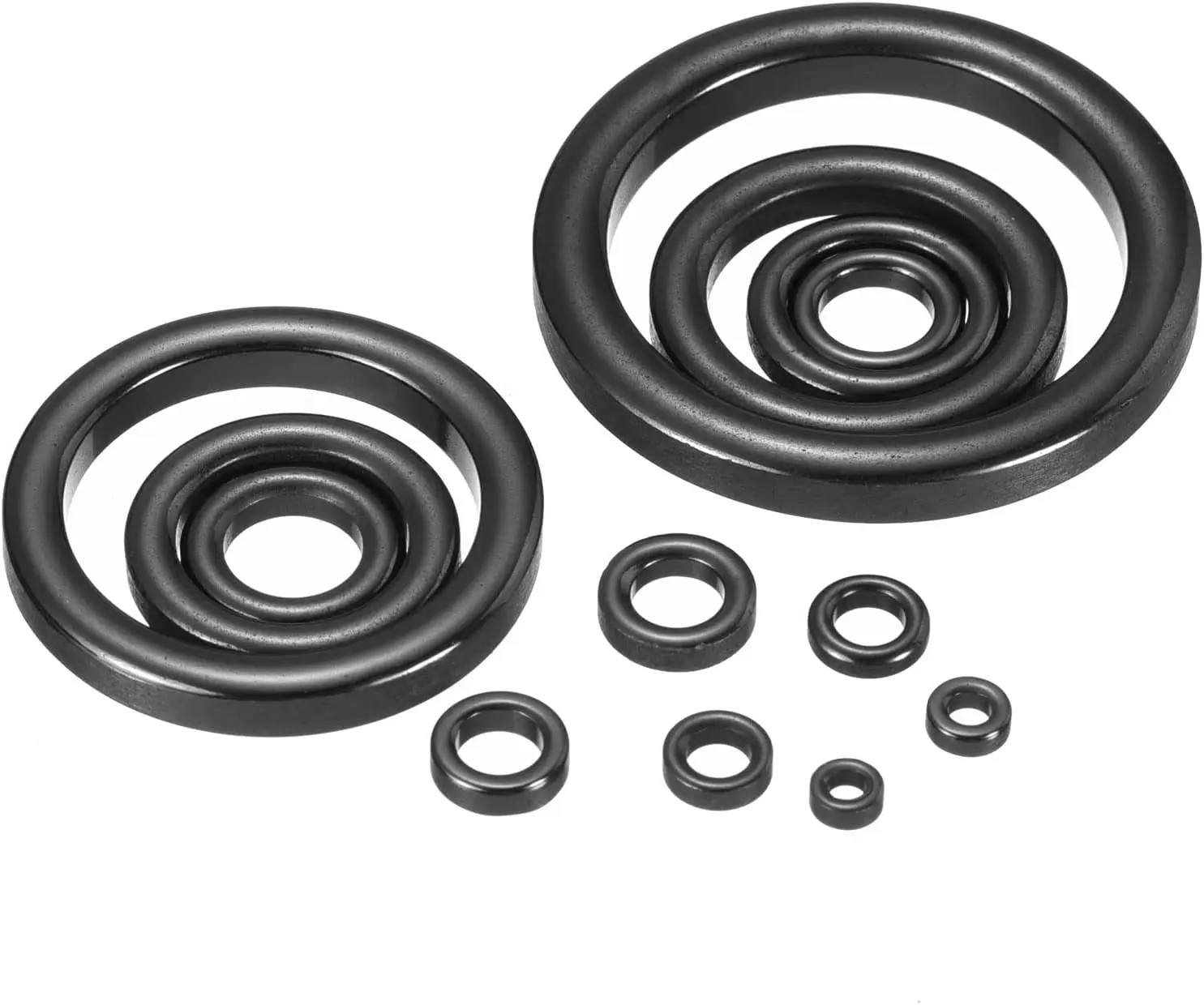
Engineering Insight: FKM O-Rings – The Critical Imperative of Material Selection
In precision sealing applications, particularly within demanding sectors like aerospace, semiconductor manufacturing, and chemical processing, the selection of FKM (Fluoroelastomer) O-rings transcends mere component specification; it is a fundamental engineering decision directly impacting system integrity, safety, and operational lifespan. Off-the-shelf FKM O-rings, while readily available, frequently represent a significant risk due to their generic formulation approach. These standard compounds are engineered for broad, moderate performance rather than the specific, often extreme, chemical, thermal, and mechanical environments encountered in high-value industrial processes. Failure to meticulously match the FKM grade to the exact application parameters inevitably leads to premature degradation, leakage, and costly system downtime. The molecular backbone stability of FKM provides inherent advantages over NBR or EPDM in resisting heat, oils, and many chemicals, but this family exhibits substantial internal variation. Critical differentiators include the monomer composition (e.g., VDF, HFP, TFE), fluorine content (typically 66-70%), and the cure system (diamine, bisphenol, or peroxide). Selecting the wrong variant—such as a standard bisphenol-cured FKM for prolonged exposure to hot amines or ketones—results in rapid chemical attack, excessive swelling, or loss of mechanical properties, culminating in catastrophic seal failure.
Material science fundamentals dictate that performance boundaries are non-negotiable. Standard FKM grades possess defined limitations in continuous service temperature and chemical compatibility that are easily exceeded in advanced applications. The consequences of overlooking subtle differences in base polymer structure or additive packages are severe: compression set failure under sustained load, thermal degradation at seemingly modest temperature excursions, or permeation-induced seal extrusion. These failures are rarely instantaneous but progress insidiously, compromising process purity or safety margins long before visible leakage occurs. True reliability demands an engineered solution, not a catalog item. This necessitates a deep understanding of the specific fluid media (including trace contaminants), dynamic or static loading conditions, temperature cycling profiles, and required service life. Suzhou Baoshida Trading Co., Ltd. emphasizes that successful FKM O-ring implementation requires collaborative engineering, moving beyond basic ASTM D2000 classifications to analyze the precise molecular architecture needed.
The table below illustrates critical performance differentiators between standard and engineered FKM compounds:
| Performance Parameter | Standard FKM (e.g., Viton A-401C) | Engineered Specialty FKM (e.g., GLT, GFLT) | Impact of Mismatch |
|---|---|---|---|
| Continuous Service Temp (°C) | 230 | 275 – 327 | Thermal degradation, hardening, leakage |
| Low Temp Flexibility (°C) | -20 to -15 | -35 to -45 | Seal fracture during cold starts |
| Base Polymer Type | VDF/HFP | VDF/HFP/TFE (Tri or Tetra) | Limited chemical resistance range |
| Amine Resistance | Poor | Excellent | Swelling, loss of sealing force |
| Compression Set (24h @ 200°C) | 35-45% | 15-25% | Permanent deformation, loss of seal |
| Permeation Resistance | Moderate | Significantly Enhanced | Process contamination, safety hazards |
Relying on generic FKM O-rings is a false economy. The initial cost savings are overwhelmingly negated by the risks of unplanned maintenance, product contamination, environmental incidents, and production halts. Precision sealing demands application-specific material science. Suzhou Baoshida Trading Co., Ltd. partners with OEMs to define the exact FKM formulation—tailoring polymer grades, fillers, and cure systems—to the unique demands of the operating environment, ensuring seal performance is not the limiting factor in system reliability. This engineered approach is the definitive barrier against the predictable failures of off-the-shelf solutions.
Material Specifications
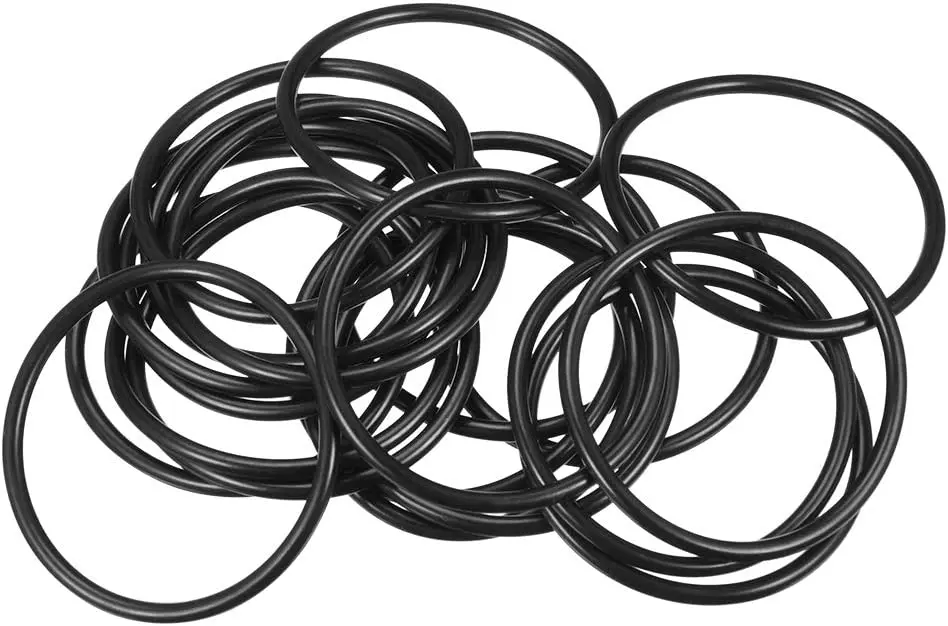
Material selection is a critical factor in the performance and longevity of precision rubber seals, particularly in demanding industrial environments. At Suzhou Baoshida Trading Co., Ltd., we specialize in high-integrity FKM O-rings engineered for superior chemical resistance, thermal stability, and mechanical reliability. Among the most widely used elastomers in our product line are Viton (FKM), Nitrile (NBR), and Silicone (VMQ). Each material exhibits distinct physical and chemical properties that make it suitable for specific operational conditions.
Viton, a fluorocarbon-based elastomer, is renowned for its exceptional resistance to high temperatures, aggressive chemicals, oils, and fuels. It maintains seal integrity in continuous service temperatures up to 230°C (446°F), with short-term exposure capability even higher. This makes Viton the preferred choice for aerospace, automotive, and chemical processing applications where exposure to harsh media such as aromatic hydrocarbons, chlorinated solvents, and aliphatic fuels is common. Additionally, Viton demonstrates low gas permeability and excellent aging characteristics, ensuring long-term sealing performance under extreme conditions.
Nitrile rubber, or Buna-N, offers robust resistance to petroleum-based oils, hydraulic fluids, and aliphatic hydrocarbons. It performs reliably in temperature ranges from -30°C to 120°C (-22°F to 248°F), making it ideal for general industrial sealing applications such as hydraulic systems, fuel handling, and pneumatic equipment. While not as chemically resistant as Viton, Nitrile provides excellent abrasion resistance and mechanical strength at a lower cost, offering an economical solution for moderate-duty environments.
Silicone rubber excels in extreme temperature applications, functioning effectively from -60°C to 200°C (-76°F to 392°F). It exhibits outstanding resistance to ozone, UV radiation, and weathering, making it suitable for outdoor and high-temperature environments. However, silicone has limited resistance to petroleum-based fluids and lower mechanical strength compared to Viton and Nitrile. It is commonly used in food, pharmaceutical, and electrical insulation applications due to its inertness and biocompatibility.
The following table summarizes key performance characteristics of these materials to guide optimal selection based on application requirements.
| Property | Viton (FKM) | Nitrile (NBR) | Silicone (VMQ) |
|---|---|---|---|
| Temperature Range (°C) | -20 to 230 | -30 to 120 | -60 to 200 |
| Temperature Range (°F) | -4 to 446 | -22 to 248 | -76 to 392 |
| Resistance to Oils & Fuels | Excellent | Good to Excellent | Poor |
| Resistance to Aliphatic Hydrocarbons | Excellent | Good | Poor |
| Resistance to Aromatic Hydrocarbons | Excellent | Fair | Poor |
| Resistance to Ozone/UV | Excellent | Good | Excellent |
| Compression Set Resistance | Excellent | Good | Good |
| Tensile Strength (MPa) | 10–20 | 10–30 | 5–10 |
| Hardness Range (Shore A) | 50–90 | 50–90 | 30–80 |
Understanding these material properties enables precise matching of O-ring specifications to operational demands, ensuring reliability, safety, and cost-efficiency in industrial sealing solutions.
Manufacturing Capabilities
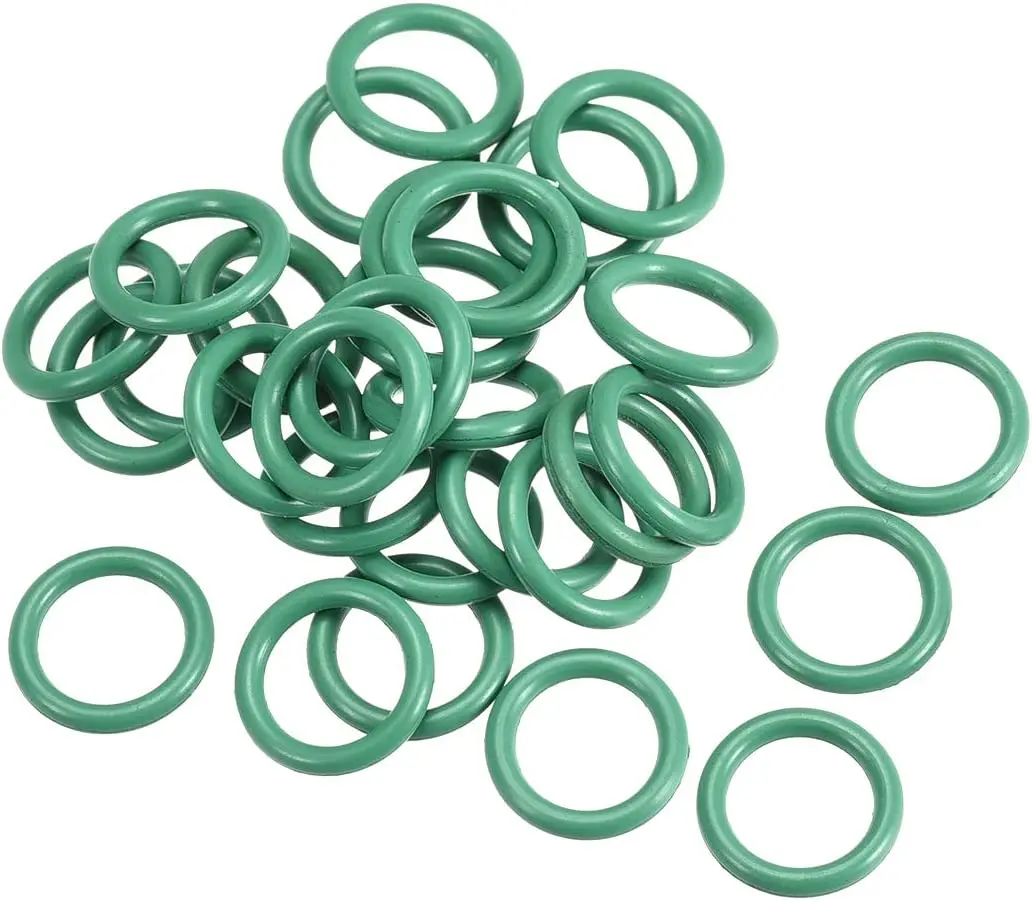
Engineering Excellence in FKM O-Ring Manufacturing
Suzhou Baoshida Trading Co., Ltd. delivers mission-critical FKM O-rings through integrated material science and precision tooling expertise. Our dual-engineering framework—combining dedicated rubber formulation specialists with advanced mold designers—ensures seals perform reliably in extreme aerospace, automotive, and chemical processing environments. Unlike commodity suppliers, we solve complex sealing challenges at the molecular and mechanical levels, directly addressing failure modes like compression set degradation, fluid permeation, and thermal decomposition.
Our team comprises five certified mold engineers and two Ph.D.-level rubber formula engineers. This structure enables concurrent development: formula engineers optimize polymer architecture for specific fluid resistance and temperature thresholds, while mold engineers translate these material properties into geometrically precise, flash-minimized components. We routinely develop custom FKM compounds exceeding ASTM D2000 Grade M2BA 707 A14 B14 D14 E14 F14, with tailored solutions for aggressive media like sour gas (H₂S), biofuels, and concentrated acids. Every formulation undergoes rigorous validation via FTIR spectroscopy, DSC thermal analysis, and accelerated aging per ISO 1817, ensuring batch-to-batch repeatability.
OEM partnerships benefit from our closed-loop engineering process. Customers share application parameters—pressure cycles, media composition, dynamic motion profiles—and our engineers co-develop seals meeting exact ISO 3601 or SAE AS568 tolerances. We control the entire workflow: from CAD-optimized cavity design and mold flow simulation to in-house rubber mixing and 100% dimensional inspection. This eliminates third-party dependencies, reducing time-to-prototype by 30% versus industry averages. Critical to high-integrity applications, all compounds include traceable lot coding and full material test reports per EN 14272.
The table below illustrates performance differentiators between standard FKM grades and Baoshida-engineered solutions under identical test conditions:
| Property | Standard FKM (ASTM D2000 MQ) | Baoshida Custom FKM (BD-FKM-800) | Test Standard |
|---|---|---|---|
| Continuous Service Temperature | -20°C to +200°C | -35°C to +230°C | ISO 1817 |
| Compression Set (70h/150°C) | ≤35% | ≤18% | ASTM D395 |
| Swell in ASTM #3 Oil (70h/150°C) | 25% | 12% | ISO 1817 |
| H₂S Resistance (5% vol., 100h) | Severe cracking | <5% volume change | NACE TM0177 |
| Tensile Strength Retention | 60% | 85% | ASTM D412 |
OEM scalability is engineered into every project. Our 12-ton to 500-ton hydraulic presses accommodate volumes from 1,000 to 5 million units annually, with automated vision systems guaranteeing <0.05mm dimensional variance. For regulated industries, we implement PPAP Level 3 documentation and IATF 16949-compliant change control. By anchoring FKM development in empirical data and tooling precision, Suzhou Baoshida transforms sealing reliability from a cost factor into a competitive advantage for global engineering teams. Partner with us to convert material science into operational uptime.
Customization Process
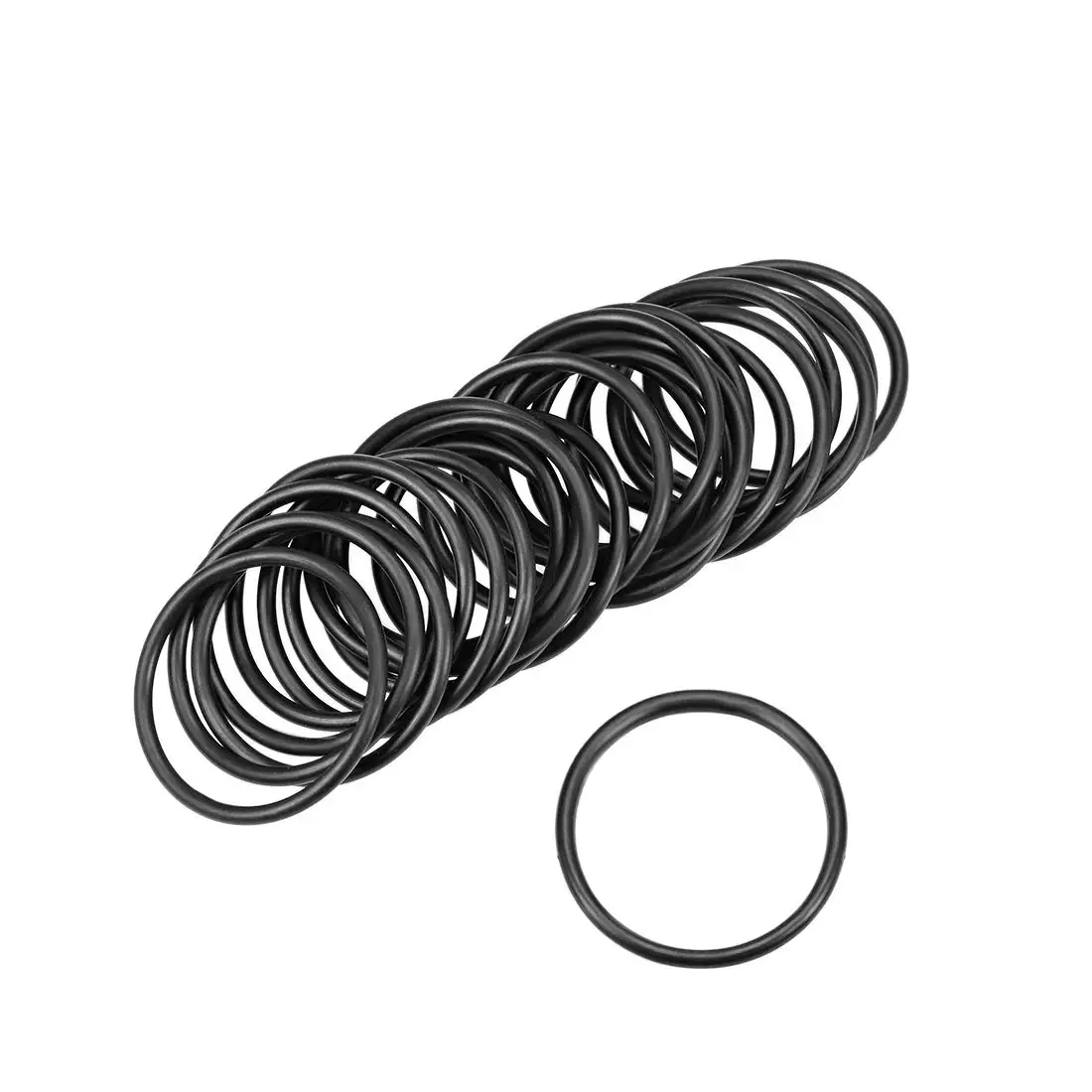
Customization Process for FKM O-Rings at Suzhou Baoshida Trading Co., Ltd.
At Suzhou Baoshida Trading Co., Ltd., we specialize in the precision engineering of FKM (Fluoroelastomer) O-rings tailored to meet the exact performance demands of industrial applications. Our systematic customization process ensures dimensional accuracy, material compatibility, and long-term sealing reliability under extreme conditions. The process is structured into four critical stages: Drawing Analysis, Formulation Development, Prototyping, and Mass Production.
The first phase, Drawing Analysis, involves a detailed technical review of the customer-provided engineering drawings or CAD models. We assess critical dimensions such as inner diameter, cross-section, tolerance class (typically per ISO 3601 or AS568), and surface finish requirements. Any ambiguities or potential design conflicts—such as excessive compression or insufficient gland fill—are flagged and discussed with the client to ensure manufacturability and functional integrity. This stage also includes verification of application parameters, including operating temperature, media exposure, and dynamic or static sealing conditions.
Following drawing validation, our Rubber Formula Engineers initiate Formulation Development. FKM elastomers are selected based on their inherent resistance to high temperatures, aggressive chemicals, and hydrocarbons. Depending on the application, we customize the polymer base—such as standard dipolymer, tetrafluoroethylene/propylene (TFE/P), or peroxide-cured grades—to enhance specific properties like low-temperature flexibility, compression set resistance, or plasma resistance. Additives are precisely blended to optimize cure kinetics, wear resistance, and thermal stability. Each formulation is documented and traceable, ensuring repeatability across production batches.
The third stage is Prototyping. Using precision compression or injection molding techniques, we produce a limited batch of O-rings based on the approved design and compound. These prototypes undergo rigorous in-house testing, including dimensional inspection, durometer hardness verification, and simulated exposure to the intended service environment. Clients may also receive samples for field testing. Feedback from this phase is incorporated to finalize both design and material specifications.
Once prototype approval is obtained, we transition to Mass Production. Our production lines operate under strict ISO 9001-compliant quality controls, with 100% visual inspection and statistical process monitoring. Every batch is accompanied by a material certification and test report, including hardness, tensile strength, and volume change after fluid immersion.
The following table outlines typical technical specifications for custom FKM O-rings produced through this process:
| Parameter | Standard Range | Test Standard |
|---|---|---|
| Hardness (Shore A) | 60–90 ±5 | ASTM D2240 |
| Tensile Strength | ≥10 MPa | ASTM D412 |
| Elongation at Break | ≥150% | ASTM D412 |
| Operating Temperature | -20°C to +230°C (short peaks up to +300°C) | ASTM D1418 |
| Compression Set (70h, 200°C) | ≤30% | ASTM D395 |
| Fluid Resistance (IRM 903, 70h, 150°C) | Volume Swell ≤25% | ASTM D471 |
This structured approach ensures that every custom FKM O-ring delivered by Suzhou Baoshida meets the highest standards of performance, consistency, and application-specific engineering.
Contact Engineering Team
Optimize Sealing Performance Through Precision FKM Engineering Partnerships
Selecting the correct FKM (Fluoroelastomer) O-ring formulation is critical for mission-critical sealing applications exposed to aggressive chemicals, extreme temperatures, and demanding operational cycles. Generic solutions often fail under these conditions, leading to unplanned downtime, safety hazards, and significant cost overruns. At Suzhou Baoshida Trading Co., Ltd., we specialize in the molecular-level customization of FKM compounds engineered specifically for your industrial environment. Our technical team possesses deep expertise in tailoring polymer architecture, filler systems, and cure chemistry to achieve unparalleled resistance to aerospace fuels, sour gas, concentrated acids, and high-temperature steam—far exceeding standard ASTM D2000 classifications. We do not merely supply O-rings; we deliver validated sealing integrity through rigorous material science.
The following table outlines essential performance parameters achievable with our advanced FKM formulations, reflecting our commitment to precision engineering:
| Property | Standard FKM Range | Suzhou Baoshida Custom FKM Range | Test Standard |
|---|---|---|---|
| Temperature Resistance | -20°C to +200°C | -40°C to +325°C | ASTM D2240 |
| Compression Set (70 hrs) | ≤ 30% | ≤ 12% | ASTM D395 |
| Swell in ASTM #3 Fuel | ≤ 15% | ≤ 5% | ASTM D471 |
| Tensile Strength | ≥ 10 MPa | ≥ 18 MPa | ASTM D412 |
| Hardness (Shore A) | 70±5 | 60–90 (Precise ±2 tolerance) | ISO 37 |
Our OEM partnership model integrates directly into your supply chain, providing traceable lot-controlled production with full material certification (including 3.1/3.2 EN 10204 documentation). Every batch undergoes stringent QC protocols: FTIR verification of polymer composition, multi-axis tensile testing, and application-specific fluid immersion validation. This eliminates the risk of field failures caused by inconsistent durometer, inadequate filler dispersion, or suboptimal crosslink density—common pitfalls with commoditized seals. We support rapid prototyping for complex geometries (AS568A, metric, custom) and facilitate seamless transition from R&D to high-volume manufacturing under ISO 9001 and IATF 16949 frameworks.
Initiate a technical consultation with Mr. Boyce, our dedicated OEM Solutions Manager, to resolve your most challenging sealing requirements. Provide your application’s chemical exposure profile, temperature cycling parameters, and mechanical stress conditions. Mr. Boyce will coordinate our materials science team to develop a compound specification sheet and feasibility assessment within 72 hours. Contact him directly via email at [email protected] with subject line: “FKM O-Ring Technical Request – [Your Company Name]”. Include your target operating environment details, required certifications, and annual volume estimates. Suzhou Baoshida guarantees responsive engineering support—not generic quotations—to ensure your sealing solution achieves zero-leak performance under actual service conditions. Do not compromise on critical fluid containment; leverage our precision rubber formulation capabilities to eliminate seal-related failures and extend operational lifespan. Your optimal sealing solution begins with a technical dialogue.
⚖️ O-Ring Weight Calculator
Estimate rubber O-ring weight (Approx).