
Technical Contents
Engineering Guide: Flanged Stainless Steel Fittings
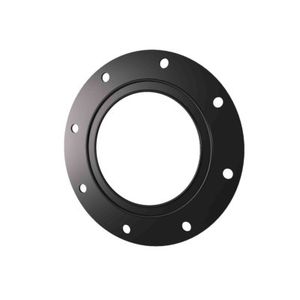
Engineering Insight: The Critical Role of Material Selection in Flanged Stainless Steel Fittings
In industrial rubber solutions, the integration of flanged stainless steel fittings demands rigorous attention to material compatibility, environmental exposure, and long-term mechanical performance. While off-the-shelf components may appear cost-effective and readily available, they frequently fail to meet the dynamic requirements of demanding applications such as chemical processing, pharmaceutical manufacturing, and high-pressure fluid transfer systems. The root cause of such failures often lies in inadequate material selection, where standardized fittings are mismatched to operational conditions.
Stainless steel is commonly selected for flanged fittings due to its corrosion resistance, mechanical strength, and hygienic surface finish. However, not all stainless steel alloys perform equally under identical conditions. For instance, 304 stainless steel offers good resistance to mild corrosives and is suitable for general-purpose applications. In contrast, 316 stainless steel, with its molybdenum content, provides superior resistance to chlorides and acidic environments, making it essential in marine or chemical processing settings. Using a 304 flange in a chloride-rich environment can lead to pitting corrosion, compromising system integrity and leading to premature failure.
Furthermore, the interaction between the stainless steel flange and the connected rubber component—such as an EPDM, NBR, or FKM gasket or hose—must be carefully evaluated. Incompatible material pairings can result in swelling, hardening, or degradation of the elastomer, particularly when exposed to oils, ozone, or elevated temperatures. For example, NBR exhibits excellent resistance to petroleum-based fluids but degrades rapidly in ozone-rich environments. Conversely, FKM (Viton®) maintains stability under extreme temperatures and aggressive chemicals but is less flexible and more expensive, making it unsuitable for low-budget, low-risk applications.
Off-the-shelf fittings often assume a one-size-fits-all approach, neglecting variables such as thermal cycling, vibration, and pressure surges. These dynamic stresses accelerate fatigue in improperly specified materials. Additionally, standardized fittings may not adhere to precise dimensional tolerances required for optimal sealing, leading to leaks or joint failure under operational load.
At Suzhou Baoshida Trading Co., Ltd., we emphasize engineered-to-order solutions that align material specifications with application-specific demands. By analyzing media type, temperature range, pressure profiles, and environmental factors, we ensure that each flanged fitting system delivers reliable, long-term performance.
The following table outlines key material specifications for common stainless steel grades used in flanged fittings:
| Property | 304 Stainless Steel | 316 Stainless Steel |
|---|---|---|
| Chromium Content | 18% | 16–18% |
| Nickel Content | 8–10.5% | 10–14% |
| Molybdenum Content | 0% | 2–3% |
| Corrosion Resistance | Good in mild environments | Excellent in chlorides, acids |
| Typical Applications | Water systems, food processing | Chemical processing, marine |
| Maximum Operating Temperature | ~870°C (intermittent) | ~925°C (intermittent) |
| Common Standards | ASTM A182, ASME B16.5 | ASTM A182, ASME B16.5 |
Material selection is not a secondary consideration—it is the foundation of system reliability. Custom-engineered flanged stainless steel fittings mitigate the risks inherent in generic alternatives, ensuring operational safety, compliance, and cost efficiency over the lifecycle of the installation.
Material Specifications
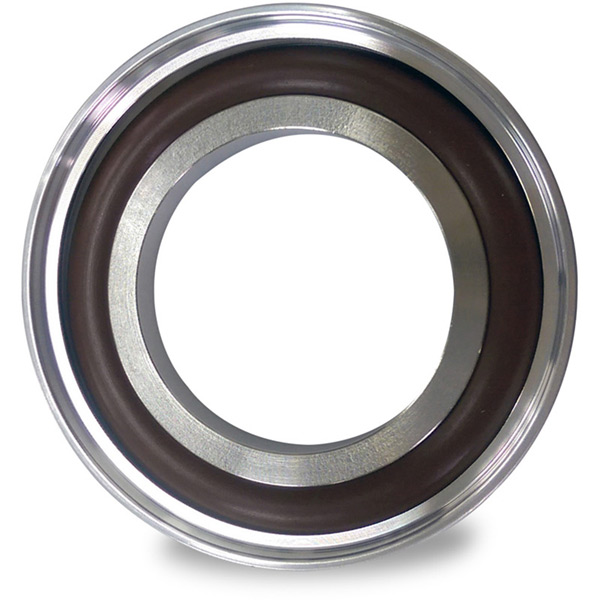
Material Specifications for Flanged Stainless Steel Fitting Seals
The performance integrity of flanged stainless steel fittings in industrial systems is critically dependent on the elastomeric seal material selected. Suzhou Baoshida Trading Co., Ltd. emphasizes precise material compatibility to ensure leak-free operation under demanding thermal, chemical, and mechanical conditions. Viton, Nitrile, and Silicone represent the primary elastomer solutions for these applications, each exhibiting distinct physicochemical properties. Material selection must align with fluid media, temperature extremes, pressure cycles, and regulatory requirements to prevent premature seal failure, system contamination, or safety hazards. This section details the technical specifications governing optimal material choice for OEM integration.
The comparative analysis below outlines key performance metrics per ASTM D2000 and ISO 3601 standards, essential for engineering validation.
| Property | Viton (FKM) | Nitrile (NBR) | Silicone (VMQ) |
|---|---|---|---|
| Temperature Range | -20°C to +230°C | -30°C to +120°C | -60°C to +200°C |
| Tensile Strength (MPa) | 15–20 (ASTM D412) | 10–25 (ASTM D412) | 5–8 (ASTM D412) |
| Compression Set (%) | 15–25 (22h/150°C) | 20–35 (70h/100°C) | 20–40 (70h/150°C) |
| Fluid Resistance | Excellent: oils, fuels, acids, halogens | Good: oils, fuels; Poor: ozone, ketones | Poor: oils, fuels; Excellent: water, steam |
| Hardness Range (Shore A) | 60–90 | 50–90 | 30–80 |
| Key Applications | Chemical processing, aerospace, high-temp fuel systems | Hydraulic systems, automotive oils, refrigeration | Medical, food-grade, extreme low-temp environments |
Viton demonstrates superior resilience in aggressive chemical environments and sustained high-temperature exposure, making it indispensable for petrochemical and semiconductor applications where seal degradation risks catastrophic failure. Its fluoropolymer structure provides exceptional resistance to swelling in non-polar fluids but incurs higher material costs. Nitrile remains the cost-optimized solution for general-purpose oil and fuel sealing, particularly in automotive and hydraulics, though its vulnerability to ozone cracking and limited thermal stability restricts use in outdoor or high-heat scenarios. Silicone offers unmatched flexibility at cryogenic temperatures and biocompatibility for FDA-compliant systems, yet its poor hydrocarbon resistance necessitates exclusion from oil-lubricated machinery.
Critical evaluation must extend beyond baseline specifications. Compression set values directly correlate with long-term sealing force retention under bolt preload; Viton’s low set ensures reliable gasket recovery after thermal cycling. Tensile strength influences handling durability during installation, where NBR’s higher range mitigates cut damage. Hardness selection (e.g., 70 Shore A for NBR) balances.squeeze resistance against flange surface conformity. Suzhou Baoshida Trading Co., Ltd. provides OEM-engineered solutions with certified material traceability, including 3.1 Mill Test Reports and FDA/EC1935 compliance documentation. Partner with our technical team to validate material performance against your specific media composition, pressure transients, and lifecycle requirements—ensuring zero compromise in system integrity.
Manufacturing Capabilities
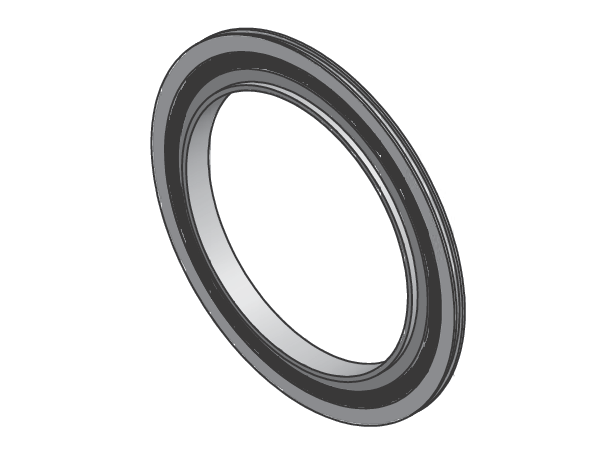
Engineering Excellence in Flanged Stainless Steel Fitting Solutions
At Suzhou Baoshida Trading Co., Ltd., our engineering capability forms the backbone of our industrial rubber solutions, particularly in the design and manufacturing of flanged stainless steel fittings. With a dedicated team of five certified mould engineers and two specialized rubber formula engineers, we maintain full in-house control over the product development lifecycle. This integrated technical structure enables us to deliver precision-engineered components tailored to the demanding requirements of fluid handling, chemical processing, and high-pressure industrial systems.
Our mould engineers possess extensive experience in 3D modelling, finite element analysis (FEA), and rapid prototyping. They utilize advanced CAD/CAM software to design high-tolerance moulds that ensure dimensional accuracy and repeatability across production batches. Each flanged fitting is engineered to meet international standards such as ISO 9001 and ASME B16.5, with strict adherence to surface finish, concentricity, and sealing interface specifications. The team collaborates closely with clients during the design phase to optimize part geometry for manufacturability, performance, and cost-efficiency.
Complementing this expertise are our two rubber formula engineers, who specialize in developing custom elastomer compounds for sealing applications. Given that flanged fittings often interface with dynamic or corrosive media, the sealing performance is critical. Our formula engineers formulate EPDM, NBR, FKM, and silicone-based materials to achieve desired properties such as compression set resistance, thermal stability (from -40°C to +230°C), and compatibility with oils, acids, and steam. These formulations are rigorously tested in-house using ASTM-standardized methods to ensure long-term reliability under operational stress.
As an OEM manufacturer, Suzhou Baoshida offers end-to-end customization. We support clients from concept validation through to mass production, providing technical data sheets, material traceability reports, and first-article inspection (FAI) documentation. Our facility is equipped with CNC machining centers, injection and compression moulding lines, and a fully accredited materials testing lab, ensuring consistent quality and fast turnaround.
The following table outlines key technical specifications for our standard flanged stainless steel fittings with elastomeric seals:
| Parameter | Specification |
|---|---|
| Material (Fitting Body) | SS304, SS316, SS316L |
| Flange Standard | ASME B16.5, DIN, JIS, EN 1092-1 |
| Size Range | DN15 to DN300 (½” to 12″) |
| Pressure Rating | Class 150 to Class 1500 |
| Seal Material Options | NBR, EPDM, FKM, Silicone, PTFE |
| Temperature Range (Seal) | -40°C to +230°C (dependent on compound) |
| Surface Finish (Sealing Face) | Ra ≤ 3.2 μm (machined), serrated or smooth |
| Testing Standards | Hydrostatic, Pneumatic, Dye Penetrant (MT/PT) |
| Certifications | ISO 9001:2015, Material Test Reports (MTR) |
Our engineering synergy between mould design and rubber formulation ensures that every flanged stainless steel fitting meets the highest benchmarks in performance, durability, and system integration. This capability positions Suzhou Baoshida as a trusted OEM partner for global industrial clients seeking technically advanced, application-specific solutions.
Customization Process
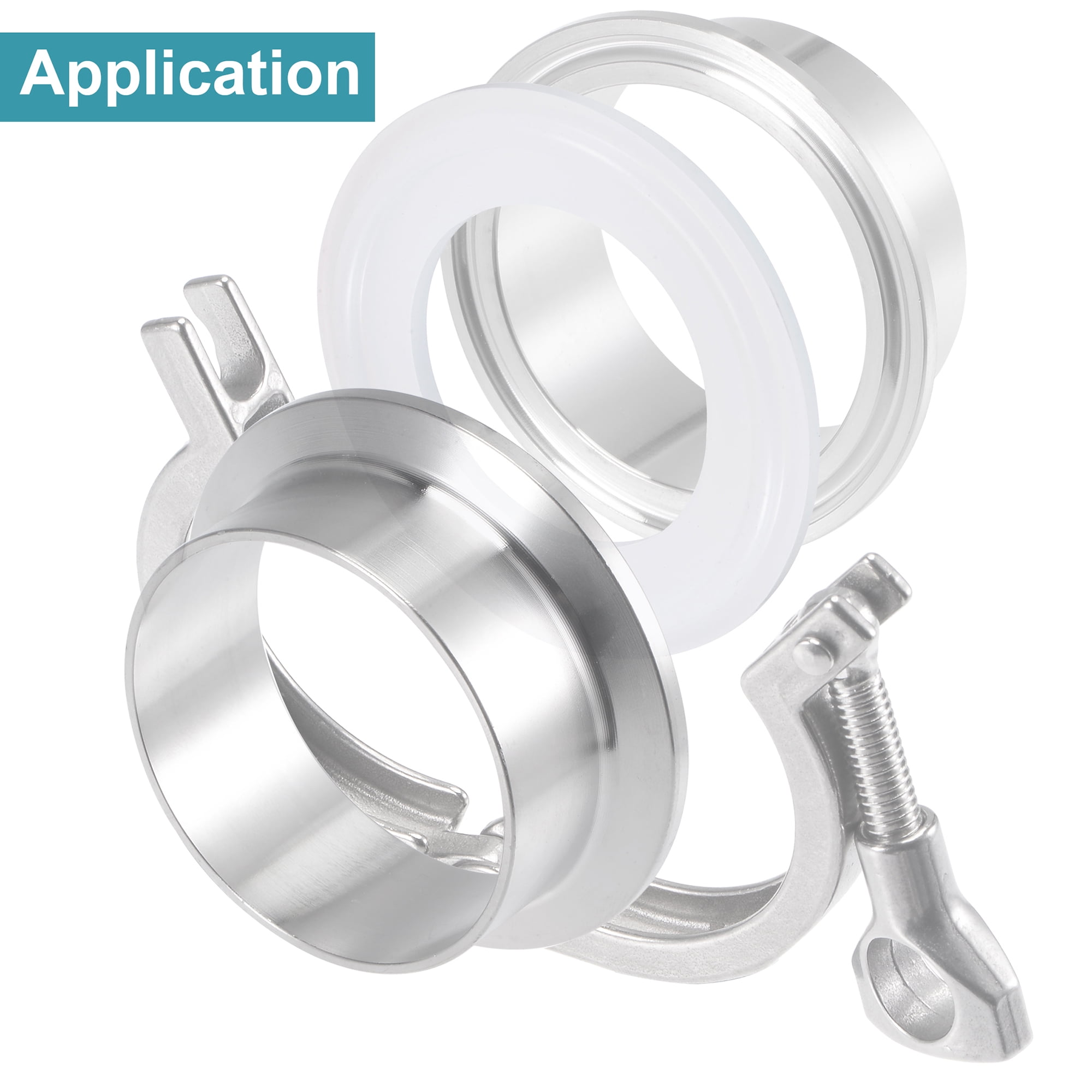
Customization Process for Flanged Stainless Steel Fittings: Rubber Component Integration
Suzhou Baoshida Trading Co., Ltd. implements a rigorous, science-driven customization protocol for rubber components integrated within flanged stainless steel fitting assemblies. This process ensures optimal sealing performance, longevity, and compatibility under demanding industrial conditions. Our methodology progresses systematically through four critical phases, beginning with comprehensive drawing analysis.
Initial scrutiny focuses on the client-provided engineering drawings and operational specifications. We meticulously evaluate dimensional tolerancing, flange face geometry (e.g., RF, FF, RTJ), anticipated system pressures, temperature profiles, and the specific media to be contained (e.g., hydraulic oil, acids, steam, gases). Critical attention is paid to groove dimensions within the stainless steel flange, surface finish requirements (Ra values), and potential dynamic movement or vibration. This phase identifies potential stress points and defines the precise functional envelope the rubber seal must occupy, forming the non-negotiable foundation for subsequent material selection.
Compound formulation is the core engineering response to the drawing analysis. Our rubber formula engineers select base polymers (NBR, EPDM, FKM, FFKM, Silicone) based on the defined chemical resistance, temperature range, and mechanical property requirements. Precise compounding follows, balancing fillers, plasticizers, curatives, and stabilizers to achieve target Shore A hardness, tensile strength, elongation, and crucially, low compression set. Cure kinetics are optimized for the intended molding process and service life expectations. Every formulation is validated against the specific fluid compatibility and thermal stability demands identified in Phase 1, ensuring molecular resilience under operational stress.
Prototyping transitions the validated formulation into physical reality. Utilizing precision CNC-machined molds based on the approved drawings, we produce initial rubber seal samples. These prototypes undergo stringent laboratory testing per ASTM and ISO standards. Key evaluations include compression deflection force, fluid immersion resistance (measuring volume swell, hardness change, tensile retention), thermal aging stability, and vacuum outgassing characteristics where applicable. Dimensional verification against the flange groove specifications is performed using calibrated CMM equipment. Client validation of prototype performance within their actual or simulated application is mandatory before progression.
Upon successful prototype approval, controlled mass production commences under our ISO 9001-certified quality management system. Production batches utilize dedicated, calibrated molding equipment with real-time process monitoring of temperature, pressure, and cure time. Rigorous in-process checks verify dimensional consistency and visual quality. Every batch undergoes comprehensive final inspection, including hardness testing, visual examination per defined acceptance criteria, and抽样 testing for critical physical properties. Full traceability, from raw material Certificates of Analysis through production lot records to final inspection reports, is maintained for every shipment, ensuring accountability and meeting stringent OEM documentation requirements.
Critical Rubber Seal Performance Specifications for Flanged Fittings
| Property | Test Standard | Target Value (Example) | Critical Application Factor |
|---|---|---|---|
| Compression Set (22h, 100°C) | ASTM D395 Method B | ≤ 20% (NBR) | Long-term sealing force retention |
| Volume Swell (IRMOG 3, 70°C, 70h) | ASTM D471 | ≤ +15% | Seal integrity in specific fluids |
| Tensile Strength | ASTM D412 | ≥ 15 MPa | Resistance to extrusion/tearing |
| Temperature Range (Cont.) | ISO 1817 | -30°C to +120°C (NBR) | System operating envelope |
| Hardness (Shore A) | ASTM D2240 | 70 ± 5 | Proper compression load distribution |
Contact Engineering Team
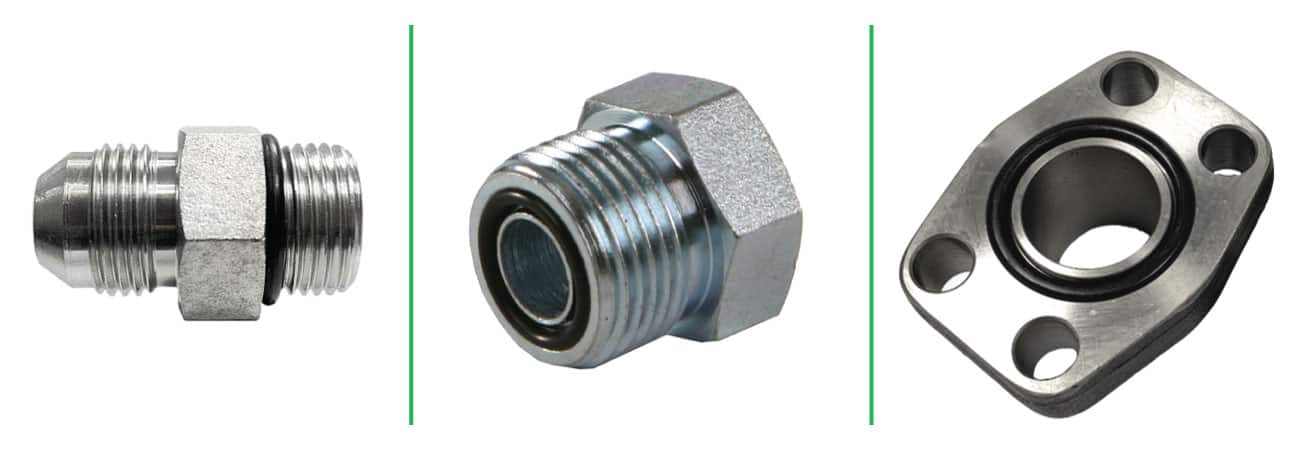
For industrial manufacturers and engineering teams seeking high-performance flanged stainless steel fittings integrated with advanced rubber sealing solutions, Suzhou Baoshida Trading Co., Ltd. delivers precision-engineered components built for reliability in demanding environments. As a trusted OEM partner in the industrial rubber solutions sector, we specialize in custom flanged fittings that combine the corrosion resistance of stainless steel with the resilience of vulcanized rubber seals. Our products are designed to meet exacting standards in sectors including petrochemical processing, water treatment, food and beverage production, pharmaceutical systems, and semiconductor manufacturing.
Our flanged stainless steel fittings are manufactured to conform to international standards such as ANSI, DIN, ISO, and JIS, ensuring seamless integration into existing pipeline systems. Each fitting undergoes rigorous quality control, including pressure testing, dimensional verification, and material certification, to guarantee long-term performance under high pressure, extreme temperatures, and aggressive media exposure. Whether you require standard configurations or fully customized designs with specific flange dimensions, rubber compound formulations (such as EPDM, NBR, Viton®, or silicone), or surface finish requirements, our engineering team collaborates directly with clients to deliver optimized solutions.
We understand that reliability in fluid handling systems depends not only on individual component quality but also on system compatibility and sealing integrity. That is why our flanged fittings are equipped with precision-molded rubber gaskets or integrated O-ring seals, ensuring leak-tight connections and minimizing maintenance downtime. Our in-house rubber compounding and molding capabilities allow us to tailor durometer, compression set resistance, and chemical compatibility to your operational parameters.
To support global supply chain efficiency, Suzhou Baoshida maintains scalable production capacity with strict adherence to lead time commitments. We provide full material traceability, mill test reports, and optional third-party inspection documentation (e.g., SGS, BV) upon request.
For technical consultation, sample requests, or project quotations, contact Mr. Boyce, OEM Manager at Suzhou Baoshida Trading Co., Ltd. Direct inquiries to [email protected]. Mr. Boyce brings over 12 years of experience in industrial sealing solutions and leads client engineering engagements with a focus on technical accuracy, cost optimization, and on-time delivery. We respond to all technical inquiries within 12 business hours and offer virtual design reviews for complex integration projects.
Below are representative specifications for our standard flanged stainless steel fitting series:
| Parameter | Specification |
|---|---|
| Material (Fitting) | SS304, SS316, SS316L (ASTM A182) |
| Flange Standards | ANSI B16.5, DIN 2573/2576, ISO 7005, JIS B2220 |
| Size Range | DN15 to DN600 (1/2″ to 24″) |
| Pressure Rating | Class 150 to 300 (PN10 to PN50) |
| Rubber Seal Materials | EPDM, NBR, FKM (Viton®), Silicone, CR |
| Seal Hardness (Shore A) | 60 ±5, 70 ±5, 80 ±5 |
| Operating Temperature | -40°C to +230°C (dependent on rubber type) |
| Surface Finish | Ra ≤ 0.8 µm (standard), electropolished option |
| Certifications | ISO 9001:2015, Material Test Reports (MTRs) |
Initiate your next project with a partner committed to engineering excellence and supply chain integrity. Contact Mr. Boyce today at [email protected] to discuss your flanged fitting requirements.
⚖️ O-Ring Weight Calculator
Estimate rubber O-ring weight (Approx).