
Technical Contents
Engineering Guide: Flexible 4 Inch Hose
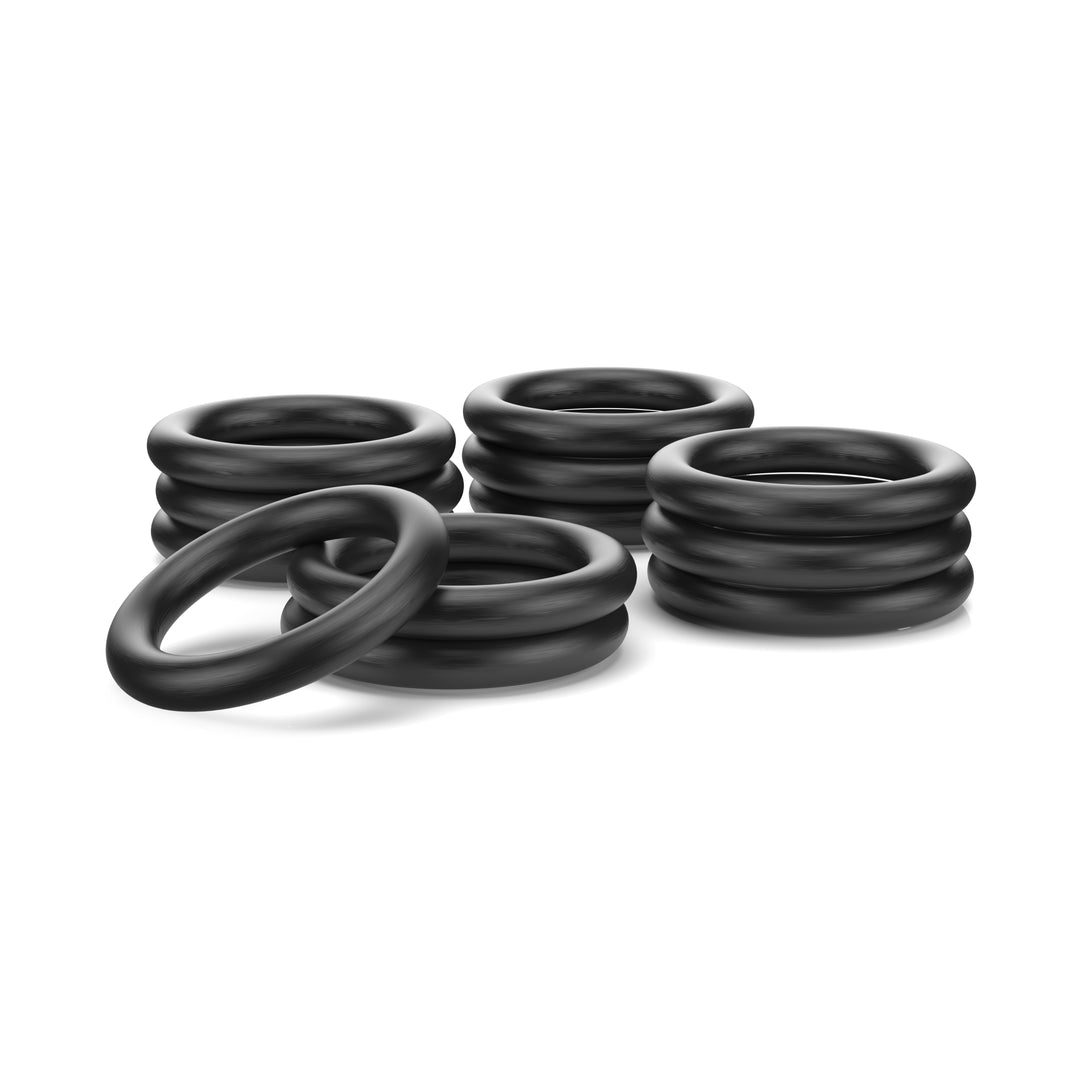
Engineering Insight: The Critical Role of Material Selection in Flexible 4 Inch Hoses
In industrial fluid transfer systems, the flexible 4 inch hose is a pivotal component, frequently subjected to demanding operational environments involving temperature extremes, chemical exposure, mechanical stress, and pressure fluctuations. Despite its standardized dimensions, performance variability among hoses of identical size is significant—largely due to material composition. Off-the-shelf solutions often fail prematurely because they prioritize dimensional compatibility over chemical and environmental compatibility, leading to degradation, leaks, and unplanned downtime.
Material selection is not a secondary consideration—it is the foundation of hose reliability. A hose constructed with nitrile rubber (NBR) may perform exceptionally in oil transfer applications due to its resistance to hydrocarbons, but it will rapidly deteriorate when exposed to ozone, aromatic solvents, or elevated temperatures above 120°C. Conversely, ethylene propylene diene monomer (EPDM) offers superior resistance to steam, water, and oxidizing agents but is incompatible with petroleum-based fluids. Selecting the wrong elastomer, even in a correctly sized 4 inch hose, compromises integrity and safety.
Another frequently overlooked factor is reinforcement layer composition. While many standard hoses use textile or single-ply steel braid, industrial applications involving high pressure or abrasive media demand multi-ply braided steel or spiral-wound wire reinforcement. The cover material also plays a critical role: polyurethane covers resist abrasion and microbial growth, whereas standard rubber covers may degrade in outdoor or high-wear environments.
Temperature range further dictates material suitability. Silicone rubber offers flexibility at low temperatures (down to -60°C) and stability up to 200°C, making it ideal for food processing or extreme climates. However, its lower abrasion resistance compared to synthetic rubbers necessitates careful application analysis.
Custom-engineered hoses from Suzhou Baoshida Trading Co., Ltd. address these challenges through application-specific formulation. By analyzing fluid type, pressure profile, ambient conditions, and service life requirements, we ensure optimal elastomer, reinforcement, and cover selection—avoiding the one-size-fits-all pitfalls of generic hoses.
The table below outlines common elastomer options for 4 inch flexible hoses and their performance characteristics:
| Material | Temperature Range (°C) | Key Resistance Properties | Common Applications | Limitations |
|---|---|---|---|---|
| Nitrile (NBR) | -30 to +120 | Oils, fuels, aliphatic hydrocarbons | Hydraulic systems, fuel transfer | Poor ozone, UV, and aromatic resistance |
| EPDM | -50 to +150 | Steam, water, alkalis, oxygenated solvents | Cooling systems, water treatment | Not suitable for petroleum products |
| Neoprene | -40 to +100 | Ozone, weathering, mild chemicals | General industrial, air lines | Moderate oil resistance |
| Silicone | -60 to +200 | Extreme temperatures, flexibility retention | Food, pharmaceutical, aerospace | Low abrasion resistance |
| Fluoroelastomer (FKM) | -20 to +200 | Aromatics, acids, high-temperature oils | Chemical processing, semiconductor | High cost, limited flexibility |
Material selection is the decisive factor in the operational lifespan and safety of a flexible 4 inch hose. Standardized hoses may appear cost-effective initially, but mismatched materials lead to frequent replacement and system failure. At Suzhou Baoshida, we engineer each hose to the exact demands of the application—ensuring durability, compliance, and long-term value.
Material Specifications
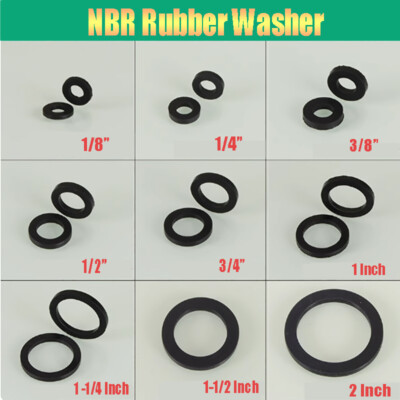
Material Specifications for Flexible 4 Inch Industrial Hose
Selecting the optimal elastomer for flexible 4 inch diameter industrial hose is critical for performance, safety, and longevity in demanding applications. At Suzhou Baoshida Trading Co., Ltd., we engineer solutions based on rigorous material science principles, prioritizing compatibility with operational parameters such as temperature extremes, chemical exposure, pressure cycles, and mechanical stress. This section details the core material options—Viton (FKM), Nitrile (NBR), and Silicone (VMQ)—for seamless integration into OEM production lines. Each compound undergoes stringent QC protocols per ASTM D2000 and ISO 37 standards to ensure dimensional stability and functional reliability at 4 inch bore sizes.
Viton fluoroelastomer delivers unparalleled resistance to aggressive chemicals, including aromatic hydrocarbons, acids, and jet fuels, making it indispensable for aerospace, chemical processing, and high-purity pharmaceutical systems. Its continuous service temperature range spans -20°C to +230°C, with intermittent peaks up to 260°C. Viton maintains seal integrity under high pressure (typically 250-350 PSI burst rating for 4 inch hose) but requires precise vulcanization control to mitigate compression set risks. While cost-intensive, its longevity in harsh environments reduces total lifecycle costs for critical fluid transfer.
Nitrile rubber remains the industry standard for petroleum-based fluid handling due to its balance of affordability, abrasion resistance, and mechanical strength. Standard NBR formulations operate effectively from -40°C to +120°C, with high-acrylonitrile variants extending oil resistance. It achieves 200-300 PSI burst ratings in 4 inch constructions and offers excellent adhesion to fabric or wire reinforcement layers. However, NBR exhibits poor resistance to ozone, ketones, and brake fluids, necessitating antioxidant additives for outdoor use. Its cost efficiency makes it ideal for automotive fuel lines, hydraulic systems, and general industrial applications where chemical exposure is moderate.
Silicone rubber excels in extreme temperature flexibility (-60°C to +200°C continuous) and biocompatibility, serving food, beverage, and medical OEMs requiring USP Class VI or FDA 21 CFR 177.2600 compliance. Its inert nature prevents product contamination, while exceptional low-temperature flexibility ensures kink resistance in cryogenic transfer. Silicone’s tensile strength is lower than NBR or Viton (typically 150-250 PSI burst for 4 inch hose), often requiring braided polyester reinforcement. It is incompatible with petroleum derivatives and exhibits higher gas permeability, limiting use in fuel systems but ideal for steam, water, and high-purity fluid applications.
The following table summarizes critical performance metrics for standardized 4 inch internal diameter hose constructions under ISO 1307 tolerances:
| Material | Temperature Range (°C) | Typical Burst Pressure (PSI) | Key Strengths | Primary Limitations | Common Applications |
|---|---|---|---|---|---|
| Viton (FKM) | -20 to +230 | 250-350 | Extreme chemical resistance, Low permeability, High thermal stability | High cost, Poor low-temp flexibility below -20°C | Chemical transfer, Aerospace fuel lines, Semiconductor manufacturing |
| Nitrile (NBR) | -40 to +120 | 200-300 | Cost-effective, Excellent oil/fuel resistance, High abrasion resistance | Degrades in ozone, Limited high-temp capability | Automotive hydraulics, Industrial lubrication systems, Marine fuel delivery |
| Silicone (VMQ) | -60 to +200 | 150-250 | Ultra-wide temp range, Biocompatible, Low toxicity | Low tensile strength, Poor petroleum resistance, High gas permeability | Food processing, Pharmaceutical tubing, Laboratory steam transfer |
Suzhou Baoshida Trading Co., Ltd. provides tailored compound formulations to address specific OEM requirements, including custom durometer (50-80 Shore A), conductive additives, or enhanced ozone resistance. Material selection must align with fluid compatibility charts and dynamic flex testing protocols. Consult our engineering team for application-specific validation data and seamless integration into your manufacturing workflow.
Manufacturing Capabilities
Engineering Capability: Precision-Driven Development for Industrial Hose Solutions
At Suzhou Baoshida Trading Co., Ltd., our engineering capability forms the backbone of our industrial rubber solutions, particularly in the design and production of flexible 4-inch hoses tailored for demanding applications. Our in-house team comprises five dedicated mould engineers and two specialized rubber formula engineers, enabling full vertical control from concept to final product. This integrated technical structure ensures that every hose we manufacture meets exacting performance, durability, and compliance standards.
Our mould engineers specialize in precision tooling design and rapid prototyping, utilizing advanced CAD/CAM systems to develop optimized core and cavity configurations. With extensive experience in rubber compression and transfer moulding, they ensure dimensional accuracy, consistent wall thickness, and superior surface finish—critical factors in high-pressure and dynamic flexing environments. Each mould undergoes rigorous validation through finite element analysis (FEA) and physical testing to confirm structural integrity and cycle life, reducing time-to-market and minimizing production defects.
Complementing this expertise are our two rubber formula engineers, who focus exclusively on elastomer material development. Leveraging deep knowledge of polymer chemistry and compounding, they formulate custom rubber blends engineered for specific operational conditions—be it resistance to oil, ozone, extreme temperatures (-40°C to +150°C), or abrasion. By controlling the formulation process in-house, we eliminate reliance on third-party compounds and ensure batch-to-batch consistency, traceability, and compliance with international standards such as ISO 1307, ISO 1436, and SAE J517.
Our OEM capabilities are built on this dual foundation of mould and material engineering. We support clients from initial specification through to mass production, offering complete design-for-manufacturability (DFM) feedback, sample iteration, and performance validation. Whether adapting an existing 4-inch hose design or developing a fully customized solution, our engineering team ensures compatibility with application-specific requirements including pressure rating, bend radius, fluid media, and environmental exposure.
All flexible 4-inch hoses produced under our OEM program undergo stringent quality control, including hydrostatic burst testing, pulse endurance, and elongation at break verification. This commitment to engineering excellence positions Suzhou Baoshida as a trusted partner for industrial manufacturers requiring reliable, high-performance rubber hose systems.
Typical Technical Specifications – Flexible 4-Inch Rubber Hose
| Parameter | Value / Range |
|---|---|
| Inner Diameter | 101.6 mm (4 inches) |
| Working Pressure Range | 10–30 bar (custom up to 50 bar) |
| Burst Pressure | ≥ 4× working pressure |
| Temperature Range | -40°C to +150°C |
| Reinforcement Layer | Spiral or braided high-tensile steel wire |
| Cover Material | Weather- and ozone-resistant synthetic rubber |
| Bend Radius | ≥ 300 mm |
| Fluid Compatibility | Water, air, hydraulic oil, mild chemicals |
| Standards Compliance | ISO 1307, ISO 1436, SAE J517 |
| Customization Options | Length, end fittings, color, marking |
Customization Process

Customization Process for Flexible 4 Inch Industrial Hose
Suzhou Baoshida Trading Co., Ltd. executes a rigorous, science-driven customization protocol for flexible 4 inch industrial hoses, ensuring optimal performance under client-specific operational demands. This process eliminates guesswork through systematic engineering validation, beginning with comprehensive drawing analysis.
Drawing Analysis
Client technical drawings undergo meticulous dimensional and functional scrutiny by our engineering team. Critical parameters including inner/outer diameter tolerances, reinforcement layer configuration, bend radius constraints, and end-fitting interfaces are verified against ISO 1307 and SAE J517 standards. We identify potential stress concentration zones and fluid compatibility risks, cross-referencing material specifications with the fluid’s chemical composition, operating temperature range, and pulsation frequency. Any ambiguities or non-conformities are resolved collaboratively with the client before progression, establishing a definitive baseline for compound development.
Formulation Development
Based on the validated drawing requirements, our rubber chemists formulate bespoke elastomer compounds. Key considerations include selecting base polymers (EPDM, NBR, or FKM) aligned with fluid resistance needs, optimizing filler systems for abrasion resistance, and calibrating cure kinetics for extrusion stability. For instance, a high-temperature hydraulic application may necessitate peroxide-cured FKM with specialized thermal stabilizers, targeting Shore A 70±3 hardness and tensile strength ≥15 MPa per ASTM D412. Each formulation undergoes predictive modeling for dynamic mechanical properties, ensuring the final hose meets fatigue life expectations under cyclic pressure loads.
Prototyping and Validation
Precision-engineered prototypes are manufactured using client-approved tooling. These undergo stringent in-house testing per ASTM D380, including: hydrostatic burst pressure verification (minimum 4x working pressure), impulse cycling to 200,000 cycles, vacuum collapse resistance, and adhesion strength between cover/reinforcement layers. Dimensional conformity is confirmed via CMM inspection against the original drawing tolerances (±0.5mm OD). Client-supplied fluids are used in compatibility testing, with volume swell and hardness change metrics documented. Only prototypes passing all criteria advance to mass production sign-off.
Mass Production Execution
Full-scale manufacturing commences under ISO 9001-certified processes with real-time statistical process control (SPC). Each production batch undergoes 100% visual inspection and抽样 testing for critical dimensions, while every 10th hose is subjected to full performance validation. Traceability is maintained via serialized batch coding, linking raw material certificates to final test reports. Suzhou Baoshida’s lean production system ensures consistent delivery within agreed lead times, with continuous feedback loops to refine process parameters based on end-use field data.
Critical Customization Parameters for 4 Inch Flexible Hose
| Parameter | Standard Specification | Customization Impact |
|---|---|---|
| Inner Diameter (ID) | 101.6 mm ±0.8 mm | Adjusted for flow rate optimization; tighter tolerances (±0.3 mm) for precision metering |
| Working Pressure | 20 bar @ 100°C | Enhanced to 35 bar via multi-spiral wire reinforcement |
| Temperature Range | -40°C to +120°C | Extended to -55°C/+150°C using fluorosilicone blends |
| Minimum Bend Radius | 300 mm | Reduced to 220 mm via optimized textile braid angle |
| Cover Type | Black SBR | Abrasion-resistant NBR/PVC or conductive carbon-black |
This structured approach guarantees that every custom 4 inch hose from Suzhou Baoshida delivers engineered reliability, minimizing field failures and operational downtime for industrial clients.
Contact Engineering Team
Contact Suzhou Baoshida for Premium 4-Inch Flexible Hose Solutions
At Suzhou Baoshida Trading Co., Ltd., we specialize in delivering high-performance industrial rubber solutions tailored to the rigorous demands of modern manufacturing, fluid transfer, and material handling systems. Our 4-inch flexible hose is engineered for superior durability, chemical resistance, and operational flexibility across a broad spectrum of industrial applications, including pneumatic conveying, dust extraction, abrasive material transfer, and high-temperature exhaust systems. Constructed from reinforced synthetic rubber compounds and embedded with high-tensile textile or wire helix reinforcements, our hoses maintain structural integrity under dynamic pressure cycles and extreme environmental conditions.
We understand that reliability and precision are non-negotiable in industrial operations. That is why every 4-inch flexible hose we supply undergoes stringent quality control protocols, including burst pressure testing, flexibility evaluation, and resistance validation against oils, ozone, and abrasion. Our production standards comply with ISO 9001 and meet or exceed international performance benchmarks, ensuring consistent product performance across batches and applications.
For OEMs, MRO suppliers, and industrial system integrators, partnering with Suzhou Baoshida means access to customized formulation capabilities, volume manufacturing scalability, and responsive technical support. Whether you require a static dissipative version for explosive environments, a food-grade compliant variant for sanitary transfer, or a high-temperature resistant model for foundry or cement plant use, our engineering team can tailor the compound and construction to your exact specifications.
Below are the standard technical specifications for our most commonly supplied 4-inch flexible hose:
| Parameter | Specification |
|---|---|
| Nominal Diameter | 4 inches (101.6 mm) |
| Wall Thickness | 4.5 – 6.0 mm (depending on reinforcement) |
| Material Compound | Nitrile Rubber (NBR) / EPDM / Neoprene options |
| Reinforcement Type | Braided polyester or steel wire helix |
| Temperature Range | -30°C to +120°C (up to +150°C intermittent) |
| Maximum Operating Pressure | 15 bar (217 psi) |
| Burst Pressure | ≥ 60 bar (870 psi) |
| Bend Radius | 250 mm minimum |
| Electrical Properties | Conductive version available (≤ 10⁸ Ω/m) |
| Compliance Standards | ISO 1307, FDA (upon request), RoHS |
To discuss your specific application requirements or request a sample for performance validation, we invite you to contact Mr. Boyce, our dedicated OEM and Technical Sales Manager. With over 12 years of experience in industrial rubber product development and global supply chain coordination, Mr. Boyce provides expert guidance on material selection, regulatory compliance, and cost-optimized sourcing strategies.
For prompt technical consultation or quotation support, reach out directly via email at [email protected]. We respond to all inquiries within 4 business hours and offer virtual technical meetings for engineering collaboration. Suzhou Baoshida is committed to being your strategic partner in advanced rubber hose technology—precision-engineered, rigorously tested, and built for industrial excellence.
⚖️ O-Ring Weight Calculator
Estimate rubber O-ring weight (Approx).