
Technical Contents
Engineering Guide: Flexible Air Ducting
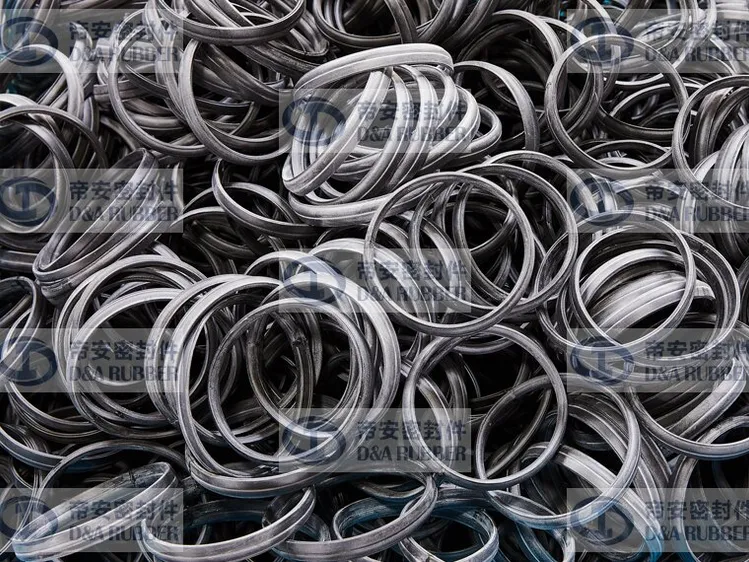
Engineering Insight: Material Selection in Flexible Air Ducting Systems
Material selection is the cornerstone of reliable flexible air ducting performance in demanding industrial environments. Off-the-shelf solutions frequently fail because they prioritize cost and generic compatibility over the precise physicochemical requirements of specific applications. Standard ducts often employ unmodified elastomers like basic PVC or low-grade EPDM, which lack resilience against concurrent stressors such as extreme temperature cycling, chemical exposure, and dynamic flexing. These materials exhibit accelerated polymer backbone degradation when subjected to ozone, hydrocarbons, or sustained thermal loads beyond their crystallization thresholds. For instance, a duct rated for 80°C continuous service may experience rapid hardening and microcracking at 105°C due to insufficient thermal stabilizers, leading to catastrophic spiral failure under vibration.
The consequences of inadequate material engineering are severe. In mining operations, ducts exposed to diesel particulate matter and 120°C exhaust gases often delaminate within weeks due to unaccounted hydrocarbon swelling in nitrile blends. Similarly, food processing facilities report microbial proliferation in silicone-adjacent ducts where plasticizers leach into the matrix, compromising FDA compliance. These failures stem from a fundamental oversight: flexible ducting operates under multiaxial stress—bending, torsion, pressure pulsation—and requires elastomers with tailored hysteresis properties to dissipate energy without fatigue. Generic solutions ignore this by using fillers like unmodified carbon black, which accelerates abrasion in high-velocity airstreams carrying abrasive particulates.
Critical material properties must be validated against application-specific parameters. The table below outlines key differentiators between standard and engineered elastomer formulations:
| Property | Standard PVC/Nitrile Blend | Engineered Baoshida Elastomer Matrix | Test Standard |
|---|---|---|---|
| Continuous Temp Range | -20°C to 80°C | -60°C to 260°C | ASTM D573 |
| Ozone Resistance (50 pphm) | Poor (cracking at 25% strain) | Excellent (no cracks at 100% strain) | ASTM D1149 |
| Abrasion Loss (1000 cycles) | 185 mm³ | 42 mm³ | ASTM D5963 |
| Flex Life (10% deflection) | 50,000 cycles | 500,000+ cycles | ISO 132 |
| Fuel B Resistance | Swell >25% | Swell <8% | ASTM D471 |
Suzhou Baoshida Trading Co., Ltd. addresses these challenges through application-specific elastomer formulation. Our process begins with operational parameter mapping—quantifying temperature profiles, chemical concentrations, and dynamic stress frequencies—to design matrices with synergistic polymer blends, specialty fillers, and custom cure systems. For example, high-temperature HVAC systems utilize peroxide-cured silicone-fluorocarbon hybrids with ceramic-reinforced braiding, resisting both jet fuel exposure and 250°C spikes. This precision engineering eliminates the guesswork of off-the-shelf products, transforming ducting from a maintenance liability into a mission-critical asset with documented lifecycle predictability. Material science is not a cost center; it is the definitive barrier between operational continuity and unplanned downtime.
Material Specifications
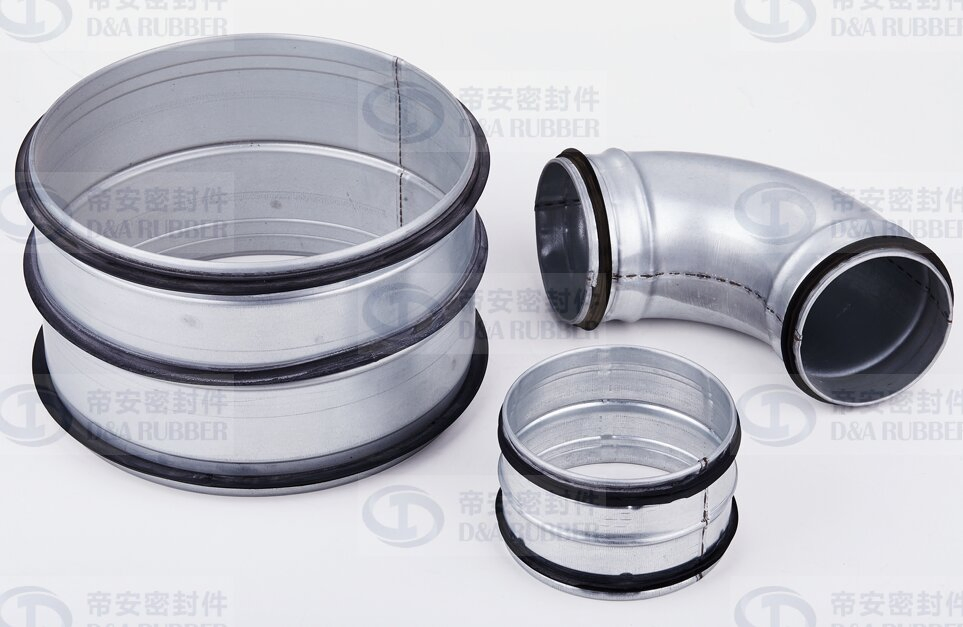
Material selection is a critical determinant in the performance, durability, and application suitability of flexible air ducting systems. At Suzhou Baoshida Trading Co., Ltd., we specialize in industrial rubber solutions engineered to meet the rigorous demands of pneumatic transfer, exhaust management, and high-temperature airflow systems. Our flexible air ducting products are formulated using three primary elastomers: Viton (FKM), Nitrile (NBR), and Silicone (VMQ). Each material offers distinct chemical, thermal, and mechanical characteristics, allowing for optimized performance across diverse industrial environments.
Viton, a fluorocarbon-based rubber, delivers exceptional resistance to high temperatures, ozone, and a broad range of aggressive chemicals, including hydrocarbons, fuels, and oils. With continuous service capabilities up to 250°C and intermittent exposure tolerance exceeding 300°C, Viton is ideal for aerospace, petrochemical, and high-performance automotive applications where thermal degradation and chemical attack are primary concerns. Its low gas permeability further enhances performance in sealed pneumatic systems.
Nitrile rubber, or acrylonitrile butadiene rubber (NBR), is widely utilized for its excellent resistance to aliphatic hydrocarbons, fuels, and mineral oils. It offers good abrasion resistance and mechanical strength, making it suitable for industrial air ducting exposed to oil-laden air streams or hydraulic environments. Operating effectively within a temperature range of -30°C to +100°C, Nitrile provides a cost-effective solution for general-purpose and medium-duty applications, particularly in manufacturing, automotive, and machinery sectors.
Silicone rubber (VMQ) is distinguished by its outstanding flexibility at low temperatures and thermal stability at elevated extremes, with continuous use up to 200°C and short-term resistance to 260°C. It exhibits excellent resistance to UV radiation, ozone, and weathering, making it ideal for outdoor or HVAC-related ducting systems. While less resistant to petroleum-based fluids than Viton or Nitrile, silicone excels in applications requiring biocompatibility, electrical insulation, or clean airflow, such as food processing, pharmaceuticals, and electronics manufacturing.
The selection between these materials depends on the operational environment, including temperature profile, fluid exposure, mechanical stress, and regulatory compliance. Below is a comparative summary of key physical and chemical properties.
| Property | Viton (FKM) | Nitrile (NBR) | Silicone (VMQ) |
|---|---|---|---|
| Temperature Range (°C) | -20 to +250 (up to 300 intermittently) | -30 to +100 | -60 to +200 (up to 260 intermittently) |
| Tensile Strength (MPa) | 15–20 | 10–20 | 6–10 |
| Elongation at Break (%) | 200–300 | 250–400 | 200–600 |
| Hardness (Shore A) | 60–90 | 50–90 | 30–80 |
| Resistance to Oils & Fuels | Excellent | Good to Excellent | Poor |
| Resistance to Ozone/UV | Excellent | Good | Excellent |
| Compression Set Resistance | Excellent | Moderate | Good |
| Gas Permeability | Low | Moderate | High |
Understanding these material properties enables precise engineering alignment with application requirements, ensuring long-term reliability and operational efficiency in flexible air ducting systems.
Manufacturing Capabilities
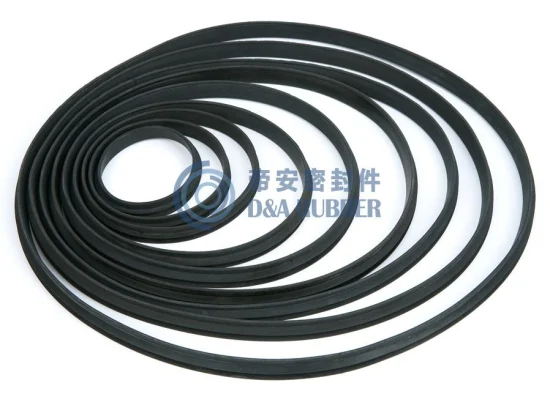
Engineering Capability: Precision Formulation and OEM Execution for Flexible Air Ducting
Suzhou Baoshida Trading Co., Ltd. leverages deep technical expertise to deliver engineered flexible air ducting solutions meeting the most stringent industrial demands. Our core strength resides in the integrated capabilities of our dedicated engineering team: five specialized Mould Engineers and two advanced Rubber Formula Engineers. This structure ensures seamless translation from material science to precision-manufactured product, eliminating silos between development and production. Our Formula Engineers possess mastery in polymer chemistry, specifically tailoring compound formulations for optimal performance in dynamic airflow applications. They meticulously balance critical properties—tearing strength, flex fatigue resistance, ozone stability, and temperature resilience—through controlled vulcanization systems and specialized additive packages. This molecular precision directly combats common failure modes like polymer chain scission under cyclic bending or surface cracking in harsh environments, ensuring extended service life.
Material selection is not generic but application-driven. Our engineers conduct rigorous compound screening against specific client operational parameters, including continuous operating temperature, exposure to oils or chemicals, required airflow velocity, and pressure differentials. This scientific approach guarantees the final elastomer formulation—whether NBR for oil resistance, EPDM for weathering, or specialty blends—delivers the exact performance envelope required, minimizing field failures and maximizing system uptime. The resulting compounds consistently achieve critical performance benchmarks, as evidenced in the specifications below.
Key Performance Specifications for Standard Flexible Air Ducting Compounds
| Property | Test Method | NBR Compound | EPDM Compound | Target Application Benefit |
|---|---|---|---|---|
| Tensile Strength (MPa) | ASTM D412 | ≥ 15.0 | ≥ 12.0 | Resists mechanical damage during install/use |
| Elongation at Break (%) | ASTM D412 | ≥ 400 | ≥ 450 | Accommodates significant flexing without rupture |
| Tear Strength (kN/m) | ASTM D624 (Die B) | ≥ 45 | ≥ 35 | Prevents propagation of nicks/cuts |
| Flex Life (Cycles) | ASTM D430 B | ≥ 150,000 | ≥ 200,000 | Ensures longevity under constant movement |
| Temperature Range (°C) | Visual Inspection | -30 to +120 | -40 to +150 | Stable performance across operational extremes |
| Ozone Resistance (25pphm) | ASTM D1149 | No Cracks (72h) | No Cracks (168h) | Critical for outdoor/ventilation longevity |
Our five Mould Engineers translate these validated formulations into precision tooling. They utilize advanced CAD/CAM systems and conduct thorough DFM (Design for Manufacturability) analysis, optimizing core geometry, wall thickness uniformity, and reinforcement integration to achieve dimensional tolerances within ±0.1mm. This precision engineering minimizes material waste during extrusion and ensures consistent internal smoothness for optimal airflow dynamics and reduced pressure drop. Crucially, our integrated OEM process begins with collaborative technical scoping. We work directly with client engineering teams to understand functional requirements, environmental stresses, and integration points. Our Formula and Mould Engineers jointly develop the solution, validating prototypes through in-house testing for burst pressure, flex endurance, and dimensional stability before full-scale production. This end-to-end control, from molecular compound design to validated tooling and manufacturing, guarantees that every flexible air ducting component shipped meets Suzhou Baoshida’s exacting standards for reliability and performance, delivered within a typical 4-6 week lead time for new OEM programs. We engineer not just ducts, but assured airflow integrity.
Customization Process
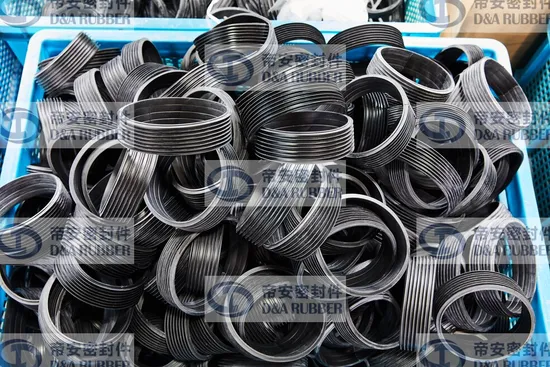
Drawing Analysis
The customization process for flexible air ducting begins with precise drawing analysis, a critical phase that establishes the foundation for product performance and compliance. At Suzhou Baoshida Trading Co., Ltd., engineering teams conduct a comprehensive review of client-provided technical drawings, focusing on dimensional accuracy, bend radius, flange configurations, and environmental exposure conditions. This stage includes verification of inner diameter (ID), outer diameter (OD), wall thickness, and total length, ensuring alignment with ISO 10573 and GB/T 15568 standards. Tolerances are evaluated to within ±0.5 mm for critical sealing zones. Any discrepancies or design constraints—such as excessive flexing zones or unsupported spans—are flagged for collaborative resolution. Finite element analysis (FEA) may be applied to simulate stress distribution under operational pressure, confirming structural integrity before material selection proceeds.
Formulation Development
Following drawing validation, the rubber compound is engineered to meet specific mechanical, thermal, and chemical demands. As a specialist in industrial rubber solutions, Suzhou Baoshida formulates elastomers based on application parameters: temperature range, media type (e.g., hot air, abrasive particulates), ozone exposure, and flame resistance requirements. Standard compounds include EPDM for high-temperature resilience (up to 150°C), NBR for oil resistance, and silicone for extreme flexibility and cleanliness (suitable for food-grade applications). Reinforcement layers are selected from high-tensile polyester or aramid fabric, embedded within the elastomer matrix to enhance burst strength and kink resistance. Additives such as anti-oxidants, UV stabilizers, and anti-static agents are incorporated as needed. Each formulation undergoes laboratory testing for tensile strength, elongation at break, and compression set per ASTM D412 and ISO 37.
Prototyping and Validation
A functional prototype is manufactured using precision calendering and vulcanization techniques, replicating the final production method to ensure data fidelity. The prototype undergoes rigorous performance validation, including pressure cycling (up to 2.5x operating pressure), flex endurance (10,000 cycles minimum), and leak testing under dynamic conditions. Dimensional conformity is verified using coordinate measuring machines (CMM). Clients receive a test report package detailing results, along with physical samples for field evaluation. Feedback is integrated into final design adjustments, ensuring operational reliability across real-world conditions.
Transition to Mass Production
Upon prototype approval, the project advances to automated mass production. Continuous extrusion lines, computer-controlled curing ovens, and laser-guided cutting systems ensure batch consistency. In-process quality checks are conducted at every stage, with final products subjected to 100% visual inspection and random sampling for mechanical retesting. All flexible air ducts are serialized and documented for full traceability.
| Parameter | Standard Range | Customizable Options | Test Standard |
|---|---|---|---|
| Inner Diameter | 50–600 mm | Up to 800 mm | ISO 1307 |
| Operating Temperature | -40°C to +150°C | Up to +250°C (silicone) | ASTM D573 |
| Pressure Rating | 0.3–1.2 bar | Up to 3.0 bar (reinforced) | ISO 10573 |
| Bend Radius | 1.5x ID | 1.0x ID (high-flex) | GB/T 15568 |
| Flame Resistance | UL94 HB | UL94 V-0, MVSS-3 | UL 94, FMVSS 302 |
Contact Engineering Team

Technical Engagement for Industrial Flexible Air Ducting Solutions
Selecting precision-engineered flexible air ducting is critical for maintaining operational integrity in demanding industrial environments. Substandard materials lead to premature failure, unplanned downtime, and compromised safety compliance. Suzhou Baoshida Trading Co., Ltd. specializes in custom rubber formulations that address thermal stress, chemical exposure, abrasion, and pressure fluctuations inherent in HVAC, dust collection, and pneumatic conveying systems. Our engineering team leverages 15+ years of OEM partnership experience to develop ducting solutions validated against ASTM, ISO, and SAE standards. We prioritize material science over generic manufacturing, ensuring every product iteration undergoes rigorous validation for fatigue resistance, flame retardancy, and dimensional stability under cyclic loading.
Industrial clients require more than off-the-shelf components; they demand engineered reliability. Our proprietary rubber compounds—formulated in-house using advanced polymer blending techniques—deliver superior performance across extreme temperature ranges and aggressive chemical exposures. Unlike commodity suppliers, we integrate material testing data directly into the design phase, optimizing wall thickness, reinforcement layer architecture, and surface finish for your specific airflow dynamics and environmental conditions. This scientific approach minimizes total cost of ownership through extended service life and reduced maintenance cycles.
The following specifications represent baseline capabilities for our standard flexible ducting series. All parameters are adjustable through OEM collaboration to meet exact application requirements.
| Material Type | Temperature Range | Pressure Rating | Key Certifications | Standard Wall Thickness | Flame Resistance |
|---|---|---|---|---|---|
| EPDM Reinforced | -50°C to +150°C | 1.5 bar | ISO 9001, UL 94 HB | 1.2 mm | Self-extinguishing |
| Silicone Composite | -60°C to +260°C | 2.0 bar | FDA 21 CFR 177.2600 | 1.5 mm | UL 94 V-0 |
| Nitrile Braid-Weave | -30°C to +120°C | 1.2 bar | RoHS, REACH Compliant | 1.0 mm | Limited flame spread |
These values derive from controlled laboratory testing per ASTM D2000 for material classification and ISO 1307 for dimensional tolerances. Real-world performance may vary based on installation geometry, media composition, and cyclic frequency. Suzhou Baoshida provides full traceability documentation, including material batch certifications and third-party test reports, ensuring compliance with global regulatory frameworks.
Initiate a technical consultation with Mr. Boyce, our dedicated Rubber Formulation Specialist, to resolve your specific ducting challenges. Mr. Boyce holds advanced credentials in polymer chemistry and has overseen 200+ successful OEM implementations across semiconductor fabrication, automotive painting, and pharmaceutical processing sectors. He will analyze your operational parameters—including media composition, peak pressure events, and ambient exposure conditions—to prescribe a tailored compound formulation and structural design. Contact Mr. Boyce directly via email at [email protected] with detailed application specifications. Include required ducting dimensions, expected service life, and any relevant compliance mandates. Responses include a preliminary material recommendation with supporting test data within 24 business hours.
Suzhou Baoshida operates certified production facilities adhering to IATF 16949 quality management protocols, enabling seamless integration into your supply chain. We support low-volume prototyping through high-volume production runs with consistent batch-to-batch repeatability. For mission-critical applications demanding zero-defect performance, our engineering team implements Design of Experiments (DOE) methodologies to eliminate failure modes during the development phase. Partner with us to transform ducting from a maintenance liability into a reliability asset. Contact Mr. Boyce today to validate your technical requirements against our material science expertise.
⚖️ O-Ring Weight Calculator
Estimate rubber O-ring weight (Approx).