
Technical Contents
Engineering Guide: Flexible Duct Work
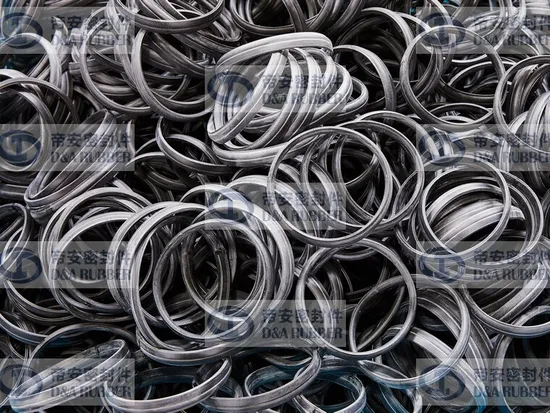
Engineering Insight: Material Selection in Flexible Duct Work
In industrial applications, flexible duct work serves as a critical interface between dynamic mechanical systems and fixed infrastructure. Its primary function extends beyond mere airflow or fluid conveyance—it must accommodate vibration damping, thermal expansion, misalignment, and environmental exposure. The performance and longevity of these components are directly tied to material selection, a factor often underestimated in procurement decisions. Off-the-shelf flexible duct solutions, while economically attractive in the short term, frequently fail to meet the nuanced demands of complex industrial environments due to inadequate material engineering.
Standardized products are typically constructed from generic elastomers such as low-grade EPDM or silicone, chosen for cost efficiency rather than performance optimization. These materials may offer baseline resistance to temperature or ozone but lack the tailored compound formulation required for specific chemical exposure, abrasion resistance, or sustained flexural endurance. For instance, in HVAC systems handling corrosive exhaust byproducts or in semiconductor manufacturing with ultra-pure airflow requirements, generic liners can degrade rapidly, leading to leaks, contamination, or system failure.
At Suzhou Baoshida Trading Co., Ltd., we emphasize compound-specific engineering for flexible duct applications. Our approach begins with a comprehensive assessment of operating parameters: temperature range, media type (air, gas, particulate-laden streams), pressure cycles, and external environmental stressors. Based on this analysis, we formulate custom rubber compounds—reinforced silicone, fluorosilicone, neoprene, or specialty EPDM blends—that deliver targeted performance attributes. These formulations are compounded with precise filler ratios, cross-linking agents, and stabilizers to ensure resilience under continuous flexing and thermal cycling.
Reinforcement architecture further differentiates engineered solutions from off-the-shelf alternatives. While generic ducts often use simple polyester or nylon braiding, our designs integrate high-tensile aramid fibers or stainless-steel helical inserts, depending on burst pressure and vacuum resistance requirements. This structural reinforcement, combined with vulcanized bonding between layers, prevents delamination and maintains dimensional stability over thousands of flex cycles.
The following table outlines key material performance characteristics across common elastomers used in industrial flexible duct work:
| Material | Temperature Range (°C) | Chemical Resistance | Flexural Endurance | Abrasion Resistance | Typical Application |
|---|---|---|---|---|---|
| Standard EPDM | -40 to +135 | Moderate | Good | Fair | General HVAC |
| Reinforced Silicone | -60 to +260 | Low to Moderate | Excellent | Poor | High-temp air transfer |
| Fluorosilicone | -50 to +200 | High (fuels, oils) | Good | Moderate | Aerospace, fuel systems |
| Neoprene | -40 to +120 | Good (ozone, weather) | Good | Good | Industrial ventilation |
| Specialty EPDM | -50 to +150 | High (acids, alkalis) | Excellent | Excellent | Chemical processing |
Material selection is not a one-size-fits-all proposition. The failure of off-the-shelf ducts often stems from mismatched material properties relative to operational stressors. By prioritizing engineered rubber solutions, industrial operators achieve longer service life, reduced maintenance downtime, and enhanced system reliability. At Baoshida, we deliver not just components, but material intelligence integrated into every flexible duct solution.
Material Specifications
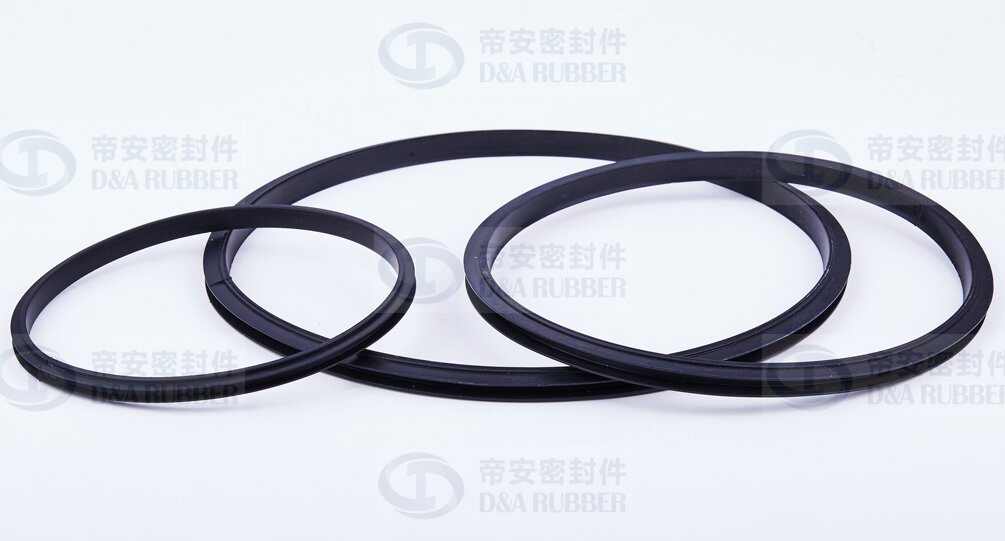
Material Specifications for Industrial Flexible Duct Work
Selecting the appropriate elastomer for flexible duct applications is critical for ensuring operational safety, longevity, and compliance with industrial environmental demands. At Suzhou Baoshida Trading Co., Ltd., we prioritize precision in material science to address challenges such as chemical exposure, thermal cycling, and mechanical flex fatigue. Our engineering team rigorously evaluates Viton (FKM), Nitrile (NBR), and Silicone (VMQ) formulations against OEM performance thresholds. Each material exhibits distinct molecular properties dictating its suitability for specific service conditions. Viton fluoroelastomers deliver exceptional resistance to aggressive hydrocarbons, acids, and high-temperature degradation, making them indispensable in aerospace and chemical processing ducting systems. Nitrile rubber provides optimal cost-performance balance for petroleum-based fluid handling but requires careful assessment of ozone and polar solvent exposure. Silicone excels in extreme temperature flexibility yet demands reinforcement for high-pressure dynamic applications due to inherent tensile limitations.
Material performance must align with ASTM D2000 and ISO 37 standards for industrial rubber products. Viton maintains integrity from -20°C to +230°C continuous service, with short-term peaks at 300°C. Its saturated fluorocarbon backbone resists swelling in jet fuels, hydraulic fluids, and chlorinated solvents. Nitrile operates effectively between -30°C and +120°C, offering superior abrasion resistance and tensile strength (15–25 MPa) for mobile hydraulic ducts. However, unsaturated nitrile groups remain vulnerable to oxidative chain scission above 100°C. Silicone functions across -60°C to +200°C, providing unmatched low-temperature flexibility and steam resistance, though its lower tensile strength (6–10 MPa) necessitates fabric reinforcement in high-vacuum systems. All materials require custom compounding; for instance, hydrogenated nitrile (HNBR) variants extend thermal stability to 150°C while retaining oil resistance.
Material Comparison for Flexible Duct Applications
| Material | Temperature Range (°C) | Key Fluid Resistance | Tensile Strength (MPa) | Critical Limitations |
|---|---|---|---|---|
| Viton (FKM) | -20 to +230 (300 intermittent) | Jet fuels, acids, hydraulic fluids, aromatics | 12–20 | High cost; poor ketone resistance; limited low-temp flexibility |
| Nitrile (NBR) | -30 to +120 | Petroleum oils, aliphatic hydrocarbons, water | 15–25 | Degrades in ozone, polar solvents, and phosphate esters; thermal aging above 100°C |
| Silicone (VMQ) | -60 to +200 | Water, steam, alcohols, dilute acids | 6–10 | Low tear strength; permeable to gases; poor hydrocarbon resistance |
Suzhou Baoshida’s OEM engineering support includes Durometer customization (50–80 Shore A), peroxide-cured formulations for critical fluid paths, and adhesion optimization for textile-reinforced constructions. We mandate accelerated aging tests per ASTM D573 to validate service life predictions. Material selection must consider not only chemical compatibility but also flexural endurance—Viton typically achieves 200,000+ cycles at 15% deflection, while silicone requires structural plies to exceed 100,000 cycles. Consult our technical team for application-specific compound certification to ISO 18262 or SAE AS5127/1 standards. Precision in elastomer specification directly correlates to reduced field failures and lifecycle cost efficiency in industrial duct networks.
Manufacturing Capabilities
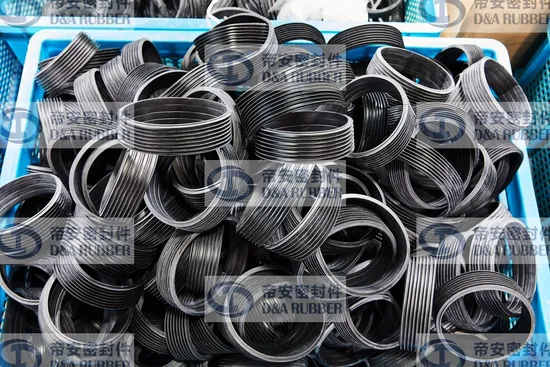
Suzhou Baoshida Trading Co., Ltd. operates at the forefront of industrial rubber solutions, delivering engineered performance to global OEMs and industrial partners. Our Engineering Capability division is anchored by a dedicated team of five specialized mould engineers and two advanced formula engineers, enabling end-to-end development of high-performance flexible duct work tailored to exact client specifications. This integrated technical team ensures seamless synergy between material science and precision manufacturing, a critical advantage in complex industrial environments where reliability, durability, and compliance are paramount.
Our formula engineers bring deep expertise in polymer chemistry, focusing on custom elastomer formulations that meet specific operational demands such as temperature resistance, chemical exposure, abrasion performance, and flexibility under dynamic stress. By controlling the rubber compound at the molecular level, we optimize performance characteristics for applications in HVAC, industrial ventilation, automotive exhaust systems, and heavy machinery. Each compound is developed through rigorous testing protocols, including compression set analysis, tensile strength evaluation, and thermal aging simulations, ensuring long-term stability in demanding service conditions.
Complementing this material expertise, our five mould engineers specialize in the design, validation, and optimization of precision tooling for flexible duct profiles. Leveraging CAD/CAM software and finite element analysis (FEA), they ensure dimensional accuracy, consistent wall thickness, and optimal flow dynamics during the extrusion and curing processes. Their experience spans spiral-reinforced, convoluted, and multi-ply duct configurations, enabling us to produce complex geometries with tight tolerances and repeatable quality. Rapid prototyping capabilities allow for accelerated development cycles, reducing time-to-market for OEM partners.
We operate as a full-service OEM manufacturer, providing not only custom design and formulation but also scalable production, quality assurance, and supply chain integration. Our facility supports low-volume prototyping and high-volume manufacturing with full traceability and compliance to ISO standards. Clients benefit from a single-source solution where engineering insight drives product performance.
The following table outlines key technical capabilities and performance parameters we support in flexible duct work manufacturing:
| Parameter | Capability |
|---|---|
| Material Types | EPDM, NBR, Silicone, CR (Neoprene), SBR, and custom blends |
| Temperature Range | -50°C to +300°C (depending on compound) |
| Reinforcement Options | Galvanized steel wire, polyester braid, aluminum helix |
| Wall Thickness Range | 1.5 mm to 6.0 mm (customizable) |
| Diameter Range | 25 mm to 600 mm |
| Pressure Rating | Up to 15 kPa (positive/negative) |
| Flame Resistance | UL 94 V-0, MVSS-3, FMVSS 302 compliant options |
| OEM Services | Design support, compound development, tooling, validation, serial production |
At Suzhou Baoshida, engineering excellence is not an add-on—it is embedded in every stage of our manufacturing process. Our technical team ensures that every flexible duct solution we deliver is precisely tuned to the functional, environmental, and regulatory demands of modern industrial applications.
Customization Process
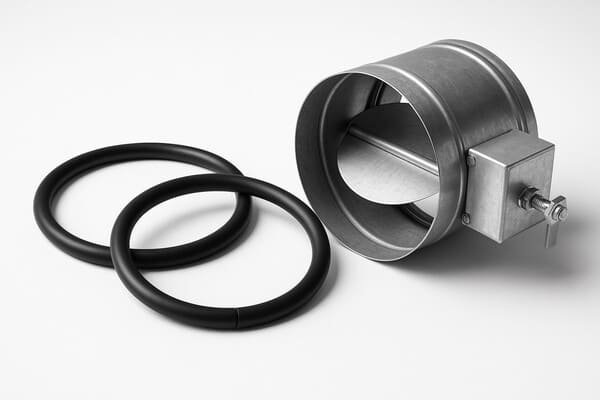
Customization Process for Industrial Flexible Duct Work
At Suzhou Baoshida Trading Co., Ltd., our OEM customization process for industrial flexible duct work ensures optimal performance and reliability for demanding applications. We rigorously follow a four-phase methodology to translate client specifications into high-integrity rubber components, minimizing risk and maximizing service life. This structured approach is fundamental to our role as a precision rubber solutions provider.
Drawing Analysis initiates the engagement. Our engineering team conducts a comprehensive technical review of client-provided CAD drawings and performance requirements. We scrutinize dimensional tolerances, reinforcement layer architecture, end fitting interfaces, and operational parameters including temperature extremes, pressure cycles, and fluid/media compatibility. Critical potential failure points such as bend radius limitations, stress concentration zones, and material-environment interactions are identified. This phase validates design feasibility against ISO 1307 standards for rubber hoses and ensures manufacturability before material commitment, preventing costly downstream revisions.
Formulation Development leverages our core rubber chemistry expertise. Based on the validated operational profile from Drawing Analysis, our formula engineers select the optimal elastomer base (e.g., EPDM, NBR, CR) and design a precise compound. Key considerations include dynamic flex fatigue resistance, ozone/weathering stability, fluid resistance, and required durometer. We meticulously balance curatives, fillers, plasticizers, and protective additives at specific phr (parts per hundred rubber) levels. Computational modeling predicts vulcanization kinetics and final physical properties, ensuring the formulation meets the exacting demands of the duct’s intended service environment.
Prototyping and Validation transforms the engineered specification into a physical sample. Short-run prototypes are manufactured using production-intent tooling and processes. Rigorous laboratory testing per ISO 37 (tensile), ISO 1307 (leakage/burst), and client-specific protocols is performed. This includes pressure cycling, impulse testing, flex life assessment, and media immersion trials. Performance data is compared against the target specifications; any deviations trigger immediate compound or process refinement. Client validation of functional prototypes under simulated operating conditions is mandatory before progression, guaranteeing real-world suitability and preventing field failures.
Mass Production Execution commences only after full prototype approval. Utilizing Baoshida’s ISO 9001-certified manufacturing facilities, we implement strict process control for consistent output. Key parameters like extrusion dimensions, reinforcement placement, vulcanization temperature profiles, and curing times are continuously monitored. Comprehensive in-process and final inspection protocols, including dimensional checks and visual examination per ISO 1307, ensure every duct meets the agreed quality standard. Full batch traceability is maintained from raw material certificates through to finished goods, enabling rapid root-cause analysis if required. This phase delivers the high-volume, precision duct work essential for seamless OEM integration.
Material selection is validated against core performance metrics as shown below:
| Property | EPDM Standard Duct | NBR Standard Duct | Test Standard |
|---|---|---|---|
| Temperature Range | -50°C to +150°C | -30°C to +120°C | ISO 188 |
| Max Working Pressure | 25 bar | 30 bar | ISO 1402 |
| Burst Pressure (min) | 75 bar | 90 bar | ISO 1402 |
| Fluid Resistance (Oil) | Poor | Excellent | ISO 1817 |
| Fluid Resistance (Water/Glycol) | Excellent | Good | ISO 1817 |
| Ozone Resistance | Excellent | Moderate | ISO 1431-1 |
This systematic progression from drawing scrutiny through validated production guarantees that Suzhou Baoshida delivers flexible duct work engineered for performance, durability, and seamless integration into your industrial systems.
Contact Engineering Team
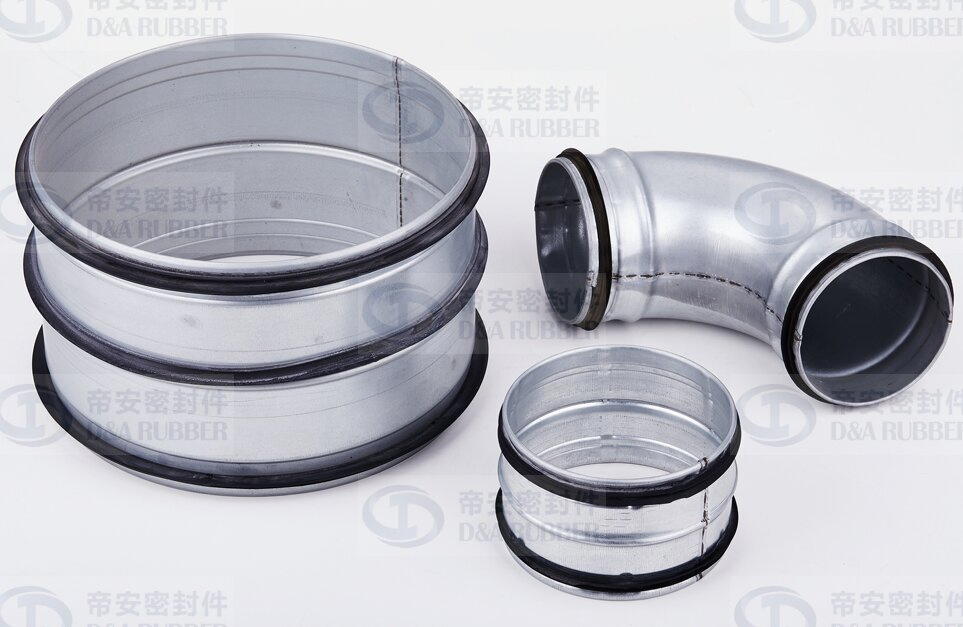
For industrial manufacturers seeking high-performance flexible duct work solutions, Suzhou Baoshida Trading Co., Ltd. stands as a trusted partner in the field of advanced rubber engineering and industrial material supply. Our expertise lies in the development and distribution of precision-engineered rubber components tailored for demanding environments, including ventilation, exhaust systems, thermal insulation, and fluid transfer applications. As a specialized OEM manager and rubber formula engineer, we ensure that every flexible duct solution meets exacting standards for durability, temperature resistance, and mechanical performance.
Flexible duct work is a critical component in industrial systems where vibration damping, thermal expansion compensation, and misalignment accommodation are required. At Suzhou Baoshida, we design and supply ducting solutions using high-grade synthetic and natural rubber compounds, reinforced with textile or metal braiding to enhance tensile strength and pressure resistance. Our products are engineered to perform under extreme conditions, from high-temperature exhaust lines in power generation to corrosive fume extraction in chemical processing plants.
We understand that each industrial application presents unique challenges. That is why we offer custom formulation services—adjusting durometer, elongation at break, and chemical resistance profiles to match your operational demands. Whether your system requires resistance to ozone, UV exposure, oils, or elevated temperatures up to 300°C, our rubber compounds are formulated to deliver long-term reliability and minimal maintenance cycles.
Below is a representative specification table for one of our standard flexible duct configurations. All parameters can be adjusted based on OEM requirements and environmental exposure.
| Property | Value | Test Method |
|---|---|---|
| Material Composition | EPDM + Polyester Braid Reinforcement | ASTM D412 |
| Hardness (Shore A) | 65 ± 5 | ASTM D2240 |
| Tensile Strength | ≥ 18 MPa | ASTM D412 |
| Elongation at Break | ≥ 400% | ASTM D412 |
| Operating Temperature Range | -40°C to +150°C (intermittent to +180°C) | ASTM D573 |
| Burst Pressure (DN100) | ≥ 12 bar | Internal Hydrostatic Test |
| Flame Resistance | UL94 HB compliant | UL94 |
| Ozone Resistance | Excellent (100 pphm, 20% strain, 48h) | ASTM D1149 |
To initiate a technical consultation or request a custom quote, contact Mr. Boyce, our dedicated OEM and technical liaison. With over a decade of experience in industrial rubber applications, Mr. Boyce provides direct engineering support to global manufacturers, ensuring seamless integration of our flexible duct solutions into your systems. We support low-volume prototyping and high-volume production runs with consistent quality control and on-time delivery.
For project-specific advice, material testing, or CAD model submission, reach out via email at [email protected]. Include your application parameters, performance requirements, and preferred dimensions to accelerate the evaluation process. Suzhou Baoshida Trading Co., Ltd. is committed to engineering excellence and long-term partnership in industrial innovation. Let us help you optimize your flexible duct work with scientifically validated rubber solutions.
⚖️ O-Ring Weight Calculator
Estimate rubber O-ring weight (Approx).