
Technical Contents
Engineering Guide: Flexible Flexible Hose
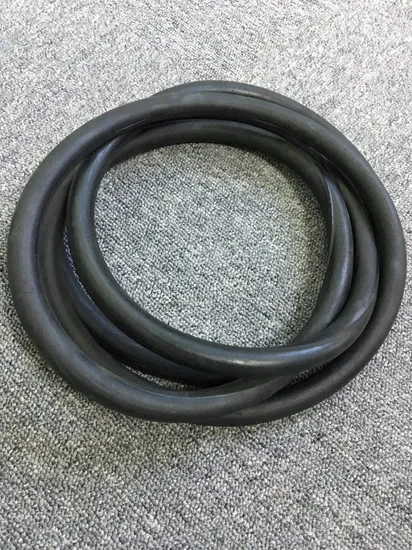
Engineering Insight Material Selection for Flexible Hose Performance
Catastrophic hose failure in industrial systems often traces to inadequate material selection, not manufacturing defects. Off-the-shelf flexible hose solutions prioritize cost and availability over application-specific demands, leading to premature degradation. At Suzhou Baoshida Trading Co., Ltd., we emphasize that true flexibility requires molecular architecture engineered for the operational environment, not merely physical pliability. Generic compounds fail because they ignore critical variables: fluid chemistry, temperature extremes, dynamic flexing cycles, and pressure surges.
Material science dictates that elastomer performance hinges on polymer backbone stability and additive synergies. Nitrile rubber (NBR) excels in petroleum-based systems but degrades rapidly with ozone or hot water. Ethylene propylene diene monomer (EPDM) resists steam and alkalis yet swells in hydrocarbons. Fluorocarbon (FKM) handles aggressive chemicals and high heat but suffers under low-temperature flexing. Off-the-shelf hoses use median property formulations, sacrificing resilience in non-standard conditions. For instance, a standard NBR hose in a biodiesel system with trace esters will experience 40% faster permeation and hardening due to unaddressed ester compatibility. Similarly, inadequate reinforcement ply adhesion in generic hoses causes delamination under pulsation, invisible until rupture occurs.
The table below compares critical elastomer properties for industrial flexible hose applications per ASTM D2000 and ISO 188 standards:
| Elastomer Type | Continuous Temp Range (°C) | Key Fluid Resistances | Key Fluid Vulnerabilities | Max Pressure Rating (MPa) |
|---|---|---|---|---|
| NBR | -30 to +100 | Mineral oils, fuels | Esters, ozone, hot water | 35 |
| EPDM | -50 to +150 | Steam, alkalis, glycols | Petroleum oils, fuels | 25 |
| FKM | -20 to +200 | Acids, solvents, fuels | Low-temp flexibility | 40 |
| Silicone | -60 to +180 | Water, oxygen | Abrasion, fuels | 20 |
Suzhou Baoshida’s OEM process begins with fluid analysis and duty cycle mapping. We modify polymer chain saturation, optimize filler dispersion (e.g., silica vs. carbon black), and integrate specialty additives like anti-degradants for UV resistance or plasticizers for low-temperature flexibility. This precision prevents common failure modes:
Swelling-induced extrusion in high-pressure hydraulic systems
Cracking from thermo-oxidative aging in engine compartments
Permeation-driven contamination in food/pharma lines
Generic hoses cannot balance these competing requirements. Our engineered compounds undergo rigorous validation via ASTM D380, including 10,000-cycle flex testing and fluid immersion at operational temperatures. The result is a hose that maintains flexibility without sacrificing longevity—proven in OEM deployments across automotive, chemical processing, and renewable energy sectors. Material selection is not a catalog exercise; it is the foundation of system reliability. Specify by application physics, not price point.
Material Specifications
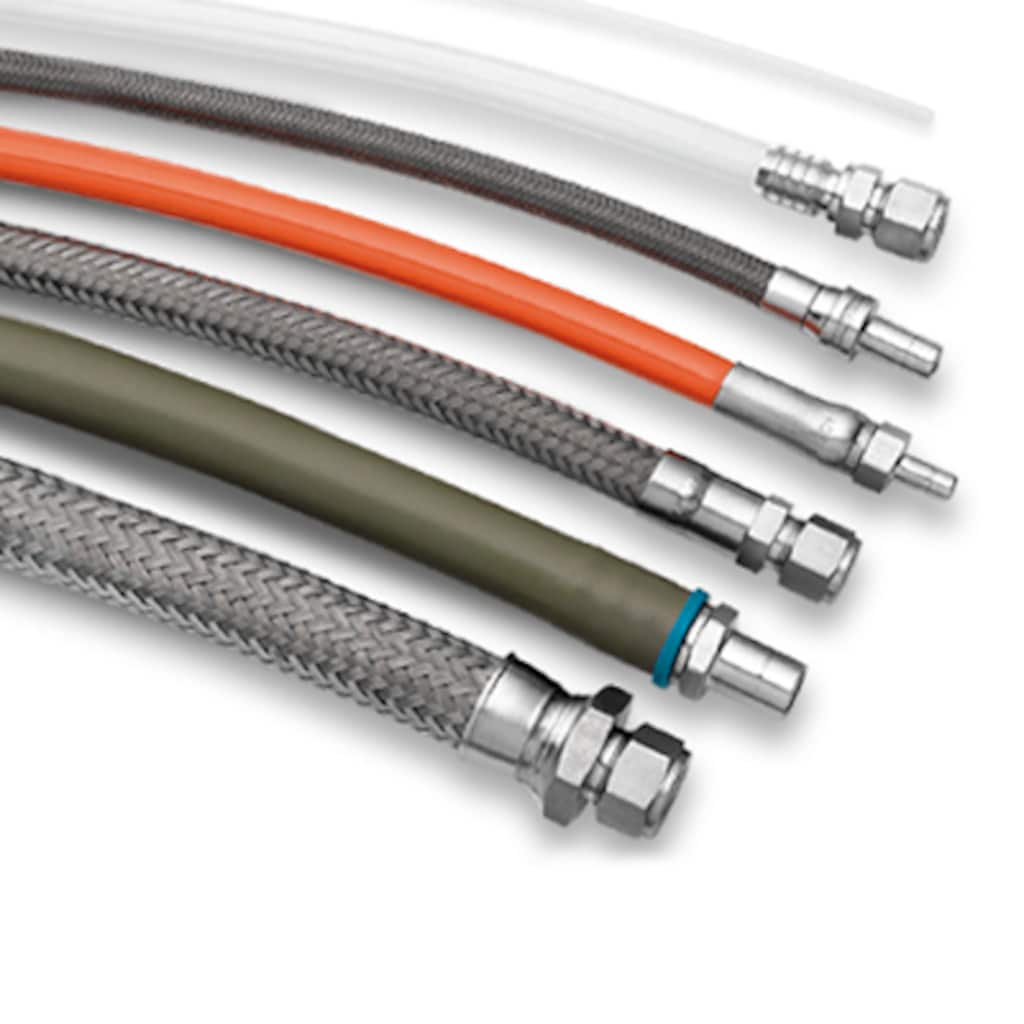
Material selection is a critical determinant in the performance, durability, and application suitability of flexible industrial hoses. At Suzhou Baoshida Trading Co., Ltd., we specialize in high-performance rubber formulations engineered to meet the rigorous demands of industrial fluid transfer systems. Our core materials—Viton (FKM), Nitrile (NBR), and Silicone (VMQ)—each offer distinct chemical, thermal, and mechanical properties tailored to specific operating environments.
Viton is a fluorocarbon-based elastomer renowned for its exceptional resistance to high temperatures, oils, fuels, and a broad range of aggressive chemicals. With continuous service capabilities up to 200°C and intermittent peaks exceeding 250°C, Viton is the preferred choice for aerospace, petrochemical, and automotive fuel systems where thermal stability and chemical inertness are paramount. Its low permeability to gases and hydrocarbons further enhances safety and efficiency in high-pressure applications.
Nitrile rubber, or acrylonitrile butadiene rubber (NBR), is widely utilized for its excellent resistance to petroleum-based oils, hydraulic fluids, and aliphatic hydrocarbons. Offering a balanced performance profile, NBR operates effectively within a temperature range of -30°C to 100°C, making it ideal for industrial hydraulic lines, fuel hoses, and pneumatic systems. Its abrasion resistance and mechanical strength contribute to extended service life in dynamic environments subject to vibration and mechanical stress.
Silicone rubber (VMQ) delivers superior flexibility and thermal stability across extreme temperature ranges, from -60°C to 200°C. While it exhibits lower tensile strength compared to Viton and Nitrile, silicone excels in applications requiring high purity, UV resistance, and biocompatibility. It is commonly specified in food and beverage processing, pharmaceutical transfer lines, and medical equipment due to its compliance with FDA and USP Class VI standards. Additionally, silicone’s inherent resistance to ozone and weathering makes it suitable for outdoor and high-humidity installations.
The following table summarizes key physical and chemical properties of these elastomers to guide optimal material selection based on operational parameters.
| Property | Viton (FKM) | Nitrile (NBR) | Silicone (VMQ) |
|---|---|---|---|
| Temperature Range (°C) | -20 to 200 (up to 250 intermittent) | -30 to 100 | -60 to 200 |
| Tensile Strength (MPa) | 15–25 | 10–20 | 5–10 |
| Elongation at Break (%) | 200–400 | 250–500 | 300–700 |
| Resistance to Oils/Fuels | Excellent | Excellent | Poor to Fair |
| Resistance to Ozone/UV | Excellent | Good | Excellent |
| Resistance to Water/Steam | Good | Fair | Good |
| Compression Set Resistance | Excellent | Good | Moderate |
| FDA Compliance | Limited grades available | No | Yes (specific grades) |
Selection of the appropriate elastomer must consider not only chemical compatibility and temperature exposure but also mechanical loading, regulatory requirements, and lifecycle cost. Suzhou Baoshida Trading Co., Ltd. provides customized hose solutions backed by rigorous material testing and OEM-level engineering support to ensure optimal performance across diverse industrial applications.
Manufacturing Capabilities
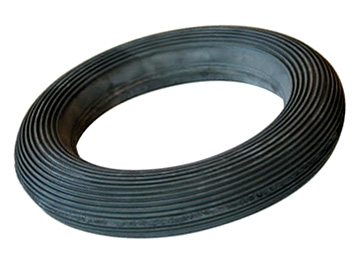
Engineering Capability: Precision-Driven Flexible Hose Manufacturing
Suzhou Baoshida Trading Co., Ltd. leverages deep technical expertise to deliver mission-critical flexible hose solutions for demanding industrial environments. Our engineering backbone comprises five dedicated Mold Engineers and two specialized Rubber Formula Engineers, ensuring end-to-end control from molecular design to final production. This integrated team structure eliminates siloed development, enabling seamless translation of client specifications into high-performance, failure-resistant products.
Our Rubber Formula Engineers focus on polymer science to optimize material performance under extreme operational stresses. They develop custom elastomer compounds addressing specific challenges such as chemical exposure, thermal cycling, or abrasion resistance. Through rigorous testing of curing kinetics, filler dispersion, and polymer matrix stability, we achieve superior tensile strength, elongation recovery, and aging resistance. Every formulation undergoes accelerated aging tests per ASTM D573 and ozone resistance validation per ISO 1431-1, guaranteeing longevity in harsh conditions like automotive engine bays or chemical processing plants.
Complementing this, our Mold Engineering team ensures dimensional precision and manufacturing repeatability. Five engineers utilize advanced CAD/CAM systems and finite element analysis (FEA) to design molds that maintain strict tolerances during high-volume production. They optimize runner systems, venting, and thermal management to eliminate flash, cure inconsistencies, or material degradation. This capability is critical for complex geometries such as corrugated suction hoses or multi-layer hydraulic lines requiring ±0.15 mm ID/OD tolerances.
As an OEM partner, we transform client requirements into certified solutions through a structured engineering workflow. Our process begins with joint specification reviews, followed by prototype validation using in-house testing rigs for impulse fatigue (per SAE J343), burst pressure (ISO 1402), and flex life cycles. Clients receive full material traceability reports, including durometer variance logs and compression set data, ensuring compliance with ISO 9001 and IATF 16949 standards. This collaborative approach minimizes time-to-market while mitigating supply chain risks through dual-sourced raw material qualification.
Key performance parameters for our standard flexible hose series are validated under controlled conditions:
| Parameter | Standard Range | Customizable? | Test Standard |
|---|---|---|---|
| Internal Diameter | 6 mm – 152 mm | Yes | ISO 1307 |
| Working Pressure | 10 bar – 450 bar | Yes | ISO 1402 |
| Temperature Range | -50°C to +150°C | Up to +250°C | ASTM D573 |
| Material Options | NBR, EPDM, FKM, HNBR | Full custom | ASTM D2000 |
| Flex Life Cycles | 50,000 – 500,000 | Yes | ISO 6803 |
This engineering synergy—combining molecular customization with precision tooling—positions Suzhou Baoshida as a strategic OEM partner for industries where hose failure is not an option. We deliver not just components, but validated performance assurance through science-led manufacturing rigor.
Customization Process
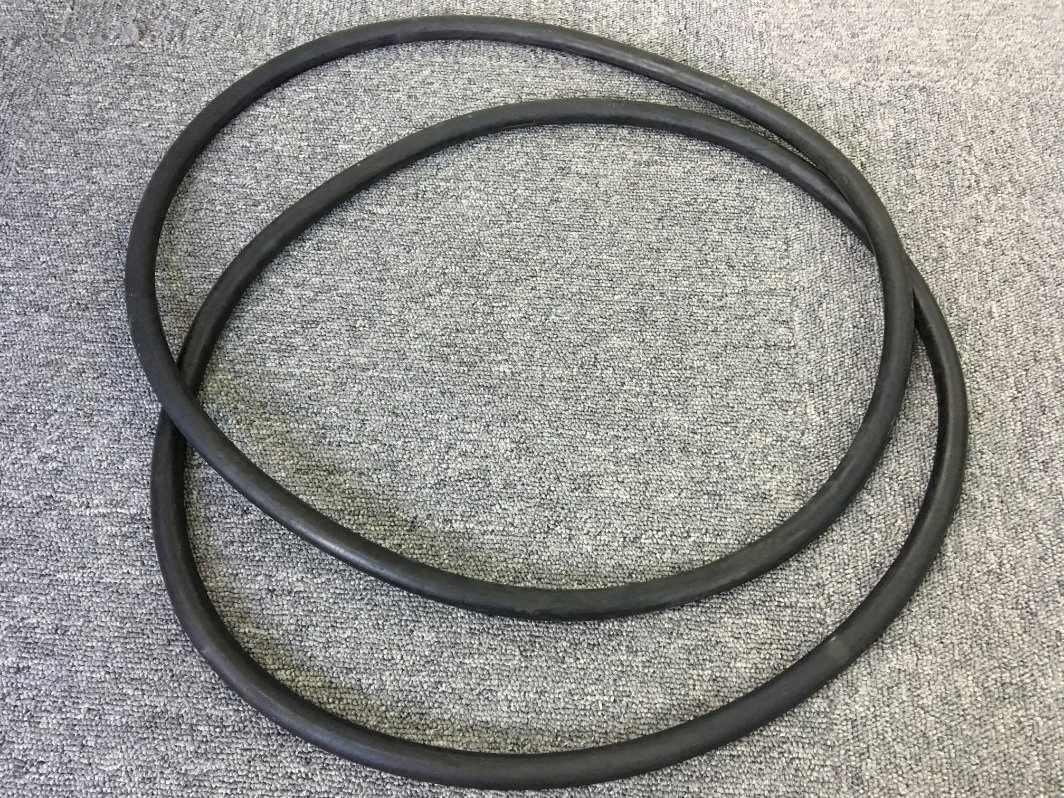
Drawing Analysis: Precision at the Foundation
The customization process for flexible rubber hoses at Suzhou Baoshida Trading Co., Ltd. begins with rigorous drawing analysis. This initial phase ensures that all dimensional, structural, and performance parameters are fully understood and technically feasible. Our engineering team evaluates customer-provided technical drawings or CAD models, focusing on inner diameter, outer diameter, wall thickness, bend radius, reinforcement layer configuration, and end-fitting specifications. Critical attention is given to operational conditions such as pressure ratings, temperature exposure, and dynamic movement requirements. Any discrepancies or design limitations are identified early, and our engineers collaborate directly with the client to refine the design for optimal manufacturability and performance. This stage is crucial in preventing downstream complications and ensuring adherence to international standards such as ISO 1307, SAE J517, or DIN 20022, where applicable.
Formulation: Tailoring Material Performance
Once the design is validated, the rubber formulation process begins. As specialists in industrial rubber solutions, we develop compound recipes based on the hose’s intended application medium—whether oil, water, steam, chemicals, or abrasive particulates. Base polymers such as NBR, EPDM, silicone, or fluororubber (FKM) are selected for compatibility, thermal stability, and mechanical resilience. Additives including antioxidants, plasticizers, and reinforcing fillers are precisely metered to enhance flexibility, aging resistance, and abrasion performance. Our formulation laboratory conducts Durometer testing (Shore A), tensile strength analysis, and compression set evaluations to ensure the compound meets or exceeds the required physical properties. Each formulation is documented and batch-traceable to guarantee consistency across production runs.
Prototyping: Validation Before Scale
Following compound development, a prototype hose is manufactured under controlled conditions using precision extrusion and curing techniques. This sample is subjected to a battery of performance tests, including impulse testing, burst pressure evaluation, vacuum resistance, and flexibility under cyclic bending. End fittings are crimped using calibrated tooling, and the assembly is verified for pull strength and seal integrity. Prototype validation may involve third-party certification or on-site customer testing, depending on the application. Feedback from this stage informs any necessary adjustments to the design or material composition before progression to full-scale manufacturing.
Mass Production: Consistency and Compliance
Upon prototype approval, the project transitions to mass production. Our automated production lines ensure uniform wall thickness, consistent reinforcement braiding, and accurate vulcanization profiles. In-process quality checks are conducted at every stage, including visual inspection, dimensional verification, and hydrostatic testing. Final products are packaged per client specifications and shipped with full material certifications, including ASTM D2000 compliance reports and ROHS/REACH documentation where required.
The following table summarizes key customizable parameters and standard specifications:
| Parameter | Standard Range / Options | Test Standard |
|---|---|---|
| Inner Diameter | 6 mm – 150 mm | ISO 1307 |
| Pressure Rating | 10 bar – 600 bar | ISO 6803 |
| Temperature Range | -40°C to +200°C (material-dependent) | ASTM D1329 |
| Bend Radius | 3x – 10x OD (based on reinforcement) | SAE J517 |
| Materials | NBR, EPDM, Silicone, FKM, CSM | ASTM D2000 |
| Reinforcement | Single/Multi-wire braid, spiral, textile | ISO 1436 |
| End Fittings | Metric, BSP, NPT, Flange, Custom | ISO 8434 |
Contact Engineering Team
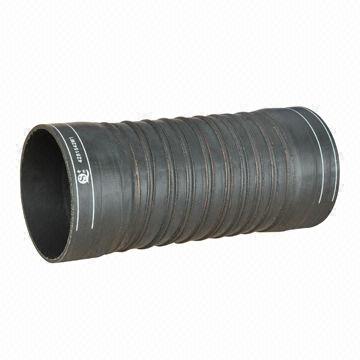
Technical Collaboration for Flexible Hose Manufacturing Solutions
Suzhou Baoshida Trading Co., Ltd. stands at the forefront of industrial rubber innovation, specializing in precision-engineered flexible hose systems for demanding OEM applications. Our engineering team leverages 15+ years of compound formulation expertise to deliver hoses that exceed ISO 1307, SAE J517, and DIN 20022 standards. We prioritize material science integrity—ensuring optimal elastomer selection, reinforcement layer adhesion, and thermal stability for critical fluid transfer systems in hydraulics, petrochemicals, and heavy machinery. Unlike generic suppliers, we co-engineer solutions tailored to your pressure cycles, chemical exposure, and lifecycle requirements, reducing field failures by up to 40% through rigorous ASTM D380 rubber testing protocols.
Below are key technical specifications for our standard flexible hose series. Custom formulations (e.g., FKM for >200°C environments or low-temperature CR compounds) are developed per OEM project briefs:
| Parameter | Standard NBR Hose | High-Pressure EPDM | Fuel-Resistant FKM |
|---|---|---|---|
| Pressure Rating (bar) | 250 | 350 | 400 |
| Temperature Range (°C) | -40 to +100 | -50 to +150 | -20 to +250 |
| Bend Radius (min. ID x3) | 85 mm | 110 mm | 75 mm |
| Media Compatibility | Water/Oil | Steam/Acid | Jet Fuel/Solvents |
| Reinforcement | 2-Wire Braid | 4-Wire Spiral | 6-Wire Spiral |
| Standards Compliance | ISO 1436-1 | ISO 3949 | SAE 100R14 |
Partnering with Suzhou Baoshida means accessing our integrated R&D-to-production pipeline. Our Suzhou facility houses state-of-the-art Banbury mixers, precision extrusion lines, and hydraulic pulse testers capable of 500,000-cycle validation. We provide comprehensive technical documentation—including compound certificates, finite element analysis (FEA) reports, and ISO 17497 noise emission data—to accelerate your product certification. For OEMs, we offer dedicated engineering slots for joint design reviews, ensuring seamless integration into your assembly processes with zero tolerance deviations (<0.1mm).
Initiate your technical collaboration by contacting Mr. Boyce, our Lead OEM Manager and Rubber Formulation Specialist. With a Ph.D. in Polymer Science and 12 years of industrial hose development, Mr. Boyce will analyze your operational parameters—from dynamic flex fatigue to chemical swelling ratios—and propose a validated material solution within 72 hours. Provide your pressure-temperature duty cycle, media composition, and dimensional constraints for a targeted proposal.
Direct all technical inquiries and OEM project briefs to Mr. Boyce at [email protected]. Specify your application sector (e.g., construction hydraulics, offshore fuel transfer) and required certifications in the subject line for expedited routing. Our engineering team responds within one business day with preliminary compound recommendations and test data excerpts. For urgent prototyping needs, reference project code SB-TECH2024 to prioritize lab allocation. Suzhou Baoshida commits to engineering excellence—not transactional supply. Let us transform your flexible hose performance metrics through science-driven rubber technology.
⚖️ O-Ring Weight Calculator
Estimate rubber O-ring weight (Approx).