
Technical Contents
Engineering Guide: Flexible Rubber
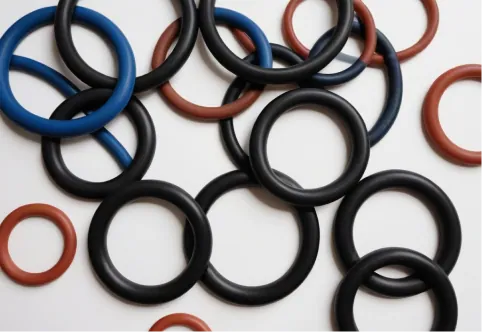
Engineering Insight: Material Selection in Flexible Rubber Applications
The term flexible rubber is frequently misapplied in industrial contexts, implying universal adaptability. In reality, flexibility alone is insufficient for mission-critical applications. Off-the-shelf elastomers often fail because they prioritize cost and general flexibility over engineered resilience against specific operational stressors. Industrial environments demand precise material properties aligned with chemical exposure, thermal cycling, dynamic loads, and longevity requirements. Generic solutions ignore these variables, leading to premature degradation, system contamination, or catastrophic failure.
Consider hydraulic seals in heavy machinery. Standard nitrile rubber (NBR) may appear flexible and cost-effective initially. However, when exposed to modern biodegradable hydraulic fluids, NBR swells by 30–40%, losing sealing integrity within weeks. Similarly, ethylene propylene diene monomer (EPDM) excels in steam resistance but hardens catastrophically when contacting petroleum-based oils. These failures stem from overlooking three non-negotiable factors: chemical compatibility, compression set resistance, and fatigue endurance under cyclic deformation. A seal flexing 10,000 times per hour requires elastomers with tailored polymer chain mobility and filler dispersion—unattainable in mass-produced compounds.
The consequences extend beyond part replacement. A failed diaphragm in a chemical pump can introduce particulate contaminants into sterile processes, triggering batch recalls. In automotive fuel systems, inadequate low-temperature flexibility causes seal extrusion below -40°C, risking flammability. OEMs report 68% of elastomer field failures originate from mismatched material selection, not design flaws.
Suzhou Baoshida Trading Co., Ltd. addresses this through application-specific compounding. We analyze fluid dynamics, surface friction coefficients, and failure mode histories to formulate elastomers that balance flexibility with targeted durability. Below is a comparison of common elastomers under standardized test conditions:
| Material | Temperature Range (°C) | Compression Set @100h/100°C | Key Fluid Vulnerability |
|---|---|---|---|
| Standard NBR | -30 to +100 | 25% | Swells in phosphate esters |
| Custom HNBR | -45 to +150 | 12% | Resists biodiesel oxidation |
| Standard EPDM | -50 to +150 | 18% | Degrades in mineral oils |
| Fluorosilicone | -60 to +200 | 15% | Fails in ketones |
| Baoshida FKM Hybrid | -25 to +230 | 8% | Stable in jet fuels |
Note: Compression set tested per ASTM D395; fluid exposure per ISO 1817.
Generic flexibility metrics (e.g., Shore A 50–70) mask critical weaknesses. True performance requires elastomers engineered at the molecular level—adjusting monomer ratios, crosslink density, and nano-fillers to resist specific attack vectors. For instance, our FKM hybrids integrate peroxide curing and silica reinforcement to achieve 8% compression set after 100 hours at 100°C, outperforming standard grades by 50%. This precision prevents seal relaxation in high-pressure aerospace actuators where 0.1mm leakage tolerance is non-negotiable.
Industrial reliability hinges on rejecting one-size-fits-all assumptions. Suzhou Baoshida partners with OEMs to translate operational data into bespoke rubber formulations, ensuring flexibility serves function—not compromise. The cost of failure far exceeds the investment in purpose-built elastomers.
Material Specifications
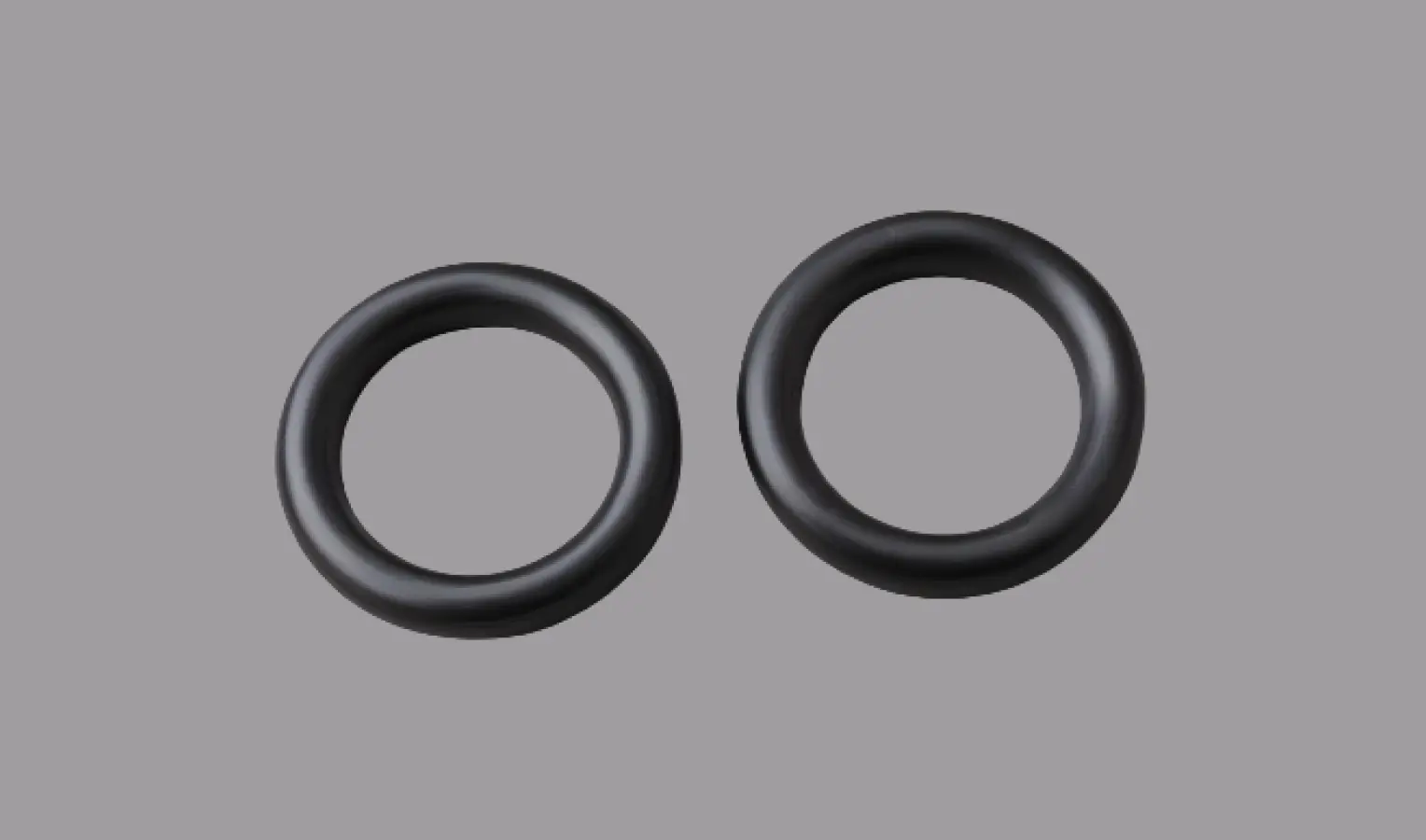
Material Specifications for Industrial Flexible Rubber Components
In industrial manufacturing, the selection of flexible rubber materials is critical to ensuring long-term performance, chemical resistance, temperature stability, and mechanical integrity. At Suzhou Baoshida Trading Co., Ltd., we specialize in high-performance elastomers tailored for demanding environments. Our core offerings—Viton (FKM), Nitrile (NBR), and Silicone (VMQ)—are engineered to meet stringent OEM requirements across automotive, aerospace, chemical processing, and medical device industries. Each material exhibits distinct physical and chemical properties, enabling precise matching to operational conditions.
Viton, a fluorocarbon-based rubber, delivers exceptional resistance to high temperatures, oils, fuels, and aggressive chemicals. With a continuous service temperature range of -20°C to 230°C (short-term up to 300°C), Viton is ideal for sealing applications in extreme thermal and chemical environments. Its low gas permeability and excellent aging characteristics make it a preferred choice for aerospace fuel systems and semiconductor processing equipment. However, Viton has limited flexibility at low temperatures and higher material costs compared to alternatives.
Nitrile rubber, a copolymer of butadiene and acrylonitrile, is widely used for its outstanding resistance to petroleum-based oils, hydraulic fluids, and greases. It performs reliably within a temperature range of -40°C to 120°C, with specialized high-acrylonitrile formulations extending upper limits to 150°C. Nitrile offers good abrasion resistance and mechanical strength, making it suitable for dynamic seals, O-rings, and gaskets in automotive and industrial hydraulic systems. Its primary limitation lies in poor resistance to ozone, UV radiation, and polar solvents, necessitating protective measures in outdoor or chemical-exposed applications.
Silicone rubber, a polysiloxane polymer, excels in extreme temperature applications, operating effectively from -60°C to 200°C (with some grades up to 300°C). It demonstrates excellent electrical insulation properties, low toxicity, and high biocompatibility, supporting use in medical devices, food processing, and high-voltage insulation. Silicone maintains flexibility at cryogenic temperatures and resists aging from ozone and UV exposure. However, it has lower tensile strength and abrasion resistance than Viton or Nitrile, requiring design compensation in high-stress mechanical applications.
Selection among these materials must balance chemical exposure, thermal demands, mechanical loading, and regulatory compliance. Suzhou Baoshida Trading Co., Ltd. provides full technical support to ensure optimal material pairing with application requirements.
| Property | Viton (FKM) | Nitrile (NBR) | Silicone (VMQ) |
|---|---|---|---|
| Temperature Range (°C) | -20 to 230 (up to 300°C) | -40 to 120 (up to 150°C) | -60 to 200 (up to 300°C) |
| Tensile Strength (MPa) | 15–20 | 10–25 | 5–10 |
| Elongation at Break (%) | 150–250 | 200–500 | 200–700 |
| Hardness (Shore A) | 60–90 | 40–90 | 30–80 |
| Fluid Resistance | Excellent (oils, fuels) | Excellent (petroleum oils) | Poor (oils, fuels) |
| Chemical Resistance | Excellent | Moderate | Good (polar solvents) |
| Ozone/UV Resistance | Excellent | Poor | Excellent |
| Electrical Insulation | Good | Moderate | Excellent |
| Biocompatibility | Moderate | Low | High |
Manufacturing Capabilities

Engineering Capability: Precision Rubber Solutions for Demanding Applications
Suzhou Baoshida Trading Co., Ltd. delivers precision-engineered flexible rubber solutions through an integrated team of 5 dedicated Mold Engineers and 2 specialized Formula Engineers. This cross-functional synergy ensures end-to-end control over material science and manufacturing processes, translating complex OEM requirements into high-performance elastomeric components. Our engineers collaborate from initial concept through production, optimizing molecular architecture for thermal stability, chemical resistance, and mechanical fatigue life while maintaining strict dimensional tolerances.
The Formula Engineering team focuses on bespoke compound development, leveraging advanced polymer chemistry to tailor formulations for extreme environments. We systematically adjust filler systems, plasticizers, and curing agents to achieve target properties such as low-temperature flexibility down to -60°C or resistance to aggressive media like biodiesel and ozone. Concurrently, our Mold Engineering unit employs 3D flow simulation and cavity pressure mapping to eliminate defects like flash or vulcanization unevenness, ensuring consistent part geometry across high-volume runs. This integrated approach minimizes prototyping iterations and accelerates time-to-market for client-specific applications.
Our OEM capabilities extend beyond standard manufacturing to include full-service product lifecycle management. We reverse-engineer legacy components, validate material substitutions against OEM specifications, and implement rigorous validation protocols including ASTM D2000 compliance testing. Each project benefits from Suzhou Baoshida’s in-house tooling workshop, enabling rapid mold modifications and seamless scale-up from pilot batches to annual volumes exceeding 500,000 units. Full material traceability and ISO 9001-certified quality control systems guarantee repeatability across production cycles.
Critical material performance parameters for our flexible rubber compounds are summarized below:
| Parameter | Standard Compound Range | Custom Formulation Capability |
|---|---|---|
| Hardness (Shore A) | 50–80 | 30–95 |
| Tensile Strength (MPa) | 10–25 | 5–35 |
| Elongation at Break (%) | 200–600 | 100–800 |
| Compression Set (B) | ≤25% (70°C/22h) | ≤15% (optimized) |
| Temperature Range (°C) | -40 to +120 | -60 to +150 |
Note: Custom compounds utilize NBR, EPDM, FKM, or specialty blends meeting ISO 3601 flange seal standards where applicable.
This technical infrastructure enables Suzhou Baoshida to solve complex sealing, damping, and fluid-handling challenges across automotive, industrial machinery, and renewable energy sectors. By combining formula innovation with precision molding expertise, we ensure every component meets the exact functional demands of your application while adhering to stringent cost and delivery targets. Partner with us to transform material limitations into engineering advantages.
Customization Process
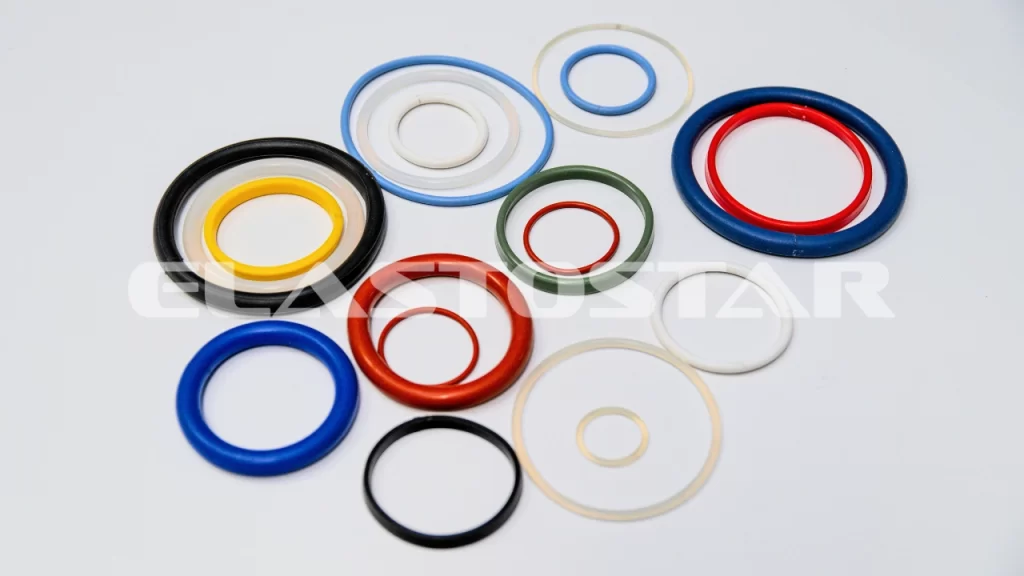
Drawing Analysis: Precision in Design Interpretation
The customization process for flexible rubber components begins with rigorous drawing analysis, a critical phase that ensures dimensional accuracy, functional compatibility, and material suitability. At Suzhou Baoshida Trading Co., Ltd., our engineering team conducts a comprehensive review of customer-provided technical drawings, focusing on geometric tolerances, sealing surfaces, wall thickness, and environmental exposure zones. We evaluate both 2D blueprints and 3D CAD models to identify potential molding challenges such as undercuts, thin sections, or ejection risks. This stage also includes a feasibility assessment for tooling design, where we determine the optimal parting line, gate location, and runner system for efficient vulcanization. Close collaboration with the client ensures alignment on performance expectations and regulatory compliance, particularly for industries such as automotive, aerospace, and medical devices.
Formulation: Tailoring Material Properties
Following design validation, our Rubber Formula Engineers develop a proprietary elastomer formulation tailored to the operational demands of the application. This phase integrates material science with practical engineering, selecting base polymers—such as NBR, EPDM, silicone, or FKM—based on temperature range, chemical resistance, compression set, and mechanical strength. Additives including reinforcing fillers, antioxidants, plasticizers, and curing agents are precisely dosed to achieve target hardness (Shore A), elongation at break, and aging characteristics. Each formulation is documented under strict batch control protocols, ensuring traceability and repeatability. We conduct preliminary testing for processability, scorch time, and cure kinetics to ensure compatibility with the intended molding method.
Prototyping: Functional Validation Under Real Conditions
Once the formulation is finalized, we proceed to prototype production using precision CNC-machined or cast molds, enabling rapid iteration with minimal tooling cost. Prototypes are manufactured under simulated production conditions—compression, transfer, or injection molding—to validate dimensional conformity and surface integrity. Each sample undergoes rigorous physical and chemical testing, including tensile strength, hardness, volume swell in specified fluids, and dynamic performance under cyclic loading. We provide detailed test reports and coordinate with clients for field trials when necessary. Feedback from this phase informs final adjustments to the formulation or mold design before release to mass production.
Mass Production: Scalable Quality Assurance
With approved prototypes, we transition to full-scale manufacturing, leveraging automated mixing, molding, and inspection systems to maintain consistency across large batches. Our production lines are monitored in real time for cure temperature, pressure profiles, and cycle times. Every batch undergoes statistical process control (SPC) and is certified to ISO 9001 standards. Final inspection includes visual checks, dimensional verification via coordinate measuring machines (CMM), and random sampling for mechanical retesting.
Typical Custom Rubber Specification Range
| Property | Range | Test Standard |
|---|---|---|
| Hardness (Shore A) | 30–90 | ASTM D2240 |
| Tensile Strength | 5–30 MPa | ASTM D412 |
| Elongation at Break | 150–600% | ASTM D412 |
| Temperature Resistance | -60°C to +250°C (varies by compound) | ASTM D573 |
| Fluid Resistance | Custom (fuel, oil, water, acids) | ASTM D471 |
Contact Engineering Team
Contact Suzhou Baoshida for Precision Flexible Rubber Solutions
Suzhou Baoshida Trading Co., Ltd. stands as your dedicated engineering partner for advanced flexible rubber formulations, serving global OEMs and Tier-1 manufacturers since 2008. Our expertise lies in translating complex material science requirements into production-ready elastomer compounds that meet stringent industrial performance criteria. We operate at the intersection of polymer chemistry and manufacturing scalability, ensuring every solution adheres to ISO 9001:2015 standards while optimizing for cost-efficiency and lifecycle durability. Unlike commodity suppliers, our engineering team collaborates directly with your R&D department to address specific challenges in dynamic sealing, vibration damping, or fluid containment applications. This collaborative approach minimizes prototyping iterations and accelerates time-to-market for mission-critical components.
Our technical capabilities span custom compound development across silicone, EPDM, nitrile, fluoroelastomers, and specialty thermoplastic vulcanizates. Each formulation undergoes rigorous validation through in-house testing facilities equipped for ASTM D2000 compliance, compression set analysis, and accelerated aging protocols. The table below summarizes key performance parameters achievable through our engineered solutions:
| Property | Standard Range | Custom Engineering Capability | Test Standard |
|---|---|---|---|
| Hardness (Shore A) | 30–90 | 20–95 | ASTM D2240 |
| Temperature Range (°C) | -40 to +150 | -60 to +300 | ASTM D1329 |
| Tensile Strength (MPa) | 8–20 | Up to 35 | ASTM D412 |
| Elongation at Break (%) | 200–600 | 150–800 | ASTM D412 |
| Fluid Resistance | Standard oils/fuels | Custom nitrile/FFKM matrices | ASTM D471 |
| Compression Set (70h/70°C) | ≤25% | ≤12% | ASTM D395 Method B |
These specifications reflect baseline industrial requirements; our value proposition emerges in solving edge-case scenarios where conventional rubber fails. Examples include cryogenic flexibility for aerospace actuators, biofuel-compatible seals for next-generation engines, or ultra-low outgassing compounds for semiconductor manufacturing environments. We maintain strict traceability from raw material batch certification through final part validation, providing full material disclosure reports (MDS) and DFMEA documentation upon request.
Engage with our technical team when your project demands more than off-the-shelf rubber. Mr. Boyce, our OEM Manager with 17 years of elastomer engineering experience, leads client collaboration from initial specification review through volume production ramp-up. His expertise ensures seamless integration of our compounds into your manufacturing processes while maintaining dimensional stability and performance consistency across batches. Provide your technical specifications—including operating environment, regulatory constraints, and failure mode analysis—to initiate a data-driven solution assessment.
Contact Mr. Boyce directly at [email protected] with subject line “Technical Inquiry: [Your Project Name]”. Include material property targets, application diagrams, and production volume requirements to receive a tailored compound proposal within 72 business hours. Suzhou Baoshida commits to delivering not just rubber, but quantifiable performance metrics that enhance your product’s reliability and market differentiation. Partner with us to transform material challenges into engineered advantages.
⚖️ O-Ring Weight Calculator
Estimate rubber O-ring weight (Approx).