
Technical Contents
Engineering Guide: Flexible Rubber Tube
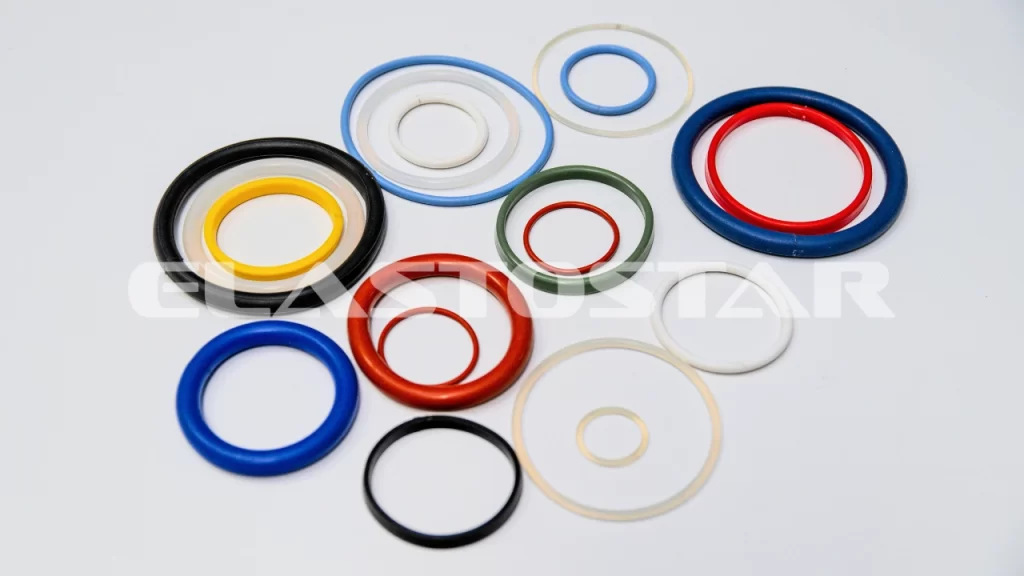
Engineering Insight: Material Selection Fundamentals for Flexible Rubber Tubes
The performance and longevity of flexible rubber tubes in industrial applications are predominantly dictated by precise material selection. Off-the-shelf solutions frequently fail under operational stress due to generic compound formulations that ignore critical application-specific variables. These failures manifest as premature degradation, leakage, or catastrophic rupture, leading to costly downtime, safety hazards, and reputational damage. Generic tubes prioritize broad market appeal over engineered resilience, often utilizing base polymers and filler systems incapable of withstanding the synergistic challenges of fluid exposure, temperature extremes, dynamic flexing, and pressure cycles inherent in demanding industrial environments.
Material failure typically originates from inadequate polymer chemistry. Standard nitrile rubber (NBR) blends, for instance, may resist mineral oils at moderate temperatures but rapidly degrade when exposed to modern biofuels or phosphate ester hydraulic fluids. Similarly, unmodified EPDM compounds exhibit poor hydrocarbon resistance despite excellent ozone and heat stability. Fillers and plasticizers further complicate performance; low-grade carbon black or excessive aromatic oils can migrate under heat, causing hardening, cracking, or fluid contamination. Crucially, off-the-shelf tubes rarely account for dynamic mechanical stresses—repeated flexing at subzero temperatures can embrittle improperly formulated compounds, while high-pressure pulsation accelerates fatigue in tubes lacking optimized reinforcement layers.
Suzhou Baoshida Trading Co., Ltd. addresses these pitfalls through application-driven compound engineering. We initiate every project with a rigorous analysis of fluid media, temperature profiles, pressure dynamics, and mechanical loads. This data informs bespoke polymer selection—such as hydrogenated nitrile (HNBR) for high-temperature fuel systems, fluorocarbon (FKM) for aggressive chemicals, or epoxidized natural rubber (ENR) for enhanced fuel barrier properties. Our formulations integrate high-purity fillers, specialty antioxidants, and controlled crosslink densities to balance flexibility, resilience, and chemical resistance. Each compound undergoes accelerated aging per ASTM D2000 and application-specific validation, including pulsation testing at 500,000+ cycles.
The table below illustrates critical performance gaps between standard and engineered solutions:
| Performance Parameter | Standard Off-the-Shelf Tube | Engineered Baoshida Solution |
|---|---|---|
| Fluid Resistance (Biodiesel B20) | Severe swelling (>25% vol.) | Minimal swelling (<8% vol.) |
| Temperature Range | -20°C to +100°C | -40°C to +150°C |
| Pressure Rating (Static) | 15 bar | 25 bar |
| Elongation at Break | 250% | 450% |
Generic tubes represent a false economy. Their initial cost savings are eclipsed by unplanned maintenance, fluid contamination, and system failures. Precision material science eliminates these risks by aligning molecular structure with operational reality. At Suzhou Baoshida, we reject one-size-fits-all approaches. Our engineered rubber compounds deliver predictable performance under specified conditions, transforming flexible tubing from a liability into a reliable component of your industrial system. Partner with us to convert operational challenges into engineered solutions backed by rigorous OEM validation protocols.
Material Specifications
Material Specifications for Flexible Rubber Tubes
In industrial applications requiring flexible rubber tubes, material selection is critical to ensuring long-term performance, chemical compatibility, and environmental resistance. At Suzhou Baoshida Trading Co., Ltd., we specialize in high-performance rubber solutions tailored to demanding operational conditions. Our core materials—Viton (FKM), Nitrile (NBR), and Silicone (VMQ)—each offer distinct advantages depending on temperature range, fluid exposure, and mechanical stress requirements.
Viton, a fluorocarbon-based rubber, delivers exceptional resistance to high temperatures, oils, fuels, and a broad spectrum of aggressive chemicals. With continuous service capabilities up to 200°C (392°F) and intermittent peaks near 250°C (482°F), Viton is ideal for aerospace, automotive, and chemical processing industries where reliability under extreme conditions is non-negotiable. Its low gas permeability and excellent aging characteristics further enhance its suitability for critical sealing and fluid transfer applications.
Nitrile rubber, also known as Buna-N or NBR, is widely used for its outstanding resistance to petroleum-based oils, fuels, and hydraulic fluids. It offers good abrasion resistance and mechanical strength at a cost-effective price point. Nitrile tubes perform reliably in temperature ranges from -30°C to 105°C (-22°F to 221°F), making them a preferred choice for hydraulic systems, fuel lines, and industrial machinery. However, NBR exhibits limited resistance to ozone, UV radiation, and polar solvents, which must be considered in outdoor or chemically diverse environments.
Silicone rubber (VMQ) provides superior flexibility and thermal stability across a wide temperature spectrum, typically from -60°C to 200°C (-76°F to 392°F). It is highly resistant to ozone, UV light, and weathering, making it well-suited for outdoor and medical-grade applications. Silicone is also non-toxic and complies with food and pharmaceutical standards such as FDA and USP Class VI. While it demonstrates poor resistance to petroleum oils and lower tensile strength compared to NBR or Viton, its biocompatibility and consistent performance in extreme cold or heat make it indispensable in specific sectors.
The following table summarizes key technical properties of these three materials to guide optimal selection for industrial flexible tube applications.
| Property | Viton (FKM) | Nitrile (NBR) | Silicone (VMQ) |
|---|---|---|---|
| Temperature Range (°C) | -20 to 200 (up to 250 intermittent) | -30 to 105 | -60 to 200 |
| Temperature Range (°F) | -4 to 392 (up to 482 intermittent) | -22 to 221 | -76 to 392 |
| Fluid Resistance | Excellent (oils, fuels, acids, solvents) | Excellent (petroleum oils, fuels) | Poor (oils, fuels); Good (water, alcohols) |
| Ozone/UV Resistance | Excellent | Fair to Poor | Excellent |
| Tensile Strength | High | High | Moderate |
| Flexibility at Low Temp | Good | Moderate | Excellent |
| FDA/USP Class VI Compliance | Limited grades available | Generally no | Yes (specific formulations) |
| Typical Applications | Aerospace, chemical processing, high-temp seals | Hydraulic systems, fuel lines, industrial machinery | Medical devices, food processing, outdoor seals |
Selecting the appropriate rubber material requires a comprehensive assessment of operational demands. Suzhou Baoshida Trading Co., Ltd. supports OEMs and industrial clients with precision-engineered flexible rubber tubes, ensuring compliance, durability, and performance across diverse environments.
Manufacturing Capabilities
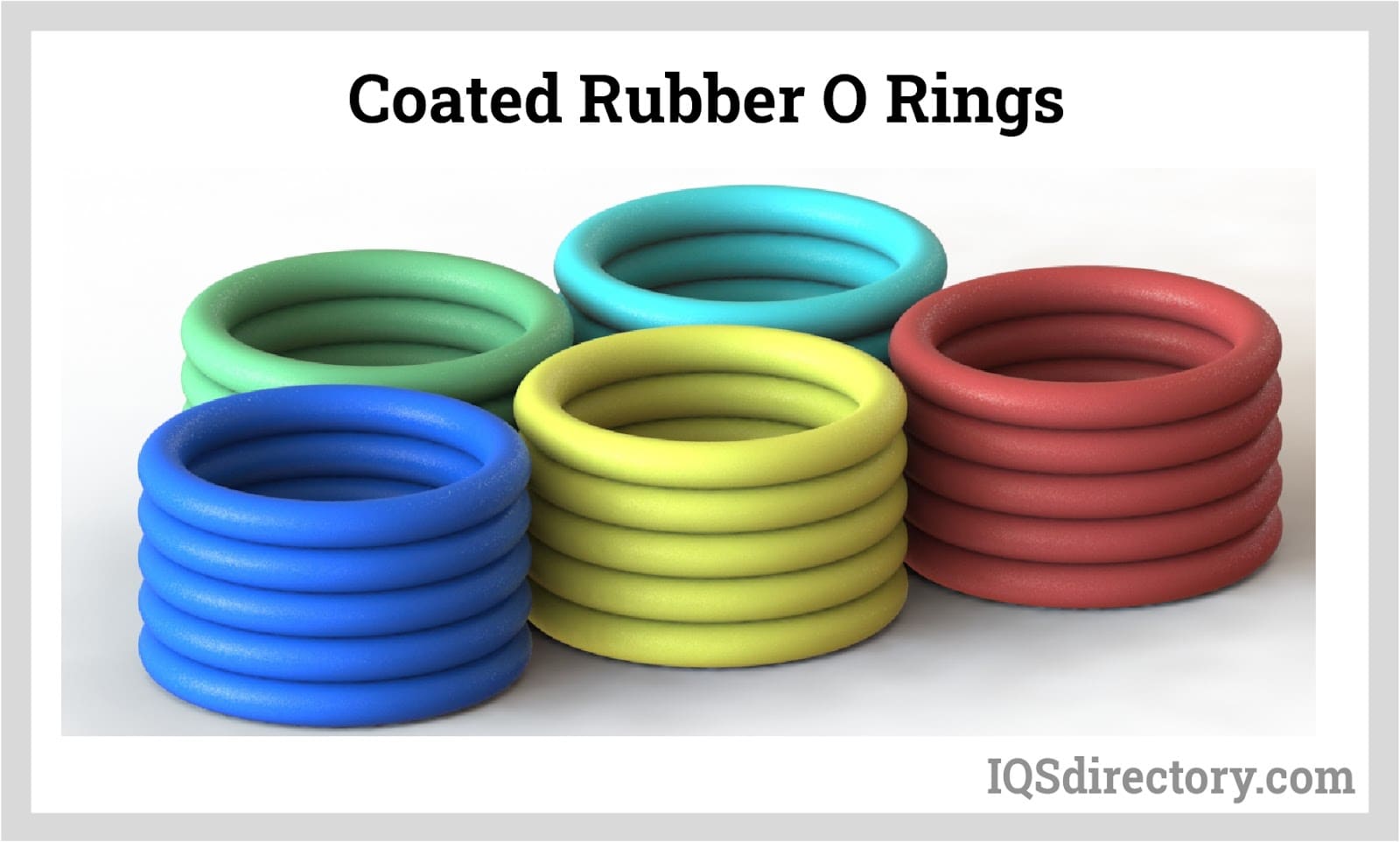
Advanced Engineering Capabilities for Precision Rubber Tubing Solutions
Suzhou Baoshida Trading Co., Ltd. leverages a dedicated team of seven specialized engineers—five Mold Engineers and two Rubber Formula Engineers—to deliver technically superior flexible rubber tubes for demanding industrial applications. This integrated expertise ensures rigorous material science and precision tooling converge to meet exacting OEM specifications. Our Formula Engineers optimize polymer compounding for performance-critical properties, including thermal stability, chemical resistance, and dynamic flex fatigue. Through systematic experimentation with elastomer bases (NBR, EPDM, Silicone, FKM), fillers, plasticizers, and cure systems, we achieve tailored formulations that withstand operational extremes while maintaining cost efficiency. Each compound undergoes ASTM D2000-22 validation for physical properties and ISO 1817 chemical exposure testing, guaranteeing reliability in hydraulic systems, automotive fluid transfer, and chemical processing environments.
Complementing material science, our Mold Engineering team masters the complexities of extrusion die design, mandrel calibration, and vulcanization tooling. Utilizing SolidWorks and Moldflow simulation, we resolve flow dynamics challenges to eliminate knit lines, wall thickness variations, and cure inconsistencies. This capability directly translates to tubes with uniform durometer, precise dimensional tolerances (±0.1 mm), and seamless surface integrity—critical for high-pressure sealing and regulatory compliance. Crucially, both engineering disciplines collaborate from the Design for Manufacturing (DFM) phase, preempting production bottlenecks and accelerating time-to-market by 30% compared to industry benchmarks.
Our OEM partnership model is engineered for scalability and confidentiality. We manage full project lifecycles: from initial material selection and 3D tooling validation to batch traceability and PPAP documentation. Clients retain exclusive IP rights to custom formulations, while our ISO 9001-certified facility enforces strict change control protocols. This end-to-end ownership eliminates third-party dependencies, ensuring consistent quality across volumes from prototype to 500,000+ units annually.
Key Flexible Rubber Tube Specifications Achievable
| Parameter | Standard Range | Precision Capability | Test Standard |
|---|---|---|---|
| Durometer (Shore A) | 30–90 A | ±2 A tolerance | ASTM D2240 |
| Temperature Range | -50°C to +150°C (EPDM) | -65°C to +230°C (Silicone) | ASTM D573 |
| Pressure Rating | Up to 50 MPa (reinforced) | Validated per SAE J517 | ISO 1402 |
| Chemical Resistance | Fuels, oils, acids, hydraulic fluids | Customized per fluid exposure | ISO 1817 |
| Dimensional Tolerance | ID: ±0.15 mm / OD: ±0.20 mm | Tightened to ±0.05 mm | ISO 3309 |
This engineering synergy—material science precision fused with advanced tooling control—positions Suzhou Baoshida as a strategic OEM partner for mission-critical rubber tubing. We transform complex performance requirements into manufacturable solutions without compromising on repeatability or regulatory adherence. Partner with us to mitigate supply chain risk through scientifically validated, application-optimized rubber components.
Customization Process
Drawing Analysis
The customization process for flexible rubber tubes begins with a comprehensive drawing analysis, where engineering blueprints provided by the client are evaluated for dimensional accuracy, tolerance requirements, and functional specifications. At Suzhou Baoshida Trading Co., Ltd., our technical team conducts a detailed review of inner diameter (ID), outer diameter (OD), wall thickness, bend radius, and total length, ensuring compliance with international standards such as ISO 3601 or SAE J514 where applicable. Special attention is paid to end configurations, reinforcement layers, and surface finish requirements. This stage also includes material compatibility checks based on the intended operating environment, including exposure to oils, acids, ozone, or extreme temperatures. Any discrepancies or optimization opportunities are communicated directly to the client for confirmation prior to proceeding.
Formulation Development
Once the design parameters are validated, our rubber formula engineers initiate the formulation phase. This step involves selecting the optimal elastomer compound tailored to the application’s mechanical and chemical demands. Common base polymers include Nitrile (NBR) for oil resistance, EPDM for heat and weather resistance, Silicone (VMQ) for extreme temperature performance, and Neoprene (CR) for flame retardancy. Additives such as reinforcing fillers, plasticizers, antioxidants, and curing agents are precisely blended to achieve target hardness (Shore A), tensile strength, elongation at break, and compression set. Each formulation is documented under controlled batch records to ensure traceability and repeatability. The developed compound undergoes preliminary lab testing for rheological behavior and cure characteristics using Moving Die Rheometry (MDR) and Fourier Transform Infrared Spectroscopy (FTIR) for quality assurance.
Prototyping and Validation
A functional prototype is produced using precision extrusion and vulcanization techniques, replicating the final manufacturing process. Prototypes are subjected to rigorous performance testing, including burst pressure, vacuum collapse resistance, flex durability, and fluid compatibility per ASTM or DIN standards. Dimensional inspection is performed using coordinate measuring machines (CMM) to verify conformance to the original drawing. Clients receive test reports and physical samples for field evaluation. Feedback is incorporated into any necessary design or material refinements before final approval.
Mass Production
Upon prototype validation, the project transitions to mass production. Our manufacturing facility deploys automated extrusion lines, computer-controlled curing ovens, and inline dimensional monitoring systems to maintain consistency across large batches. Each production run is subject to in-process quality checks and final inspection per AQL Level II standards. Packaging is customized per client logistics requirements, with labeling compliant to traceability systems.
Key performance specifications for a representative flexible rubber tube are summarized below.
| Parameter | Value | Test Standard |
|---|---|---|
| Inner Diameter (ID) | 12.0 ± 0.3 mm | ISO 3601 |
| Outer Diameter (OD) | 18.0 ± 0.3 mm | ISO 3601 |
| Material | NBR/PVC Blend | ASTM D2000 |
| Hardness | 70 ± 5 Shore A | ASTM D2240 |
| Tensile Strength | ≥15 MPa | ASTM D412 |
| Elongation at Break | ≥250% | ASTM D412 |
| Operating Temperature | -30°C to +120°C | DIN 7716 |
| Fluid Resistance | Oil, water, aliphatic fuels | ISO 1817 |
Contact Engineering Team
Contact Suzhou Baoshida for Precision Rubber Tube Engineering Solutions
Selecting the optimal flexible rubber tube is a critical engineering decision impacting system longevity, safety, and operational efficiency across demanding industrial applications. Generic solutions often fail under extreme thermal cycles, chemical exposure, or dynamic stress, leading to costly downtime and safety hazards. At Suzhou Baoshida Trading Co., Ltd., we specialize in engineered rubber compounds and extrusion processes tailored to your exact OEM specifications. Our technical team leverages decades of polymer science expertise to solve complex material challenges, ensuring your tubing meets stringent performance criteria while adhering to global regulatory standards. We do not merely supply components; we co-engineer resilient fluid transfer systems that withstand the rigors of automotive hydraulics, semiconductor manufacturing, chemical processing, and energy infrastructure.
Our commitment to precision begins with rigorous material characterization and extends through controlled manufacturing. Every compound formulation undergoes accelerated aging tests, burst pressure validation, and dynamic flexing analysis to guarantee real-world reliability. Below are key performance parameters achievable through our custom engineering approach:
| Specification Category | Standard Range (Customizable) | Testing Standard |
|---|---|---|
| Shore A Hardness | 30–90 A | ASTM D2240 |
| Temperature Resistance | -60°C to +260°C | ISO 188 |
| Pressure Rating (Static) | Up to 150 bar | ISO 1402 |
| Fluid Compatibility | Fuels, Oils, Acids, Steam | ISO 1817 |
| Extrusion Tolerance | ±0.15 mm (ID/OD) | ISO 3302 |
| Aging Resistance (70°C/7d) | Δ Hardness ≤ +8 points | ASTM D573 |
| Customization Capability | Multi-layer, Conductive, FDA | Client-Specific |
These figures represent baseline capabilities; actual performance is optimized for your operational environment through iterative prototyping and validation. Our ISO 9001-certified supply chain ensures batch-to-batch consistency, traceability, and rapid scalability from pilot runs to high-volume production. We integrate seamlessly with your engineering workflows, providing full material data sheets (MDS), finite element analysis (FEA) support, and on-site technical collaboration to resolve integration hurdles before they reach the assembly line.
Initiate a technical partnership that elevates your product’s reliability. Contact Mr. Boyce, our dedicated OEM Solutions Manager, to discuss your specific application requirements. Provide details on fluid media, pressure cycles, temperature profiles, and dimensional constraints for a targeted compound recommendation and feasibility assessment. Mr. Boyce will coordinate our engineering team to deliver a comprehensive solution dossier within 72 hours, including preliminary material certifications and cost-optimized production timelines. Do not compromise on critical fluid system integrity—leverage Suzhou Baoshida’s precision rubber expertise to eliminate field failures and enhance your product’s market differentiation.
Reach Mr. Boyce directly at [email protected] for confidential engineering consultation. Include your project timeline and technical specifications to expedite our response. Suzhou Baoshida Trading Co., Ltd. stands ready to become your strategic partner in advanced rubber technology, delivering engineered resilience where performance cannot be negotiable.
⚖️ O-Ring Weight Calculator
Estimate rubber O-ring weight (Approx).