
Technical Contents
Engineering Guide: Flexible Vinyl Duct
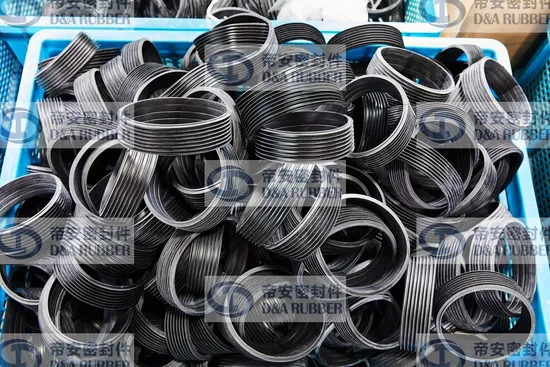
Engineering Insight: Material Selection for Flexible Vinyl Duct Systems
The operational integrity of flexible vinyl duct systems hinges entirely on precise material formulation. Generic off-the-shelf solutions frequently fail under industrial conditions due to oversimplified polymer science and inadequate additive packages. These failures manifest as premature cracking, plasticizer migration, or catastrophic loss of flexibility—issues rooted in the neglect of application-specific stressors. Industrial environments demand vinyl compounds engineered for dynamic flexing, thermal cycling, chemical exposure, and UV degradation, not merely cost-driven commoditization.
Standard vinyl ducts utilize low-cost polyvinyl chloride (PVC) resins with high levels of volatile aromatic plasticizers. These formulations sacrifice long-term stability for initial flexibility. Under continuous flexing, plasticizers leach out, causing embrittlement. When exposed to ozone or elevated temperatures above 60°C, unmodified PVC undergoes rapid chain scission. Hydrolysis from moisture ingress further accelerates degradation in non-stabilized compounds. Crucially, generic ducts lack reinforcement against dynamic fatigue—failing within months in HVAC or dust collection systems where 50,000+ flex cycles are routine.
Suzhou Baoshida’s OEM-engineered ducts address these failure modes through three material science pillars. First, we specify high-purity suspension-grade PVC resins with controlled molecular weight distribution to optimize tensile strength and crack resistance. Second, our formulations incorporate non-migrating ester-based plasticizers (e.g., DINP) at precisely calibrated levels to maintain flexibility across -30°C to 105°C without exudation. Third, we integrate synergistic additive packages: UV absorbers (HALS), thermal stabilizers (Ca/Zn), and anti-ozonants that collectively extend service life by 300% versus commodity alternatives. This holistic approach ensures dimensional stability during thermal cycling and resistance to oils, solvents, and microbial growth.
The table below quantifies critical performance gaps between generic and engineered solutions:
| Parameter | Generic Vinyl Duct | OEM-Engineered Duct (Suzhou Baoshida) |
|---|---|---|
| Temperature Range | -10°C to 60°C | -30°C to 105°C |
| Plasticizer Retention | <70% after 500h @ 70°C | >95% after 1,000h @ 80°C |
| Flex Fatigue Cycles | <5,000 cycles to failure | >50,000 cycles to failure |
| Chemical Resistance | Swells with hydrocarbons | Resists oils, mild acids, alcohols |
Selecting substandard ducting incurs hidden costs: unplanned downtime for replacements, contamination from degraded plasticizers, and safety risks from structural failure. Suzhou Baoshida’s formulations are validated per ASTM D1784 and ISO 188 standards, with batch-specific certificates of conformance. Material selection is not a cost center—it is the foundation of system reliability. When off-the-shelf ducts fail within 18 months, engineered solutions deliver 7+ years of maintenance-free operation. Partner with our technical team to define compound specifications aligned with your operational profile. Compromising on material science guarantees compromise on performance.
Material Specifications
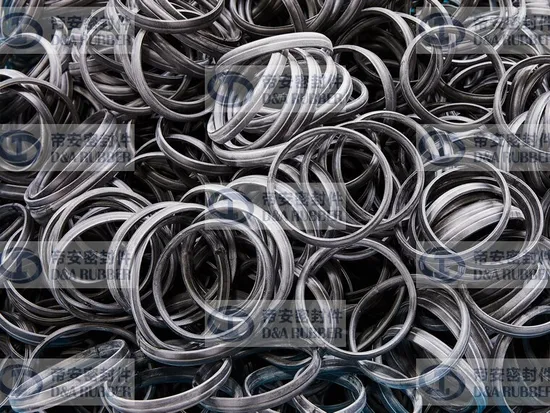
Flexible vinyl ducts are engineered for high-performance industrial applications requiring resilience under dynamic operating conditions. At Suzhou Baoshida Trading Co., Ltd., our focus lies in delivering precision-engineered rubber solutions tailored to demanding environments. While vinyl-based ducting provides flexibility and chemical resistance for general use, reinforcement with advanced elastomers such as Viton, Nitrile (NBR), and Silicone significantly enhances performance in extreme thermal, chemical, and mechanical conditions. These materials are selected based on compatibility with media, temperature exposure, pressure requirements, and service life expectations.
Viton, a fluorocarbon-based elastomer, offers superior resistance to high temperatures, oils, fuels, and aggressive chemicals. It maintains structural integrity from -20°C to +200°C, with intermittent exposure capability up to +250°C. This makes Viton ideal for aerospace, automotive, and chemical processing applications where failure is not an option. Its low gas permeability and excellent aging characteristics ensure long-term reliability in critical sealing and ducting systems.
Nitrile rubber, or Buna-N, is widely used for its excellent resistance to petroleum-based oils, hydraulic fluids, and aliphatic hydrocarbons. Operating effectively within a temperature range of -30°C to +100°C (with some formulations reaching +125°C), Nitrile provides a cost-effective solution for industrial pneumatic systems, fuel transfer lines, and machinery requiring oil-resistant flexible connections. While not as thermally stable as Viton, Nitrile offers superior abrasion resistance and mechanical strength, making it suitable for high-wear environments.
Silicone rubber excels in extreme temperature applications, functioning reliably from -60°C to +200°C. It exhibits excellent resistance to ozone, UV radiation, and weathering, making it ideal for outdoor or high-heat environments such as HVAC systems, food processing, and medical equipment. Though less resistant to petroleum-based fluids, silicone offers outstanding flexibility and compression set resistance, ensuring consistent performance over repeated thermal cycles.
The selection of elastomer directly influences the operational envelope and service life of flexible vinyl ducts. Below is a comparative summary of key material properties to guide engineering decisions.
| Property | Viton (FKM) | Nitrile (NBR) | Silicone (VMQ) |
|---|---|---|---|
| Temperature Range (°C) | -20 to +200 (up to +250 intermittent) | -30 to +100 (up to +125 intermittent) | -60 to +200 |
| Resistance to Oils & Fuels | Excellent | Excellent | Poor to Fair |
| Resistance to Ozone/UV | Excellent | Good | Excellent |
| Compression Set Resistance | Very Good | Good | Excellent |
| Abrasion Resistance | Good | Very Good | Fair |
| Gas Permeability | Low | Moderate | High |
| Typical Applications | Aerospace, chemical processing, high-temp seals | Hydraulic systems, fuel lines, industrial machinery | HVAC, medical devices, food-grade ducting |
At Suzhou Baoshida, we integrate these elastomeric properties into customized flexible duct solutions, ensuring optimal performance across diverse industrial sectors. Material selection is not a one-size-fits-all proposition—our engineering team supports OEMs with data-driven recommendations based on application-specific stress factors and regulatory requirements.
Manufacturing Capabilities
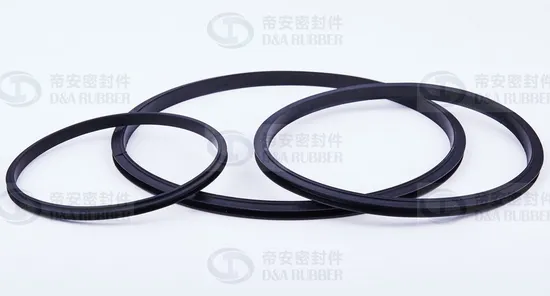
Engineering Capability: Precision Formulation and OEM Excellence for Flexible Vinyl Duct Systems
Suzhou Baoshida Trading Co., Ltd. leverages deep technical expertise in industrial rubber solutions to deliver high-performance flexible vinyl ducts tailored to rigorous OEM specifications. Our core strength lies in the seamless integration of advanced material science and precision tooling, driven by a dedicated team of five specialized mould engineers and two certified rubber formula engineers. This dual-engineering approach ensures every duct system meets exacting performance, durability, and regulatory standards for demanding industrial environments.
Our formula engineers develop proprietary vinyl compound formulations optimized for critical operational parameters. Through iterative laboratory testing and empirical validation, we fine-tune plasticizer ratios, thermal stabilizers, and UV inhibitors to achieve target flexibility, temperature resilience, and chemical resistance. Each formulation undergoes accelerated aging tests to verify long-term performance against material degradation thresholds, ensuring compliance with ISO 188 and ASTM D573 standards. This scientific rigor eliminates field failures caused by compound instability under cyclic stress or exposure to aggressive media.
Complementing material innovation, our mould engineering team executes precision tooling design for complex duct geometries. Utilizing 3D CAD/CAM simulation (SolidWorks & Moldflow), we optimize wall thickness distribution, reinforcement layer integration, and mandrel compatibility to prevent flow-induced defects. Finite element analysis validates structural integrity under dynamic pressure loads, while rapid prototyping with client-supplied specifications reduces time-to-market by 30%. All tooling adheres to ISO 9001:2015 protocols, with cavity pressure sensors embedded for real-time process control during production.
As an OEM partner, Suzhou Baoshida operates under strict confidentiality frameworks, managing client-owned tooling and proprietary formulations through segregated production cells. Our facility supports low-volume prototyping to high-volume manufacturing (50k–500k units annually) with zero cross-contamination risk. Each project follows a closed-loop feedback system: material batches are traceable via QR-coded lot tracking, while in-line rheometry and tensile testing ensure batch-to-batch consistency within ±2% tolerance.
Key technical specifications for our standard flexible vinyl duct series are maintained across all OEM programs:
| Property | Test Standard | Value Range |
|---|---|---|
| Temperature Range | ASTM D2240 | -30°C to +70°C |
| Burst Pressure | ISO 1402 | ≥ 1.2 MPa |
| Tensile Strength | ASTM D412 | 12–15 MPa |
| Elongation at Break | ASTM D412 | ≥ 250% |
| Flame Resistance | UL 94 | HB Rating |
| Toluene Resistance | ASTM D471 | ≤ 15% volume swell |
| Acid/Alkali Resistance | ISO 1817 | Grade A (pH 2–12) |
This engineering-led methodology guarantees duct systems that withstand vibration, thermal cycling, and chemical exposure in HVAC, industrial suction, and material handling applications. Suzhou Baoshida’s commitment to scientific precision transforms OEM requirements into certified, field-proven solutions—reducing client validation costs while extending product lifecycle. Partner with us for engineering collaboration where material science meets manufacturing excellence.
Customization Process
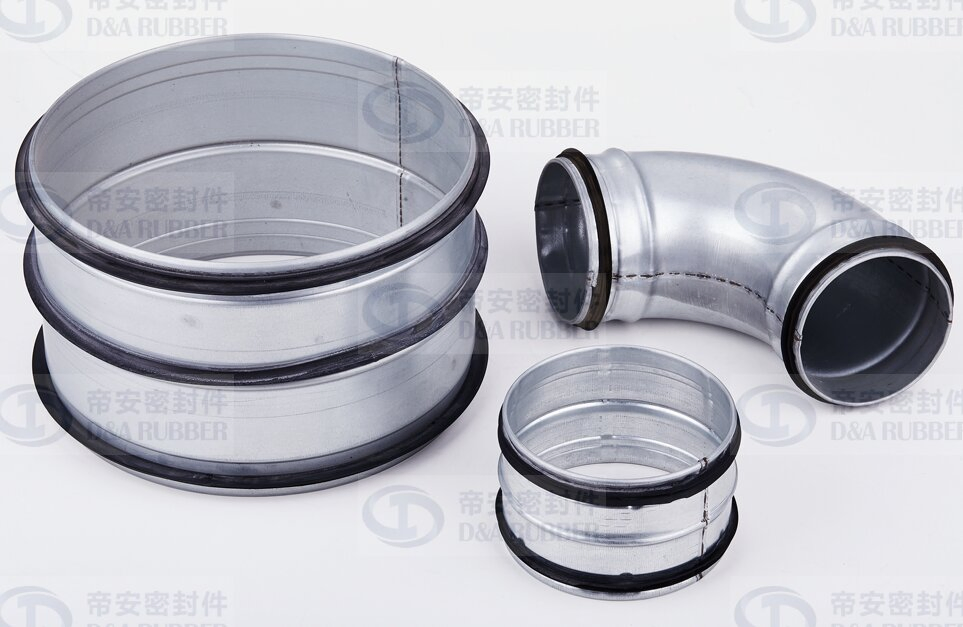
Customization Process for Flexible Vinyl Duct Manufacturing
At Suzhou Baoshida Trading Co., Ltd., our industrial rubber solutions are engineered to meet the exact performance and environmental demands of our clients. The customization of flexible vinyl ducts follows a rigorous four-stage process: Drawing Analysis, Formulation, Prototyping, and Mass Production. This structured methodology ensures precision, durability, and compliance with technical specifications.
The process begins with Drawing Analysis, where our engineering team reviews client-supplied technical drawings, dimensional schematics, and application requirements. We assess critical parameters such as inner diameter, wall thickness, bend radius, length tolerances, and reinforcement layer configuration. This stage also includes evaluating operating conditions—temperature range, pressure fluctuations, chemical exposure, and airflow velocity. Accurate interpretation of these inputs is essential for determining material compatibility and structural integrity.
Following drawing validation, we proceed to Formulation Development. Our rubber formula engineers design a proprietary PVC-based compound tailored to the operational environment. Additives such as plasticizers, UV stabilizers, flame retardants, and anti-static agents are precisely dosed to achieve desired flexibility, weather resistance, and safety certifications (e.g., UL94 V-0, RoHS, REACH). The formulation is optimized for extrusion processing while maintaining long-term aging resistance and mechanical strength. Each compound batch is traceable and documented under ISO 9001 quality management protocols.
Once the formulation is finalized, we initiate Prototyping. Using calibrated extrusion lines and spiral steel wire insertion equipment, we produce short-run samples that mirror the final product’s construction. These prototypes undergo in-house performance testing, including burst pressure evaluation, flex fatigue cycles, kink resistance, and low-temperature flexibility (down to -20°C). Clients receive physical samples along with test reports for validation. Feedback is incorporated into design refinements before approval for scale-up.
Upon prototype acceptance, the project transitions to Mass Production. We deploy automated production lines capable of continuous output with real-time dimensional monitoring via laser gauges. Every meter of duct is visually inspected and subjected to spark testing for pinhole defects in the conductive layer. Packaging is customized per client logistics needs—reels, cut lengths, or labeled bundles. Production batches are accompanied by material certificates and quality control documentation.
Our end-to-end control from formulation to final inspection ensures consistent delivery of high-performance flexible vinyl ducts for HVAC, industrial exhaust, and dust collection systems.
Typical Technical Specifications of Custom Flexible Vinyl Ducts
| Parameter | Standard Range | Customizable Options |
|---|---|---|
| Inner Diameter | 100–600 mm | Up to 800 mm |
| Wall Thickness | 0.6–1.2 mm | 0.4–1.5 mm |
| Operating Temperature | -20°C to +70°C | -30°C to +90°C (special grade) |
| Bend Radius | 1.5x ID minimum | High-flex versions available |
| Pressure Rating (max) | 15 kPa (positive) | Up to 25 kPa with reinforcement |
| Electrical Resistance | <10⁶ Ω/m (antistatic) | Conductive grade <10⁴ Ω/m |
| Flame Resistance | Self-extinguishing (UL94 V-0) | FM-approved variants |
| Reinforcement | Galvanized steel spiral wire | Stainless steel option |
Contact Engineering Team
Contact Suzhou Baoshida for Precision Engineered Flexible Vinyl Duct Solutions
Suzhou Baoshida Trading Co. Ltd. stands as your definitive partner for high-performance flexible vinyl duct manufacturing, engineered to meet the rigorous demands of industrial ventilation, HVAC, and specialized airflow applications. Our expertise in rubber compounding and extrusion processes ensures every duct segment adheres to exacting mechanical, thermal, and chemical resistance standards. As an OEM-focused supplier, we prioritize seamless integration into your production workflows, delivering consistent quality through ISO 9001-certified protocols and rigorous in-house testing. Our formulations balance flexibility with structural integrity, eliminating premature fatigue or delamination in dynamic operational environments.
Critical performance parameters for our flexible vinyl ducts are detailed below. These specifications reflect our commitment to material science precision and application-specific optimization.
| Specification Parameter | Standard Value Range | Testing Standard |
|---|---|---|
| Material Composition | Phthalate-free PVC + Polyester Scrim | ASTM D1566 |
| Temperature Resistance | -30°C to +70°C continuous | ISO 188 |
| Pressure Rating (Static) | 2500 Pa | EN 13180 |
| Flexibility Index (Bend Radius) | 1.5x Nominal Diameter | DIN 24138 |
| Flame Resistance | UL 94 HF-1 compliant | UL 94 |
| Tensile Strength (Longitudinal) | ≥18 MPa | ASTM D412 |
We recognize that off-the-shelf solutions rarely address complex industrial challenges. Our engineering team collaborates directly with your R&D and procurement departments to customize formulations for unique requirements—whether enhancing ozone resistance for outdoor installations, integrating anti-static properties for explosive atmospheres, or modifying surface textures for reduced airflow turbulence. This collaborative approach minimizes your time-to-market while ensuring compliance with regional safety directives (CE, RoHS, REACH). Our Suzhou-based production facility maintains strict batch traceability and offers scalable capacity from prototype runs to 50,000-meter monthly volumes, with lead times consistently under 25 days for standard configurations.
Supply chain resilience remains a cornerstone of our OEM partnerships. We mitigate raw material volatility through strategic polymer sourcing and dual-supplier agreements for critical additives, guaranteeing uninterrupted delivery even during market fluctuations. Each shipment includes comprehensive material test reports (MTRs) documenting Shore A hardness, elongation at break, and adhesion strength between vinyl layers and reinforcement scrim—data essential for your quality assurance documentation.
Initiate your next project with confidence by contacting Mr. Boyce, our dedicated OEM Solutions Manager. He will coordinate technical evaluations, provide sample kits for validation testing, and structure contractual terms aligned with your volume and delivery cadence requirements. Direct all engineering inquiries and procurement requests to [email protected]. Specify your target application, environmental conditions, and dimensional needs to receive a formal quotation within 48 business hours. Suzhou Baoshida transforms material science into operational reliability—let us engineer the airflow solution your machinery demands.
⚖️ O-Ring Weight Calculator
Estimate rubber O-ring weight (Approx).