
Technical Contents
Engineering Guide: Floor For Garage
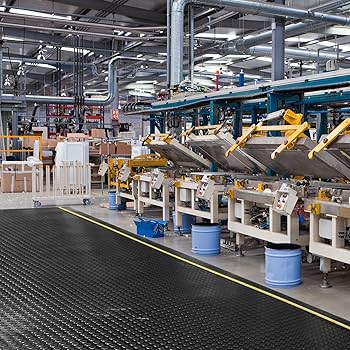
Engineering Insight: Floor for Garage – The Critical Role of Material Selection
In industrial and commercial garage environments, flooring is subjected to extreme mechanical stress, chemical exposure, thermal cycling, and constant vehicular traffic. Despite these demanding conditions, many facility managers opt for off-the-shelf flooring solutions marketed as “heavy-duty” or “industrial-grade.” These products often fail prematurely due to inadequate material engineering for real-world operational loads. At Suzhou Baoshida Trading Co., Ltd., we emphasize that performance begins with precise material selection—particularly when specifying rubber-based flooring systems.
Standard polymer or composite garage flooring solutions typically utilize recycled thermoplastics or low-density rubber compounds. While cost-effective, these materials lack the resilience required for sustained performance. They exhibit high compression set under static loads, degrade rapidly when exposed to automotive oils and solvents, and suffer from poor thermal stability in environments with fluctuating temperatures. Additionally, these materials often delaminate at interlocking joints due to insufficient tensile strength and elongation properties.
In contrast, engineered rubber flooring—formulated from high-density SBR (Styrene-Butadiene Rubber) or EPDM (Ethylene Propylene Diene Monomer)—delivers superior durability through balanced mechanical and chemical resistance. These elastomers are cross-linked during vulcanization to enhance tensile strength, abrasion resistance, and recovery from deformation. For garage applications, this translates to flooring that maintains structural integrity under parked vehicles, resists wear from tire friction, and withstands exposure to hydraulic fluids, gasoline, and brake cleaners.
Another critical factor is installation methodology. Off-the-shelf interlocking tiles often rely on dry-fit joints that shift under dynamic loads, creating tripping hazards and uneven surfaces. Engineered rubber flooring systems, when bonded with polyurethane adhesives to properly prepared substrates, eliminate joint failure and provide a monolithic surface with consistent load distribution.
The following table outlines key performance specifications comparing standard off-the-shelf garage flooring with engineered rubber solutions:
| Property | Off-the-Shelf Polymer Tiles | Engineered Rubber Flooring (SBR/EPDM) |
|---|---|---|
| Tensile Strength | 6–8 MPa | 12–18 MPa |
| Elongation at Break | 150–200% | 300–450% |
| Compression Set (22h at 70°C) | 25–35% | 10–15% |
| Shore A Hardness | 60–70 | 65–85 |
| Abrasion Resistance (ISO 4649) | 180–220 mm³ | 80–120 mm³ |
| Fluid Resistance (SAE No. 1 Oil) | Moderate swelling | Minimal swelling |
| Operating Temperature Range | -10°C to +60°C | -40°C to +100°C |
Material selection is not merely a cost consideration—it is a long-term performance determinant. Premature flooring failure leads to increased downtime, safety risks, and higher lifecycle costs. By specifying high-performance rubber compounds tailored to garage environments, facility operators ensure durability, safety, and operational continuity. At Suzhou Baoshida Trading Co., Ltd., we provide OEM-engineered rubber solutions designed to meet exact industrial specifications, ensuring that every installation delivers measurable value beyond initial procurement cost.
Material Specifications
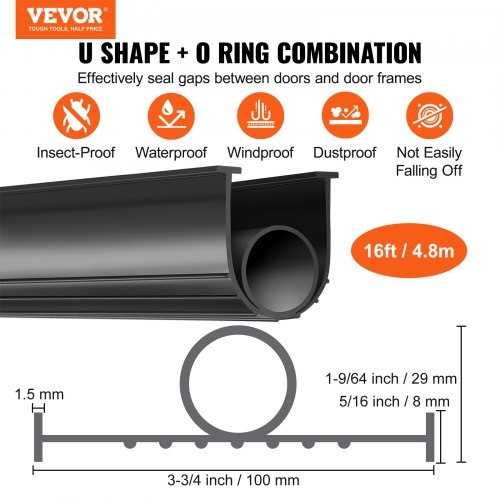
Material Specifications for Industrial Garage Flooring Solutions
Selecting the optimal elastomer for garage flooring demands rigorous technical evaluation due to exposure to automotive fluids, thermal cycling, abrasion, and UV degradation. At Suzhou Baoshida Trading Co., Ltd., our engineered rubber compounds prioritize longevity and performance under dynamic industrial conditions. Nitrile (NBR), Silicone (VMQ), and Viton (FKM) represent distinct material classes, each with defined chemical and physical boundaries. Understanding these parameters ensures alignment with operational demands while avoiding premature failure from hydrocarbon swelling, thermal hardening, or tensile loss.
Nitrile rubber remains the industry standard for cost-effective garage flooring due to its exceptional resistance to petroleum-based oils, greases, and hydraulic fluids. Formulated with acrylonitrile content between 34%–45%, our NBR compounds achieve ASTM D2000 Grade NBR70 per ISO 1817 standards. They withstand continuous service from -40°C to 120°C, with tensile strengths of 15–20 MPa and elongation at break exceeding 300%. However, NBR exhibits limited resistance to ozone, ketones, and brake fluids, necessitating protective topcoats in high-exposure zones.
Silicone rubber delivers unmatched thermal stability for environments experiencing extreme temperature fluctuations, such as unheated commercial garages. Our VMQ formulations maintain flexibility from -60°C to 230°C, with tensile strengths of 6–9 MPa and elongation up to 600%. Superior UV and ozone resistance prevents surface cracking, though silicone’s lower abrasion resistance (Taber loss: 150–200 mg/1000 cycles) requires reinforcement for high-traffic vehicle zones. It remains vulnerable to concentrated acids and steam, limiting use in chemical wash bays.
Viton fluorocarbon rubber provides maximum chemical inertness for specialized applications involving aggressive solvents, fuels, or high-temperature engine fluids. With continuous service to 230°C and intermittent peaks at 260°C, FKM compounds resist swelling in aromatic hydrocarbons, esters, and acids where NBR fails. Tensile strength ranges from 12–18 MPa, but low-temperature flexibility is constrained (-20°C minimum). The premium cost of Viton necessitates targeted deployment in critical zones rather than full-floor coverage.
The comparative analysis below details critical performance metrics for informed material selection:
| Material | Key Properties | Temperature Range (°C) | Tensile Strength (MPa) | Elongation at Break (%) | Chemical Resistance (Automotive Fluids) |
|---|---|---|---|---|---|
| Nitrile (NBR) | High oil/fuel resistance, Moderate cost | -40 to +120 | 15–20 | 300–450 | Excellent (Oils, Greases); Fair (Brake Fluid, Ozone) |
| Silicone (VMQ) | Extreme thermal stability, UV resistant | -60 to +230 | 6–9 | 400–600 | Good (Oils); Poor (Concentrated Acids, Steam) |
| Viton (FKM) | Superior chemical inertness, High heat resistance | -20 to +230 | 12–18 | 200–350 | Excellent (All automotive fluids, Solvents); Limited (Ketones) |
Suzhou Baoshida Trading Co., Ltd. leverages proprietary compounding techniques to enhance baseline elastomer properties. Our NBR formulations incorporate nano-silica reinforcement for 25% higher abrasion resistance, while custom FKM blends achieve -30°C flexibility for cold-climate garages. All materials undergo ASTM D412 tensile testing and ISO 1817 fluid immersion validation. Partner with our OEM engineering team to develop site-specific flooring solutions meeting ISO 9001 quality protocols and SAE J200 classification requirements. Precision material science ensures your garage floor performs as a critical operational asset, not a maintenance liability.
Manufacturing Capabilities
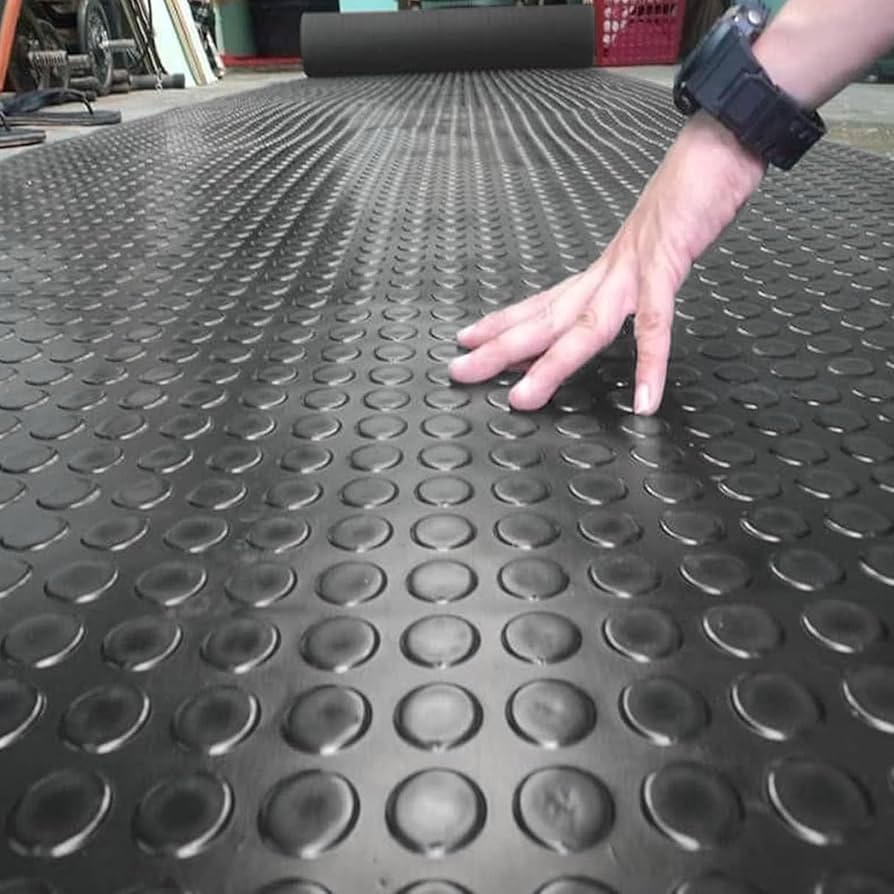
Suzhou Baoshida Trading Co., Ltd. operates at the forefront of industrial rubber solutions, delivering high-performance, engineered products tailored for demanding environments such as garage flooring systems. Central to our technical leadership is a dedicated engineering team comprising five specialized mould engineers and two advanced rubber formulation scientists. This integrated expertise enables us to design, develop, and manufacture custom rubber flooring solutions that meet precise mechanical, chemical, and environmental requirements for commercial and industrial garages.
Our mould engineering division applies precision-driven design methodologies to develop robust, high-cycle tooling systems optimized for complex rubber geometries and consistent part replication. Utilizing advanced CAD/CAM software and finite element analysis (FEA), our engineers ensure optimal flow dynamics, thermal distribution, and dimensional stability during the vulcanization process. This results in garage floor tiles and mats with uniform thickness, superior edge definition, and long-term durability under dynamic load conditions.
Complementing our mould design capability is our in-house rubber formulation laboratory, led by two senior formula engineers with over 15 years of combined experience in elastomer science. We specialize in developing proprietary rubber compounds based on EPDM, SBR, and recycled rubber blends, engineered to deliver targeted performance characteristics such as oil resistance, UV stability, anti-slip surface profiles, and low-temperature flexibility. Each formulation is rigorously tested for tensile strength, compression set, abrasion resistance, and aging performance to ensure compliance with international industrial standards.
Our OEM manufacturing platform is built on full vertical integration, allowing seamless transition from concept to mass production. We support clients through every stage of development—from technical consultation and 3D prototyping to material validation and lifecycle testing. With ISO 9001-certified processes and a 5,000-ton annual production capacity, we deliver scalable solutions without compromising on quality or lead time.
The following table outlines key technical specifications achievable through our engineered rubber flooring systems:
| Property | Test Standard | Typical Value |
|---|---|---|
| Hardness (Shore A) | ASTM D2240 | 60 – 85 |
| Tensile Strength | ASTM D412 | ≥ 7.5 MPa |
| Elongation at Break | ASTM D412 | ≥ 250% |
| Compression Set (22 hrs, 70°C) | ASTM D395 | ≤ 20% |
| Abrasion Loss (Taber, 1000 cycles) | ASTM D1044 | ≤ 80 mg |
| Oil Resistance (IRM 903, 70°C) | ASTM D471 | Volume swell ≤ 25% |
| Slip Resistance (R10/R11) | DIN 51130 | Yes |
| Operating Temperature Range | — | -40°C to +100°C |
Suzhou Baoshida Trading Co., Ltd. combines deep materials science expertise with precision engineering to deliver OEM rubber flooring solutions that perform under real-world garage conditions. Our technical team ensures every product is engineered for longevity, safety, and cost-effective manufacturing.
Customization Process
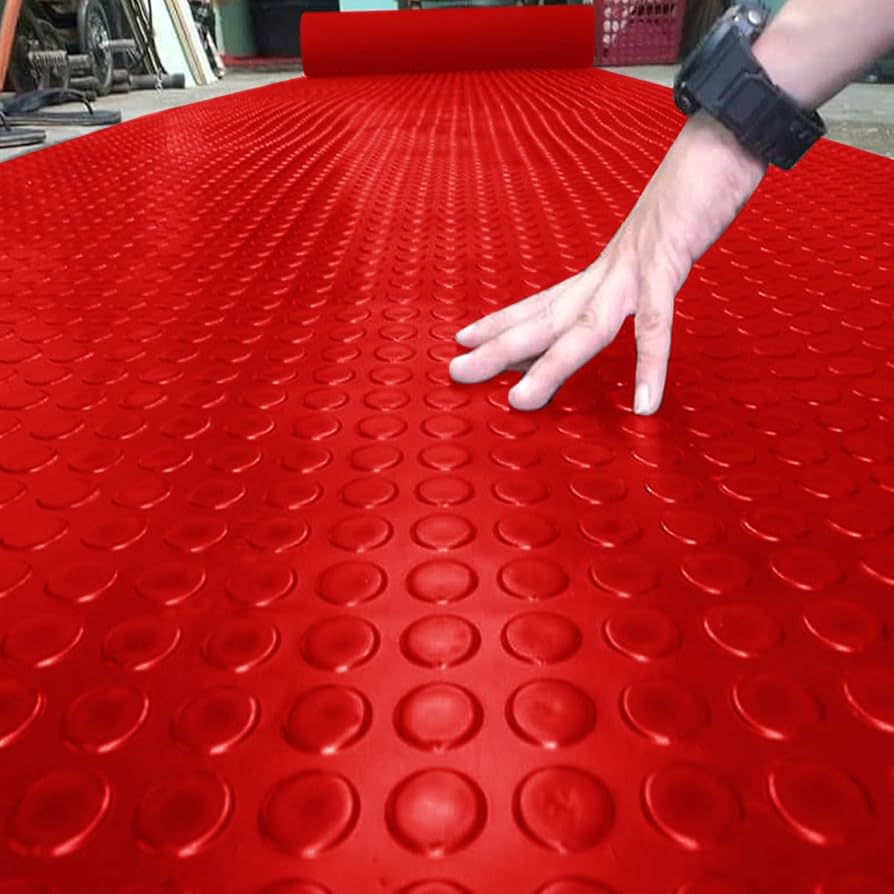
Customization Process: Precision Engineering for Industrial Garage Flooring Solutions
At Suzhou Baoshida Trading Co., Ltd., our customization process for industrial rubber garage flooring integrates rigorous scientific methodology with OEM manufacturing excellence. This systematic approach ensures every product meets exact operational demands while adhering to global durability and safety standards. The sequence begins with Drawing Analysis, where client-provided technical schematics undergo multidimensional validation. Our engineering team scrutinizes load distribution profiles, substrate compatibility, dimensional tolerances, and environmental exposure factors such as oil resistance or thermal cycling. Finite element analysis (FEA) software identifies stress concentration zones, enabling preemptive structural optimization. This phase culminates in a formal Design Failure Mode and Effects Analysis (DFMEA) report, shared with the client for alignment before material development commences.
Formulation leverages our proprietary rubber compounding expertise to translate engineering requirements into material science reality. Base polymers—typically SBR, EPDM, or nitrile—are selected based on abrasion resistance, rebound resilience, and chemical inertness targets. Critical additives include nano-silica for tear strength enhancement, aromatic antioxidants for UV stability, and specialized plasticizers to maintain flexibility at -40°C. Every formulation undergoes iterative laboratory mixing in 2L Banbury internal mixers, with Mooney viscometry and cure kinetics monitored via moving die rheometry (MDR). This stage produces a certified Material Data Sheet (MDS) detailing compound composition and predicted performance envelopes.
Prototyping bridges theoretical design to physical validation. Using CNC-machined molds derived from final drawings, we produce 1m² test samples under controlled vulcanization conditions (150°C ±2°C, 10MPa pressure). These prototypes undergo accelerated lifecycle testing: 500,000 cycles on a Taber abraser per ISO 4649, Shore A hardness verification after 72-hour oil immersion (ASTM D471), and tensile strength validation per ISO 37. Client feedback on texture, color consistency, and installation compatibility triggers micro-adjustments before tooling sign-off.
Mass Production initiates only after prototype certification, utilizing our ISO 9001-certified Suzhou facility. Continuous extrusion lines feed into precision hydraulic presses (1,500-ton capacity), with real-time infrared thermography ensuring uniform cross-linking. Every 500m² batch undergoes destructive testing:
Hardness: 65–85 Shore A
Tensile Strength: ≥12 MPa
Elongation at Break: ≥250%
Compression Set (22h/70°C): ≤25%
Final quality gates include 100% visual inspection for surface defects and traceability via laser-etched batch codes. This closed-loop process minimizes client risk while delivering garage flooring engineered for 15+ years of heavy-duty service.
Key Performance Specifications for Standard Garage Flooring Compounds
| Parameter | Test Standard | Typical Range | Target for Heavy-Duty Garages |
|---|---|---|---|
| Hardness (Shore A) | ISO 48-4 | 65–85 | 75–80 |
| Tensile Strength | ISO 37 | ≥12 MPa | ≥14 MPa |
| Tear Resistance | ISO 34-1 | ≥45 kN/m | ≥55 kN/m |
| Oil Resistance (IRM 903) | ASTM D471 | Volume swell ≤25% | Volume swell ≤15% |
| Compression Set | ISO 815-1 | ≤25% (22h/70°C) | ≤20% (22h/70°C) |
This disciplined workflow—from drawing scrutiny to production validation—ensures Suzhou Baoshida delivers not merely flooring, but engineered solutions that withstand the dynamic load resistance and chemical exposures inherent in industrial garage environments.
Contact Engineering Team
For industrial facilities, commercial garages, and heavy-duty maintenance bays, selecting the right flooring solution is a critical decision that directly impacts safety, durability, and long-term operational efficiency. At Suzhou Baoshida Trading Co., Ltd., we specialize in high-performance industrial rubber flooring systems engineered to meet the rigorous demands of garage environments. Our solutions are designed to withstand constant vehicular traffic, resist oil and chemical exposure, and provide superior traction under all conditions.
Our rubber flooring products are manufactured using premium recycled and virgin rubber compounds, ensuring consistent quality and mechanical resilience. Each batch undergoes stringent quality control testing for tensile strength, abrasion resistance, and compression recovery to guarantee optimal performance in real-world applications. Whether you are outfitting a vehicle service center, warehouse loading zone, or industrial garage, our flooring systems deliver long-term value through reduced maintenance costs and extended service life.
To ensure compatibility with your specific operational requirements, we offer customizable thicknesses, surface textures, and color options. Our standard modular tiles and roll goods are easy to install over concrete substrates, minimizing downtime during facility upgrades. Additionally, our products are resistant to common garage contaminants such as motor oil, brake fluid, antifreeze, and mild acids, making them ideal for environments where spills are inevitable.
Below are the technical specifications of our most widely deployed rubber flooring solution for garage applications:
| Property | Specification | Test Standard |
|---|---|---|
| Thickness | 8 mm | ASTM D2632 |
| Density | 1.25 g/cm³ | ASTM D792 |
| Tensile Strength | ≥7.5 MPa | ASTM D412 |
| Elongation at Break | ≥150% | ASTM D412 |
| Compression Set (22 hrs @ 70°C) | ≤20% | ASTM D395 |
| Shore A Hardness | 65 ± 5 | ASTM D2240 |
| Slip Resistance (Dry/Wet) | >0.65 COF | ASTM C1028 |
| Temperature Range | -40°C to +80°C | ISO 188 |
| Fire Rating | Class B (ASTM E648) | ASTM E648 |
All products comply with international environmental and safety standards, including REACH and RoHS, and are free from harmful phthalates and heavy metals.
For technical consultation, sample requests, or project-specific recommendations, we invite you to contact Mr. Boyce, OEM Project Manager at Suzhou Baoshida Trading Co., Ltd. With over 15 years of experience in industrial rubber applications, Mr. Boyce supports global clients in material selection, custom formulation, and logistics coordination. He is available to provide detailed product data sheets, CAD details, and installation guidelines tailored to your facility’s requirements.
Reach out today to optimize your garage flooring performance. Email Mr. Boyce directly at [email protected] to initiate a technical review of your project. Our team responds to all inquiries within 24 business hours and supports communication in English, Mandarin, and German. Partner with Suzhou Baoshida for engineered rubber solutions that deliver durability, safety, and precision.
⚖️ O-Ring Weight Calculator
Estimate rubber O-ring weight (Approx).