
Technical Contents
Engineering Guide: Flowable Silicone
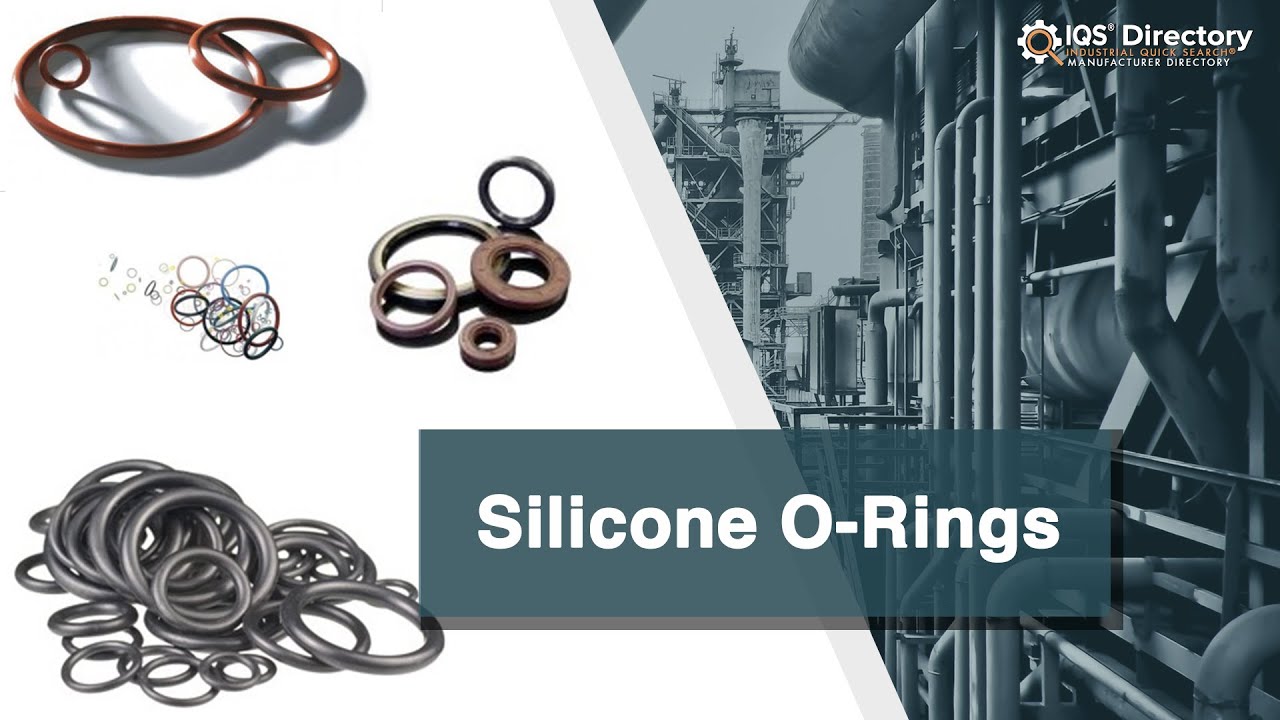
Engineering Insight: The Critical Role of Material Selection in Flowable Silicone Applications
In industrial rubber solutions, flowable silicone occupies a unique niche—bridging the gap between rigid elastomers and liquid sealants. Its low viscosity, high conformability, and thermal stability make it ideal for precision applications such as potting electronics, encapsulating sensors, and forming gaskets in tight-tolerance assemblies. However, the performance of flowable silicone is not inherent to the category itself but is critically dependent on precise material selection. Off-the-shelf formulations, while commercially accessible, frequently fail under real-world engineering demands due to mismatched rheology, inadequate cure profiles, or insufficient environmental resistance.
The root cause of failure often lies in oversimplification. Many procurement teams treat flowable silicone as a commodity, selecting based on price or availability rather than functional requirements. Generic formulations may lack the tailored crosslink density needed for dynamic stress environments or fail to maintain adhesion on low-energy substrates like polyamides or PBT. Additionally, standard products may exhibit excessive shrinkage during cure, leading to microcracking or delamination in sensitive electronic housings.
At Suzhou Baoshida Trading Co., Ltd., we emphasize that successful implementation begins with a complete understanding of the operating environment. Key parameters include thermal cycling range, exposure to oils or solvents, required Shore hardness post-cure, and dispensing method—whether needle-based, jetting, or mold灌注. For example, a flowable silicone designed for room-temperature vulcanization (RTV) in a static indoor setting will behave unpredictably in an under-hood automotive application exposed to -40°C to +150°C cycles and intermittent fuel contact.
Equally critical is compatibility with manufacturing processes. A formulation optimized for fast UV curing may not develop sufficient elongation for flexible joints, while platinum-cure silicones can be inhibited by sulfur-containing materials present in nearby components. These nuances are rarely addressed in mass-market products, which prioritize broad applicability over peak performance.
To illustrate the variance in engineered performance, consider the following comparative specifications across different grades of flowable silicone:
| Property | Standard Grade | High-Performance Grade | Baoshida Custom Formulation |
|---|---|---|---|
| Viscosity (cP at 25°C) | 8,000 | 12,500 | 9,800 (adjustable) |
| Shore A Hardness | 35 | 45 | 40 ± 2 |
| Tensile Strength (MPa) | 4.2 | 6.8 | 7.1 |
| Elongation at Break (%) | 280 | 350 | 380 |
| Operating Temperature (°C) | -55 to +200 | -60 to +220 | -60 to +250 |
| Cure System | Moisture-cure | Platinum-catalyzed | Dual-cure (heat + moisture) |
| Adhesion to Polyamide | Moderate | Good | Excellent (tested) |
This data underscores how engineered formulations outperform generic alternatives in stress-bearing and thermally aggressive environments. Off-the-shelf silicones may meet baseline specifications but often compromise long-term reliability.
Material selection is not a final step—it is the foundation of design integrity. At Baoshida, we collaborate with OEMs early in the development cycle to co-engineer flowable silicone systems that align with mechanical, chemical, and production requirements. The result is not just a sealant, but a functional component engineered for lifecycle performance.
Material Specifications
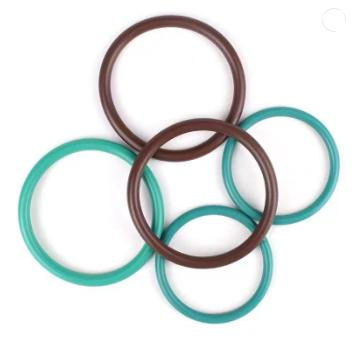
Material Specifications for Flowable Silicone in Precision Manufacturing
Flowable silicone compounds represent a critical advancement in industrial rubber processing, enabling complex geometries through low-viscosity injection molding and potting applications. At Suzhou Baoshida Trading Co., Ltd., we engineer these materials to meet stringent OEM requirements for dimensional stability, thermal resilience, and chemical compatibility. Material selection directly impacts product lifecycle performance, necessitating precise alignment with operational parameters such as temperature exposure, fluid contact, and mechanical stress. Viton (FKM), Nitrile (NBR), and Silicone (VMQ) each offer distinct advantages, though their suitability varies significantly across industrial contexts.
Material Selection Criteria
Viton excels in extreme environments, resisting aggressive chemicals like jet fuels, acids, and chlorinated hydrocarbons at temperatures up to 230°C. Its molecular stability ensures minimal swelling in aerospace and chemical processing seals. Nitrile provides cost-effective resistance to petroleum-based oils and greases, performing reliably between -40°C and 120°C—ideal for automotive fuel systems and hydraulic components. Silicone delivers unparalleled flexibility across -60°C to 200°C, with exceptional biocompatibility and ozone resistance, making it indispensable for medical devices and high-temperature gaskets. However, its moderate resistance to hydrocarbon derivatives necessitates careful evaluation in oil-exposed applications.
Comparative Material Specifications
The table below details critical properties per ASTM/ISO standards. All values reflect typical cured compound performance; exact formulations may vary based on OEM customization requests.
| Property | Viton (FKM) | Nitrile (NBR) | Silicone (VMQ) |
|---|---|---|---|
| Temperature Range (°C) | -20 to +230 | -40 to +120 | -60 to +200 |
| Chemical Resistance | Excellent (acids, fuels, solvents) | Good (oils, greases) | Fair (oils); Excellent (water, ozone) |
| Hardness (Shore A) | 60–90 | 50–90 | 30–80 |
| Tensile Strength (MPa) | 8–15 | 10–20 | 5–12 |
| Elongation at Break (%) | 150–300 | 200–500 | 200–700 |
| Compression Set (70h/150°C) | ≤25% | ≤30% | ≤20% |
Notes: Hardness per ASTM D2000; Tensile/Elongation per ISO 37; Compression Set per ASTM D395. Chemical resistance ratings assume standard compound formulations; specialty grades may enhance specific attributes.
Silicone’s low compression set and wide thermal window make it optimal for dynamic sealing where repeated deflection occurs, though Viton remains unmatched for chemical aggression. Nitrile balances performance and economy for general-purpose fluid sealing but degrades rapidly under UV or ozone exposure. Crucially, flowable silicone formulations require tailored filler systems to maintain processability without sacrificing tear strength—our Baoshida-engineered compounds achieve 400–600% elongation while retaining Shore A 40–60 consistency for seamless mold filling.
OEM validation must account for synergistic effects: a fuel injector seal (NBR) may tolerate gasoline but fail with biofuel blends, while a Viton O-ring in a cryogenic valve demands low-temperature flex modifiers. Our laboratory conducts accelerated aging per ASTM D573 to simulate 10,000-hour service life, ensuring material recommendations align with your product’s operational envelope. Consult our engineering team to specify the optimal compound for your application’s thermal, chemical, and mechanical profile.
Manufacturing Capabilities
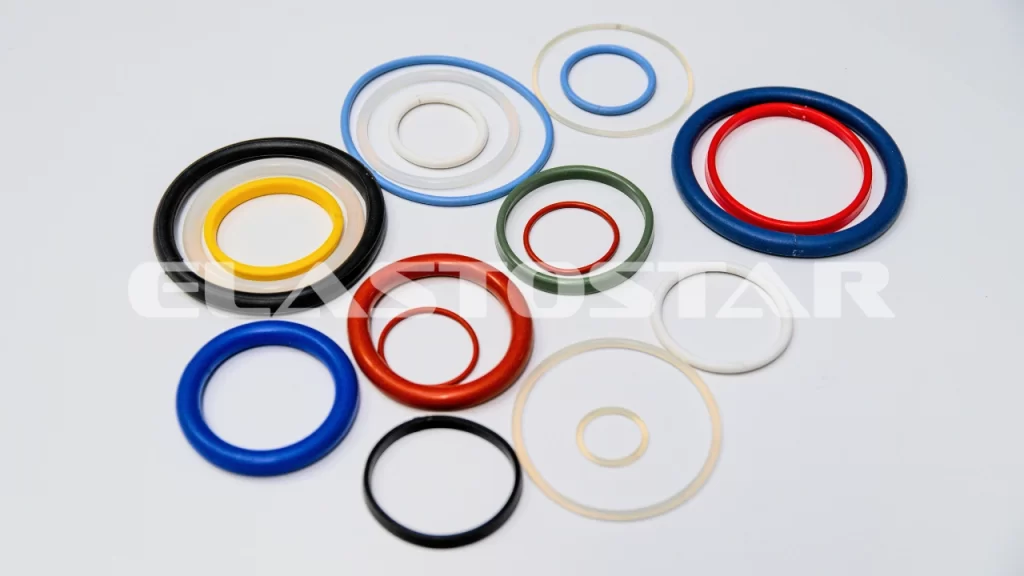
Engineering Capability: Advanced Development in Flowable Silicone Technology
At Suzhou Baoshida Trading Co., Ltd., our engineering capability is anchored in deep technical expertise and a rigorous scientific approach to industrial rubber solutions. We specialize in the formulation and processing of flowable silicone, a critical material for high-precision applications across automotive, medical, electronics, and industrial sealing sectors. Our in-house engineering team comprises five dedicated mould engineers and two certified rubber formula engineers, enabling full vertical control from material design to final production.
Our formula engineers possess advanced knowledge in polymer chemistry and rheological behavior, allowing precise customization of flowable silicone to meet exact OEM performance criteria. Whether adjusting viscosity for intricate mould filling, enhancing thermal stability for under-hood automotive components, or improving biocompatibility for medical device integration, our formulations are developed using data-driven methodologies and validated through ASTM and ISO-standardized testing protocols. This ensures consistent material performance across batch cycles and environmental conditions.
Complementing our formulation expertise, our five mould engineers bring extensive experience in precision tooling design and process optimization. They work in close collaboration with clients to interpret technical drawings, perform finite element analysis (FEA) for stress and flow simulation, and implement design for manufacturing (DFM) principles that reduce cycle times and eliminate defects such as voids, flash, or incomplete curing. Our team supports both cold-runner and hot-runner systems, with capabilities in multi-cavity and family mould configurations tailored to high-volume production demands.
We offer comprehensive OEM services, supporting clients from concept validation through to serial production. Our engineering workflow integrates rapid prototyping using 3D-printed moulds and silicone rapid tooling, enabling quick iteration and time-to-market acceleration. All developments are documented under strict confidentiality agreements, with full traceability maintained through our ERP-integrated quality management system.
Our technical infrastructure includes state-of-the-art rheometers, durometers, tensile testers, and thermal aging chambers, ensuring every formulation and mould design is validated under real-world operational conditions. This scientific rigor, combined with our agile engineering team, positions Suzhou Baoshida as a trusted partner for technically demanding flowable silicone applications.
Key Technical Specifications of Standard Flowable Silicone Formulations
| Property | Test Method | Value Range |
|---|---|---|
| Hardness (Shore A) | ASTM D2240 | 10 – 80 |
| Viscosity (at 25°C, Pa·s) | ASTM D2196 | 10 – 50 |
| Tensile Strength (MPa) | ASTM D412 | 3.0 – 9.5 |
| Elongation at Break (%) | ASTM D412 | 200 – 800 |
| Operating Temperature Range | — | -60°C to +200°C |
| Cure System | — | Platinum-catalyzed (addition cure) |
| Specific Gravity | ASTM D792 | 1.08 – 1.15 |
| Electrical Resistivity (Ω·cm) | ASTM D257 | >1×10¹⁴ |
All values are typical and subject to customization based on client requirements. Suzhou Baoshida Trading Co., Ltd. maintains full compliance with RoHS, REACH, and FDA (for medical-grade variants) regulatory standards.
Customization Process
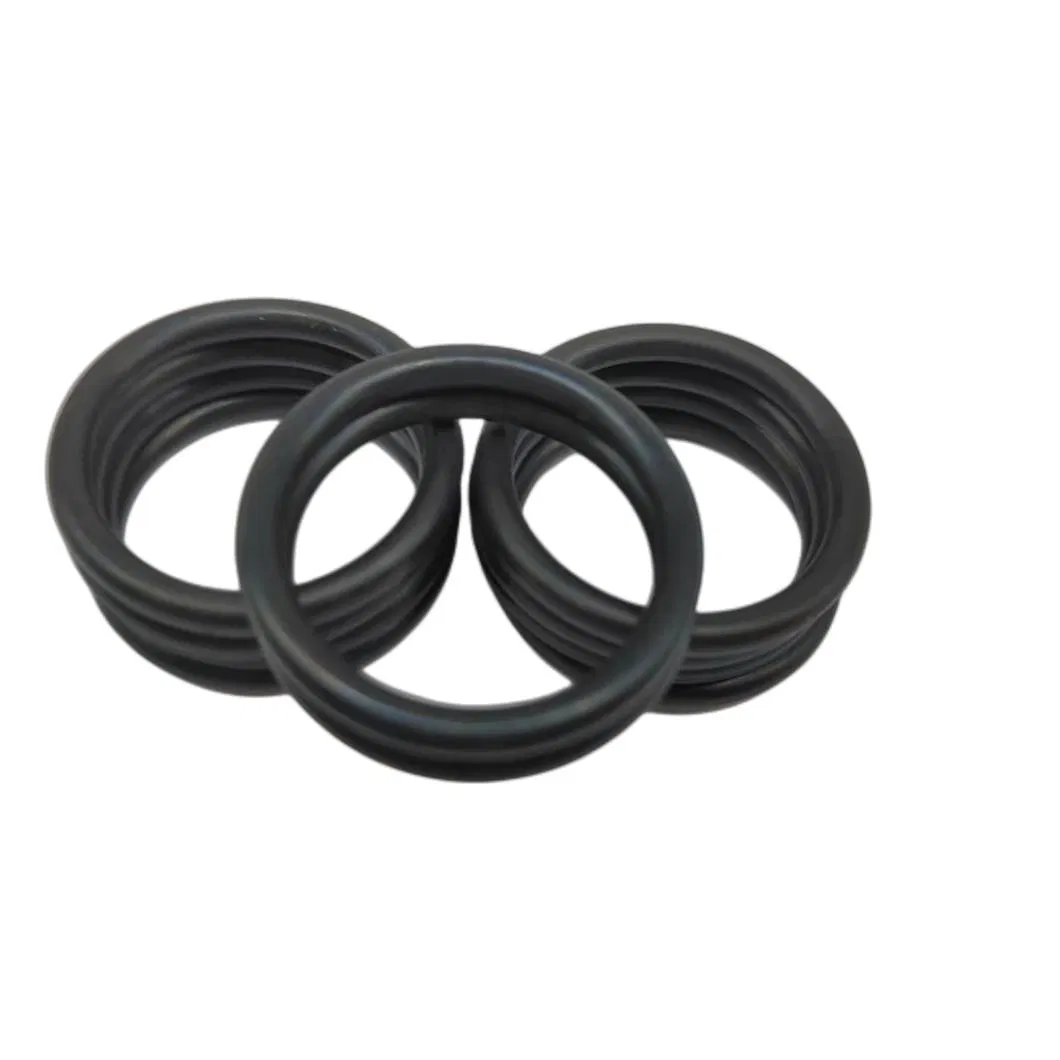
Customization Process for Flowable Silicone Manufacturing
At Suzhou Baoshida Trading Co., Ltd., our flowable silicone customization process integrates rigorous engineering protocols to transform client specifications into high-performance industrial components. This systematic approach ensures dimensional accuracy, material consistency, and seamless scalability from concept to volume production. The process begins with Drawing Analysis, where our engineering team conducts a comprehensive review of client-provided CAD models and GD&T documentation. We assess critical features such as wall thickness tolerances, undercuts, and flow paths to identify potential molding challenges. Finite element analysis (FEA) validates structural integrity under operational stress, while material compatibility checks confirm adherence to chemical resistance and thermal stability requirements per ASTM D2000 standards. Any geometric conflicts are resolved collaboratively with the client before progression.
Formulation Development follows, leveraging our proprietary silicone chemistry expertise. We tailor base polymer viscosity, filler loading, and catalyst systems to achieve precise rheological profiles. Key parameters include shear-thinning behavior for intricate mold filling and controlled cure kinetics to prevent premature crosslinking. Our lab synthesizes small-batch compounds, adjusting platinum-cure concentrations and additives like fumed silica for optimal flow without sacrificing mechanical properties. The target specifications below guide this phase:
| Parameter | Target Range | Measurement Standard |
|---|---|---|
| Viscosity (25°C) | 5,000–25,000 Pa·s | ASTM D2196 |
| Shore A Hardness | 10–40 A | ASTM D2240 |
| Tensile Strength | ≥3.5 MPa | ASTM D412 |
| Elongation at Break | ≥500% | ASTM D412 |
| Cure Time (150°C) | 30–90 seconds | ISO 3705 |
Prototyping utilizes rapid tooling with aluminum molds to validate the formulation. We produce 20–50 units for dimensional inspection via CMM and functional testing under simulated service conditions. Critical validations include compression set (ASTM D395), thermal cycling (-55°C to 200°C), and fluid exposure resistance. Data from this phase refines the compound recipe and molding parameters, with iterative adjustments until all performance criteria are met. Client feedback on prototype samples is mandatory before final sign-off.
Mass Production commences only after full validation, employing multi-cavity steel molds in automated LSR injection systems. Real-time process monitoring tracks shot weight consistency, cure temperature uniformity, and clamp force via IoT-enabled presses. Each batch undergoes 100% visual inspection and statistical sampling for physical property verification. Our ISO 9001-certified facility maintains traceability through barcode-linked documentation, ensuring lot-specific data accessibility. Production scalability is supported by dual-shift operations with a capacity of 500,000+ units monthly, while continuous improvement protocols minimize scrap rates below 0.8%. This end-to-end control guarantees that every flowable silicone component meets the exacting demands of automotive, medical, and electronics OEMs.
Contact Engineering Team
For industrial manufacturers seeking high-performance flowable silicone solutions, Suzhou Baoshida Trading Co., Ltd. stands at the forefront of precision rubber material supply. With years of engineering expertise in industrial rubber formulations, we specialize in delivering flowable silicone compounds tailored to meet the rigorous demands of automotive, electronics, medical device, and advanced manufacturing sectors. Our formulations are engineered for optimal viscosity, thermal stability, and cross-linking efficiency, ensuring seamless integration into injection molding, encapsulation, and potting processes.
Flowable silicone is not a one-size-fits-all material. At Suzhou Baoshida, we understand that performance hinges on precise rheological control, cure kinetics, and compatibility with substrates and operating environments. Our technical team works closely with OEMs and contract manufacturers to develop customized silicone systems that deliver consistent flow, minimal shrinkage, and long-term durability under dynamic stress and extreme temperatures. Whether you require low-viscosity formulations for fine-feature replication or high-purity grades for biocompatible applications, our portfolio is backed by rigorous QC protocols and in-house application support.
We invite engineering managers, procurement leads, and R&D specialists to connect directly with Mr. Boyce, our OEM Account Manager and Rubber Formulation Engineer. With deep technical knowledge in silicone polymer chemistry and industrial processing, Mr. Boyce provides consultative support—from initial material selection to troubleshooting production-scale challenges. His role ensures that every client receives not just a product, but a fully engineered solution aligned with their manufacturing parameters and performance targets.
To facilitate informed decision-making, below are key technical specifications representative of our standard high-flow silicone formulations. These values serve as a baseline; custom modifications are available upon request.
| Property | Test Method | Typical Value |
|---|---|---|
| Base Type | — | Platinum-Cured Silicone |
| Hardness (Shore A) | ASTM D2240 | 10 – 50 |
| Viscosity (at 25°C, mPa·s) | ASTM D2196 | 5,000 – 20,000 |
| Tensile Strength | ASTM D412 | 4.5 – 7.0 MPa |
| Elongation at Break | ASTM D412 | 400% – 600% |
| Thermal Resistance Range | — | -50°C to +200°C |
| Cure Time (at 120°C) | — | 3 – 5 minutes |
| Specific Gravity | ASTM D792 | 1.10 – 1.15 |
| Dielectric Strength | ASTM D149 | 18 – 22 kV/mm |
All materials are compliant with RoHS and REACH standards, with medical-grade options meeting ISO 10993 and USP Class VI requirements. Batch traceability, COA documentation, and on-site technical audits are standard for qualified partners.
Initiate your project with confidence by contacting Mr. Boyce directly at [email protected]. Include your application details, volume requirements, and performance criteria to receive a targeted formulation recommendation and sample dispatch timeline. At Suzhou Baoshida, we don’t supply silicone—we engineer flowable performance.
⚖️ O-Ring Weight Calculator
Estimate rubber O-ring weight (Approx).